




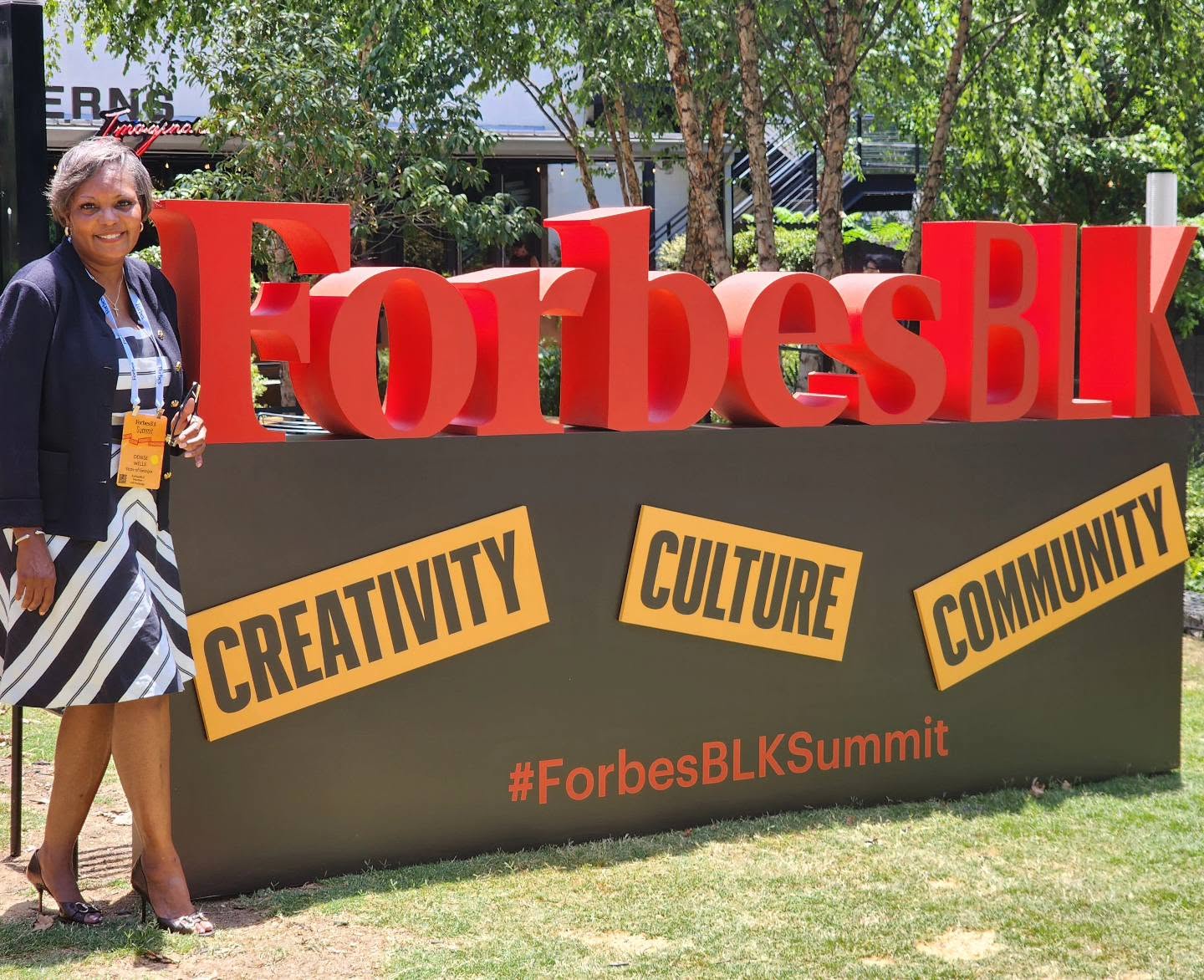
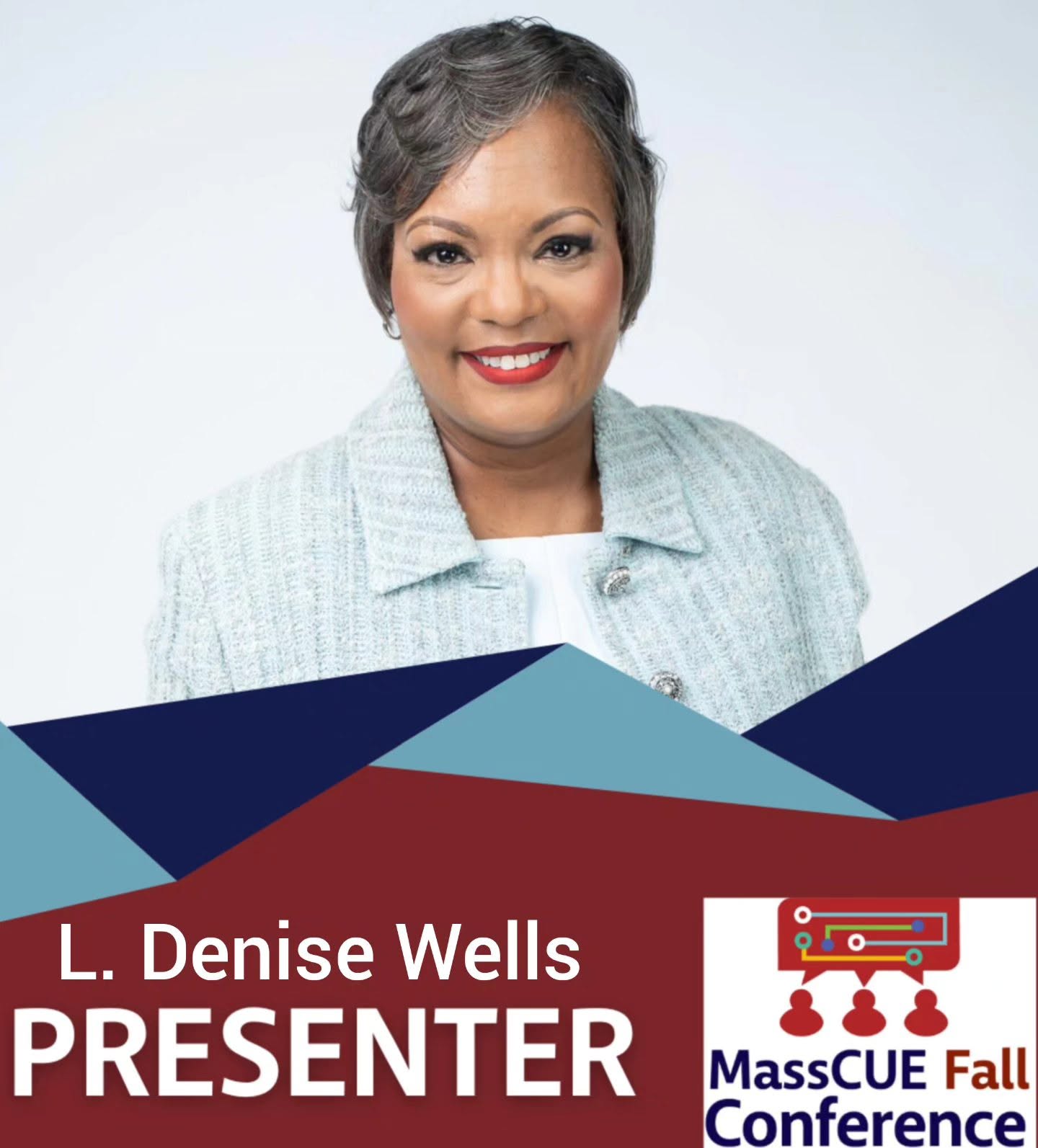
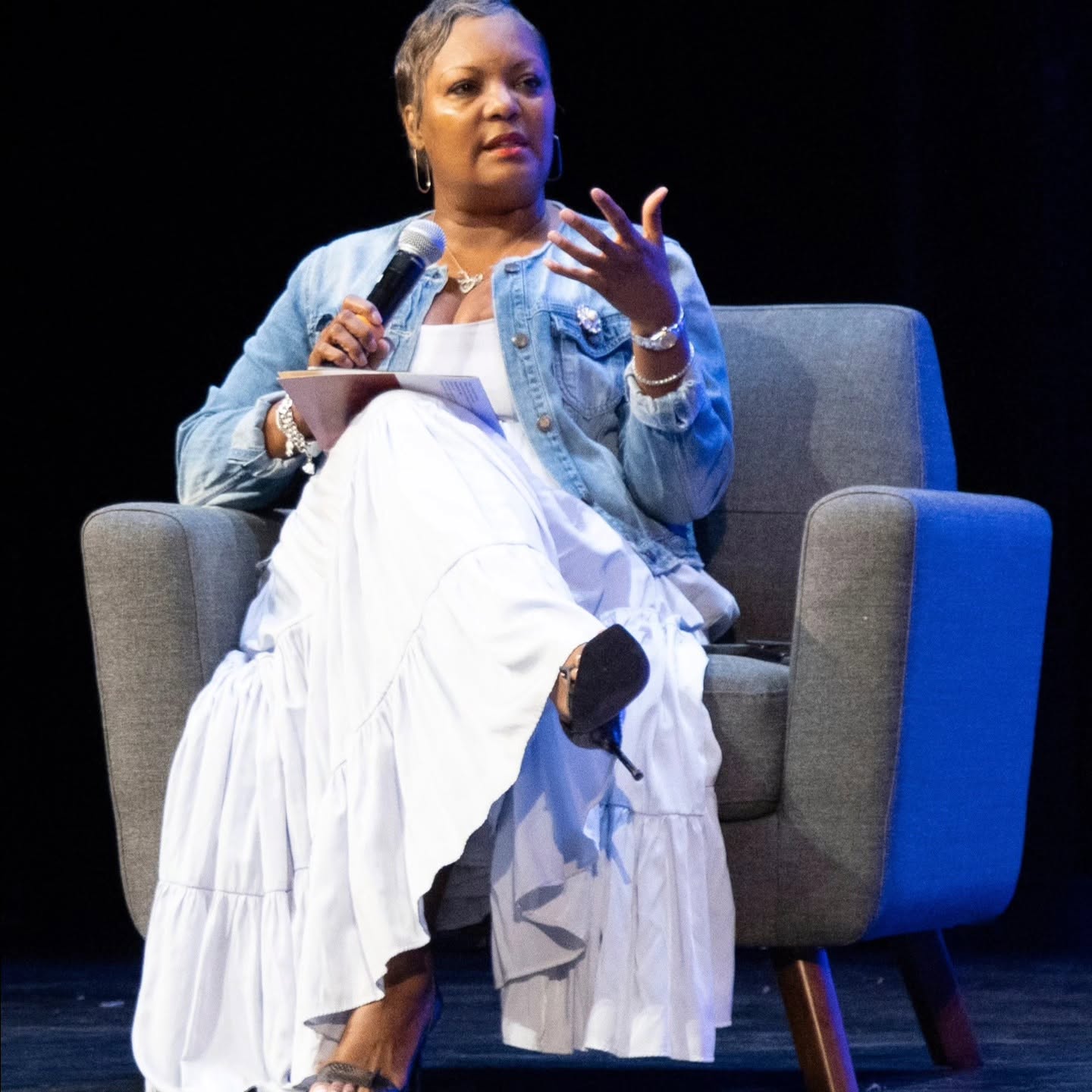
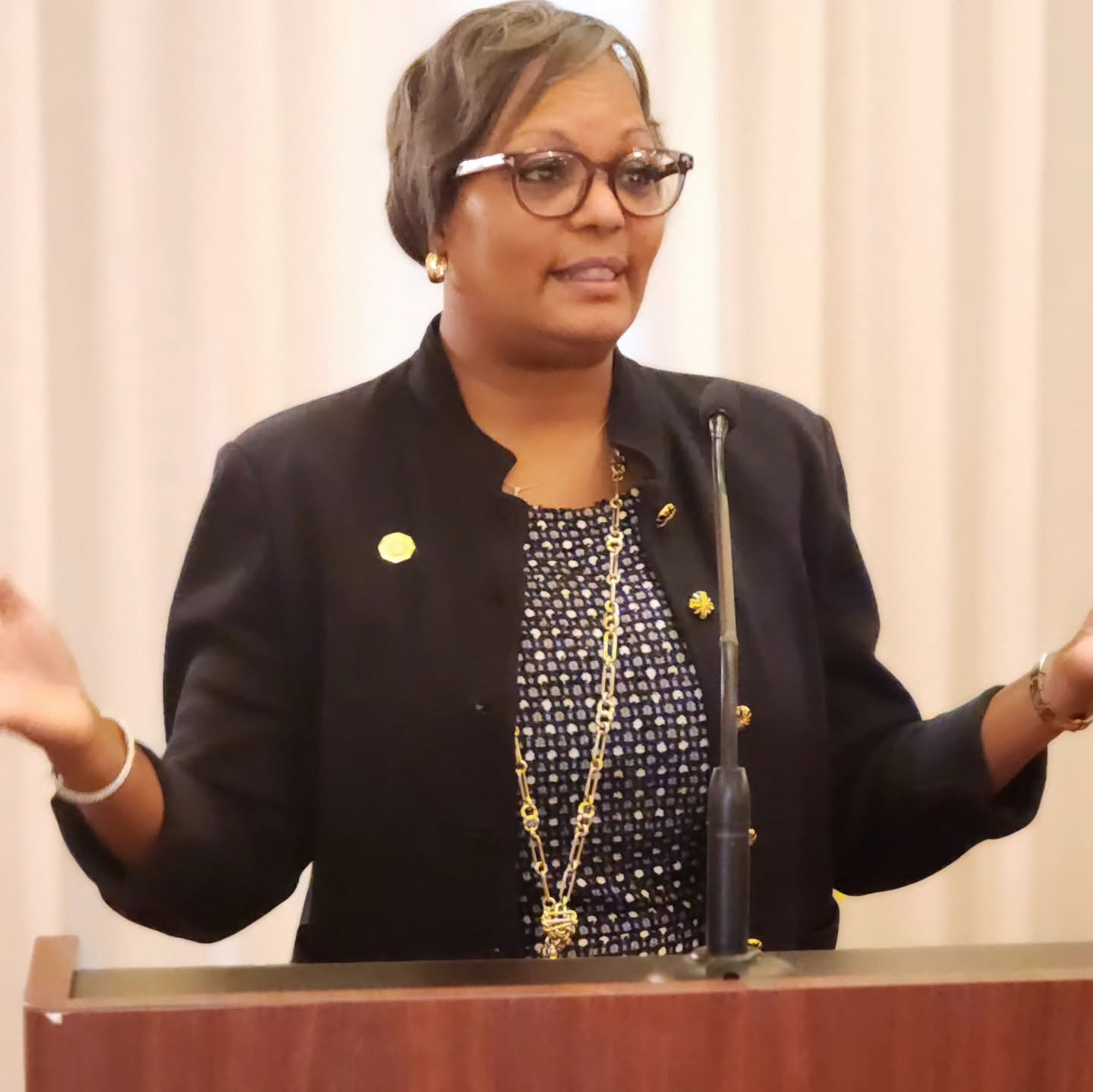
Today we’d like to introduce you to L. Denise Wells.
Alright, so thank you so much for sharing your story and insight with our readers. To kick things off, can you tell us a bit about how you got started?
People often ask whether I see myself as a creative or an executive. My answer is always the same: I have never believed those identities are separate. The most effective leaders understand the power of narrative, and the most impactful storytellers recognize that language has consequences far beyond the page. My career has been built at that intersection, where literary scholarship, civic leadership, cultural commentary, and strategic communication converge.
I have always believed that language is equal parts expression and infrastructure. It shapes public trust, influences decision-making, strengthens institutions, and creates opportunities for people to understand one another more fully. Whether I am writing a keynote, advising a government executive, moderating a public conversation, or standing on a TEDx stage, my work begins with the same question: What is the story we are trying to tell, and why does it matter?
That perspective was shaped long before I held executive titles. As a first-generation college graduate, earning my bachelor’s degree in English from the University of Georgia’s Franklin College of Arts and Sciences represented far more than an academic achievement. It transformed the trajectory of my family and established the foundation for everything I have built since. During college, I quickly became known for my writing and editorial instincts. Fellow students regularly sought my help refining papers and strengthening arguments, and what initially became a way to earn additional income revealed something much larger. I realized I possessed both an aptitude for language and a genuine ability to help others communicate with greater precision, confidence, and impact.
That realization evolved into a career dedicated to strategic communication. My professional journey began with the Atlanta Regional Commission, continued through increasingly senior leadership positions with the Georgia Department of Human Services, and today I serve as Deputy Director of Public Affairs for the City of South Fulton. Across every role, I have learned that communication is never simply about the stewardship of words. In government, every message carries institutional consequence. Public trust is earned through clarity, consistency, and credibility, and I have built my career helping organizations communicate with all three.
At the same time, I have intentionally cultivated a parallel career as an author, TEDx speaker, moderator, and creative thought leader. Those worlds are often viewed as distinct, yet I have found they continually strengthen one another. My experience in public affairs grounds my creative work in substance, while my work as a writer and speaker allows me to bring humanity, nuance, and emotional intelligence into executive leadership. Together, they have become the foundation of a practice centered on helping individuals and institutions communicate with authority, authenticity, and purpose.
As an award-winning author and TEDx speaker, I have the privilege of engaging audiences around questions of leadership, identity, institutional responsibility, team strength, and the human dimensions of organizational life. My work challenges audiences to think more critically while providing practical frameworks they can immediately apply. I am interested in conversations that endure long after the applause ends because lasting influence is created through thoughtful dialogue and inspiration.
That same philosophy guides my advisory work. Organizations rarely struggle because they lack expertise. More often, they struggle because they have not yet discovered the language that accurately reflects the value they already possess. My role is to help leaders bridge that gap. Whether I am developing executive messaging, refining organizational narratives, coaching executive presence, facilitating strategic dialogue, or translating complex policy into language that communities can understand, my objective is to bring order to complexity and clarity to communication.
What distinguishes my work is that it is built on multiple disciplines rather than a single professional lane. My perspective has been shaped by literary scholarship, public policy, executive leadership, higher education, diversity, equity, inclusion, belonging, and accessibility, as well as the practical realities of governing and serving diverse communities. Because of that foundation, I move comfortably between academic institutions, boardrooms, conference stages, government agencies, nonprofit organizations, and cultural spaces without compromising intellectual rigor or accessibility. I believe audiences deserve both substance and clarity, and should never have to choose between the two.
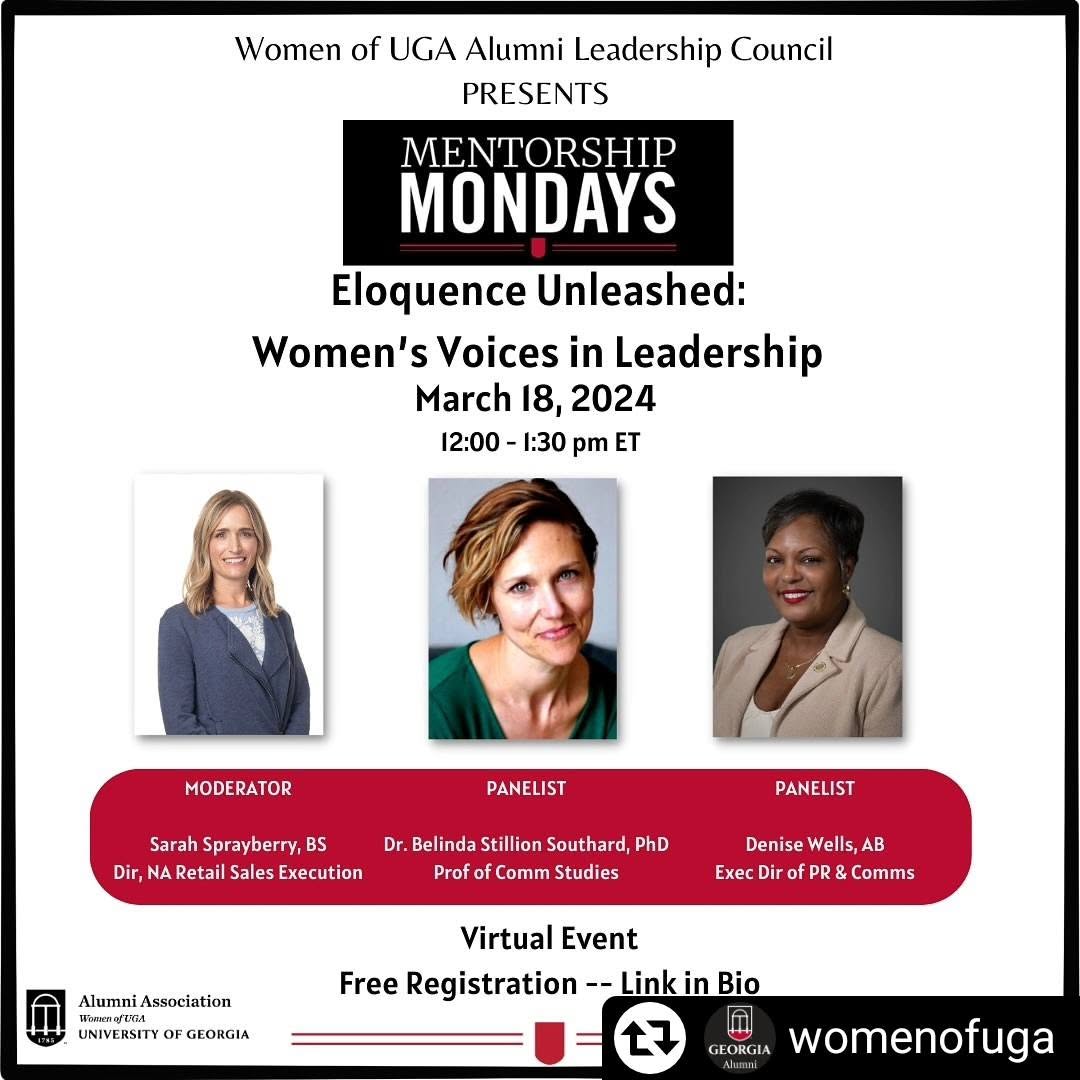
One of the greatest privileges of my career has been watching my personal journey come full circle. As a first-generation graduate of the University of Georgia, I now have the opportunity to serve in leadership capacities on multiple boards connected to the institution that helped shape my future, including being the first African American advisor with the Franklin College of Arts and Sciences. That service represents something deeply personal to me. Achievement is meaningful, but stewardship is what gives achievement lasting significance. I believe success carries an obligation to create opportunities for others to follow.
That same level of commitment to legacy is equally reflected in my literary work. My NAACP-nominated anthology, An Anthology of Sisterhood, featuring a foreword by the late Ruby Dee, was never intended to exist only as a book. Through the Ruby Dee Legacy of Sisterhood Scholarship Award, funded through book sales in partnership with the Delta Research and Education Foundation, the work extends into educational opportunity. Each year, through the Dee Davidson Foundation, a collegiate woman studying the humanities receives support to continue her education. For me, that means I am reaching the highest purpose of authorship as I actively create work that continues serving others long after it is published.
Leadership, in my view, is inseparable from communication. As a certified John C. Maxwell leadership coach and Certified DEIBA Strategist, I work with organizations to strengthen leadership capacity while helping them integrate diversity, equity, inclusion, belonging, and accessibility into both operational strategy and public communication. I approach this work equally as a compliance exercise and as a business imperative. Inclusive excellence is good practice, but more importantly, it is smart organizational stewardship and definitive risk management strategy. Institutions that communicate with integrity, cultivate belonging, and align their internal culture with their public commitments are ultimately better positioned to earn trust, manage risk, and sustain long-term success.
If there is a common thread running through every chapter of my career, it is the fact that I help people and institutions find language equal to the significance of their work. I believe words should do more than just persuade. They should clarify purpose, strengthen relationships, inspire confidence, and leave a lasting contribution.
Whether I am advising executives, delivering a keynote, hosting a public conversation, writing a book, or standing before an audience, I bring the same commitments with me of disciplined creativity, intellectual curiosity, cultural fluency, strategic clarity, and a profound respect for the people on the receiving end of every message.
At its best, communication allows us to speak with greater intention. That has become the work of my life—and it is the legacy I hope to leave.
Can you talk to us a bit about the challenges and lessons you’ve learned along the way. Looking back would you say it’s been easy or smooth in retrospect?
It has been anything but a smooth road, and I think that’s true of anyone whose success has been built rather than inherited. Every chapter of my journey required me to learn something I didn’t yet know, often without a blueprint and sometimes without the kind of support that would have made the path easier.
As a first-generation college student, simply making it to graduation was a significant accomplishment. There were moments when I wasn’t sure how I was going to make it through financially. Like many students who are the first in their families to navigate higher education, I was earning a degree while also learning how to navigate systems that no one in my immediate family had experienced before me. There were semesters when resources were stretched thin, and I had to make difficult decisions simply to stay enrolled. Looking back, I realize those years taught me resourcefulness long before I understood it as a leadership skill.
Shortly after graduating from the University of Georgia, I welcomed my son into the world. Becoming a mother at the very beginning of my professional life changed everything. I made the intentional decision to raise him as a single mother, fully understanding the responsibility that came with it. There wasn’t a roadmap for balancing career aspirations, motherhood, financial stability, and personal purpose all at once. There were long days, sleepless nights, and moments when I questioned whether I could continue pursuing the vision I had for my life while being fully present for my son. He ultimately became one of my greatest sources of motivation. Every opportunity I pursued carried a deeper sense of purpose because I knew I wasn’t building a future for myself alone.
One of the least visible—but most defining—decisions of my career was actively choosing to slow it down.
As a single mother, I intentionally pursued positions that offered stability over prestige because I wanted to be fully present for my son. Instead of chasing titles I built a childhood he would remember. There were opportunities I declined, ambitions I postponed, and seasons when my greatest leadership role wasn’t in the boardroom—it was at home.
When he left for college, everything changed. It was as if the pause button had been released. I threw myself into the work I had patiently prepared for over the years—writing, speaking, executive leadership, board service, and building my platform with a clarity and urgency that hadn’t been possible before.
People sometimes describe my career as if it accelerated overnight. It didn’t. It was decades in the making. I simply honored one calling before fully pursuing another.
I’ve never believed I lost time. I invested it where it mattered most, and when the season changed, I was ready.
Professionally, many of the challenges came from entering spaces where I had to figure things out independently. When I decided to become an author, self-publishing was far less accessible than it is today. There were no step-by-step playbooks readily available, and I certainly didn’t have an established network of authors or publishing professionals to guide me. I learned the publishing business through research, trial and error, expensive mistakes, and a willingness to keep asking questions. I wasn’t simply writing a book—I was learning editing, production, marketing, distribution, branding, contracts, and the business side of authorship in real time.
There were seasons when that process felt isolating. Like many entrepreneurs and creatives, I discovered that not everyone who applauds your vision understands the work required to sustain it. Sometimes the greatest challenge wasn’t a lack of talent or determination; it was the absence of trusted guidance. I had to learn how to discern good advice from bad advice, who genuinely wanted to see me succeed, and whose experience I could trust. Finding mentors who were willing to invest in my growth without competition or ego became one of the most valuable developments in my career. Those relationships reminded me that wisdom can shorten learning curves, but only after you’ve developed the humility to seek it and the discernment to recognize it.
Another challenge has been resisting the pressure to fit neatly into one professional category. Because my work spans government, public affairs, writing, speaking, leadership development, and inclusion, people often wanted to define me by only one of those roles. Early in my career, I sometimes felt pressure to choose a single lane. Over time, I realized my greatest strength was never fitting inside one category. The diversity of my experiences is precisely what allows me to connect ideas, people, and institutions in meaningful ways.
If there is one lesson that every obstacle has reinforced, it is that large-scale success is not simply enduring hardship. We must develop the discipline to keep learning, to remain teachable, and to continue building even when the path forward isn’t obvious. Every challenge I’ve faced—from financial uncertainty as a first-generation college student, to raising my son while establishing my career, to teaching myself an entirely new industry before eventually finding trusted mentors—has strengthened my capacity to lead with empathy, strategy, and perspective.
Those experiences shaped my story and the way I now serve others. Today, when I help leaders find clarity, coach emerging professionals, advise organizations, or stand before an audience, I speak from lived experience. I know what it means to build something from the ground up, to lead through uncertainty, and to discover that some of life’s greatest opportunities emerge only after you’ve learned to navigate its most difficult seasons.
Thanks for sharing that. So, maybe next you can tell us a bit more about your work?
At the heart of everything I do is the one belief that stories have the power to shape culture, strengthen institutions, and change lives. Whether I’m advising executives, leading public affairs for government, delivering a keynote, or writing a book, my work is centered on helping people and organizations communicate with greater clarity, credibility, and purpose.
I specialize in strategic communications, executive messaging, public affairs, leadership development, and DEIBA strategy, but I see those disciplines as part of a much larger mission. I’m known for translating complex ideas into narratives that move people to think differently, lead more intentionally, and act with greater purpose. My work lives at the intersection of language, leadership, public service, and cultural impact.
One of the accomplishments that remains closest to my heart is An Anthology of Sisterhood. The project allowed us to come together to create a platform, through anthology, for voices that had never been heard. I intentionally invited women who had never before been published to become first-time authors alongside established voices, proving that meaningful stories deserve space regardless of a person’s publishing résumé. The anthology, featuring a foreword by the legendary Ruby Dee, became a literary project— actually a movement —rooted in legacy, opportunity, and collective achievement.
That commitment continues through the Ruby Dee Legacy of Sisterhood Scholarship, which is funded by proceeds from the book. In partnership with the Dee Davis Foundation—led by Ruby Dee and Ossie Davis’s children, who personally select the recipient each year—and the Delta Research and Education Foundation, which administers the scholarship, the initiative supports collegiate women pursuing studies in the humanities. Few accomplishments have given me greater satisfaction than knowing that a book designed to amplify women’s voices continues to open doors for future generations of scholars and leaders.
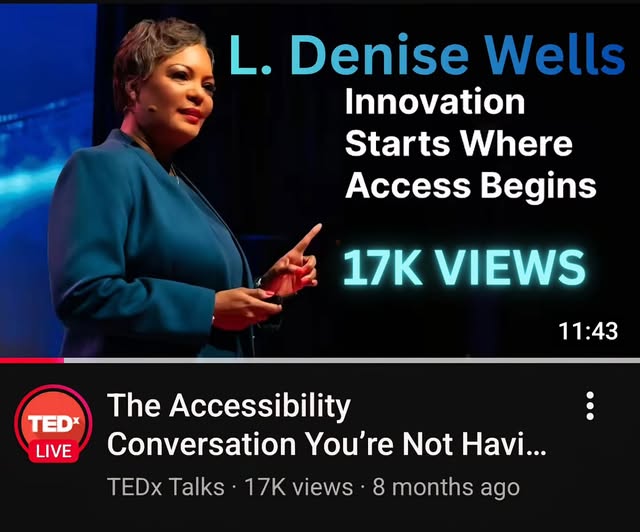
Another defining moment in my career has been my TEDxAtlanta talk on accessibility. Released during the 35th anniversary of the Americans with Disabilities Act, the talk has reached nearly 18,000 viewers and expanded an important conversation about accessibility beyond compliance and into leadership. It also reflects my work as a Certified DEIBA Strategist, where I help organizations understand that diversity, equity, inclusion, belonging, and accessibility are not simply values to affirm—they are strategic imperatives that strengthen organizational culture, reduce reputational risk, and build public trust. That TEDx platform established me as a trusted voice on accessibility and inclusive leadership and opened doors to conversations I believe are shaping the future of organizational excellence.
In my role as Deputy Director of Public Affairs, I also have the privilege of shaping stories that frequently earn media attention because they connect public policy with the people it serves. I believe the most effective communications announce information, create understanding, build confidence, and inspire engagement. Whether I’m developing executive messaging, advising senior leaders, or helping organizations navigate complex issues, my goal is always to produce communication that informs, resonates, and endures.
What sets me apart is that I don’t approach communication as a branding exercise; I approach it as a discipline. My perspective is informed by executive leadership, literary scholarship, public affairs, authorship, and professional certifications in public speaking and leadership coaching through the John C. Maxwell Institute, and DEIBA strategy through InclusionScore. Together, those experiences allow me to move seamlessly between boardrooms, government, higher education, nonprofit leadership, conference stages, and cultural conversations without sacrificing substance or authenticity.
The common thread running through my work is that I help people find language worthy of their leadership. Whether I’m writing, speaking, coaching, consulting, or advising, I’m interested in creating communication that leaves institutions stronger, communities more connected, and people more empowered than they were before the conversation began. That’s the work I’m most proud of, and it’s the legacy I’m committed to building.
If we knew you growing up, how would we have described you?
I’ve often joked that I grew up between Bankhead and Buckhead, but that’s more than a clever line—it’s the truth of my life. I was born at Grady Memorial Hospital, an Atlanta “Grady Baby,” and spent my childhood moving between very different worlds. I understood economic hardship at home while attending school in one of the wealthiest parts of the city in the Chastain Park neighborhood. I learned early how to navigate rooms where I didn’t always feel like I belonged, and that experience became one of my greatest strengths. It taught me how to build bridges instead of choosing sides.
I’ve always been a collection of beautiful contradictions. I was the little girl who loved ballet but wasn’t afraid to get dirty. I was competitive but dainty, strong-willed but deeply sensitive. I could command a room one moment and quietly observe it the next. Even as a child, I found myself studying people—their stories, their motivations, the spaces between what they said and what they meant. I didn’t know it then, but I was already becoming a communicator.
Writing became my constant. I have kept journals for as long as I can remember. Long before I had evidence that my dreams would come true, I wrote as though they already had. Those journals became conversations with God, with my future self, and with possibilities most could not yet see. Even today, I still write things down before I see them. I’ve learned that what begins as faith on paper often becomes reality with enough discipline, courage, and grace.
My path wasn’t without setbacks. As a first-generation college student, there were moments when I nearly didn’t finish. I ran out of money. I questioned whether I belonged. I came dangerously close to failing—not because I lacked ability, but because I was navigating a world without a roadmap. Still, I refused to quit. I found a way or made one.
Years later, returning to serve as the first Black member of my alma mater’s Franklin College of Arts and Sciences Board at UGA, was a deeply personal professional milestone. It was a reminder that our hardest chapters don’t have to define our ending. Sometimes they’re preparing us to return and hold the door open for someone else. . . and I love creating Franklin Spark!
Every season of my life has been sprinkled with hope. I’ve accomplished many things while afraid. Courage, I’ve learned, isn’t the absence of fear; it’s refusing to let fear make the decision. I’ve always believed there is very little I cannot do—not because the road will be easy, but because I believe God’s favor has always gone before me. That belief has carried me through uncertainty, disappointment, closed doors, and impossible odds.
I don’t think of myself as someone who has never been knocked down. I think of myself as someone who has never stayed down. That’s the story of my life. Not perfection. Not ease. Just a firm belief that there is always another way forward.
If I had to describe the little girl I once was, I’d say she was hopeful beyond reason. She was quietly writing the life she wanted long before she had any proof it could exist. Looking back now, I realize she wasn’t imagining the future. She was preparing me for it.
Pricing:
Contact Info:
- Website: https://iamldwells.merlin-site.com/
- Instagram: https://www.instagram.com/iamldwells/
- Facebook: https://www.facebook.com/iamldwells
- LinkedIn: https://www.linkedin.com/in/iamldwells/
- Youtube: https://www.youtube.com/@iamldwells
Popular
-
William Nash Believes the Light Within Us Never Truly Goes Out
-

How Cameron Jo’van Turned Uncertainty Into a New Vision for Homeownership
-

How Kundalini Yoga and World Travel Led Trinity Faith to Build Spaces for Transformation
-

Hidden Gems: Local Businesses & Creatives You Should Know
-

ATL’s Most Inspiring Stories
-

Portraits of Atlanta