


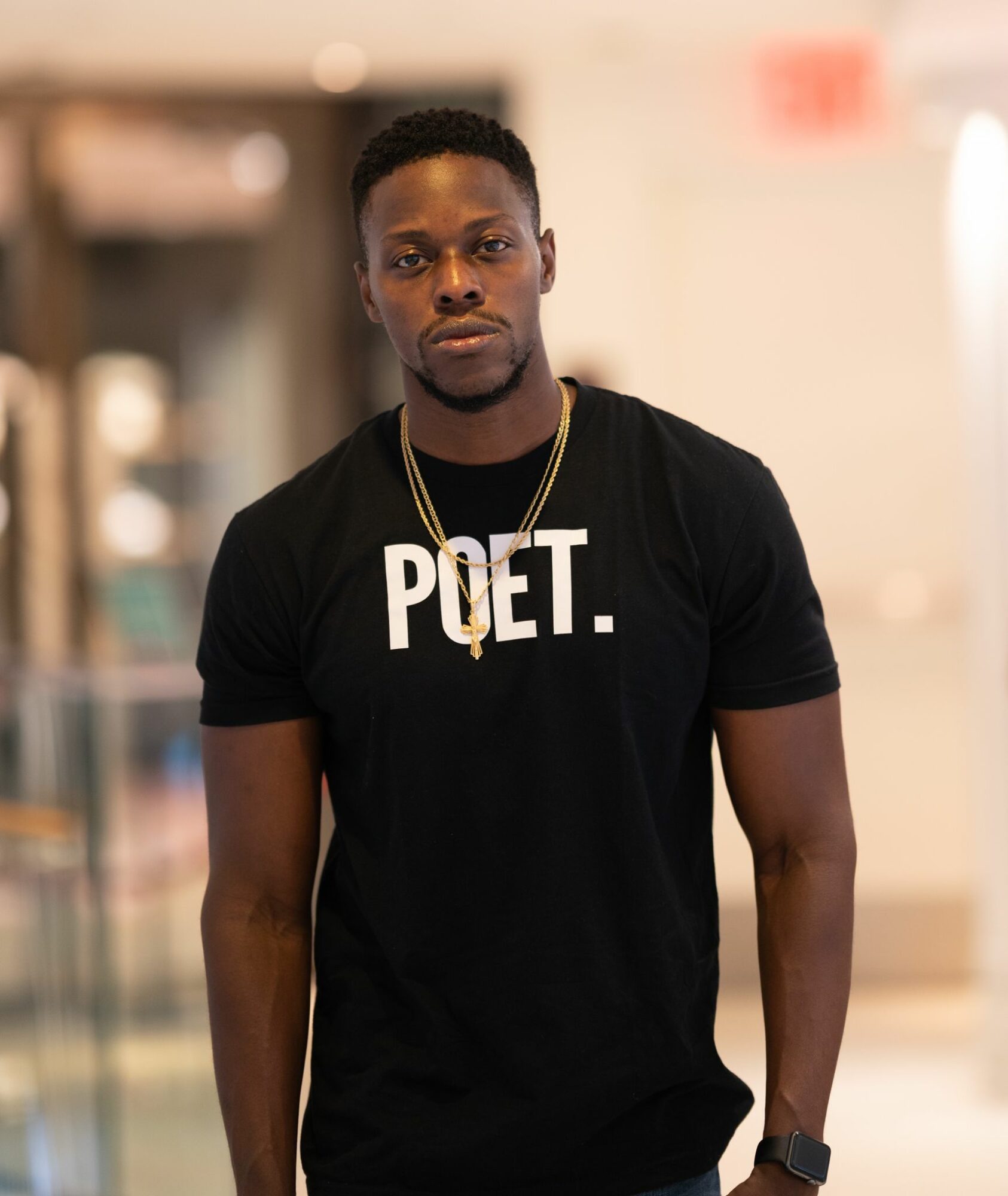
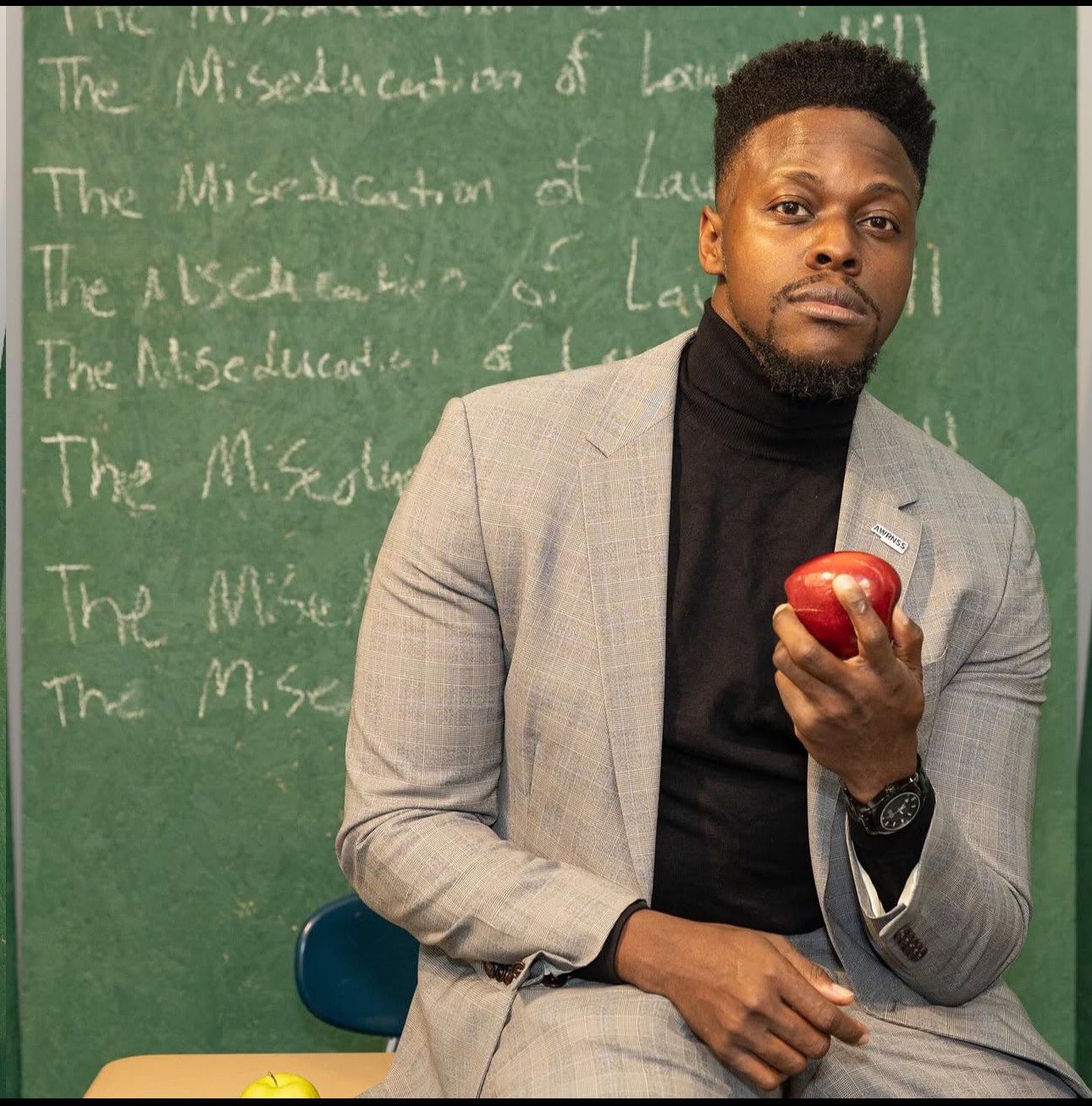
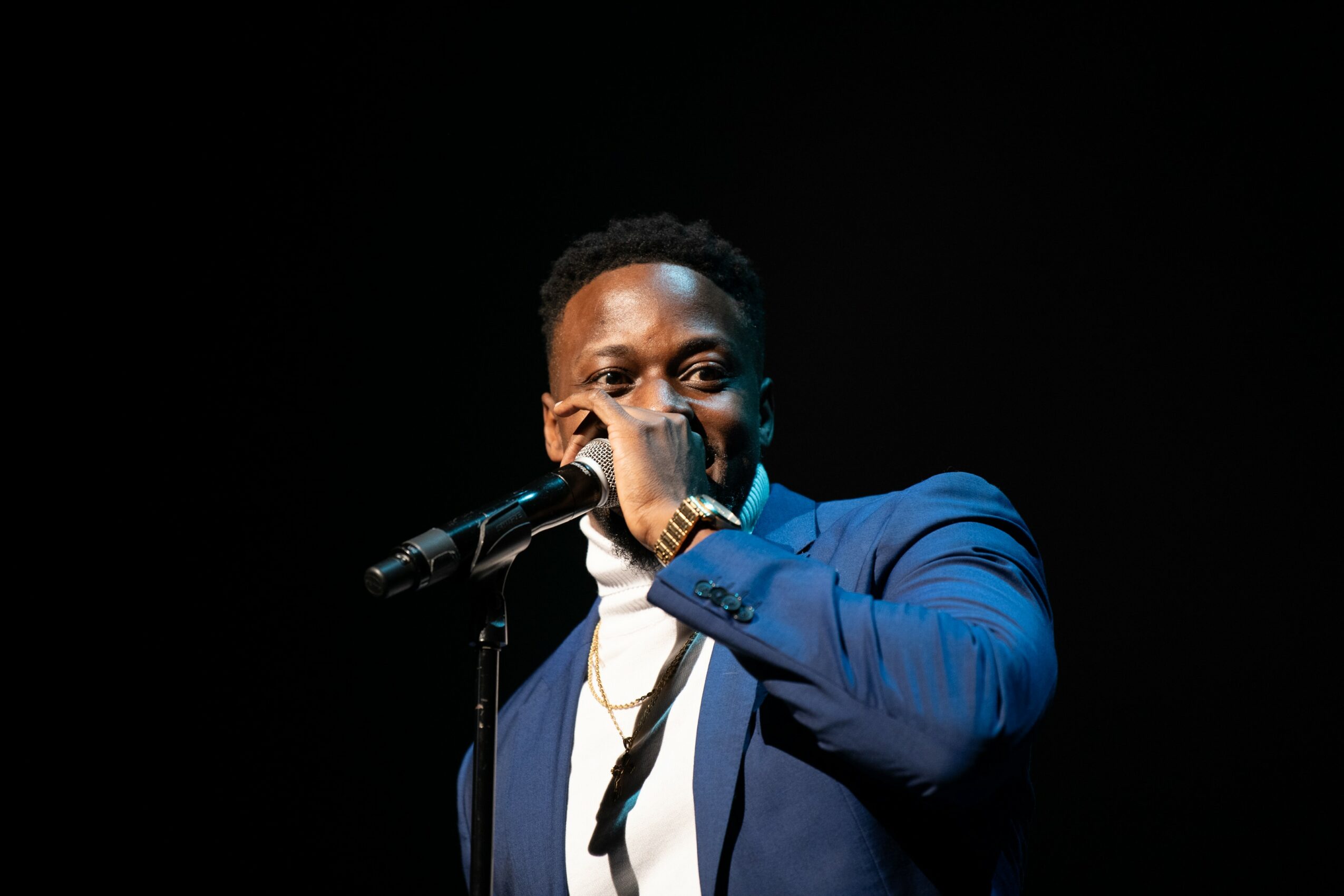
Today we’d like to introduce you to R. Darnnell Dorvil.
Hi R. Darnnell, we’d love for you to start by introducing yourself.
My path to becoming a creative was anything but traditional.
I grew up in Flatbush, Brooklyn, as a first-generation Haitian American. In a Haitian household, education wasn’t optional—it was the expectation. My parents made tremendous sacrifices to create opportunities for me, so success was often measured by report cards, degrees, and stable careers. I embraced that responsibility and worked hard in school, but I was also growing up in Brooklyn, surrounded by the influence of hip-hop, storytelling, and creative expression.
As a teenager, I balanced two worlds. I was an honor-roll student focused on academics, but I was also writing music and spending time in recording studios whenever I could. Those creative outlets allowed me to express parts of myself that didn’t always have room in the classroom.
When I left Brooklyn to attend Temple University as a Biochemistry major, I believed I was putting my creative ambitions aside in favor of a more traditional path. Yet even while pursuing science, I found myself gravitating toward creative coursework. Alongside chemistry and biology classes, I enrolled in poetry, short story writing, acting for non-majors, and African American Studies courses centered on hip-hop culture, including one taught by Dr. Marc Lamont Hill. Looking back, those choices revealed a tension I wasn’t yet ready to acknowledge. I was studying the science of people while simultaneously becoming fascinated by the stories that shape them and improving the craft of telling them.
Whenever I returned home to Brooklyn, I found myself back in recording studios, writing music and reconnecting with the culture that had shaped me. In many ways, I was living a double life—scientist on campus, artist at home. During that time, friends gave me the nickname “Ralph Gordon,” a name that would eventually evolve into Story Teller Gordon. While I earned my degree, I began questioning whether the life I was building was truly aligned with who I was becoming.
As the son of Haitian immigrants, I carried both gratitude and responsibility. My parents had sacrificed too much for me to treat education casually. Art felt uncertain; a degree felt practical. For years, I tried to convince myself that creativity would remain a side passion. What I didn’t realize was that storytelling wasn’t competing with my purpose—it was becoming it.
After college, I explored different career paths before returning home to Brooklyn and finding my footing in healthcare. Eventually, I earned a Master’s in Public Health and dedicated my career to serving communities through health advocacy and healthcare leadership. Looking back, I realize healthcare and storytelling were never as different as they seemed. Both require listening deeply, understanding human experiences, and helping people navigate some of the most vulnerable moments of their lives.
One pivotal moment came when I ran into one of my professors, Dr. LeConte Dill. She reminded me of a creative public health project I had written in her class and encouraged me to publish it. The piece was a dialogue between an infant and a mother experiencing postpartum depression. Although I never recovered the original writing, that conversation stayed with me. It reminded me that stories could do more than entertain—they could educate, heal, and create empathy around issues people often struggle to discuss.
Around the same time, I was growing FORM NYC, the nonprofit organization I founded to create safe spaces for conversation, mentorship, self-awareness, and healthier expressions of masculinity. Through that work, I found myself sharing more stories—my own and those of the communities I served. Storytelling became a bridge between public health, advocacy, and community building.
Then came the COVID-19 pandemic.
As an Emergency Department Supervisor at a Brooklyn hospital, I witnessed some of the most difficult moments of people’s lives. Day after day, I watched families navigate fear, uncertainty, grief, and loss. Like many healthcare workers, I carried those experiences home with me. Poetry became my outlet. After long shifts, I began sharing spoken word pieces online as a way to process what I was seeing and feeling.
What started as a personal coping mechanism quickly became something much bigger.
People connected with the vulnerability and honesty in the work. During a time when so many people felt isolated, storytelling became a way to build community. My audience grew rapidly, and I found myself connecting with people far beyond Brooklyn. Global poetry platforms began sharing my work, and opportunities to perform started arriving from across the country.
When the world reopened, I stepped onto stages I had once only dreamed about. I featured for Poetry Me, Please, Voices in Power, and other nationally recognized platforms. I became a Brooklyn Poetry Slam Champion and a Nuyorican Poetry Slam Champion, performed alongside Grammy-winning and Emmy-nominated artists, and traveled to cities across the country sharing my work. I later published my first book, Don’t Speak for Me, continuing my mission of using storytelling to spark conversation and reflection.
Yet the most meaningful part of this journey has never been the accolades.
Today, I wear many hats—as a spoken word artist, author, nonprofit founder, public health advocate, and healthcare professional. Through all of those roles, the common thread has been storytelling. Whether I’m speaking to students, supporting families through end-of-life conversations, mentoring young men, performing on stage, or building community through FORM NYC, I believe stories have the power to heal, challenge, and connect us.
Looking back, I realize that my journey was never really about choosing between science and art. It was about discovering that both were rooted in the same goal: helping people. The tools changed, but the mission remained the same. What began as a young Haitian kid writing rhymes in Brooklyn has evolved into a lifelong commitment to helping people find meaning, connection, and healing through the power of story.
Alright, so let’s dig a little deeper into the story – has it been an easy path overall and if not, what were the challenges you’ve had to overcome?
The journey has been anything but smooth, but every challenge has taught me something about myself.
One of the biggest misconceptions about storytelling is that sharing your story is always healing. Sometimes it is. Sometimes it isn’t. No one warns you that revisiting the same moments on stage night after night can pull you back into experiences you thought you had already processed. As my platform grew, I found myself confronting emotions and wounds I believed were behind me. There were periods when I was experiencing success publicly while privately struggling with my own mental health.
I learned that there is power in words, and with that power comes responsibility. The stories we tell don’t just affect audiences—they affect us too. There were moments when I wasn’t showing up as the best version of myself, and I had to take accountability for that. One of the best decisions I ever made was seeking therapy. It helped me understand that vulnerability is not just about telling your story; it’s also about doing the work to heal from it.
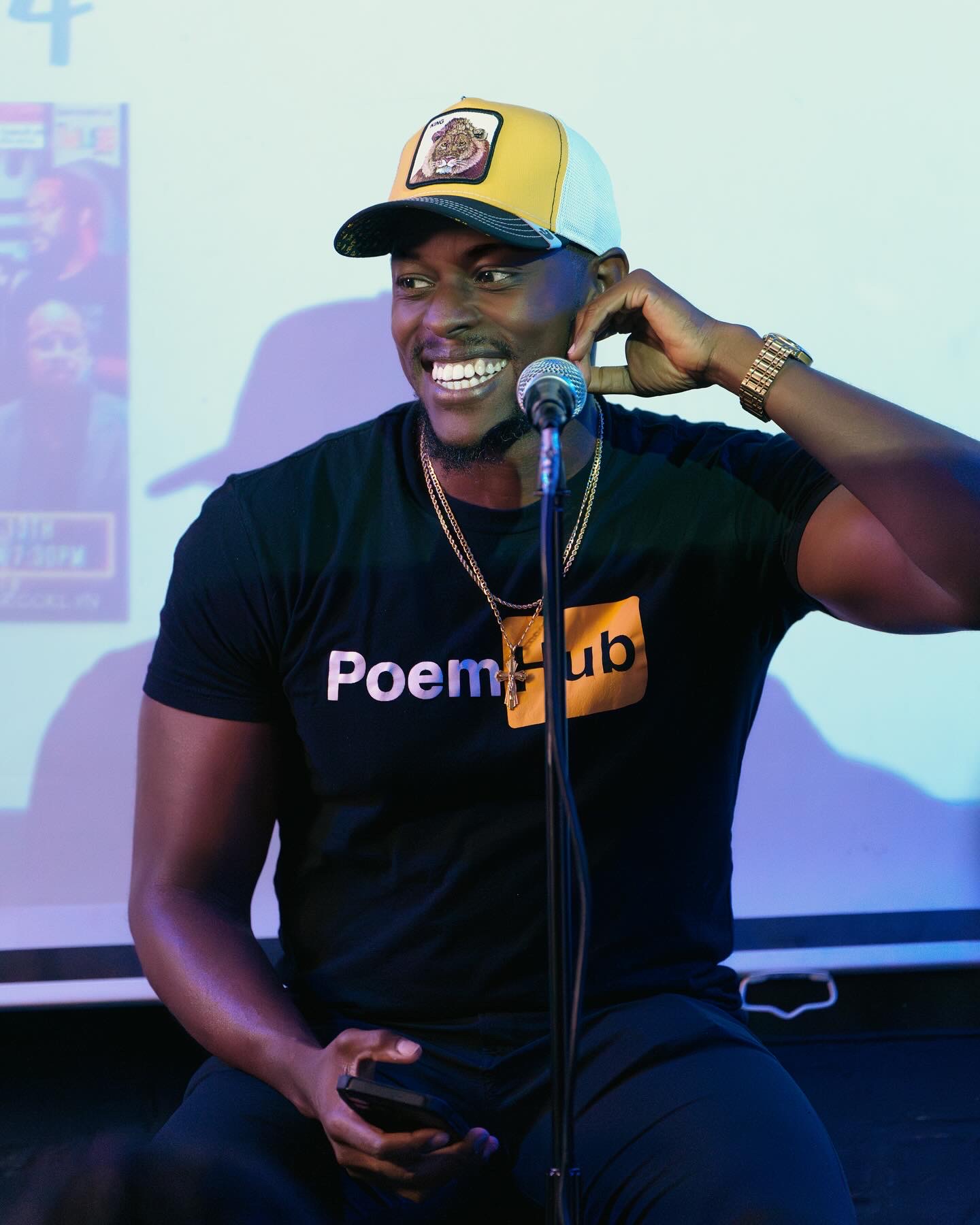
Another unexpected challenge was visibility. Everyone talks about going viral as if it’s the ultimate goal, but few people discuss what happens afterward. One of my spoken word pieces, a satirical poem framed as an erotic poem, went viral through Poetry Me, Please and eventually accumulated millions of views across social media platforms. Overnight, people who knew me professionally, colleagues, supervisors, and former direct reports suddenly had access to a version of me they had never seen before.
That experience forced me to confront questions around identity and authenticity. As someone who tells Black stories and speaks openly about race, masculinity, mental health, and social issues, I learned that not every professional environment is comfortable with that level of expression. At one point, I was told I was “too unapologetically Black,” a statement that stuck with me because it highlighted the tension many creatives and professionals of color experience when navigating different spaces. Over time, I learned that authenticity may not open every door, but it helps ensure that the doors which do open are aligned with who you truly are.
Another major challenge came when I briefly stepped into entrepreneurship and life as a full-time artist. Like many artists, I initially believed talent and visibility would naturally create opportunities. What I quickly learned is that performing and running a business are two very different skill sets. I was accustomed to responding to opportunities that came my way; I had to learn how to actively create them. I had to understand sales, sponsorships, partnerships, fundraising, relationship-building, and long-term planning.
That lesson extended to my nonprofit work as well. For years, I often relied on my own resources to support community initiatives because I believed deeply in the mission. Eventually, I realized that sustainability matters just as much as passion. If I wanted FORM NYC and my artistic work to have a lasting impact, I needed to build systems, partnerships, and revenue streams that could outlive my personal sacrifice.
Looking back, the struggles were not interruptions to the journey—they were the journey. They taught me the importance of mental health, authenticity, sustainability, and balance. Most importantly, they taught me that success is not just about being seen. It’s about becoming the kind of person who can responsibly carry the opportunities that come with being seen.
Thanks for sharing that. So, maybe next you can tell us a bit more about your work?
At the core of everything I do is a simple mission: connecting people to healing through the power of storytelling.
Most people know me as Story Teller Gordon, the spoken word artist. Through poetry and performance, I create moments of connection that can happen in minutes. I have the privilege of stepping onto stages and telling stories that entertain, challenge, and educate. What many people connect with is my willingness to discuss topics they may not expect from someone who looks like me. Whether I’m speaking about men’s mental health, Black maternal mortality, alcoholism, grief, masculinity, or homophobia, I try to create space for conversations that are often avoided. I have learned that meaningful storytelling sometimes requires temporary discomfort, and I’m proud to be vulnerable if it helps someone else feel seen.
That same commitment to difficult conversations extends beyond the stage. Professionally, I work supporting families through end-of-life decisions and offering the opportunity of organ donation. It is some of the most challenging and meaningful work I have ever done. My passion for health literacy and advocacy is deeply personal. I have witnessed loved ones benefit from organ transplantation, including an aunt and a close friend whose lives were extended because another family chose generosity in one of the hardest moments imaginable. Every day, I have the responsibility of helping families make informed decisions while honoring their values, beliefs, and loved ones.
As the founder of FORM NYC, I tell another story that often goes untold: that men care deeply about their communities. Through mentorship programs, safe spaces for dialogue, community events, and service initiatives, I work to create opportunities for connection and growth. Over the years, I have collaborated on toy drives, back-to-school drives, food distributions, coat drives, and mentorship programs. I’ve also had the opportunity to travel to Ghana and support children’s homes abroad. As a skinny kid from Flatbush, Brooklyn, those experiences continue to remind me of the power of community and our responsibility to one another.
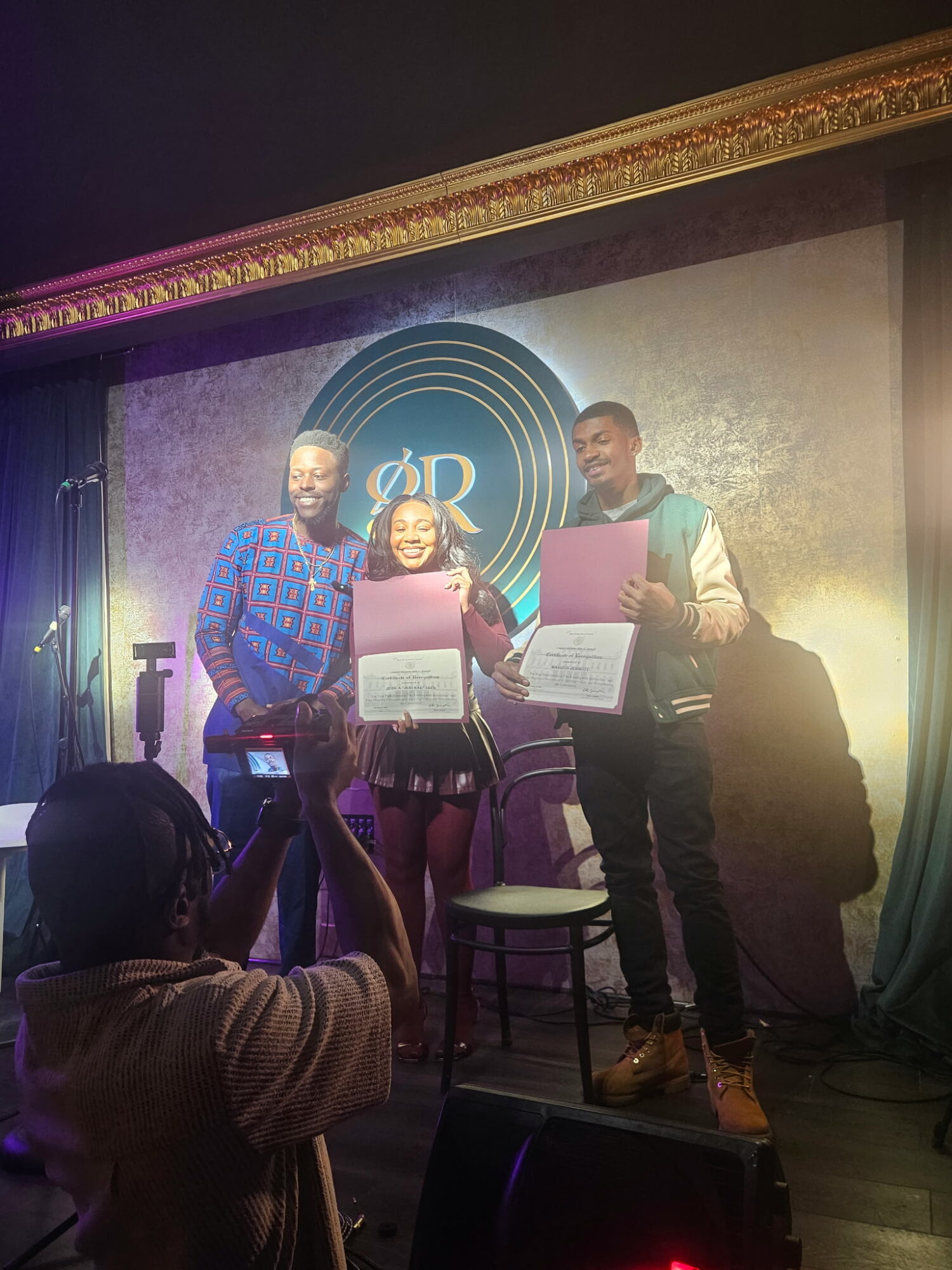
I am also proud to create platforms that elevate the voices of others. Through my live series, An Evening with Storytellers, and as a co-host of the Poetry As Usual podcast, I help create opportunities for artists, authors, and storytellers to share their work with wider audiences. Some of my greatest fulfillment comes not from being handed the microphone, but from handing it to someone else.
What sets me apart is that I don’t see storytelling as something that only happens on a stage. I see it as a tool for healing, advocacy, education, and community building. Whether I’m performing a poem, supporting a family through loss, mentoring young men, or creating platforms for other artists, the work is fundamentally the same: helping people feel seen, understood, and connected.
I’m most proud that my definition of success has never been rooted in status, titles, or accomplishments. Success, for me, has always been about impact. It’s measured by the conversations that continue after the performance ends, the lives touched through service, and the communities strengthened through connection. At the end of the day, I hope people remember me not for how much I achieved, but for how I showed up for others.
Risk taking is a topic that people have widely differing views on – we’d love to hear your thoughts.
My relationship with risk is probably shaped by two very different parts of my life. The scientist and public health professional in me is trained to assess risk, gather information, and make informed decisions. The artist in me understands that some of the most meaningful opportunities require stepping forward before you have all the answers.
As a storyteller, every time I step onto a stage there is an element of risk. Words have power. Once something leaves your mouth, it can be interpreted, challenged, celebrated, misunderstood, clipped into a social media post, or viewed entirely outside of its original context. We live in a time where public expression carries real consequences, so I try to approach my work thoughtfully and responsibly. That doesn’t mean I always get it right. There have been moments where I’ve had to clarify my intentions, refine material, or retire pieces that were successful but no longer aligned with my values or the impact I wanted to have. I’ve learned that growth sometimes means letting go of material you’re known for in order to become the artist you want to be.
I also think pursuing a creative life requires a certain amount of belief that borders on irrational. There are far more practical ways to spend your time than writing poems, producing events, publishing books, or building platforms from scratch. At some point, every artist has to believe in a vision that doesn’t yet exist. That belief can look a little like delusion from the outside, but it’s often what allows creative ideas to become reality.
Some of my biggest risks have been financial. I’ve self-funded events, invested in community initiatives, and taken losses pursuing projects I believed needed to exist. Not every event has generated a profit. Not every idea has worked. There have been times when I spent money I could have comfortably kept because I believed in creating opportunities for artists and communities that otherwise wouldn’t have existed.
The way I think about risk today is different than when I started. I don’t believe risk means being reckless. I believe risk means being intentional enough to pursue something meaningful despite uncertainty. I try to mitigate risk wherever I can, but I’ve also accepted that some things cannot be proven on a spreadsheet before they’re attempted.
Many of the opportunities I’m most grateful for today—from performing nationally to publishing a book to building FORM NYC—began as ideas that had no guarantee of success. Someone had to take the first step. More often than not, that someone was me.
I’ve learned that the greatest risk isn’t failure. The greatest risk is spending your life waiting for certainty and never giving your vision a chance to exist.
Contact Info:
- Instagram: https://www.instagram.com/storytellergordon?utm_source=qr
- Youtube: https://youtube.com/@storytellergordon?si=GsLRz1gOjr5yH0_c
Popular
-
Hidden Gems: Local Businesses & Creatives You Should Know
-

ATL’s Most Inspiring Stories
-

Portraits of Atlanta
-

Quinetta Ashford on Reinventing Her Creative Journey, Fighting for Better Healthcare Advocacy, and Finding Healing Through Art and Voice
-

Miguel Carmona III on Democratizing Trucking Knowledge, Helping Operators Avoid Costly Mistakes, and Building Smarter Transportation Businesses
-
Kiara Gardner on Using Storytelling, Mental Wellness, and Creative Media to Build Spaces for Healing and Human Connection