





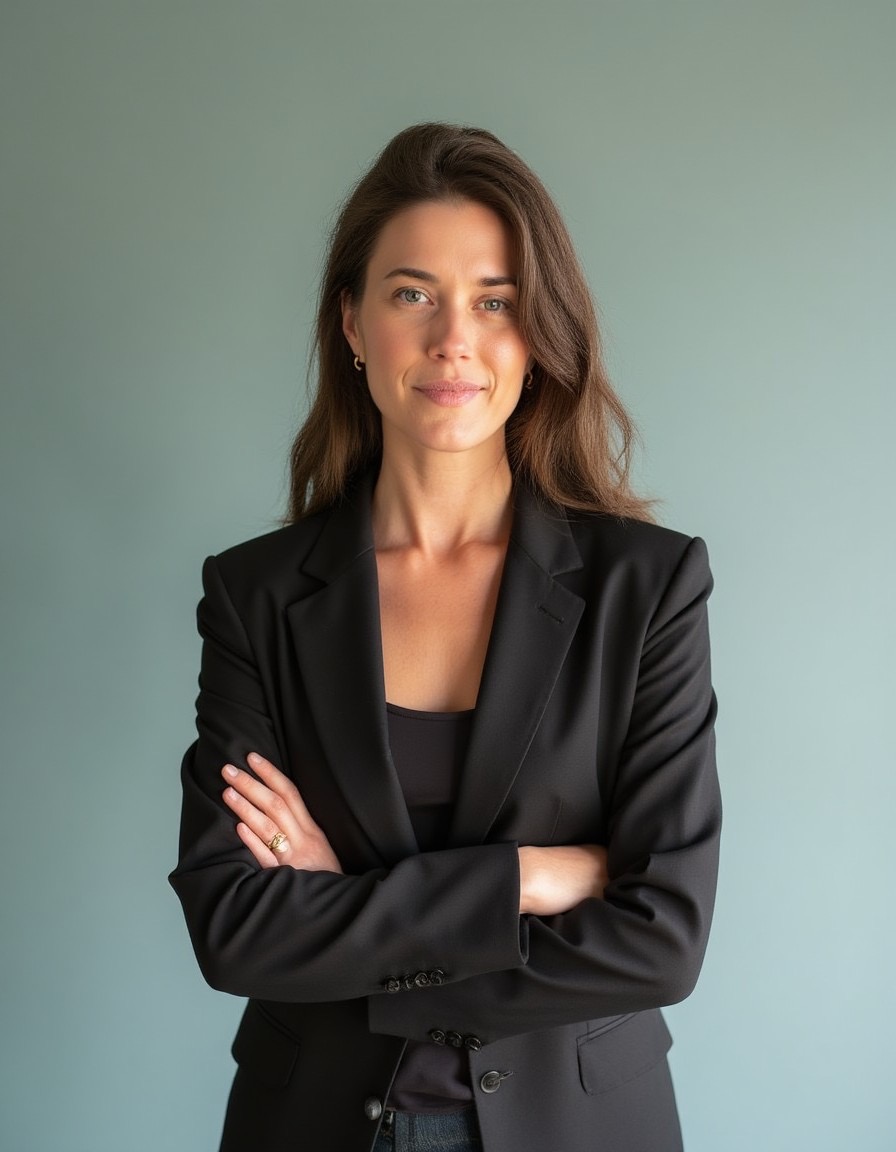
Today we’d like to introduce you to Dr. Audrey Powell L.Ac, DACM.
Hi Dr. Audrey, so excited to have you with us today. What can you tell us about your story?
My story begins with an early exploration with Eastern philosophy and culture. As a young adult traveling through India, I was exposed to traditional forms of medicine and experienced a wide spectrum of healing modalities—herbal therapy, food therapy, massage, breathwork, yoga, and later, Acupuncture and Traditional Chinese Medicine.
I was often ill as a child and young adult—struggling with chronic ear, nose, and throat infections, catching every cold and flu, a long drawn out bout of mononucleosis, gut pain, thyroid tumors, body rashes, joint pain, and even a ten-day hospital stay where doctors stood at my bedside saying, “We have no idea what’s wrong with you.” For the sake of my own wellbeing I became deeply invested in my body and how intricately everything is interwoven. Eastern medicine models helped me see what Western models often overlook. While Western medicine tends to view the body as a machine—focusing on isolated symptoms—Eastern traditions see the body as a garden—an ecosystem shaped by internal and external forces.
In this view, for example, the soil represents the digestive system and the microbiome, which regulate nutrient absorption, immune activity, mood and inflammation. When the soil is diverse and well-nourished, the gut barrier is strong, and the body maintains health and emotional resilience. But when the soil is depleted—through chronic stress, antibiotic exposure, ultra-processed food, trauma, or sleep disruption—the microbiome shifts, intestinal permeability increases, and the roots of the system begin to weaken. When I started to understand the significance of gut health and immune health as the foundation for my energy, mood, skin health, pain and inflammation, it became clear to me that I needed to align my daily choices with my health goals. So instead of going from doctor to doctor, I became my own doctor, a doctor of acupuncture and Traditional Chinese medicine.
Alright, so let’s dig a little deeper into the story – has it been an easy path overall and if not, what were the challenges you’ve had to overcome?
People aren’t just looking for treatment—they’re looking for someone who can help them understand their bodies in a practical, real-world way. Many are tired of rushed appointments, five-minute explanations, and being handed a prescription without a deeper conversation, so they turn to holistic care that looks at the full picture: mind, body, emotions, diet, stress, and environment.
My focus now is on expanding my practice so I can build a team capable of supporting patients with complex issues like chronic gut disorders, hormone imbalance, autoimmune conditions, and long-standing pain. True healthcare starts with education. When patients learn how digestion works, how to grocery shop, how stress affects hormones, or how sleep influences inflammation, they suddenly feel empowered to make meaningful changes.
While conventional medicine often identifies disease after it’s already established, Eastern medicine asks, What daily habits led here? For example, years of high stress or trauma may trigger thyroid changes; irregular meals may destabilize blood sugar; poor sleep may inflame joints; and processed foods and certain medications may disrupt healthy gut bacteria, leading to a cascade of mental health concerns. Since lifestyle influences 70–90% of today’s chronic illnesses, patients quickly discover they are in fact the authority of their health.
Individualized medicine recognizes that every body has a different doorway into healing: some enter through food and nourishment, others through rest, movement, emotional repair, or rebuilding the soil of the gut. There are no miracle cures or magic wands. Healing comes from consistent choices: drinking water instead of soda, eating whole foods instead of processed ones, walking daily instead of staying sedentary, taking herbs or supplements that counter imbalance, carving out time for restoration with acupuncture, and learning to listen to the body’s early signals rather than waiting for crisis. Daily practical medicine invites us to ask: What is my relationship with caffeine, sugar, alcohol, movement, food, and family? And how can I begin showing up for my body in a way that supports me today and through the next chapter of my life?
Thanks for sharing that. So, maybe next you can tell us a bit more about your business?
Inner Gardener Acupuncture is an acupuncture practice rooted in the principles of Traditional Chinese Medicine. While many people first seek acupuncture for back pain, sciatica, or shoulder injury, TCM provides a comprehensive framework for tending the body’s internal “ecosystem”—strengthening digestion, supporting hormones, clearing inflammation, and improving resilience.
In my practice, I treat a wide range of gut related conditions, chronic pain syndromes, and mental–emotional concerns. What sets my work apart is my expectation that patients become active participants in their own healing. This means making tangible lifestyle adjustments—through nutrition, movement, and supportive supplements or herbal formulas. I set clear expectations: there is no quick fix. If you’re coming to me for care, we’re committing to at least 6-12 sessions over 3 months to create meaningful, lasting change.
The TCM framework is remarkably relevant to modern life. We live in a culture of overconsumption, chronic stress, poor sleep, and nutrient-depleted food—all of which impact mood, clarity, hormones, heart rate, blood pressure, digestion, and overall vitality. Acupuncture helps regulate these systems by activating homeostasis—the body’s natural checks-and-balances mechanism.
As this regulation takes hold, patients begin to notice real shifts: I slept deeply for the first time in weeks. My digestion is finally regular. My blood pressure is improving. My immune system feels stronger. My mood is more stable and I’m not as reactive. I feel like I can breathe again. Women often share, My menstrual cycle is regular, My cramps were minimal, or My hot flashes are less frequent.
All of these changes matter. Together, they form the foundation of long-term health—proof that when the internal landscape is tended with care, the whole garden begins to thrive.
We all have a different way of looking at and defining success. How do you define success?
While I feel successful in many areas of my life, I don’t always feel fully satisfied. Of course, I feel good when someone tells me, “You helped me—my pain is gone, my health is improving.” Those moments mean everything. But underneath that, I often feel a deeper frustration, because we live in a culture that has been conditioned to outsource our health to someone else.
From a young age, we’re taught to hand over our intuition, authority, and understanding of our own bodies to external experts. We learn to seek answers outside ourselves, rather than cultivating the knowledge and trust needed to navigate our inner terrain. The body is not a machine waiting to be fixed—it is a living ecosystem that requires understanding, attention, and partnership.
What I love most about traditional forms of medicine is that they teach us how to live in right relationship with our bodies.
For example, TCM teaches—keeping the digestive fire warm to stabilize blood sugar and metabolism, calming the Liver system to reduce anxiety and irritability, nourishing the Kidneys to support hormones and aging, using herbs and broths to rebuild energy after illness, keeping the feet and abdomen warm to reduce PMS or cramps, eating cooked vegetables instead of raw salads if digestion is weak, strengthening the Lung system with breathwork to improve immunity, and supporting the Spleen with lightly steamed foods instead of cold foods to prevent bloating and fatigue.
When we understand these simple but profound principles, we shift out of the mindset of No one knows what’s wrong with me and into the empowered awareness of Let me look more closely at my habits and lifestyle to understand what might have led me here.
Cultivating inner health requires both informed guidance and self-examination, and the more you learn your body’s patterns, the more capable you become of supporting your own health.
Contact Info:
- Website: https://www.innergardeneracupuncture.com
- Instagram: @innergardener_acupuncture
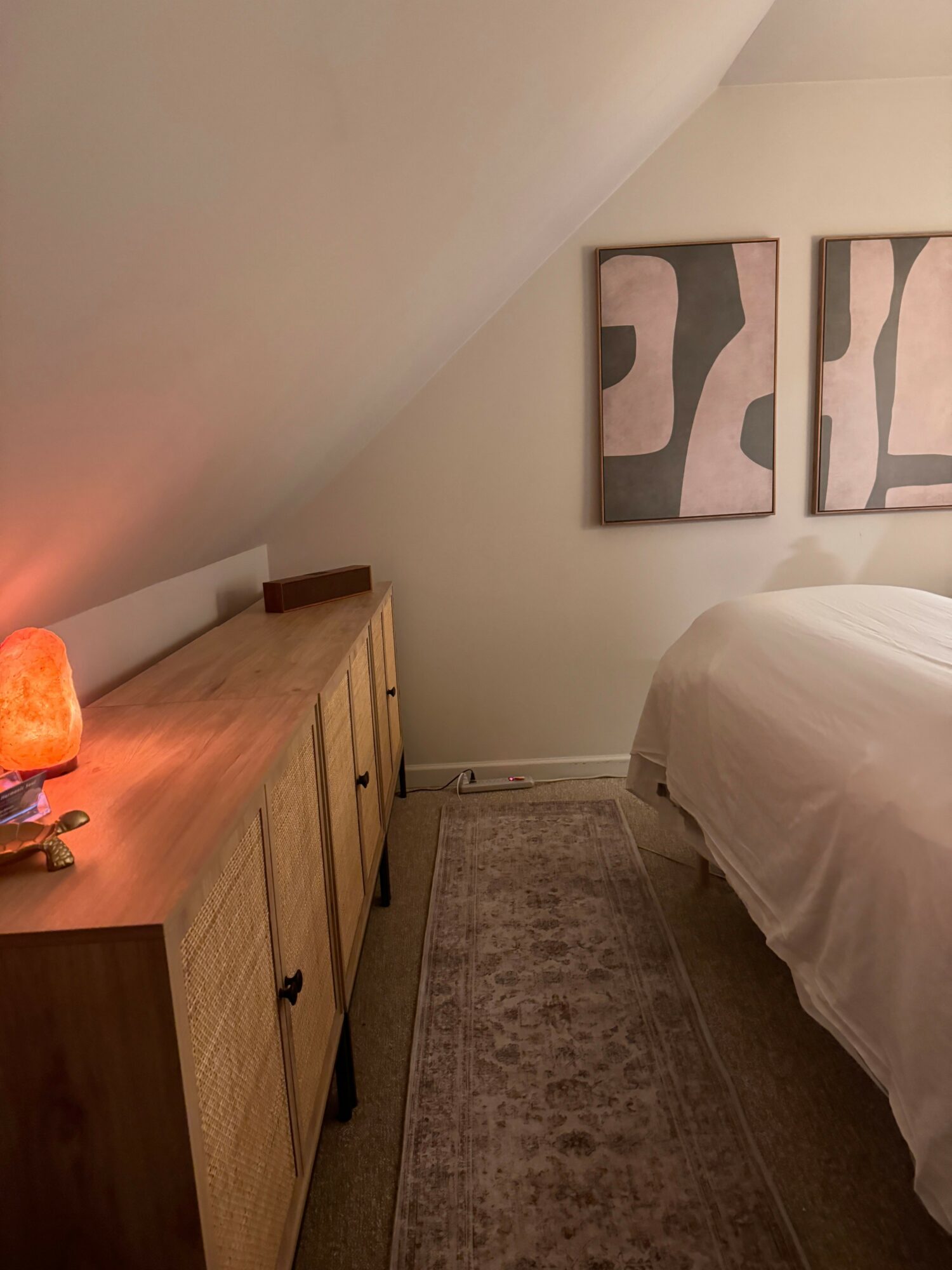
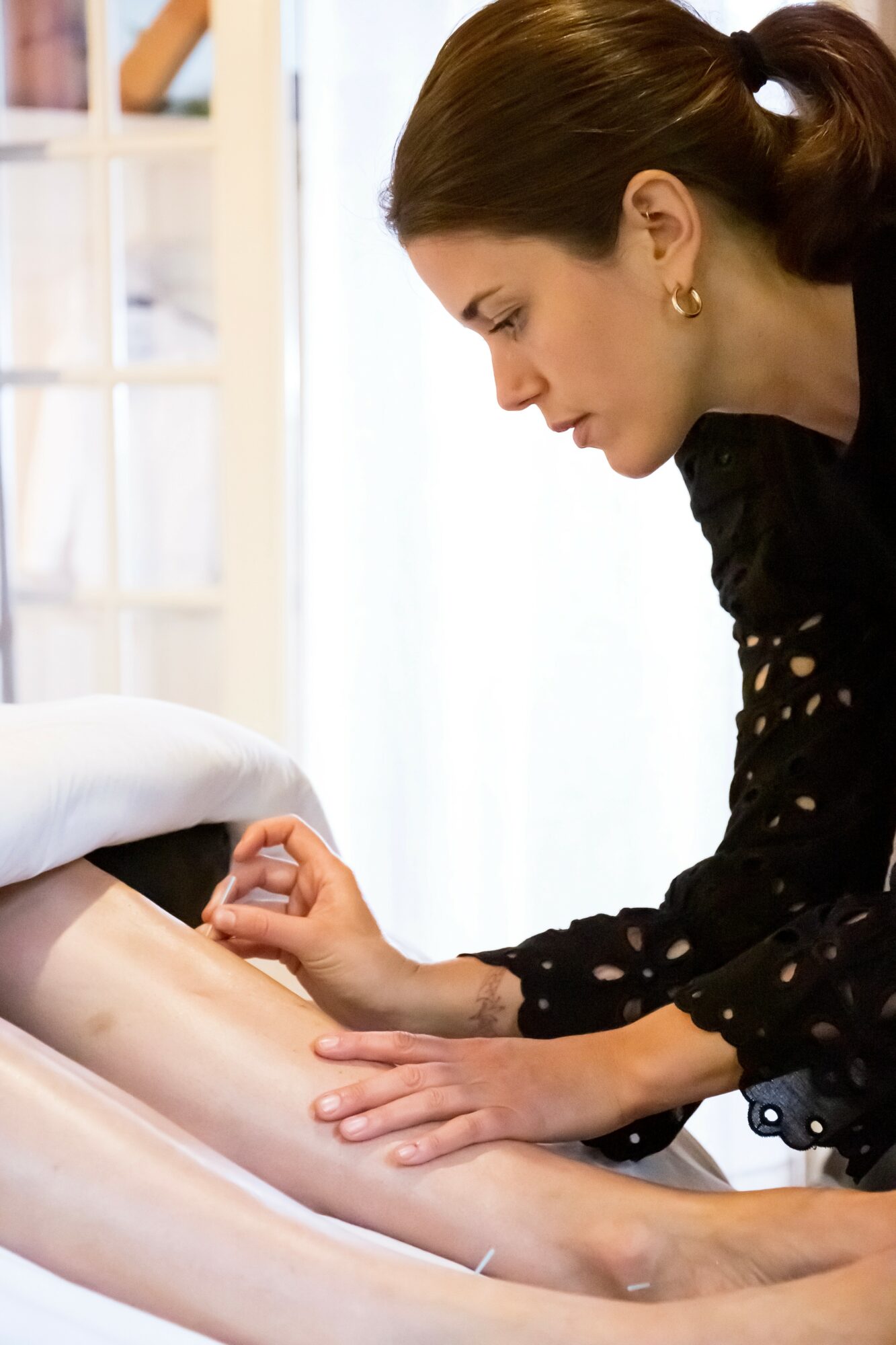
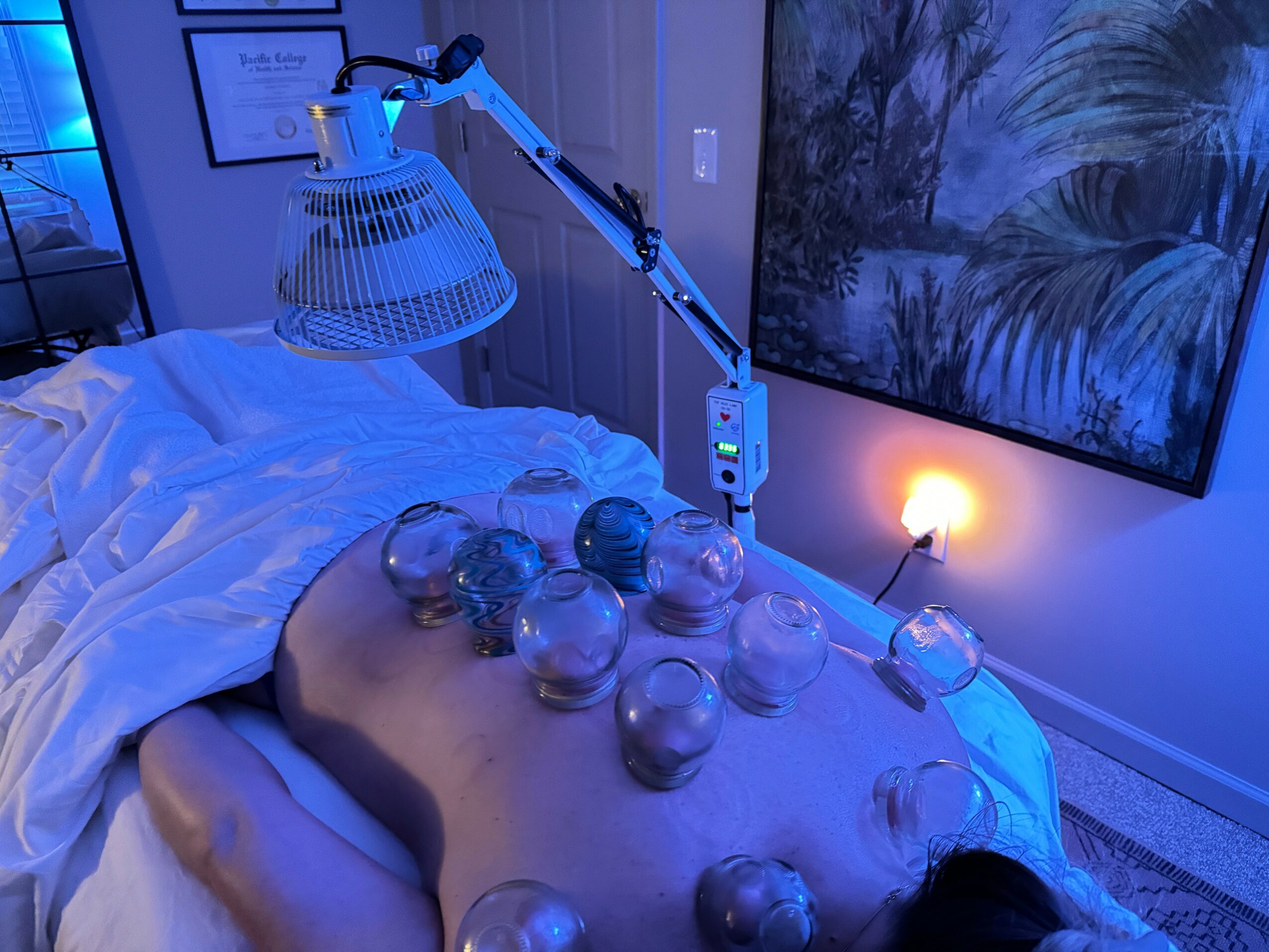
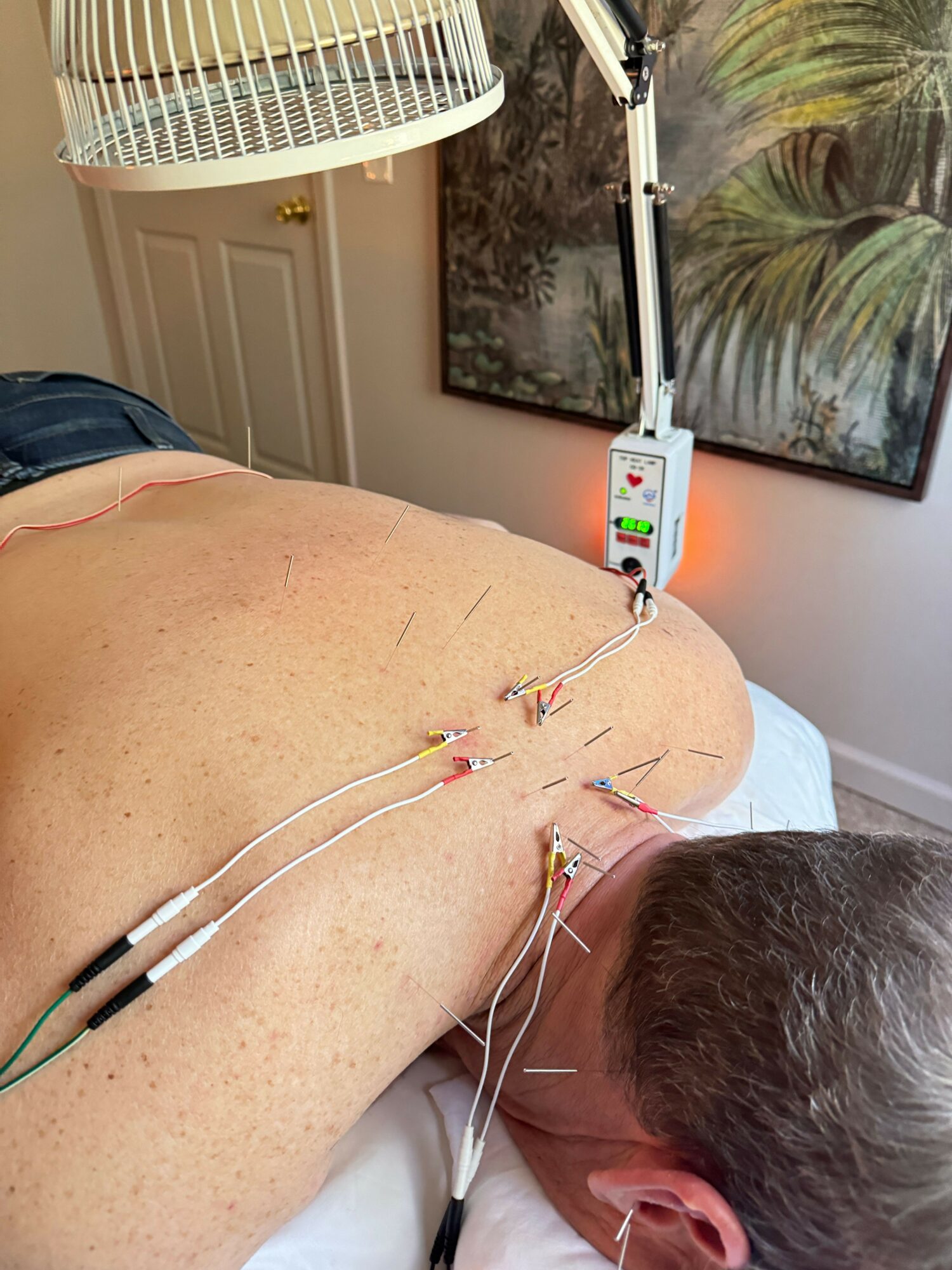
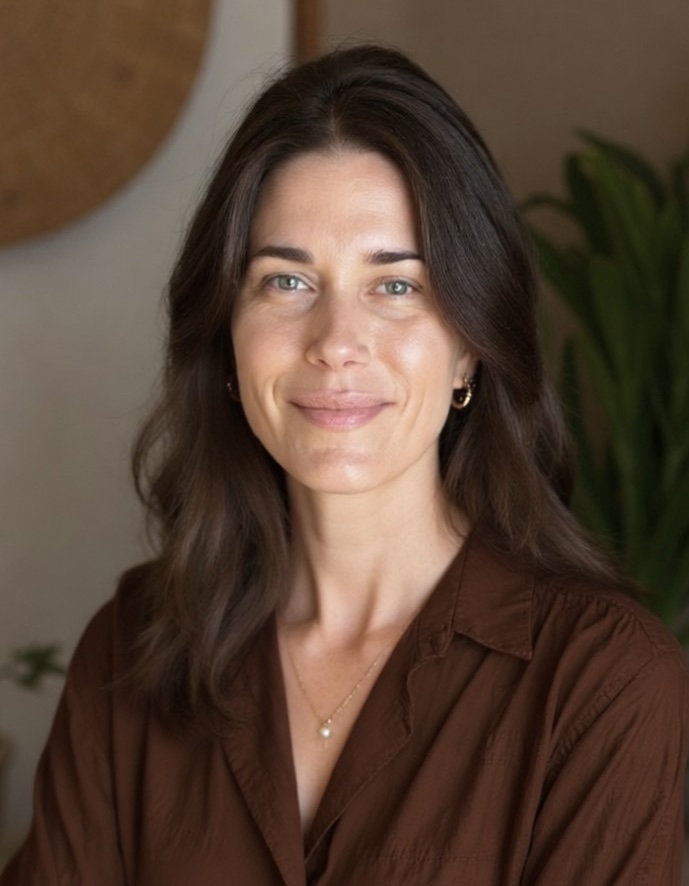
Image Credits
@caroleshepardsonphoto
Carole Shepardson, photo 2 (me +legs)
Popular
-

Hidden Gems: Local Businesses & Creatives You Should Know
-

ATL’s Most Inspiring Stories
-

Portraits of Atlanta
-
Natasha Dillard on Redefining Beauty Standards and Empowering Women Through Unapologetic Self-Expression
-
Darren Paltrowitz on Blending Investigation, Media, and Culture to Uncover the Stories Behind the Stories
-

Naeemah Jade on Redefining Networking Through Trust, Proximity, and Intentional Community