





Today we’d like to introduce you to Jermyah Graves.
Hi Jermyah, can you start by introducing yourself? We’d love to learn more about how you got to where you are today?
My name is Jermyah Graves, founder of The Gravedigger Report. My journey has taken me from the football fields of Ohio to Iowa, USC, Albany State University, public service, and sports media. But to understand why I built this platform, you have to know about my older brother.
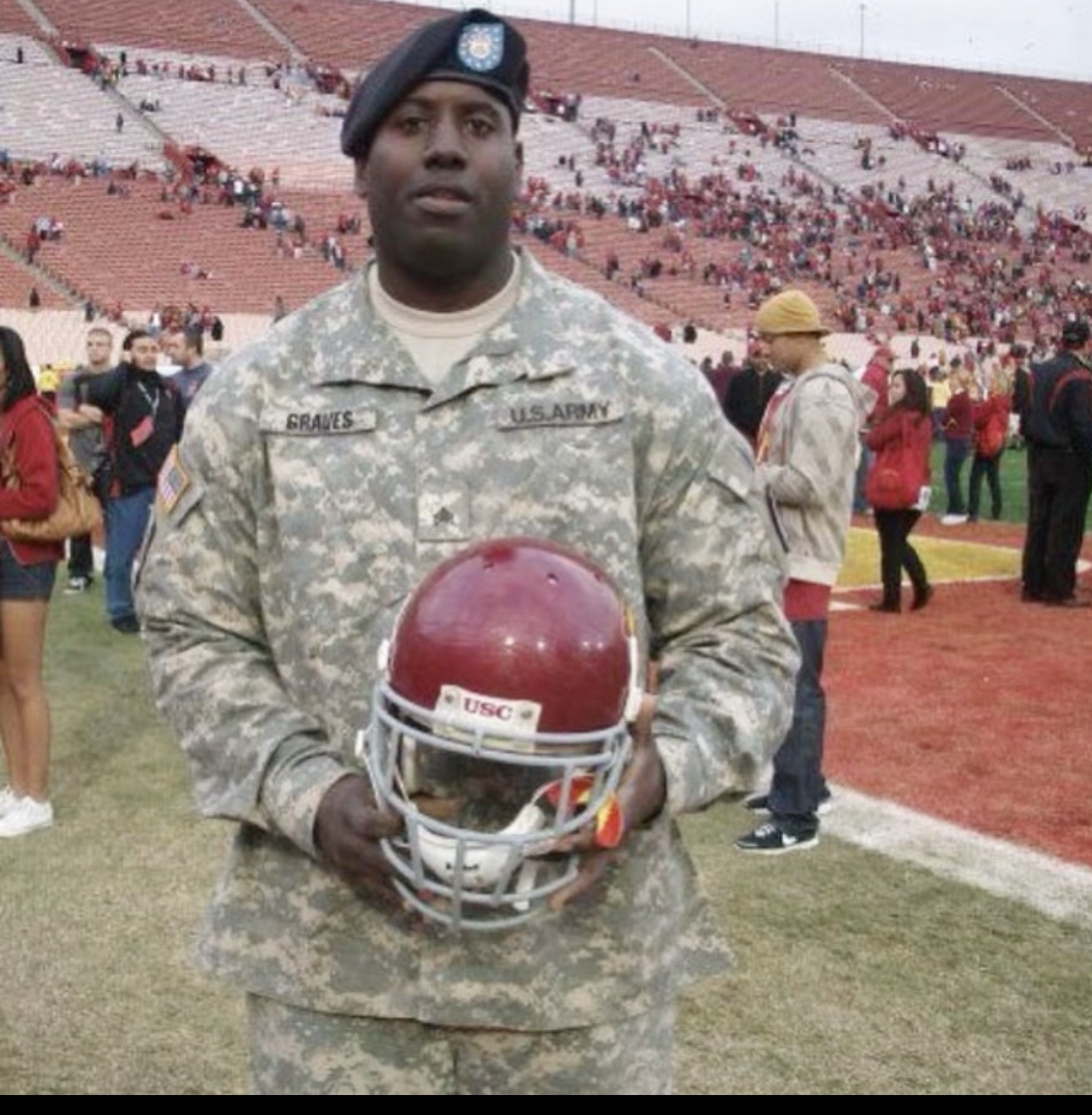
In May 2022, I lost my brother, Staff Sergeant Curtiss Graves, whom we called Shawn, to suicide following his military service and his struggle with PTSD. He was my big brother before he was anything else. Losing him left me grieving and thinking deeply about how we show up for the people in our lives.
Two months later, on July 27, 2022, I founded The Gravedigger Report. His death was the reason I started. I wanted to honor his memory by doing something meaningful with the experience and relationships I had. Football was a world I understood, and I could use that connection to give people a place to be heard.
I carry Shawn’s memory into this work. When an athlete sits down with me, I’m interested in the person answering the questions—their upbringing, their challenges, their family, and what they hope to accomplish. I want them to leave that conversation knowing their story mattered to someone.
My own story starts with roots in Akron and Canton, Ohio. I played defensive line at Canton McKinley High School. Growing up around that football tradition, in the home of the Pro Football Hall of Fame, gave me a sense of pride and responsibility that has stayed with me. You represented your family, your teammates, and your community every time you stepped onto that field.
After high school, football took me to Iowa, where I attended North Iowa Area Community College in Mason City and became an All-American nose tackle. The state of Iowa really helped shape me. Being away from home challenged me to grow, take responsibility for myself, and earn my opportunities.
I also wrote for the school newspaper while I was there. Looking back, that experience was an early connection to the work I do today. Before I ever built a platform of my own, I was a junior college football player in Iowa finding my voice on the page.
From Iowa, my journey took me to the University of Southern California, where I joined the Trojans and was part of the 2005 team. I was teammates with two Heisman Trophy winners, Matt Leinart and Reggie Bush, at the same time. Being surrounded by that level of talent and competition gave me a firsthand look at the preparation and expectations that come with playing on a national stage. Experiencing that environment and the 2006 Rose Bowl against Texas was an unforgettable chapter.
I later transferred to Albany State University in Georgia, where I became part of the “Dirty Blue Ram Defense” and led the nation in forced fumbles as a nose tackle. Albany State changed my life. The relationships, the culture, and the pride of representing an HBCU gave me a community I still carry with me today.
After college, I pursued NFL and CFL opportunities through workouts and camp invitations. I had spent years preparing for professional football. When that future didn’t come together, I had to figure out who I was going to become and how I was going to support myself.
I returned to school and worked nights as a janitor while finishing my degree. In 2012, I graduated from Albany State with honors, earning my sociology degree. I’m proud of that chapter. I was working toward a future I couldn’t fully see yet, but I knew I needed to finish what I started.
That road led me into community service, including work with the United Planning Organization, housing and community support, Safe Passages, and youth development. I went on to serve in leadership and management roles within DC Government.
Today, I serve with DC Government, overseeing Temporary Assistance for Needy Families (TANF) and education programming across four shelters in the District of Columbia. That responsibility means helping families connect with education, employment preparation, and resources as they work toward stability.
The people are what make that work meaningful. These are parents trying to provide, individuals rebuilding their confidence, and families working through circumstances that others may never see. They deserve someone willing to listen, help identify a path forward, and follow through. I remember working those nights as a janitor. I understand how much it matters to have a goal and an opportunity to move toward it.
I am also licensed in the state of Virginia as a Qualified Mental Health Professional working with adults (QMHP-A), and I serve with the City of Alexandria. My behavioral health work has taught me to listen carefully and recognize that people may be carrying more than they share. That understanding stays with me whether I’m supporting a resident or interviewing an athlete.
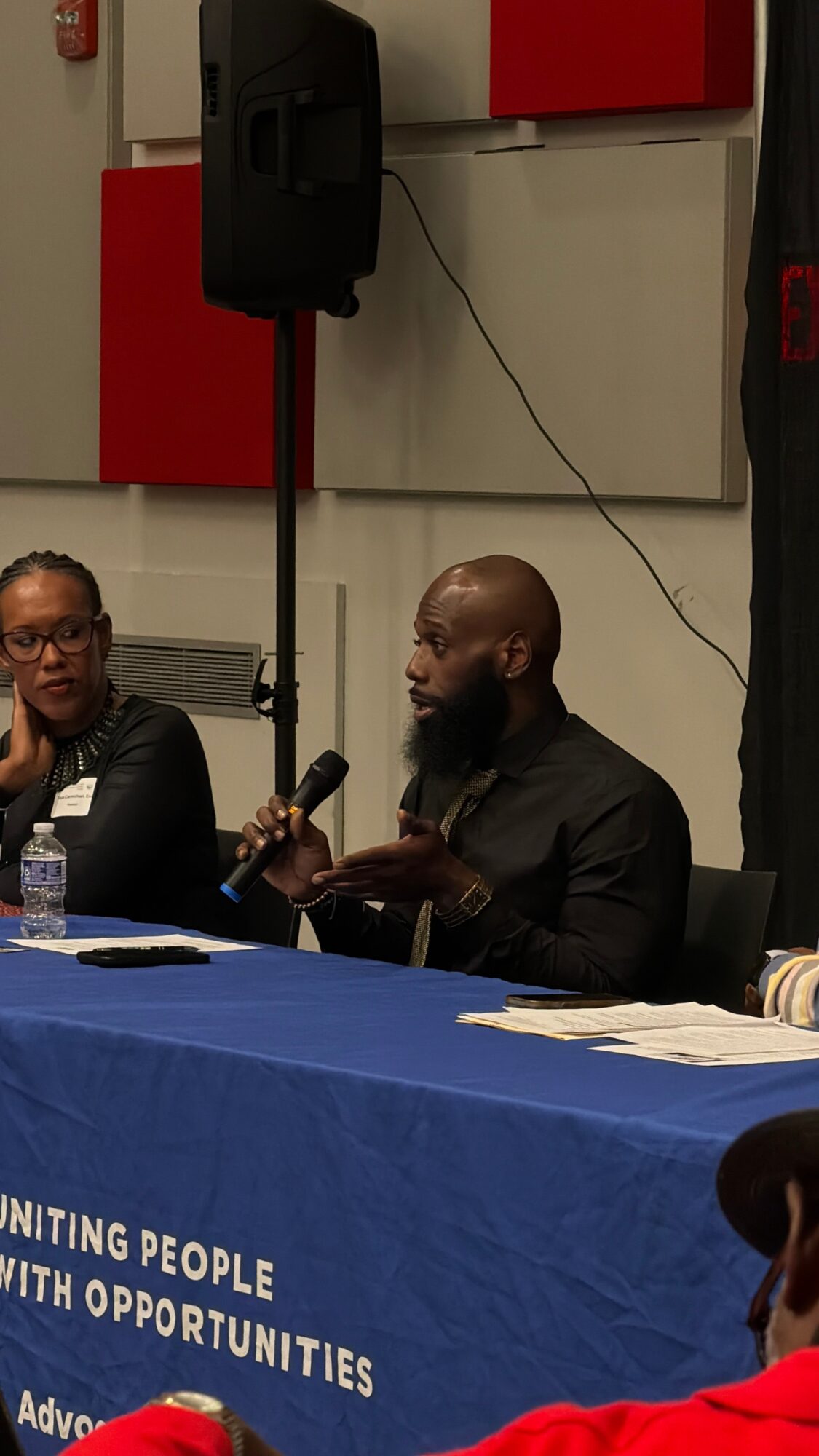
Recently, I spoke on a panel with the Attorney General of the District of Columbia about the importance of community stakeholders and collaboration. We discussed community resources, support networks, housing, education, employment, and behavioral health. Those issues are connected in people’s everyday lives. Families benefit when the organizations serving them communicate, share resources, and work together.
All of that experience shapes my approach to The Gravedigger Report.
I know what it feels like to be an athlete chasing an opportunity. I also know what it feels like when football ends and you have to build a different life. That is why my approach is holistic. I care about a player’s education, behavioral health, support system, and preparation for meaningful employment after the game.
Athletes spend years developing discipline, teamwork, preparation, and accountability. Those abilities have value in the workplace. I want players to recognize that and think about how their interests and education can lead to a career. My workforce development experience helps me bring that perspective into conversations about employment resources, professional networks, and life after football.
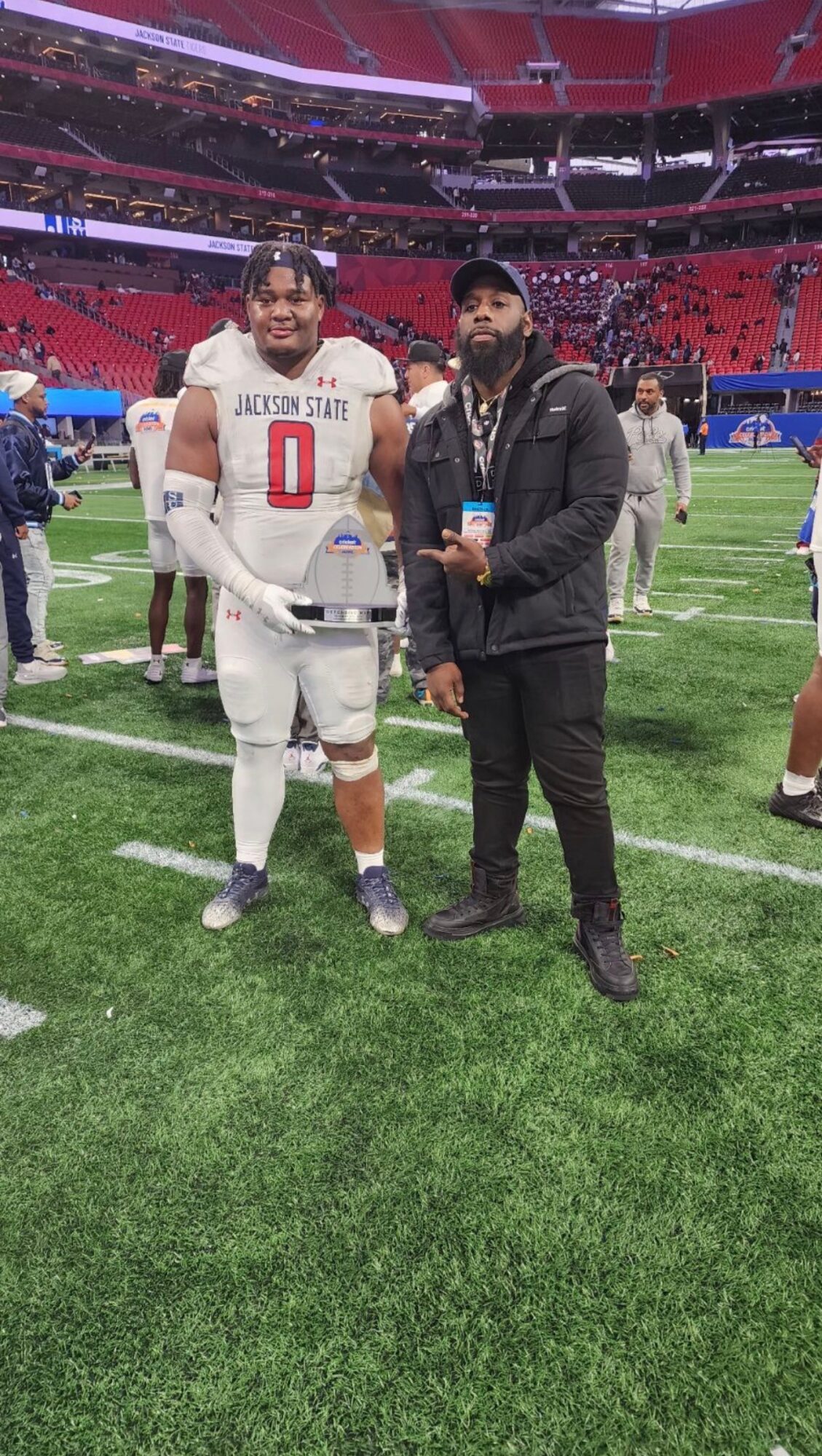
The Gravedigger Report gives visibility to HBCU athletes and overlooked or under-recruited players. Having experienced junior college, USC, and Albany State, I’ve seen how much exposure can vary. There are talented players doing everything asked of them who are still waiting for someone to take notice.
“Seeing the bigger picture before the frame” is the belief behind our work. Recognize someone’s potential while they are still developing. Interview them. Learn their story. Show up before everybody knows their name. Give people a chance to understand the work behind the performance.
And I’m always going to have love for the trenches. As a former defensive lineman, I know what it takes to do the work that doesn’t always make the highlight reel. Those players deserve their moment, too.
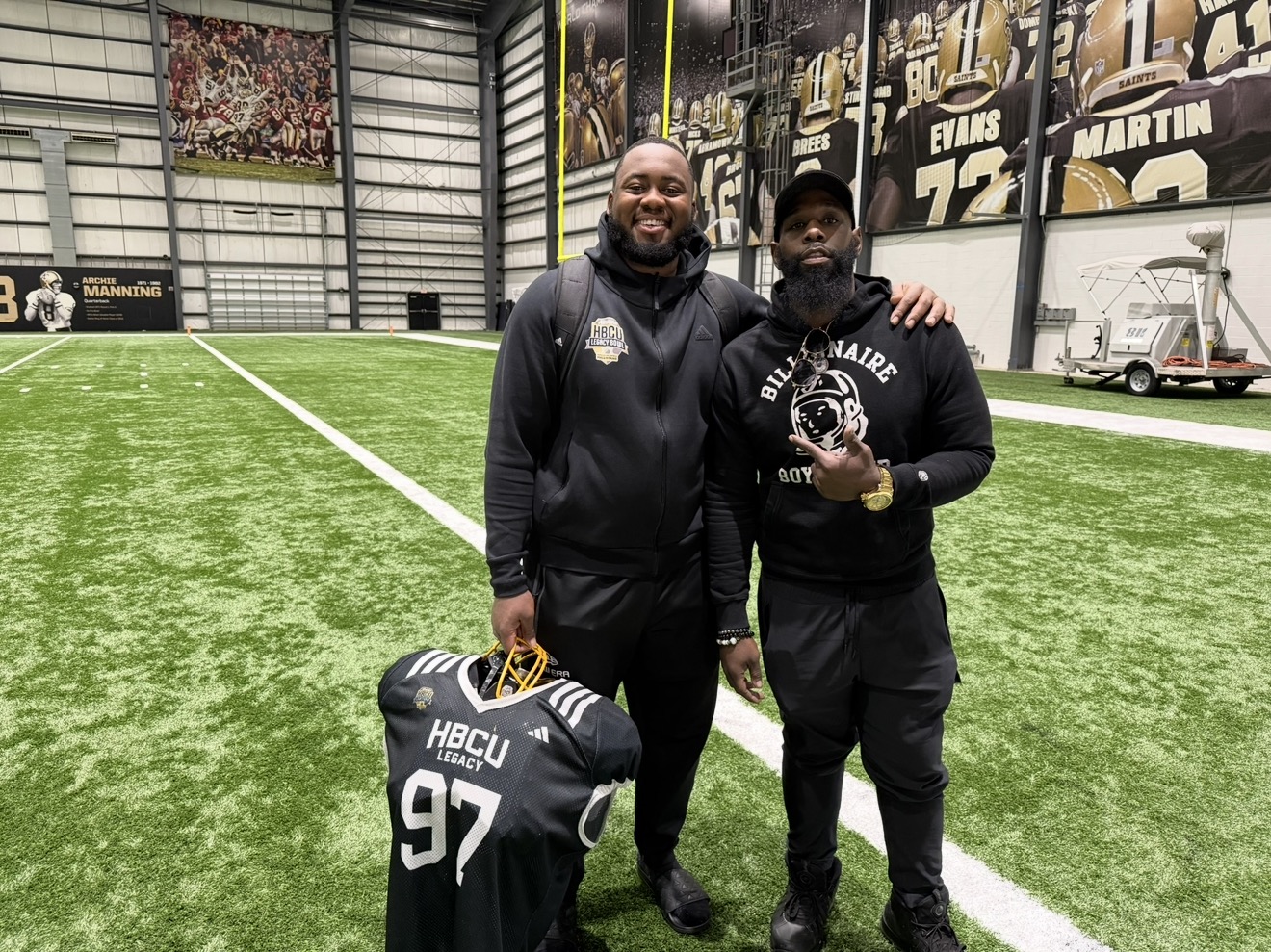
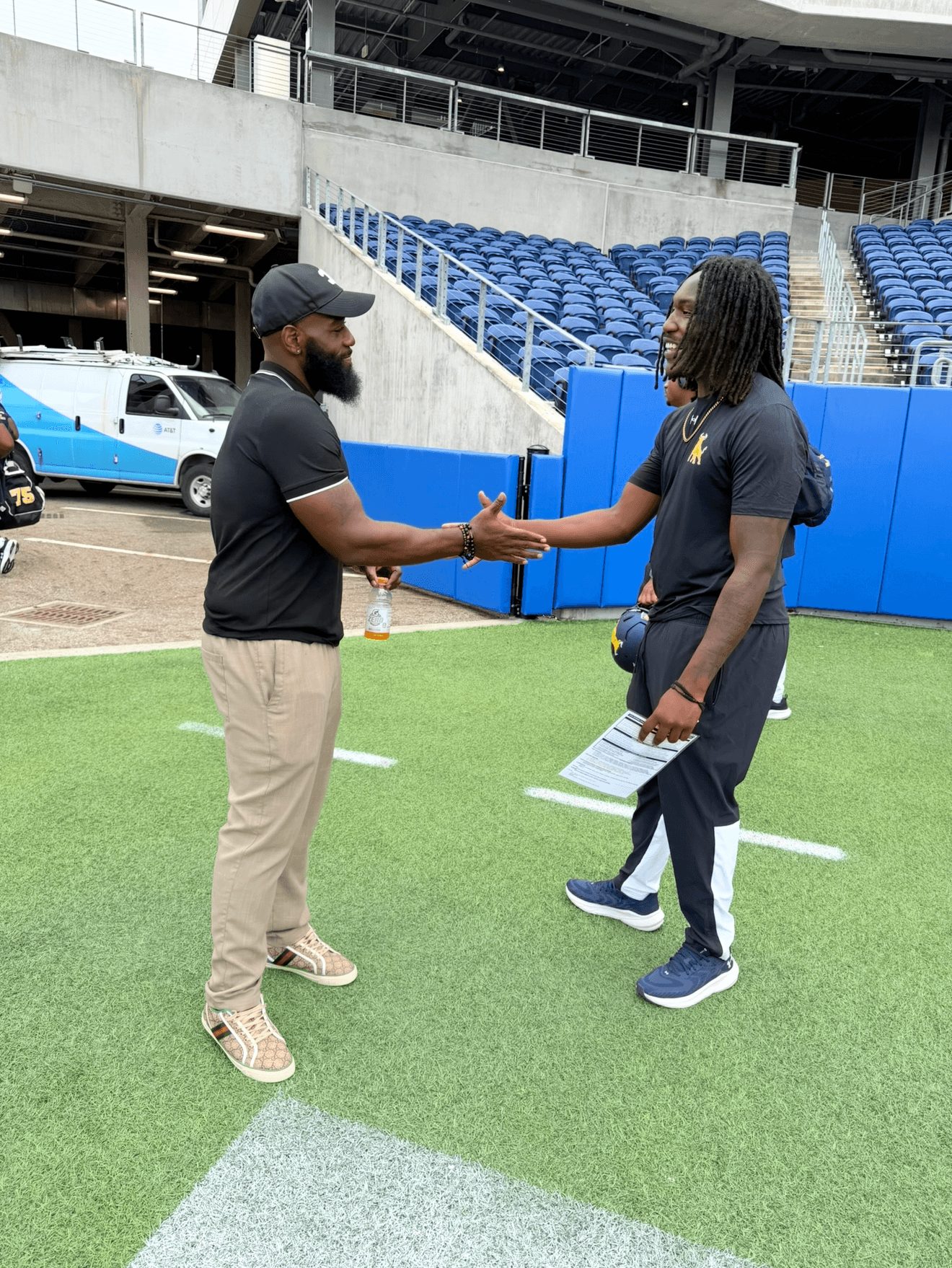
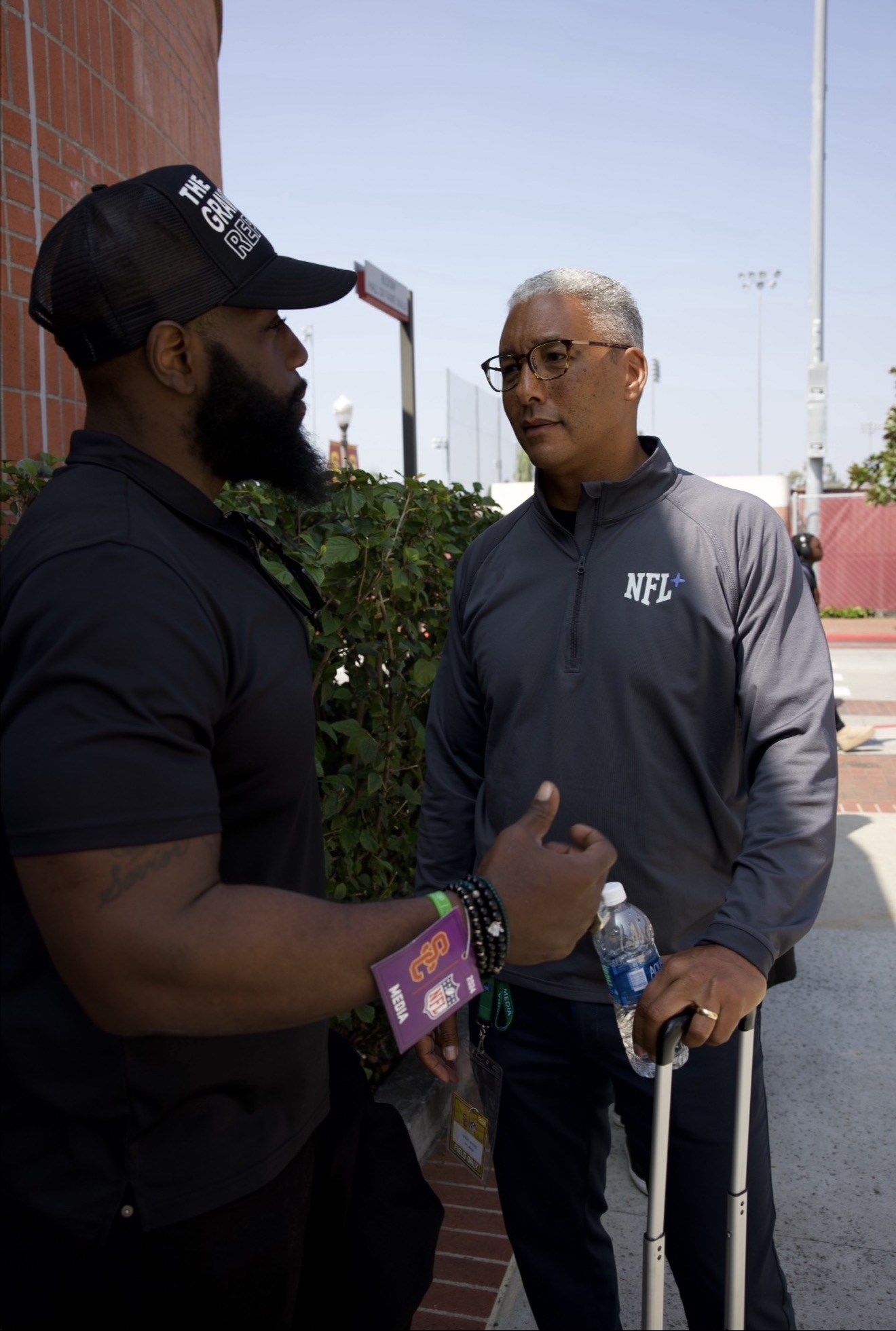
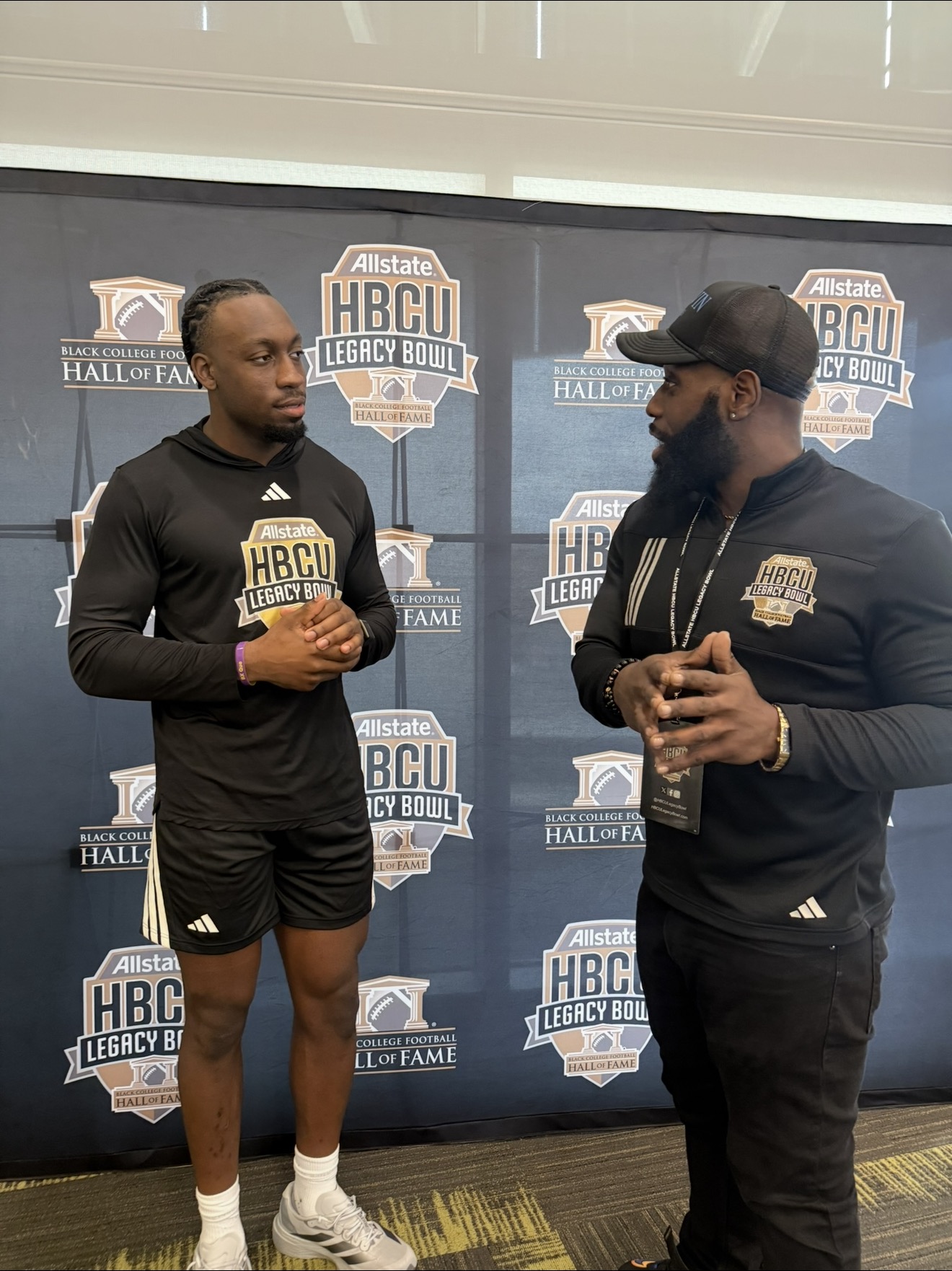
Our coverage has included the HBCU Legacy Bowl, HBCU Combine and pro day activities, the Black College Football Hall of Fame Classic, and pro days at Morgan State and Maryland. I’ve also attended the Black Sports Business Symposium to keep learning and building relationships.
Covering the HBCU Legacy Bowl has been especially meaningful. As an Albany State alumnus, I understand the pride those athletes carry and what an opportunity like that can mean to their families. I’m grateful to the HBCU Legacy Bowl and the Black College Football Hall of Fame for the opportunities to help share these players’ journeys over the years.
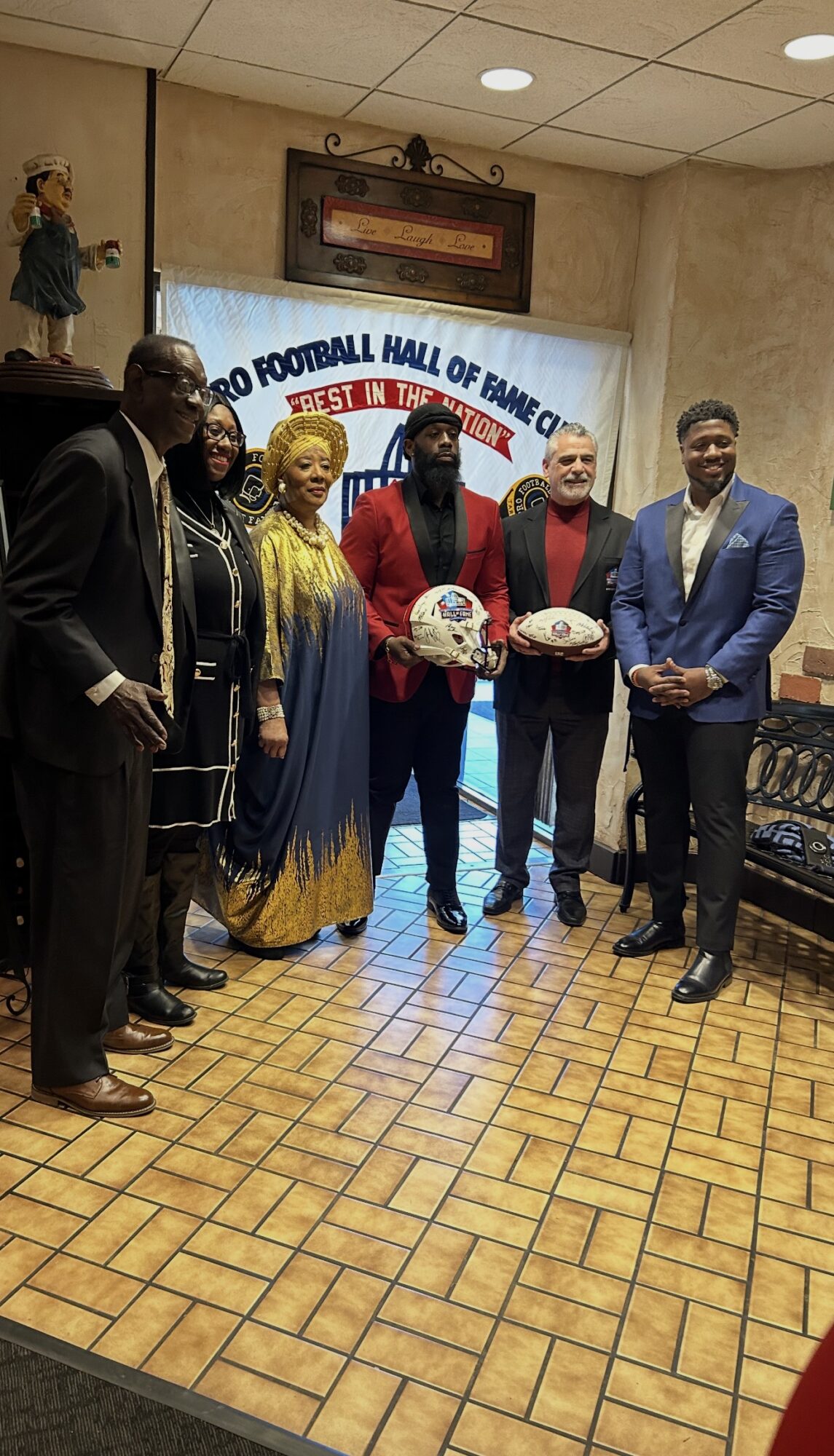
On March 3, 2025, I had another moment I will always appreciate: speaking at the Pro Football Hall of Fame Luncheon Club. Returning to my hometown to share my journey meant a lot. As a kid at Canton McKinley, I couldn’t have predicted all the chapters ahead of me. Having the opportunity to come home and speak about what they taught me was special.
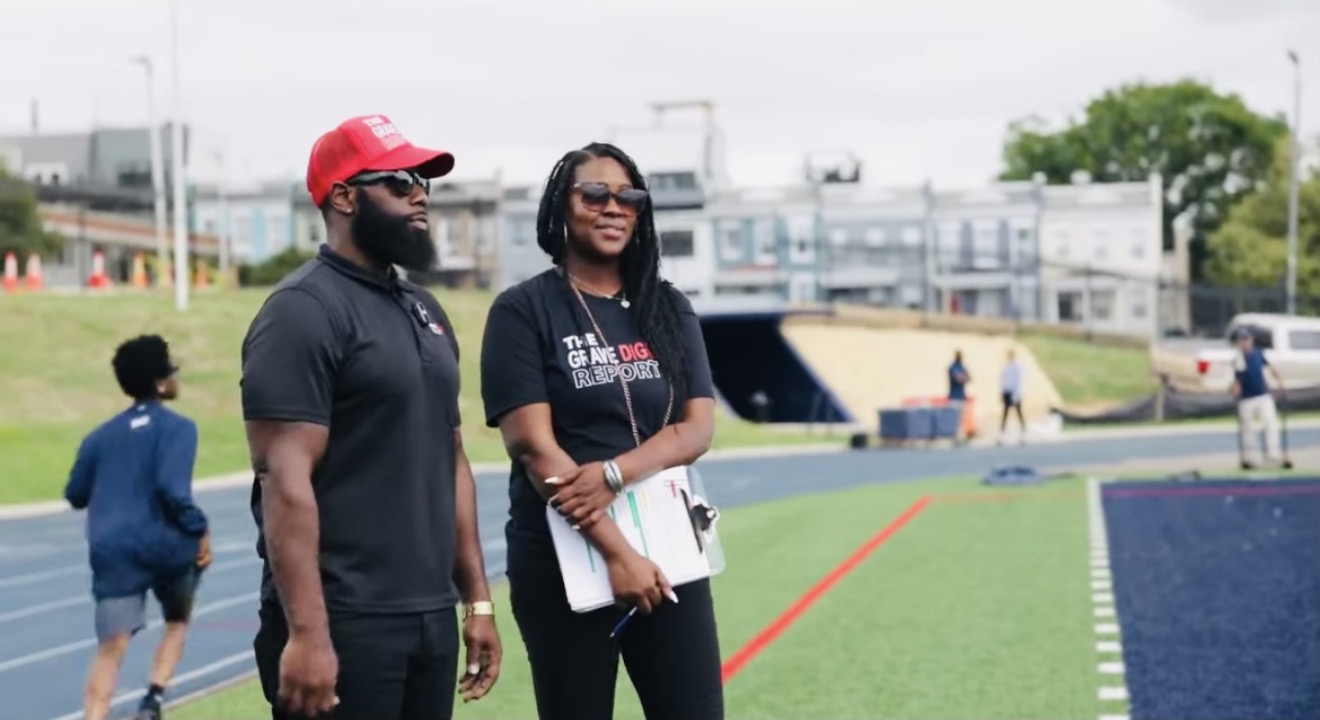
I’m also grateful for the people helping build this platform. Our Media Operations Director, Ayana Howard, deserves her flowers. She is a driving force behind the work, contributing to strategy, coordination, and content operations. There is a lot that happens before an interview or a piece of content reaches the audience. Ayana helps turn ideas into action and keeps the moving pieces progressing. Her commitment matters, and I’m proud to have her helping lead this work.
Matthew Phuse contributes through creative production, alongside the creative and production support of Sebastian Taylor and Careem Walcott. Their talent, time, and effort help bring these athletes’ stories to life. They deserve to see their names attached to the work they help make possible.
I’ve continued building through loss, including losing my father in 2025. My faith keeps me grounded. My daughter, Kennedy, reminds me to think about the example I’m setting through my everyday actions—how I work, how I treat people, and how I respond when life gets difficult.
Balancing fatherhood, my service with DC Government and the City of Alexandria, behavioral health work, and The Gravedigger Report takes consistency. There are long days, interviews to prepare for, games to cover, and responsibilities waiting when the cameras turn off. I’m still learning, but I believe in what I’m building enough to keep showing up.
When an athlete or a parent tells me that an interview meant something to them, I carry that with me. I remember being that young man with a dream, putting in the work and hoping an opportunity would come. I remember having to find my footing after football, too. Those experiences help me connect with the people whose stories I tell.
I wish my brother Shawn were here to see what The Gravedigger Report is becoming. I would love to pick up the phone and tell him about an interview, a game I covered, or a player whose family reached out. I miss him. Building this platform has given me a meaningful way to honor his memory through something I can do every day: give people my time, listen to their stories, and show them that their lives and futures matter.
Kennedy is watching me build, too. I want her to see that you can experience disappointment, grieve people you love, and still have something valuable to give.
That’s the heart of The Gravedigger Report. We show up for the player still waiting on an opportunity, the big guy in the trenches whose work goes unnoticed, and the athlete figuring out who they’ll become after the final whistle. We want to hear your story while you’re living it and recognize the work while you’re putting it in.
I know what it means to want someone to believe in you. Through this platform, I get to put that belief into action.
To the athlete still working and wondering whether anybody notices: keep preparing. Your name may not be everywhere yet, but your story is worth telling right now.
The Gravedigger Report. Seeing the bigger picture before the frame.
Can you talk to us a bit about the challenges and lessons you’ve learned along the way. Looking back would you say it’s been easy or smooth in retrospect?
No, it hasn’t been a smooth road. There have been seasons when I was trying to build something while still figuring out how to get through what was happening in my own life.
One of my first major challenges was accepting that professional football might not become the career I had spent years preparing for. When so much of your life revolves around the game, that transition can leave you questioning what comes next. I had to learn how to apply the same effort and discipline to a future that looked different from the one I imagined.
Working nights as a janitor while returning to school was part of that process. It required humility and patience. I had to focus on finishing my degree and taking care of my responsibilities without having every answer. That experience is one reason I care so much about helping athletes prepare for employment and life after football. I’ve lived that uncertainty.
The hardest challenge was losing my older brother, Staff Sergeant Curtiss Graves, whom we called Shawn, to suicide in May 2022 following his military service and struggle with PTSD. I started The Gravedigger Report two months later, but starting something meaningful didn’t make the grief disappear. There were still days when I wanted to call my brother and couldn’t. Losing my father in 2025 brought another layer of grief while I was continuing to work, be a father, and build the platform.
There’s also the everyday challenge of making the time and resources stretch. I serve with DC Government and the City of Alexandria, work in behavioral health, and have responsibilities as a father. Building The Gravedigger Report happens alongside all of that. Interviews require preparation. Coverage requires travel and coordination. Equipment, production, and editing require investment. People see the finished interview or the sideline coverage, but there is a lot of work before and after those moments.
Coming from football gave me a foundation, but I still had to learn how to build a media platform. I had to develop the production side, coordinate interviews, build relationships, and earn people’s trust through consistent work. Caring about the mission is essential, but you also have to deliver. I’m grateful for the people helping me do that, and I’ve learned to appreciate how much stronger the work becomes when others contribute their skills.
One lesson I’m still learning is how to give myself the same patience I try to give other people. I have high expectations for myself, and there is always something else I want to improve. My faith keeps me grounded, and I’m learning that consistency includes taking care of myself so I can keep showing up for my daughter, my community, and this platform.
Those struggles influence the way I interview people. I know a résumé, a uniform, or a highlight reel won’t tell you everything someone has been through. I try to leave room for the person and the parts of their journey that deserve to be heard.
I’m proud that I’ve kept going, but I also respect what it has taken to get here. Some days, progress was finishing an assignment after work. Other days, it was preparing an interview while missing someone I loved. Those steps count.
That’s something I want the athletes we cover to understand: you can still be figuring things out and have a future worth working toward. I’m building The Gravedigger Report with that belief because I’ve had to hold on to it myself.
Thanks for sharing that. So, maybe next you can tell us a bit more about your work?
I hold two government positions—one with DC Government and another with the City of Alexandria Government—while also serving as the founder of The Gravedigger Report. My professional experience brings together workforce development, education, behavioral health, community service, leadership, and sports media. Across those responsibilities, I’m committed to helping people recognize their potential and take meaningful steps toward their future.
With DC Government, I serve as a Vocational Development Specialist, overseeing Temporary Assistance for Needy Families (TANF) and education programming across four shelters in the District of Columbia. That is a responsibility I take seriously. I work with families pursuing education, employment, and stability while navigating circumstances that can make those goals difficult to reach.
My work requires more than providing a referral. It involves understanding someone’s goals, identifying barriers, coordinating with case managers and community partners, and helping connect the pieces so that an opportunity becomes accessible. I bring a practical approach to employment preparation, workforce development, and education because people need support they can actually use.
Earlier in my career, I also served in leadership and management within DC Government. Those roles strengthened my ability to lead, communicate expectations, coordinate services, and remain accountable to the people depending on our work. That experience continues to influence how I handle responsibility today, both in government service and as a business owner.
In addition to my DC Government position, I serve with the City of Alexandria Government in behavioral health. I am licensed in the state of Virginia as a Qualified Mental Health Professional working with adults, QMHP-A. Supporting adults in that capacity requires patience, sound judgment, consistency, and the ability to build trust. It has deepened my understanding of how behavioral health, housing, employment, and a person’s support system can affect one another.
Holding two government positions gives me the opportunity to serve people with different needs while drawing on a broad range of professional experience. I’ve worked in youth development, housing and community support, workforce development, education, and behavioral health. My background also includes the United Planning Organization and Safe Passages. Each role has strengthened my ability to meet people where they are and help them move forward.
Recently, I spoke on a panel with the Attorney General of the District of Columbia about the importance of community stakeholders and collaboration. We discussed housing, education, employment, behavioral health, community resources, and support networks. I was proud to contribute a perspective shaped by direct service and leadership experience. These are issues I work with, and I understand how much effective collaboration can mean to a family trying to gain stability.
That professional foundation is a major part of what sets The Gravedigger Report apart.
As its founder, I bring the perspective of a former college football player, a government professional, and a Virginia-licensed behavioral health professional. I understand the athlete’s ambition, and I also think about their education, well-being, employment prospects, and future after the game.
My football journey took me through North Iowa Area Community College in Iowa, USC, and Albany State University. I became an All-American nose tackle, shared a team with Heisman Trophy winners Matt Leinart and Reggie Bush, and experienced the pride of competing at an HBCU. I also pursued NFL and CFL opportunities and later had to establish a career outside football.
That transition gives my work a personal foundation. I worked nights as a janitor while completing my sociology degree, graduating from Albany State with honors in 2012. I know what it means to start again, work toward an uncertain future, and find value in abilities you developed along the way.
Through The Gravedigger Report, we cover athletes through interviews, player features, games, and pro days, with a strong focus on HBCU athletes and overlooked or under-recruited talent. Our coverage has included the HBCU Legacy Bowl, the Black College Football Hall of Fame Classic, and pro days at Morgan State and Maryland. I’m proud to help bring attention to athletes who deserve to have their work recognized and their stories heard.
Employment attainment after football is especially important to me. Athletes develop discipline, preparation, teamwork, and accountability over many years. I want them to understand the value of those abilities in the workplace and begin connecting their interests and education to career opportunities. My workforce development and behavioral health experience allow me to approach those conversations with an understanding of the whole person.
I also had the honor of speaking at the Pro Football Hall of Fame Luncheon Club on March 3, 2025. Returning to my hometown to share a journey that began at Canton McKinley was a moment I will always appreciate. It gave me an opportunity to speak about the lessons I carried from football into service, leadership, and building a platform of my own.
What I’m most proud of is the trust people place in me. A family working toward stability, an adult receiving behavioral health support, or an athlete sharing a personal story deserves care and follow-through. I want my work to reflect that responsibility.
I’m proud of the team helping build The Gravedigger Report, too. Our Media Operations Director, Ayana Howard, is a driving force in turning ideas into action through strategy, coordination, and content operations. Matthew Phuse, Sebastian Taylor, and Careem Walcott contribute creative and production support that helps bring these stories to life. Their work deserves recognition alongside mine.
Ultimately, I want to be known as someone who sees potential and does something about it. I can draw on my experience in government leadership, workforce development, behavioral health, and athletics to help someone identify a next step they may not have seen for themselves.
That is what “Seeing the bigger picture before the frame” means to me. Recognize the person. Respect the work they’ve already put in. Help them see what is still possible—and be willing to put in some work alongside them.
What makes you happy?
What makes me happy is knowing I made a difference in somebody’s day. Sometimes it’s helping someone take a step toward employment, watching an athlete get recognition, or hearing from a parent who appreciated the way we told their child’s story. Those moments stay with me because I know how much it can mean when someone takes the time to believe in you.
My daughter, Kennedy, brings me happiness. Spending time with her, laughing together, and watching her become her own person means a lot to me. Being her father makes me think about what I’m building and the example I’m setting. I want her to know she is loved and that her dad keeps working to become better, too.
My faith gives me peace. Being able to wake up, thank Allah, and have another opportunity to do something meaningful is something I appreciate. After losing people I love, I’ve become more aware of the everyday things: hearing from family, having a good conversation, sharing a laugh, and telling people what they mean to me while I have the chance.
Football still makes me happy. Being around the game, hearing the energy on the sideline, and watching a player’s preparation show up on the field—that feeling hasn’t left me. And when a big guy in the trenches makes a play, you already know I’m paying attention.
Through The Gravedigger Report, I get to experience another kind of joy: watching someone open up when they realize you’re genuinely interested in their journey. I enjoy giving athletes room to talk about the people who raised them, what they’ve overcome, and where they want to go. There is something special about seeing pride on someone’s face when they get to tell their own story.
I also find happiness in taking care of myself, getting a good workout in, and recognizing my own progress. I’m learning to appreciate what I’ve accomplished while continuing to work toward what comes next.
At the heart of it, I’m happiest when the people I love are doing well and I’m using what I have to be a blessing to someone else. I’ve received encouragement at different points in my life that helped me keep going. Being able to give some of that back means the world to me.
Contact Info:
- Website: https://www.thegravediggerreport.com
- Instagram: @thegravediggerreport
- Youtube: https://www.youtube.com/@gravedigger_report
Popular
-

Hidden Gems: Local Businesses & Creatives You Should Know
-

ATL’s Most Inspiring Stories
-

Portraits of Atlanta
-

Raven Parris Is Building the Village Every Mother Deserves During Pregnancy and Postpartum
-
Peyten Williams Is Helping Parents Trade the Pressure of Perfect Parenting for Better Judgment
-

Dr. Hildiah Martin-Suggs Is Building Second Chances for Youth Who Were Almost Lost in the System