

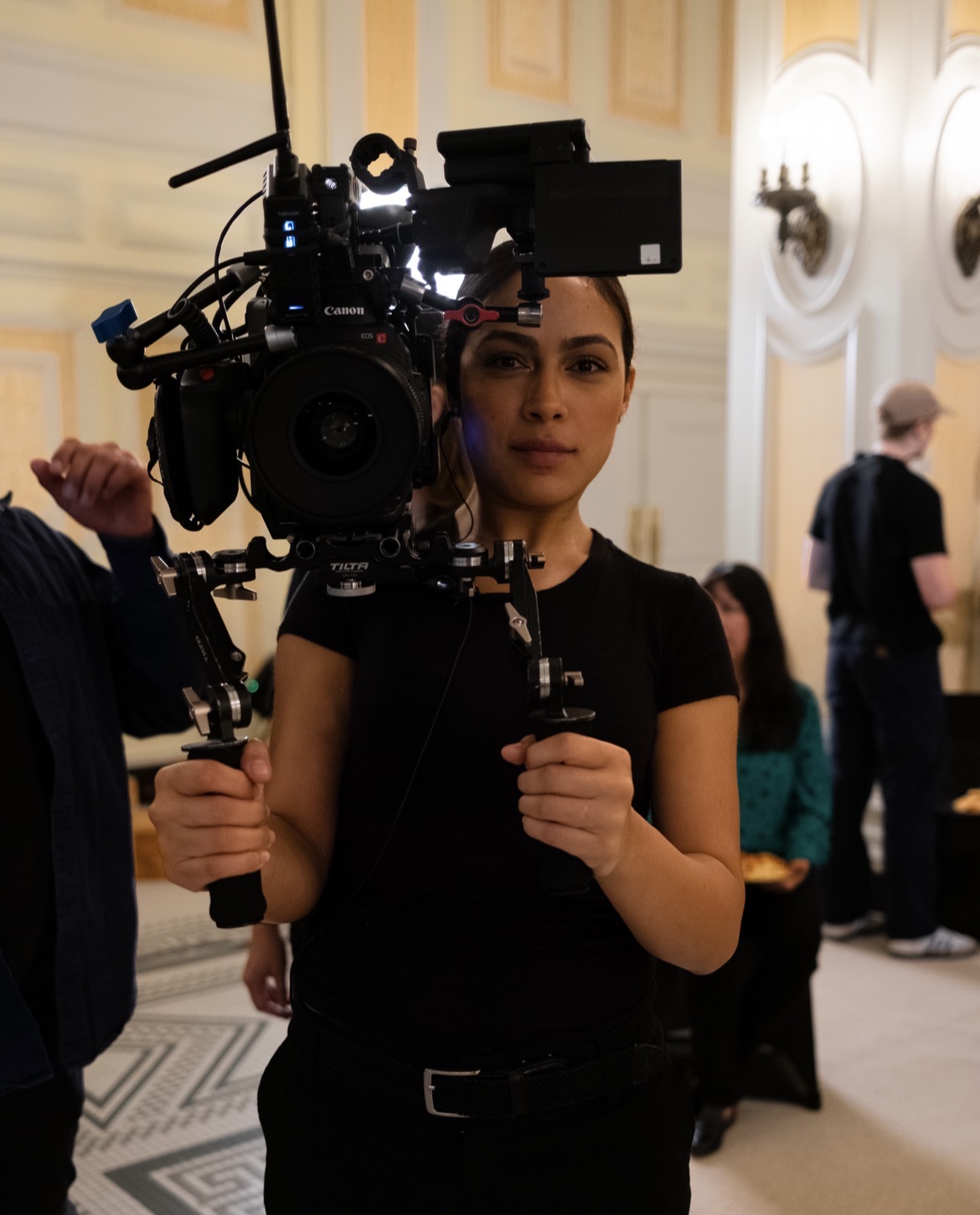
Today we’d like to introduce you to Keishla Oquendo.
Hi Keishla, thanks for sharing your story with us. To start, maybe you can tell our readers some of your backstory.
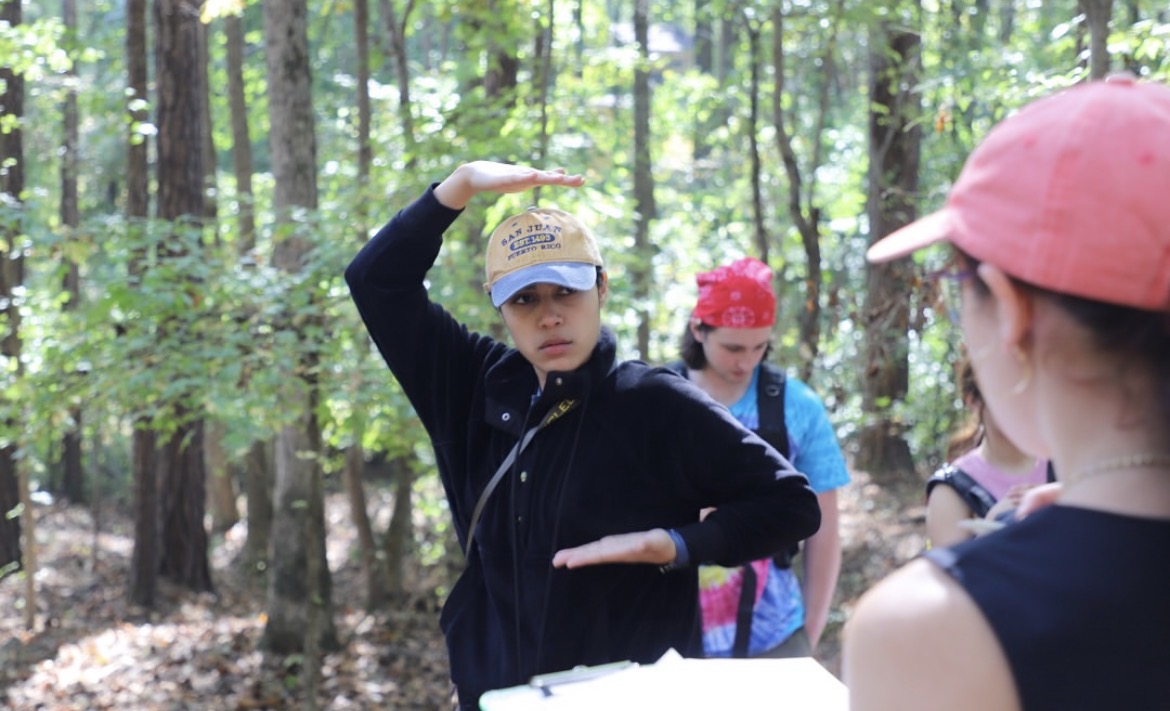
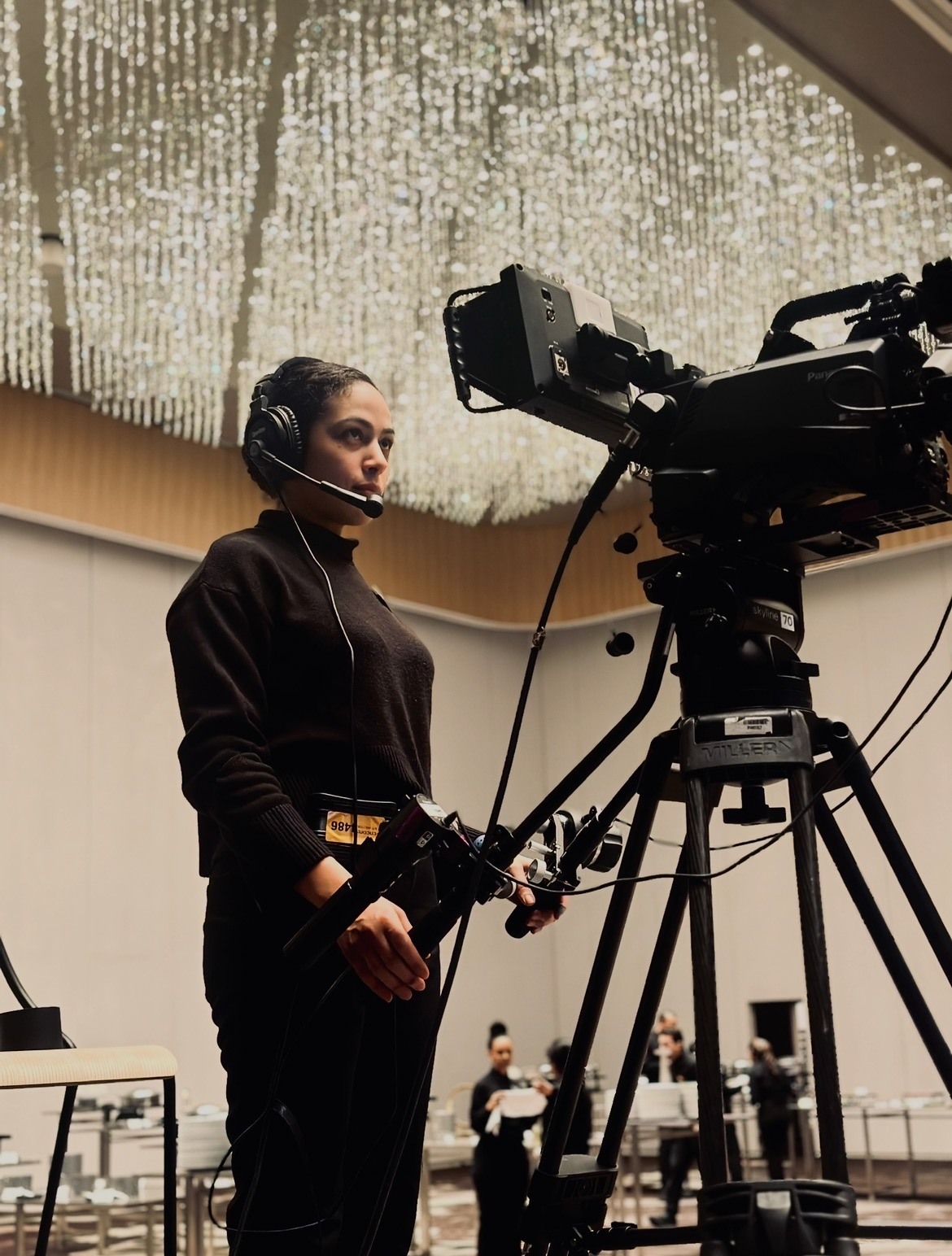
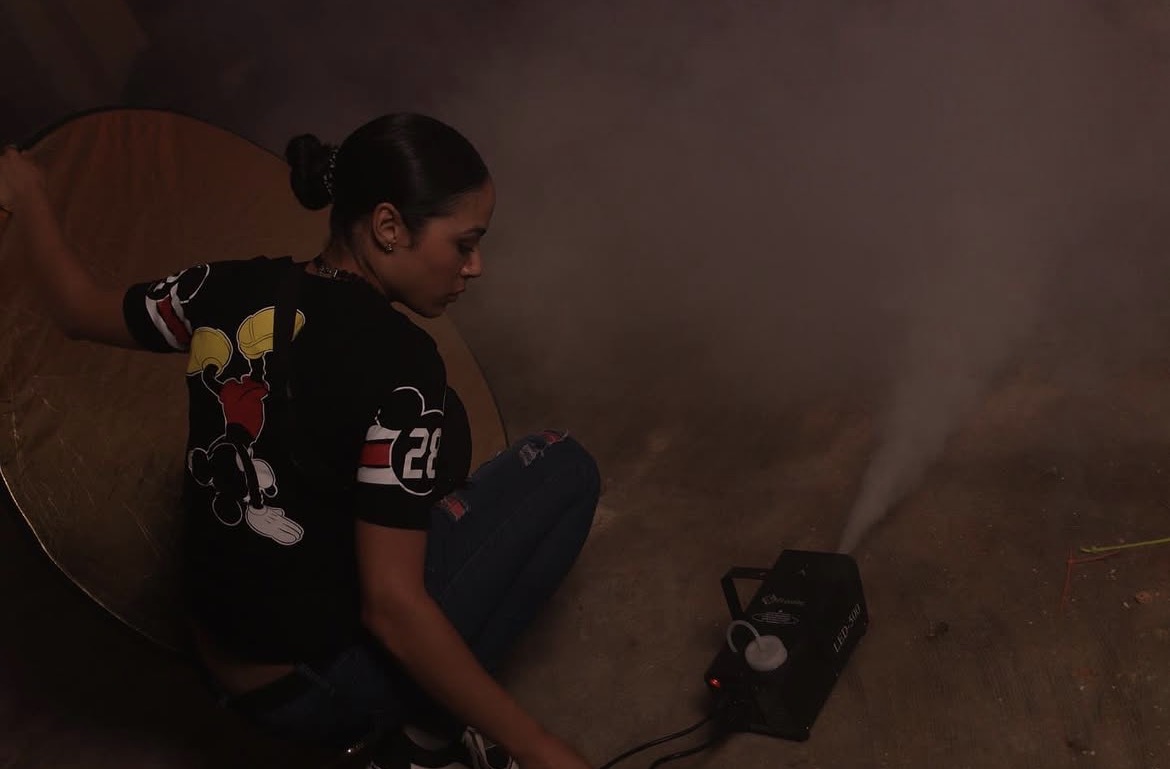
I’m an artist who found storytelling through performance first. Before film, there was acting. I was drawn to the way emotion could live in a body, in silence, in a glance that says everything before dialogue ever arrives. Even now, when I’m not acting, I still approach filmmaking the same way: using myself as part of the creative paintbrush. I love collaboration and becoming a key piece in bringing a story to life, whether that’s through cinematography, directing, or shaping emotional tone on set.
I grew up in the Bronx, moving constantly between neighborhoods and states, often chasing stability that was never met. My childhood was marked by homelessness, family incarceration, and learning how to survive on very little. At a certain point in my life my brothers and I were separated by Child Protective Services, and I saw how hard my mom fought—it was truly remarkable. She had a goal to get us back and did so within a year. At seventeen, I left for college searching for something solid, but I’ve realized the artist’s path often means continuing to leap into uncertainty anyway. Somewhere between survival and ambition, I started learning how to dream bigger than the life I came from.
Can you talk to us a bit about the challenges and lessons you’ve learned along the way. Looking back would you say it’s been easy or smooth in retrospect?
My biggest obstacle has often been myself. Imposter syndrome can feel like carrying a noisy ghost onto every set, whispering that everyone else belongs there more than you do. I’ve spent years trying to prove I deserve a seat at the table, pouring myself into education and craft because I never wanted passion alone to be the only thing I had.
Coming from instability, there’s a deep fear of failure attached to pursuing art, especially in an industry that rarely feels financially safe. I’m over $200,000 in debt pursuing higher education in film, and there are still moments where I compare myself to masters I have no right or need to compare myself to and feel miles away. But I’ve learned that artistry is not about having all of the tools. It’s about using what you do have to tell the story and collaborating/researching to gain as much knowledge as possible for the work at hand.
Thanks for sharing that. So, maybe next you can tell us a bit more about your work?
My work gravitates toward emotional drama because emotion has always felt universal to me. I’m interested in the private wars people carry inside themselves: identity, shame, longing, faith, desire, grief, transformation. I want audiences to feel what the characters feel rather than simply observe them from a distance. If a film can make someone sit in discomfort, ache with a character, or recognize themselves in silence, then I feel I’ve done my job.
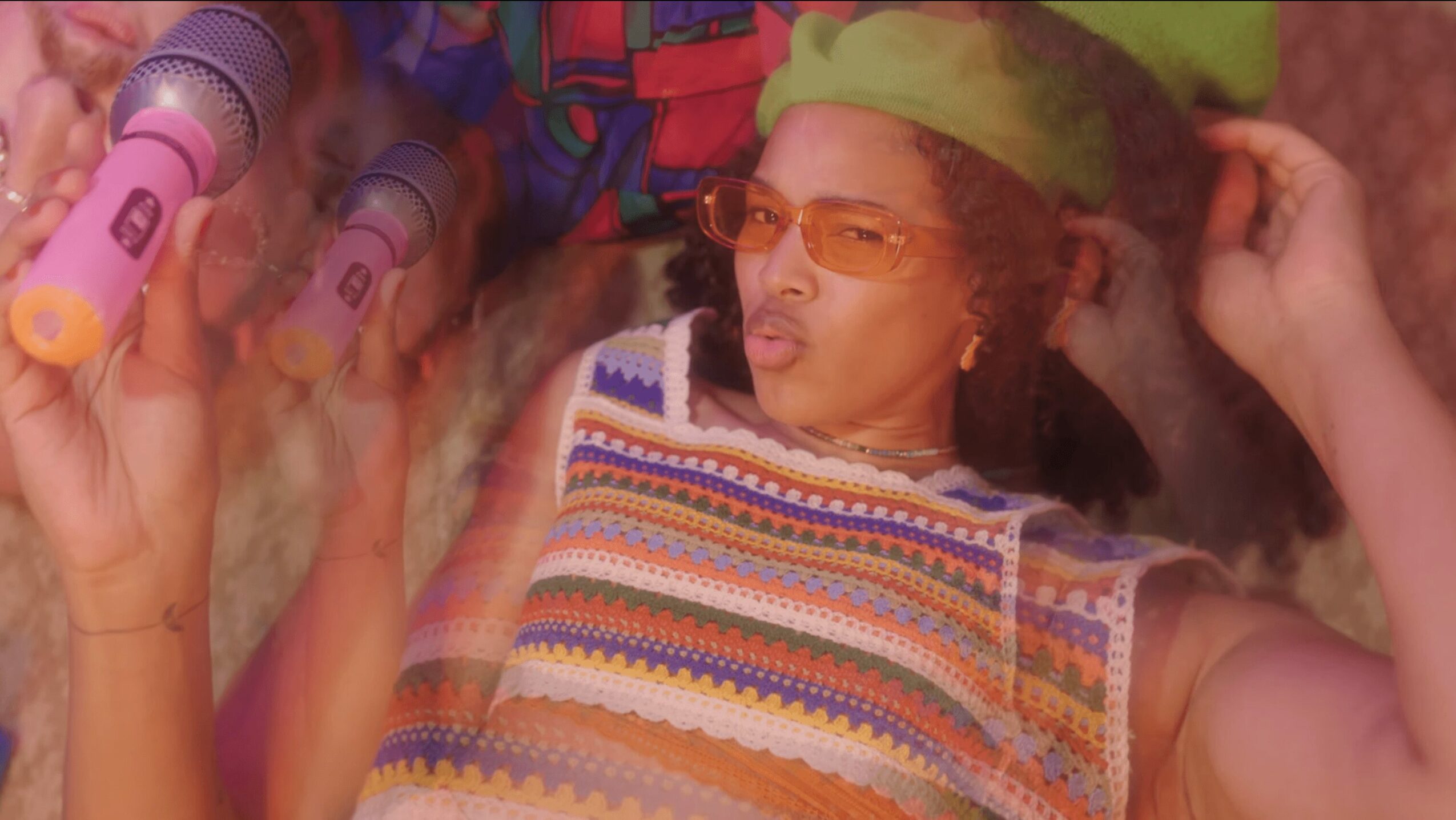
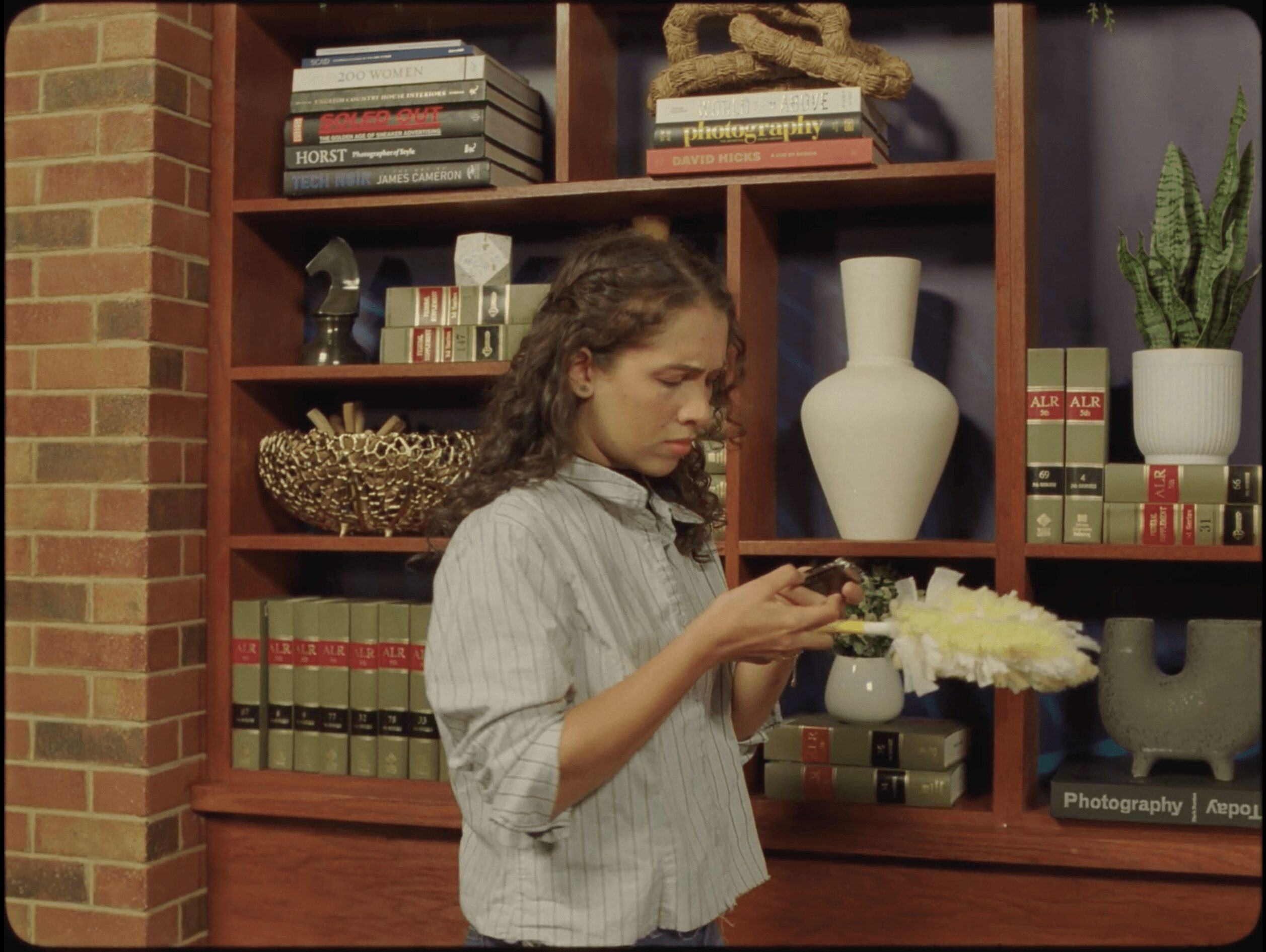
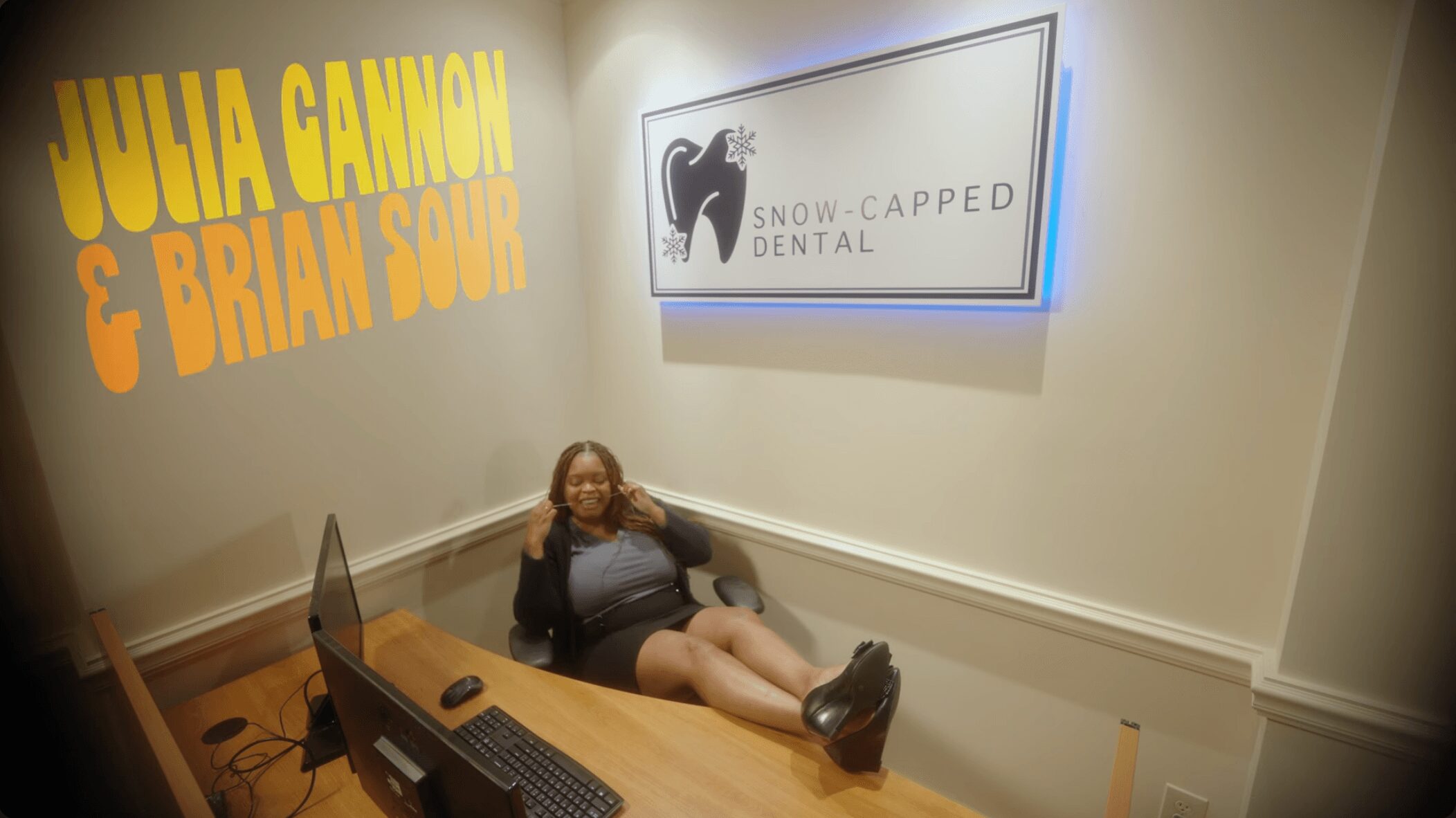
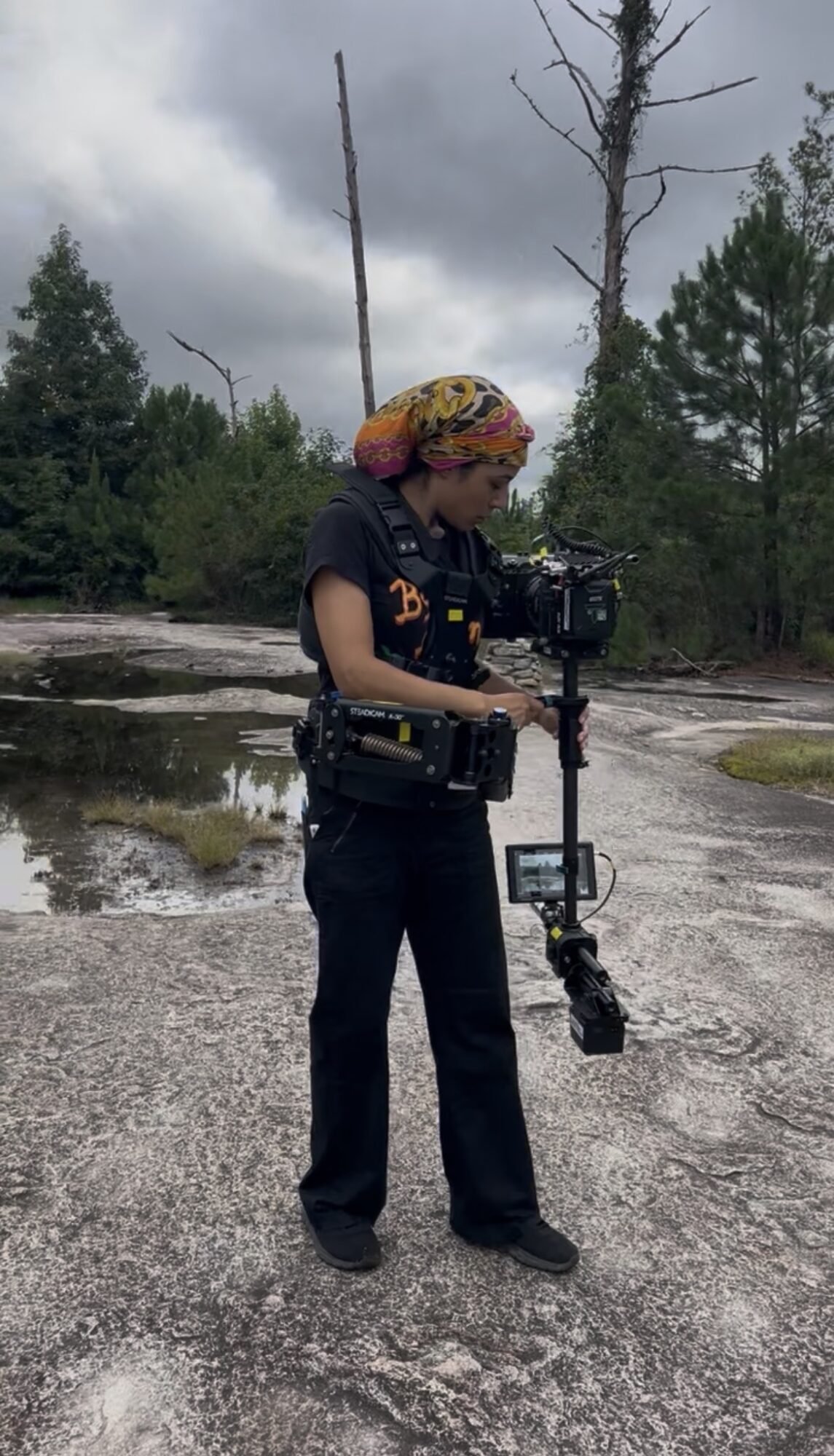
Visually, I’m drawn to cinematic storytelling that feels intimate and textured. I’ve had the opportunity to learn Steadicam operation, shoot on film, work in vertical formats, and gain experience on reality television productions. Several films I’ve DP’d have screened at festivals, including ImageOut, Atlanta Film Festival, and Atlanta Horror Film Festival. I also assistant-directed a music video that will be screened at the Berlin Fashion Film Festival in June 2026, and acted in a short film that was accepted into festivals, including Indie Short Fest.
If we knew you growing up, how would we have described you?
Growing up felt like living between two worlds. At home, survival came first. My family knew how to stretch almost nothing into enough, and creativity often looked less like art and more like endurance. At the same time, the church became a second home. I was deeply involved in a Pentecostal community, attending services multiple times a week and spending so much time at my pastor’s house that people nicknamed me “Churchy.”
Faith shaped me profoundly, but so did the quiet realization that I was different long before I knew how to name it myself. People around me often sensed my queerness before I could even admit it internally. That tension between faith, identity, shame, love, and self-discovery continues to influence my work today. A lot of my art exists in that in-between space: the collision between who we are taught to be and who we eventually allow ourselves to become.
Contact Info:
- Instagram: xkeishlax
- LinkedIn: https://www.linkedin.com/in/keishlamarie/
Popular
-

Hidden Gems: Local Businesses & Creatives You Should Know
-

ATL’s Most Inspiring Stories
-

Portraits of Atlanta
-
Natasha Dillard on Redefining Beauty Standards and Empowering Women Through Unapologetic Self-Expression
-
Darren Paltrowitz on Blending Investigation, Media, and Culture to Uncover the Stories Behind the Stories
-
Naeemah Jade on Redefining Networking Through Trust, Proximity, and Intentional Community