


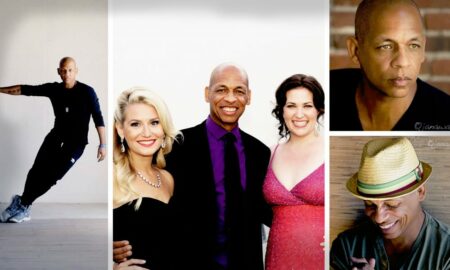



Today we’d like to introduce you to Nija Walker.
Nija, we appreciate you taking the time to share your story with us today. Where does your story begin?
I’ve been involved in the music industry for 25 years now. My story with music really starts with my father, Samarai Celestial. He was a jazz drummer and spent the better part of his career playing in Sun Ra’s Arkestra. Growing up around him and his friends, music was part of my environment, and eventually, it became something I wanted to pursue for myself. I started out playing drums and grew up in the world of bands, which taught me a lot about music, collaboration, discipline, and what it really takes to create something with other people.
As I got older, I became just as interested in what was happening behind the music as I was in performing it. I had the opportunity to intern at SoundCurrent Mastering with David “Seva” Ball, and that experience opened my eyes to the technical and creative side of recording and mastering. My first work there was on the David Lewiston archive of world music. I started realizing that there was an entire world behind the performances I loved: engineering, production, acoustics, editing, mixing, and all the little decisions that ultimately shape how people experience music.
I continued performing and eventually became the drummer for Cloacal Kiss in North Carolina. From there, I went on to play drums for A Different Breed of Killer, which was signed to Rise Records. Being part of those bands gave me a completely different perspective on the music industry. I was able to experience the demands of being an artist firsthand, while continuing to develop my technical understanding of music and recording.
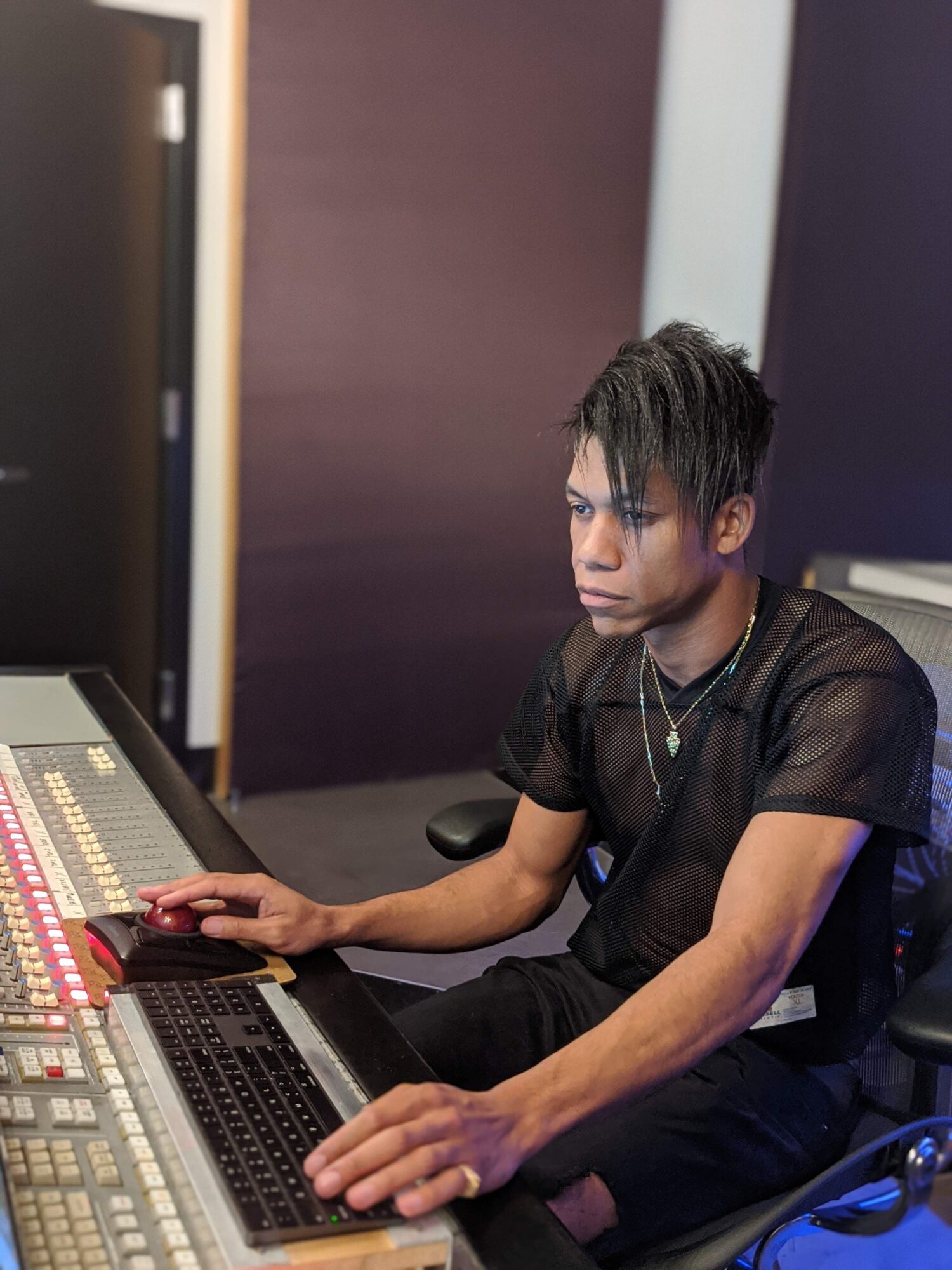
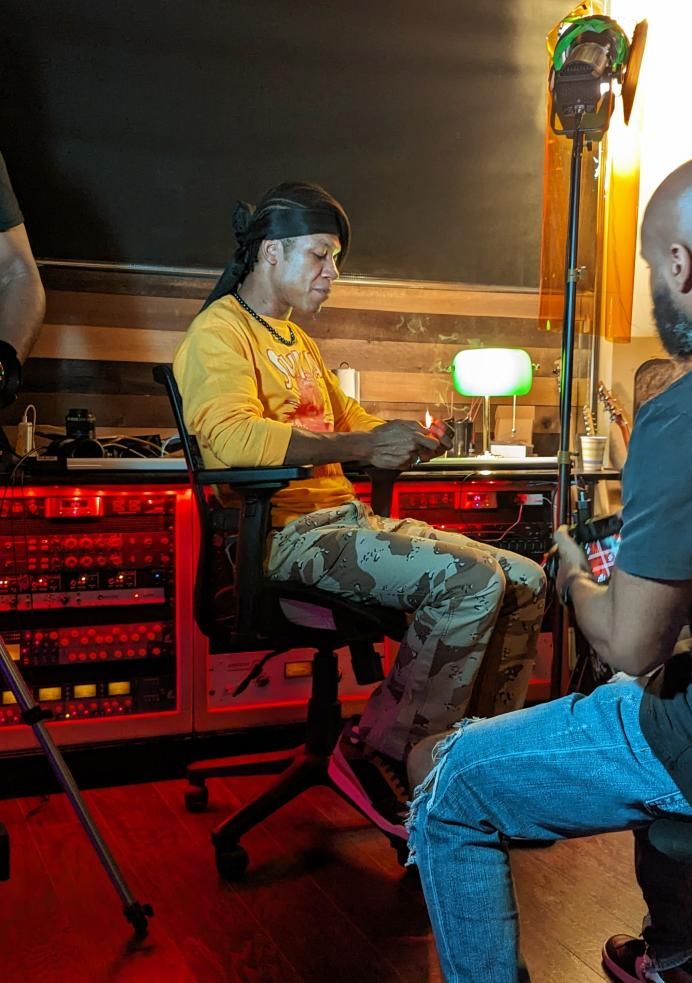
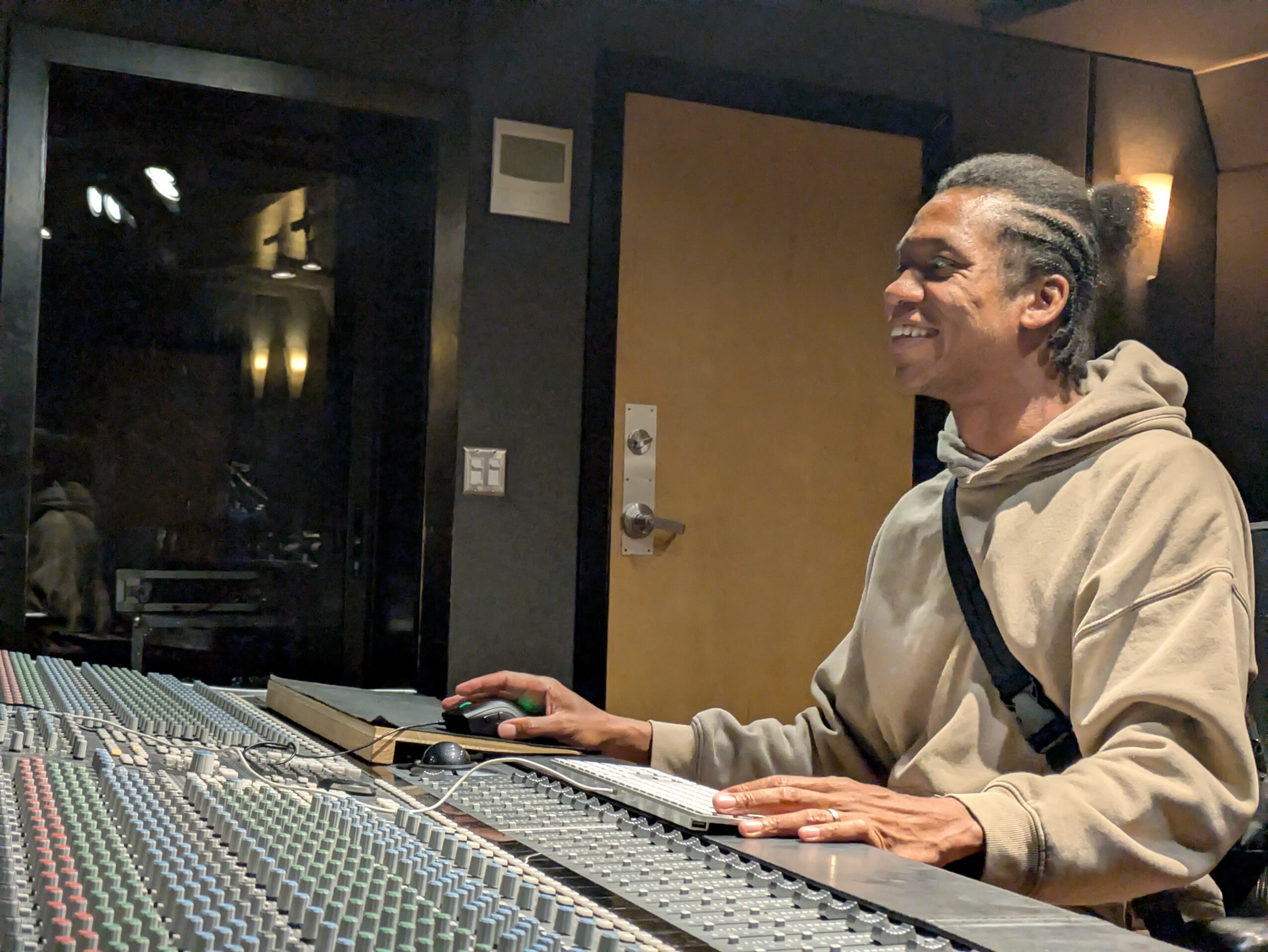
In 2010, I met my wife Trudy, and that became another major turning point in my life. I eventually stepped away from performing and returned my focus to studio work. What started as an interest in recording grew into a career, and over the years, I’ve continued building on that foundation as a recording engineer, producer, educator, and studio owner.
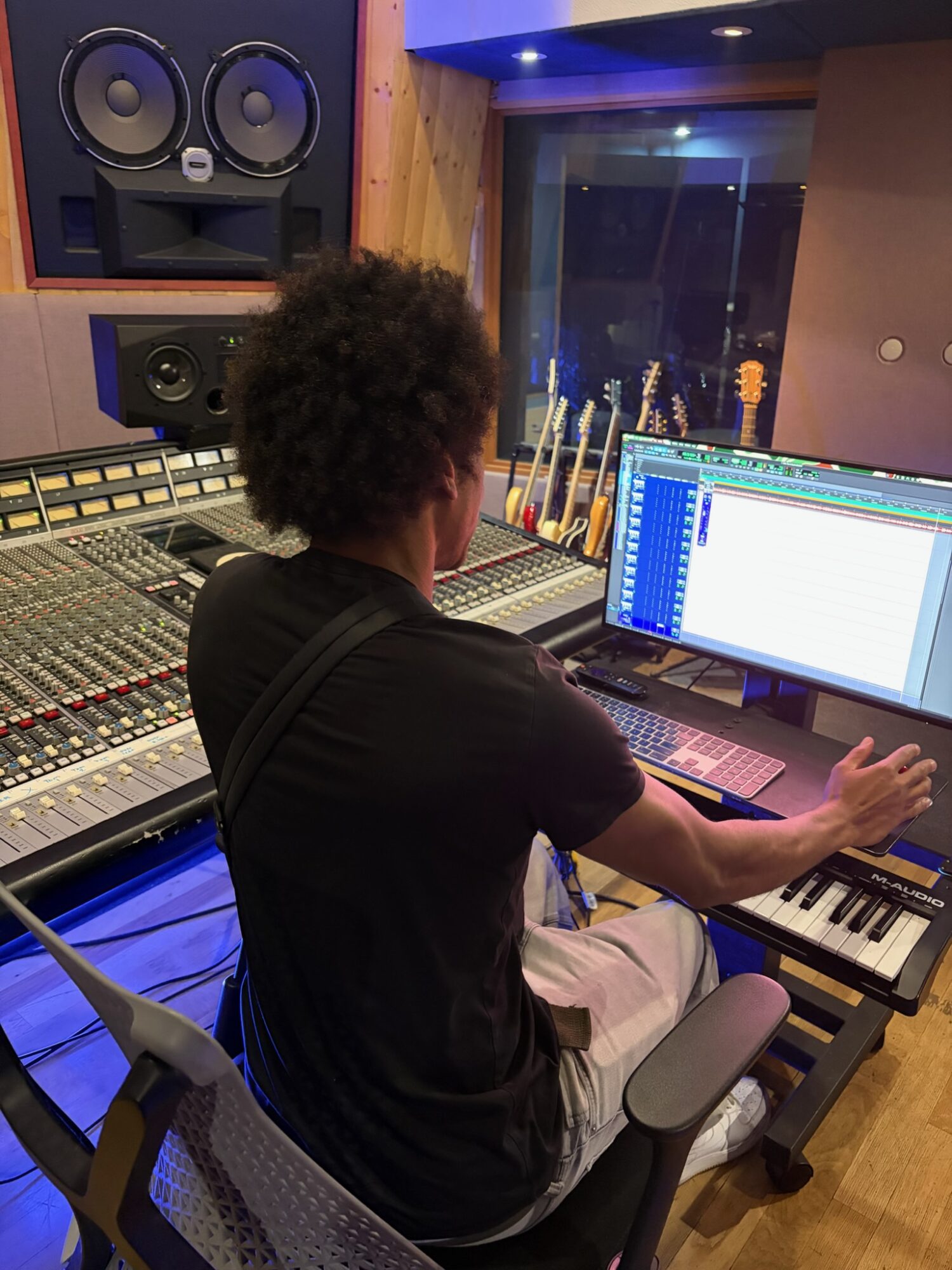
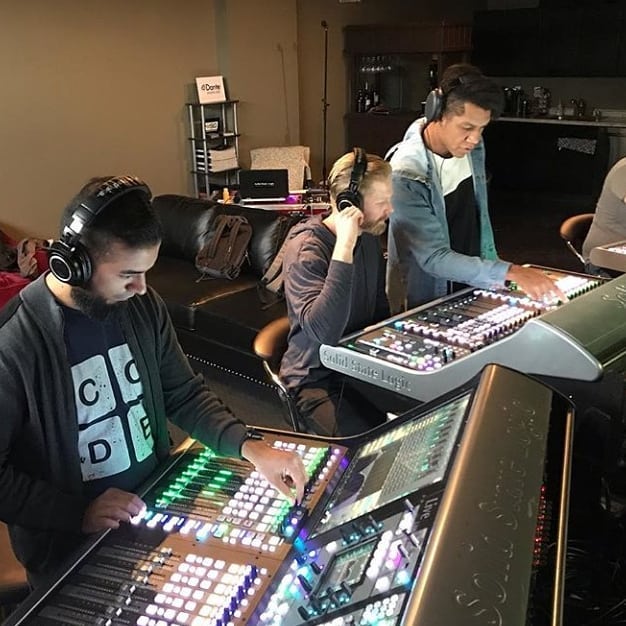
Today, I continue to work in music production and audio recording while also teaching and mentoring the next generation of audio professionals. Looking back, I can see that every part of the journey: the bands, the internships, the technical work, and even the decision to step away from performing contributed something important to where I am today. I’ve gotten to experience music from a lot of different perspectives, and I think that’s one of the things that makes my approach to the work unique.
Alright, so let’s dig a little deeper into the story – has it been an easy path overall and if not, what were the challenges you’ve had to overcome?
It definitely hasn’t been a smooth road. The music industry can be incredibly rewarding, but it can also be unpredictable, and I’ve had to learn how to adapt to a lot of different circumstances along the way.
One of the biggest challenges was figuring out how to turn something I loved into something sustainable. I came up playing in bands, and for a long time, I thought my path would primarily be as a musician. But as I became more involved in recording and production, I realized that I had a different set of skills that I could build a career around. That meant being willing to change direction, learn new things, and sometimes start over.
There were also plenty of moments where the work wasn’t glamorous. Building yourself up as an engineer and producer requires a lot of time behind the scenes: learning equipment, staying informed of the software, developing your ear, working with different personalities, and constantly trying to become better. There were periods where I had to take whatever opportunities were available while continuing to work toward the bigger picture.
Moving from being an artist to focusing more heavily on studio work was another adjustment. When I met my wife, my priorities began to change, and I started looking at my career differently. I wanted to build something that could provide stability while still allowing me to create. That eventually led me toward entrepreneurship and building my own clientele and studio workflow rather than relying entirely on opportunities that someone else created for me.
I think the biggest lesson has been that success in this industry isn’t always a straight line. There have been setbacks, changes in direction, and plenty of uncertainty, but each of those experiences taught me something. The struggles forced me to become more adaptable and to think beyond just being a good engineer or musician. I had to learn how to build relationships, run a business, teach, lead, and create opportunities for myself and other people.
Looking back, I’m actually grateful that the road wasn’t completely smooth. The difficult parts gave me perspective, and they helped shape the way I approach both my work and the people I work with today.
Can you tell our readers more about what you do and what you think sets you apart from others?
A lot of the work I do today centers around vocals and songwriting. I’m often brought in when an artist needs help getting a vocal performance to the next level, whether that means helping them find the right delivery, developing the song itself, or creating an environment where they feel comfortable enough to really open up creatively.
I think one of the things I’m most known for is my ability to connect with artists on a level that goes beyond the music. Recording a great vocal isn’t always about having the most expensive microphone or knowing the right technical settings. Sometimes the biggest difference is understanding the person standing in front of the microphone.
Every artist is different. Some need technical direction, some need encouragement, some need someone to challenge them, and sometimes they just need somebody to listen. I’ve learned how to read those situations and figure out what an artist needs in that particular moment. My goal is to create an environment where they can trust me enough to take risks and give me something real.
That connection is probably what I’m most proud of. I’ve had the opportunity to work with artists at very different stages of their careers, and I love seeing the moment when an artist realizes they’re capable of more than they thought they were. Being able to bring that out of someone is incredibly rewarding to me.
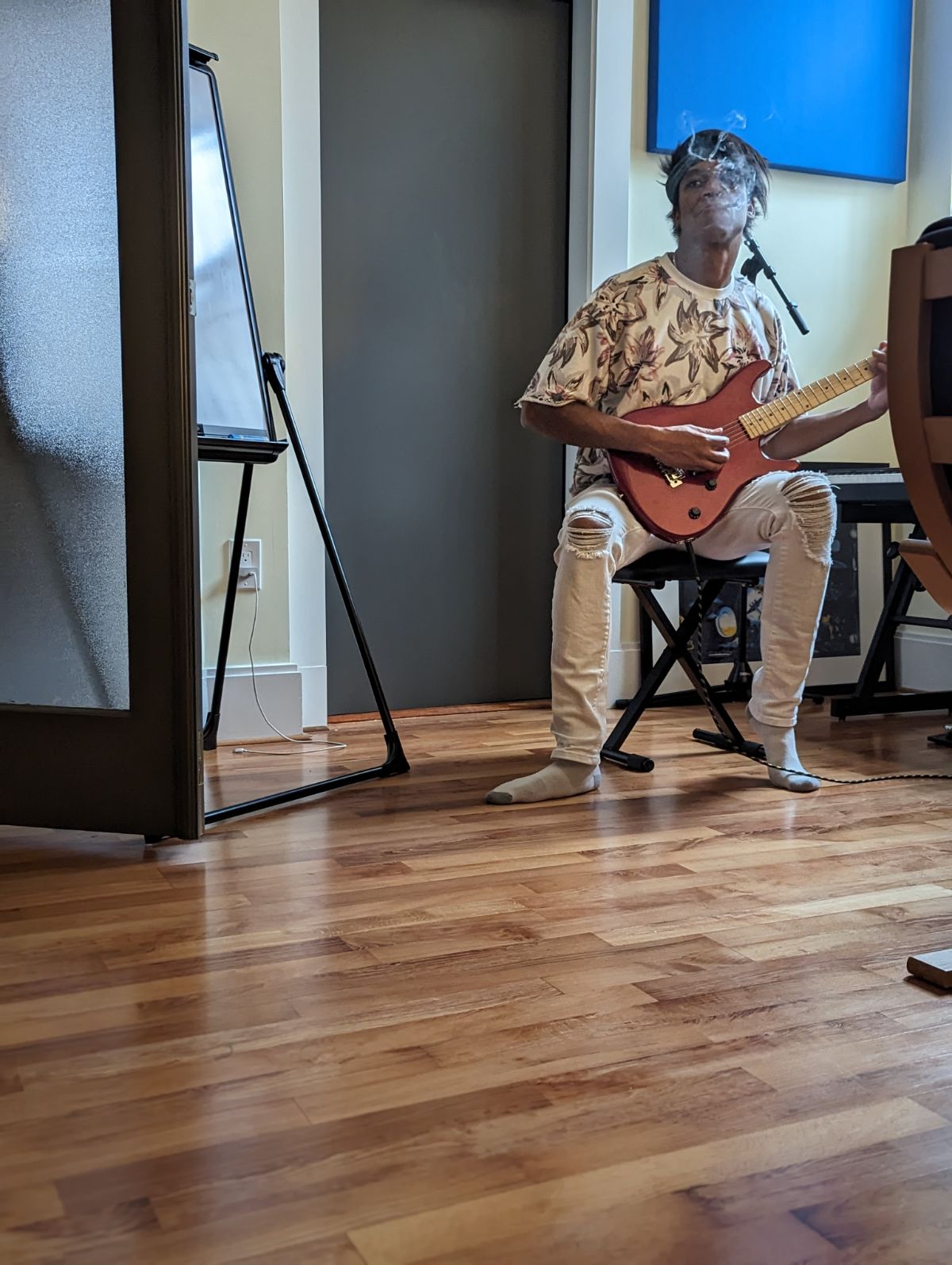
I also think my background as a musician plays a major role in how I work. I understand what it’s like to be on the other side of the glass—to be the person performing, to feel vulnerable, and to have someone else responsible for capturing that performance. My experience as a drummer and songwriter, combined with my engineering and production background, allows me to approach a session from multiple perspectives.
Let’s talk about our city – what do you love? What do you not love?
What I love most about Atlanta is the diversity and the culture. There’s such a unique energy to the city, and music is woven into so much of it. You can be almost anywhere in Atlanta and feel like something is being created… Artists are constantly writing, recording, performing, collaborating, and building businesses around their creativity. I really appreciate how much the city embraces different sounds, backgrounds, and creative perspectives.
Atlanta also has a way of bringing people together. There’s a strong sense of community within the creative scene, and I think that’s a big part of what has made the city such an important place for music and culture.
What I like least? Probably the traffic. (Laughs.) Atlanta traffic definitely has a personality of its own. But honestly, when that’s one of my biggest complaints about a city, I think that says something positive about how much there is to love about it.
Contact Info:
- Instagram: https://instagram.com/nijawalker
Popular
-

Hidden Gems: Local Businesses & Creatives You Should Know
-

ATL’s Most Inspiring Stories
-

Portraits of Atlanta
-

Raven Parris Is Building the Village Every Mother Deserves During Pregnancy and Postpartum
-
Peyten Williams Is Helping Parents Trade the Pressure of Perfect Parenting for Better Judgment
-

Dr. Hildiah Martin-Suggs Is Building Second Chances for Youth Who Were Almost Lost in the System