







Today we’d like to introduce you to Lord Smiff.
Lord, we appreciate you taking the time to share your story with us today. Where does your story begin?
Born in Lithonia and raised in Ellenwood on the eastside of Atlanta, Wesley Warren — better known as Lord Smiff — has spent his entire life turning struggle into art. The youngest of three children, raised in a fractured household after his parents divorced when he was two years old, creativity became both an escape and a survival tool early in life.
Long before fashion, music, or creative direction, there was simply a child obsessed with drawing. Much of that creativity was inherited from both sides of his family — his mother’s architectural creativity helped shape his raw artistic instinct and discipline, while his father’s taste for luxury clothing, jewelry, accessories, and cars heavily influenced his understanding of style and aspiration. By the age of five, Smiff was sketching cartoons by hand, recreating characters he loved and selling the drawings to other kids. Even then, art wasn’t just imagination — it was currency, identity, and self-expression.
As he entered his teenage years, Atlanta’s street culture became a major influence. Sneakers, music, fashion, and the energy of the city shaped his eye for aesthetics. What started as customizing Nike concepts and sketching clothing designs slowly evolved into his first brand, Fresh Leak. Initially created as a clothing line, the brand eventually transformed into a party promotion collective during his college years, introducing him to branding, nightlife culture, and the power of influence.
After high school, Smiff attended Savannah State University, where he quickly became known not just for his style, but for his aura. Fashion became his language before he fully understood what his purpose was. But during what should have been a transformative chapter of his life, tragedy struck.
Going into his sophomore year, his father died while incarcerated.
To this day, the exact circumstances surrounding his father’s death remain unclear. What was officially labeled a suicide never sat right with him, and the unanswered questions pushed him into one of the darkest periods of his life. He stopped attending class. He stopped eating. He isolated himself and spiraled into depression. Eventually, he dropped out of school entirely.
For a period of time, Smiff tried to find stability through more conventional work, eventually selling cars at Nissan. But despite earning money, he still felt disconnected from himself. Something was missing.
That absence led him deeper into art.
In 2013, he fully stepped into his creative career — both as a recording artist under the name SmiffnWe$ and as a graphic designer under the alias Lord Smiff. The duality reflected who he was becoming: part storyteller, part visionary.
What began with flyer designs and cover art quickly evolved into working with some of hip-hop’s most recognizable names. Early in his design career, Smiff created artwork and visual assets for artists including 21 Savage, Young Dolph, 21 Lil Harold, Bali Baby, King Combs, OG Maco, and more. His creative eye also expanded into photography, creative direction, and production work for brands and institutions such as Purple Agency in Los Angeles, Clark Atlanta University, Georgia State University, Suite Lounge, and Blu Cantina.
While his visual work was gaining momentum, his music career was beginning to build traction as well. Although fashion eventually became his primary focus professionally, Smiff never abandoned music.
“I never decided fashion was bigger than music,” he explains. “I just made more money from fashion in a shorter period of time. I still make music, but I shifted the direction of it to fit my lifestyle and purpose instead of making what people wanted to hear.” In 2017, he joined the Chilantaville Tour as a supporting act, opening for artists including SahBabii, Lotto Savage, and Derez De’Shon. The tour exposed him to a larger audience and connected him with publicist Justin Pride of Purple Agency.
That relationship became pivotal.
By 2019, the two co-founded Slanghouse Studios, a media company centered around underground and mainstream hip-hop, regional dialect, and urban culture. Through concerts, festivals, panels, art showcases, and fashion events, Slanghouse became more than a company — it became a cultural ecosystem designed to push creative voices forward.
That same year marked another major turning point.
In 2019, Smiff officially stepped into fashion full-time after becoming Creative Director of Atypical Clothing. Although he had already designed pieces for various local brands, this period sharpened his understanding of streetwear, silhouette, storytelling, and garment construction. But just as momentum was building, his life changed forever.
While traveling, Smiff was robbed at gunpoint by three armed men.
During the attack, his eye was lacerated by blunt force from a firearm. He lost his phone, wallet, and so much blood that he passed out before making it back to his hotel room. The physical injuries healed over time, but the trauma remained.
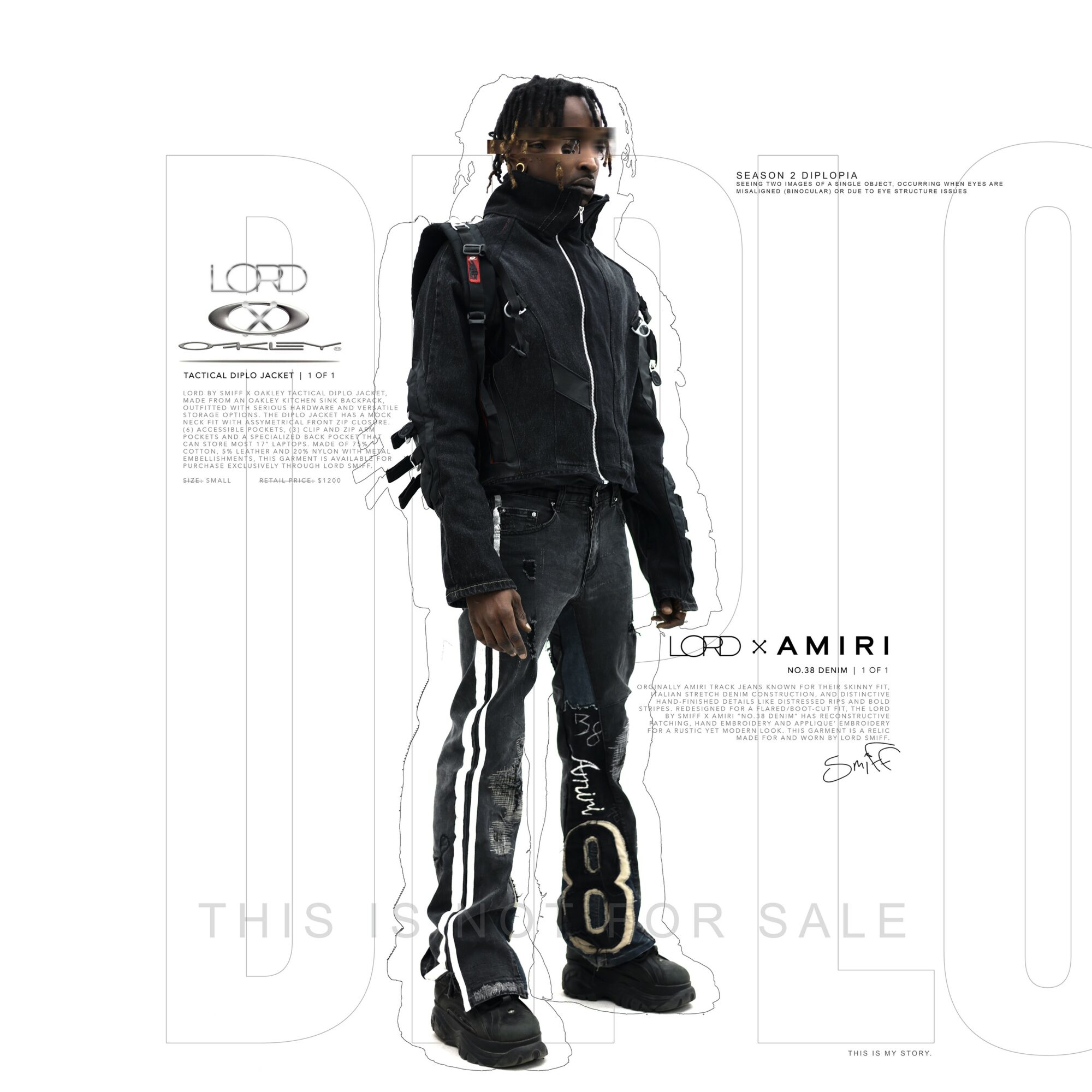
For nearly a year, he suffered from diplopia — double vision.
That experience fundamentally changed how he viewed life.
Everything became “life or death.”
And from that realization, LORD was born.
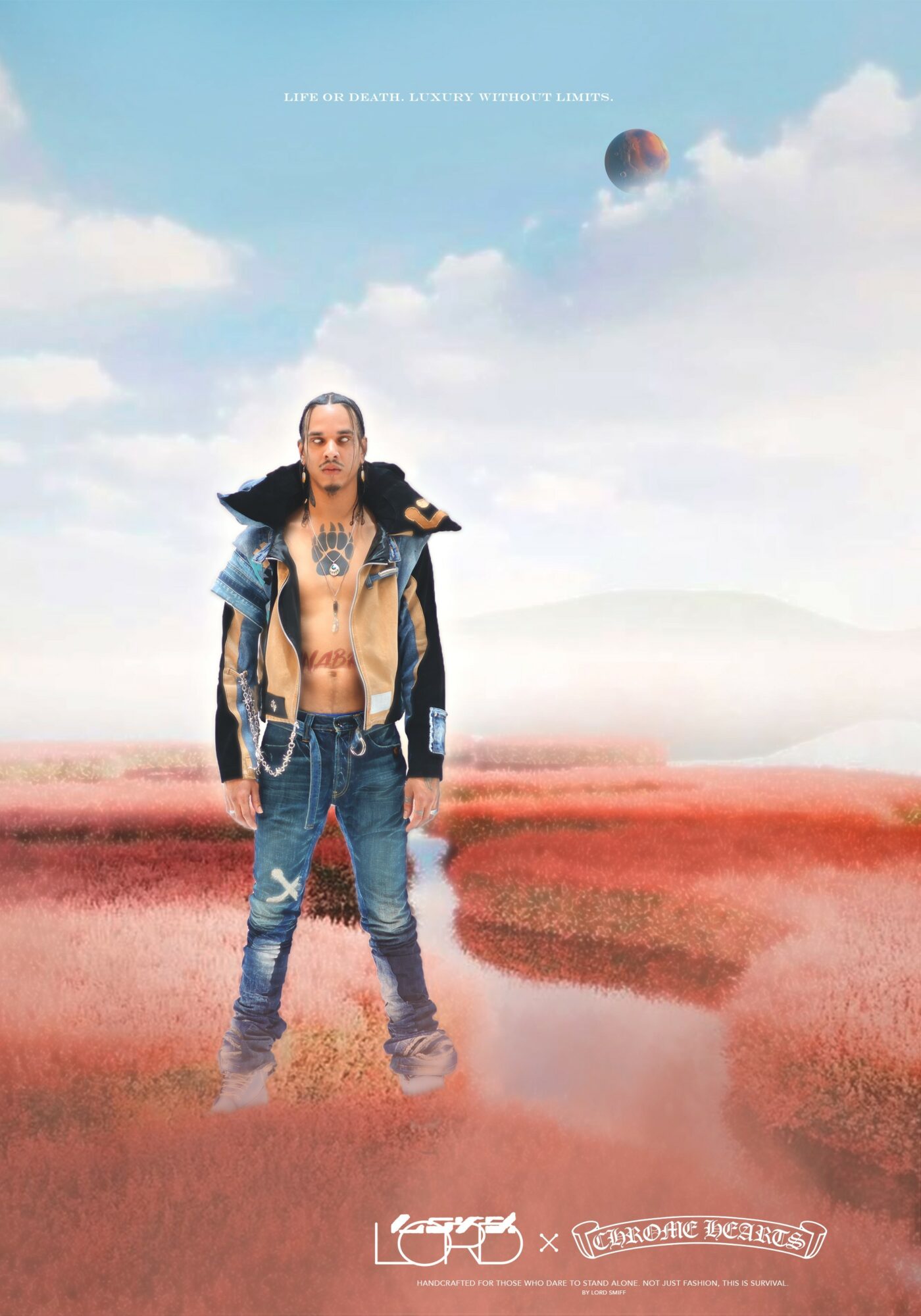
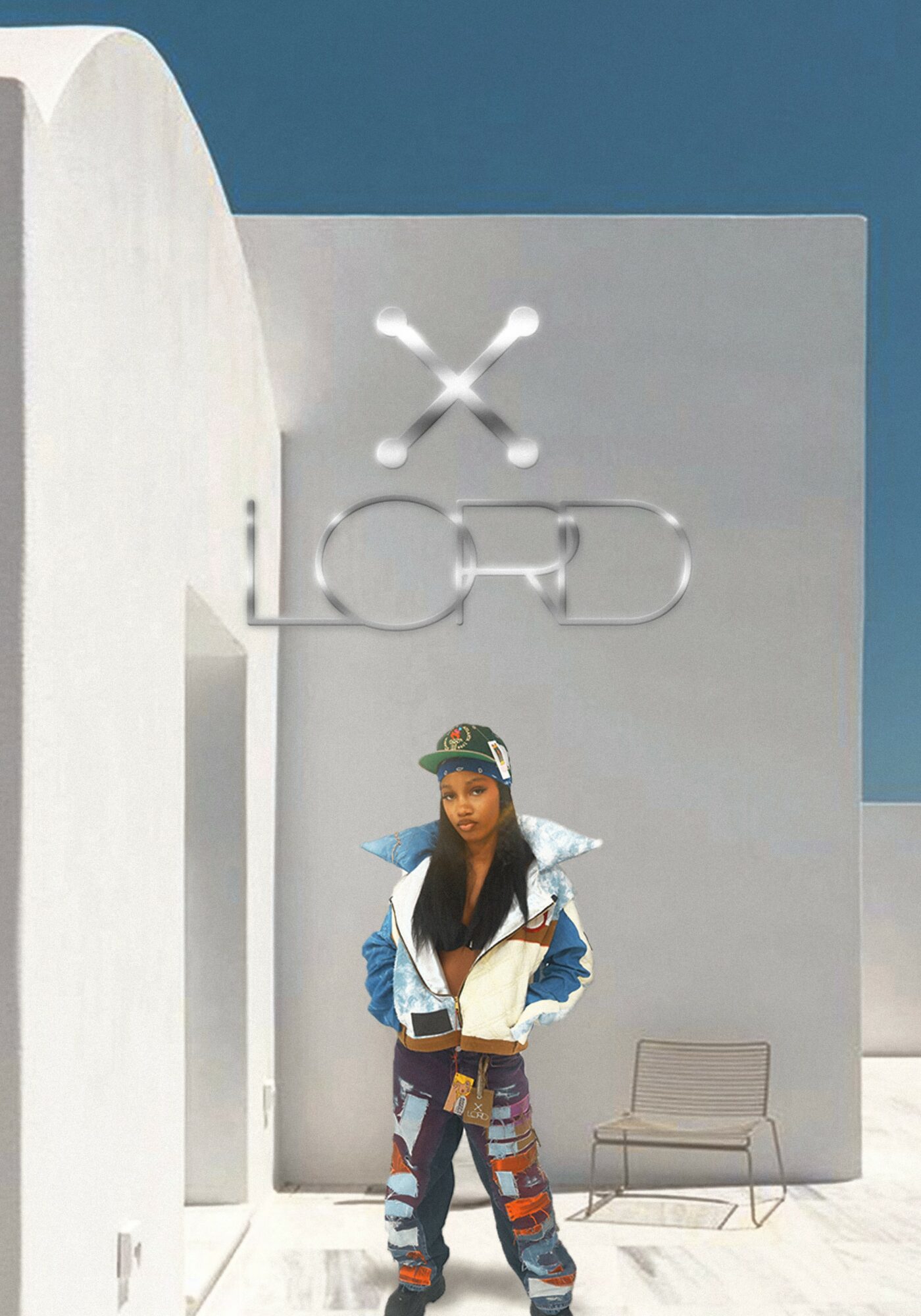
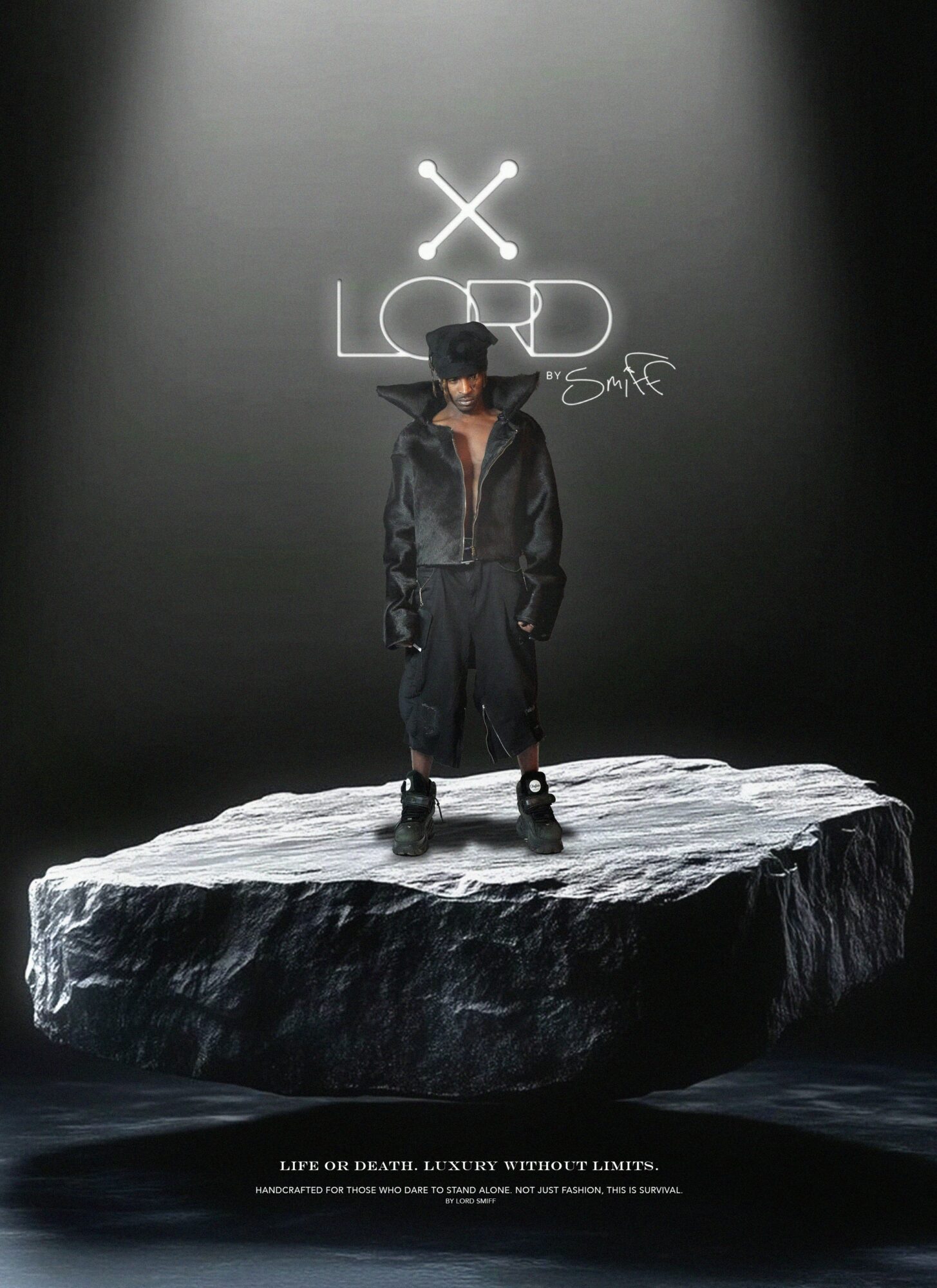
The word LORD stands for “Life or Death,” while also reflecting the deep spiritual faith that has guided Smiff throughout his life. The brand’s emblem is inspired by the Adinkra symbol Nyame Nwu Na Mawu, meaning “God will not die for me to die.” The symbol represents immortality of the soul and faith in divine protection.
Spiritually, LORD by Smiff represents immortality — not just physically, but creatively and spiritually through purpose, legacy, and impact.
LORD by Smiff became more than a fashion label. It became a rebirth.
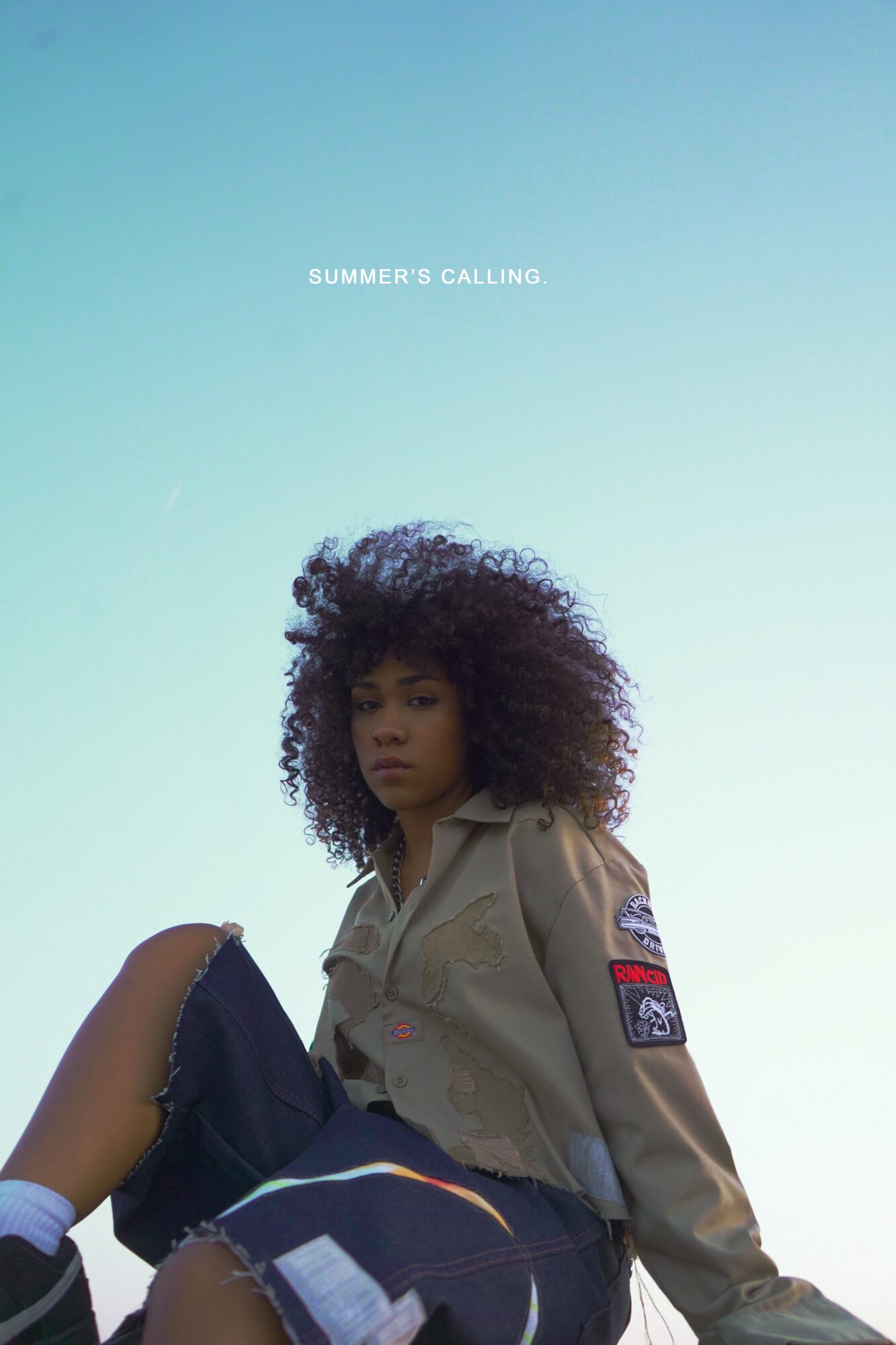
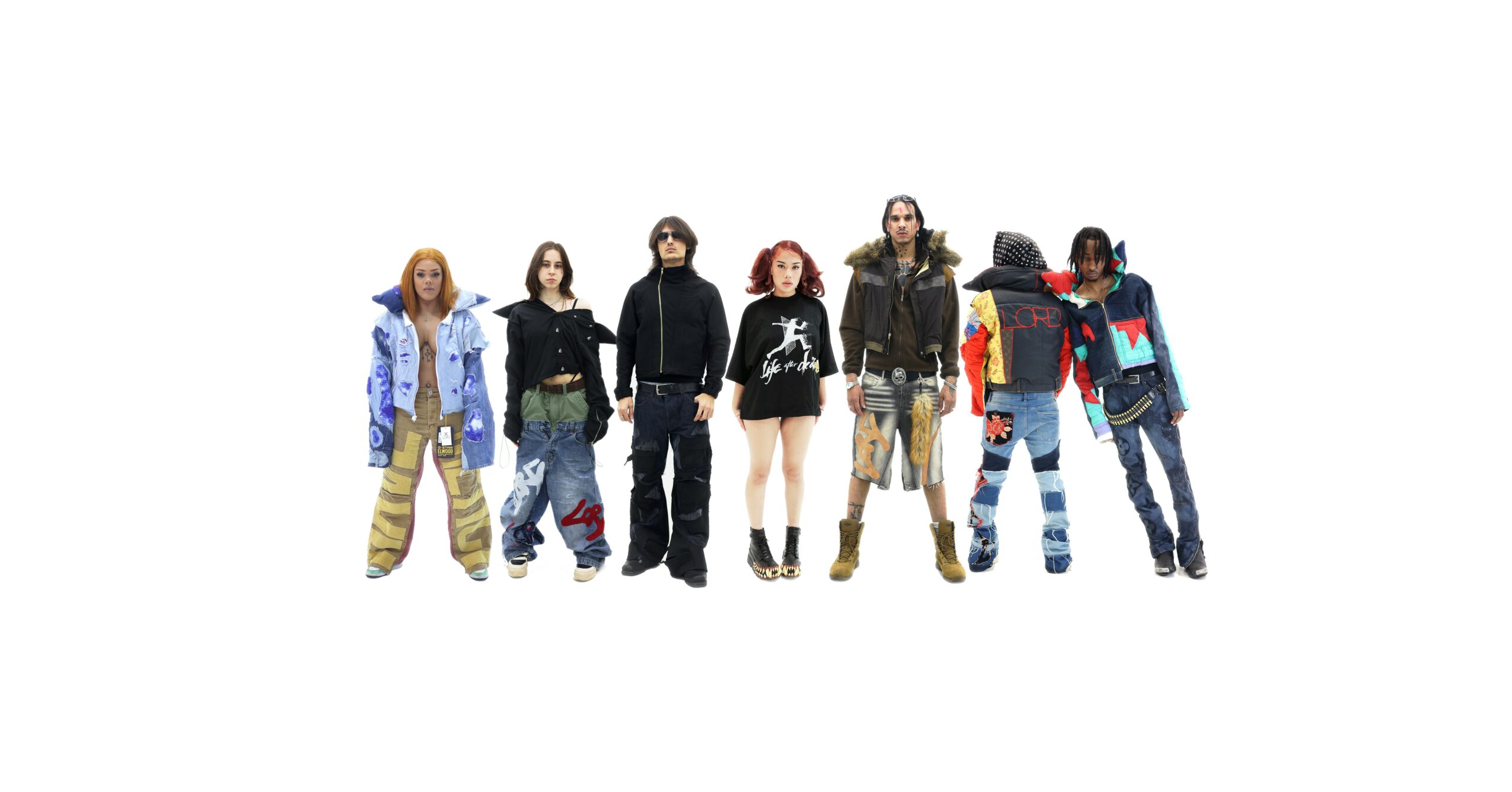
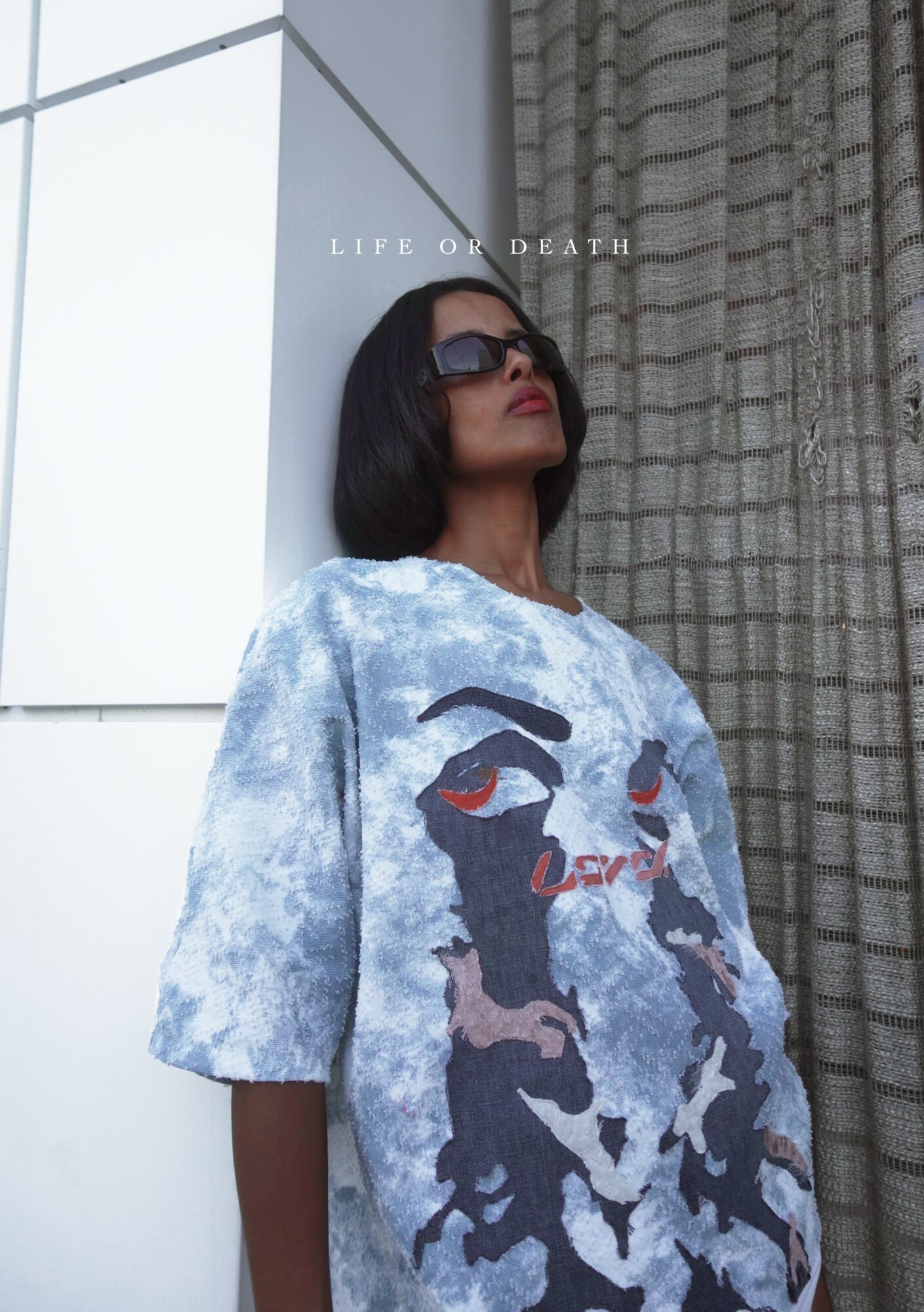
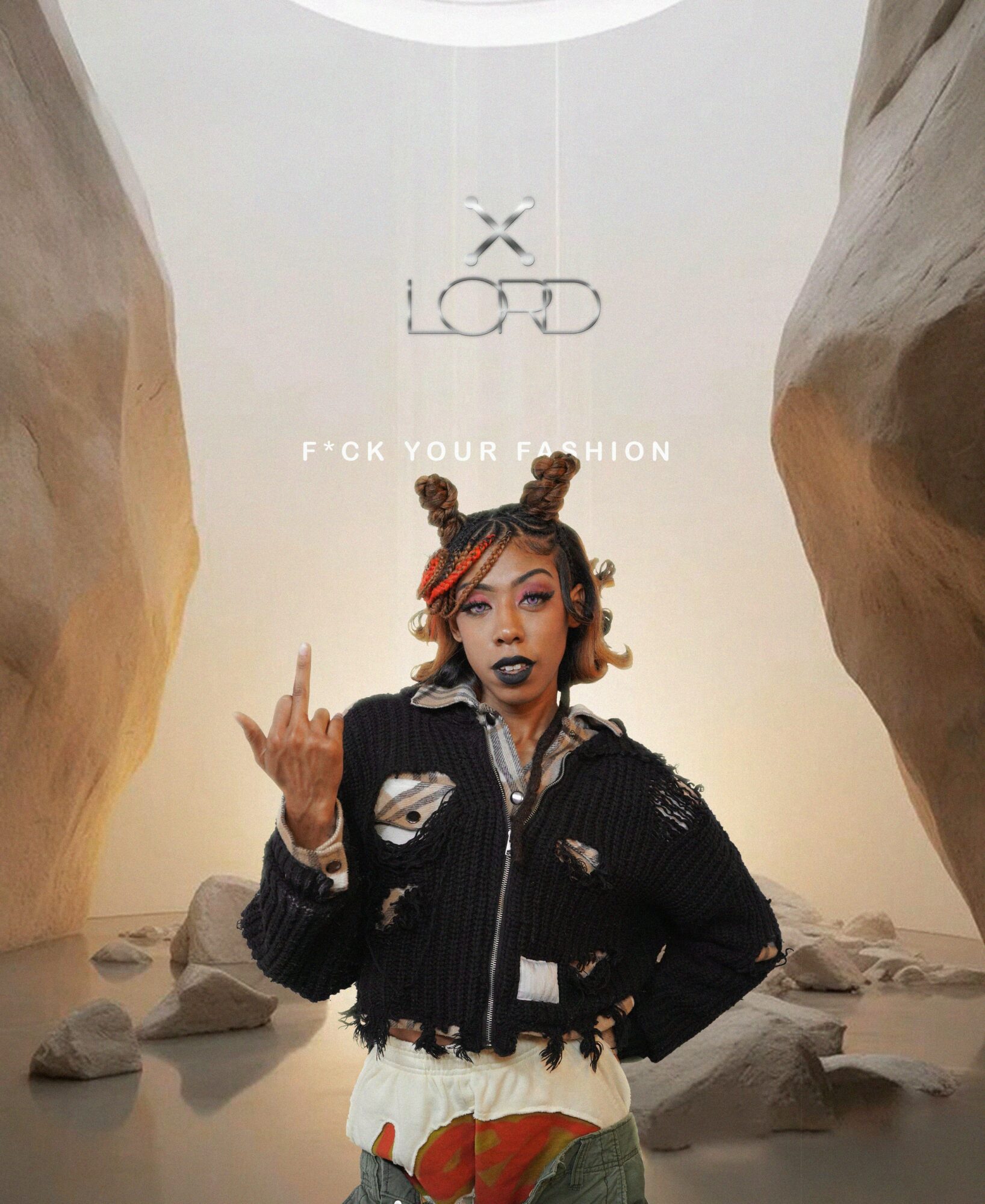

The brand was created around the ideas of reconstruction and deconstruction — garments that visually embody survival, imperfection, healing, and transformation. Smiff intentionally embraced distressed textures, asymmetry, rebuilt silhouettes, and one-of-one construction because they reflected the human experience. To him, imperfections are proof of survival.
“People connect to reconstructed garments because people themselves are reconstructed,” he explains. “Nobody makes it through life untouched.”
One of the clearest examples of that connection came through the brand’s Waist’d Denim jeans. According to Smiff, the reaction to those pieces revealed something deeper about fashion and identity.
“Waist’d Denim made me realize people connect most to garments that feel like they represent them at their core,” he says.
The emotional honesty behind the work is intentional. LORD by Smiff was never designed to simply follow trends — it was created to reflect human resilience.
Rather than releasing traditional “collections,” LORD by Smiff is organized into seasons — conceptual eras that represent real periods of his life. Each season acts as a chapter in an ongoing autobiography.
The first official season, Life After Death, symbolized the rebirth that followed both depression and trauma. During his recovery period, Smiff often felt broken, unfinished, and unfit for the future he envisioned. One of the hardest parts of recovery was being physically unable to care for the people he loved.
“The hardest moment was being on bed rest knowing my girlfriend needed me, and I literally couldn’t help because she was helping me,” he recalls. Rebuilding his confidence, identity, and literal vision became the foundation of the brand’s philosophy.
That emotional reconstruction translated directly into the garments.
By 2021, after studying garment construction and sewing more seriously, Smiff realized his unconventional design thinking separated him from many traditional designers.
“I understood nobody would manipulate garments the way I would,” he says. “A lot of the ideas I tried to design for production were considered too complex because I approached fashion differently.”
Pieces like the Destroyer Jacket, Have Mercy Jeans, and the Waist’d Denim Capsule became visual representations of resilience — colorful, layered, strategic, imperfect, and couture-inspired. The garments carried the same energy as the life experiences that created them.
Over time, LORD by Smiff began attracting attention beyond underground fashion circles. Smiff evolved into an emerging celebrity stylist and designer, working with artists and entertainers including Trevor Jackson, Jacquees, Khaotic305, and more. In 2025, he styled Trevor Jackson for the cover shoot of MEFEATER / MEF Agency’s November issue and designed Jacquees’ look for the music video “He Kan’t.”
But despite the growing recognition, Smiff’s story is still unfolding.
Now based in New York City, he is entering a new era focused on expansion, reinvention, and global influence. His upcoming Diplopia season revisits the experience that changed his life forever — using double vision not just as a medical condition, but as a metaphor for perspective, survival, and seeing beauty through distortion.
Today, Smiff defines success very differently than he once did. Earlier in his career, success was tied to achievements, visibility, and reaching milestones. But after surviving loss, trauma, and reinvention, his priorities evolved.
Now, success means becoming the best version of himself — spiritually, creatively, financially, and emotionally — so he can create opportunities for others who come from environments similar to his own.
He hopes LORD by Smiff ultimately leaves behind a legacy rooted in immortality, spiritual awareness, and alignment with higher purpose through legendary works that outlive trends and time itself.
For Lord Smiff, fashion has never been about clothing alone.
It is therapy.
It is testimony.
It is survival made visible.
And when someone wears LORD by Smiff, Smiff wants them to feel empowered — as if they are wearing spiritual armor.
Because every garment carries pieces of his story stitched into it.
And every garment is proof that even after destruction, something greater can still be rebuilt.
I’m sure it wasn’t obstacle-free, but would you say the journey has been fairly smooth so far?
– After high school, Smiff attended Savannah State University, where he quickly became known not just for his style, but for his aura. Fashion became his language before he fully understood what his purpose was. But during what should have been a transformative chapter of his life, tragedy struck.
Going into his sophomore year, his father died while incarcerated.
To this day, the exact circumstances surrounding his father’s death remain unclear. What was officially labeled a suicide never sat right with him, and the unanswered questions pushed him into one of the darkest periods of his life. He stopped attending class. He stopped eating. He isolated himself and spiraled into depression. Eventually, he dropped out of school entirely.
– While traveling, Smiff was robbed at gunpoint by three armed men.
During the attack, his eye was lacerated by blunt force from a firearm. He lost his phone, wallet, and so much blood that he passed out before making it back to his hotel room. The physical injuries healed over time, but the trauma remained.
For nearly a year, he suffered from diplopia, double vision.
That experience fundamentally changed how he viewed life.
As you know, we’re big fans of you and your work. For our readers who might not be as familiar what can you tell them about what you do?
I’m a multidisciplinary creative from the eastside of Atlanta. I’m primarily known as the founder and creative director of LORD by Smiff, but my work expands across fashion design, creative direction, visual art, music, styling, and cultural event production. I specialize in reconstruction-based luxury streetwear and storytelling through garments. A lot of my work is rooted in emotional honesty, spirituality, survival, and transformation.
Before fashion fully took off for me, I built my creative career through graphic design and music, designing artwork and visuals for artists like 21 Savage, Young Dolph, Bali Baby, King Combs, and more. Over time, I transitioned deeper into garment construction and styling, eventually working with artists like Trevor Jackson, Jacquees, and Khaotic305.
What people know me for most is my ability to create high level artwork with little to no resources. LORD by Smiff is built around the philosophy of reconstruction and deconstruction taking pain, trauma, imperfections, and experiences and transforming them into something powerful. My garments are meant to feel like spiritual armor for the people wearing them.
What I’m most proud of is surviving long enough to fully become myself. A lot of the things that shaped me; losing my father, depression, near death experiences, physical recovery, identity struggles; could’ve easily destroyed me mentally or creatively. Instead, those moments became the foundation of my art and my purpose.
I’m proud that I created a brand that people genuinely connect to on a deeper level emotionally. Seeing people resonate with pieces like the Waist’d Denim or the Destroyer Jacket showed me that people don’t just want clothes, they want something that reflects their own journey and humanity.
I’m also proud that I’ve been able to evolve organically without losing authenticity. Whether it was music, design, styling, or art direction, every stage of my career happened naturally through real experience and relationships. And beyond personal success, I’m proud that I’m building something that can eventually create opportunities for other kids who grew up like me.
What sets me apart is that my work comes from lived experience, not manufactured aesthetics. I don’t create from trends, I create from survival, spirituality, emotion, and purpose. Everything attached to LORD by Smiff has a deeper meaning behind it.
My design approach is also unconventional. I think about garments almost like living sculptures or emotional documents. A lot of the reconstruction techniques and silhouettes I create come from seeing beauty in imperfection and understanding that people themselves are reconstructed through life.
Spiritually, the brand is rooted in immortality. LORD stands for “Life or Death,” and the philosophy behind it is about purpose, resilience, and leaving behind legendary work that outlives you physically. That mindset influences everything I create.
I also think my versatility separates me from a lot of creatives. I’ve experienced multiple sides of culture; music, graphic design, fashion, nightlife, styling, event production, and visual art so my perspective isn’t one-dimensional. Everything I do feeds into the same universe emotionally and creatively.
Contact Info:
- Website: https://lordbysmiff.com
- Instagram: https://www.instagram.com/lord.smiff/
- Youtube: https://www.youtube.com/@smiffnwes38
Popular
-

Hidden Gems: Local Businesses & Creatives You Should Know
-

ATL’s Most Inspiring Stories
-

Portraits of Atlanta
-

Natasha Dillard on Redefining Beauty Standards and Empowering Women Through Unapologetic Self-Expression
-

Darren Paltrowitz on Blending Investigation, Media, and Culture to Uncover the Stories Behind the Stories
-

Naeemah Jade on Redefining Networking Through Trust, Proximity, and Intentional Community