





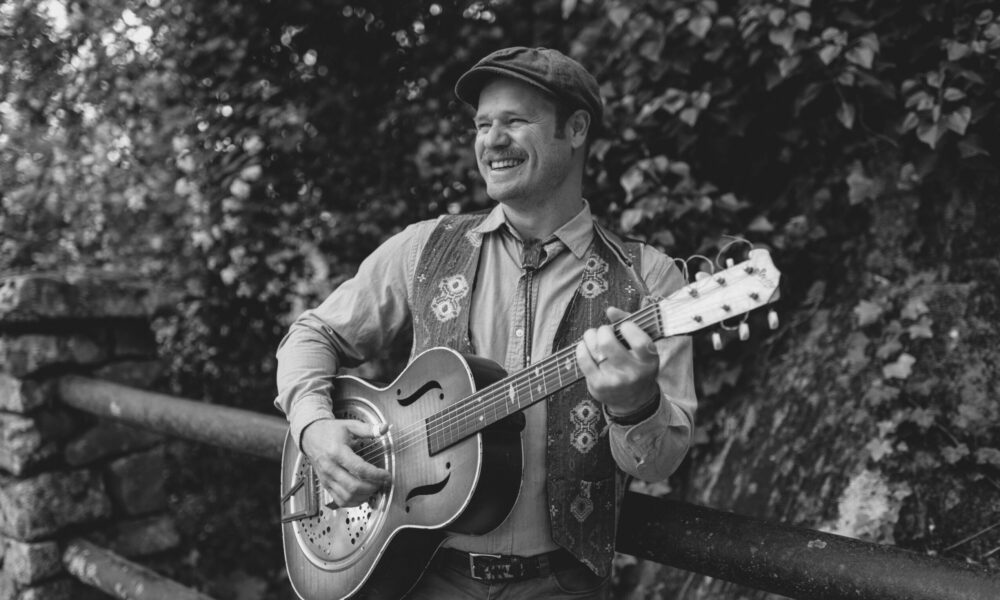
Today we’d like to introduce you to Nicholas Edward Williams
Alright, so thank you so much for sharing your story and insight with our readers. To kick things off, can you tell us a bit about how you got started?
In 2001, I was a 16 year old junior in high school, and I watched in amazement as my friends Eric and Andy traded playing guitar to a group of enthralled girls in a recess class. Seeing that music = girls, I was eager to learn, and within a day became so obsessed with learning how to replicate the guitar intro to Dave Matthews song “Crash”, that I convinced my parents to buy a starter guitar pack for $100 at the local music store.
I tortured everyone around me for the next 2 years with the sounds coming out of the guitar, and my voice. Once I got past the dying cat phase of singing, I did what everyone else does early on… open mic night… where I’d play guitar too loud and whisper lyrics into the microphone for an audience that, looking back, may have felt some level of pity in their gentle applause.
My senior year, I was awarded an athletic scholarship to attend The Ohio State University to play lacrosse. In the dorm, as a freshman, I’d purposefully leave my door open so the girls on the other side of the hall could hear me. I had that much blind confidence.
In the spring of my first year on the team, I tore my ACL in my left knee during practice, and spent the next 5-6 months in rehab after surgery. Though I was upset, I felt like I’d get through it and be back up to speed. Still, I needed to occupy time, so my guitar was always with me during this time. I got some cheap recording software for my computer so I could hear what I sounded like, then for hours each day I’d work on a phrase or song until it sounded suitable. When I got back on my feet, literally, I got my first gig at a bar on campus.
Then, exactly one year after my first surgery, I tore my left knee again during the last minute of a game. I was devastated, and started leaning heavily on Percocet & Vicodin, drinking and smoking cannabis to ease my building depression. It was one of those moments of complete rock bottom in my life. But then one day I started writing about how I felt, and I realized what I had to say was liberating. I revisited some old poems I’d written in middle school and turned them into songs, and then songwriting became my most effective outlet. But I still used all the other crutches during that second round of rehab, while on real crutches.
I didn’t wait until I was fully healed this time to start playing 2-3 hour-long gigs again, and one night I was playing at a campus bar from a balcony that overlooked a shotgun style lower level. Early into the night, a large group of black leather, heavily tattooed and mean looking bikers came in. They soon started the typical ask for me to play “Freebird”, which I honestly didn’t have a desire to learn. I didn’t respond for awhile, but then I went over the edge, and said “I don’t play that fucking song”. Then proceeded to play what I was really into at the time: John Mayer’s “Your Body Is a Wonderland”.
They tore me to pieces. Every emasculating thing I could be called and more was said, and it was one of many times in my life that I felt completely defeated and helpless. I took a year off from performing, questioning whether or not I could handle that level of abuse again and walk on stage where everything became even more vulnerable. Not long after after, I tore that same ACL for the third and final time while running from the police on New Years’ Eve doing typical dumb college kid stuff.
This time, I stopped going to rehab, got released from the team, stopped going to class, and was kicked out of college. Through all of that though, music was there for me. So I went for it. I decided to perform under a moniker “Whetherman” starting in 2007 – which is from the book The Phantom Tollbooth – and I didn’t anticipate how many times it would be misspelled on a marquee or that it would get lost in translation for over a decade even to people who knew me well how to spell it. I started taking recording more seriously, and got everything together to make my first album, titled “Bull”, and here’s a sample of that first record.
I got a little bit of traction in Columbus after that record, and started doing the local bar gig circuit, got jobs working in restaurants, and coaching lacrosse. My parents were thrilled (in a monotone voice.) I took a MASSIVE leap of faith and moved to Chicago in 2008. It was the closest big city, and I felt like something would happen, that I could could “make it” there… but what actually happened was that I got hired and fired from a waiter job, coached at a high school lacrosse team, then was paid what felt like less than minimum wage at Seattle’s Best Coffee Shop in the Borders Bookstore on Michigan Avenue. When my girlfriend cheated on me in Mexico and a customer let me have it because I made their Americano wrong, I was fed up with Chicago. Needless to say, it had chewed me up and spat me out with my tail between my legs. My best friend from high school lived far away in Jacksonville Beach, Florida and had a job coaching for me, so I moved into his spare room in 2009.
In Florida, everything changed. Well, most things. I was still waiting tables. But the lifestyle there was so relaxed, I started surfing, smoking a lot of cannabis, getting to know myself on a deeper level through different recreational experiences and friendships, and dedicating myself to writing songs. I started with the local bar circuit and branched out to small tours that got a little wider and a little wider. I’d save and quit the restaurant job I had to tour, then come back begging them to rehire me, rinse and repeat. I started studying all the different avenues of a DIY musician’s life: How to book tours, graphic design for merchandise, albums and flyers, promoting, social media (which was mainly just MySpace and Facebook at the time) , submitting songs for placement on film and television, and envisioning all the pipe dreams of a young artist.
Things really clicked for me in Florida. I was playing a lot more often, Whetherman would become a full band on occasion for bigger shows, and I two big pivotal experiences occurred. First, in 2010, I was invited to perform at my first big music festival at a truly magical place called the Spirit of Suwannee Music Park in Live Oak, FL. It’s situated on ancient Indian grounds, where natural amphitheaters and stages are tucked into the woods and spanish moss dangles from live oak trees. There’s a reverence there that I can’t fully describe. That festival was the first time I was ever truly exposed to bluegrass, old time, traditional folk, and other forms of roots string music. The second, was the first time I ever saw the Cohen Brothers film “O Brother Where Art Thou”, the soundtrack of which would simmer in the background of my life over the next decade, exposing me to a wide array of music.
Eventually, I left the restaurant industry for good, and started figuring out how to live on the very little I was making, and use the DIY tools I was learning first hand to sustain myself, and started living in my little Saturn Ion, and on the couches of friends and family members who would put me up. I worked my way up to 120, shows a year, and graduated to a Honda Element, which I lived in for the better part of two years. The brunt of my life on the road was spent from 2014-2018 in a 23 foot Freightliner Sprinter van that my girlfriend, now wife and I built out to be a camper van, affectionately named “Black Betty”. We like to include that this was BEFORE the vanlife craze kicked in, and made sure to deflate the romanticized image of vanlife to everyone we talked to about it, because although we woke up many times to astonishing nature views, more often than not we were parked in neighborhoods, behind venues and deep in national forests, or loud places like walmart parking lots and truck stops.
But the same year that I wrote the song “What Am I Supposed To Think?, the pace I was running caught up with me. The truth of #vanlife was, though we were really saying YES to life and new experiences with new people every day, and we were truly liberated by the lack of material possessions and routines of adult life, I had been performing 180 shows for four years living inside a black box with my wife, showering once every four or so days, traversing the country back and forth, and never spending more than a day or two in one place. We had been scraping the bottom of the barrel for a long time, and nothing was left.
Finally, I snapped at a show in Cleveland, Ohio. I left halfway through my set, which I had never done before, and canceled the next 6 months of tour, with no backup plan. Within a week, however, my wife was on instagram one day and saw that an old friend of ours from Jacksonville, FL was living down in Costa Rica. So on a total whim, we messaged “what’s up? Any jobs down there?” Sure enough, there was a brand new eco-retreat center that needed Americans with restaurant and event experience to move down there and help with the first phase of the project. Life is funny like that. So, we packed what was in our van, and lived in the tropics for the next 8 months.
While we were there, I had the chance to slow down and breathe for the first time in years. I hadn’t taken a full weekend off from playing a show in nearly a decade prior to that… but during those 8 months in Costa Rica I just performed one show. I started thinking more about my intentions with music… I’d let my ego run a muck, completely dependent on applause and validation from other people to enjoy performing. I honestly didn’t know who I was anymore with or without music. So I spent time thinking about what was important to me.
What kept coming back to me was a love for music of the past, planted by the soundtrack to “O Brother Where Art Thou”, and my growing affinity for finding more obscure blues musicians whose guitar playing was like nothing I’d ever heard – Mississippi John Hurt, who you’re listening to now, being one of the gateways into more folk and blues discoveries. I started practicing how to play Piedmont Blues guitar, the foundation of so many fingerstyles, from Elizabeth Cotten’s classic “Freight Train”.
I was back to playing music for me again, and my mind was made up when I got that song down. The winter of 2017 in Costa Rica would mark the end of Whetherman, and I’d start performing under my full birth name, Nicholas Edward Williams. First, I decided to do a six month farewell tour, one last cross-country hoorah in old Black Betty, before settling down – in a place unknown – by October. It was on that tour, at the foothills of the Adirondack Mountains in Upstate New York that my fate was sealed. My wife and I were staying in the area for two months while I played shows all over the Northeast. We were walking into a farmers market in Keene Valley. It was 90+ degrees, and as I entered the vendor tents, I heard someone picking some truly jaw-dropping guitar, right in the vein of what I was learning and listening to, though I hadn’t witnessed anyone playing in person yet. I followed the scent like a bloodhound, and to my utter disbelief, the source was a 70+ year old woman sitting in the sun, with a portable breathing machine sitting next to her and two long tubes running up her nose. I couldn’t take my eyes off of what was happening. This is what she sounded like:
There was a guy standing next to me, who kindly picked up my agape jaw from the floor, and said “that’s Joan Crane. She gives lessons, ya know.” I waited for a song break, and told her I had a gig that night nearby if she would be willing to come and see if I’m a worthy student. The whole thing was straight out of a movie. That night as I’m on stage about to start my first song, I see Joan walk in. She made a point not to look in my direction, and in fact sat at the bar straight ahead with her back to me. I opened with a song from the Anthology of American Folk Music compilation record, it’s called “James Alley Blues” by Richard “Rabbit” Brown.
After the song ended, she walked up to the stage, handed me a piece of paper and said “meet me this wednesday, at this address at this time. Don’t be late.” “Yes maam.” Joan was taught by Andy Cohen, who is a part of Piedmont blues legend Reverend Gary Davis’ lineage. She became my mentor and dear friend that Summer, and over the next year and a half, I’d come in and out of town, or we’d do lessons on the phone. Here’s a bit of us playing a traditional called “Morning Blues” together
We pulled up to Chattanooga in October of 2018 inside Black Betty, mainly because my wife had come here to climb while she was in college at the University of North Florida, and we had a few friends moving here soon after. We got on a climbing group on Facebook, posted that we were looking for a space to rent, and within an hour came to look at a split level finished basement in Hixson for $700 a month, partially furnished, and we’ve been here ever since. It was a clunky start, and took awhile to find our people, but there’s something about this city that I’ve always loved, and yet have never fully uncovered. I just know we were meant to be here. We’ve moved around town several times, had our son Arlo here in 2020, and have another one on the way this August. For the first time in my life, I’m part of a vibrant and ever evolving music community, and it feels like a dream.
My mentor, Joan, had two collapsed lungs when I met her, and by early 2020, the toll it had taken on her body was fatal. I was her last student, and our last lesson was over the phone in the hospital, where she had me play an instrumental piece called “Windy and Warm” to show me off to all of her nurses.
Joan taught me this concept that she called “Playing it forward”, paying homage to the musicians and styles that shaped American music by continuing to play those songs and share those stories. I owe everything I’m doing today as a preservationist to her.
When she passed, I felt there was room for me to do more with the seed that Joan had planted in me than just performing and talking about this history live on stage. Then, the pandemic hit. Like so many of my musician friends, I turned to facebook live streams that I dubbed the “Morning Coffee Sessions” around 9am during the week to pay the bills. A good friend of mine mentioned that he couldn’t be on facebook at work and wanted to support, and told me I should start a podcast. It didn’t take much research to learn that I would be walking into a gauntlet of copyright infringement if I were to make the contemporary songs I was in the Morning Coffee Sessions into episodes. But there was something I could do, because I then discovered that there was no podcast that covered American roots music history or traditional songs. I fumbled my way through some demos and came up with a documentary-style story structure, and a name came to me: American Songcatcher. And so, I had two pandemic babies in the summer of 2020.
Three seasons, and 53 episodes later, I’ve covered the stories of over 150 artists and songs, had the chance to partner with Smithsonian Folkways, the Arhoolie Foundation, Madison County Tourism, and the show is streaming on NPR stations in the Southeast with a streaming audience from over 100 countries around the world. I’ve also gotten the chance to interview icons like David Holt, Oliver Wood, Sierra Hull, Rising Appalachia, Charlie Hunter, Dom Flemons and many more, and American Songcatcher has become a trusted resource in the roots music community online. I always say it’s a second career that doesn’t pay very well, but I’m trying to change that. Early this year, American Songcatcher partnered with the Atlanta-based 501(c ) 3 non-profit Music in Common, who, since 2005, has directly served thousands of people in more than 300 communities across the US, Middle East, and Far East by using music to connect, empower, and promote cross-cultural understanding. This partnership means American Songcatcher now has the ability to be sustained through tax-exempt donations and non-profit grant funding, so that I can continue preserving songs, stories and music history for many years to come.
I’ve learned that it takes many, many bad songs and rough days, months, even years to get to the point where I found my versions of success. My career highlights include opening for Taj Mahal, The Wailers, CAAMP, The Wood Brothers, Ballroom Thieves, Dom Flemons, John Craigie and several others. I’ve managed to release ten full-length albums – with another on the way this year – while remaining completely independent of contracts, managers, labels and agents, and raising the funds or paying for it entirely on my own. I’ve had the opportunities to tour and perform at festivals and venues in 10 countries across three continents, and started my own booking and consulting company, EarthTone Booking Agency in 2018.
Would you say it’s been a smooth road, and if not what are some of the biggest challenges you’ve faced along the way?
Definitely not smooth, but steady. I have a high tolerance for “pain” or discomfort as it turns out. The detailed answers here was accurately depicted in my last response with the story of the bikers heckling me, knee surgeries and addiction to pain medication, getting kicked off the lacrosse team, Cleveland and #vanlife and such. Another factor I didn’t include was how my parents reacted to my struggles.
Getting kicked off the lacrosse team and losing my athletic scholarship at Ohio State was one thing, then I came to them and said I wanted to study music. My father especially was vehemently against this idea, and he flat out said they wouldn’t help me if I went that route. So instead I snuck in a few music history classes to my schedule and stopped going to most of my other classes. When I got kicked out of college, my dad didn’t speak to me for a time. It took him many years to come around to me playing music as a career. It wasn’t until 2014 when I was playing the famous listening room The Bluebird Cafe in Nashville, TN – my parents were in town and it was the first time my dad had seen me perform since I lived in Columbus where I grew up, back in 2008. He was blown away, and it helped immensely that it was sold out of course. Afterward, he said he noticed I had trouble with my guitar electronics. He’d gotten a bonus at work, and wanted to use some of it to help me level up. So we went to a local music store soon after, and he got me my dream guitar, a 1992 Gibson Hummingbird, which I still use every show today after 10 years of reliability. From then on he was on board with music being my life.
Can you tell our readers more about what you do and what you think sets you apart from others?
Today, I’m a preservationist, storyteller, multi-instrumentalist, songwriter and podcast host. I’m known for bridging the gap between the roots music of the past few hundred years, sharing the history of those songs and then reimagining them through my own lens. I also write music with a consideration of the music of the past, and try to fuse old sounds in a modern way with my lyric expressions. I’m perhaps best known today as the host of the roots music history podcast “American Songcatcher”, which explores the traditional songs, pioneers and lesser known musicians who have laid the fabric of American music through an audio documentary-style experience.
I’m most proud of being completely independent since starting this journey back in 2006. I went full time in 2011, and I haven’t looked back since. Through persistence and somehow waking up every morning thinking… “that wasn’t so bad…” I have managed to make a life for myself and my family through music. That’s what I’m most proud of, and it feels like I’m just getting started still.
Before we let you go, we’ve got to ask if you have any advice for those who are just starting out?
Everyone knows that it’s a journey, and typically is an arduous one. Dream big, but don’t obsess over the destination. The journey is what you’ll look back on and be most proud of. The many dips you had to get through, the connections you made, the experiences of growth and validation that will come and go in a flash will be immortalized in memory, and I highly encourage anyone interested in pursuing the arts to have the deep knowing that the phrase “if I could just get ____ or make it to _____ then I’ll be good” is an illusion. You have the goodness in you through the journey, there is no destination.
Contact Info:
- Website: https://www.NicholasEdwardWilliams.com
- Instagram: https://www.instagram.com/nicholasedwardwilliamsmusic
- Facebook: https://www.facebook.com/nicholasedwardwilliamsmusician
- Youtube: https://www.youtube.com/channel/UCqEq9aQ_VdTTG_C0u2PCJng
- Soundcloud: https://soundcloud.com/nicholasedwardwilliams
- Other: https://www.linktr.ee/nicholasedwardwilliams
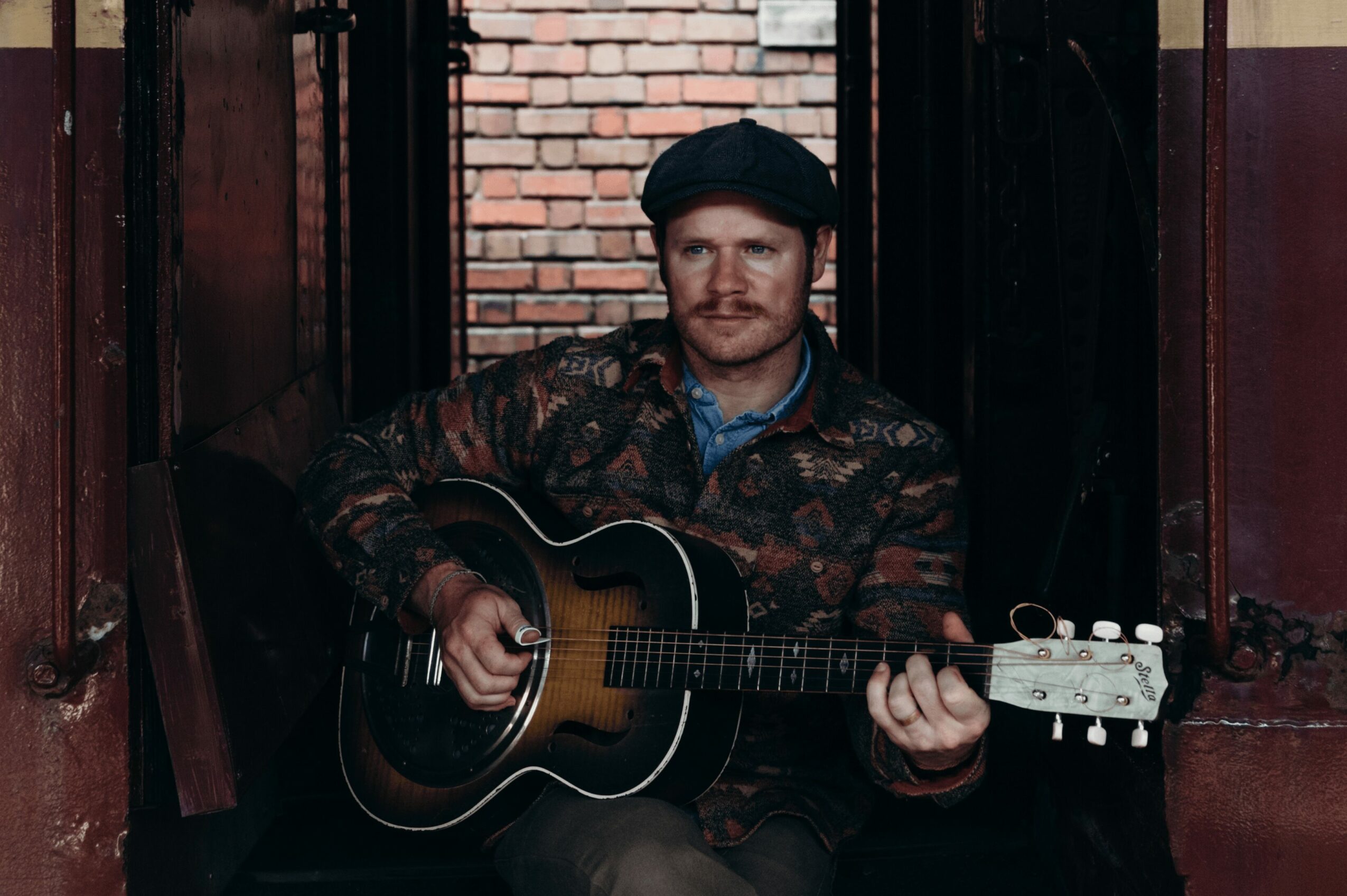
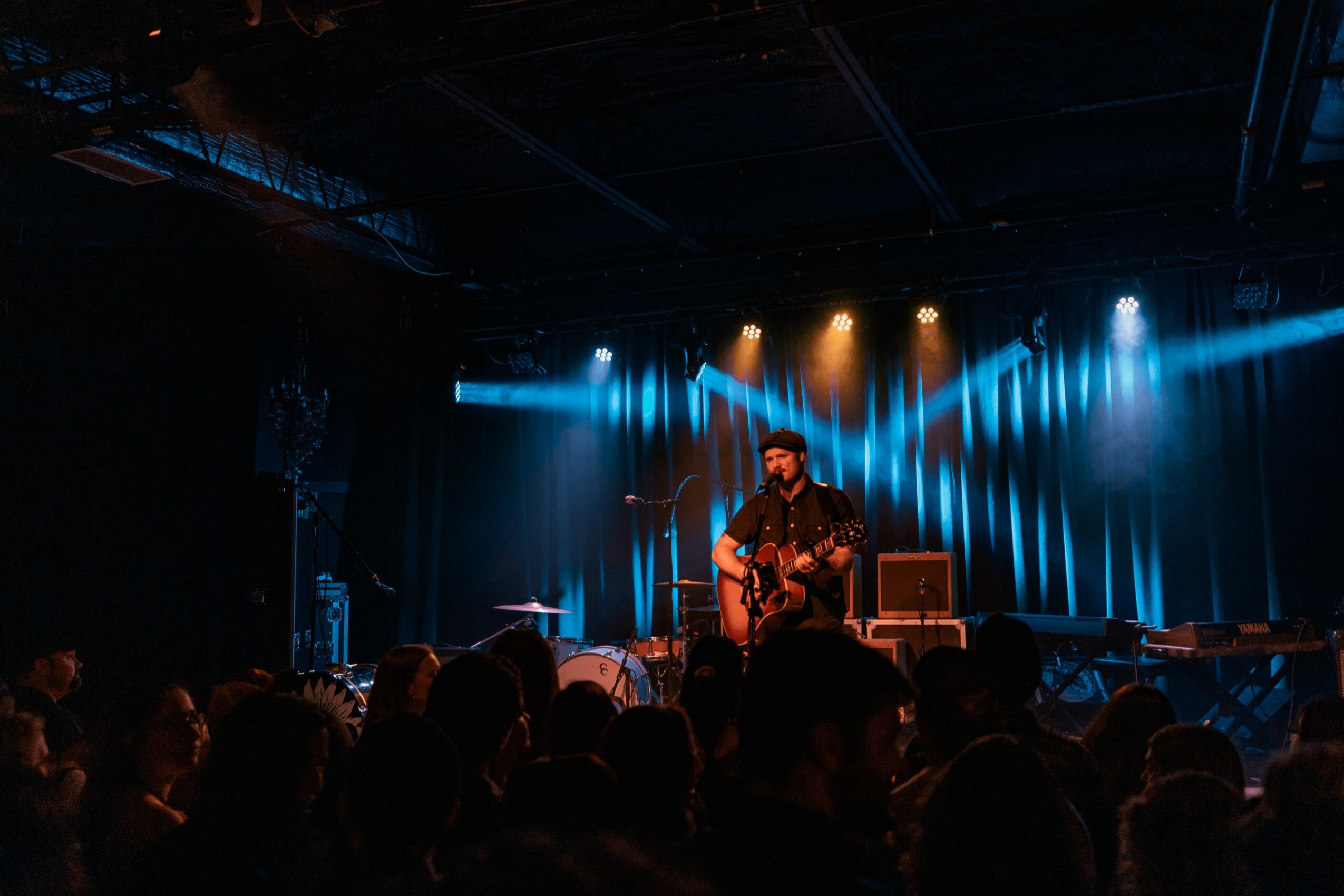
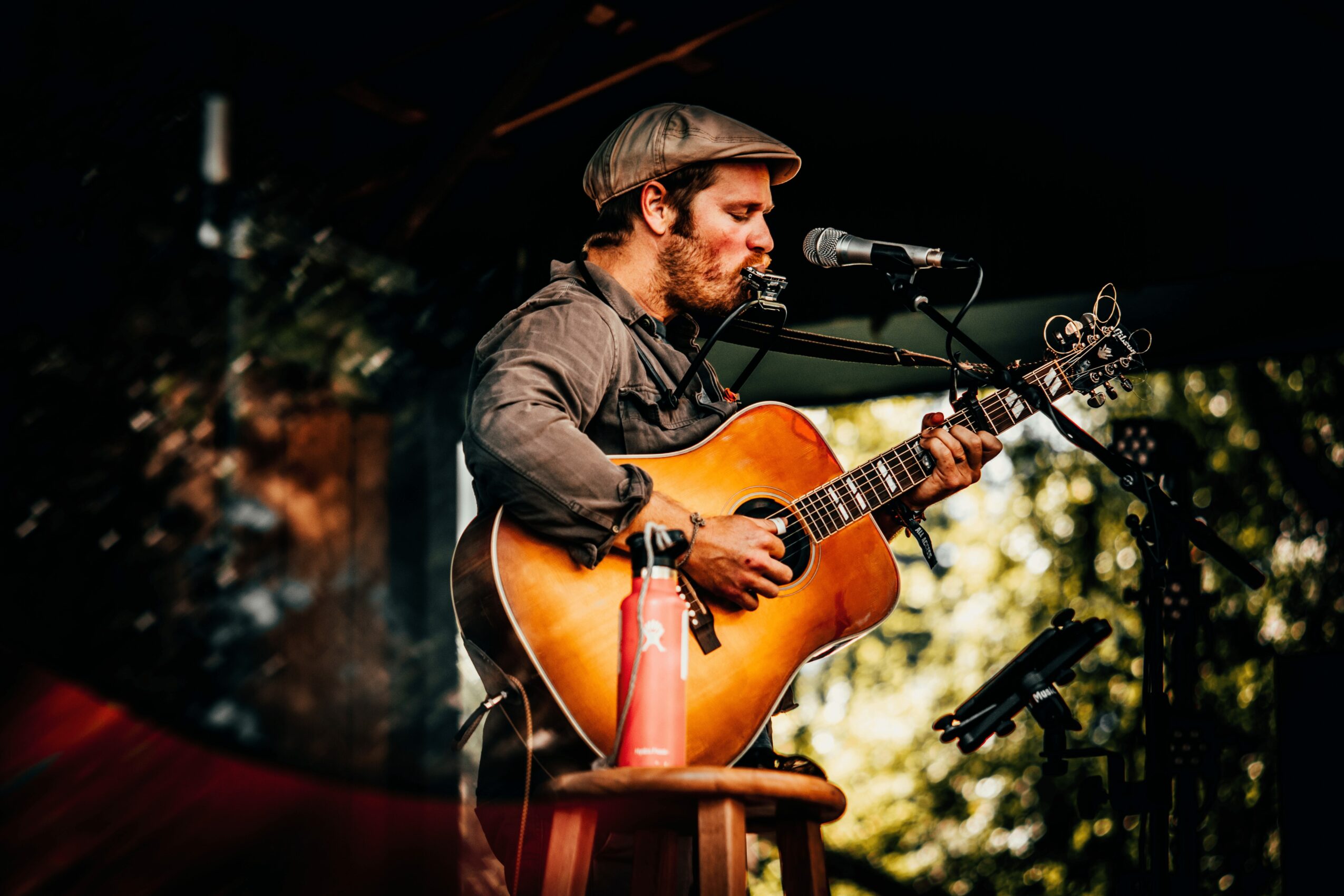
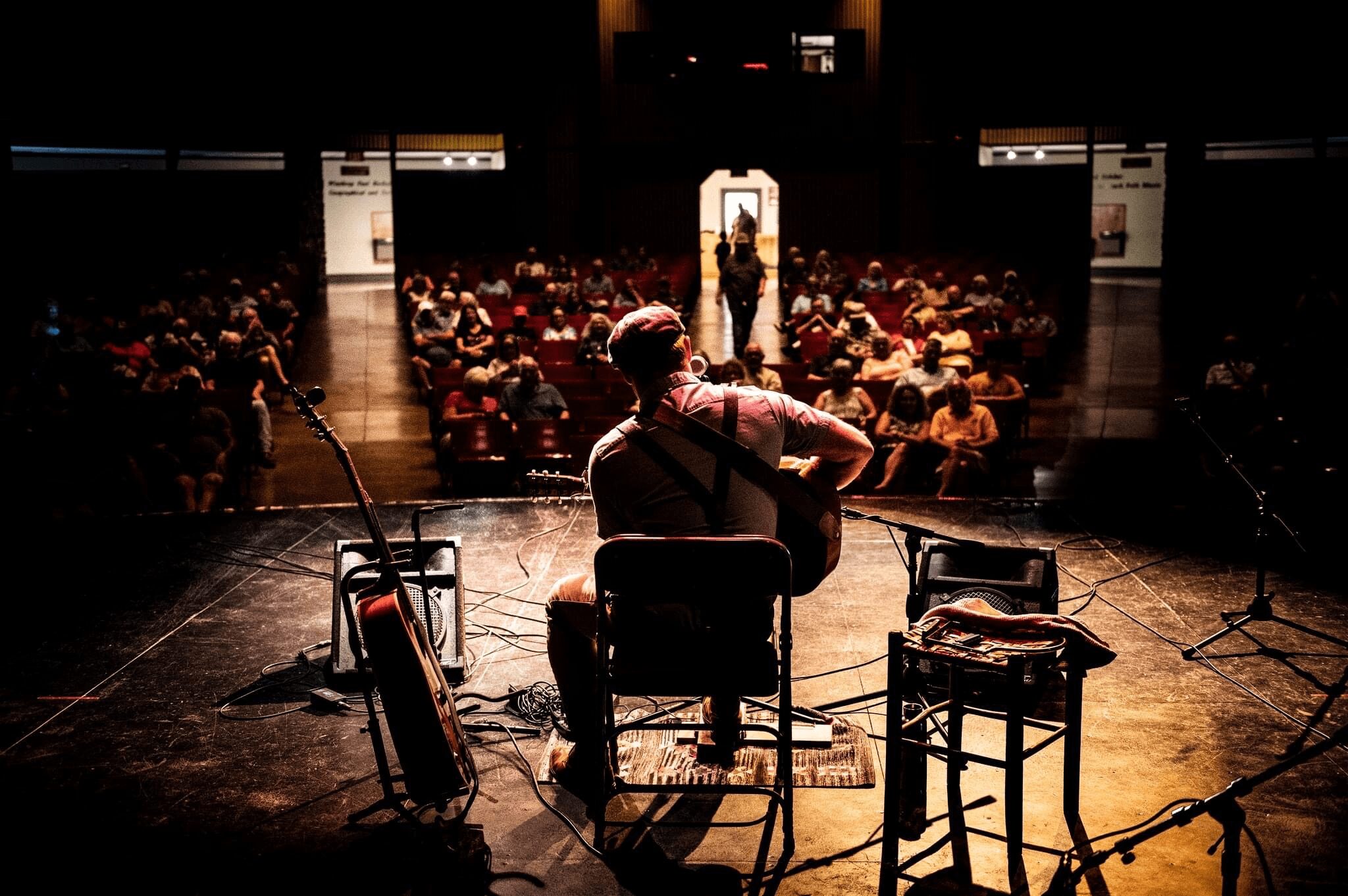
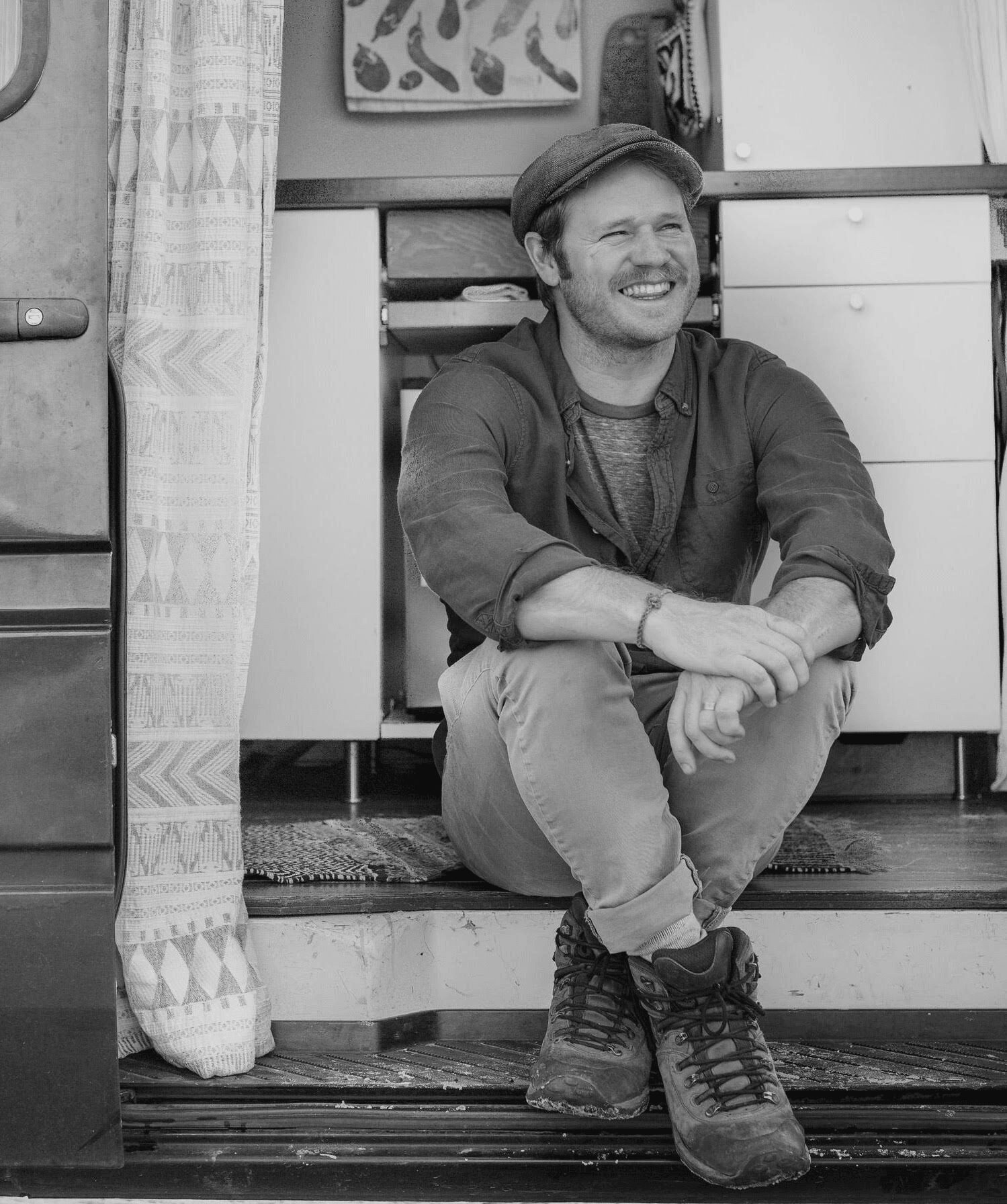
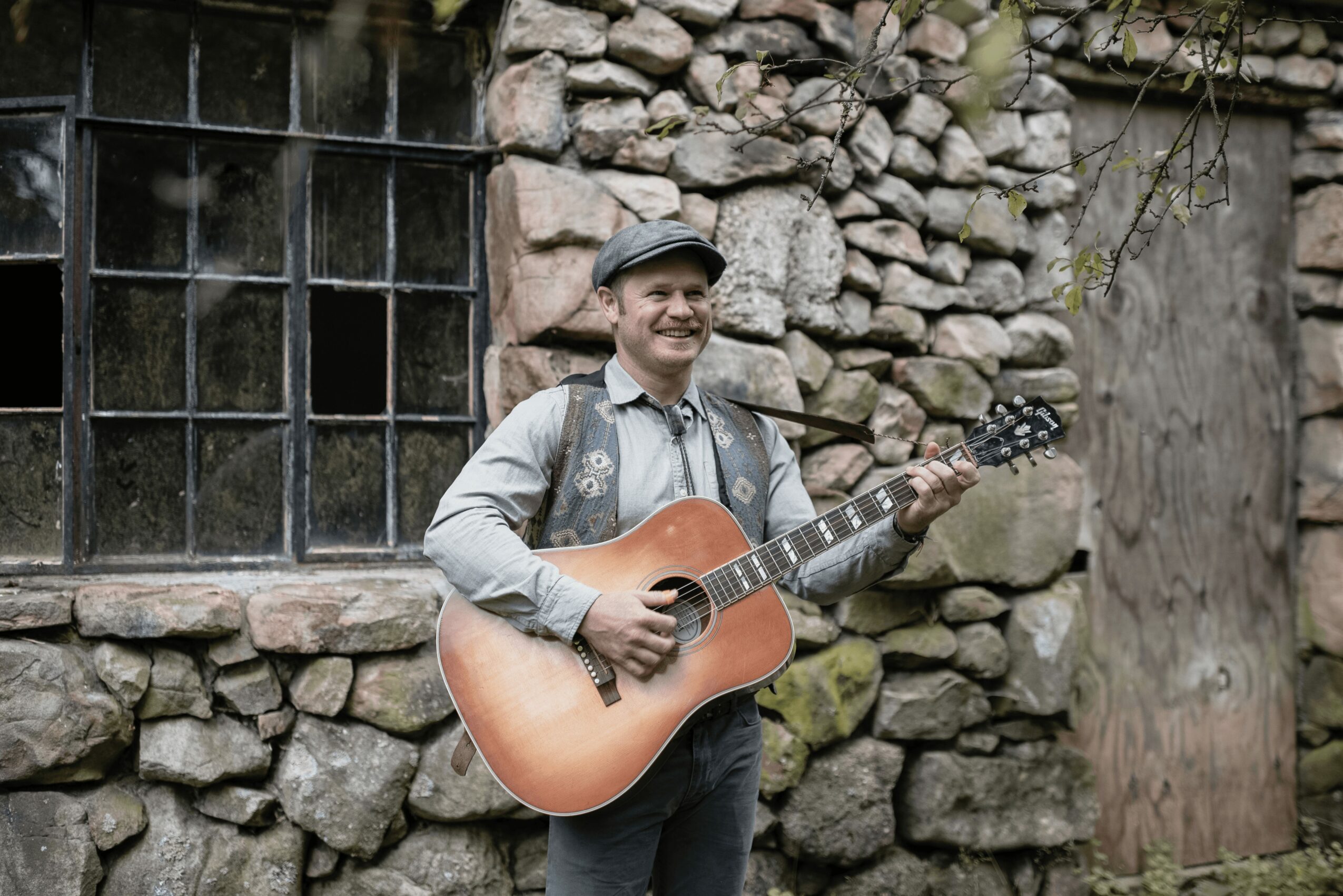
Image Credits
Kelly Lacey
Cypress Rae
Popular
-

William Nash Believes the Light Within Us Never Truly Goes Out
-

How Cameron Jo’van Turned Uncertainty Into a New Vision for Homeownership
-
How Kundalini Yoga and World Travel Led Trinity Faith to Build Spaces for Transformation
-

Hidden Gems: Local Businesses & Creatives You Should Know
-

ATL’s Most Inspiring Stories
-

Portraits of Atlanta