





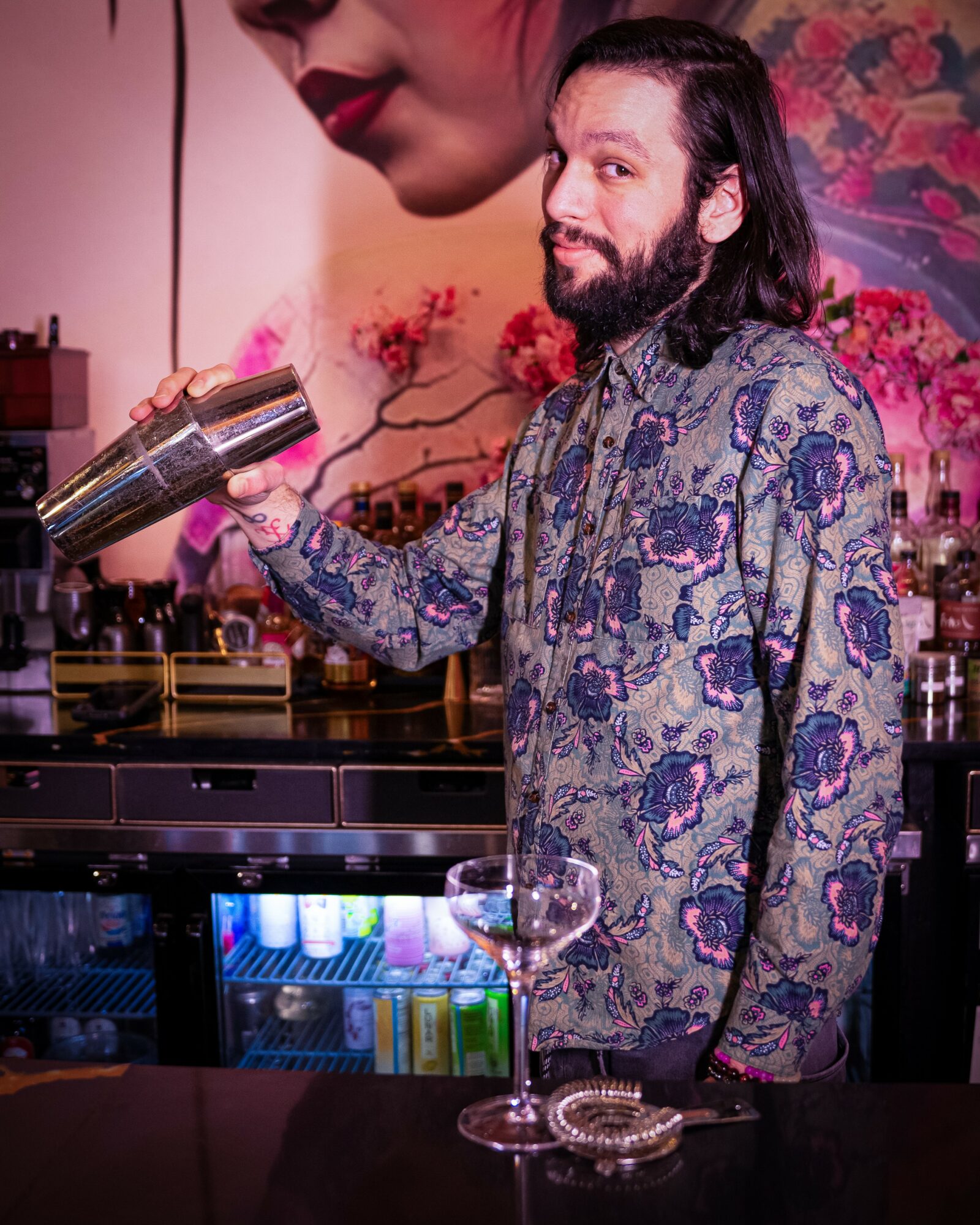
Today we’d like to introduce you to Nico Julia.
Alright, so thank you so much for sharing your story and insight with our readers. To kick things off, can you tell us a bit about how you got started?
My journey to Sakura Sake Bar started far from sake.
I began my hospitality career as a busboy in a small café in Miami Shores after dropping out of high school. At the time, I wasn’t thinking about helping lead a bar or building beverage programs. I was simply trying to find direction. What I discovered was a love for hospitality and the power it has to bring people together. Over the years, I worked my way through nearly every position the industry had to offer, learning the fundamentals of service, operations, leadership, and guest experience from the ground up.
As my career progressed, I moved into management roles, including time with Morgan’s Restaurant in Miami, where I learned how to lead teams and create memorable guest experiences. In 2021, as the hospitality industry was finding its footing in a post-COVID landscape, I joined El Super Pan and helped relaunch and develop its beverage program. It was a challenging but transformative experience. The industry had changed dramatically, guest expectations were evolving, and operators everywhere were searching for ways to rebuild community after years of isolation. That period taught me that hospitality was no longer just about serving food and drinks. People were craving connection, shared experiences, and spaces where they could once again feel part of something bigger than themselves.
Like many people in this industry, my career journey was also intertwined with addiction. For years, alcohol was a major part of both my professional and personal life. Eventually, I reached a point where I realized that if I wanted to build the life and future I envisioned for myself, I needed to make a change. Today, I am proud to be over two years sober from alcohol. Sobriety transformed not only my life, but also my understanding of hospitality. It taught me that the most meaningful part of this industry is not what is being served, but the relationships, conversations, and communities that form around it.
That realization led me to become deeply involved in community building. One of the most meaningful examples was A Sips of Paradise (ASOP), a community-focused initiative centered around bringing people together through culture, conversation, and shared experiences. Through ASOP and other grassroots efforts, I found purpose in creating spaces where people could gather, learn, and support one another. I saw firsthand how powerful intentional communities can be, especially for individuals searching for belonging, growth, and authentic human connection.
When I first met Anna Grace, founder of Sakura Sake Bar, I immediately recognized a shared vision. Anna had built Sakura around the idea that sake could be a gateway to culture, education, and meaningful conversation. She had already established a welcoming space where guests could learn about Japanese beverage traditions in an approachable and inclusive environment. What began as a professional relationship evolved into a partnership focused on strengthening and expanding that mission.
When the opportunity arose for me to become involved with Sakura, I saw more than a bar. I saw a platform for education, cultural appreciation, and positive change.
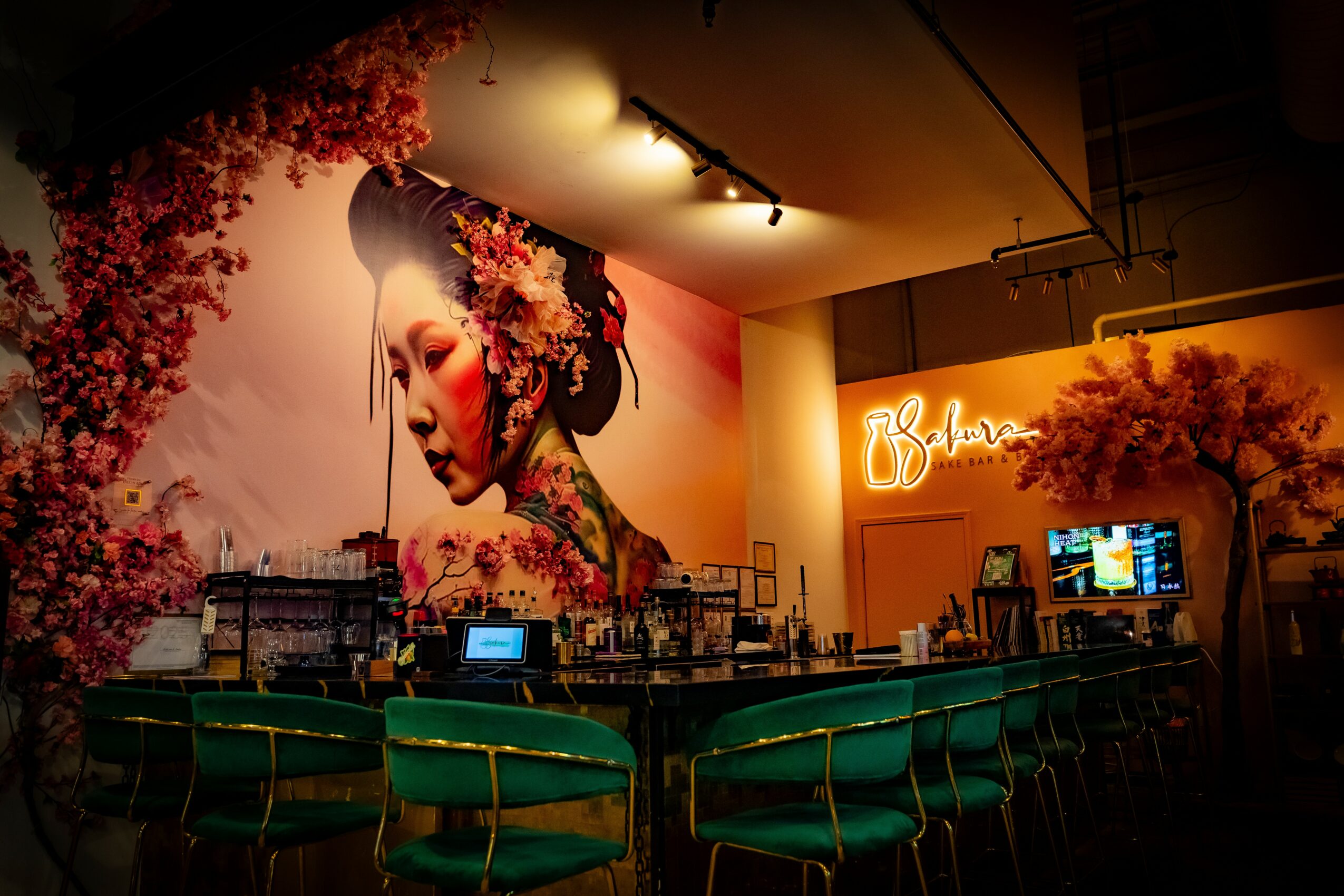
Today, Sakura serves as far more than a place to enjoy sake. It has become a gathering space for artists, hospitality professionals, students, entrepreneurs, and neighbors from all walks of life. Through tastings, educational programming, industry events, collaborations with local businesses, and community-driven experiences, we strive to create opportunities for people to connect with one another while learning about Japanese beverage culture.
Together, Anna and I continue to grow Sakura as a community hub rooted in hospitality, education, and inclusion. We believe a bar can be more than a place to drink. It can be a place where people discover new cultures, build friendships, exchange ideas, and find community.
My sobriety journey continues to guide that mission every day. It reminds me that alcohol is never the purpose. People are. The beverage may bring someone through the door, but the true value lies in the connections that are created once they arrive.
Today, I am proud to help lead Sakura as we continue building a space where education, culture, and community come first. My goal is simple: that every guest leaves having learned something new, met someone interesting, or felt a little more connected than when they walked in. To me, that is the true purpose of hospitality, and that is the community we are building at Sakura.
Alright, so let’s dig a little deeper into the story – has it been an easy path overall and if not, what were the challenges you’ve had to overcome?
It definitely has not been a smooth road, but I think that’s true for most people who choose hospitality as a career.
On a personal level, one of the biggest challenges was overcoming addiction and rebuilding my relationship with an industry where alcohol is often at the center of daily life. Achieving and maintaining sobriety while continuing to work in hospitality forced me to become much more intentional about my purpose. It challenged me to look beyond what was being served and focus on why people gather in the first place.
Professionally, I started without many of the traditional advantages people associate with success. I was a high school dropout who entered the industry as a busboy, so much of my career was built through experience, mentorship, and a willingness to learn. Every promotion, leadership opportunity, and beverage program I developed came from years of showing up, asking questions, and continuously improving my craft.
More recently, the challenges have centered around entrepreneurship and community building. Independent hospitality businesses operate on incredibly thin margins, and Sakura has faced many of the same obstacles affecting small businesses across the country. Rising costs, shifting consumer habits, and the ongoing challenge of introducing guests to a category as nuanced as sake require constant adaptation. There have been moments when the path forward wasn’t clear, but those moments have also reinforced why the work matters.
The biggest lesson I’ve learned is that meaningful communities are not built overnight. They are built one conversation, one guest, and one relationship at a time. Looking back, every challenge I’ve faced has ultimately strengthened my commitment to creating spaces where people feel welcomed, educated, and connected. Those experiences continue to shape both my leadership style and the future of Sakura.
Appreciate you sharing that. What else should we know about what you do?
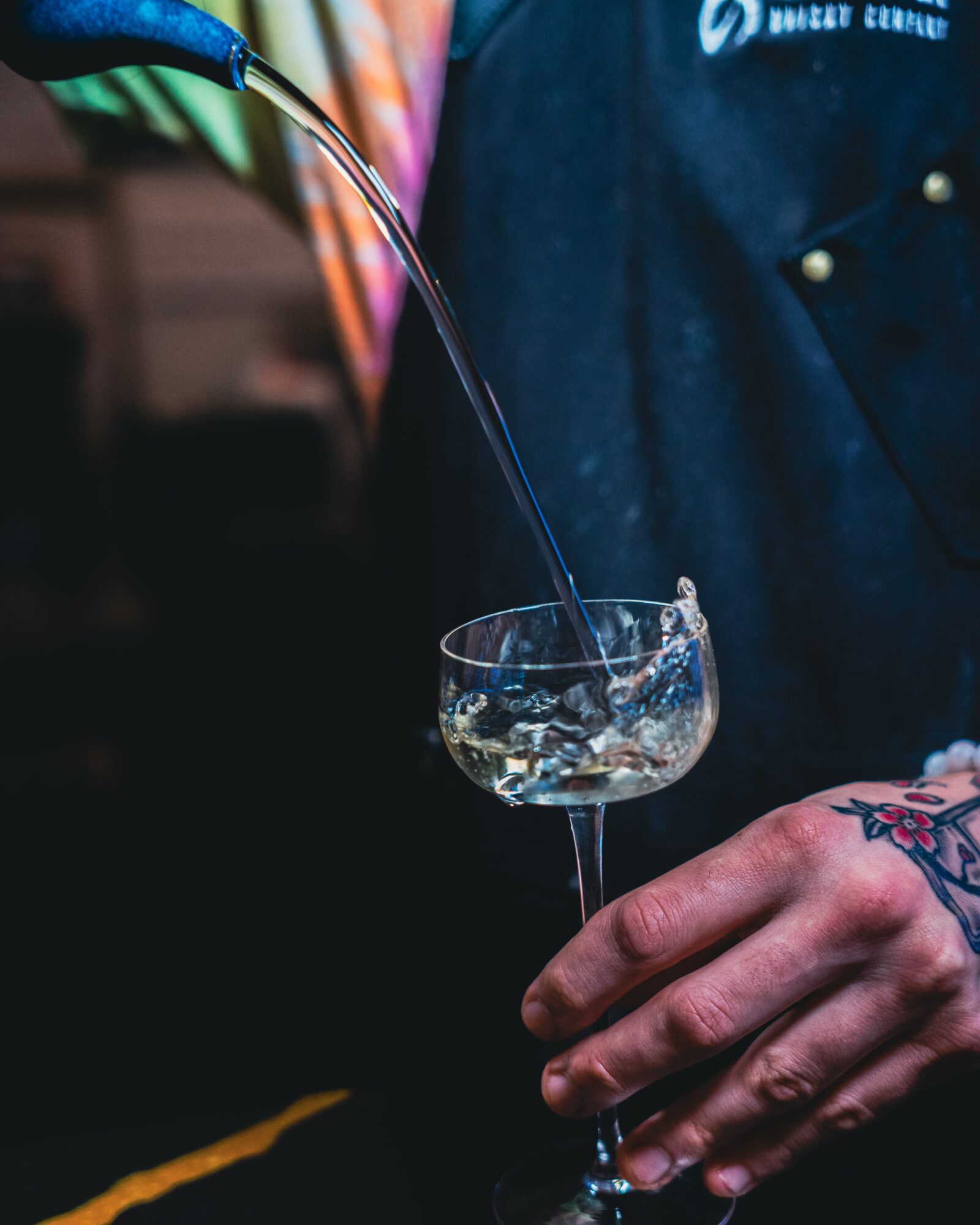
What sets my approach apart is a framework I call Conversational Mixology, a hospitality system built around guiding guests through conversation rather than handing them a menu and asking them to choose.
The process begins with a simple three-point pivot:
Cocktail, Sake, or Whiskey?
Once we identify the category the guest is interested in, the conversation becomes more focused.
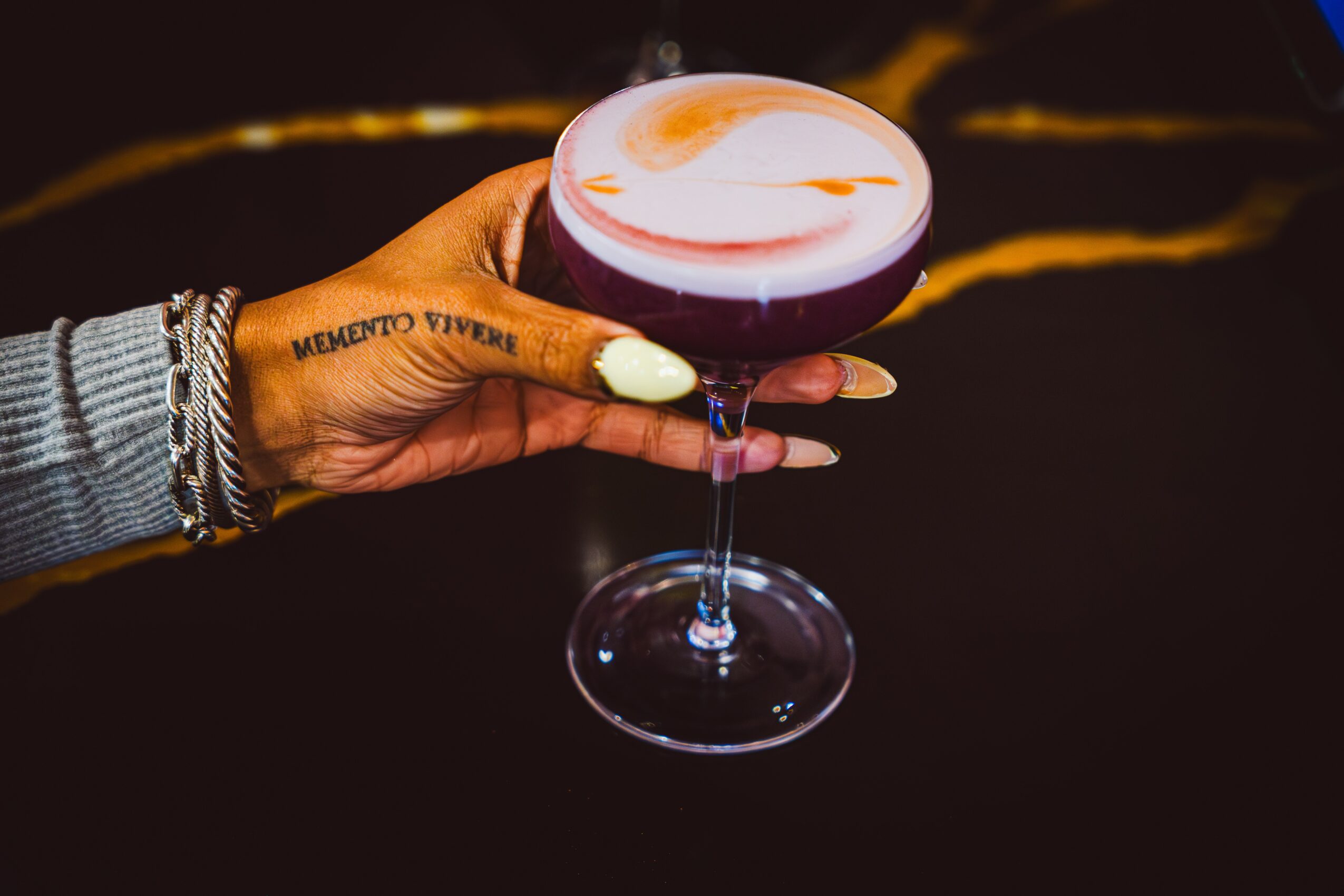
For cocktails, I guide guests through three flavor structures:
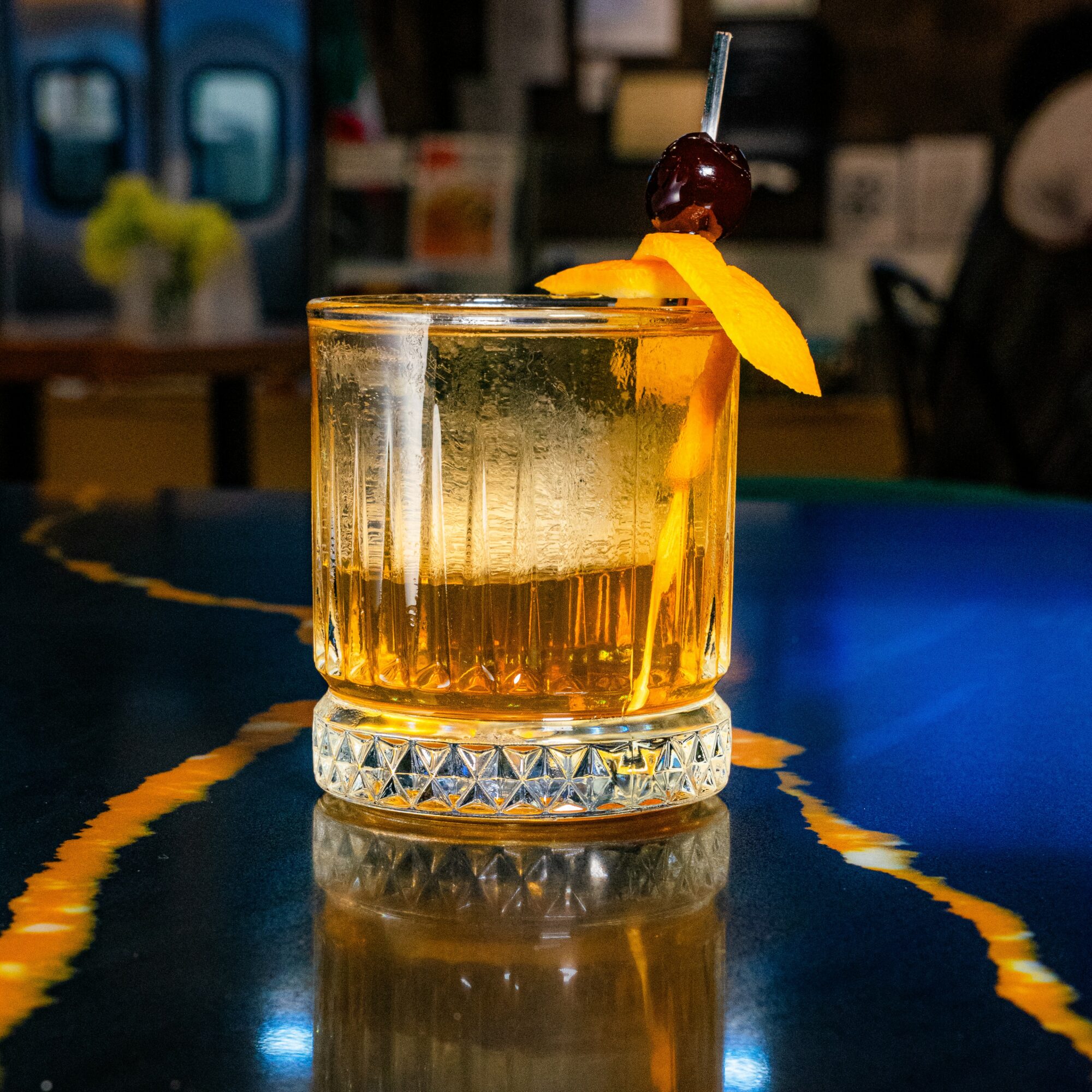
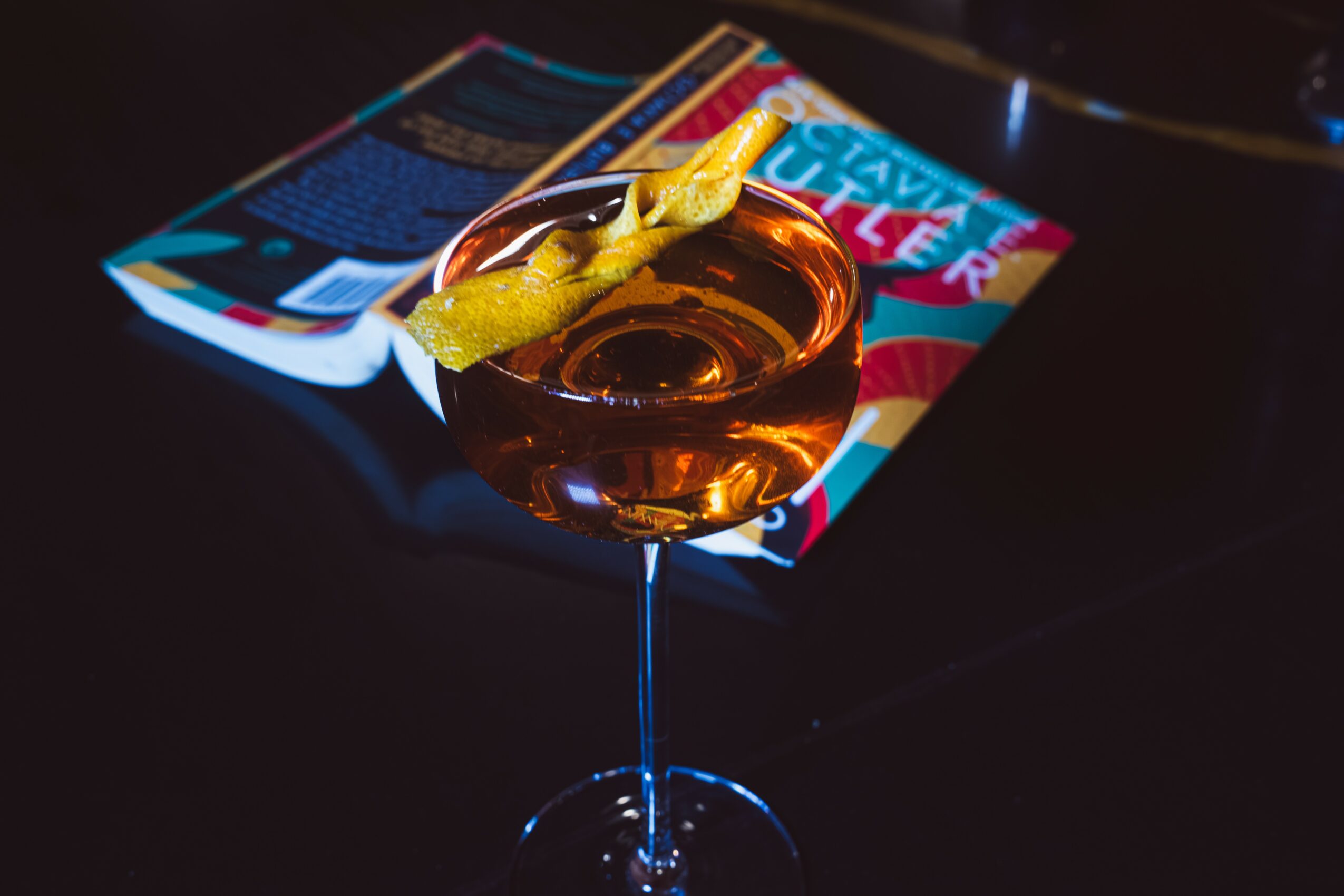
Spirit Forward – cocktails where the base spirit remains the star. Think Manhattans, Martinis, Boulevardiers, and Old Fashioneds. These drinks emphasize texture, aromatics, and complexity while allowing the spirit to shine.
Body Forward – cocktails built around balance between sweetness and acidity. Margaritas, Daiquiris, Whiskey Sours, and other citrus-driven classics fall into this category. These are often approachable and refreshing while still maintaining structure.
Acid Backbone – cocktails that remain spirit-driven but use acidity as a defining characteristic. Drinks such as the Paper Plane, Aviation, Last Word, or modern equal-parts cocktails fit here. The spirit is present, but the acidity creates lift, brightness, and complexity.
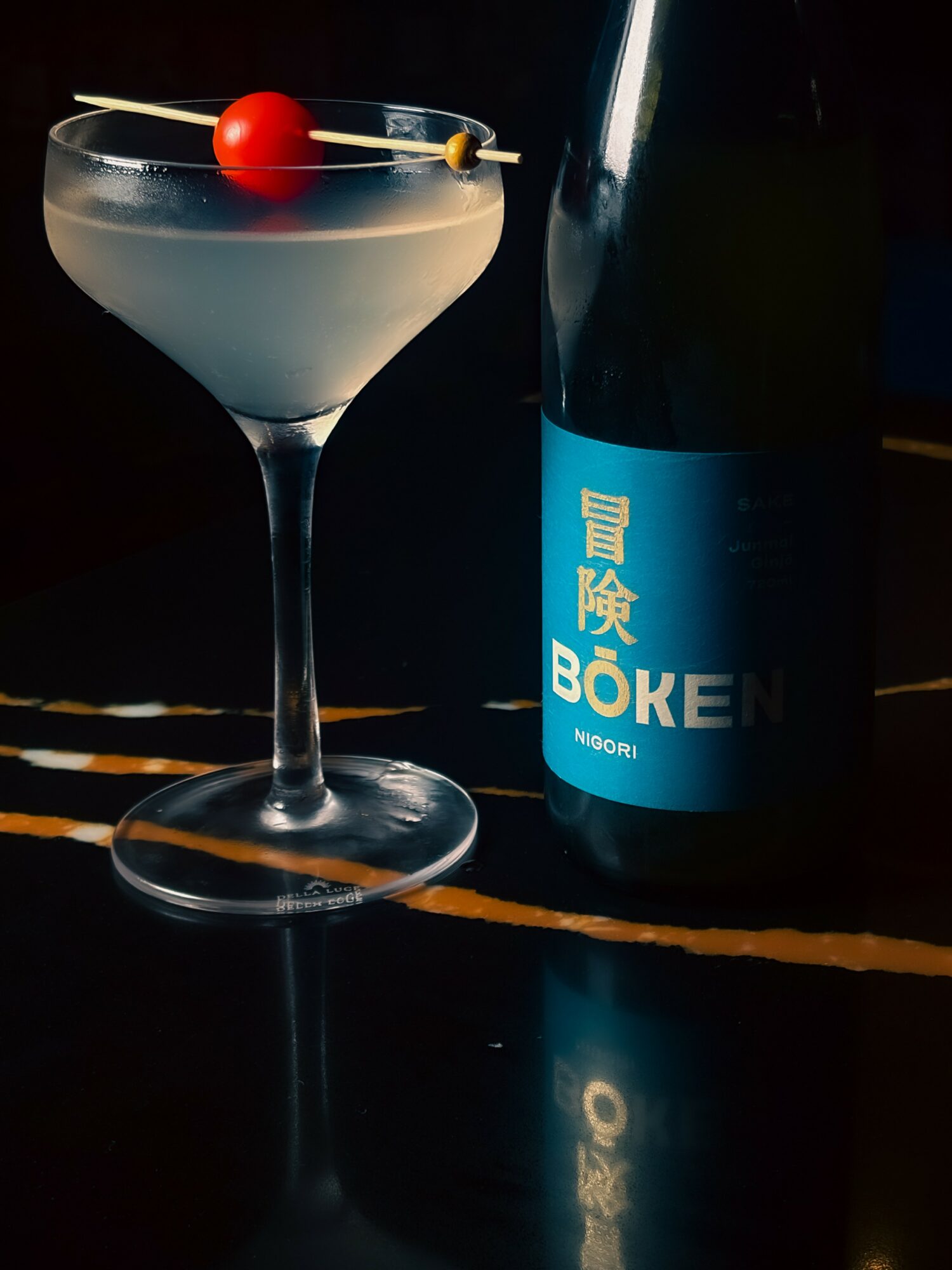
For sake, the conversation shifts toward flavor and texture. I typically explore sweetness versus dryness, fruity and floral notes versus earthy and savory characteristics, body and richness, and whether a guest is interested in sparkling, nigori, nama, or more traditional styles.
For whiskey, I focus on production methods and flavor profiles. Guests often gravitate toward grain-forward, oak-forward, smoke-forward, or fruit-forward expressions. This allows me to narrow recommendations while also introducing them to producers and styles they may not have encountered before.
What I enjoy most about this system is that it removes intimidation and replaces it with curiosity. Guests don’t need to understand sake classifications or cocktail terminology before walking through the door. They simply need to know what they enjoy. From there, the conversation becomes the menu.
That is the foundation of Conversational Mixology: using dialogue to create personalized experiences while educating guests and helping them discover something new.
What would you say have been one of the most important lessons you’ve learned?
The most important lesson I’ve learned is that people rarely remember exactly what you served them, but they always remember how you made them feel. When hospitality is rooted in genuine connection, the drink becomes temporary, but the impact on someone’s life can last forever.
Pricing:
- Weekday Specials Starting at $10
- Curated Cocktail Experiences Starting at $14
- Premium Japanese Whisky Pours Starting at $13
- Sake Flights Starting at $20 Per person
- Curated Sake Bottle Selection from $8 to $120+
Contact Info:
- Website: https://www.sakurasakebar.com/
- Instagram: https://www.instagram.com/sakurasakebar/
- Facebook: https://www.facebook.com/sakurasakebarandbottles/
- Yelp: https://www.yelp.com/biz/sakura-sake-bar-atlanta
Popular
-

Hidden Gems: Local Businesses & Creatives You Should Know
-

ATL’s Most Inspiring Stories
-

Summer McIntyre Is Building a Career at the Intersection of Sports, Media, Entertainment, and Digital Storytelling
-

DeAnna McIntosh Is Helping Entrepreneurs Move Bold Ideas From Vision to Reality Through Strategy, Innovation, and Execution
-

Portraits of Atlanta
-

Dr. Nicole Brown Expands Her Vision Beyond Design to Inspire Women Through Storytelling, Reinvention, and Intentional Living