




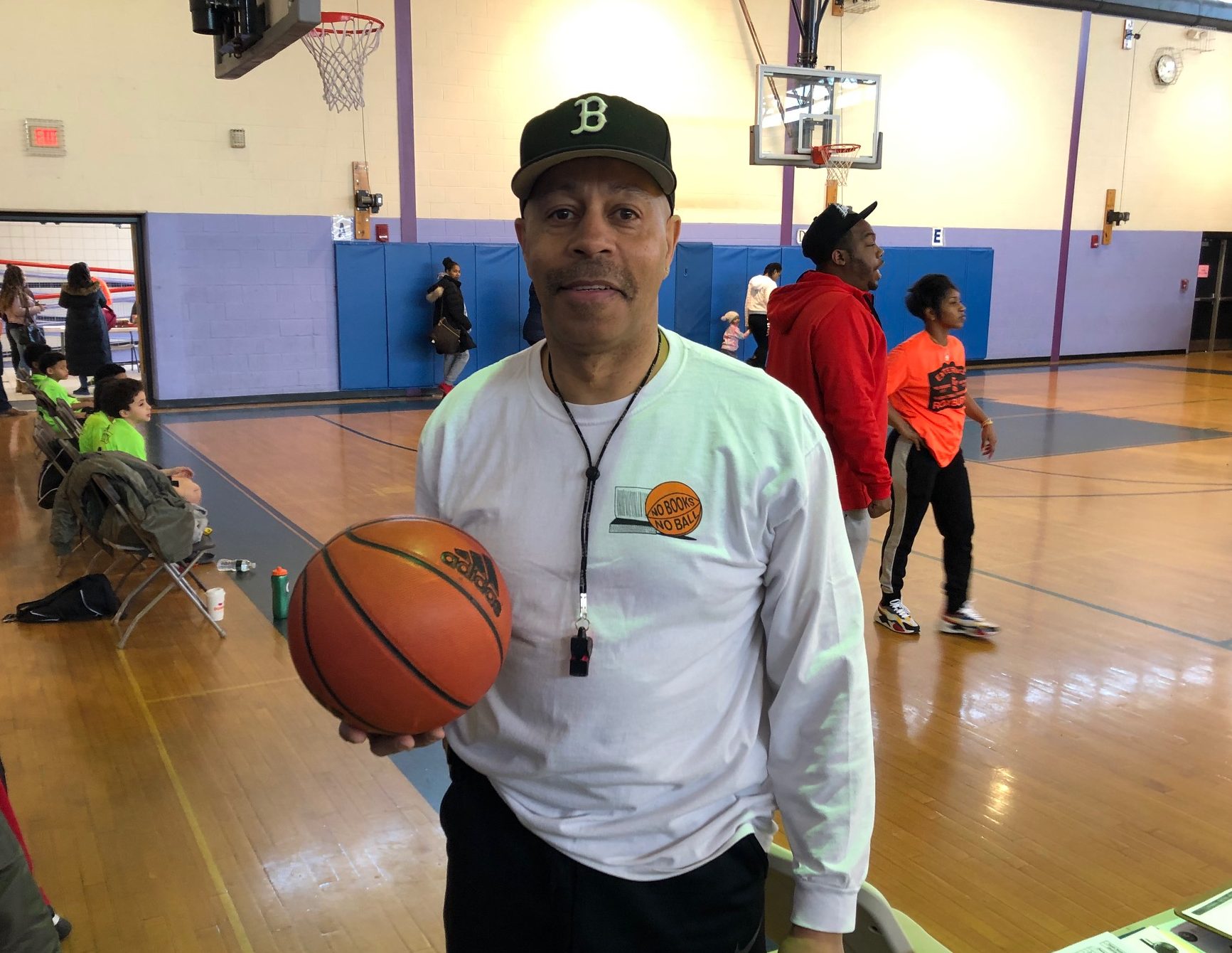
Today we’d like to introduce you to Tony Richards.
Hi Tony, please kick things off for us with an introduction to yourself and your story.
No Books No Ball started in 1991 from a real place. I was a father, a coach, and someone who cared deeply about what was happening with young people in our community. I saw how much kids loved basketball, but I also saw that many of them needed more than a game. They needed structure, guidance, discipline, encouragement, and positive adults who truly cared about them.
That is really where the idea came from. Basketball was something our young people naturally gravitated toward, so I wanted to use the game as a way to reach them. But from the beginning, I knew the mission had to be bigger than basketball. If a child wanted to play, they had to understand the importance of school, respect, and accountability. That is how No Books No Ball was born — if there are no books, there is no ball.
In the early days, we did not have much. We had a gym, a group of young people, some committed volunteers, and a belief that we could make a difference. A lot of the work was done through sacrifice. Long days, late nights, phone calls with parents, chasing down gym space, checking report cards, running practices, organizing games, and doing whatever needed to be done to keep kids involved and safe. Nobody was doing it for recognition. We did it because our young people deserved it.
Over time, the program grew because families trusted us and the kids kept coming back. What started as a small community effort became something that touched generations. We have had young people come through No Books No Ball who are now adults with children of their own. Some have come back as coaches, volunteers, mentors, and supporters. To me, that is one of the greatest blessings — seeing the seeds we planted years ago continue to grow.
Getting to where we are today has not been easy. It has been 35 years of blood, sweat, tears, sacrifice, and faith. But every time I see a young person gain confidence, improve in school, learn discipline, or come back years later to say the program made a difference in their life, it reminds me why we started.
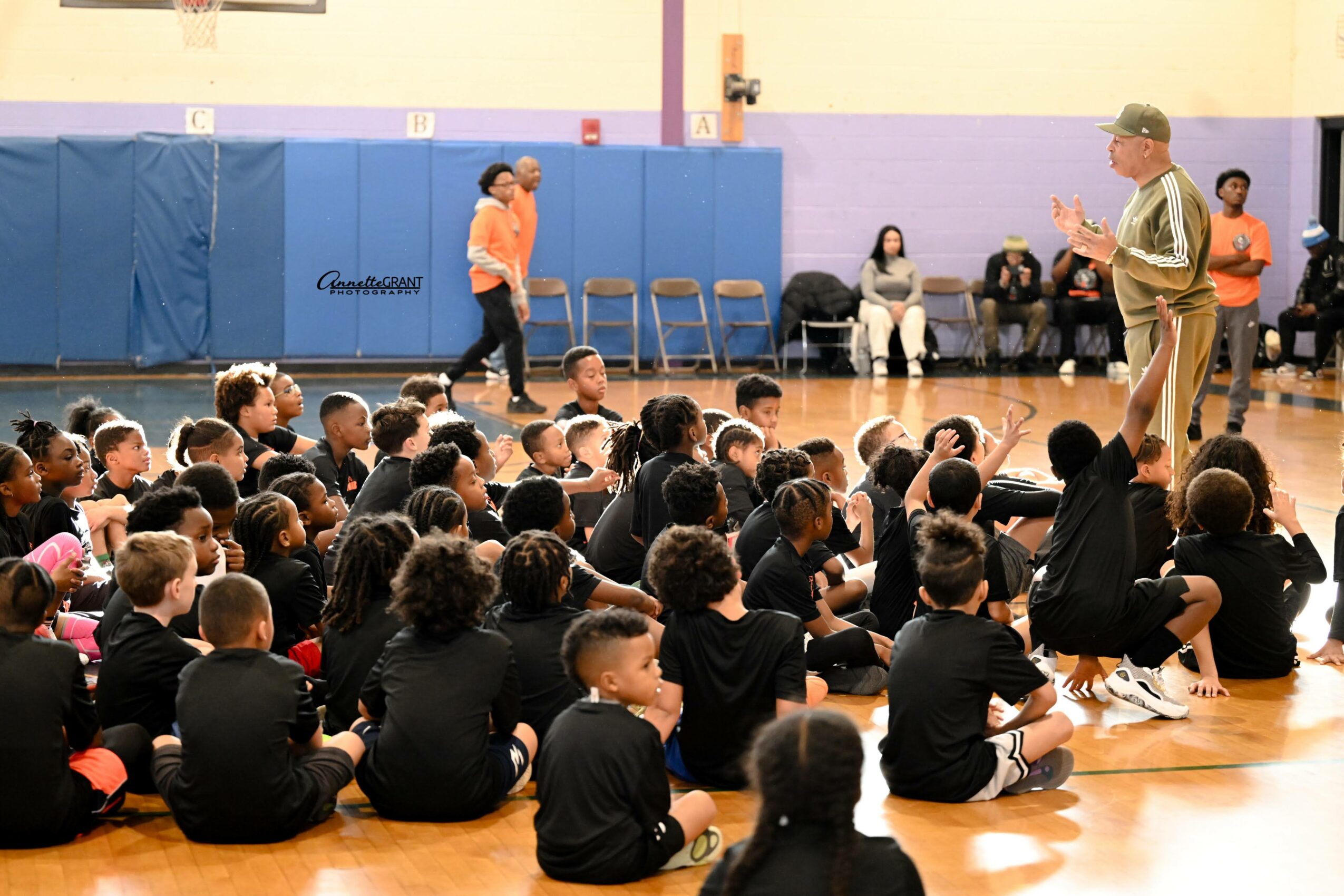
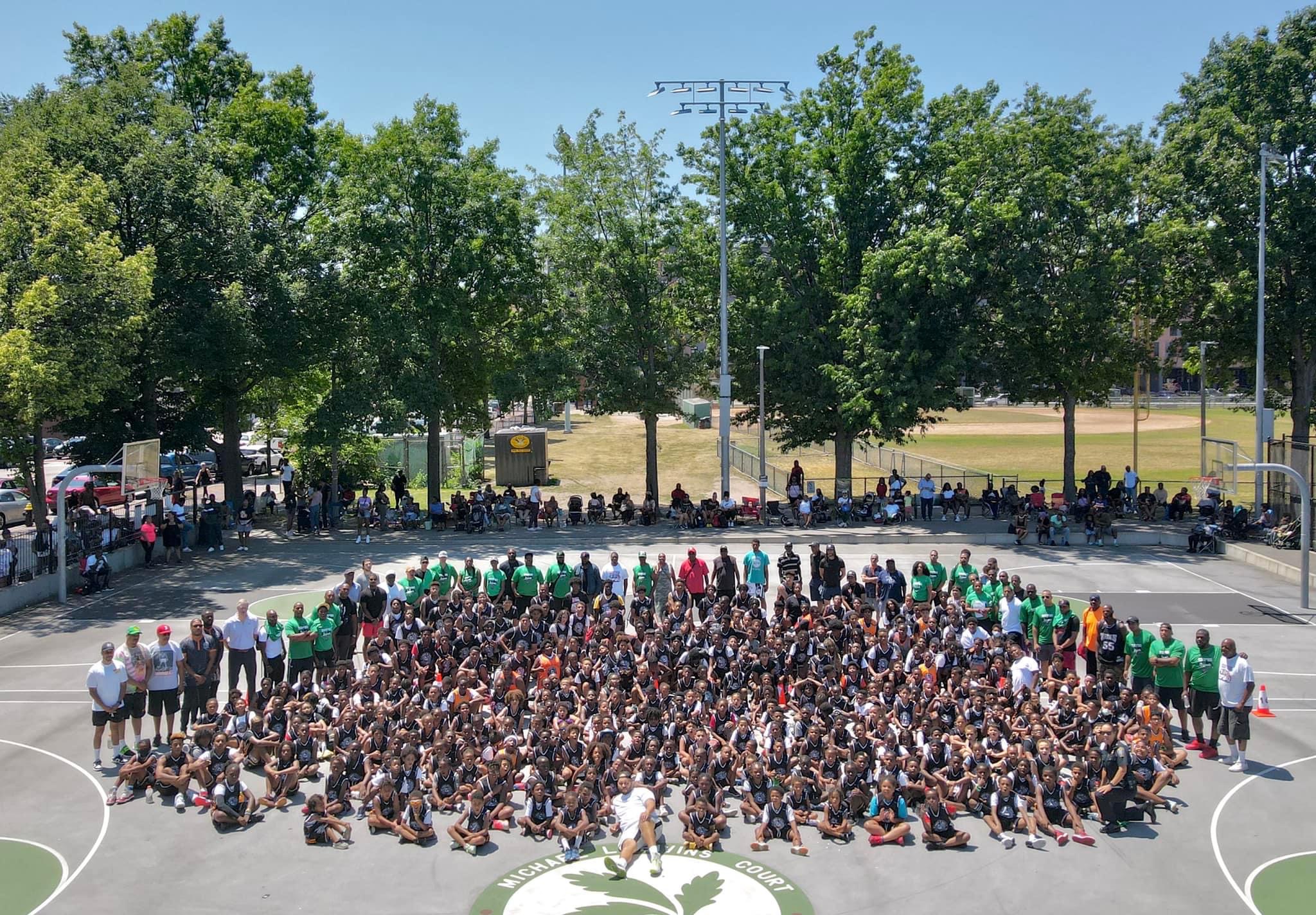
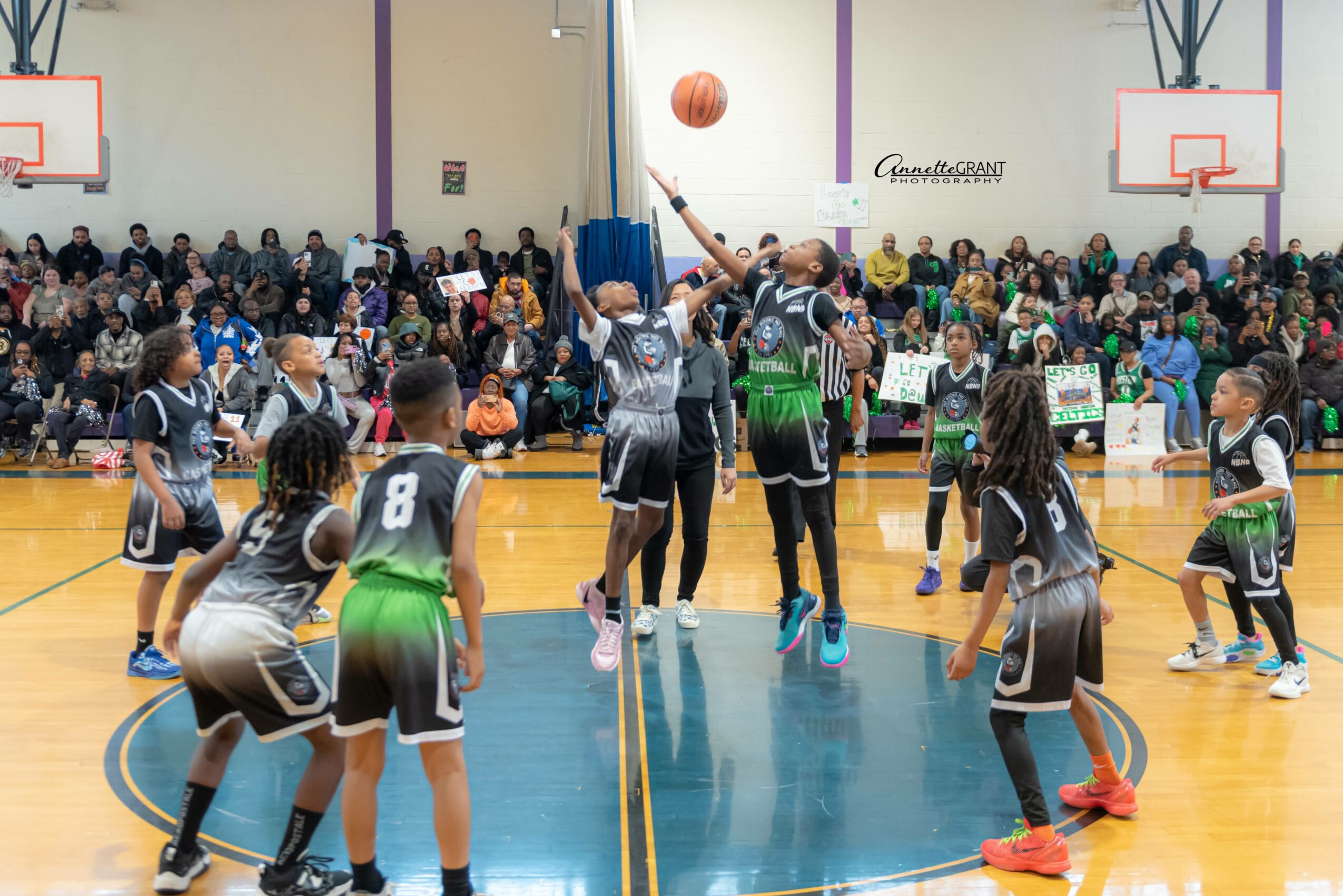
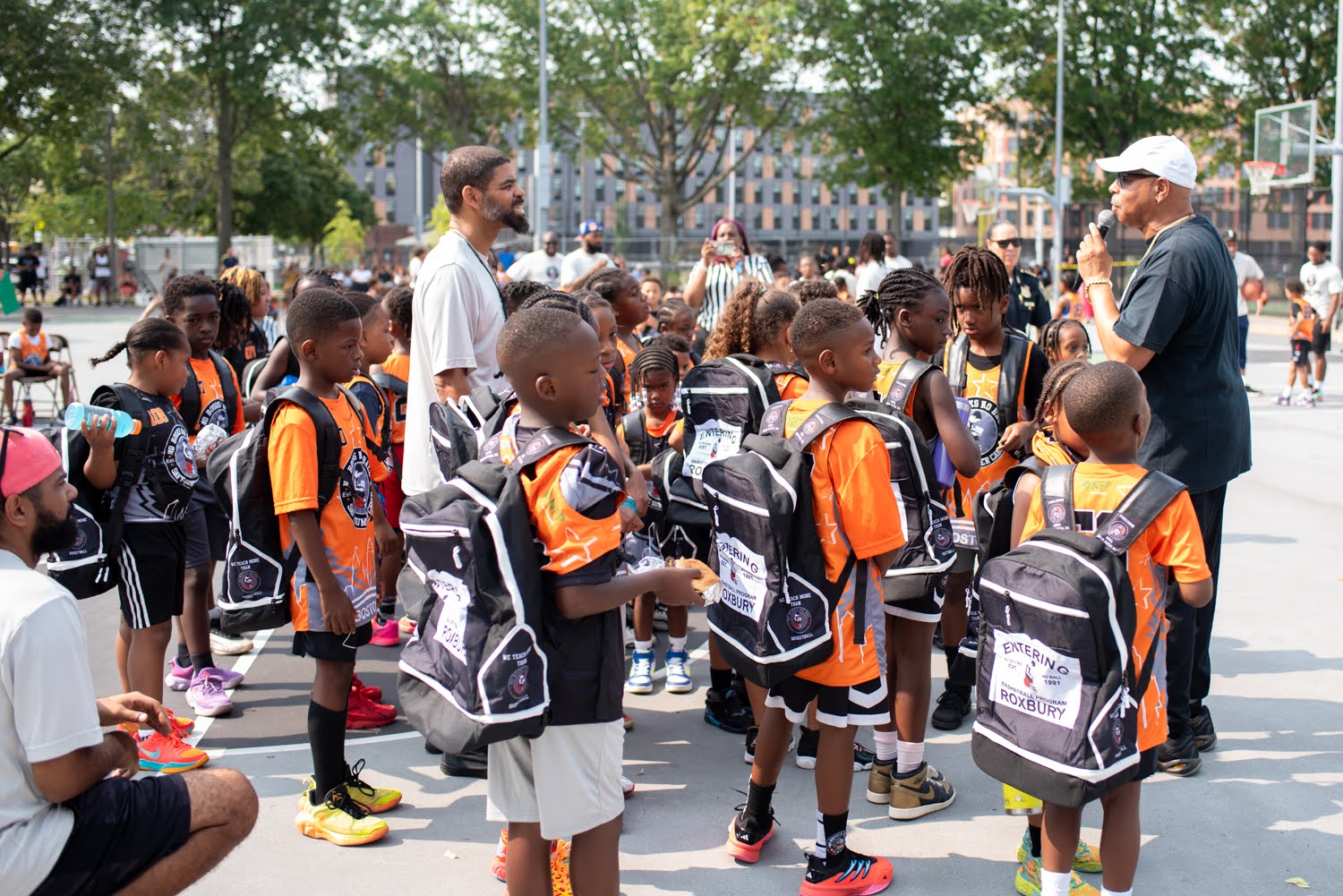
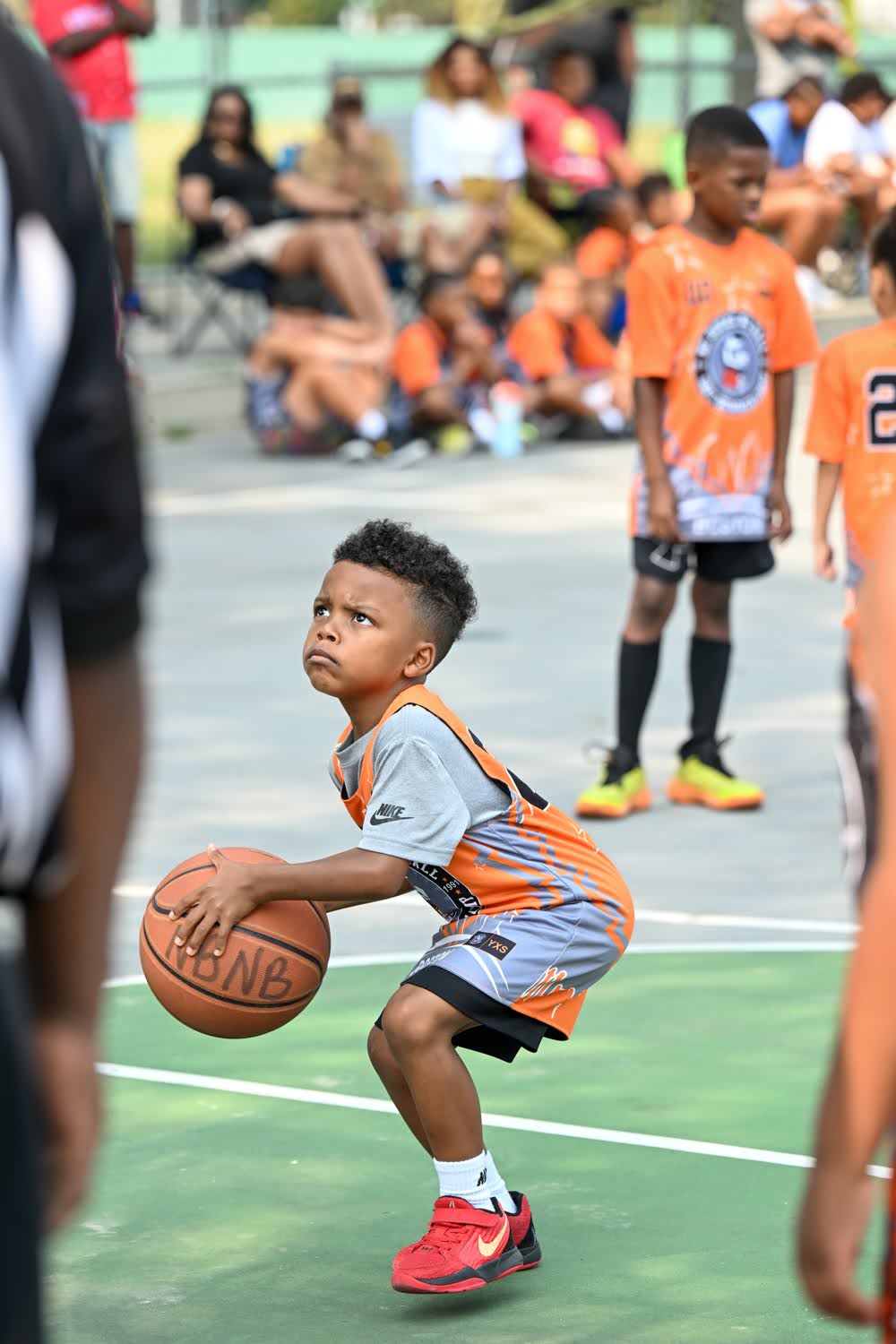
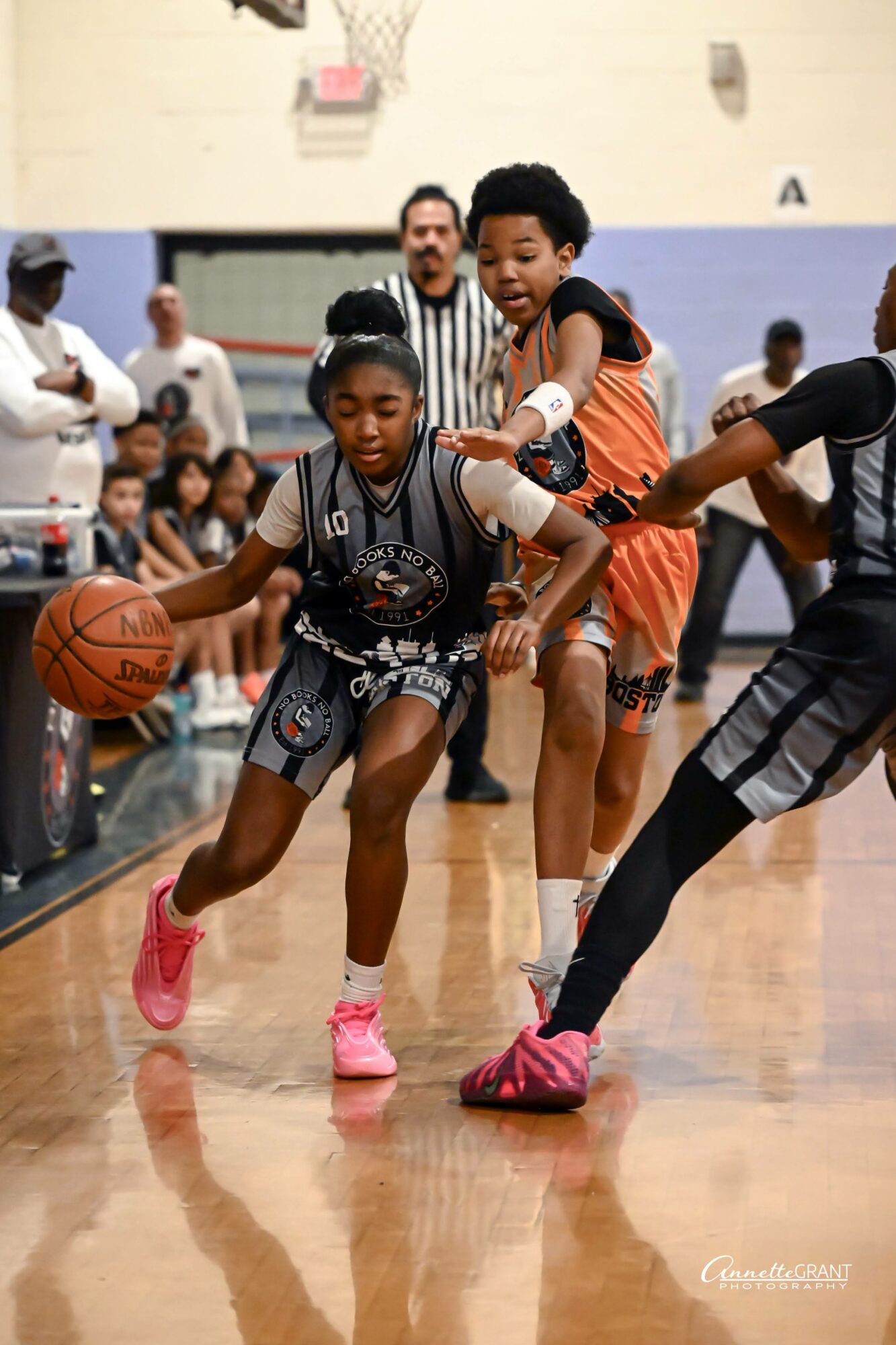
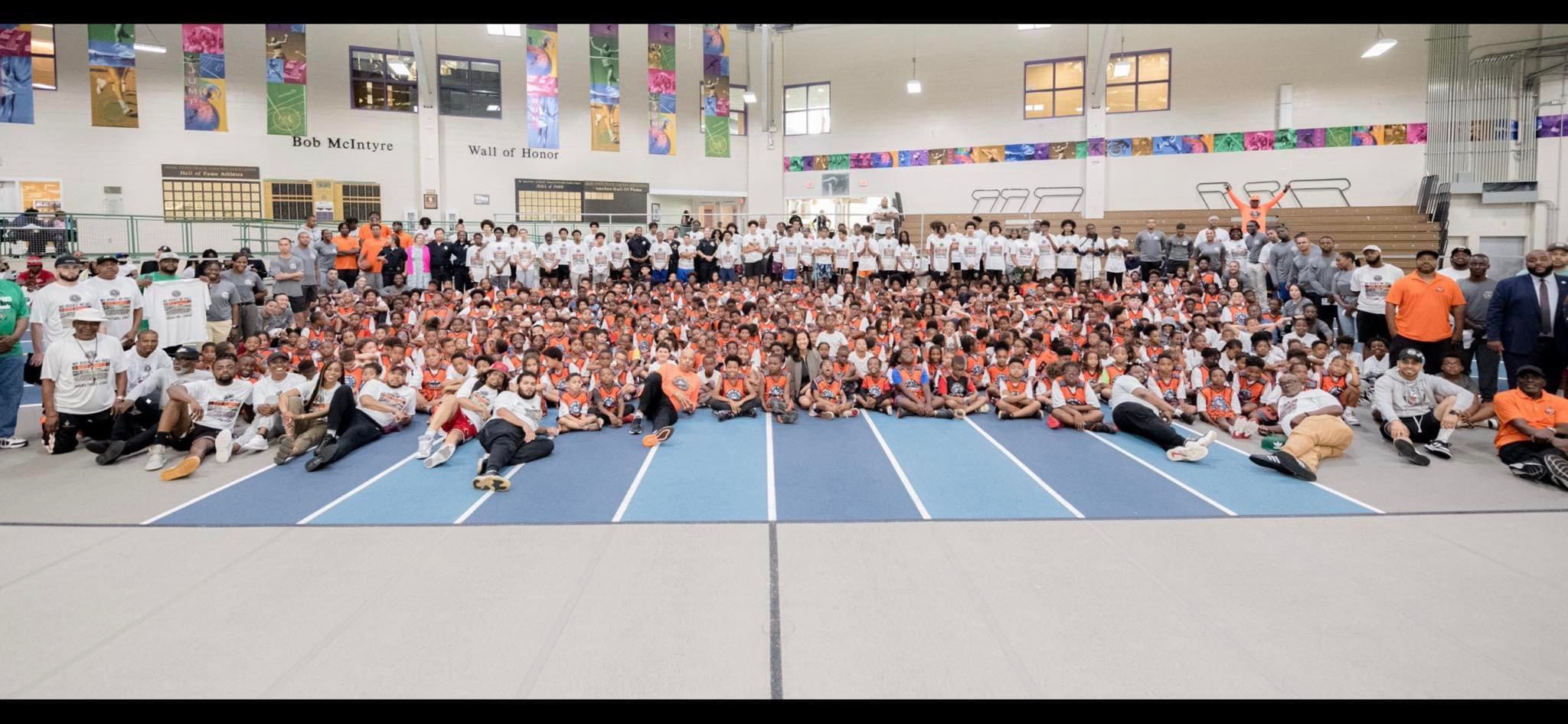
Today, No Books No Ball is still rooted in the same mission we had in 1991: teaching more than basketball. We are proud to now serve around 1,000 student-athletes annually through our winter and summer programs. We are also proud to be a co-ed program and have been from day one, giving both boys and girls a place to compete, grow, and be held to a standard.
We are humbled by what the program has become. No Books No Ball is arguably one of the largest independently run nonprofit basketball programs in New England, and we are proud to be looked at as a model for what grassroots youth basketball can be when it is done with structure, consistency, and purpose.
Over the years, we have been trusted by families from all walks of life, including NBA players, coaches, and basketball professionals who have trusted our program enough to have their own children participate. We have also had alumni go on to play in the NBA, WNBA, overseas, and at different levels of college basketball. But what means the most to me are the young people who became doctors, lawyers, coaches, teachers, business owners, parents, and productive citizens doing positive things and changing lives in their own way.
The game was always the hook, but the real goal has always been to help young people become better students, better teammates, better leaders, and better people. That was the mission in 1991, and 35 years later, that is still the mission today.
Can you talk to us a bit about the challenges and lessons you’ve learned along the way. Looking back would you say it’s been easy or smooth in retrospect?
No, it has not been a smooth road at all. Anything that lasts 35 years and truly serves the community comes with sacrifice, setbacks, and a lot of work that people never see.
For most of this journey, I was working full-time as an ironworker and bridge inspector for the MBTA, where I spent 30 years before retiring last year. While I was working that job, I was also building and running No Books No Ball. That meant long work days, then going straight to the gym, making phone calls, checking on kids, talking to parents, organizing schedules, finding volunteers, and doing whatever needed to be done to keep the program moving.
There were many times I had to sacrifice time with my own family because I was trying to make sure other families had a safe and positive place for their children. That is one of the hardest parts of this work. People see the games, the uniforms, the events, and the kids smiling, but they do not always see the late nights, the stress, the planning, or the personal sacrifices behind it.
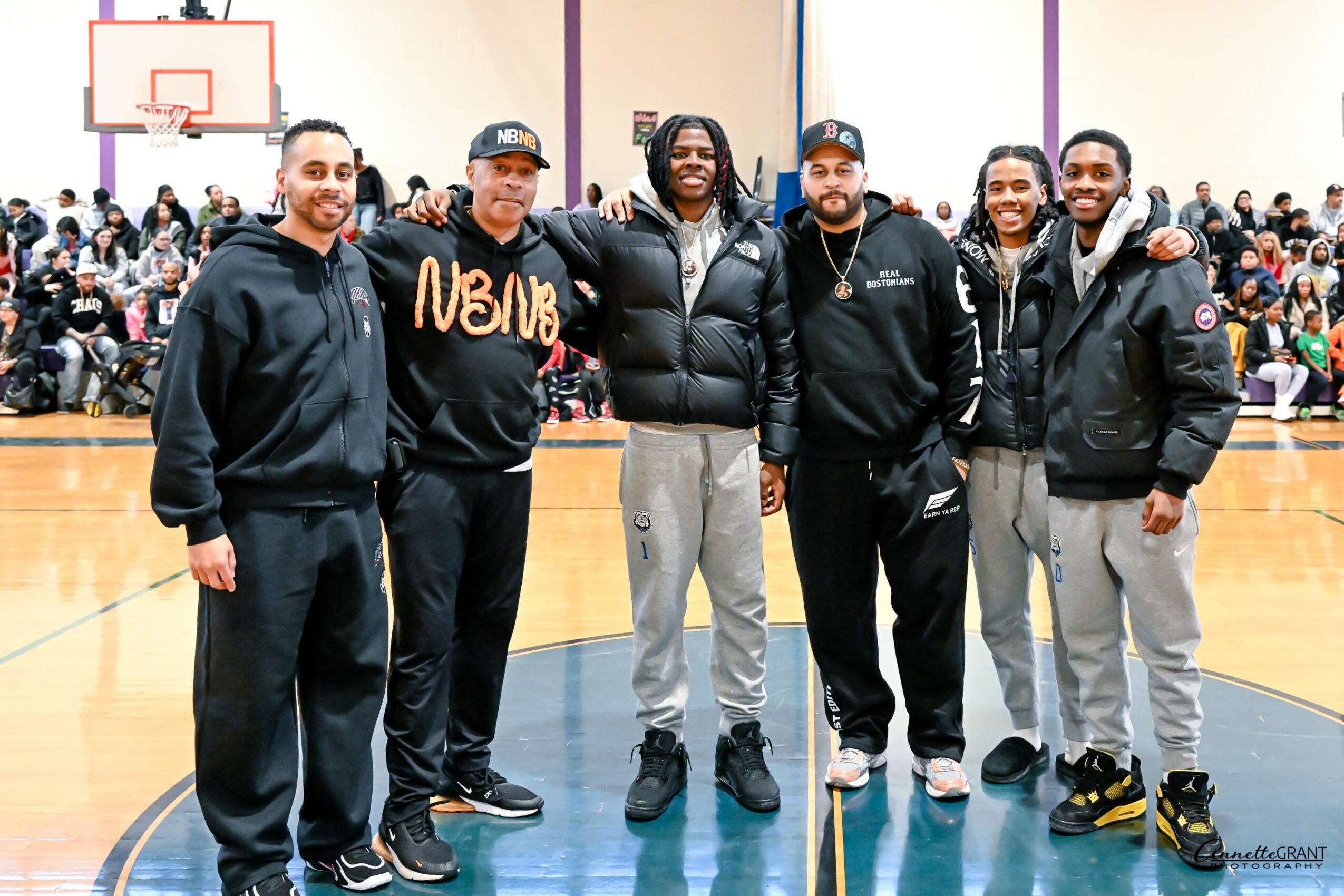
And it was never just me. Our coaches and volunteers have sacrificed so much of their own time over the years. Many of them had jobs, families, and responsibilities, but they still showed up because they believed in the mission and cared about the kids.
Funding has always been a challenge. We have had to fight to keep the program affordable and accessible while still covering gym space, uniforms, referees, equipment, food, transportation, and everything else that comes with running a real program. Gym space has also been a constant struggle. In a city like Boston, access to safe and consistent space is not easy, especially when you are serving hundreds of young people.
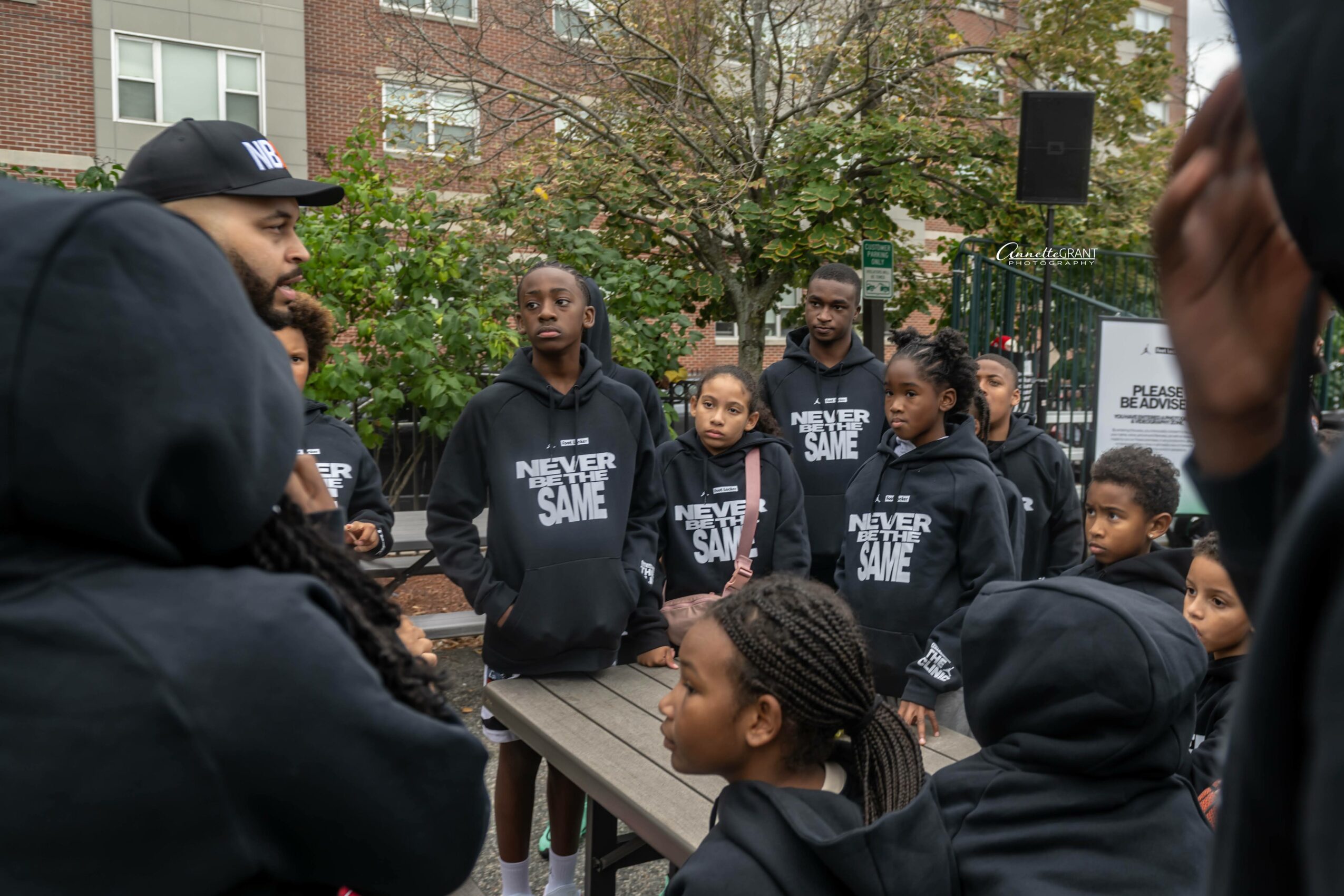
Another challenge was building trust. When you are working with people’s children, trust is everything. Parents had to know that this was not just a basketball league. They had to know their children would be safe, supported, encouraged, and held accountable. That trust was earned over time, through consistency.
No Books No Ball was not built overnight. It was built one child, one family, one season, one coach, one volunteer, and one sacrifice at a time. There were moments when it would have been easier to stop, but the young people kept us going. Every time a child walked into the gym looking for a place to belong, every time a parent trusted us, and every time a former player came back as an adult, it reminded us why the work mattered.
So no, the road has not been smooth. But it has been worth it. The struggle is part of the story, and the sacrifice is part of the legacy.
Can you tell our readers more about what you do and what you think sets you apart from others?
I recently retired after 30 years working as an ironworker and bridge inspector for the MBTA. That was my full-time career, and No Books No Ball was the work I committed myself to outside of that. Balancing both was not easy, but that is the story. I would work long days, then still make time for the gym, the kids, the parents, the coaches, the schedules, and everything else that came with running the program.
My professional background taught me structure, discipline, and accountability. As a bridge inspector, you have to pay attention to detail and take the work seriously because people are depending on you. I brought that same approach to No Books No Ball. If we were going to serve young people, we had to be organized, consistent, and serious about the standard we were setting.
What I am most proud of is that I was able to provide for my family, complete a 30+ year career, and still build something in the community that has lasted 35 years. That did not happen by luck. It took sacrifice, commitment, and people around me who believed in the mission.
What sets me apart is consistency. I do not need a lot of attention for the work. I just believe in showing up and doing what needs to be done. Over the years, people have come to know No Books No Ball as a program that is going to hold kids accountable, support families, and keep education at the center. That is what I am proud of.
If we knew you growing up, how would we have described you?
I grew up one of seven children, raised by a single mother. So early on, I understood what it meant to come from a big family, share what you had, and figure things out as you went. We did not have everything, but we had each other.
I was always a people person. I liked being around people, talking, joking, and building relationships. Basketball was a big part of my life growing up too. I loved the game, but I was not always able to play because I was ineligible due to my grades.
At the time, I probably did not fully understand how much that would shape me later. But looking back, that experience had a lot to do with why I started No Books No Ball. I knew what it felt like to love basketball but not have the school piece together. So when I started working with young people, I wanted them to understand early that the two go hand in hand.
That is really where the heart of the program comes from. It is not just something I made up. It came from my own life. I wanted young people to enjoy the game, but I also wanted them to understand that school, discipline, and accountability had to come first.
Growing up the way I did made me a people person, but it also made me understand people. It helped me connect with kids and families in a real way, because I know what it means to need support, structure, and somebody who cares enough to tell you the truth.
Contact Info:
- Website: https://www.nobooksnoball.com
- Instagram: @nobooksnoball
- Facebook: @nobooksnoballbasketballprogram
- LinkedIn: No Books No Ball Basketball Program
- Twitter: @nobooksnoball
- Youtube: No Books No Ball Basketball Program
Popular
-

Hidden Gems: Local Businesses & Creatives You Should Know
-

ATL’s Most Inspiring Stories
-

Portraits of Atlanta
-
Natasha Dillard on Redefining Beauty Standards and Empowering Women Through Unapologetic Self-Expression
-

Darren Paltrowitz on Blending Investigation, Media, and Culture to Uncover the Stories Behind the Stories
-

Naeemah Jade on Redefining Networking Through Trust, Proximity, and Intentional Community