






Today we’d like to introduce you to Harshit Chaturvedy.
Hi Harshit, can you start by introducing yourself? We’d love to learn more about how you got to where you are today?
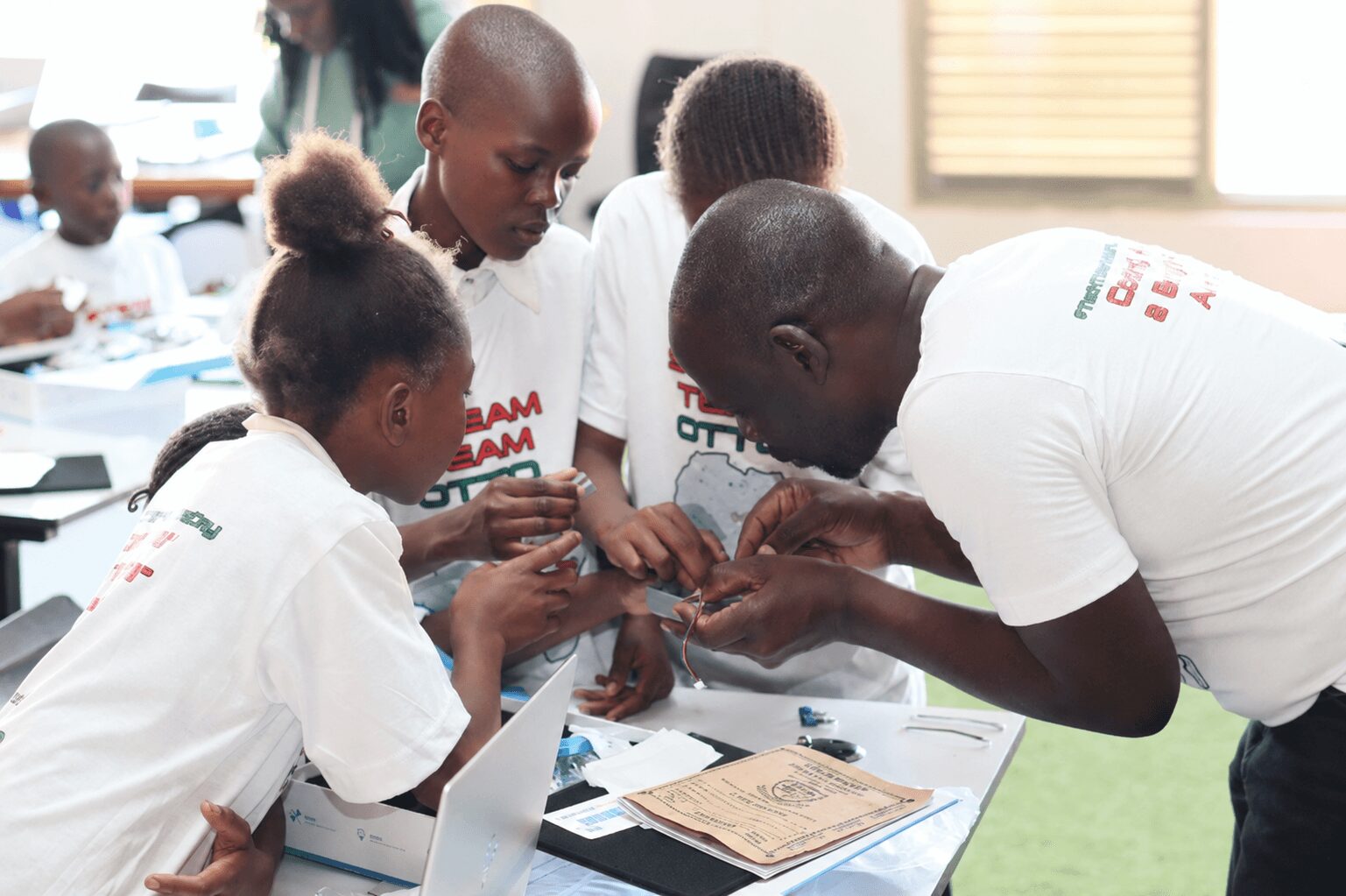
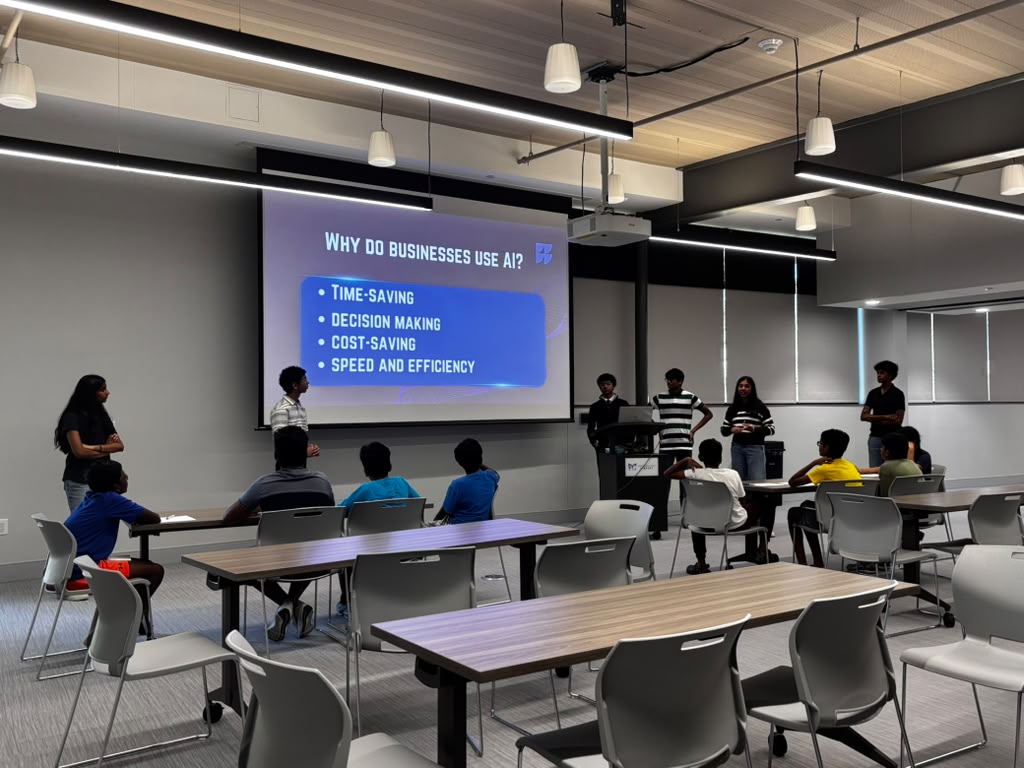
I started STEM Sprouts because I noticed a gap that felt obvious once I saw it: elementary schools in my area didn’t have much in the way of hands-on STEM programming, and the high schoolers around me, myself included, had the skills and the time to actually do something about it. So instead of waiting for someone else to build that bridge, I started building workshops myself and recruiting other students to teach alongside me.
What began as a single chapter grew because the model was simple enough to repeat: high schoolers teach elementary schoolers, free of charge, hands-on. Other students in other schools saw it working and wanted to bring it to their own communities, so we started supporting new chapters instead of trying to run everything centrally ourselves. That’s how we ended up with chapters across Georgia and beyond, including Ohio, Florida, and Connecticut.
We’ve also been pushing past just running workshops. We built a policy track where students write real policy briefs and submit them to actual decision-makers, not just practice ones. We’re building out research infrastructure too, alongside a coding platform called Pinboard that chapters use in live sessions, and a small central team handling operations, grants, and partnerships so chapter leads can stay focused on teaching.
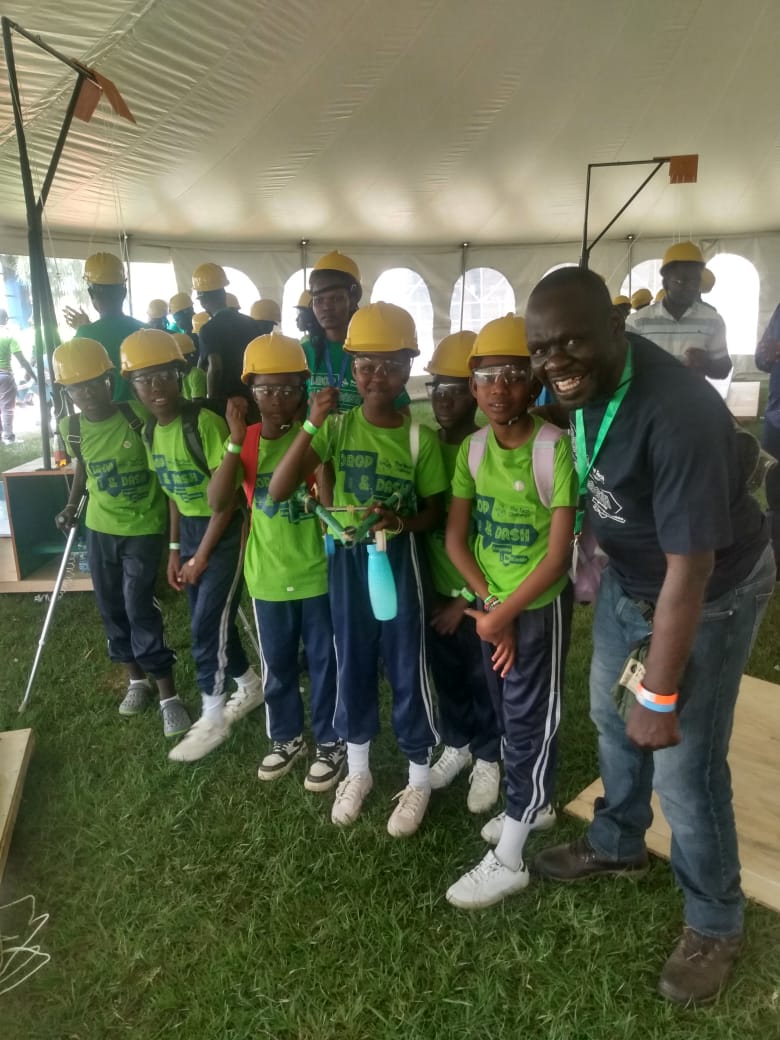
And then there’s Kenya. Our Siaya STEAM Hub chapter is CBO-registered and gearing up to launch programming across 15 schools in Siaya County, which puts us in front of thousands of students at once. The chapter lead there has already built relationships with partners like HP, Micro:bit Foundation, VEX Robotics, and LEGO Education, and the work has picked up recognition from ASU+GSV. It’s easily the most ambitious expansion we’ve taken on, and it’s happening because the local team on the ground has been building something real, not because we parachuted in.
If there’s a through-line, it’s that I’ve tried to keep us disciplined about not overselling what we are. We don’t add a chapter to our public site until it’s actually run an event. We don’t claim partnerships we haven’t confirmed. Growing a youth-led nonprofit means people will extend you a lot of trust based on your word, and I’d rather earn that slowly than lose it fast.
Would you say it’s been a smooth road, and if not what are some of the biggest challenges you’ve faced along the way?
No, not at all, and I think pretending otherwise would undercut everything else I just said about not overselling.
The biggest struggle has been structural. I’m still the sole central decision-maker with no formal board, which means everything from grant approvals to financial sign-off runs through me. That’s manageable at one chapter. It gets a lot harder once you have chapters in multiple states and countries, all wanting to move at their own pace.
Chapter accountability has been a real problem too. Early on we’d hand a chapter lead an open-ended goal and just trust them to report back, and that doesn’t work well with high schoolers who are juggling school and everything else. Things would quietly stall with no one flagging it. We’ve had to build actual structure around that, forced checkpoints and milestones instead of relying on self-reporting.
Money has been its own learning curve. We’re fiscally sponsored, so every reimbursement has to be post-receipt with written pre-approval, no exceptions, no cash. That’s the right way to run things, but building that discipline from scratch, especially once international transfers to Kenya entered the picture, meant a lot of process that didn’t exist a year ago had to get built fast.
And there’s been a constant pull toward growing faster than we’re ready for. Every chapter wants to announce partnerships, list themselves publicly, take on bigger projects, before they’ve actually run a single event. I’ve had to say no to that more times than I’d like, including to my own instincts, because credibility is the one thing you can’t rebuild once you spend it carelessly.
None of that is unique to us. But I don’t think you get to describe an organization as legitimate without also being honest about the parts of it that are still being figured out in real time.
Great, so let’s talk business. Can you tell our readers more about what you do and what you think sets you apart from others?
STEM Sprouts is a youth-led nonprofit that brings free, hands-on STEM skills to elementary schoolers, grades 3 through 5, taught by high schoolers. We’re fiscally sponsored by The Hack Foundation, and we operate through a network of student-led chapters rather than one central program, so the work actually happens in the communities it’s meant to serve.
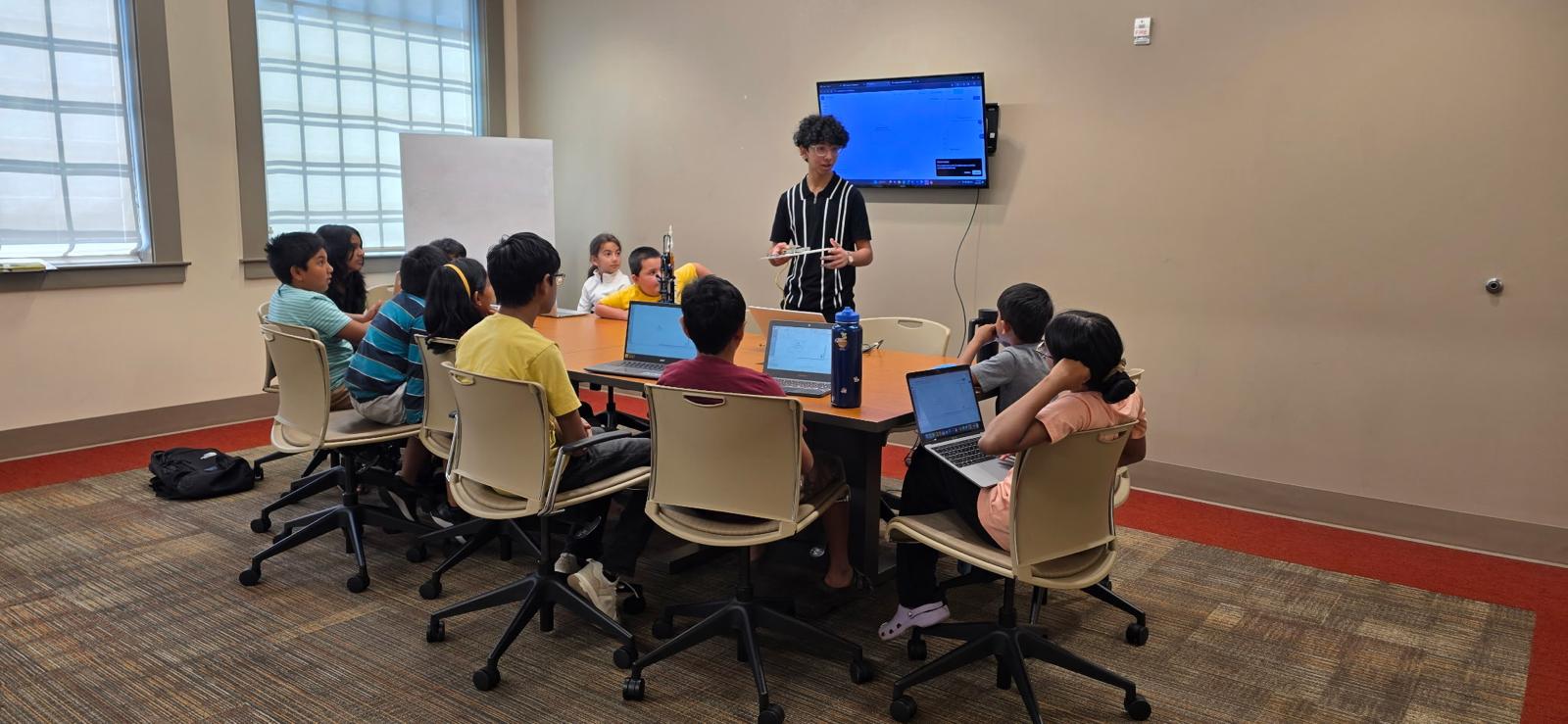
What we specialize in is teaching kids to code and build with real hardware, Arduino and Raspberry Pi, using a browser-based tool we built called Pinboard. It’s block-based, so a nine-year-old can pick it up fast, but it’s connected to actual physical devices, so the learning isn’t abstract. Alongside that, we run a policy track where high schoolers write real policy briefs and submit them to actual decision-makers, not classroom exercises.
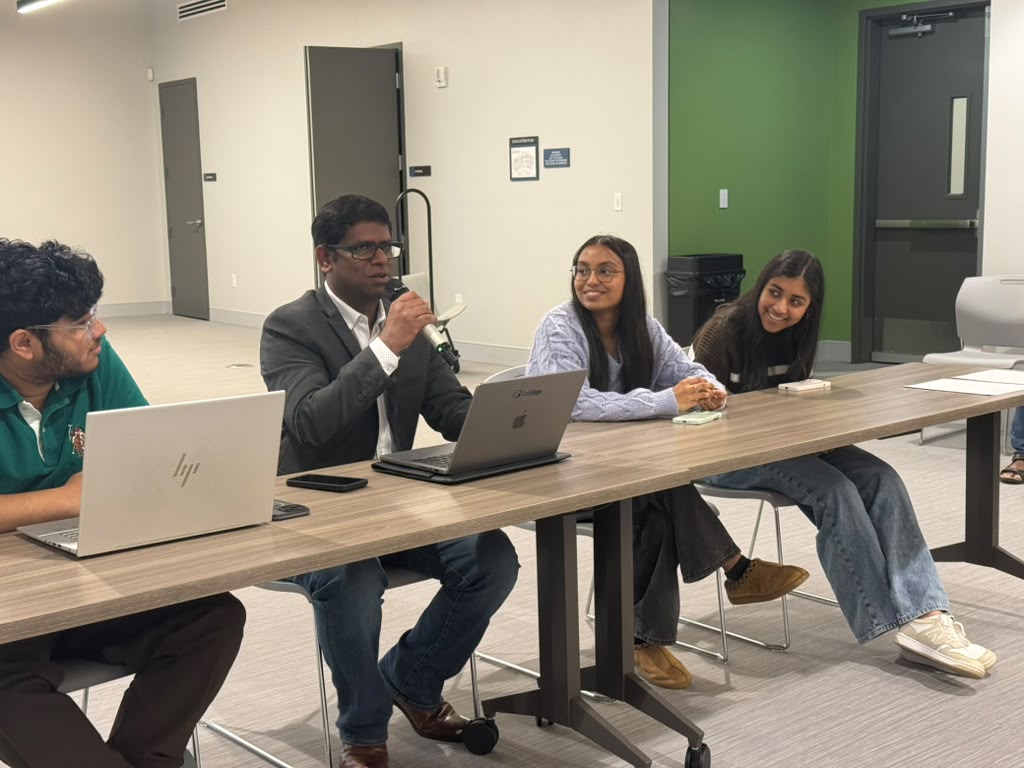
What sets us apart is who’s doing the teaching. Every chapter is run by high schoolers who recruit, train, and lead their own local team. We’re not adults designing a curriculum for kids to consume. We’re a peer-to-peer model where the people closest in age to the students are the ones in the room.
Brand-wise, what I’m proudest of is that we’ve held the line on only claiming what’s actually true. We don’t list a chapter publicly until it’s run a real event. We don’t announce partnerships before they’re locked in. That discipline is slower and it means our public presence looks smaller than it could if we exaggerated, but it means when someone checks our claims, they hold up.
Right now the thing I most want people to know about is our expansion into Kenya. Our Siaya STEAM Hub chapter is CBO-registered and preparing to launch programming across 15 schools in Siaya County this August, which will put us in front of thousands of students. It’s the clearest example of the model working outside the US, built by a local team that already had deep roots in that community.
We’d love to hear about any fond memories you have from when you were growing up?
One of my favorite childhood memories is making brownies with my sister. Nothing complicated about it, just the two of us in the kitchen, probably making more of a mess than we needed to, but it’s one of those moments that stuck with me more than plenty of bigger, more “important” ones.
Pricing:
- Everything is free, funded through grants and donations
Contact Info:
- Website: https://www.stem-sprouts.org
- Instagram: https://www.instagram.com/stemsprouts_/
- LinkedIn: https://www.linkedin.com/company/stemsprouts
Popular
-

Hidden Gems: Local Businesses & Creatives You Should Know
-

ATL’s Most Inspiring Stories
-

Portraits of Atlanta
-

How Cameron Zabko Is Helping Families Build Financial Confidence Through Trust, Planning, and Meaningful Conversations
-

Nury Crawford is Helping Writers Discover That Their Voice Already Matters
-

Why Tiyonna Griffin Believes Confidence Is the Most Beautiful Thing You Can Create