





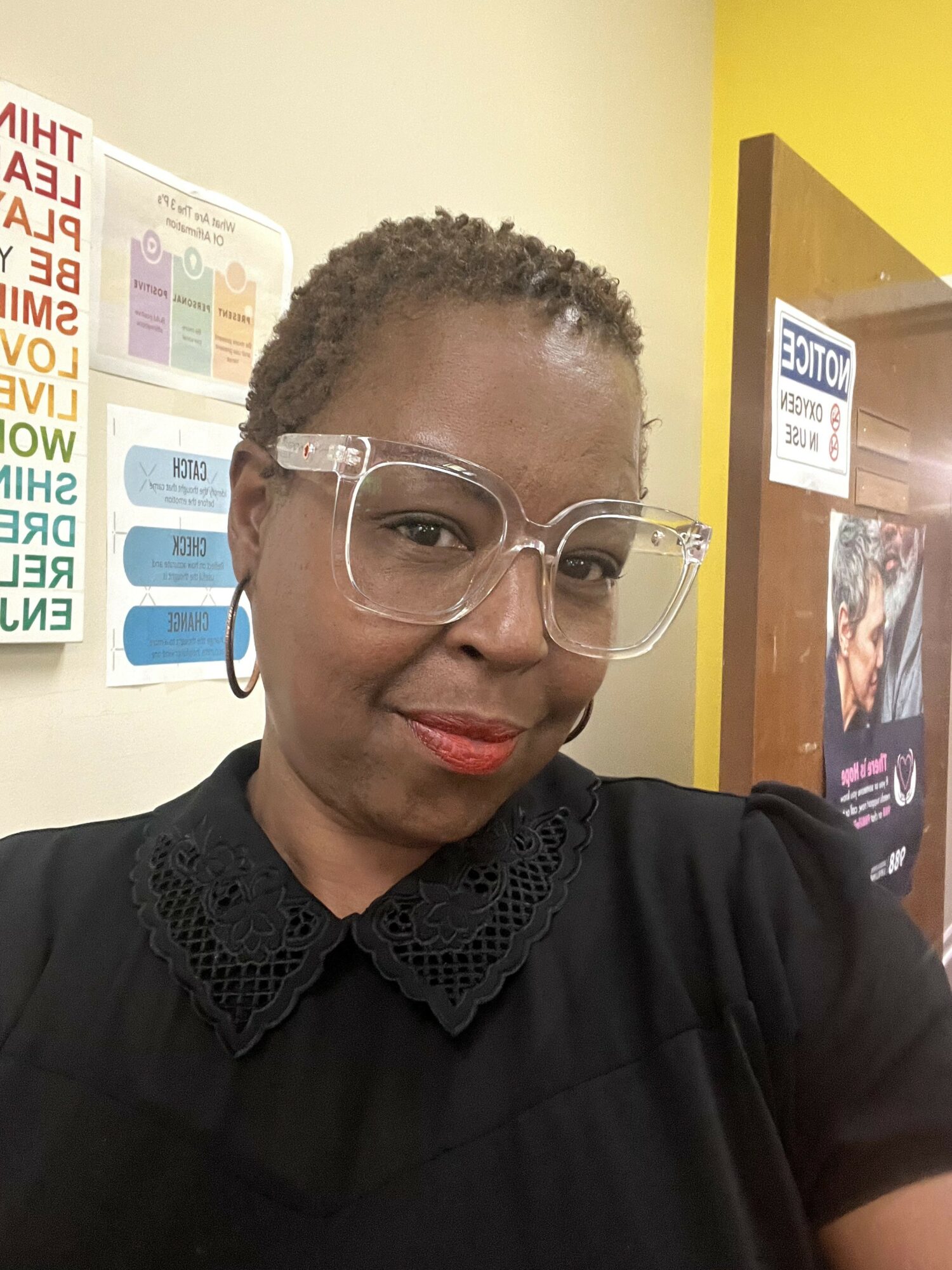
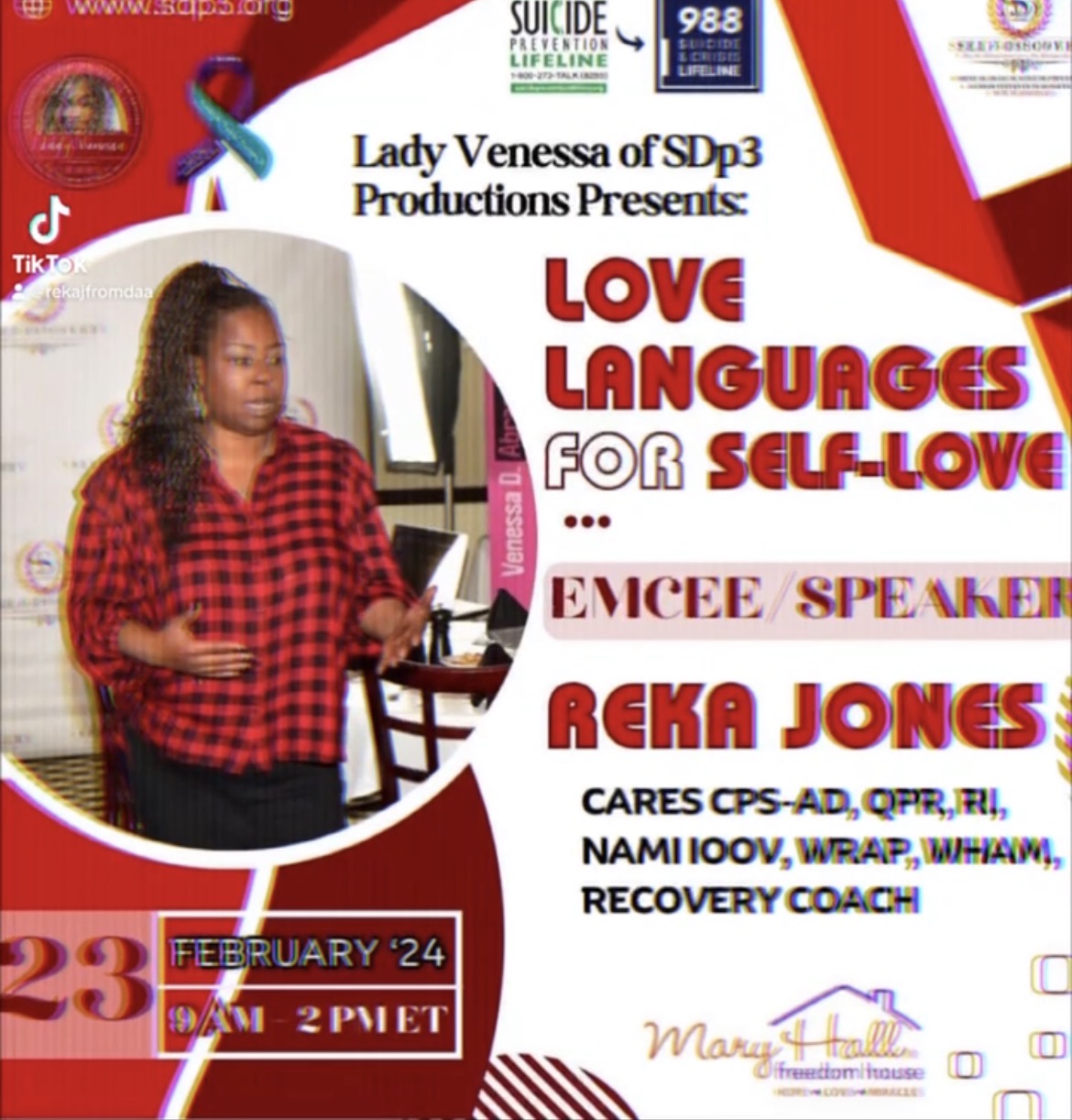
Today we’d like to introduce you to Reka Jones.
Hi Reka, thanks for sharing your story with us. To start, maybe you can tell our readers some of your backstory.
My story starts in a place a lot of people don’t come back from. I was somebody who needed help and didn’t know how to ask for it, and for a long time I thought that was the whole story. It wasn’t. It was the first chapter.
September 1 will make 10 years since I almost lost my life in a horrific car accident behind my addiction to opioids. I fell asleep behind the wheel, hit two utility poles, flipped and was ejected.
I was dual diagnosed with co-occurring disorders, and literally crashed and burned. I also overdosed, two or three times during my active addiction. I don’t remember. I spent 7 months in residential treatment and did some intensive therapy and healing. I am not my diagnosis, and am proud to live out loud in recovery
Recovery gave me my life back, but most importantly, is what it did after that. It gave me a purpose. Everything I went through turned out to be qualification, not disqualification. I became what I needed and am now a Certified Peer Support Specialist, which means I work with people in crisis using my own lived experience as the credential. Simply because I know what it feels like to sit on the other side of the desk.
Today, I work overnight at the Center for Diversion Services. Overnight is where people land on their worst night. Somebody who could have gone to jail comes to us instead, and I get to be the first face they see who says “I’ve been where you are and you can get out.” That work is sacred to me.
I also went back to school. I’m finishing my BS in Psychology with a doctorate as the long-term goal. I want the letters behind my name to sit next to the lived experience, not replace it. Both matter. I recently made the deans list.
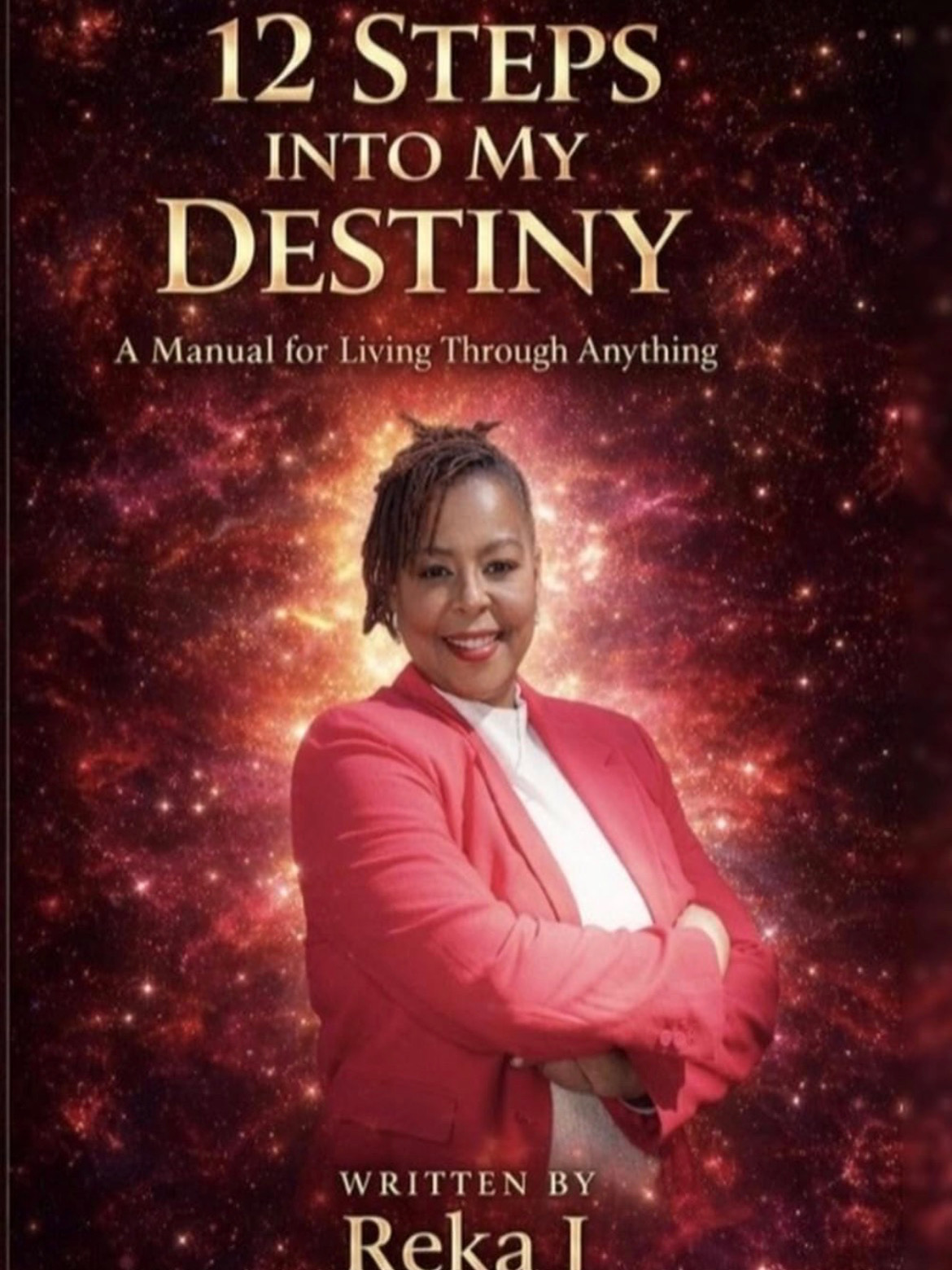
In March of this year I published my memoir, 12 Steps Into My Destiny: A Manual For Living Through Anything, under my own imprint, Always1Hunnid. It walks through the 12 steps (NA), not as theory but as the actual map I used to get from where I was to where I am. This book is a manual for living through anything and includes healing affirmations and journal prompts.
The brand name comes from how I try to live. Always 100. No performance, no half version of the truth. That’s what people in crisis need and honestly it’s what everybody needs.
Would you say it’s been a smooth road, and if not what are some of the biggest challenges you’ve faced along the way?
Nothing about it was smooth. I want to say that plainly because I think polished stories do damage. People hear a clean version and assume they failed because theirs was messy.
I was dealing with two things at once, a substance use disorder and mental health symptoms, and they fed each other. That’s called a co-occurring disorder and it’s the norm, not the exception, but nobody explained that to me at the time. I just knew I was using to quiet something and the quiet never lasted. I was trying to quiet the pain of trauma that I had experienced.
The hardest part wasn’t the substance. It was the shame underneath it. Shame keeps you sick because it tells you that you are the problem instead of that you have a problem. That’s a lie, but it’s a convincing one.
There were relapses. There were people who stopped answering. There were seasons where I lost things I can’t get back. Like my left leg that was shattered in my car accident. I have had 8 surgeries on this leg, the latest one being in May of this year. Everyday, that I look at my leg, I am reminded of where I never want to be again, ever in life. I don’t dress that up, because the whole point is that I’m telling you this from the other side of it. I will never know what it feelslike to walk normal again. I will have this hardware in my leg, for the rest of my life.
And the struggle didn’t end at recovery. Try going back to school in your fifties. Try working overnight shifts at a crisis center and then writing papers at eight in the morning. Try running a business while managing a chronic health condition. Try dealing with Lupus and Graves’ disease. I have had 18 surgies in my lifetme. It’s still not smooth. It’s just that now I have tools and resources that I didn’t have before.
As you know, we’re big fans of you and your work. For our readers who might not be as familiar what can you tell them about what you do?
I’m a Certified Peer Support Specialist/CPS-addiction, which is a credential most people have never heard of, so let me explain what it actually means. It’s a state certification for people who have lived through mental health and substance use challenges and are trained to use that experience clinically. My qualification is not just what I studied. It’s what I survived, plus the training to know how to help those going through what I’ve already survived.
The Diversion Center, is the place where somebody in crisis gets brought instead of getting booked into jail. Overnight is when the mask comes off. People come in at their rawest hour and I’m one of the first people they talk to.
I specialize in Crisis. Specifically, the moment right before somebody decides whether to keep going.
I’m certified in a stack of things that all point the same direction. W.R.A.P and W.H.A.M facilitation, so people can build their own wellness plan instead of following somebody else’s. Community Resiliency Model, which is body-based trauma work that I can teach to a room in an hour and people can use that same night. QPR for suicide prevention. CARES. Respect Institute. The certifications matter, but what they add up to is this: I can walk into a room where somebody is falling apart and stay calm, and calm is contagious.
Being honest in rooms where people expect a script.
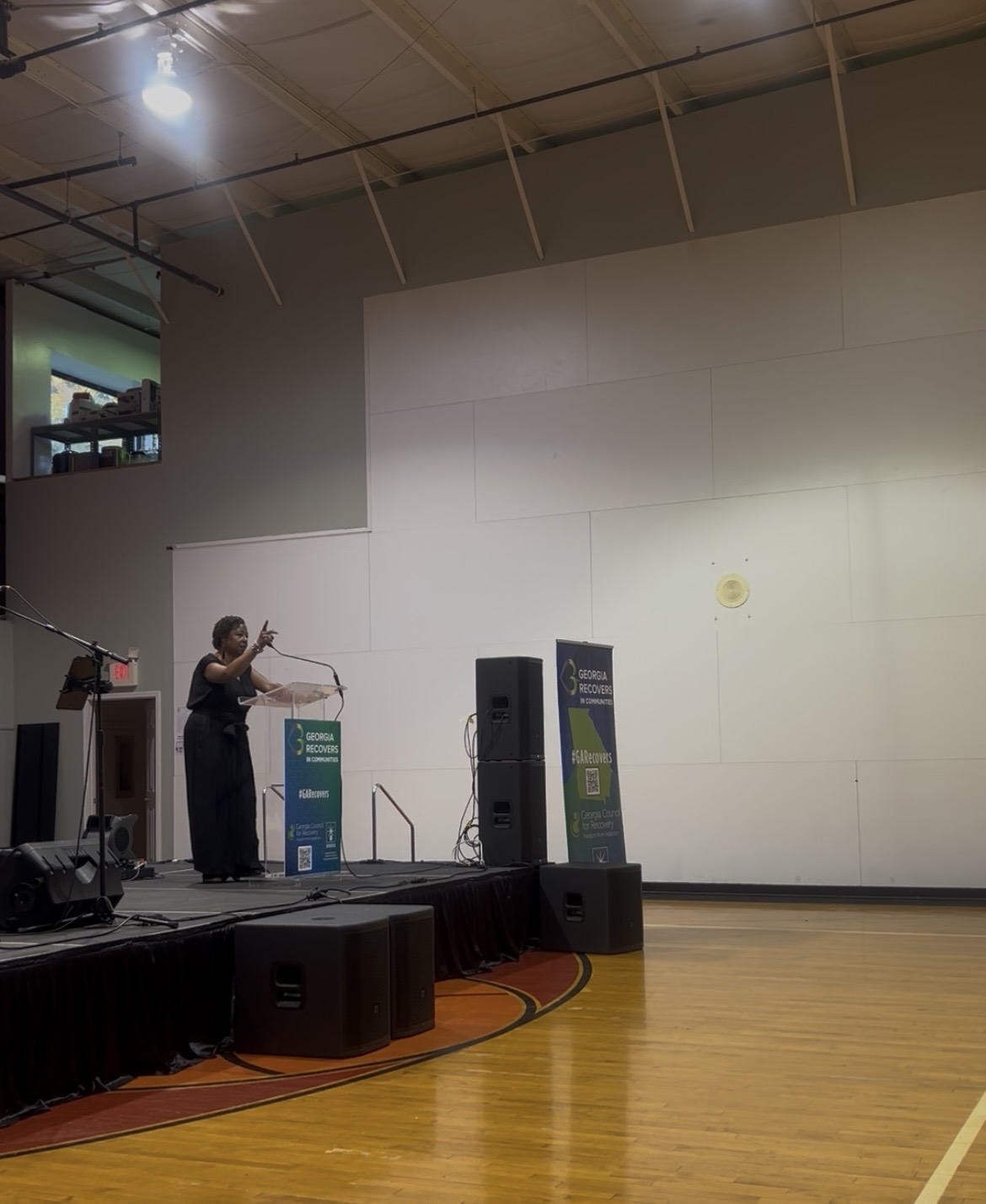
I don’t do the sanitized version. When I speak, I tell people what actually happened, including the parts that don’t flatter me, because a polished story doesn’t help anybody. It just makes the person listening feel further behind. I had a guest recently ask me for a hug after they stated that no one had ever given them the raw and honest truth and that they needed to hear it. I always say “No Excuses, just results. You don’t have to be a victim of your circumstances.”
I’m also known for translating. I can sit in a clinical meeting and speak that language, then walk out and sit with a nineteen-year-old and speak that one, and neither one is an act. That’s rarer than it should be.
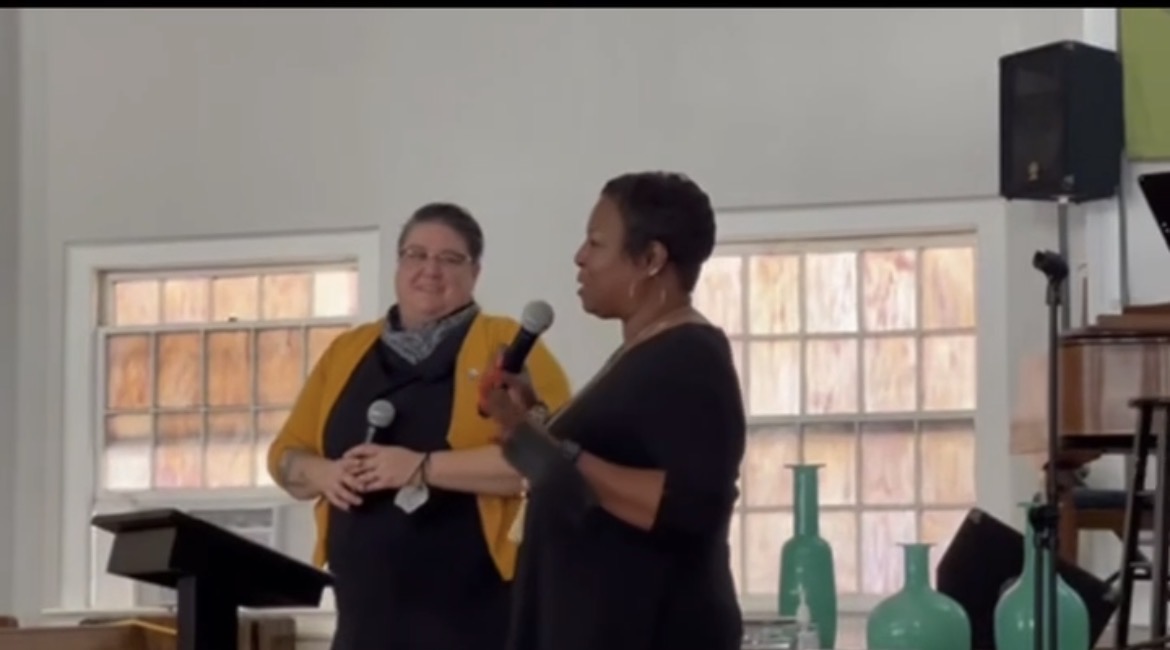
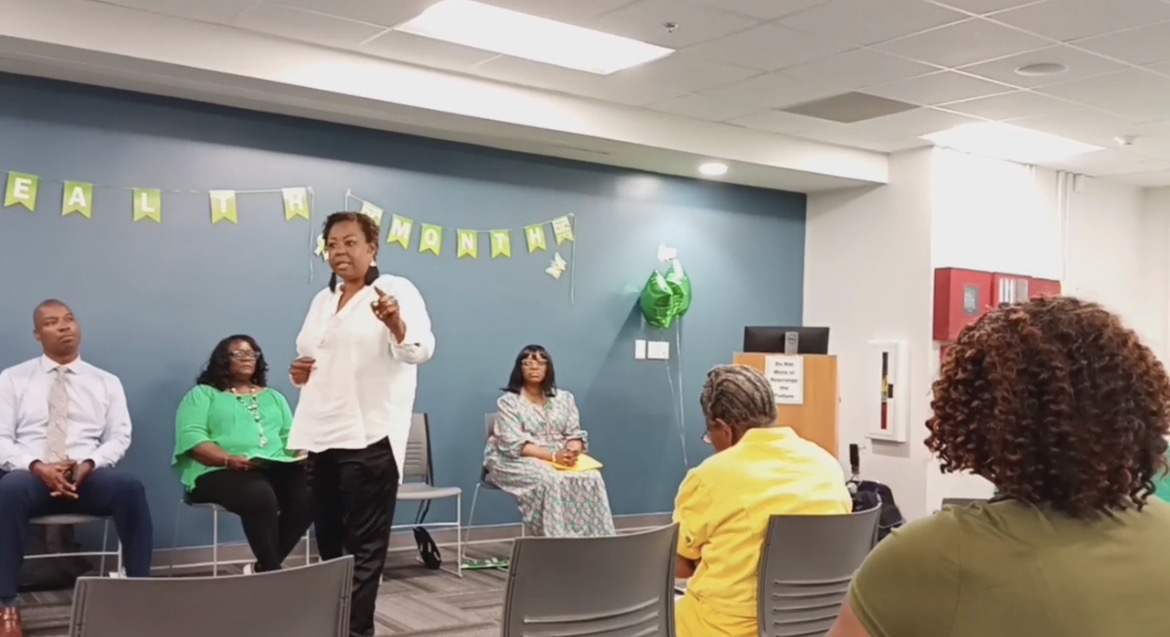
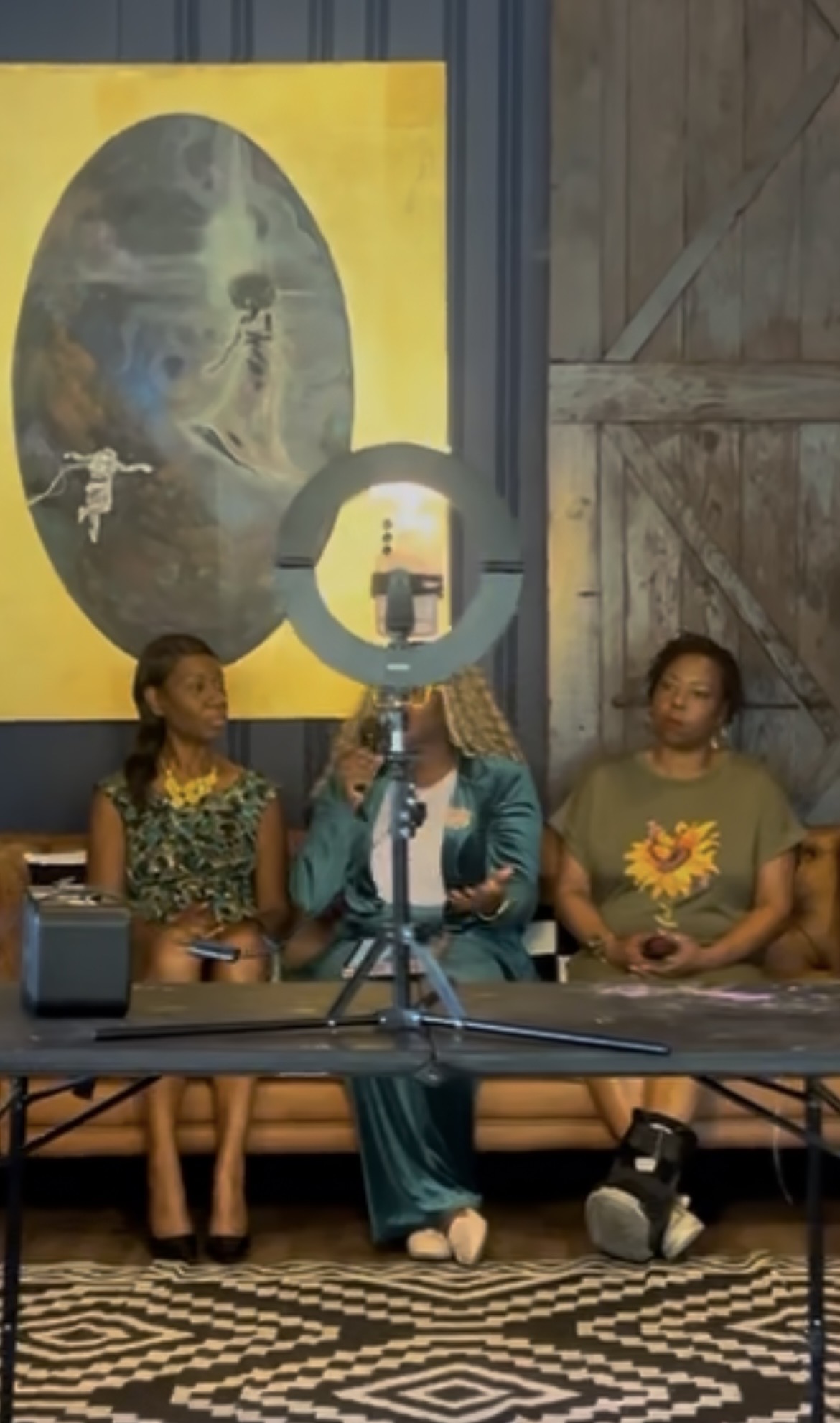
Outside of my job, I do a few things that all connect. I contract with the Georgia Department of Juvenile Justice and the Georgia Parent Support Network, doing training and direct work with young people and families. I serve as Lead Advisor on Emory University’s CPS of Color Project, which focuses on peer support specialists of color and what our communities specifically need. I speak for NAMI Georgia as an In Our Own Voice presenter. I am also a Community Resiliency Model teacher and teach and train different organizations using the CRM model, created by the Trauma Resource Institute. In 2020, I created a Youtube chanel called the “Always1Hunnid Show” with my co-host Tiffany Hall. It’s a platform that we use to talk about mental health and wellness, and other plights of our society and communities. However, the both of us got real busy and we haven’t been able to do any episodes in the last couple of years. We are going to crank it back up though. We just have to sync our schedules.
I am most proud of my book, and not for the reason people assume.
“12 Steps Into My Destiny”, came out in March under my own imprint. I own the story. Nobody edited the hard parts out to make it more comfortable, because there was nobody above me to ask.
But I’m not proud of it because it’s a book. I’m proud of it because of who it reaches. There are people reading it who would never walk into a treatment center or a NAMI meeting or a church basement. They’ll read a book though. That book gets into rooms I may never be invited to. It’s already in a couple of treatment centers.
Three things that I want people to take away from reading my book is
One, addiction is not a character flaw. It’s a brain condition with a treatment protocol, same as diabetes or hypertension. We don’t tell diabetics to just try harder.
Two, you cannot treat one and ignore the other. If somebody is using to manage untreated depression or trauma and you only address the substance, you took away their coping tool and left them with the thing they were coping with. That’s not treatment, that’s subtraction.
Three, recovery is not a straight line and a return to use is not a failed person. It’s information. It tells you the plan needs adjusting. The only thing that ends the story is stopping.
And one more. Black communities carry a particular weight on this. We are taught to pray it away, keep it in the house, don’t tell your business. Faith is real and it saved my life, but faith and treatment are not competitors. God can work through a therapist. That message is a big part of why the CPS of Color work matters to me.
Who else deserves credit in your story?
More people than I can fit here, but let me try.
My mother, Sharon. She’s a Spelman woman, and she raised me with a standard I didn’t always live up to but never stopped hearing. When I was at my worst she didn’t pretend I was fine and she didn’t write me off either. That’s a hard line to walk and most people can’t do it. She’s also the one who tells me the truth about my work when I don’t want to hear it, which is its own kind of love.
My Dad, may he rest in peace. He never did give up on me, and he got to see me in recovery. Forever, grateful for that.
My brother Vincent. Steady. Present. Don’t need me to explain myself.
My son Quenton. He didn’t ask to be a reason, but he was one. There were days the only argument I had for myself was that he was watching. He’s the reason I understand what it means to break a cycle, because I could see exactly what I’d be handing him if I didn’t.
The Paula Crane center that helped me reemerge as a healthy and productive person, ready to carry the message to those still sick and suffering.
The organizations that gave me a platform before I had my own. NAMI Georgia, Georgia Parent Support Network, the Department of Juvenile Justice, Mary Hall Freedom House, Fulton County Board of Health, and the Emory CPS of Color Project. Every one of them put me in front of a room and trusted that I’d handle it. That’s how a career actually gets built, one person deciding you’re worth the risk.
Every person who told me their story back. After I speak, somebody almost always comes up and says “that’s me, and I’ve never told anybody.” Those people think I gave them something. They gave me my purpose. There’s no version of my work that exists without them.
And Marleigh. My pit bull. I included her in my book because she earned it. Anybody who’s had a dog through a hard season understands.
Last thing. I don’t believe I did any of this by myself, and I don’t believe I did it by my own strength alone. I was covered before I knew I was covered. I’ve got no other way to explain making it out when so many others didn’t. GO GET MY BOOK, it’s really good.
Contact Info:
- Website: https://rekajones.com
- Instagram: rekajfromdaa
- Facebook: reka jones
- LinkedIn: Reka Jones
- Youtube: Always1Hunnid Show
- Other: 12 Steps Into My Destiny: A Manual for Living Through Anything https://www.amazon.com/dp/B0GTFS2YNC
Popular
-

Hidden Gems: Local Businesses & Creatives You Should Know
-

ATL’s Most Inspiring Stories
-

Portraits of Atlanta
-

How Cameron Zabko Is Helping Families Build Financial Confidence Through Trust, Planning, and Meaningful Conversations
-
Nury Crawford is Helping Writers Discover That Their Voice Already Matters
-

Why Tiyonna Griffin Believes Confidence Is the Most Beautiful Thing You Can Create