

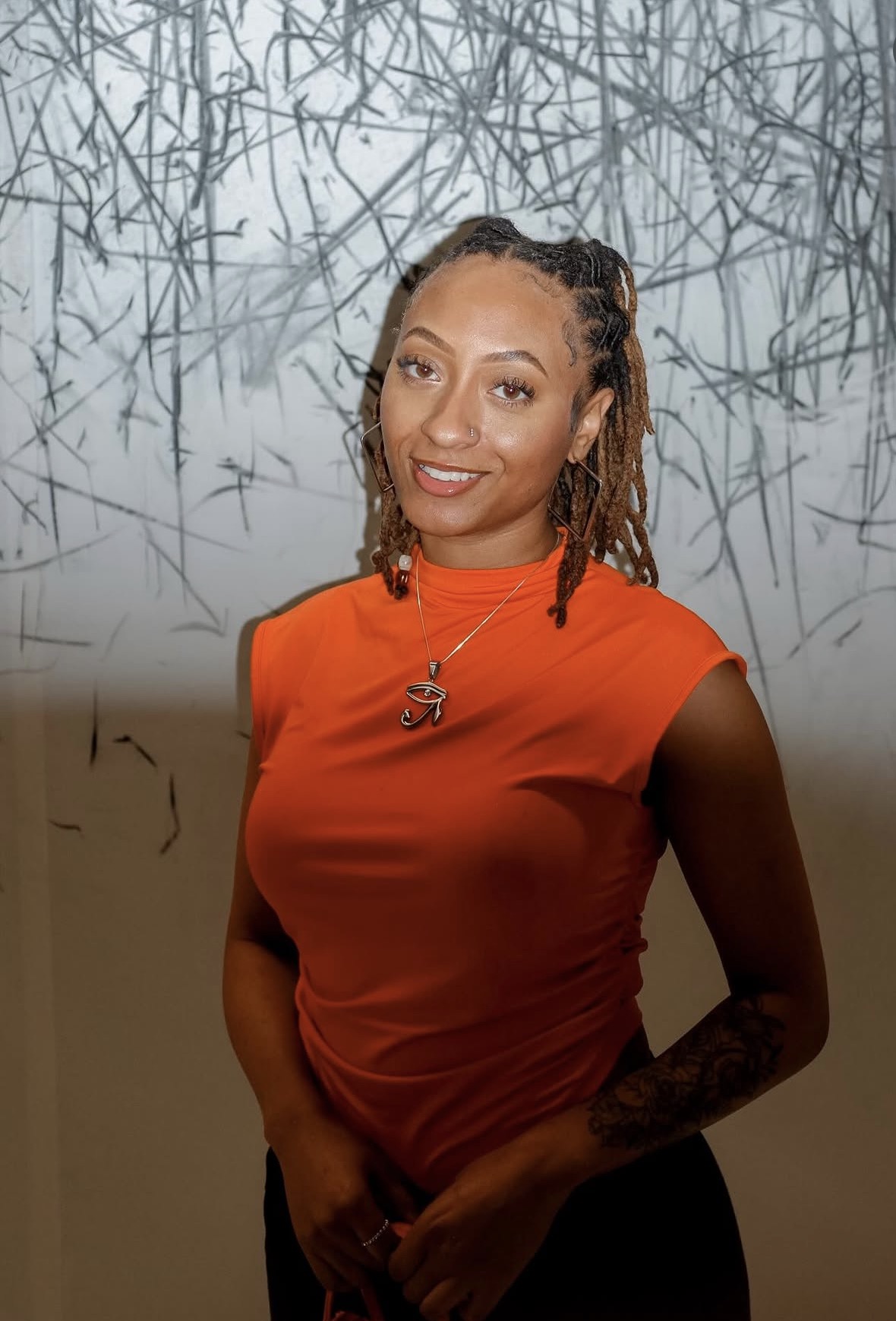
Today we’d like to introduce you to Kayla Sullers.
Kayla, we appreciate you taking the time to share your story with us today. Where does your story begin?
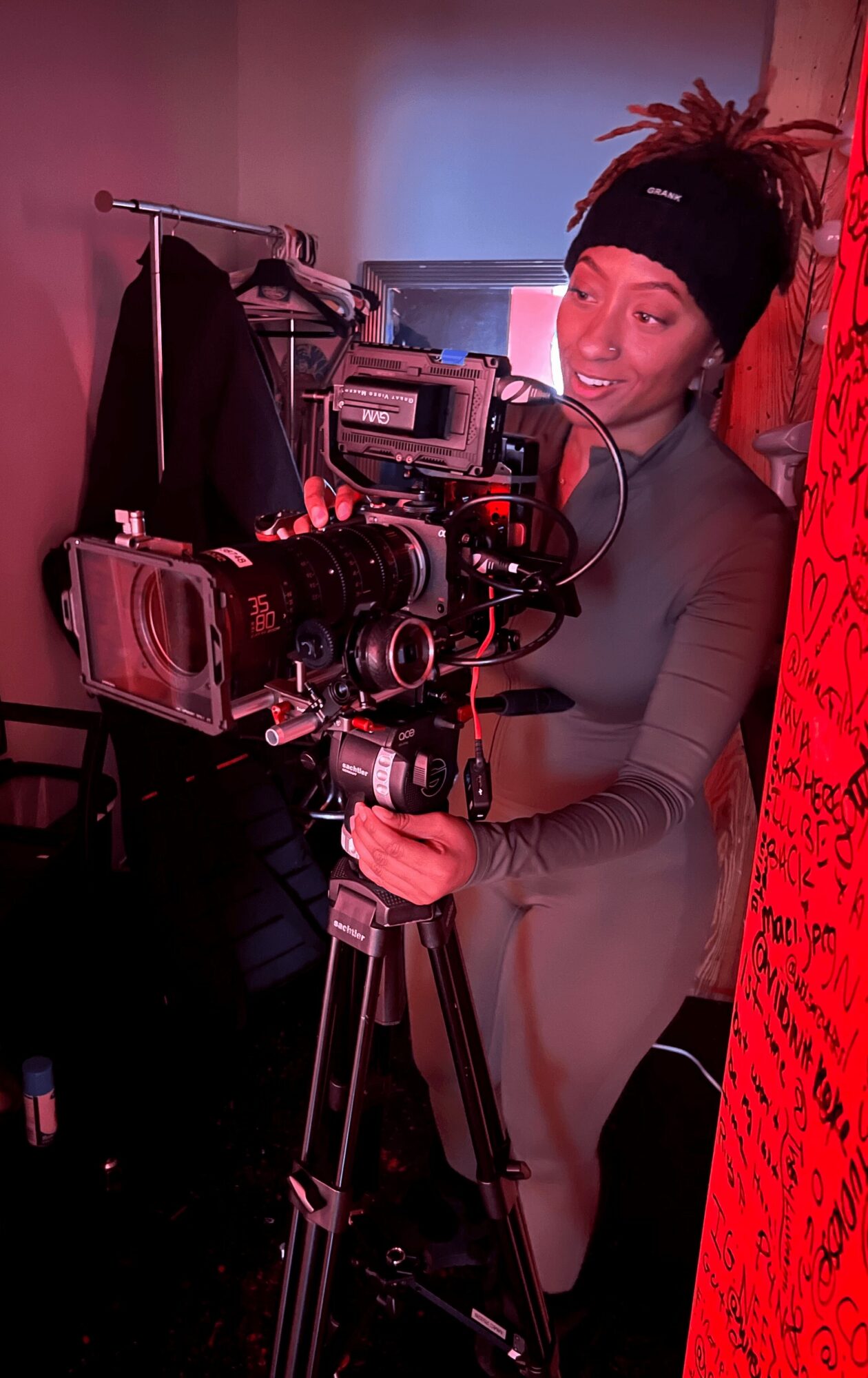
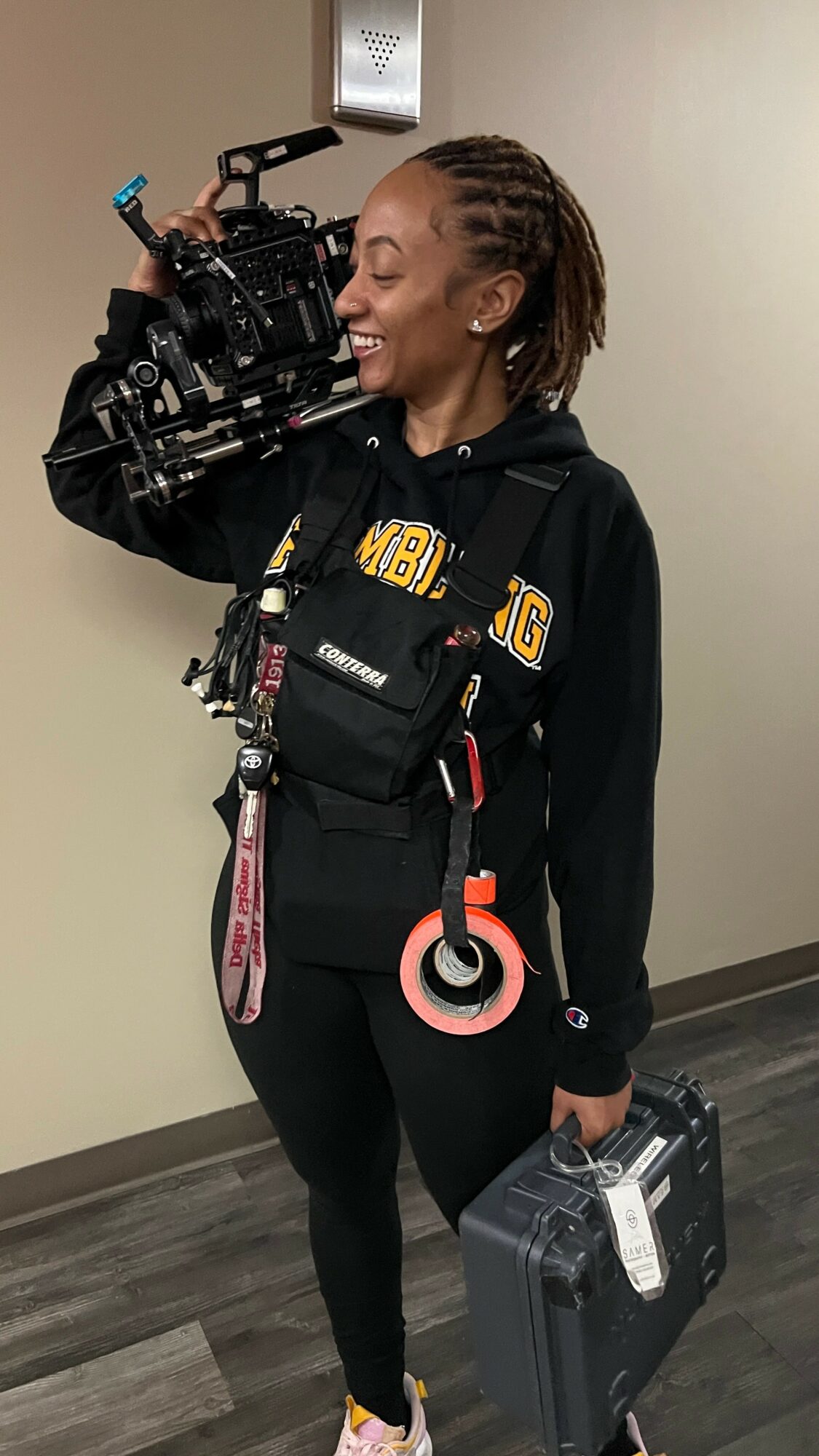
I’ve always been drawn to visual storytelling for as long as I can remember. Growing up, I found inspiration in music, emotion, color, people, and the small details that made everyday life feel cinematic. What started as curiosity slowly evolved into a deep passion for filmmaking, music, and creative direction. As I got older, I worked my way into professional production spaces throughout Chicago and had the opportunity to contribute to projects across television, film, music, and independent productions. Those experiences shaped not only my technical skills, but also my understanding of collaboration, adaptability, and the emotional power visuals can hold.
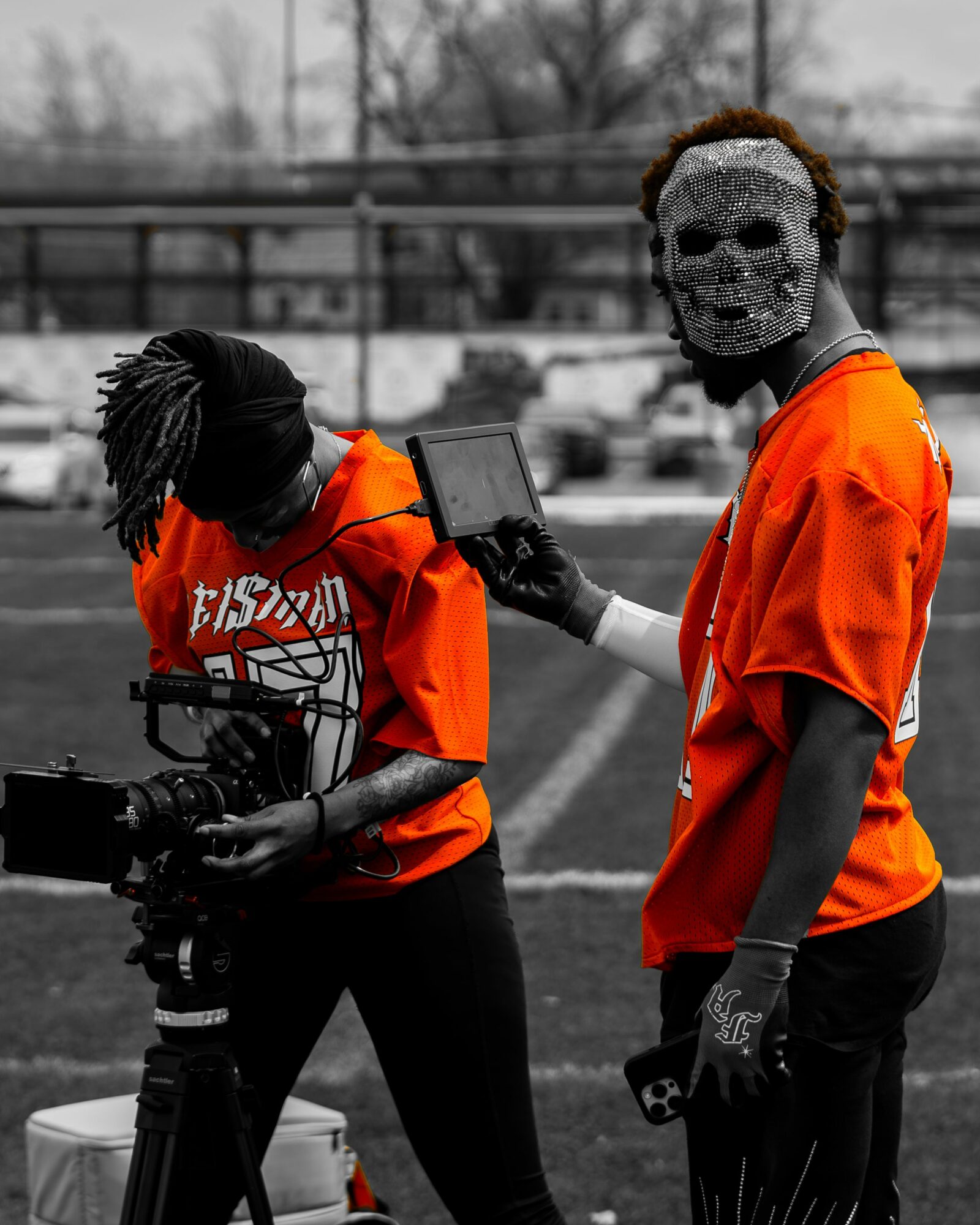
Over time, I realized I wanted my work to exist beyond traditional production spaces, which led me to founding Beauty Beyond The Lens, a production company rooted in storytelling, education, and community connection. Through that journey, I’ve been able to direct visuals, work as a cinematographer, mentor young creatives, teach filmmaking students, and collaborate with artists and organizations in ways that feel meaningful and fulfilling. Right now, I’m continuing to evolve creatively through larger creative direction projects, music-driven visuals, and community-focused initiatives while giving myself the freedom to keep learning, experimenting, and growing both as an artist and as a person.
We all face challenges, but looking back would you describe it as a relatively smooth road?
It definitely has not been a smooth road, but I think every challenge along the way has shaped me into the artist and person I am today. Working in film production as a Black woman cinematographer means constantly navigating spaces where representation is still extremely limited. Members of International Cinematographers Guild who are Black women make up an incredibly small percentage of the industry, often referenced around 0.09%, and there have been many moments where I’ve walked onto sets or into rooms knowing I was the only person who looked like me in that role. That reality can feel isolating at times, especially in an industry that demands confidence, technical precision, leadership, and resilience all at once.
Beyond representation, there’s also the emotional and physical challenge of sustaining yourself in a fast-paced creative industry while still protecting your identity, mental health, creativity, and sense of self. I’ve faced rejection, burnout, self-doubt, financial uncertainty, and moments where I questioned whether I truly belonged in certain spaces. But I’ve learned that perseverance is everything. I kept showing up, kept learning, kept building relationships, and kept believing in my voice even during moments where things felt unclear. At the same time, those experiences pushed me to create the kind of environments and opportunities I wished existed more often for people like me. That’s a big reason why mentorship, education, and community-building became such an important part of my journey. I want the next generation of young Black creatives to see possibility instead of limitation when they enter these spaces.
Thanks for sharing that. So, maybe next you can tell us a bit more about your work?
I’m a filmmaker, cinematographer, creative director, and educator who specializes in visual storytelling rooted in emotion, atmosphere, music, and human connection. A lot of my work exists within the worlds of music, culture, documentary filmmaking, and community-centered storytelling. I’m especially drawn to projects that allow me to build strong visual identities and immersive worlds through color, movement, lighting, composition, and emotion. Over the years, I’ve had the opportunity to work across major television and film productions including Empire, Snowfall, Candyman, Shining Girls, Power Book IV: Force, The Chi, and Love Is Blind. Those experiences helped shape my technical discipline, adaptability, and understanding of high-level production environments while continuing to fuel my passion for storytelling through visuals.
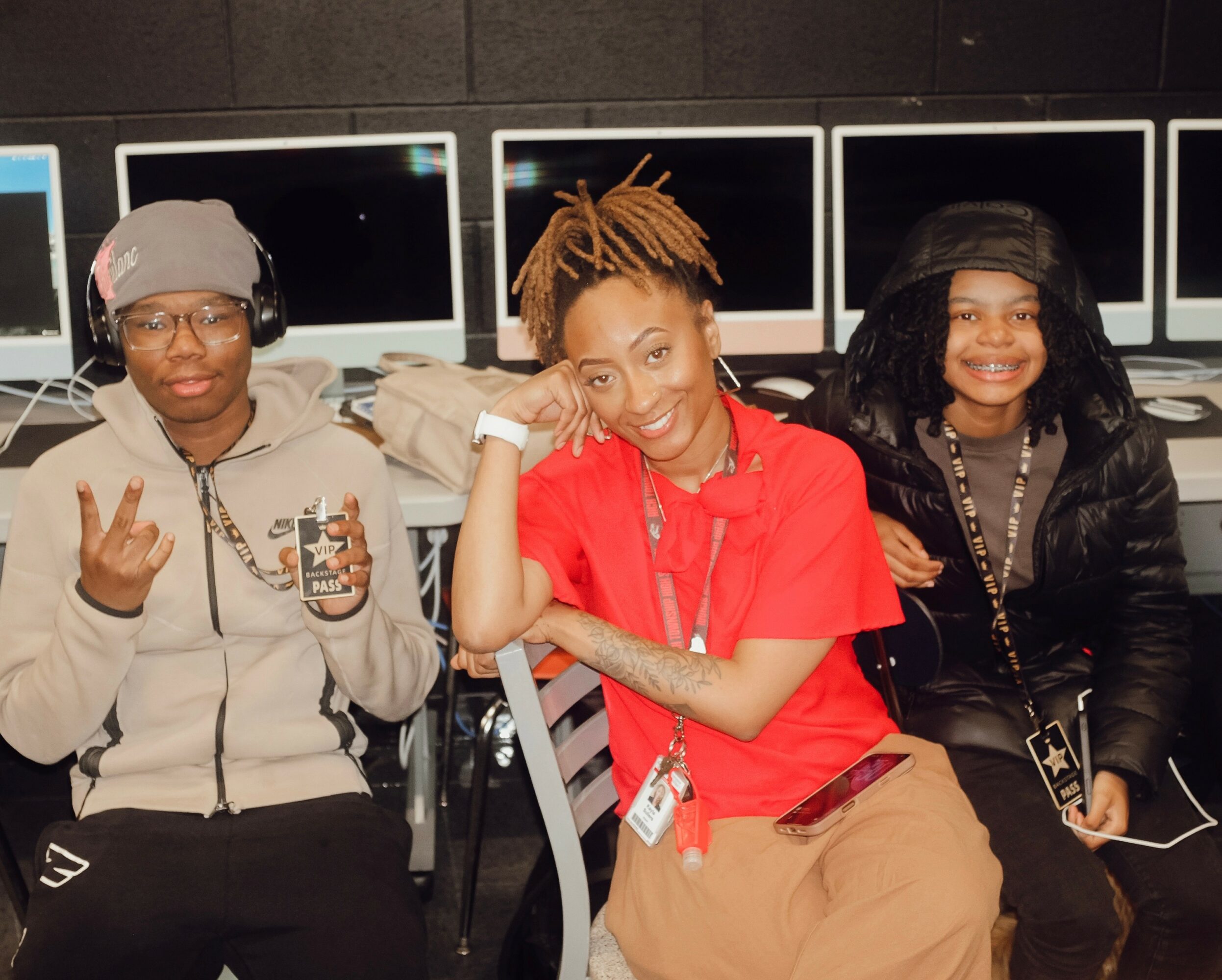
What I’m most proud of honestly goes beyond the visuals themselves. I’m proud that I’ve been able to build a career while also pouring back into my community through mentorship, education, and creating opportunities for emerging creatives. Through my production company, I’ve been able to merge professional filmmaking with impact-driven work in a way that feels authentic to who I am. I think what sets me apart is that I approach creativity from both an artistic and human perspective. I care deeply about collaboration, emotional honesty, and creating environments where people feel safe enough to fully express themselves creatively. I’m a multidisciplinary artist, so I pull inspiration from many places outside of film alone, music, flowers, movement, fashion, design, travel, and everyday life all influence the way I build visuals. I never want my work to feel empty or purely aesthetic. I want it to carry energy, intention, and emotion.
We’d love to hear about how you think about risk taking?
I think being an artist automatically requires a certain level of risk-taking. Choosing a creative career means stepping into uncertainty constantly. There’s no guaranteed blueprint, timeline, or formula for success, especially in the film industry. A lot of the risks I’ve taken weren’t always loud or dramatic from the outside, but they completely changed the direction of my life. Choosing to fully pursue filmmaking as a Black woman in an industry where representation is still extremely limited was a risk in itself. Starting Beauty Beyond The Lens
and building something rooted in both artistry and community impact was another. Even stepping into leadership roles as a creative director, educator, and mentor required me to trust myself before I fully felt “ready.”
I’ve also learned that some of the biggest risks come from allowing yourself to evolve publicly. There were moments where I could’ve stayed comfortable creatively, but instead I chose to experiment, pivot, explore new creative lanes, teach, direct, and challenge myself artistically even when failure was a possibility. I think risk becomes less scary when you realize growth rarely happens inside comfort. Of course, fear still exists. I don’t think courage means being fearless, I think it means moving forward despite the fear because you trust the vision enough to try.
At the same time, I don’t believe risk-taking should be reckless. I think there’s power in being intentional, prepared, and grounded while still allowing yourself to dream big. Some of the most meaningful opportunities in my life came from taking chances on myself before there was proof everything would work out. Sending the email, applying for the opportunity, introducing myself in the room, pitching the idea, traveling somewhere unfamiliar, or creating work before having all the resources I thought I needed. Sometimes the risk is simply believing you deserve to take up space in the first place.
Contact Info:
- Website: https://www.beautybeyondtl.com/
- Instagram: https://www.instagram.com/kaylacymonee/?hl=en
- Facebook: https://www.instagram.com/BeautyBeyondTL/?hl=en
Popular
-
Dr. Cortnie Baity on Expanding Beyond Therapy to Build Scalable Tools for Intentional Living and Relationships
-

Dr. Shameka Campbell on Embracing a New Identity and Guiding Others Toward Purpose and Spiritual Breakthrough
-

ATL’s Most Inspiring Stories
-
Kareem “Reemo Meerak” Tyson on Building The C.U.T.S. Podcast and Creating a Space Where Culture Lives and Breathes
-

Hidden Gems: Local Businesses & Creatives You Should Know
-

Portraits of Atlanta