




Today we’d like to introduce you to Romy Aura Maloon.
Hi Romy Aura, so excited to have you with us today. What can you tell us about your story?
My name is Romy Aura Maloon. I am an artist, an advocate, and a cultural curator. Growing up a first-generation American with South African parents, I had a perspective that often felt a little out of sync with the suburban environment in which I was raised, outside Atlanta, in Marietta. Even as a kid, I felt anxiety and frustration around how disconnected and car-dependent suburban life could be, though I didn’t really have the language for it at the time. Looking back, that early experience shaped so much of what I care about today: public art, public space, mobility, third spaces, and opportunities for people to connect.
I pursue those interests through art. I studied installation and large-scale sculpture at the Ringling College of Art and Design in Florida and a residency at Parsons in New York. I’ve had opportunities to show work in a variety of places, including Atlanta’s own Elevate public art program and on the One Times Square building in New York. My work has always been rooted in how people experience space and how environments shape behavior.
I spent several years in Los Angeles, where, among other things, I managed arts and culture programming for Jamestown LLC’s LA properties and supported projects in San Francisco. Living in LA for five years was incredibly influential for me. I loved the density, the energy, the aesthetic, and being close to wild nature. But during the pandemic, I decided to move back to Atlanta to be closer to family, and that transition ultimately led me into public service.
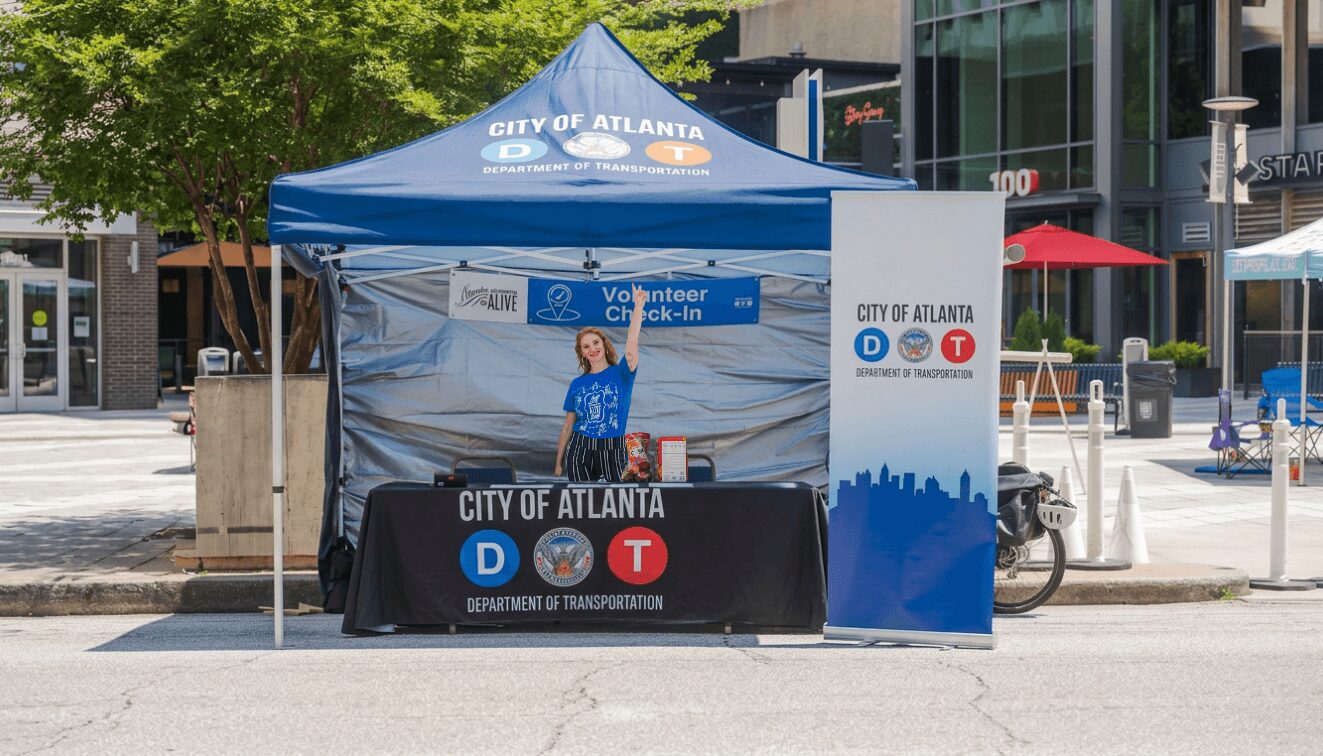
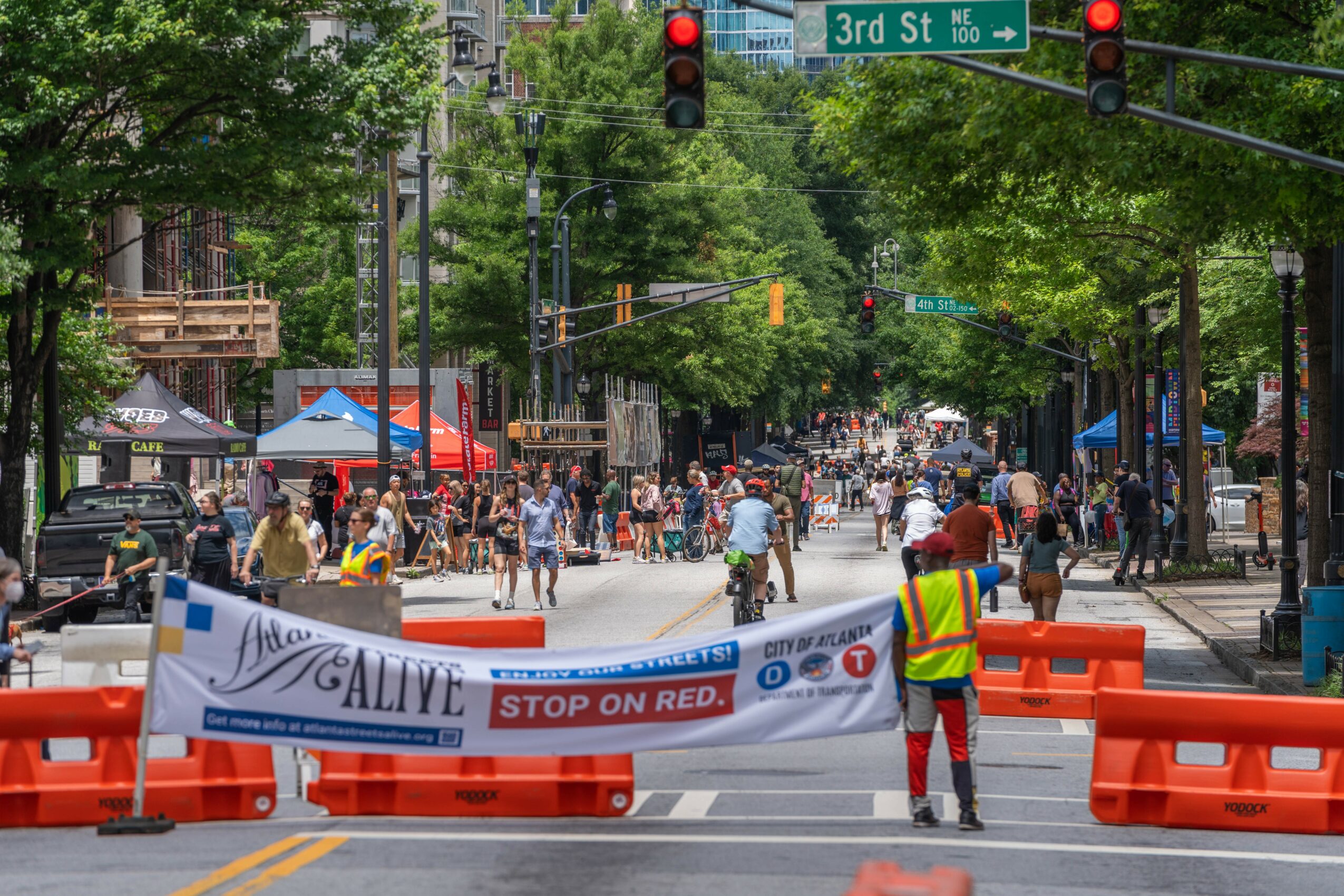
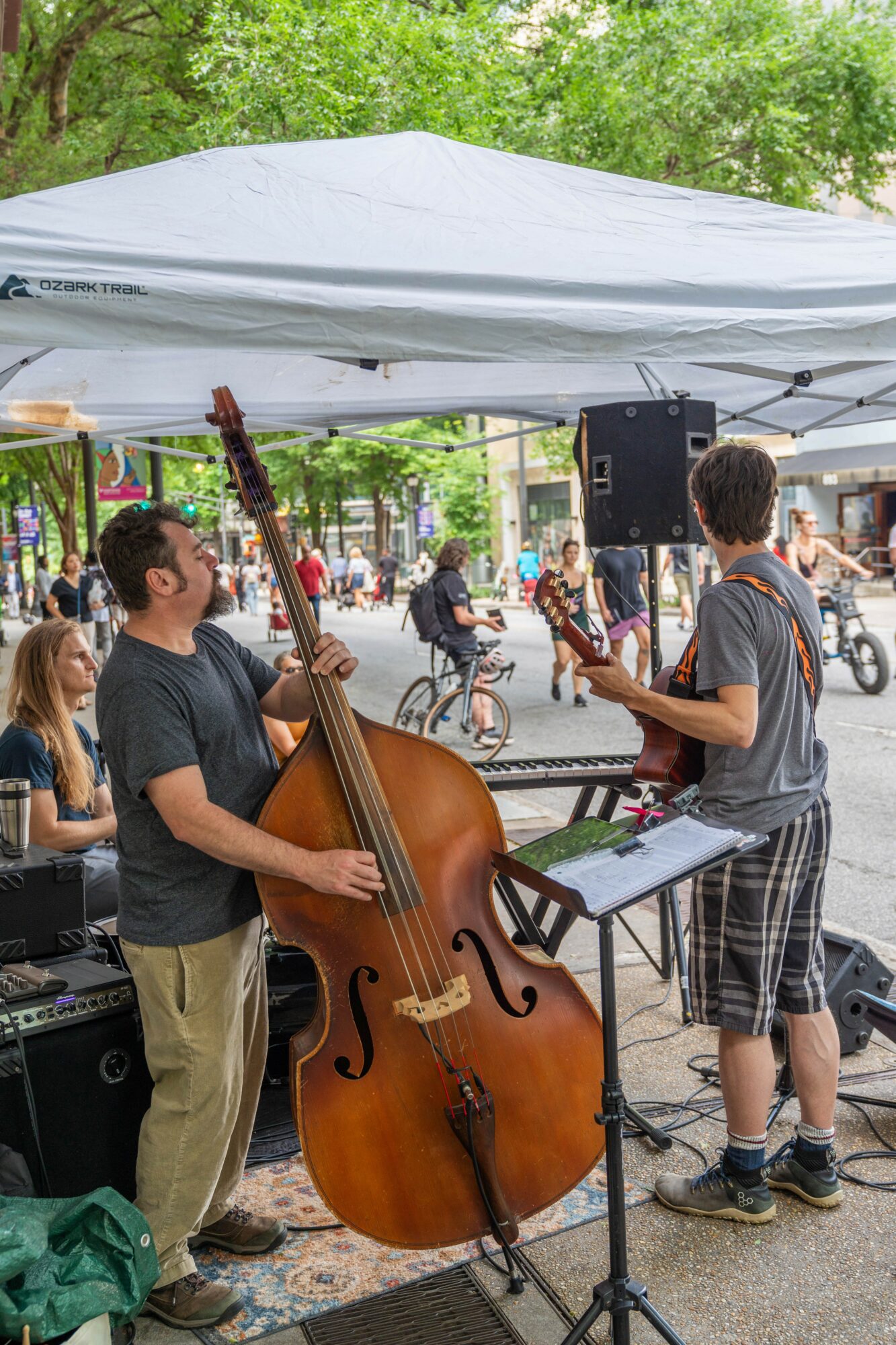
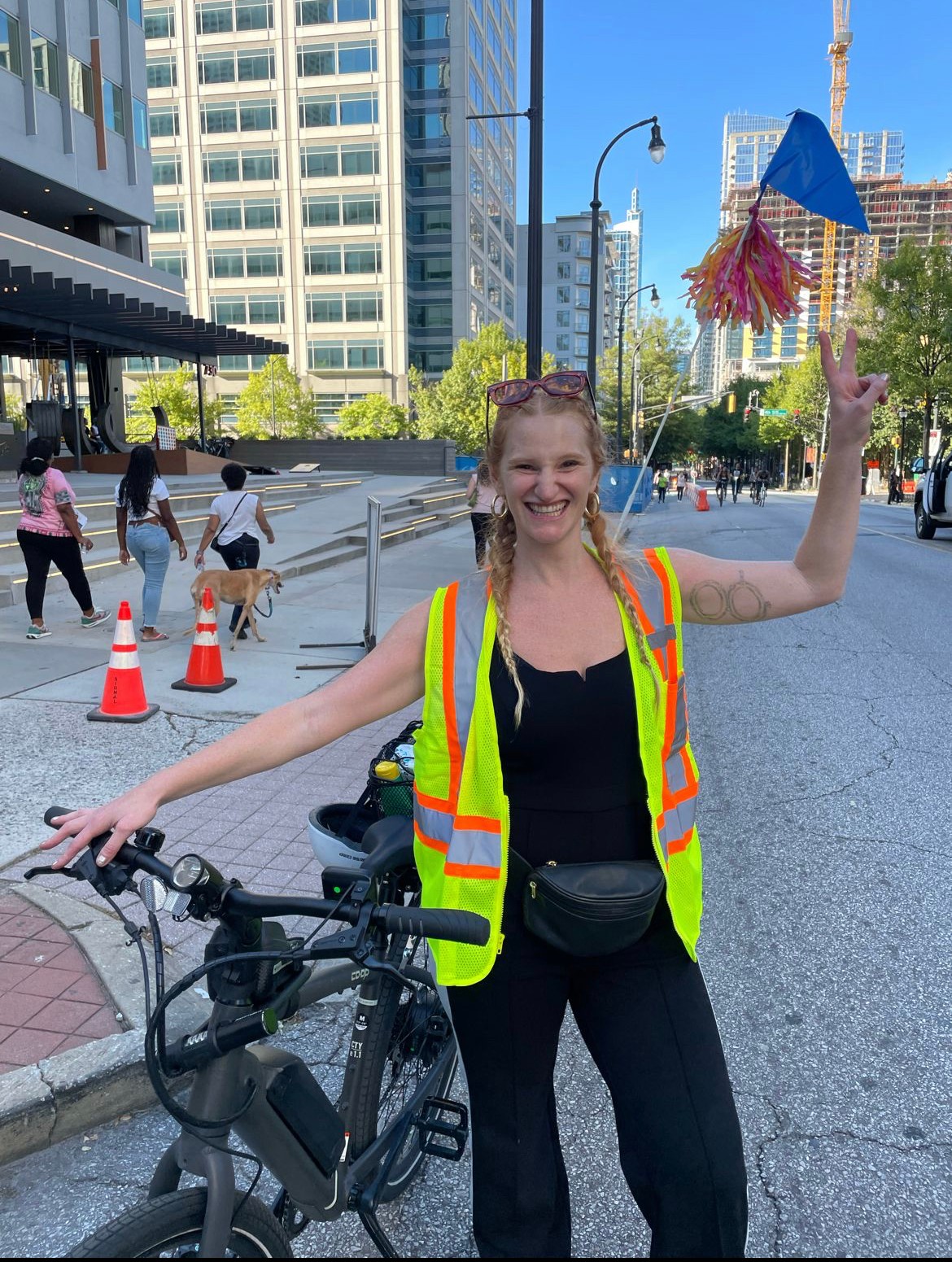
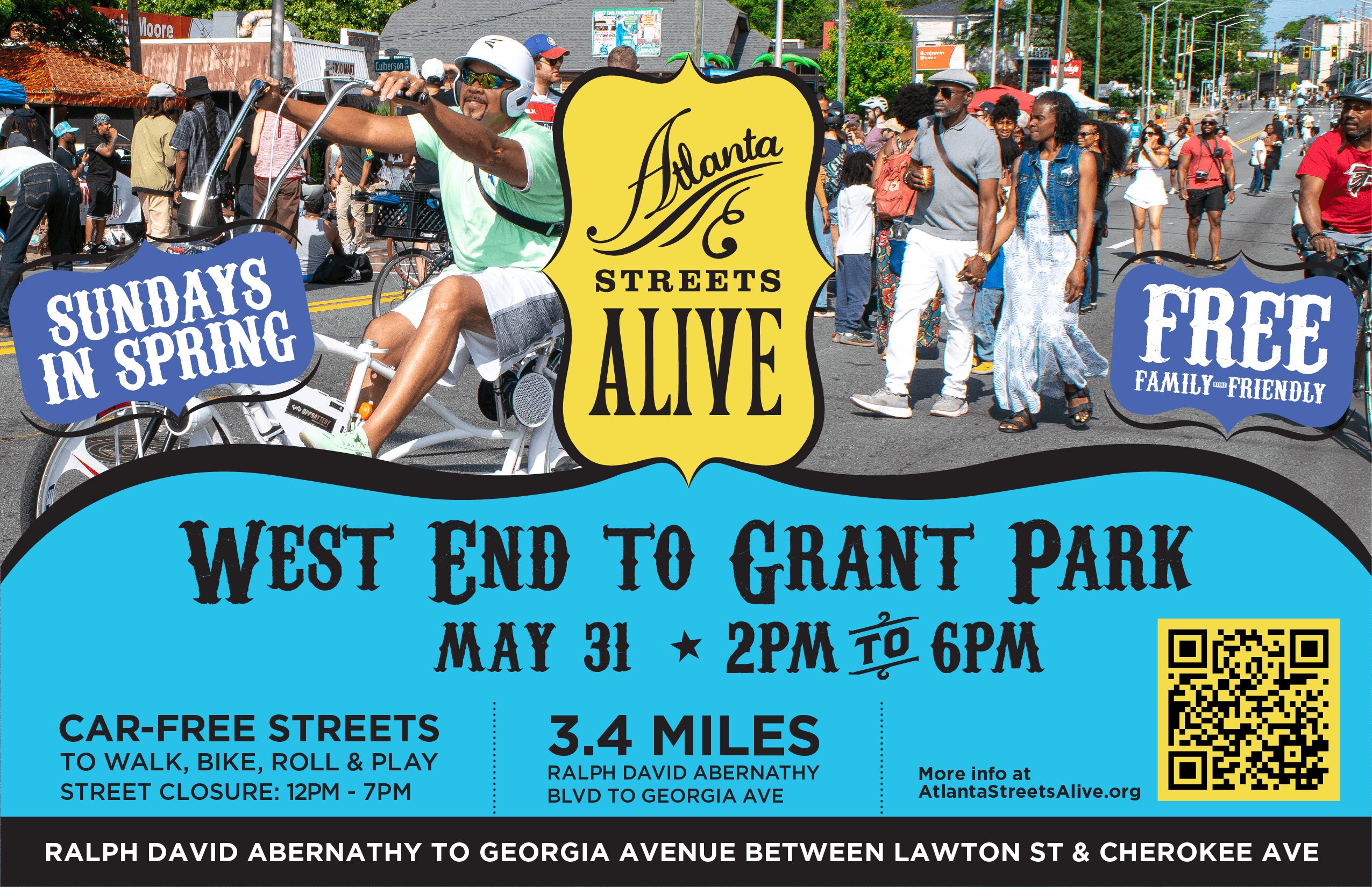
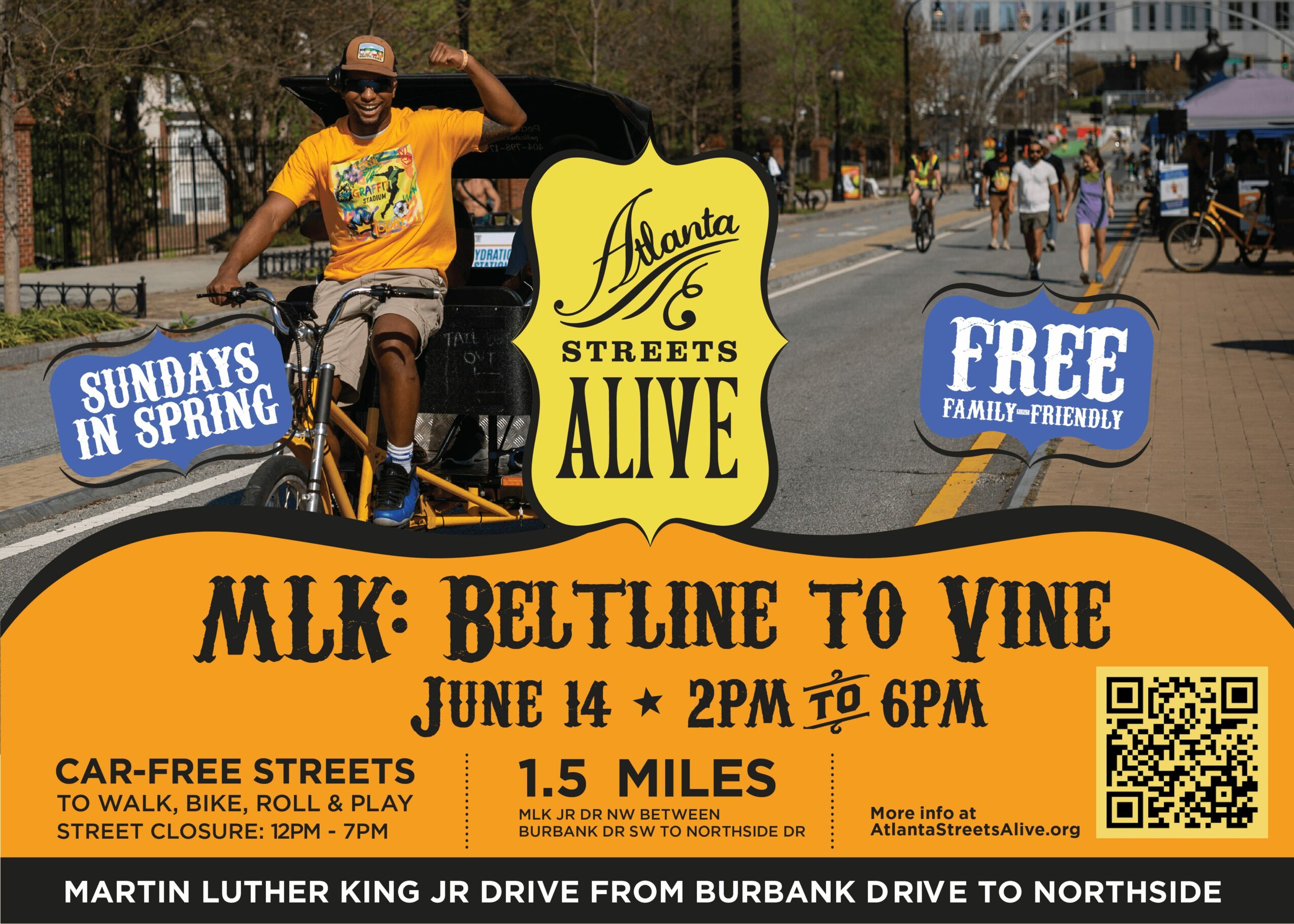
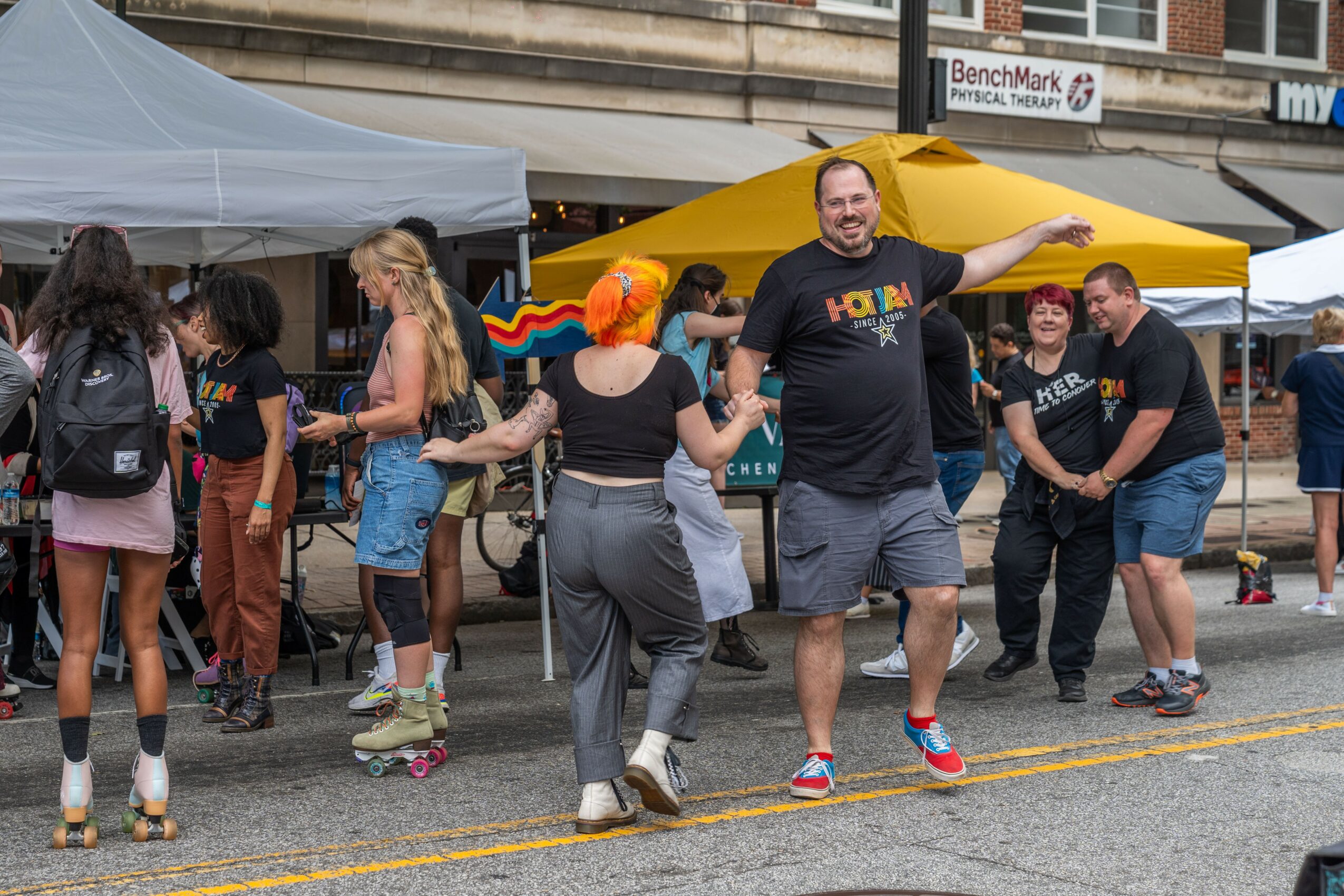
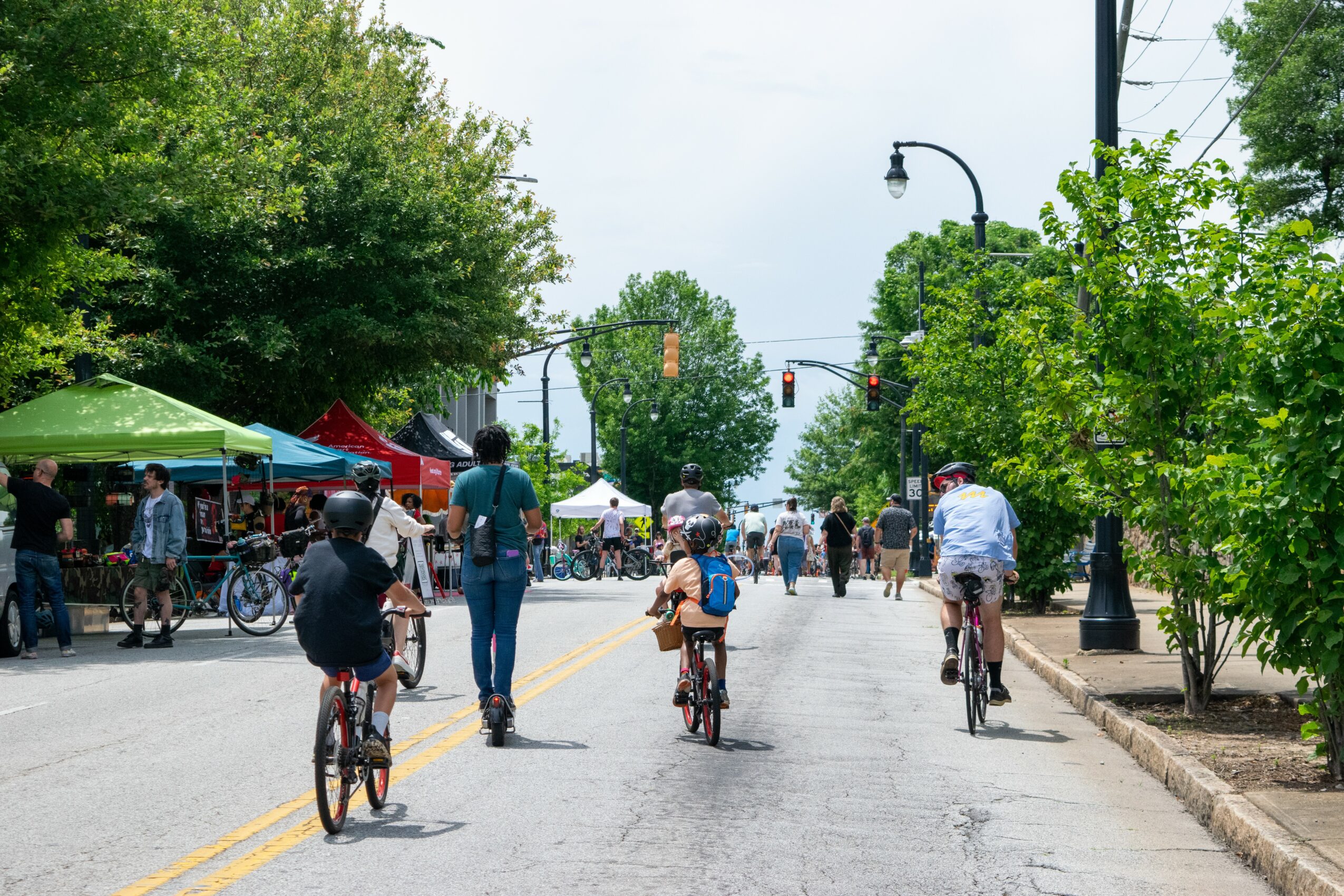
Shortly after returning, I joined the City of Atlanta, and since 2023, I’ve had the privilege of leading Atlanta Streets Alive. Atlanta Streets Alive (ASA) opens streets temporarily for constituents to bike, walk, skate, dance, and play. It is FREE to the public; the event turns the street into a park space that connects our city. In short, we close the streets to cars and open them for people. To encourage attendees to travel the length of the route and to encourage general vibrancy, we have the community host activities on the street.
A big part of my approach has been developing what I call our “stewardship program.” Whenever we enter a new neighborhood, we cast a very wide net and identify the people who naturally go above and beyond in bringing their community together. We empower those local stewards to help shape programming, outreach, and participation in ways that feel authentic to their neighborhood. I’m really proud of creating a framework where residents and organizations feel ownership over the event and can host their own activations and community engagement during Streets Alive.
At the core of everything I do is a belief in unbridled creativity as a tool for shaping shared experience, creating moments in the public realm where people feel connection, freedom, and a sense of belonging.
I’m sure it wasn’t obstacle-free, but would you say the journey has been fairly smooth so far?
If I’m being true to myself, I’ve always wanted to be an artist making weird objects by the ocean. If I could, I’d probably live by the sea, making seashell lamps. But I’ve realized over time that creativity can take a lot of different forms, and for me, that’s become creating experiences and opportunities for connection in public space.
One of the biggest challenges was transitioning the program from a beloved nonprofit-led initiative, which Propel ATL had run for a decade, into a sustainable City-run program without losing the grassroots energy and DIY spirit that made it special in the first place.
My biggest learning curve was stepping into public service through Atlanta Streets Alive. My background was in arts organizations, cultural programming, and nonprofits, where the structures tend to be a bit more flexible and internal. Working for the City introduced a completely different dynamic; learning public processes, navigating bureaucracy, and understanding what it means to be openly accountable to the public in a very visible way.
I also recognize that being a creative and artistic person and being someone who can organize and execute ideas is an asset. I’m very empathetic to the creative process and to the people behind it, but I’m also able to harness that energy and guide it into a completed project or shared public experience. In some ways, I think that’s become my greatest artistic skill. Not just making things, but creating the conditions for people, ideas, and communities to come together in meaningful ways.
As you know, we’re big fans of you and your work. For our readers who might not be as familiar what can you tell them about what you do?
I work for the City of Atlanta’s Department of Transportation, where I run the Atlanta Streets Alive open streets program. Atlanta Streets Alive (www.atlantastreetsalive.org) temporarily opens miles of city streets for people instead of cars, creating space for communities to gather, move freely, and experience the city in a completely different way. It’s part public event, part civic engagement platform, and part cultural happening.
One of the things I love most about the program is that we encourage partners to “activate the street” however they feel inspired to participate. That can mean an artist writing free poems for strangers, a nonprofit sharing resources and encouraging membership, a dance or fitness class in the middle of the road, or City departments helping residents better understand the services available to them. I once heard open streets described as “the world’s longest classroom or exhibition,” and that idea has always stayed with me.
I work within our Strategy and Planning division alongside incredibly intelligent coworkers, most of whom are engineers or city planners, and I’m probably the only person on staff whose academic background includes studying 1970s performance art. I think that perspective is valuable in transportation work because I approach streets not just as infrastructure, but as social and cultural space.
The Department of Transportation is also still a relatively new agency for the City. I’ve learned an enormous amount about how municipal projects actually happen. One thing that has genuinely impressed me is the patience and persistence of my colleagues. Bureaucratic processes move very slowly, especially on long-term infrastructure projects, but the people I work with care deeply and work incredibly hard to implement meaningful improvements for Atlanta residents.
I think that’s also why I’m so drawn to events and temporary public art. The timeline is more immediate, and you can directly witness the impact you’re creating in real time.
I approach civic programming as both an artist and an organizer. I’m interested in how cities feel, not just how they function operationally. A lot of my work is about creating frameworks where communities can participate creatively and feel ownership over public space. I’m most proud of building systems within Atlanta Streets Alive that empower neighborhoods and local stewards to shape the experience themselves, because ultimately the best public programs are the ones that feel genuinely rooted in the people they serve.
What makes you happy?
Happiness is sleeping in, hot yoga, biking through a city I’ve never been to before, spending time with my family and close friends, dancing until you’re pouring with sweat, and hosting at my home. I love creating spaces where people can relax, connect, and feel comfortable being themselves.
Contact Info:
- Website: www.romyauramaloon.com and www.atlantastreetsalive.org
- Instagram: https://www.instagram.com/atlantastreetsalive
- Facebook: https://www.facebook.com/ATLStreetsAlive
- LinkedIn: https://www.linkedin.com/in/romy-maloon
- Other: https://romy-maloon-fineart.squarespace.com
Popular
-

Darren Paltrowitz on Blending Investigation, Media, and Culture to Uncover the Stories Behind the Stories
-

Naeemah Jade on Redefining Networking Through Trust, Proximity, and Intentional Community
-

Dr. Cortnie Baity on Expanding Beyond Therapy to Build Scalable Tools for Intentional Living and Relationships
-

Dr. Shameka Campbell on Embracing a New Identity and Guiding Others Toward Purpose and Spiritual Breakthrough
-

ATL’s Most Inspiring Stories
-

Kareem “Reemo Meerak” Tyson on Building The C.U.T.S. Podcast and Creating a Space Where Culture Lives and Breathes