




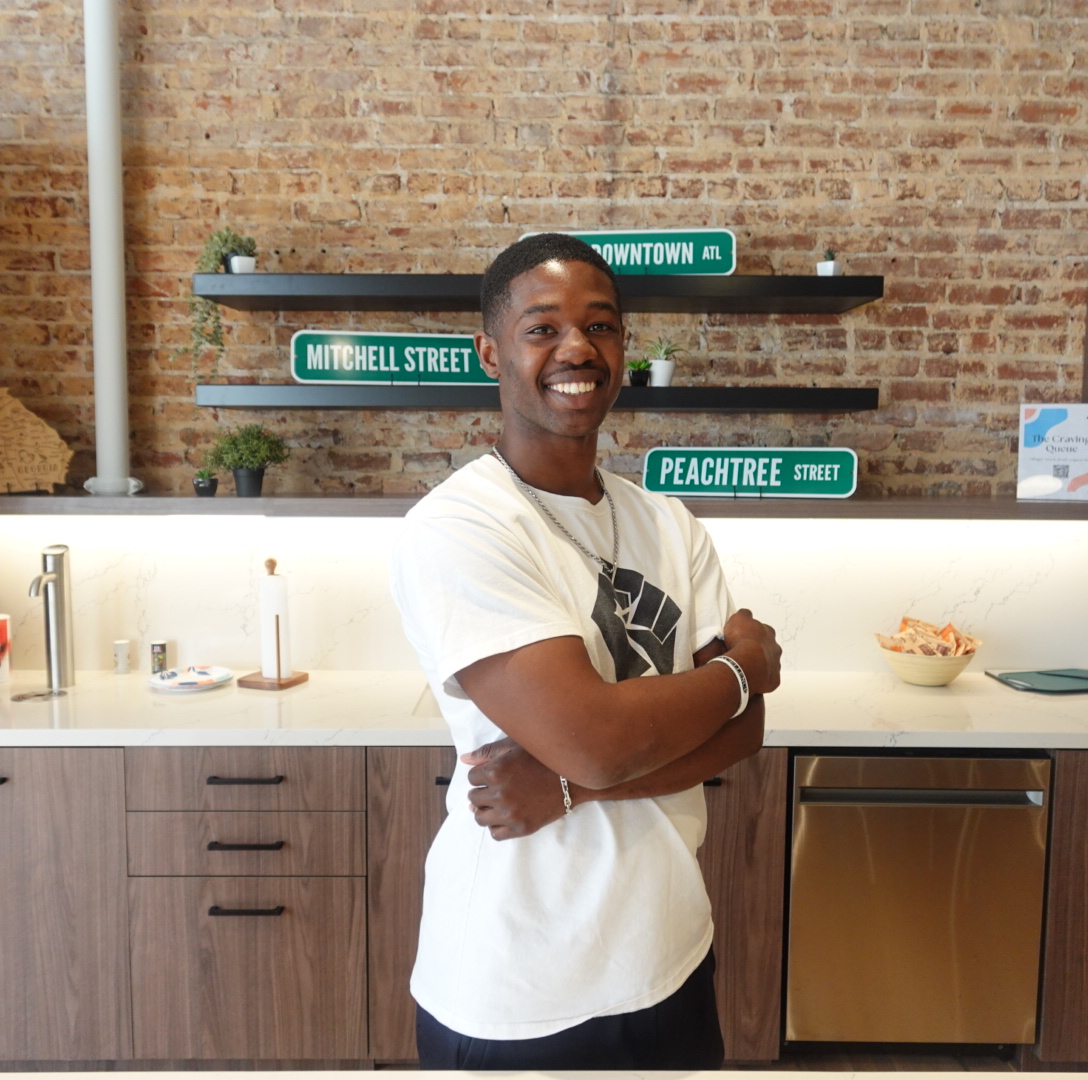
Today we’d like to introduce you to Langston Thomas.
Hi Langston, we’re thrilled to have a chance to learn your story today. So, before we get into specifics, maybe you can briefly walk us through how you got to where you are today?
My mom had me during her last year of undergrad at Howard University. After she graduated, I spent my early years in a diverse, low-income Black and Hispanic community in Montgomery County, Maryland. I felt comfortable growing up because of the strength of my mother, who raised me alone while my father was imprisoned for eight years. When my father returned home and married my mother, my life finally felt whole. But that wholeness was short-lived—my father passed away in 2008, when I was in 4th grade. His death changed my life forever.
After finishing elementary school the next year, my mother, younger sister, and I moved into an affluent, predominantly white and Asian community for access to better schools. From middle school onwards, I was often deprived of people I could relate to and quickly became a target of racism and classism in school. As the only Black student in many of my classes, both peers and teachers made academic spaces unsafe for me on a daily basis. Despite constant profiling, internalized racism, and mental health challenges, education became one of my greatest superpowers.
At the end of high school, I was awarded the Posse Leadership Scholarship and attended Grinnell College on a full-tuition scholarship. I majored in political science and studied abroad in Ecuador. Throughout college, I realized that racism wasn’t just an American reality—it was global. I began exploring avenues for positive structural change, including grassroots organizing, local politics, and empirical analysis.
After completing undergrad, I moved from Iowa back to D.C. to continue pursuing structural change. I worked as an immigration paralegal and later as a tenants’ rights specialist, but I eventually decided to return to school to expand my ability to create change beyond temporary or surface-level solutions.
In Fall 2022, I moved to Atlanta and earned a master’s degree in political science at Georgia State University. While studying, I worked with community organizations, local businesses, and governmental bodies in Fulton and Clayton counties to organize around youth wellness, development, and purpose manifestation. Currently, I am pursuing my Ph.D. in urban studies at Georgia State University’s Andrew Young School of Policy Studies. My research examines how urban stakeholders from across sectors can participate in principled, strategic, and collaborative action to advance equitable urban futures for marginalized communities.
I’m sure it wasn’t obstacle-free, but would you say the journey has been fairly smooth so far?
Not at all! There have been constant struggles and barriers. For example, the death of my father in 2008 and the move to a predominantly non-Black community for middle and high school were formative events that deeply shaped how I perceive and navigate the world. Being Black, male, and lower-middle class in an affluent white, Asian, Hispanic, and Jewish community exposed me to racist jokes, physical and psychological harm, and restricted access to nurturing academic environments. I struggled to understand why I had to face so many compounding forms of trauma while others around me seemed supported and indifferent to my experiences.
Even after high school, I continued to experience racism, marginalization, and targeting in predominantly non-Black spaces as a Black man. I’ve had to learn how to contort myself, remain hyper-vigilant, and constantly assess how I am perceived in order to advance both personally and professionally.
These continued experiences of struggle—along with learning about their structural causes and impacts on others—have fueled my commitment to pursuing systemic change and creating nurturing spaces for Black youth.
Can you tell our readers more about what you do and what you think sets you apart from others?
I majored in political science at Grinnell College, graduating with honors, and was accepted into the Peace Corps in Spring 2020.
When COVID stalled my deployment, I returned to D.C. for two years. I worked as an immigration paralegal at Benach Collopy LLP (now Benach Pitney Reilly Immigration) and later as a tenants’ rights specialist at Housing Counseling Services Inc.
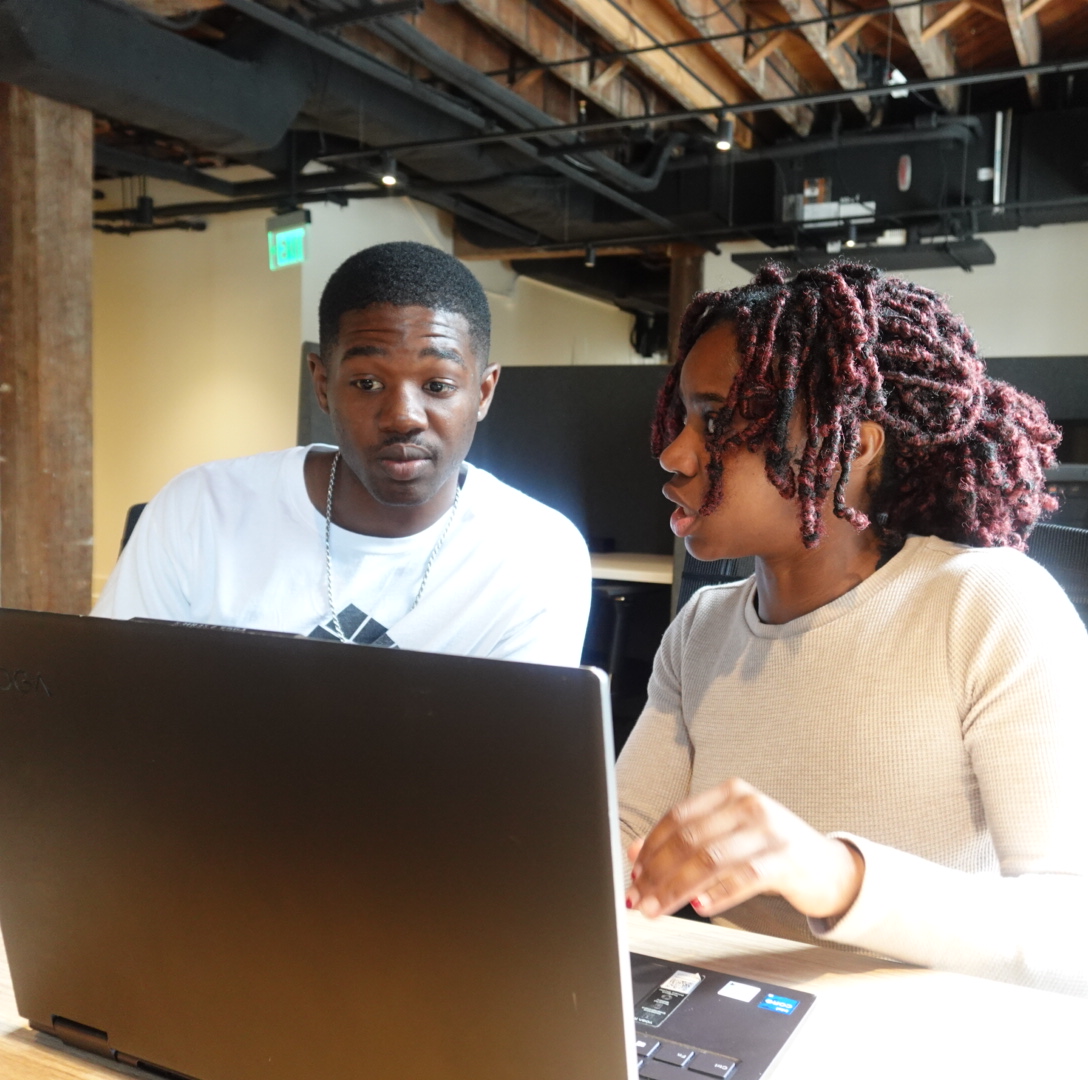
After moving to Atlanta, I became a teaching assistant for a two-semester research course titled Tackling Food Insecurity and worked as a research assistant for Dr. Jennifer McCoy in Georgia State’s Political Science Department.
I’ve also partnered with grassroots and community organizations focused on youth and community wellness through strategic anti-poverty interventions.
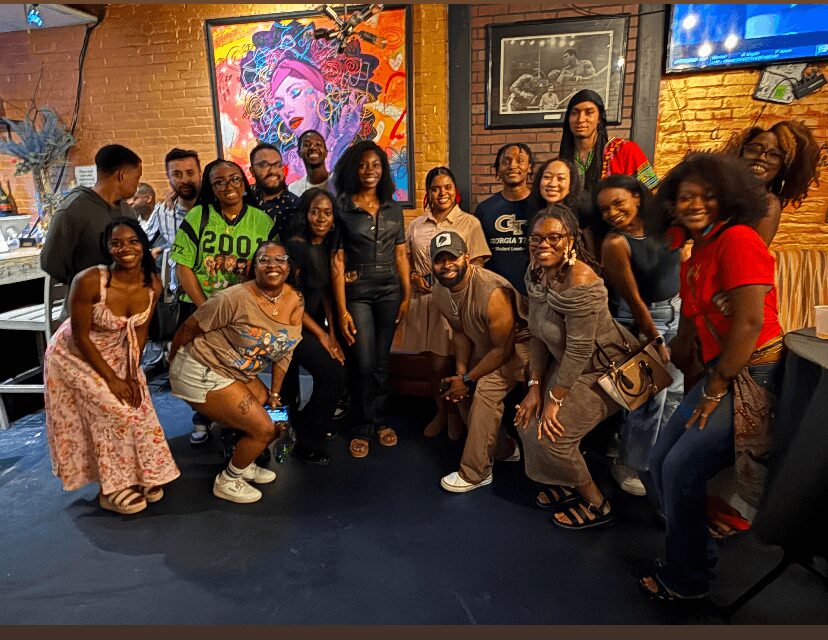
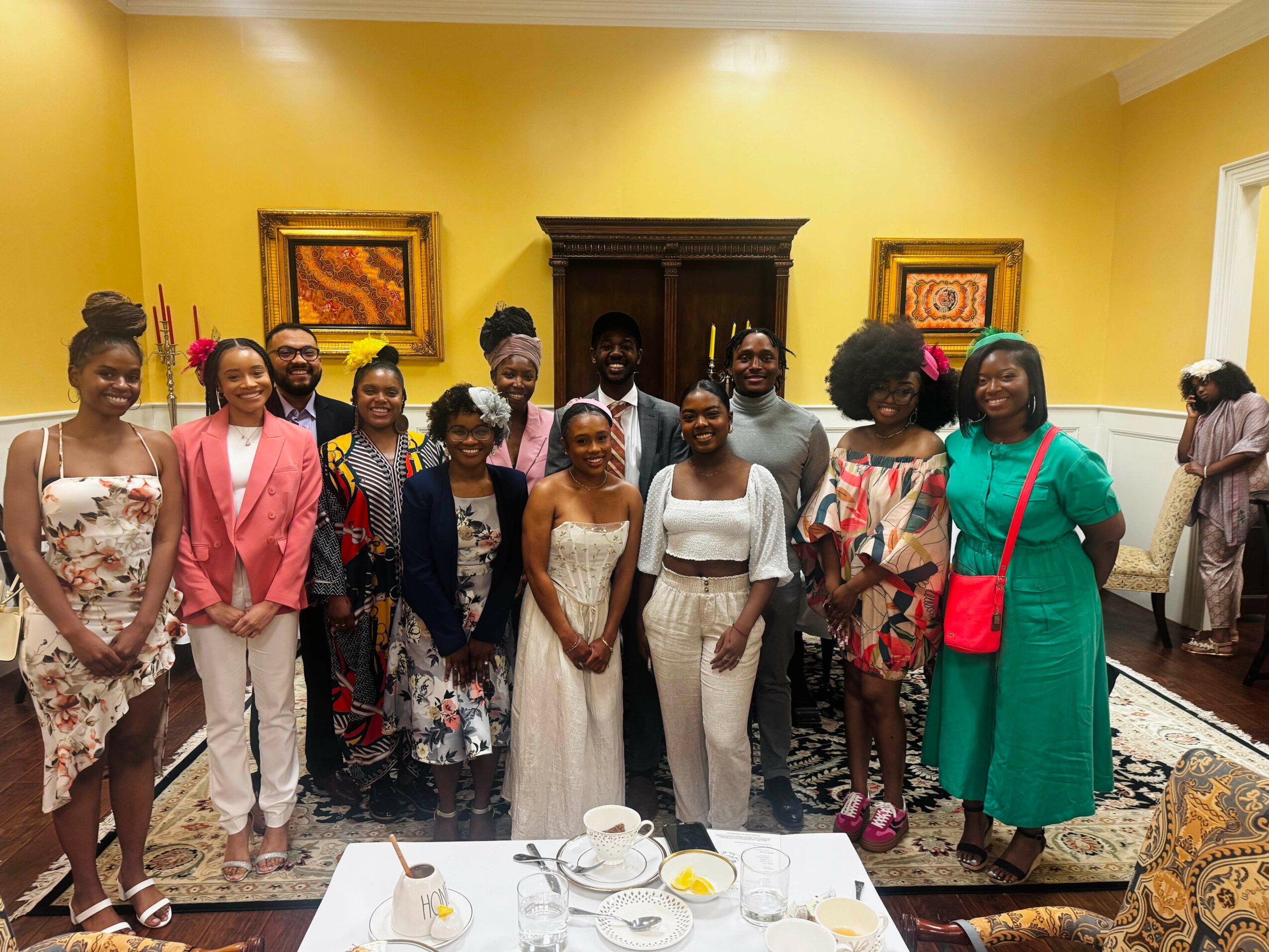
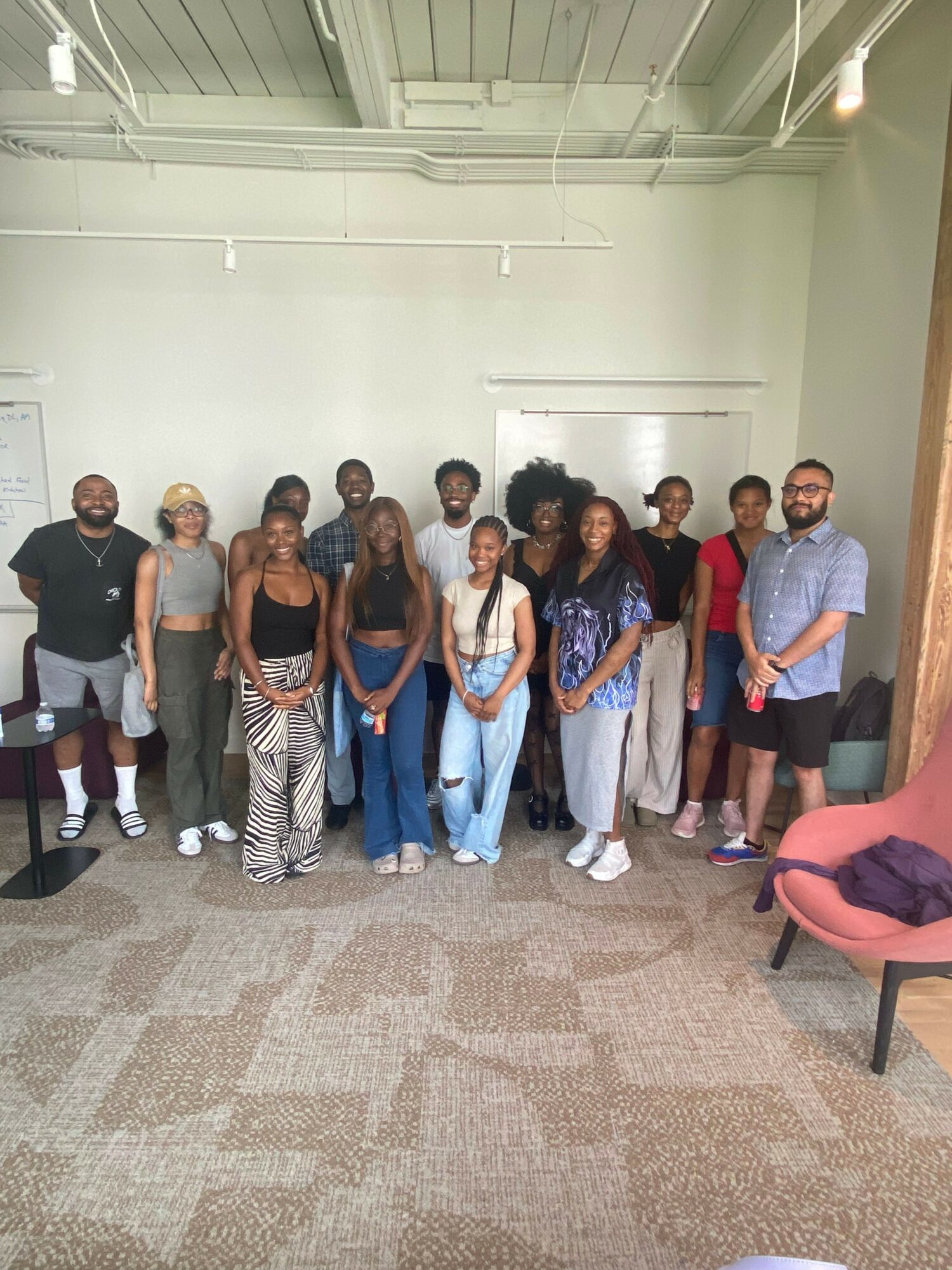
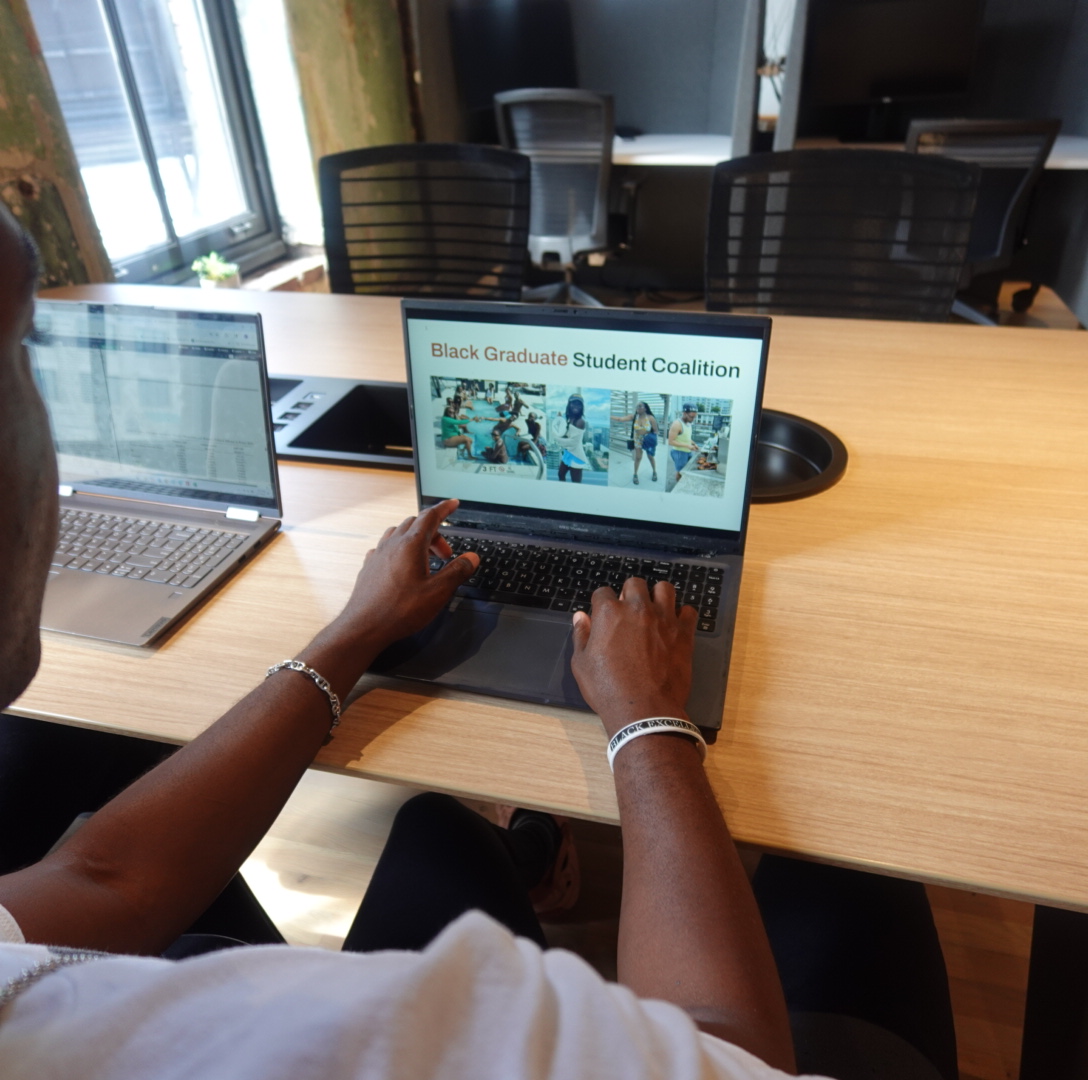
Since entering the Urban Studies doctoral program at the Andrew Young School of Policy Studies, I’ve worked with the City of Atlanta’s Housing Help Center, served as program lead for The Father In Me youth program, and worked as a structural impact strategy consultant for community organizations in Clayton County. I also co-founded the Black Graduate Student Coalition in collaboration with student organizations at Georgia Tech, Georgia State, and Emory University. Additionally, I’ve partnered with Infinity Village Lab to use art, technology, and community to advance environmental justice and Black student wellness.
How do you define success?
I define success as the ability to help create effective and lasting change for those who are marginalized, excluded, or harmed. While personal achievements like wealth, comfort, and recognition can feel rewarding, true success extends beyond the individual. My vision of success is tied to the liberation and thriving of African and African-descended communities globally. I will not consider myself successful until I’ve helped build something sustainable that creates lasting positive change.
Pricing:
- I would appreciate any donations or funding support. I have supported many of these efforts out of pocket, so please consider supporting however you see fit! My CashApp is: $LTDSI. More detailed information about how to support specific initiatives will be available soon.
Contact Info:
- Instagram: https://www.instagram.com/bgsa__gsu/ and https://www.instagram.com/bgsc.atl
- LinkedIn: https://www.linkedin.com/in/langston-thomas-796769a0
- Other: https://democraticsystems.org/
Popular
-

Darren Paltrowitz on Blending Investigation, Media, and Culture to Uncover the Stories Behind the Stories
-

Naeemah Jade on Redefining Networking Through Trust, Proximity, and Intentional Community
-

Dr. Cortnie Baity on Expanding Beyond Therapy to Build Scalable Tools for Intentional Living and Relationships
-

Dr. Shameka Campbell on Embracing a New Identity and Guiding Others Toward Purpose and Spiritual Breakthrough
-

ATL’s Most Inspiring Stories
-

Kareem “Reemo Meerak” Tyson on Building The C.U.T.S. Podcast and Creating a Space Where Culture Lives and Breathes