







Today we’d like to introduce you to Elaine Taylor-Klaus.
Hi Elaine, so excited to have you on the platform. So before we get into questions about your work-life, maybe you can bring our readers up to speed on your story and how you got to where you are today?
My first ten years as a parent, I was miserable. Let me be clear: I love my kids. More than anything. But there was always a “but.” But it was hard. But it was frustrating. But it was lonely and isolating and terrifying.
When my newborn was just two weeks old and started to scream, it didn’t stop. As other kids passed childhood milestones, they struggled to master simple life skills. Instead of sleepovers and summer camp, they went to vision therapy and occupational therapy. Instead of forming friendships, they changed schools again and again. My child carried the heavy, lonely burden of not just one life-changing diagnosis, but many: ADHD, anxiety, and learning disabilities on the one hand, and severe allergies with additional medical concerns on the other.
As parents, we want to carry it for them. I wanted to pick her up and make everything better. Knowing that I couldn’t – that was one of the most painful, difficult learning experiences of my first decade as a parent of a “complex” kid.
Equally challenging was the incredible isolation. It seemed like parents of other complex kids found each other, as if they had radar and could seek out others who struggled just as they did. I was eager to share the load to make things feel lighter, but I felt off the radar, like even among the complex kids my circumstances was more complicated.
I was desperate for community, for help. My child, thankfully, had a great therapist who provided guidance and support. Honestly, I couldn’t help but think: “What about me?!” I knew something needed to change. I just had no idea what.
It turned out that the thing that needed to change was me.
You can’t help your kid – or yourself – build a strong, healthy life if you start with a shaky foundation. I needed to strengthen mine and parent from a place of hope and optimism, not fear and desperation. When I began to realize that my child could have a fulfilling life and thrive, I saw a way out of my panic.
What prompted this change? For one, after all three of my kids were diagnosed (like dominoes), I was finally diagnosed with attention and learning issues at age 40. Suddenly, my whole life made sense! At the same time, I had two powerful allies on my side: a nutritionist who taught me that small changes could make a big impact; and a coach who – finally! – offered me the support and connection I so desperately craved. Because coaching dramatically improved my life and the dynamic in my family, I decided that I wanted to provide that same compassion, understanding, and light for other parents who were “off the radar,” too. I didn’t want any parent to have to go through what I went through those first ten years.
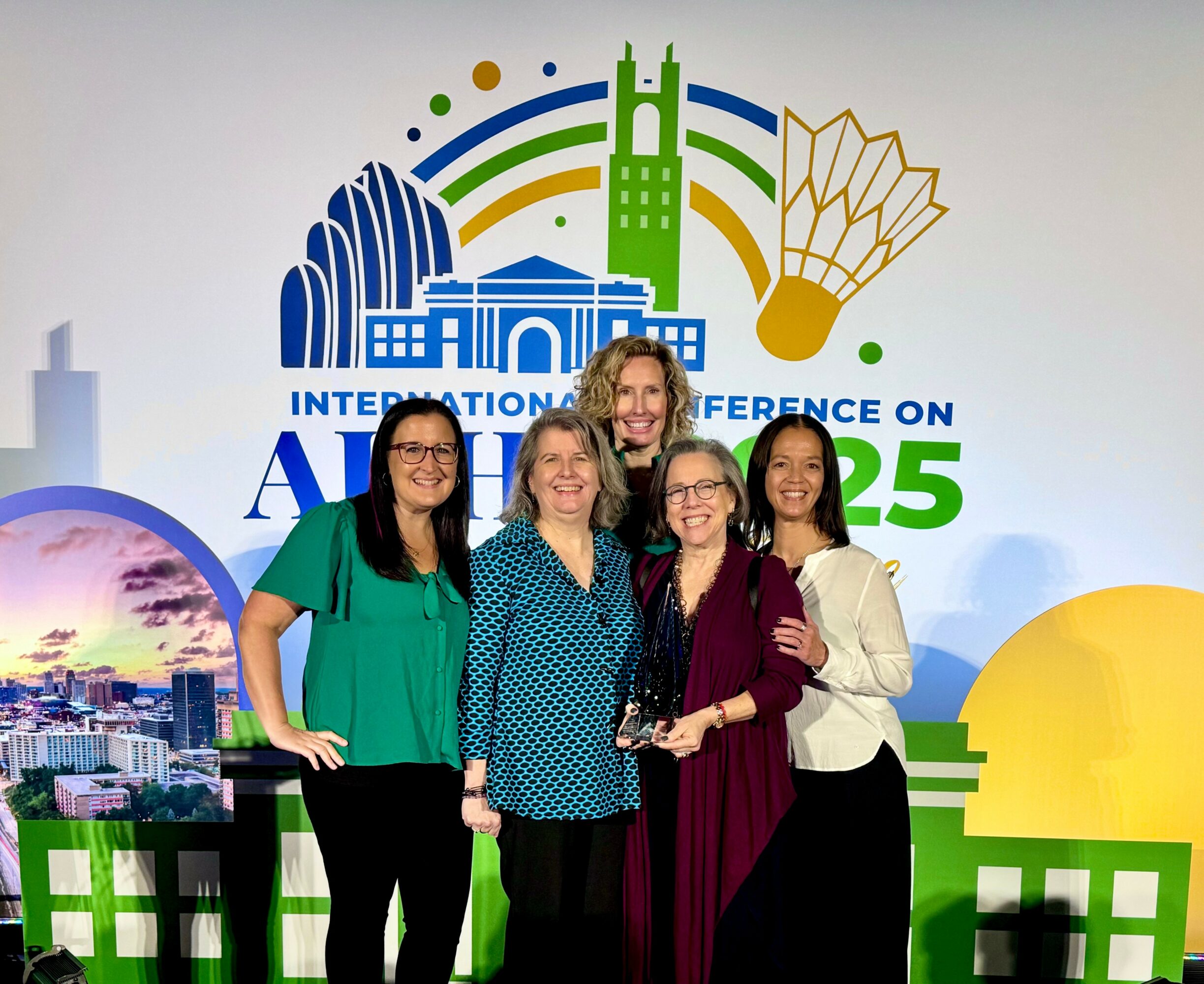
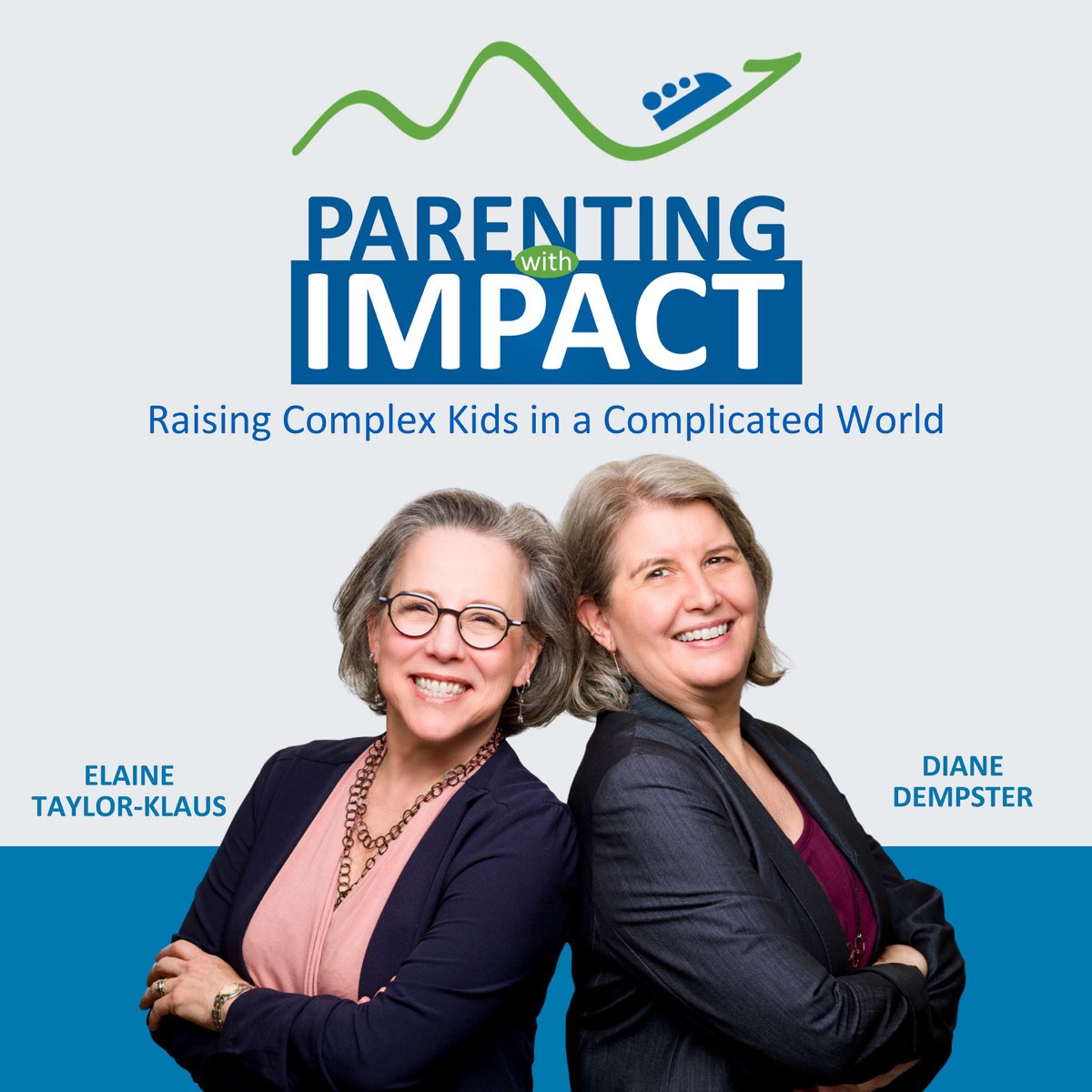
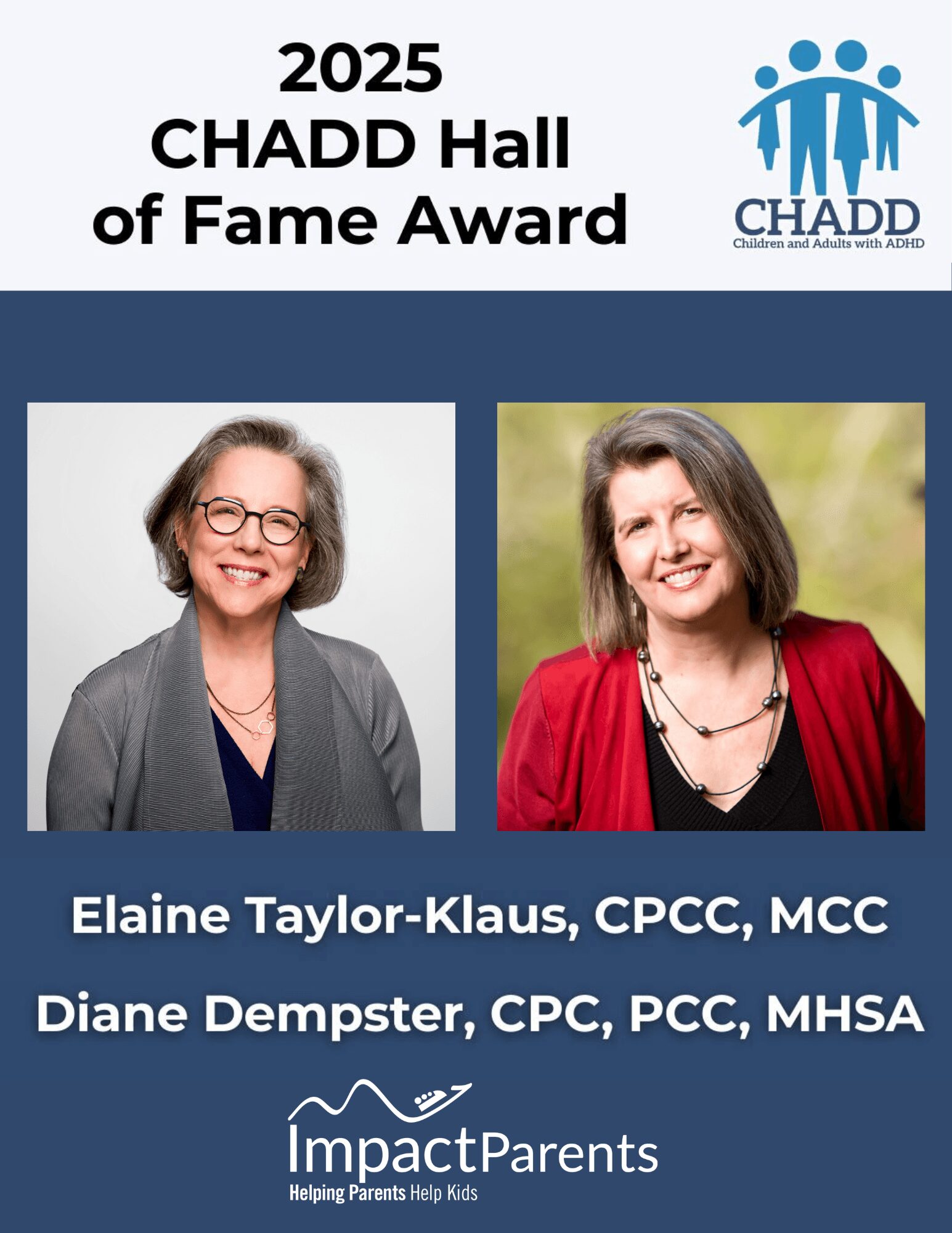
I dove in, head first. Full of hope and purpose, I went back to school and earned my coaching certification with the Coach Training Institute (CTI) and the International Coach Federation (ICF), and I also completed CTI’s Co-Active Leadership Program. I launched my first company, Touchstone Coaching in 2008, a leadership, executive, and personal coaching practice (joined by my husband David soon thereafter); and then co-founded ImpactADHD® (now dba ImpactParents.com) in 2011 with my business partner of now 15+ years, Diane Dempster.
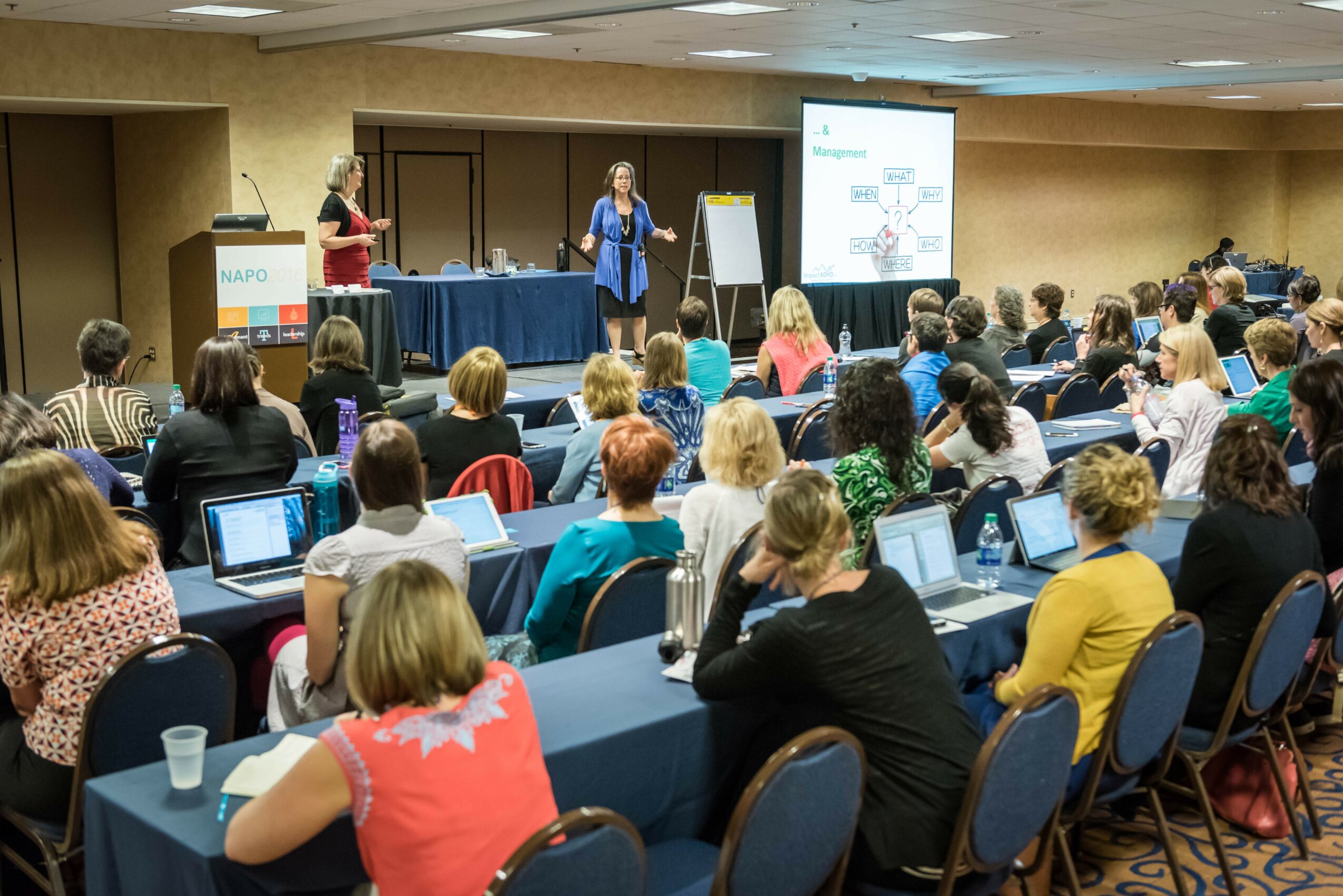
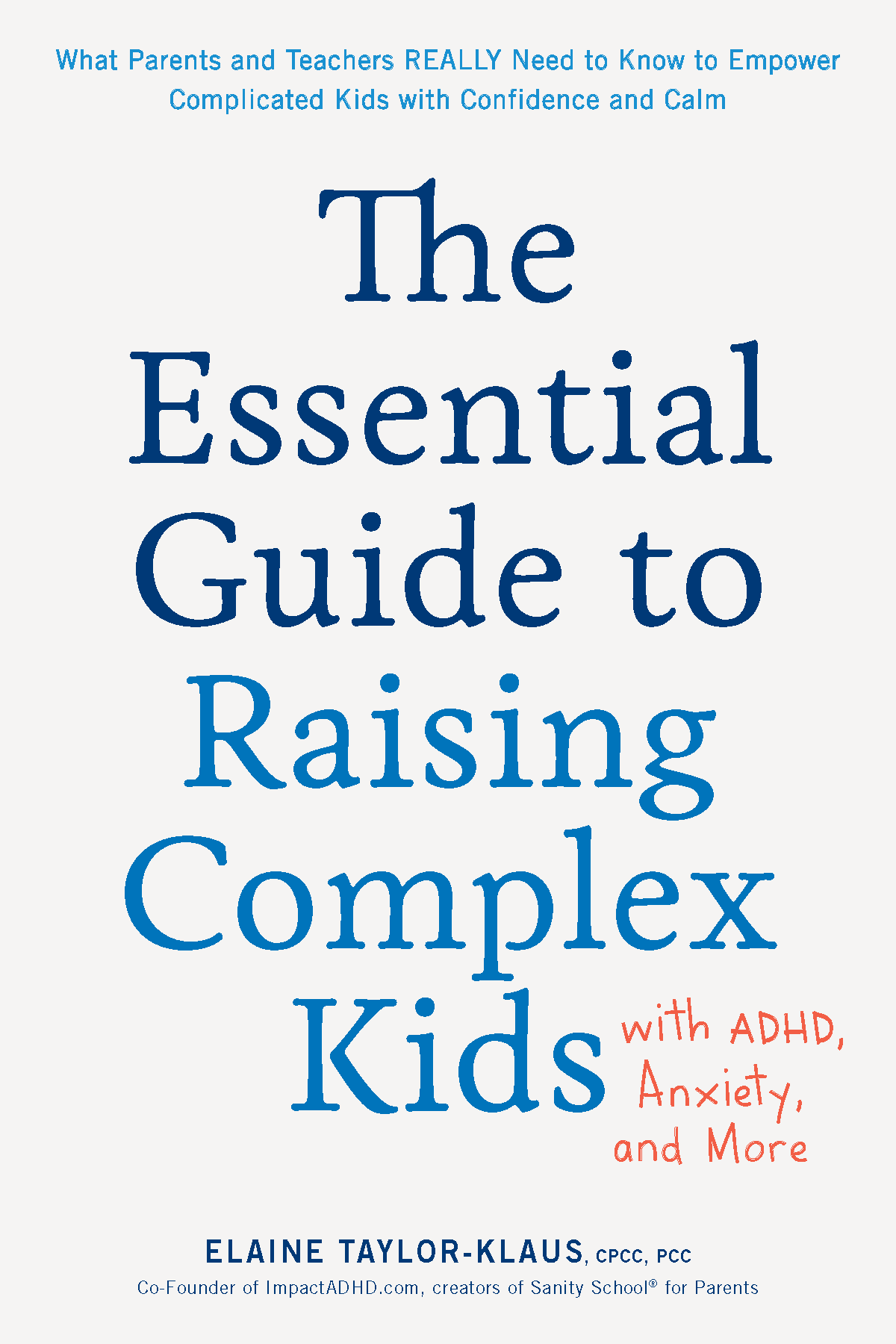
ImpactADHD® was the first ever virtual coaching and training resource designed specifically for parents raising children in complex circumstances using coaching as a foundation for improving family life. In 2020 we expanded to ImpactParents, reflecting the full range of parenting experiences. Impact and I have grown together, and we are now highly regarded globally as leading voices for parenting ‘complex kids,’ and for neuro-informed coaching. I marvel at our growth over the last two decades, and I love the work I get to do every day — speaking, teaching, writing, coaching and advising parents and professionals around the globe. Now a Master Certified Coach, I am the author of <i>The Essential Guide to Raising Complex Kids with ADHD, Anxiety and More</i> (Quarto Publishing, 2020), <i>Parenting ADHD Now! Easy Intervention Strategies to Empower Kids with ADHD</i> (Althea Press, 2016) , and co-creator of the Sanity School® training program for parents, as well as training and certification for the professionals who support them. My work provides support to professionals in coaching, parenting, education, neurodiversity and medical communities.
My three amazing kids are now thriving young adults, and two of them are also coaches. They have been and continue to be my greatest teachers.
Can you talk to us a bit about the challenges and lessons you’ve learned along the way. Looking back would you say it’s been easy or smooth in retrospect?
When parents sense that something is not quite typical with their kids, it’s scary. But even if they need help, they resist it — because they don’t want to need it, and they feel like they shouldn’t have to need help. And besides, if they admit it, then maybe something is REALLY wrong, and that is too scary. So they keep reading books, and searching on the internet, and they hesitate to ask for or accept help until things are really rough. If they would start sooner, of course, things wouldn’t get so rough! It’s like a double-bind — they need help that they don’t want to need.
For me, I was desperate for the kind of help that would make a difference, and it just wasn’t available in those days. We created ImpactParents to provide the support that wasn’t available when we needed it.
And yet, even though what we offer at ImpactParents is life-changing, and accessible, and ridiculously affordable, parents are often hesitant to get help. They don’t want to need it. On top of that, these days, parents also get lost seeking information, rather than figuring out how to apply it. They have a hard time understanding that reading a book or a blog, or listening to a podcast, isn’t always enough to move the needle.
Another obstacle we’ve faced is that coaching — either for parents or professionals — is a new field, especially in relation to the established medical community. Providers are hesitant to see coaching as a viable support resource — because they don’t understand it, or because it’s not covered by insurance, or because it’s not regulated in the same as licensed clinicians. That is a challenge we continue to overcome. People understand coaching in sports, and even for executives; they don’t always see how a ‘coach-approach’ can dramatically improve dynamics in family life, classrooms, and offices.
Internet marketing has been the key source for us to reach our global community, but let’s be honest — it’s hard to keep up when algorithms are constantly changing! The only thing that we can count on is that it’s going to be different every couple of months, and that gets exhausting and draining for a small business. In addition, we chose not to get funding from pharma companies or other typical resources because we wanted to stay in integrity and not be accountable to outside influences. The result is that we are a small operation doing a lot — and while we’ve had a tremendous impact disproportionate to our size, it comes at the classic costs of fatigue and burnout.
We’ve been impressed with ImpactParents.com, but for folks who might not be as familiar, what can you share with them about what you do and what sets you apart from others?
ImpactParents is a global support resource providing education, coaching and support for the parents and professionals supporting ‘complex’ kids — kids who struggle with some aspects of life, learning, social, emotional or behavioral challenges. Maybe they’re diagnosed with something like ADHD, Autism, Anxiety, or Learning disabilities; or maybe they’re gifted; or maybe their family dynamics are complicated; or maybe they are otherwise having trouble finding comfort and safety in today’s complex world. For a wide variety of reasons, the adults in their lives are trying to find a way to support them more effectively, and we help them do that by using a neuro-informed coaching framework that is empowering, strengths-based, and relationship focused.
That’s the official explanation. What we really do is empower people with neurodivergence to reach their fullest potential, and provide neuro-informed education for families, schools, medical providers and businesses. Globally, we are seen as a voice for people with neurodiversity, especially (but not limited to) children, teens and young adults. Increasingly, we are providing neuro-informed training for corporations and professional associations.
What sets us apart is that we actually innovated a new modality. Instead of giving people solutions, we engage them in understanding what they’re struggling with and then teach them a collaborative problem-solving model — so that they can learn to manage themselves in life and work. Neuro-informed coaching blends neurodiversity- awareness (executive function, emotional regulation, etc.) into a classic coaching model. And by teaching these coaching skills to parents and professionals, it has a cascading impact on creating homes, schools and workplaces that are more inclusive, more empowering, and less judgmental. It actually provides a framework and tools that set people up to manage their neurodiversity — without shame and with confidence.
What I’m most proud of is that we are a private sector business for the public good, and we use fee-based services to pay for all that we do for free — which is extensive! From the beginning, we didn’t want price to ever be a barrier for people to learn how to take a coach-approach to parenting complex kids. So we have always offered scholarships and sliding scales. We created a scalable, sustainable business that is affordable and accessible, because we knew that the coach-approach was effective. In essence, we’ve democratized coaching support for families who are tapped out and taxed to their limits, and made sure that if they want support, they’ll get it. Our work has been translated into multiple languages, and we’ve served parents and professionals around the world in more than 140 countries. We make a real difference in people’s lives … and we teach them how to make a real difference in the lives of others. It’s truly a beautiful model.
In terms of your work and the industry, what are some of the changes you are expecting to see over the next five to ten years?
The future is neuro-informed. In the beginning, there was a lot of focus on ADHD. And then autism. But the real area of focus is neurodiversity and neuro-awareness.
As young people move into the workplace expecting accommodations, and with less embarrassment and hiding than previous generations, the business world is going to have to rise to the occasion.
I believe that 30 years from now, neuro-informed frameworks will be blended with trauma-informed frameworks (there is a ton of overlap) — and that will be the norm in schools, medical practices, businesses and communities.
So the next 5-10 years is about educating people about neurodiversity — and influencing medical and professional models to be more inclusive of all kinds of human brains.
I also see a shift in the way people communicate as coaching education becomes more standardized and expected, the caliber of coaching improves, and coach-training becomes a foundational part of any communications and human resource trainings.
Contact Info:
- Website: ImpactParents.com
- Instagram: https://www.instagram.com/impactparents
- Facebook: https://www.facebook.com/groups/adhdanxietyparentcommunity
- Linkedin: https://www.linkedin.com/in/elainetaylorklaus/
- Youtube: https://www.youtube.com/impactparents
- Other: https://impactparents.substack.com/
Popular
-

Darren Paltrowitz on Blending Investigation, Media, and Culture to Uncover the Stories Behind the Stories
-

Naeemah Jade on Redefining Networking Through Trust, Proximity, and Intentional Community
-

Dr. Cortnie Baity on Expanding Beyond Therapy to Build Scalable Tools for Intentional Living and Relationships
-

Dr. Shameka Campbell on Embracing a New Identity and Guiding Others Toward Purpose and Spiritual Breakthrough
-

ATL’s Most Inspiring Stories
-

Kareem “Reemo Meerak” Tyson on Building The C.U.T.S. Podcast and Creating a Space Where Culture Lives and Breathes