






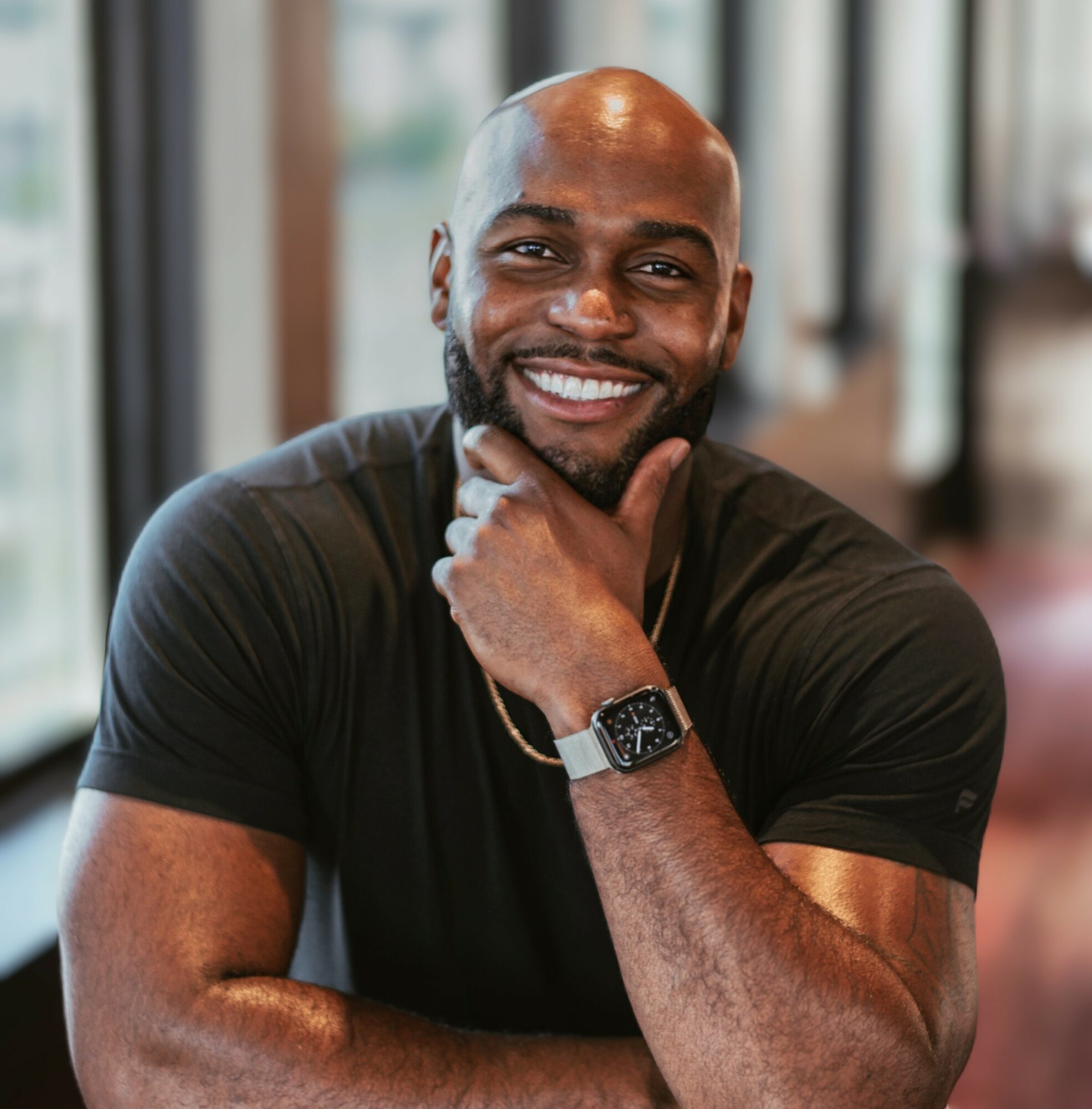
Today we’d like to introduce you to James Fuller.
Hi James, thanks for joining us today. We’d love for you to start by introducing yourself.
I started my career as a professional basketball player, playing in Europe and South America. That experience forced me to adapt quickly—new countries, new systems, and constant competition.
After basketball, I moved into private wealth and mergers & acquisitions at JPMorgan. That’s where I learned how money moves, how deals are structured, and how to think in terms of scale instead of individual transactions.
My entry into real estate came after a real estate magazine exit. What stood out to me immediately was how fragmented the industry was—strong individual operators, but very little in the way of systems or consistency.
At Compass, I focused on that gap. We worked with thousands of agents, helping them move from chasing deals to building actual businesses. That experience shaped how I think about real estate today.
I was never interested in just selling homes. The opportunity, to me, was always in building infrastructure around the transaction—creating predictable opportunities, better outcomes for sellers, and real leverage for agents.
That’s what led to Loopr.
At Loopr, we predict and activate home sellers before they ever hit the market by delivering real cash offers—up to $3.5M—and turning those into structured decisions for sellers and high-conversion opportunities for agents.
Alongside that, we’re building Loving Atlanta Life as a localized brand focused on delivering a more modern selling experience in the Atlanta market.
Right now, the focus is scaling—expanding the system, growing the agent network, and building something that produces results without relying on constant manual effort.
Would you say it’s been a smooth road, and if not what are some of the biggest challenges you’ve faced along the way?
Not even a little.
Basketball taught me early that nothing is guaranteed. You can play well and still get cut, get paid late, or be in a completely different country a few weeks later. It forces you to get comfortable with uncertainty whether you like it or not.
When I moved into finance, the challenge flipped. It was stable, but I felt like I was building inside someone else’s ceiling. That tension pushed me to leave, but walking away from something predictable isn’t exactly comfortable either.
Real estate was probably the hardest transition. There’s no salary, no safety net, and no clear playbook. I had to figure out how to create opportunities from nothing, and there were definitely stretches where things weren’t working the way I expected. It exposes how disciplined you actually are.
Even now, building Loopr isn’t smooth. It’s a constant balance of figuring out product, getting the right partners, and making sure what we’re building actually produces real outcomes—not just ideas that sound good. Some things hit, some don’t, and you adjust fast.
The biggest challenge overall has been shifting from doing everything myself to building something that works without me. That sounds simple, but it’s not. It forces you to let go of control and trust systems before they’re perfect.
If anything, the road has been a series of resets. Every time you think you’ve figured it out, the game changes a little.
Alright, so let’s switch gears a bit and talk business. What should we know?
Loopr helps homeowners understand their options before they sell.
Most people think there’s only one way to sell a home. There isn’t. We bring real cash offers—up to $3.5M—into the conversation early so sellers can see what their home is worth without guessing.
From there, it’s simple. We help them compare their options and choose what actually makes the most sense.
We also work with agents, but not in the traditional way. Instead of chasing leads, they’re stepping into real conversations with sellers who are already engaged and ready to move.
What sets us apart is we focus on outcomes, not leads. The goal isn’t more activity—it’s better decisions and more deals.
I’m most proud of how simple we’ve made something that’s usually complicated.
So maybe we end on discussing what matters most to you and why?
What matters most to me is the impact I have on the people around me.
Not in a broad, abstract way, but in a real, measurable way. Are the people I work with making more money? Do they have more clarity? Are they in a better position because we crossed paths?
I’ve seen how much confusion and inconsistency exist in both real estate and business in general. A lot of people are working hard but not getting the outcomes they should. If I can help simplify that, create better opportunities, and give people a clearer path forward, that’s what matters.
At the end of the day, impact to me isn’t about volume, it’s about whether the people in my circle are actually better off.
Contact Info:
- Website: https://cashofferaccess.com/
- Instagram: https://www.instagram.com/cfullervision/
- LinkedIn: https://www.linkedin.com/in/james-fuller-03a83430/






Popular
-

Darren Paltrowitz on Blending Investigation, Media, and Culture to Uncover the Stories Behind the Stories
-

Naeemah Jade on Redefining Networking Through Trust, Proximity, and Intentional Community
-

Dr. Cortnie Baity on Expanding Beyond Therapy to Build Scalable Tools for Intentional Living and Relationships
-

Dr. Shameka Campbell on Embracing a New Identity and Guiding Others Toward Purpose and Spiritual Breakthrough
-

ATL’s Most Inspiring Stories
-

Kareem “Reemo Meerak” Tyson on Building The C.U.T.S. Podcast and Creating a Space Where Culture Lives and Breathes