




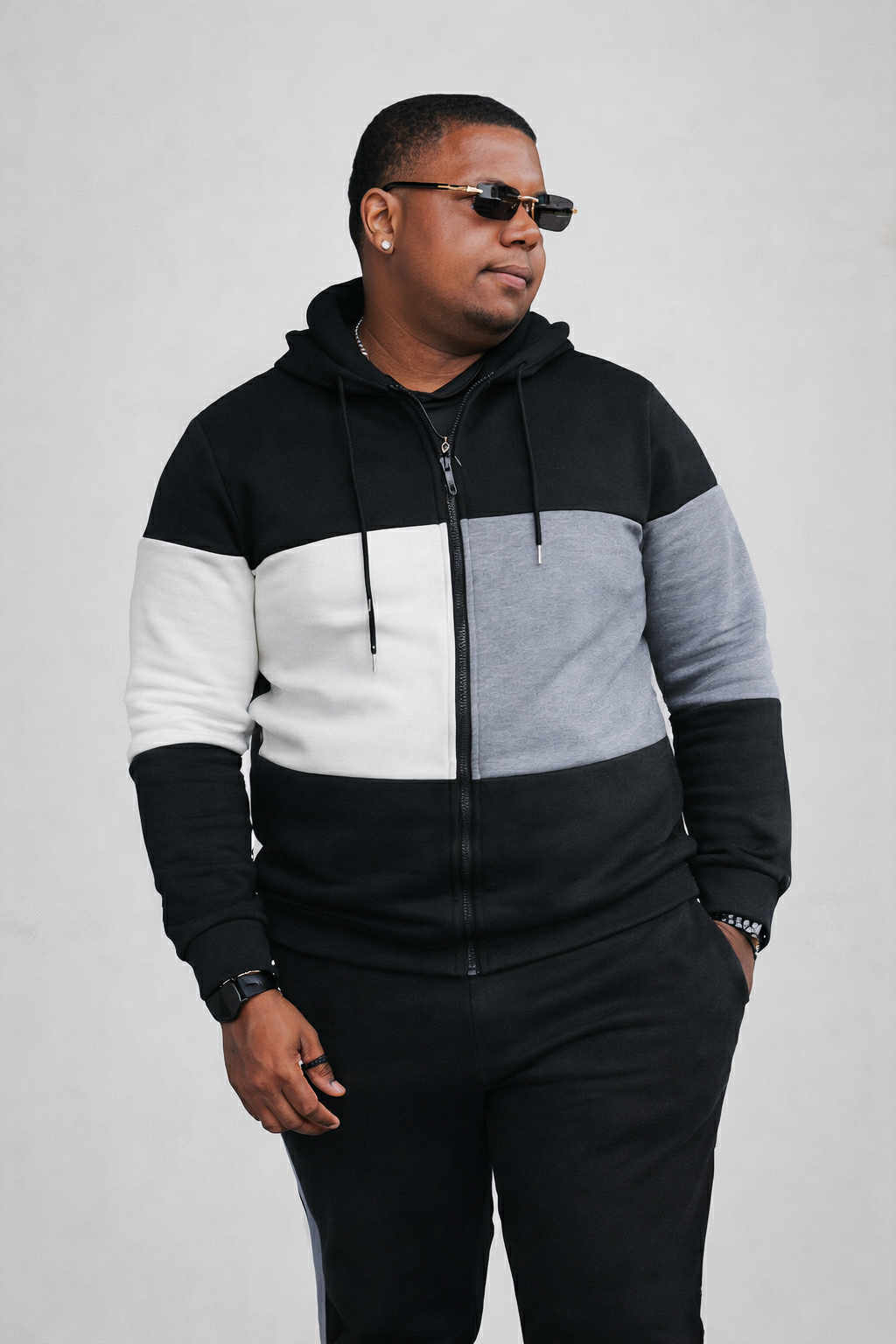
Today we’d like to introduce you to Diamond Bratton.
Hi Diamond, so excited to have you on the platform. So before we get into questions about your work-life, maybe you can bring our readers up to speed on your story and how you got to where you are today?
I didn’t enter life gently—I entered it in survival.
From the beginning, my life was defined by pressure. Childhood wasn’t stable or predictable. It was shaped by loss, instability, and environments where I had to learn quickly how to adapt just to get through the day. There wasn’t a sense of comfort I could rely on, so I developed something else instead: awareness, resilience, and the instinct to keep moving no matter what was happening around me.
As I got older, life didn’t get easier—it got louder. My teenage years were marked by emotional turbulence, instability, and exposure to situations that forced me to mature fast. I experienced periods of homelessness, loss of relationships, and constant uncertainty. In those years, music became one of the only things that gave me structure. It wasn’t just entertainment—it became expression, escape, and eventually identity.
Young adulthood carried its own weight. I dealt with deeper setbacks: broken stability, financial struggle, fractured relationships, and personal loss. But I also started finding structure through community programs and environments that taught discipline, accountability, and direction. Slowly, I began rebuilding myself piece by piece.
At the same time, I was diagnosed with schizoaffective disorder, bipolar type I. That diagnosis explained a lot of what I had been experiencing internally—extreme highs, lows, and moments of mental distortion. Instead of letting it define me, I began learning how to manage it through treatment, support systems, structure, and creative output. I started turning what once felt uncontrollable into something I could understand and work with.
Music remained the constant through all of it. What started as an outlet became a path. It became the way I processed life, built discipline, and expressed everything I couldn’t say directly.
Now, I’m in a rebuilding and growth phase. I’m focused on strengthening my mental stability, developing my craft, and building a sustainable future in music and storytelling. My life isn’t defined by what I went through—it’s defined by what I’m building from it.
Alright, so let’s dig a little deeper into the story – has it been an easy path overall and if not, what were the challenges you’ve had to overcome?
No, it hasn’t been a smooth road.
The path has been shaped by instability, loss, and constant adjustment to circumstances that weren’t in your control. One of the biggest struggles has been mental health—living with schizoaffective disorder (bipolar type I), which brings extreme mood shifts, intrusive thoughts, hallucinations, and periods where perception itself becomes unreliable. That kind of internal experience makes consistency difficult and everyday functioning unpredictable at times.
Another major struggle has been instability in life circumstances. Periods of homelessness, financial hardship, and housing insecurity created ongoing pressure. Relationships also carried weight—loss of close connections, broken trust, and emotional distance added to the sense of having to rebuild repeatedly.
There’s also the emotional toll of cumulative loss: family disruptions, grief, and unmet expectations that built up over time. On top of that, there were environments where survival came first, meaning long-term planning or stability often had to take a back seat to immediate needs.
Despite all of this, the consistent thread has been adaptation. Music, structure, community programs, and personal discipline became tools to stabilize, process, and rebuild direction. The struggle hasn’t just been external—it’s been learning how to stay grounded internally while everything else shifts.
So the honest answer is: it hasn’t been smooth at all. It’s been uneven, demanding, and at times overwhelming—but also formative, because each challenge became part of how resilience and direction were developed.
Can you tell our readers more about what you do and what you think sets you apart from others?
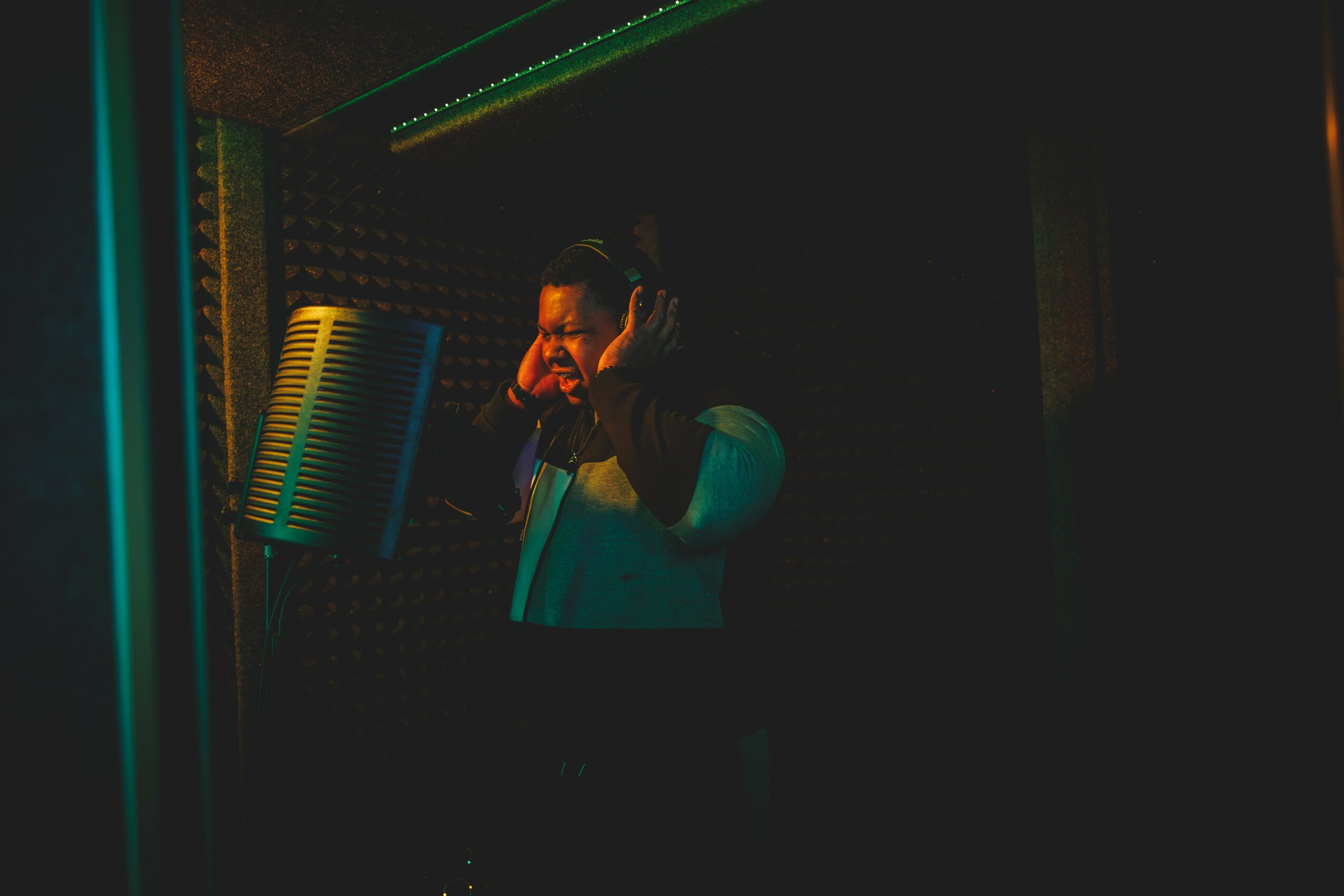
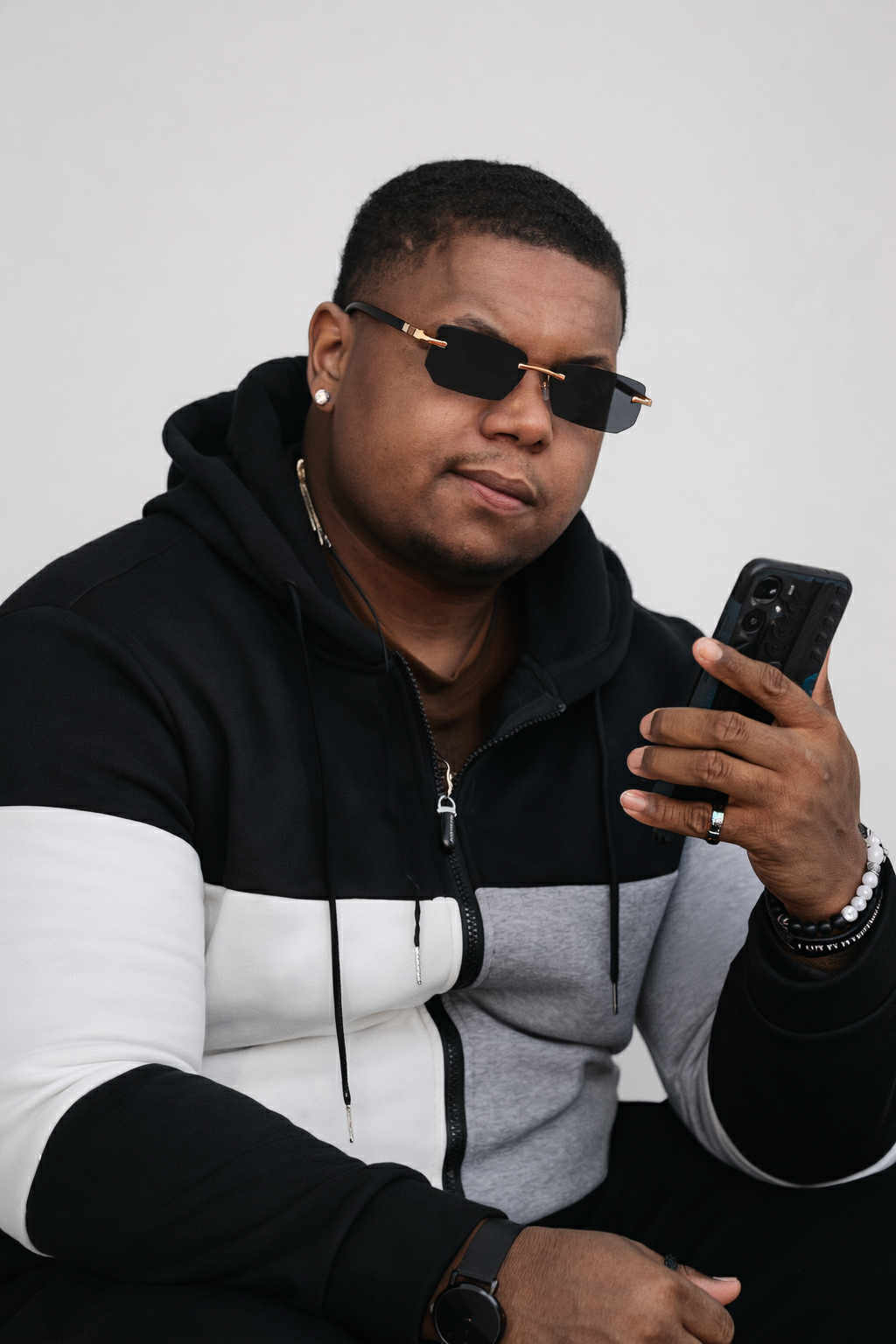
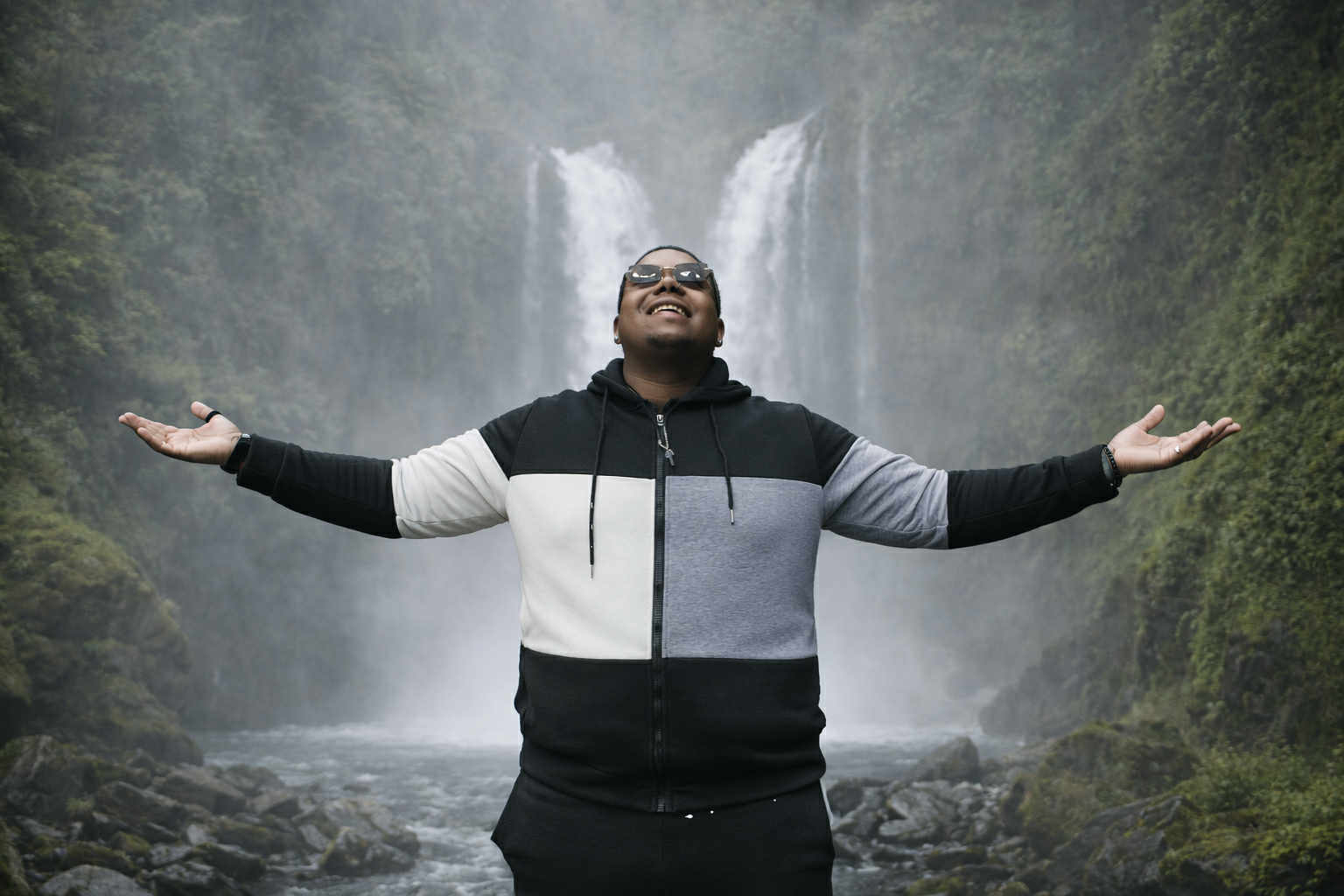
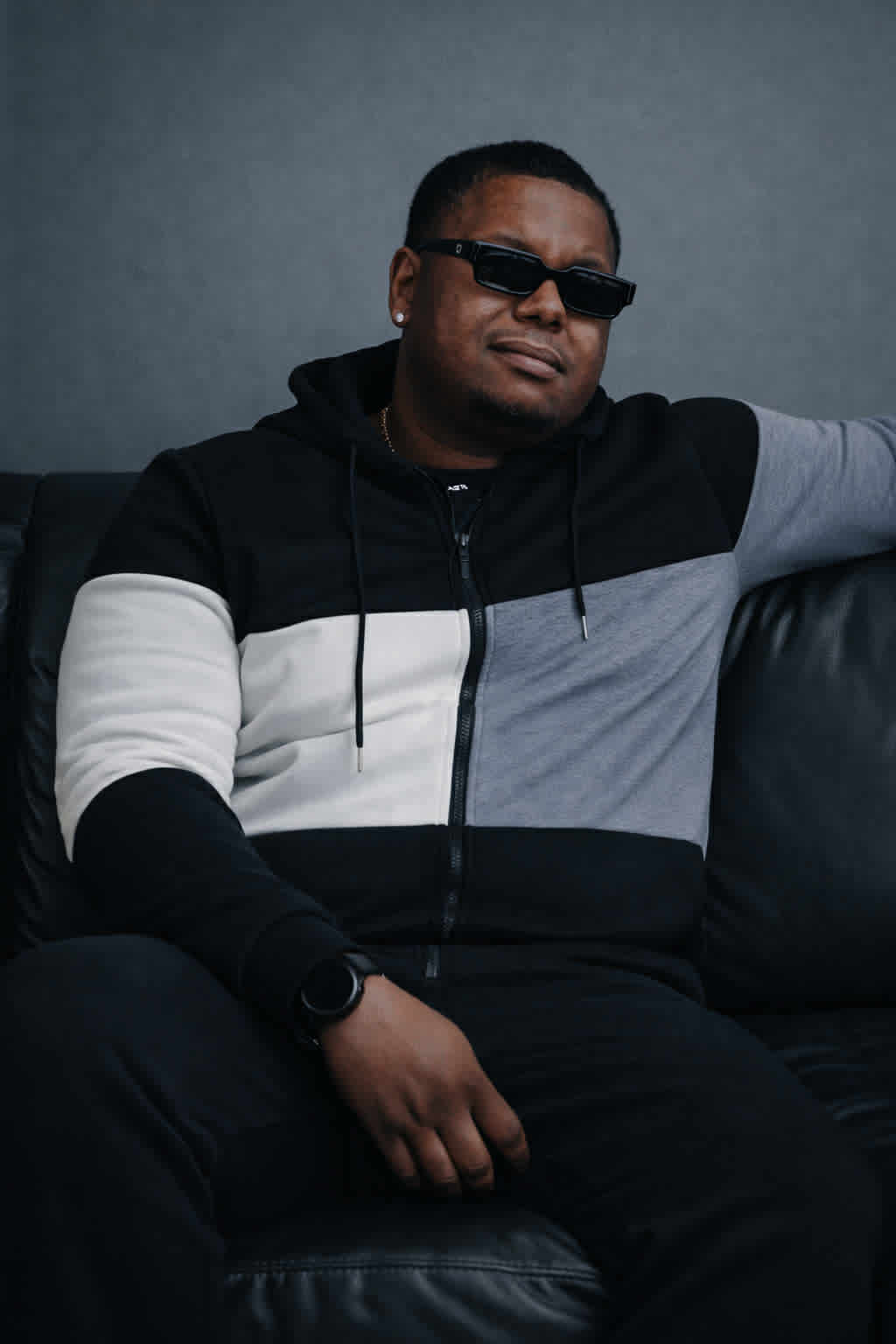
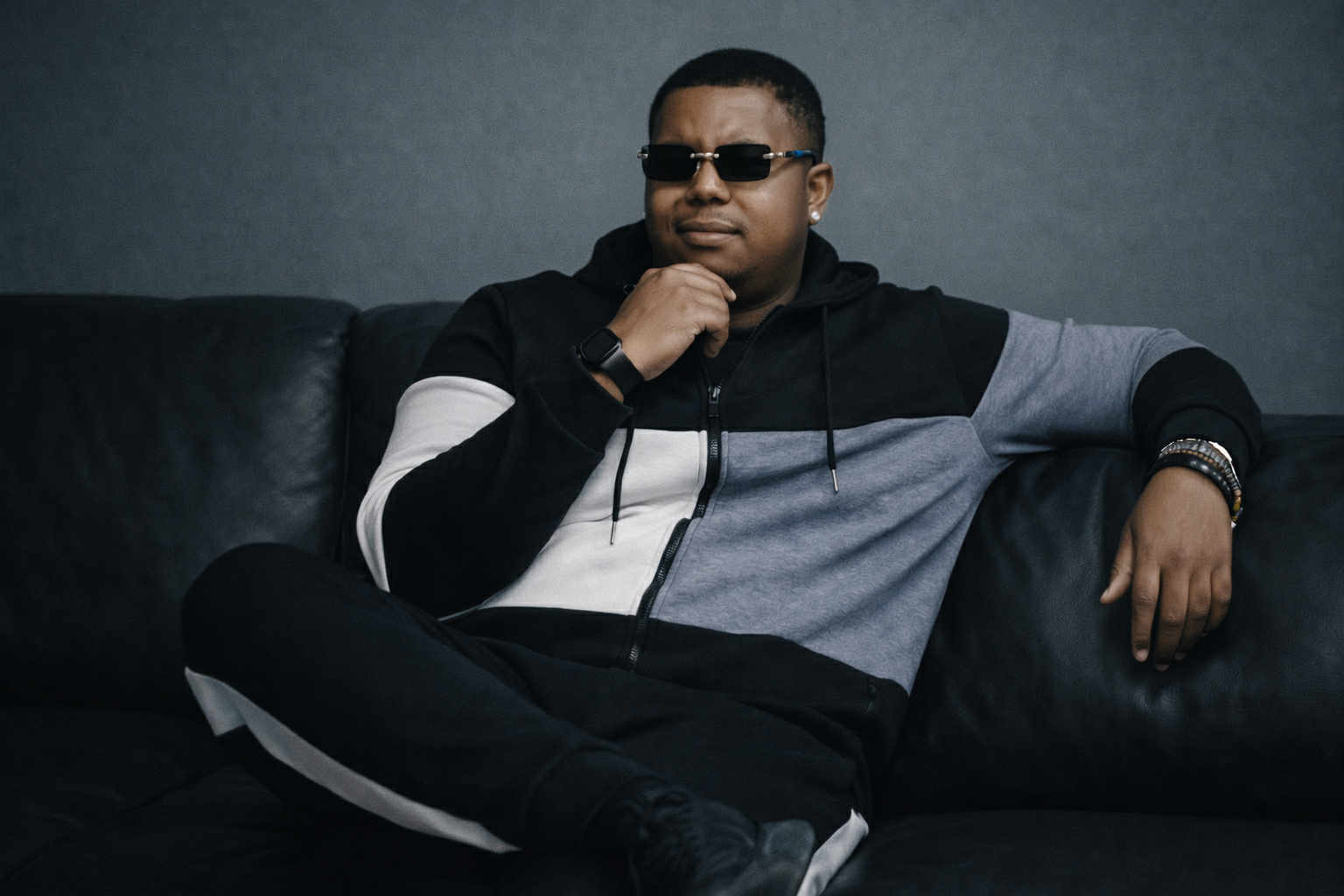
Voycce is an Atlanta-based R&B and alternative artist who fuses dark sensuality, emotional storytelling, and cinematic sound design into a modern evolution of timeless soul. Drawing from the essence of 90s R&B, he builds immersive records shaped by vulnerability, desire, and atmospheric production. His sound lives in the tension between love and toxicity, intimacy and distance, collapse and transformation.
He specializes in crafting emotionally charged music that feels both intimate and cinematic—songs that don’t just play, but unfold like scenes from a film. He’s known for blending smooth melodic delivery with moody, layered production that pulls listeners into a reflective, almost dreamlike space.
What he’s most proud of is his ability to turn personal emotion into universal experience—taking real moments of pain, growth, and self-discovery and shaping them into music that resonates deeply with others.
What sets Voycce apart is his artistic duality: he balances raw emotional honesty with a polished, cinematic sound world. His music doesn’t just express feeling—it builds atmosphere, character, and narrative, creating a signature space where R&B meets psychological depth and visual storytelling.
Any advice for finding a mentor or networking in general?
I move differently when it comes to mentorship and networking. I don’t chase attention—I study environments first. I look for people whose work aligns with where I’m trying to go, then I observe how they operate before I ever approach them.
What has worked best for me is consistency without noise. I show up with value first—whether that’s music, ideas, or execution—without forcing connection. I let my work speak long before I speak for myself.
When I do reach out, it’s intentional and minimal. No over-explaining. No desperation. Just clarity on what I respect about their work and how I can contribute or learn. From there, I let the relationship develop naturally behind the scenes rather than trying to publicly force networking.
I also stay in what I call “ghost mode”—focused on building, improving, and refining without constantly broadcasting everything. That silence creates curiosity, and that curiosity opens doors I don’t have to knock on twice.
For me, mentorship isn’t about asking someone to guide me publicly—it’s about aligning with people who recognize the seriousness of my work and choosing to invest in it quietly, while I continue to execute at a high level.
Pricing:
- Pricing varies depending on the project and collaboration scope. Details are discussed privately per request.
Contact Info:
- Website: https://iamvoycce.site
- Instagram: https://www.instagram.com/voycce
- Facebook: https://www.facebook.com/diamond.bratton.2025/
- Youtube: https://www.youtube.com/@Voyccevoice
- Other: https://linktr.ee/voycce
Popular
-

Dr. Cortnie Baity on Expanding Beyond Therapy to Build Scalable Tools for Intentional Living and Relationships
-

Dr. Shameka Campbell on Embracing a New Identity and Guiding Others Toward Purpose and Spiritual Breakthrough
-

ATL’s Most Inspiring Stories
-

Kareem “Reemo Meerak” Tyson on Building The C.U.T.S. Podcast and Creating a Space Where Culture Lives and Breathes
-

Hidden Gems: Local Businesses & Creatives You Should Know
-

Portraits of Atlanta