






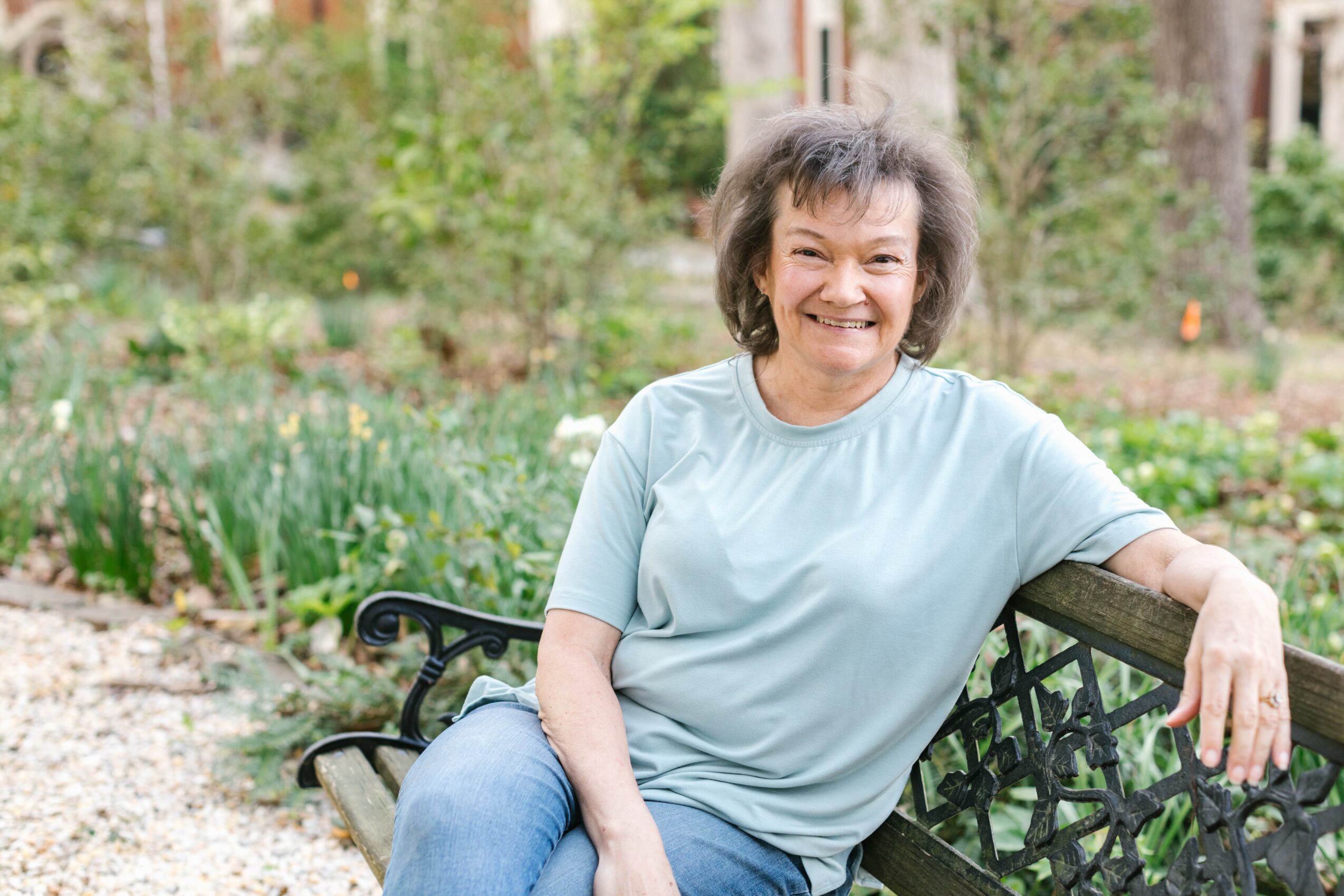
Today we’d like to introduce you to Jodi Morgan.
Hi Jodi, thanks for joining us today. We’d love for you to start by introducing yourself.
It started, as many conservation stories do, with something small and personal: my love of plants. Not the abstract idea of landscapes or ecosystems, but the simple joy of watching something grow-of noticing leaf textures, bloom timing, and the quiet transformation of a yard through the seasons. That love deepened when butterflies began to appear. Their arrival felt like validation, as if the garden itself had come alive. What began as casual planting slowly evolved into intentional habitat creation, and the yard became less of a decorative space and more of a living system.
The turning point came with the construction of our pond. Water transformed everything. Dragonflies hovered like living jewels, frogs called from the margins, and butterflies lingered longer. The space felt dynamic, vibrant, and interconnected. But as the garden expanded, my frustration grew. Visits to local nurseries revealed rows of familiar ornamentals—plants bred for color and compactness but strangely silent when it came to wildlife. The same varieties appeared again and again, and despite their beauty, they didn’t seem to support the life the garden was beginning to attract. The butterflies came, but not in the numbers expected. Something was missing.
That frustration sparked a search for answers. My discovery of native plants felt like a revelation. These were species adapted to local soils, rainfall, and seasons—plants that had co-evolved with the insects and birds of the region. Suddenly, the absence of wildlife made sense. Many butterflies require specific host plants for their caterpillars. Bees evolved alongside particular flowers. Native ecosystems were not just collections of plants; they were relationships. As native species began replacing ornamental selections, the change was immediate and unmistakable. More butterflies appeared. Bees of every size and color began visiting. The garden hummed.
With that discovery came deeper learning. Pollinators, it turned out, were in decline-bees, butterflies, moths, and other insects facing habitat loss, pesticide exposure, and fragmented landscapes. The realization was both sobering and motivating. Native plants were not just aesthetically pleasing; they were essential infrastructure for survival. A yard planted with natives became more than a garden-it became refuge. Each new planting felt like a small act of restoration.
That passion led to becoming a Master Gardener, a step that provided both knowledge and community. Education expanded into ecology, soil health, plant communities, and conservation practices. But learning quickly turned into action. Volunteering with the Southeastern Grasslands Institute as Youth Outreach Coordinator opened a new door: sharing this knowledge with the next generation. Working with students revealed something powerful-children immediately understood the connection between plants, butterflies, and the wider world. They were curious, engaged, and eager to help. Teaching them about native plants wasn’t just education; it was planting seeds of stewardship.
Out of that experience grew a larger vision. If one yard could make a difference, and one classroom could inspire change, what might happen with a broader effort? That question led to the creation of Nature On The Brink, a nonprofit built around a simple but urgent mission: reconnect people-especially young people-with native plants and the pollinators that depend on them. The name reflected both concern and hope: ecosystems under pressure, but not beyond recovery.
The work quickly expanded into partnerships with local schools and libraries. These spaces became hubs for education and engagement-places where children could learn how butterflies depend on milkweed, how bees rely on diverse blooms, and how native grasses provide shelter and structure. Workshops, talks, planting demonstrations, and habitat projects turned abstract conservation concepts into tangible experiences. Students planted seeds. Families asked questions. Libraries displayed pollinator gardens. Small patches of habitat began appearing across the community.
What began as a personal love of plants had grown into something larger-a movement rooted in education, restoration, and connection. The pond that once attracted a handful of dragonflies now symbolized a broader goal: creating landscapes that support life. Through Nature On The Brink, the journey continues-one garden, one classroom, and one pollinator at a time-demonstrating that meaningful conservation often starts not with grand plans, but with curiosity, frustration, and the decision to learn what nature has been telling us all along.
Alright, so let’s dig a little deeper into the story – has it been an easy path overall and if not, what were the challenges you’ve had to overcome?
It hasn’t been a smooth road-at least not in the way people often imagine when they see a nonprofit finally take shape. The idea for Nature On The Brink grew from clarity of purpose, but the path to building it was marked by patience, persistence, and moments of doubt. One of the earliest challenges was surprisingly simple: finding the right plants. The vision centered on native habitats that support pollinators, but local nurseries were filled with familiar ornamentals-plants bred for appearance, not ecological function. Searching for native species often meant driving long distances, placing small specialty orders, or waiting for seasonal availability. Progress felt slow. The landscape in mind required plants that were not readily accessible, and that reality tested both enthusiasm and resolve.
That challenge, however, became part of the foundation. The difficulty in sourcing native plants reinforced the very problem Nature On The Brink was meant to address: a disconnect between what is commonly planted and what ecosystems actually need. Each delay became a reminder that restoration takes time-not just in growing plants, but in shifting awareness and availability. Learning to be patient became essential. Native plants follow seasonal rhythms. Seeds require cold stratification. Meadows take years, not weeks, to mature. Building a nonprofit rooted in ecological restoration meant embracing the same timeline as nature itself.
Another challenge was holding onto a vision that others couldn’t yet see. Early conversations often required explaining why native plants mattered, why butterflies needed specific host species, and why grasses-sometimes dismissed as “weedy”-are actually critical habitat. It can be difficult to build momentum when the end result exists mostly in your own imagination: a future landscape buzzing with pollinators, children learning outdoors, communities planting intentionally. There were moments when the idea felt ahead of its time, when enthusiasm wasn’t immediately shared, and when progress came in small, quiet steps rather than big leaps.
But those challenges shaped the journey. They demanded clarity, strengthened purpose, and encouraged persistence. Over time, the vision began to take form-first in conversations, then in small plantings, then in partnerships with schools and libraries. What once required explanation started to become visible. Butterflies appeared. Pollinator gardens took root. Students became excited about native plants. The slow pace that once felt frustrating began to feel appropriate, even necessary.
Creating Nature On The Brink is less like paving a road and more like growing one-carefully, season by season. It requires patience when plants aren’t available, persistence when progress is gradual, and belief in a vision before it is fully visible. The journey isn’t smooth, but it is meaningful, shaped by the same principles that guide the work itself: resilience, growth, and faith that small efforts, given time, can transform the landscape.
Can you tell our readers more about what you do and what you think sets you apart from others?
At first glance, the path seems unlikely: a career built on algorithms and software architecture gradually giving way to a mission rooted in soil, seeds, and butterflies. But for the founder of Nature On The Brink, the transition from computer science to conservation wasn’t a departure-it was an evolution. The same curiosity, pattern recognition, and problem-solving instincts that shaped a 17-year career as a software engineer now guide a different kind of system: one built from native plants, pollinators, and community engagement.
A natural talent for math led to undergraduate and master’s degrees in computer science, followed by nearly two decades in software engineering. The work was structured, logical, and rewarding in its own way-designing solutions, optimizing performance, and building systems that functioned efficiently. Yet outside of work, another interest quietly took root. Gardening began as a hobby, a way to unwind from the precision of code and the abstraction of digital systems. It started simply: planting, observing, adjusting. But unlike software, the feedback wasn’t instantaneous. Plants grew slowly. Seasons mattered. Success required patience.
Over time, the hobby deepened into fascination. Why did some plants thrive while others struggled? Why did butterflies visit certain flowers but ignore others? These questions triggered the same analytical mindset used in engineering. Patterns emerged. Observations led to research. The discovery of native plants felt like uncovering a missing algorithm-suddenly, the system made sense. Native species supported insects. Insects supported birds. Plant selection wasn’t just aesthetic; it was functional ecology.
That realization shifted everything. The garden became less about decoration and more about restoration. Pollinators-bees, butterflies, moths, and other insects-began to appear in greater diversity. The connection between native plants and pollinator health became impossible to ignore. What had started as curiosity evolved into purpose. The analytical mind that once optimized software now analyzed bloom times, habitat structure, and plant diversity. The same talent for building systems translated naturally into designing pollinator-friendly landscapes.
But the journey didn’t stop at personal discovery. A growing awareness of pollinator decline-and the lack of public understanding about native plants-sparked a desire to share what had been learned. Volunteering in the community became the next step. Workshops, demonstrations, and conversations with neighbors revealed something powerful: many people wanted to help but didn’t know where to start. By explaining the role of native plants and showing how small changes could attract butterflies and bees, interest began to spread. Gardens became classrooms. Questions turned into action.
The shift from software engineering to community engagement didn’t abandon technical skills-it repurposed them. The ability to break complex ideas into understandable pieces proved invaluable when explaining ecological relationships. The discipline of long-term projects translated into building sustainable outreach efforts. Even the mindset of debugging-identifying problems and testing solutions-applied to restoring habitat and educating others.
Today, the work blends logic and passion in a way that feels both natural and purposeful. A background in math and computer science provided the tools to analyze systems; a love of plants provided the inspiration. Native plants led to pollinators. Pollinators led to education. Education led to community involvement. What began as a quiet hobby became a mission: sparking curiosity in others and helping them see that their own yards, schools, and public spaces can become part of a larger ecological solution.
In many ways, the journey reflects a deeper truth: the same mindset that builds effective software can also help rebuild living landscapes. Both require understanding relationships, anticipating outcomes, and designing for resilience. And in this case, the result is not just a working system-but a thriving one, alive with movement, color, and the steady return of pollinators.
What’s next?
The next chapter for Nature On The Brink is guided by the same philosophy that inspired its creation: meaningful change happens when curiosity is sparked, knowledge is shared, and people are invited to see their landscapes differently. With growing community interest and expanding partnerships, the organization is now looking ahead to initiatives designed to deepen public understanding of native plants, pollinators, and the rapidly disappearing ecosystems of the Southeast.
At the center of these future plans is an exciting collaboration with the Tellus Science Museum to host a Native Plant, Pollinator, and Southeastern Grassland Symposium in March 2027. The event is envisioned as a gathering place for educators, conservationists, land managers, students, and community members—anyone interested in learning how native ecosystems support biodiversity. Presentations will highlight the importance of southeastern grasslands, one of the most endangered ecosystems in North America, while workshops will explore practical steps for creating pollinator habitat at home, in schools, and across public spaces. By bringing together science, education, and hands-on experience, the symposium aims to inspire both understanding and action.
Beyond the symposium, Nature On The Brink plans to continue expanding public outreach throughout the region. Partnerships with schools, libraries, and community organizations will remain central to the mission. These settings provide unique opportunities to reach audiences of all ages, from young students encountering pollinators for the first time to adults seeking ways to make their landscapes more ecologically meaningful. Each presentation, planting demonstration, and conversation is designed to build confidence-showing that even small patches of native plants can create real habitat and measurable impact.
A new initiative under development is the creation of field note booklets focused on environmental topics. These compact guides will combine observation prompts, illustrations, plant and pollinator profiles, and space for personal notes, encouraging readers to engage directly with the natural world around them. Designed for classrooms, library programs, and community events, the booklets will transform learning into exploration. Whether tracking butterfly sightings, documenting bloom sequences, or sketching native grasses, participants will be invited to slow down, observe, and connect. The goal is simple but powerful: turn passive learning into active discovery.
Underlying all of these plans is a commitment to “planting seeds in minds.” Nature On The Brink recognizes that lasting conservation begins with awareness. A child who learns that monarchs depend on milkweed may later plant it at home. A homeowner who discovers the beauty of native grasses may rethink their landscape. A teacher inspired by pollinator ecology may integrate it into their curriculum. These small moments of understanding accumulate, gradually reshaping how communities think about plants, wildlife, and shared spaces.
Encouraging the public to add native plants to their landscapes remains a cornerstone of the organization’s future work. The message is both hopeful and practical: restoration does not require vast acreage. A garden bed, schoolyard, library border, or even a small corner of a yard can become meaningful habitat. By promoting diverse plantings that bloom from spring through fall, Nature On The Brink aims to help communities create connected networks of pollinator-friendly spaces. Each planting becomes a stepping stone-supporting bees, butterflies, and other beneficial insects as they move across increasingly fragmented landscapes.
Looking ahead to 2027 and beyond, the vision continues to grow: a symposium that brings people together, outreach that reaches deeper into communities, educational materials that inspire exploration, and landscapes transformed one native plant at a time. Through these efforts, Nature On The Brink will continue its mission-not only restoring habitat, but nurturing curiosity, building connections, and planting the ideas that help conservation take root everywhere.
Contact Info:
- Website: https://natureonthebrink.org/
- Facebook: https://www.facebook.com/share/16V4H2AdAQ/
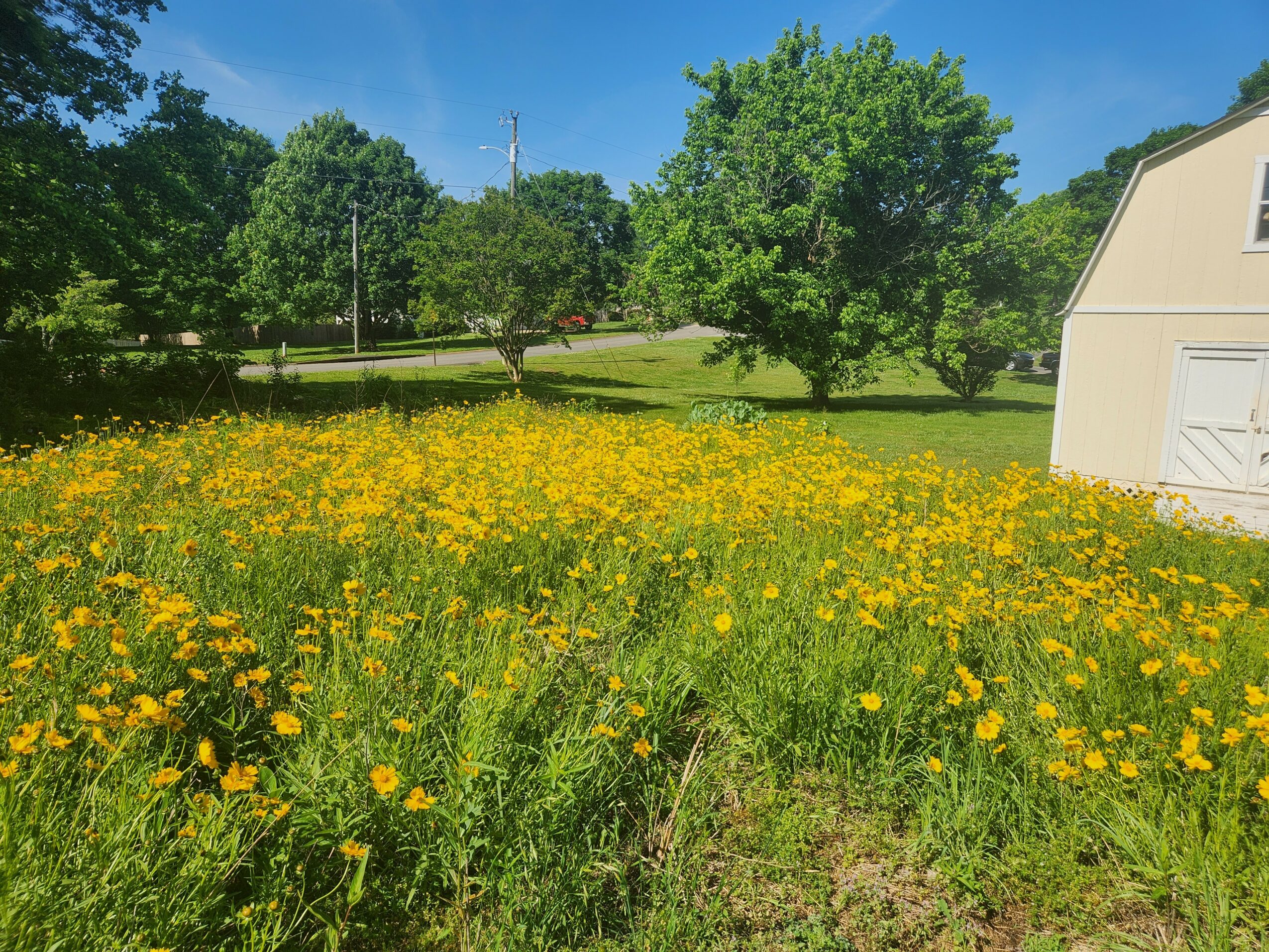
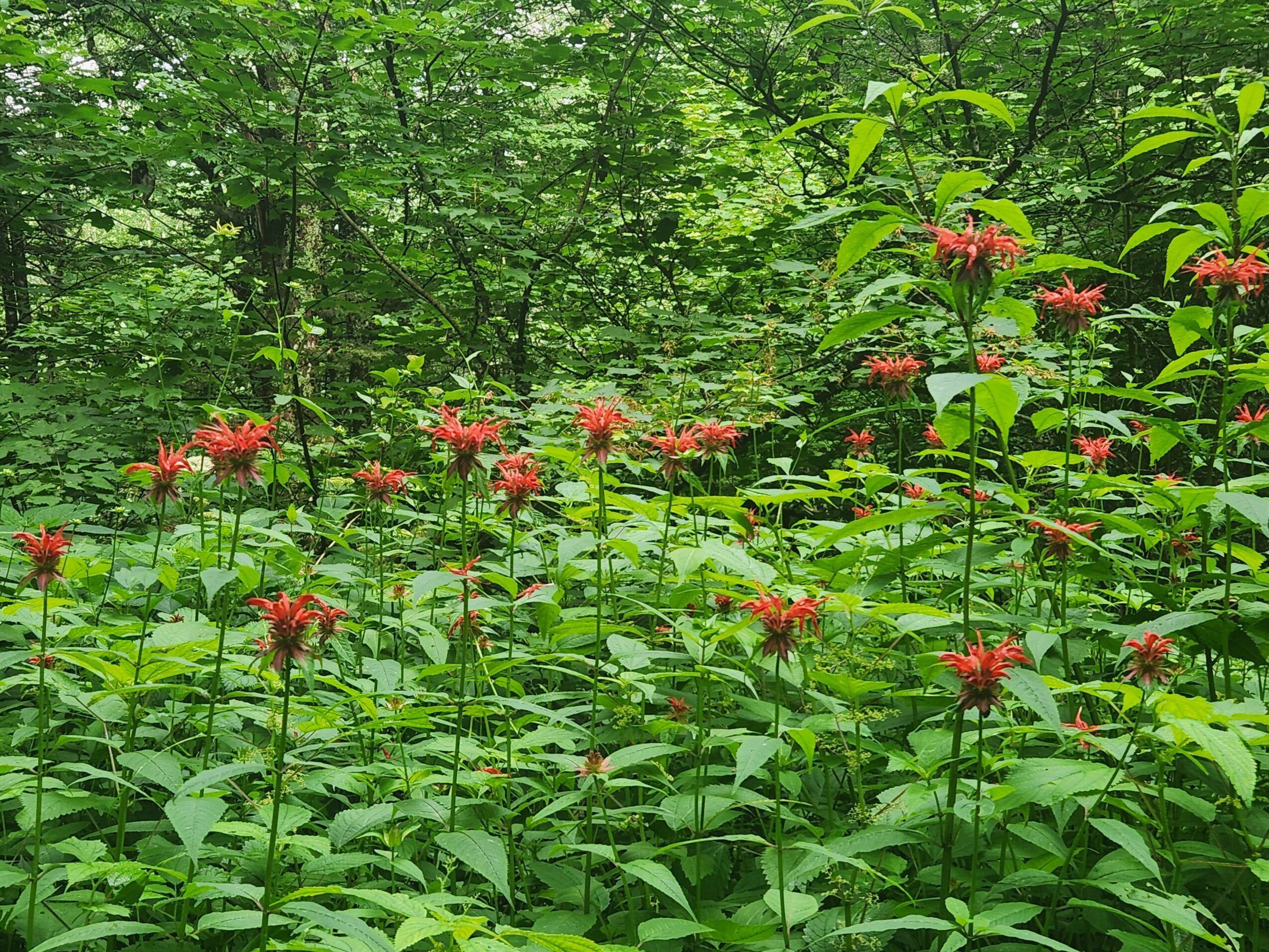
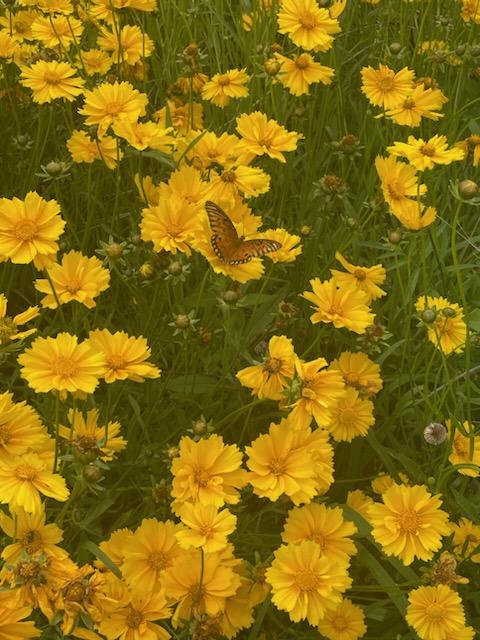
Image Credits
Headshot- Hillary Nichols
Plants/flowers/nature – Jodi Morgan
Popular
-

Darren Paltrowitz on Blending Investigation, Media, and Culture to Uncover the Stories Behind the Stories
-

Naeemah Jade on Redefining Networking Through Trust, Proximity, and Intentional Community
-

Dr. Cortnie Baity on Expanding Beyond Therapy to Build Scalable Tools for Intentional Living and Relationships
-

Dr. Shameka Campbell on Embracing a New Identity and Guiding Others Toward Purpose and Spiritual Breakthrough
-

ATL’s Most Inspiring Stories
-

Kareem “Reemo Meerak” Tyson on Building The C.U.T.S. Podcast and Creating a Space Where Culture Lives and Breathes