





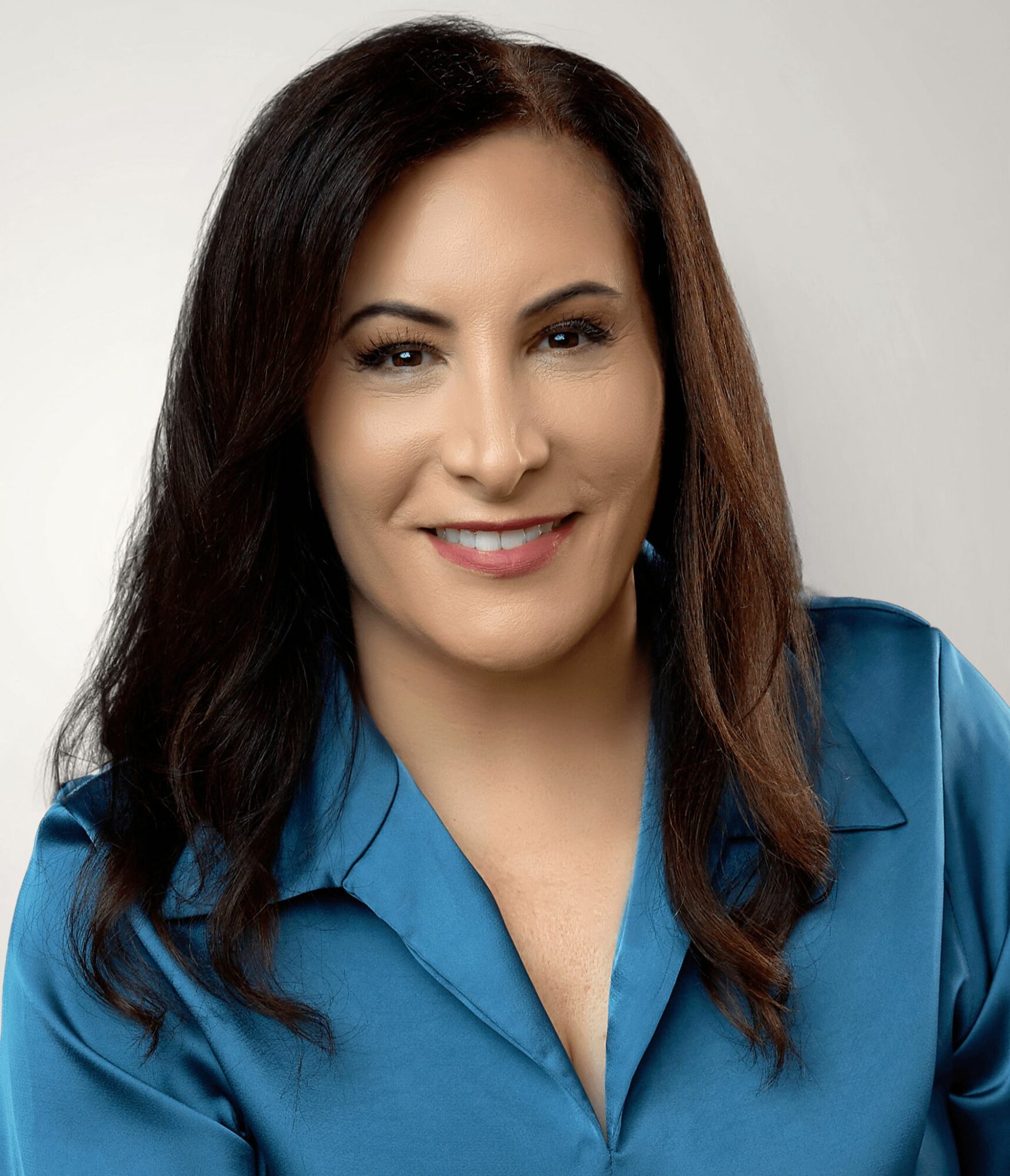
Today we’d like to introduce you to Susan Berel.
Hi Susan, so excited to have you on the platform. So before we get into questions about your work-life, maybe you can bring our readers up to speed on your story and how you got to where you are today?
I sometimes find myself wondering: <i>how did I get here?</i> — as a licensed clinical psychologist with a Ph.D. in Clinical Psychology, helping people navigate their emotional worlds in my private practice? The answer, like many of our journeys, began long before my professional titles and degrees. From a young age, I was highly attuned to the emotions and experiences of those around me. Growing up as an only child with an absent father and a mother who navigated her own challenges, I learned to notice subtle shifts in mood—a frown, a change in tone, agitation—and to adjust my behavior accordingly. It was not something I consciously chose, but something I instinctively did to maintain a sense of connection and safety. Those early experiences left me unsure of my place in the world and within myself, yet they also cultivated a deep sensitivity to the emotional lives of others.
My formative years shaped me in profound ways, nurturing an innate empathy and a strong intellectual curiosity. Combined ultimately with my own healing journey through therapy, these qualities eventually inspired me to pursue psychology—not only to understand my own path but to make meaning of my experiences by walking alongside others as I assisted in their evolution and growth. Becoming a psychologist felt natural. I have always been someone people turn to, a steady listener who can hold space for emotions without judgment. At the same time, I am driven by a desire to ask deeper questions and better understand the complexities of the human experience.
These qualities guided my educational path as well. I chose to major in psychology as an undergraduate at Vassar College, an institution known for its commitment to feminist thought and social justice. While there, I noticed a striking contradiction: despite being surrounded by strong, intelligent women in a progressive environment, many of us still struggled with body image and the pressure to meet unrealistic beauty standards. For a time, I found myself caught in that same struggle — narrowly avoiding an eating disorder — which led me to ask: Why do these pressures persist even in spaces that aim to challenge them?
This question became the foundation of my graduate work. I knew I wanted to explore the cultural influences on eating disorders in depth, so I pursued a Ph.D. in Clinical Psychology at Washington State University, where I had the opportunity to study with the late Dr. Lori Irving — an esteemed psychologist whose research focused on these very issues and their prevention. That experience shaped not only my academic perspective but also deepened my passion for understanding the intersections of culture and mental health.
Alright, so let’s dig a little deeper into the story – has it been an easy path overall and if not, what were the challenges you’ve had to overcome?
The journey to where I am today has been far from linear and, at times, incredibly difficult.
One of the most significant and heartbreaking obstacles I faced occurred during graduate school. My mentor, Dr. Lori Irving, passed away unexpectedly from medical complications while full-term pregnant. Losing her, and the baby, was not only a personal tragedy, but also a professional one, as I was still in the midst of my doctoral studies and deeply connected to her guidance and vision. It was devastating, and I had to find my footing without the person who had helped shape the core of my academic and clinical focus.
Graduate school itself was also intensely demanding. Balancing clinical training, research, teaching, and coursework was a constant juggling act. During my predoctoral internship at the University of Chicago Medical Center, I was simultaneously trying to finalize data collection for my dissertation, and additional research hurdles emerged. Although I completed my internship in 2002, I had not yet finished my dissertation — and that uncertainty lingered as I made a major life decision to relocate to Atlanta to be with my partner at the time, whom I later married.
That transition was filled with both joy and challenge. I completed and defended my dissertation in 2003, planned and celebrated my wedding in 2004, and then found myself in a new city without any professional network, all while needing to secure a postdoctoral position to complete my licensure requirements. It was not easy. I had to hustle, ask for introductions, and keep showing up until doors started to open.
Eventually, I landed several invaluable postdoctoral roles, including positions at Northside Hospital Women’s Center and the Atlanta VA Medical Center. I also connected with Powers Ferry Psychological Associates, where I had the privilege of working alongside Dr. Dina Zeckhausen, a respected psychologist and founder of the Eating Disorders Information Network (EDIN). Under her mentorship, I deepened my clinical skills and found a supportive community of colleagues.
In 2006, after completing my postdoctoral hours and passing all required exams, I officially became a licensed psychologist in the state of Georgia. I continued working at Powers Ferry Psychological Associates as an independent practitioner until 2024, when I took another leap — launching my own solo virtual private practice.
The path has been long and grueling at times, filled with uncertainty, loss, stress, and major life transitions. Despite the obstacles, each challenge has fueled my commitment to the field and deepened my empathy for those I serve. I have earned a few gray hairs along the way, but I also get to do work that feels deeply meaningful and aligned with who I am. And for that, I am incredibly grateful.
Thanks for sharing that. So, maybe next you can tell us a bit more about your work?
I am a licensed clinical psychologist with a solo virtual practice based in Suwanee, Georgia. I have been in private practice in Georgia since 2006, initially working within a group practice (Powers Ferry Psychological Associates) before launching my solo practice in 2024. Through PSYPACT—a compact that allows licensed psychologists to provide telehealth services across state lines—I am able to offer services to clients in Georgia and more than 40 additional U.S. states.
I provide individual psychotherapy to adults and teens, specializing in anxiety, depression, eating disorders, relational trauma, emotional abuse, and relationship issues. I also support clients navigating stress, grief, identity concerns, and major life transitions.
My therapeutic approach centers on authenticity, empathy, and a deep respect for each person’s lived experience. Clients often tell me they value the genuine connection I bring to our work together, and my ability to create a space where they feel truly seen and understood. While my work is grounded in advanced clinical training, it is the human connection that makes therapy most impactful. I strive to create a therapeutic space that feels safe, warm, and collaborative—where healing, growth, and self-discovery can truly unfold.
My educational background includes an M.S. and Ph.D. in Clinical Psychology from Washington State University. I completed my predoctoral internship at the University of Chicago Medical Center, followed by postdoctoral fellowships at Northside Hospital in Atlanta and the Atlanta VA Medical Center. I earned my undergraduate degree (B.A.) in psychology with honors from Vassar College.
What I am most proud of is the trust clients place in me to walk alongside them during some of their most vulnerable and transformative moments. Supporting clients through those times is both a responsibility and a profound privilege.
If we knew you growing up, how would we have described you?
I wish I could say my childhood was easy or carefree, but the truth is more complicated. I was born and raised in Manhattan as an only child of a single mother, with a father who was absent from my life. While there were moments of connection at home, the emotional environment was often unpredictable and intense. I was constantly on edge and unsure of where I stood. As a child, I became highly attuned to subtle shifts in mood and tone—learning to read a room quickly and adjust myself accordingly. It was not something I chose; it was how I learned to navigate my world.
There was a persistent sense of walking on eggshells. I developed a habit of monitoring others’ emotions closely, anticipating what might come next, and prioritizing harmony—often at the expense of my own needs. At the same time, I was a perfectionistic, overachieving student who placed a great deal of pressure on myself. Achieving became not only a way to create some sense of stability and earn approval, but also, in many ways, my pathway out of a painful and difficult home life. That early emotional vigilance and inner drive left a lasting imprint, shaping how I related to others, how I saw myself, and what I believed I needed to do to stay safe and move forward.
Between the ages of 5 and 13, I also faced a series of traumatic experiences outside the home that further shaped my identity. Medical challenges dominated much of my early life, compounded by ongoing social difficulties. Fifth grade was an especially painful time due to intense bullying. Not long after, I experienced interpersonal aggression and rejection during a summer sleepaway camp. These events deepened both my sense of vulnerability and my capacity for resilience. Through it all, school became my anchor—a space where I could focus on learning and find moments of calm amidst the instability around me.
Looking back, I can see how early hardships shaped who I became—not just personally, but professionally. They nurtured a deep empathy in me and a drive to understand the emotional world more fully. They made me a careful listener, a patient observer, and someone who genuinely wants to help others feel seen, safe, and understood. In many ways, I have spent my adult life making lemonade out of lemons. Through my own therapy and reflection, I have worked hard to heal the wounds of my past—and that healing process now informs how I show up as a therapist. I fully believe in the human capacity not just to recover from trauma and pain, but to grow from it. That belief is at the heart of my work.
Of course, empathy and lived experience are only part of the equation. While these qualities deeply inform how I connect with clients, they are not enough on their own. As a licensed psychologist, I also have a profound ethical responsibility to ground my care in science. My work is informed by years of rigorous training, research, and a commitment to evidence-based practices. Clients deserve not only to feel seen and understood, but to receive thoughtful, informed care that integrates both heart and mind. This is the standard I hold myself to every day in my practice and strive for in every therapeutic relationship.
Contact Info:
- Website: www.drsusanberel.com
- Facebook: https://www.facebook.com/profile.php?id=61561774555575
- Linkedin: https://www.linkedin.com/in/susan-berel-1075986/
- Yelp: https://biz.yelp.com/biz_info/paKPufp6d3e6bkVEVmm-cA
- Other: https://member.psychologytoday.com/us/home
Popular
-

Darren Paltrowitz on Blending Investigation, Media, and Culture to Uncover the Stories Behind the Stories
-

Naeemah Jade on Redefining Networking Through Trust, Proximity, and Intentional Community
-

Dr. Cortnie Baity on Expanding Beyond Therapy to Build Scalable Tools for Intentional Living and Relationships
-

Dr. Shameka Campbell on Embracing a New Identity and Guiding Others Toward Purpose and Spiritual Breakthrough
-

ATL’s Most Inspiring Stories
-

Kareem “Reemo Meerak” Tyson on Building The C.U.T.S. Podcast and Creating a Space Where Culture Lives and Breathes