



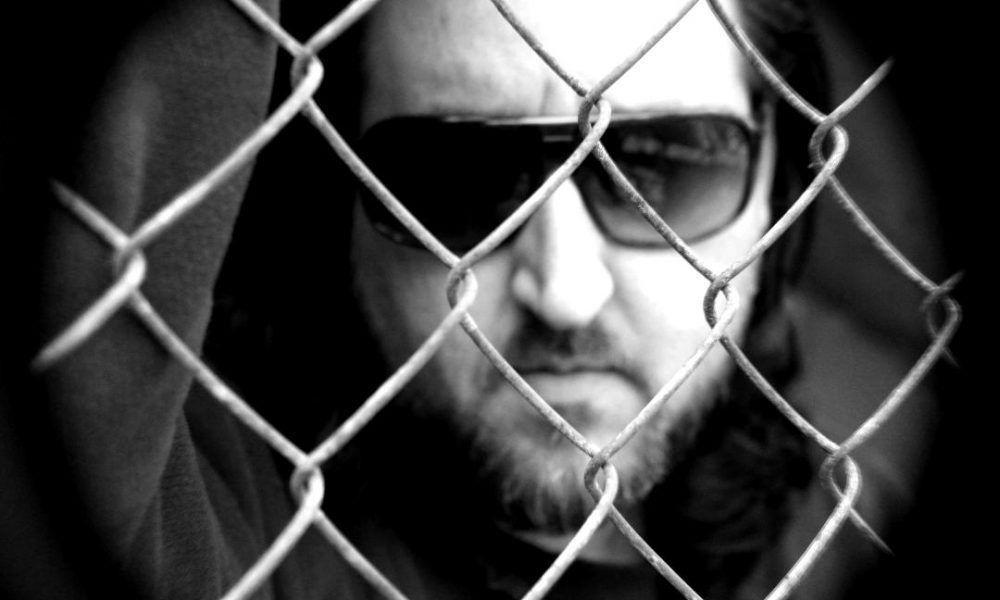
Today we’d like to introduce you to Video Rahim.
Video, let’s start with your story. We’d love to hear how you got started and how the journey has been so far.
I’ve always been fascinated with music and movies since I was a kid. In school, I started drawing and painting and attending art school in 8th grade. At 15, I started working at the local cable station on a news show geared towards teens, which sparked my interest in video and film. I saved up from a part-time job and bought a video camera and started making videos for my friends who were in a band that ended up getting signed to Sub Pop Records during the Nirvana heyday.
Soon I received a scholarship based on my drawings, paintings, and videos to study at Atlanta College of Art (ACA). While at ACA, I was awarded another scholarship to study film in Prague, Czech Republic. Upon returning to the U.S., I started working on skateboarding videos, which lead to me working on hip-hop videos for artists like The Beastie Boy’s DJ Hurricane. After graduating, I was a director and editor and eventually met Rico Wade of The Dungeon Family/Organized Noize (Outkast’s Producer). This later led to me directing a documentary for Goodie Mob. At the same time, I was also creating tour concert visuals for artists like P.Diddy, Ciara, Usher, MF Doom and Gorillaz. While shooting a documentary with Mos Def, Talib Kweli and Dave Chappelle and being on tour with The Beastie Boys, people kept calling me “Video Rahim” because I was always filming and had a camera in hand. Soon after, I began using this as my directing name and have gone on to direct videos for rock and hip hop groups like Mastodon, Blackberry Smoke, Biters, Sleepy Brown, Sugarhill Gang, EarthGang and many others while also continuing to direct and develop music documentaries.
Has it been a smooth road?
It has definitely not been easy. I’ve always had to fight for what I wanted and work extra hard. Nothing has ever been handed or given to me. I’m not a trust fund kid and my parent’s aren’t from money, so the struggle is real. My documentary ‘Rebel Scum’ took nearly ten years from concept to distribution. It was probably one of the hardest projects I’ve ever been faced with, and I still have to deal with the repercussions of the documentary. Everyone always gets to see the finished, polished product, but very few know all of the countless hours and hard work it takes to get there. And as an artist, I’m never fully satisfied with my work and can always go back to look at things I’ve completed and wish I had done more.
So let’s switch gears a bit and go into the Video Rahim story.
The thing that sets me apart from others is that I have been trained as a visual artist who transitioned into the film and video industry, but I still see myself as a visual artist. I shoot, direct, edit, produce, develop creative, and wear many hats. In comparison, I don’t have someone stretch my canvas, or create my outline, or pick my colors for me. Instead, I’m involved and in control of every step of the process. One of the coolest things about my business is that I get to collaborate with a lot of different artists. I like bringing other people to the table so we can all create, learn, and grow together.
How do you think the industry will change over the next decade?
As you know, technology continues to change, and that is the biggest thing that continues to drive and change all industries right now. However, ever since Atlanta turned into “Y’allywood” it has become increasingly difficult to film in and around the city. Everyone knows someone who got paid thousands for a location and everyone is waiting on their chance to hit the Hollywood lottery. It doesn’t just hurt independents and the indie film industry here in Atlanta, that was around long before Hollywood, but it also really puts a squeeze on other artists and creatives who also cannot afford the inflated rates. When I have to be real with clients on how much of their budget has to go just to locations it can sometimes be the difference between whether a video actually happens or if the musician walks away. It’s not a good spot to be in for us on the indie side of the industry. I don’t want to see the film industry leave Atlanta, but I do wish that people better understand the difference between indie and major motion picture budgets. At this point, we have started looking at locations far outside of Atlanta to work on these independent projects and help artists meet their budget constraints.
Contact Info:
- Website: www.musicvideorahim.com
- Email: [email protected]
- Instagram: @videorahim
- Facebook: Video Rahim
- Twitter: @VideoRahim


 Image Credit:
Goodie Mob photo by Ashley Simpson; Blackberry Smoke set photo by Harold Sellers; Tuk Smith & The Restless Hearts’ set photo (throwing rose petals) by Harold Sellers
Suggest a story: VoyageATL is built on recommendations from the community; it’s how we uncover hidden gems, so if you or someone you know deserves recognition please let us know here.
Popular
-
Darren Paltrowitz on Blending Investigation, Media, and Culture to Uncover the Stories Behind the Stories
-

Naeemah Jade on Redefining Networking Through Trust, Proximity, and Intentional Community
-

Dr. Cortnie Baity on Expanding Beyond Therapy to Build Scalable Tools for Intentional Living and Relationships
-

Dr. Shameka Campbell on Embracing a New Identity and Guiding Others Toward Purpose and Spiritual Breakthrough
-

ATL’s Most Inspiring Stories
-

Kareem “Reemo Meerak” Tyson on Building The C.U.T.S. Podcast and Creating a Space Where Culture Lives and Breathes