





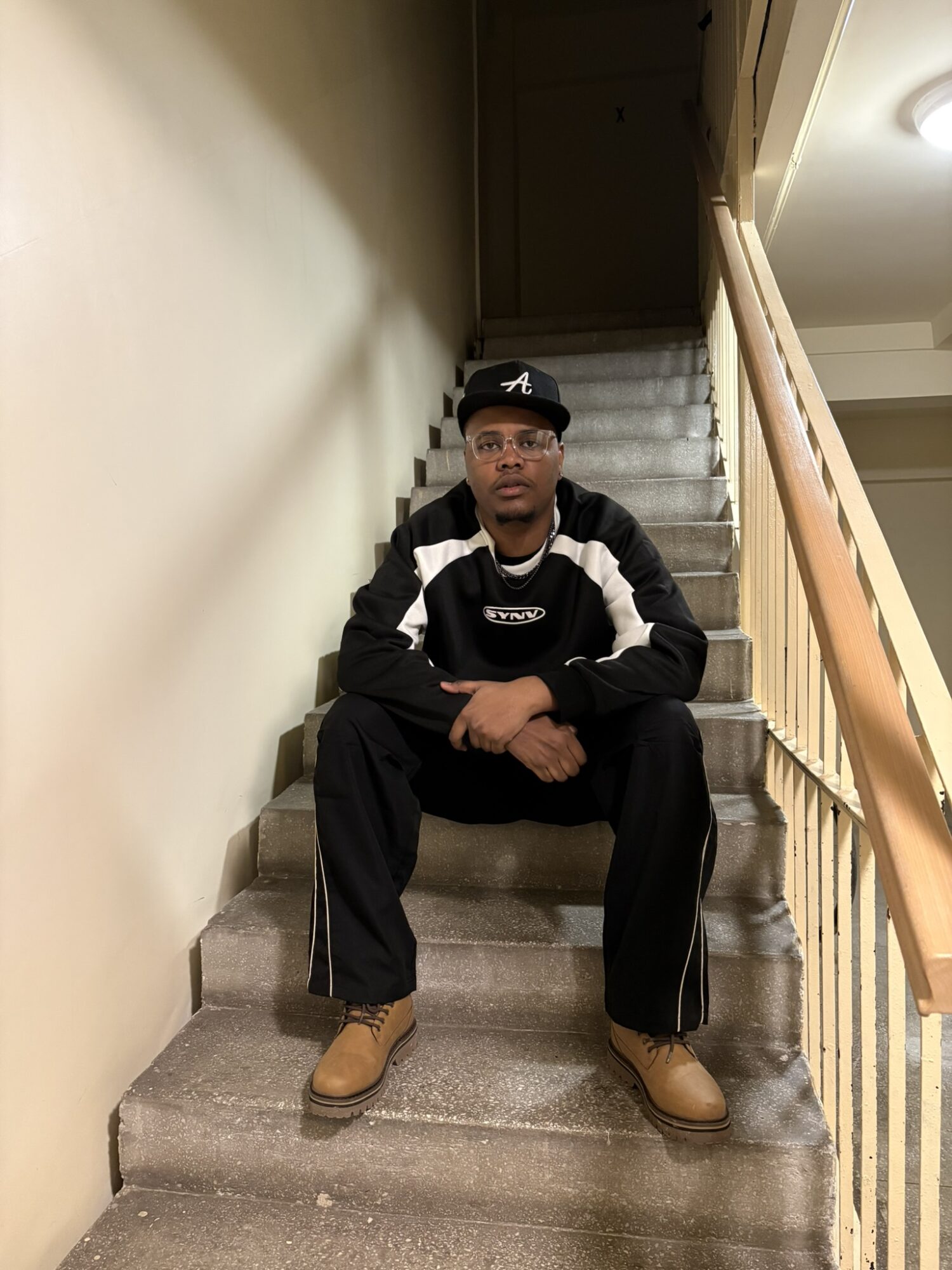
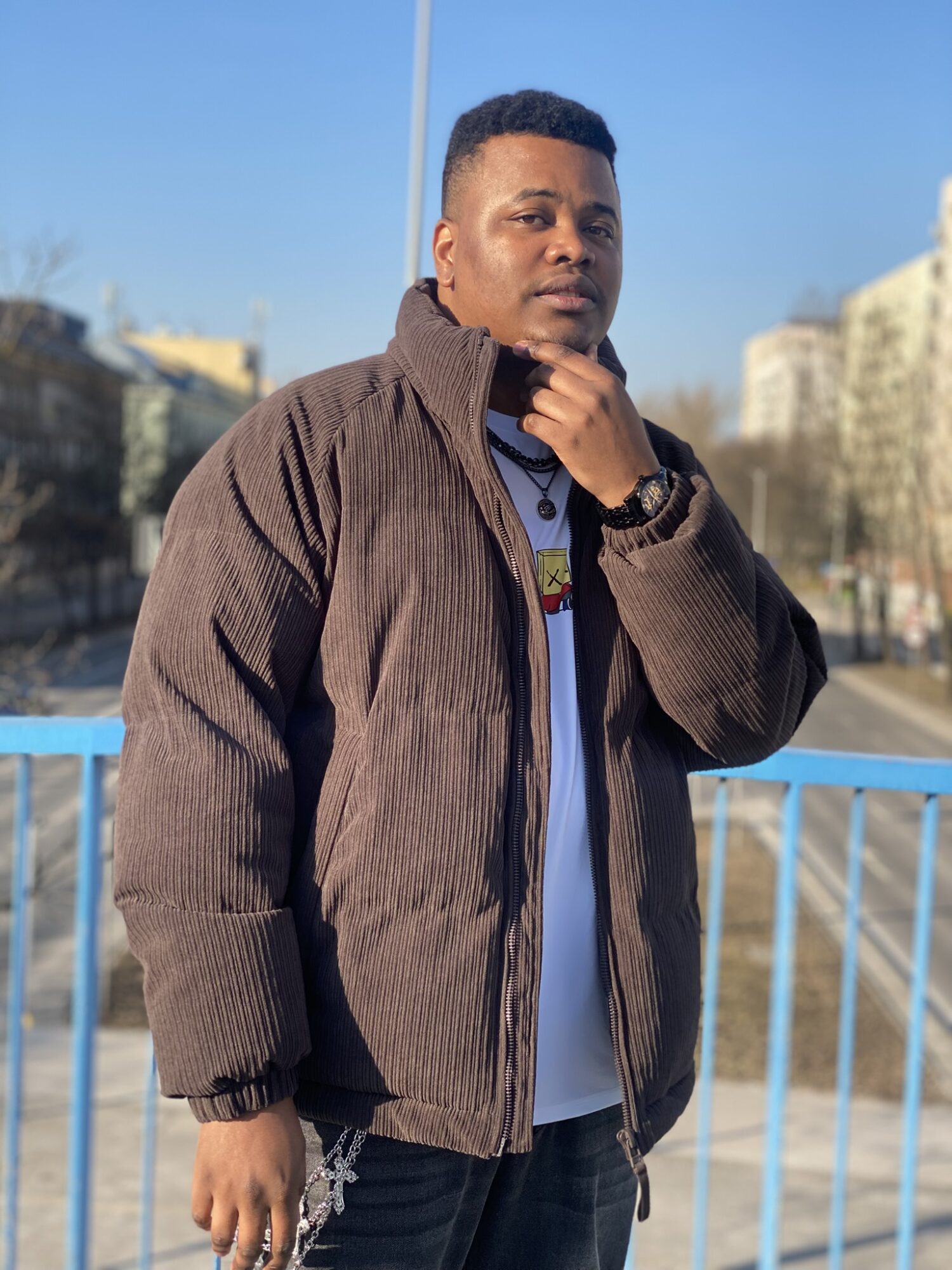
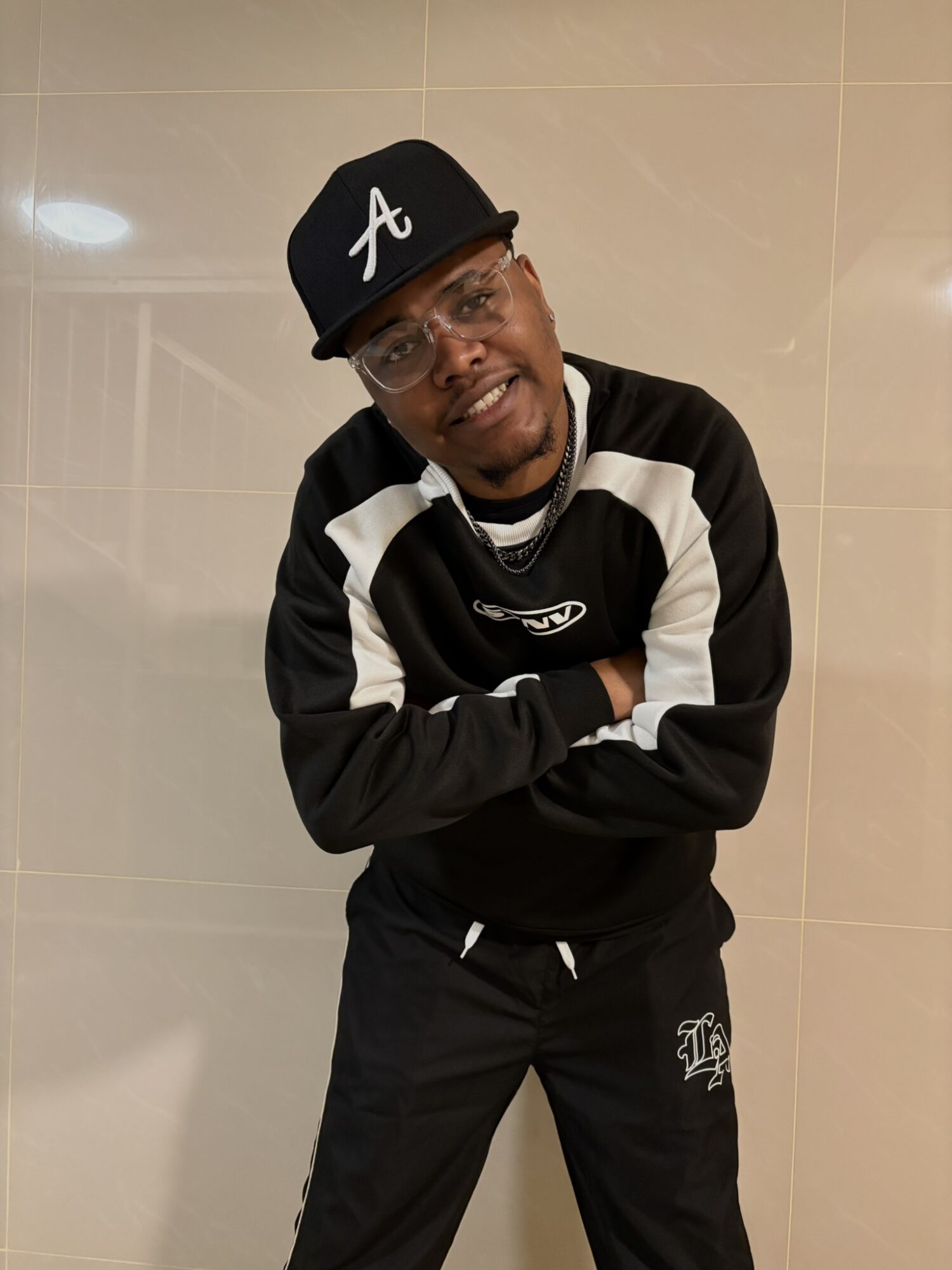
Today we’d like to introduce you to Barry Gorge.
Hi Barry, we’re thrilled to have a chance to learn your story today. So, before we get into specifics, maybe you can briefly walk us through how you got to where you are today?
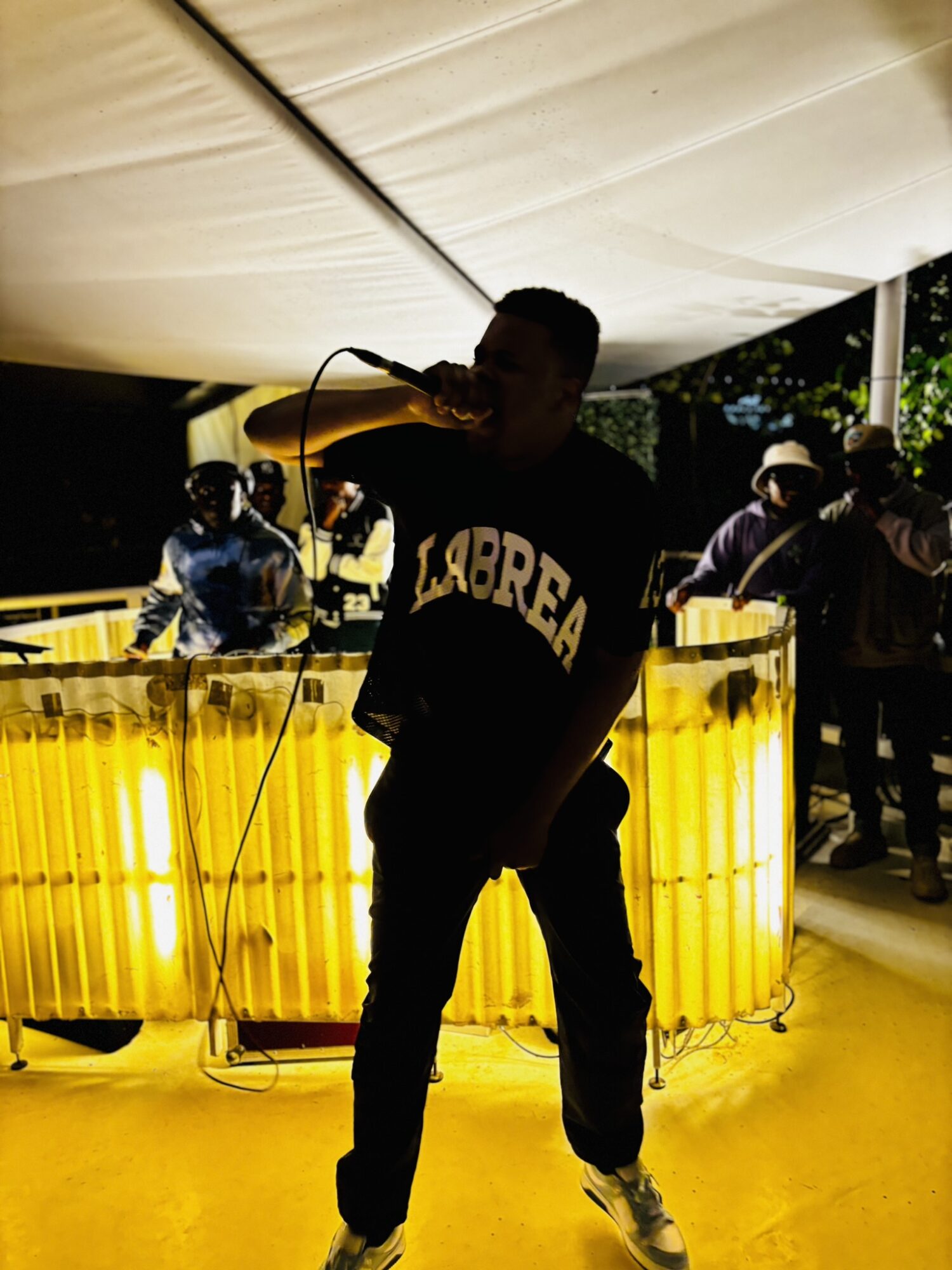
I started making music back in 2012 when I was in high school in Bulawayo, Zimbabwe. I was always listening to music, and at some point I just felt like I wanted to create my own. So I started recording demos, just experimenting and having fun with it, and I would play them for my friends at school.
That same year, I ended up winning a school talent show, and that’s when it really clicked for me. I realized this was something I genuinely loved and could see myself doing long-term.
After that, I kept recording demos over the years, but there were also breaks in between while I was figuring things out. Then in 2020, I started taking it more seriously, recording more professionally and consistently and putting my music out on platforms like YouTube. I later started releasing on Spotify in 2022.
When I relocated, I began doing everything on my own, from recording to developing my sound, which is still how I work today. It hasn’t been a straight path, there have been challenges and a lot of learning along the way, but it’s all been part of the journey. Right now, I’m just focused on growing, improving, and building something real with my music.
Alright, so let’s dig a little deeper into the story – has it been an easy path overall and if not, what were the challenges you’ve had to overcome?
It definitely hasn’t been an easy road. Growing up, especially in my neighborhood in Bulawayo, a lot of people didn’t really believe in dreams like that. You don’t see many success stories around you, so it’s easy to start doubting yourself or feel like it’s not possible.
I went through that myself. I remember one time in high school, after winning a talent show the year before, I came back the next year to perform again and it didn’t go well at all, I actually got booed off stage. I was only about 16 at the time, and that moment really hit me. I honestly felt like giving up.
And it wasn’t just that one moment. There have been times where I’ve performed and didn’t get the reaction I expected, or people told me the song wasn’t good enough. Those moments can really mess with your confidence.
But looking back now, I see all of those experiences as turning points. They forced me to grow, to improve, and to develop a stronger mindset. Instead of quitting, I started treating those setbacks as lessons. That’s what’s helped me keep going and become more confident in myself and my music.
Thanks – so what else should our readers know about your work and what you’re currently focused on?
I’m mainly a hip-hop artist, but more than that, I’m a real fan of music. I don’t just create it, I spend a lot of time listening, breaking things down, and understanding why certain songs work. I’d say I naturally approach music as an analyst. I enjoy studying flows, structures, and sounds, and that plays a big role in how I create.
I also handle a lot of the technical side myself. I record, mix, and develop my own music, so I’m involved in the full process. That independence has helped me build a sound that’s very personal to me.
A big part of what shapes how I think comes from my background. I have a degree in mathematics and a Master’s in finance, so analyzing and understanding patterns is something that comes naturally to me. That’s one of the reasons I connect so deeply with music, I don’t just hear it, I study it. In the future, I’d love to combine more of that knowledge with my music and create something unique.
What sets me apart is the way I look at music from different angles. I don’t see it as just sound, I see it as structure, emotion, and even numbers in a way. I like bringing that level of depth and complexity into what I do, while still keeping it real and relatable. I’m always trying to grow and include different parts of who I am into my music, and I think that’s what makes my approach different.
What sort of changes are you expecting over the next 5-10 years?
I see the industry moving forward a lot in terms of technology. It’s already becoming easier for artists to create music, and I think that will continue. You don’t need as much physical equipment anymore, everything is shifting more towards software and mobile setups. Programs like FL Studio or Pro Tools have already changed the game, and I think we’ll see even more advanced, accessible tools in the next few years.
At the same time, I think the sound of music, especially hip-hop, will always move in cycles. Trends come and go, just like fashion. You might hear a certain style dominate for a few years, then it fades and older sounds come back around. Right now, you can already hear influences from early 2000s hip-hop coming back into the mainstream.
So while technology will keep pushing things forward, the music itself will always evolve in cycles, with new and old styles blending together over time.
Contact Info:
- Website: https://linktr.ee/barryogee
- Instagram: https://www.instagram.com/barryogee
- Youtube: https://www.youtube.com/@barryogee
Popular
-

Hidden Gems: Local Businesses & Creatives You Should Know
-

ATL’s Most Inspiring Stories
-

Portraits of Atlanta
-

Dr. Hildiah Martin-Suggs Is Building Second Chances for Youth Who Were Almost Lost in the System
-

From Showing Up to Seeing His Face on a Billboard: Anthony Green Is Just Getting Started
-

Wayne Smith Jr on Survival, Psychological Thrillers, and the Cost of Staying Alive