





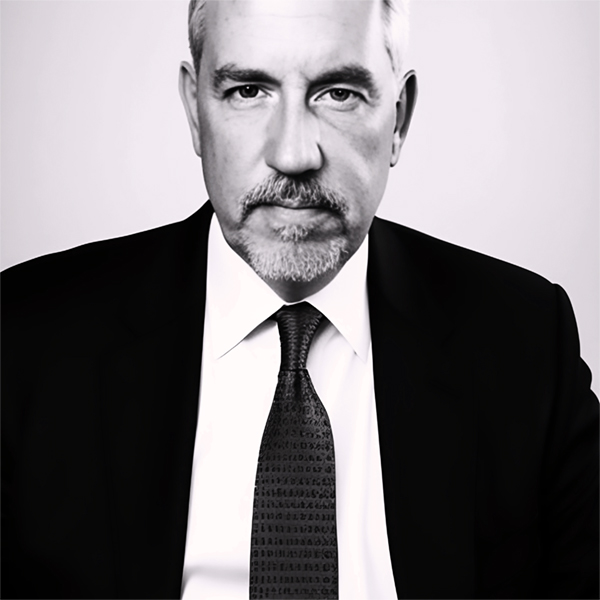
Today we’d like to introduce you to David Cosgrove.
Hi David, we’re thrilled to have a chance to learn your story today. So, before we get into specifics, maybe you can briefly walk us through how you got to where you are today?
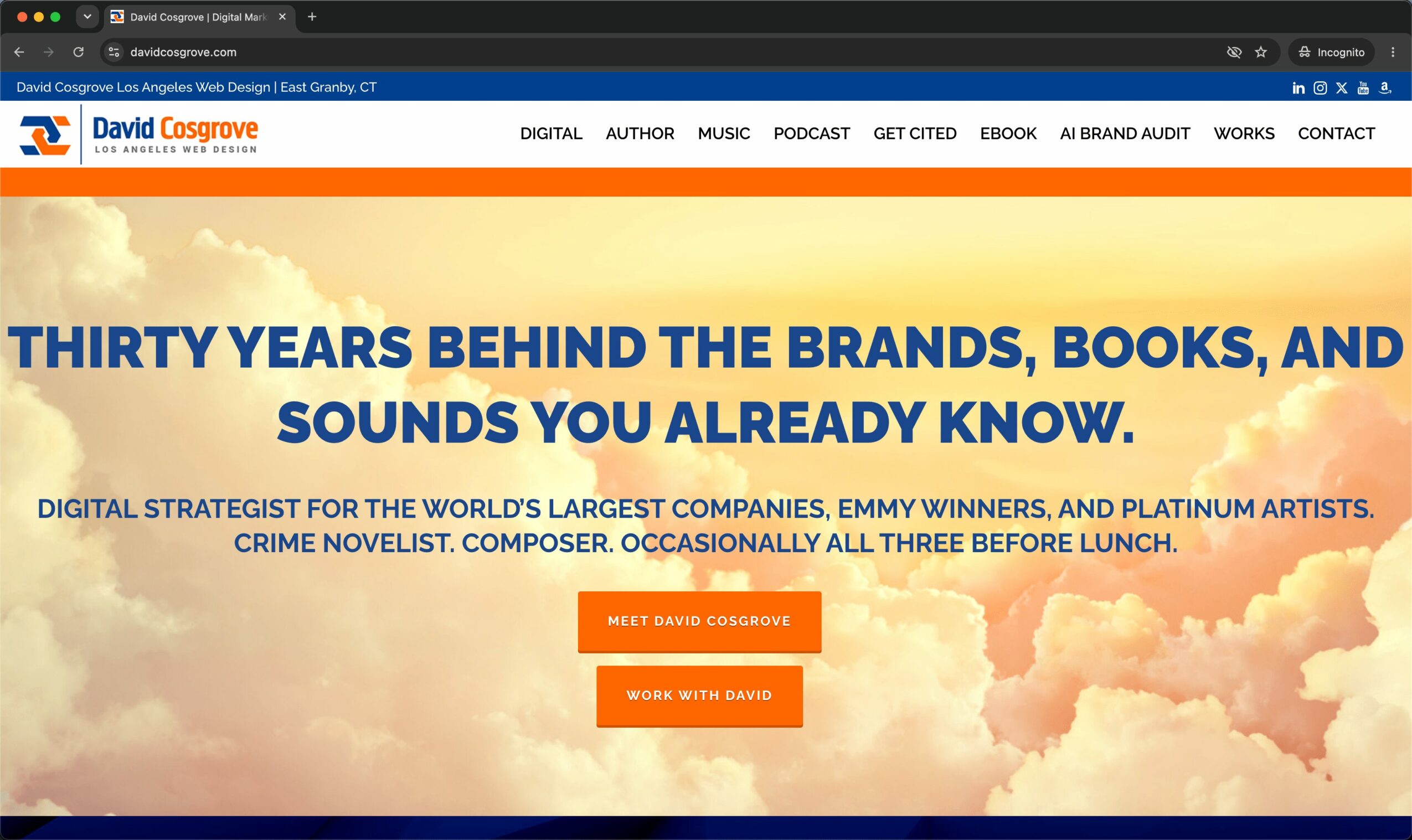
My story starts in 1993, when the web was still mostly a rumor. I studied at the University of New Haven and fell into digital right as it was being invented. There was no playbook, which turned out to be the best possible training. You learned by building things, breaking them, and building them better. Thirty-plus years later, I’m still doing exactly that, just at a very different scale.
Over three decades, my consultancy has designed and deployed hundreds of websites and digital strategies for a client roster I still can’t quite believe: Fortune 20 companies, Emmy winners, Pulitzer Prize laureates, international film and television stars, platinum-selling recording artists, and scrappy startups that became something bigger. The work spans B2B, healthcare, SaaS, entertainment, local businesses, manufacturing, and much more, but the constant has always been the same: strategy first, results always. Some of that work happens as a white label partner for agencies, which means some of my favorite projects have someone else’s name on them. That’s fine by me. The results speak either way. These days that includes helping brands get found and cited by AI search, which is the biggest shift I’ve seen since Google itself. I’m also building something of my own in that space: PolicyGuardrail.AI, an enterprise AI data firewall. Companies are racing to adopt AI, and most of them have no idea what sensitive data is walking out the door in the process. PolicyGuardrail sits between the enterprise and the AI, so businesses get the upside without the exposure. After thirty years of helping other people build their thing, it feels right to be building one of mine.
The marketing career was never the whole story, though.
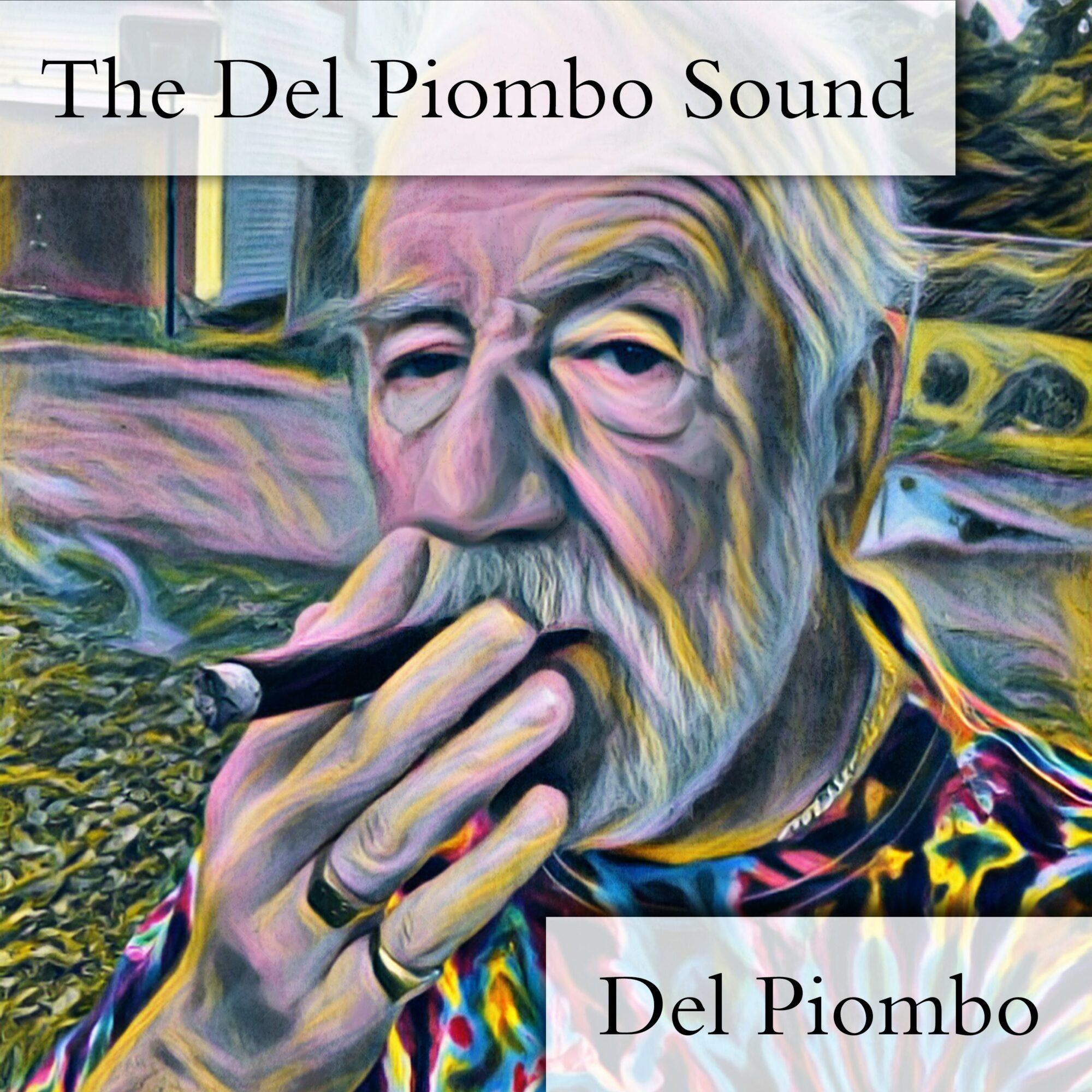
I’m a composer. I record electronic music as Del Piombo, and I’ve had my cinematic orchestral music catalog mastered at Abbey Road Studios. The teenager who spent hours flipping through CD longboxes and LPs at his local record store would not have believed that sentence!
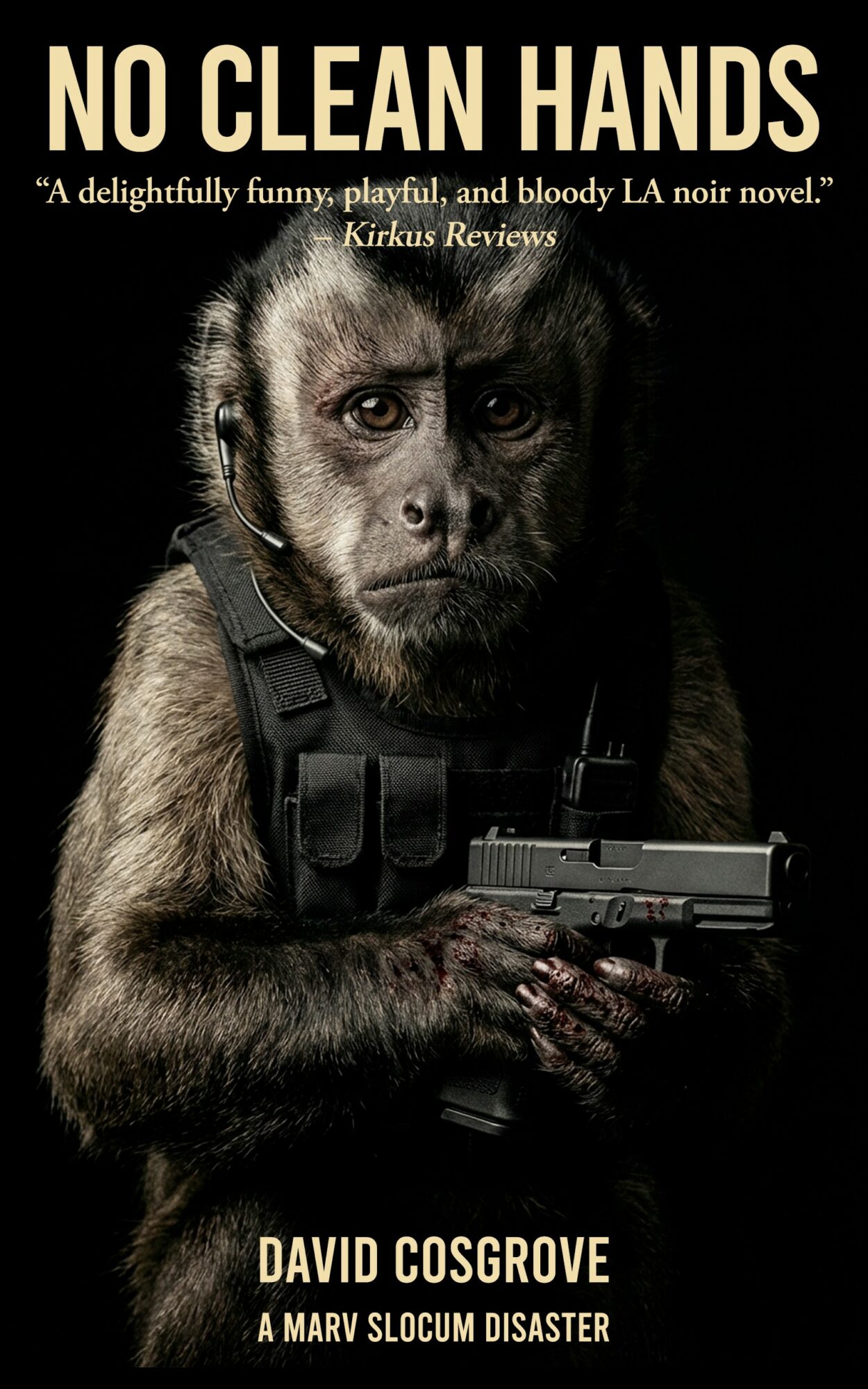
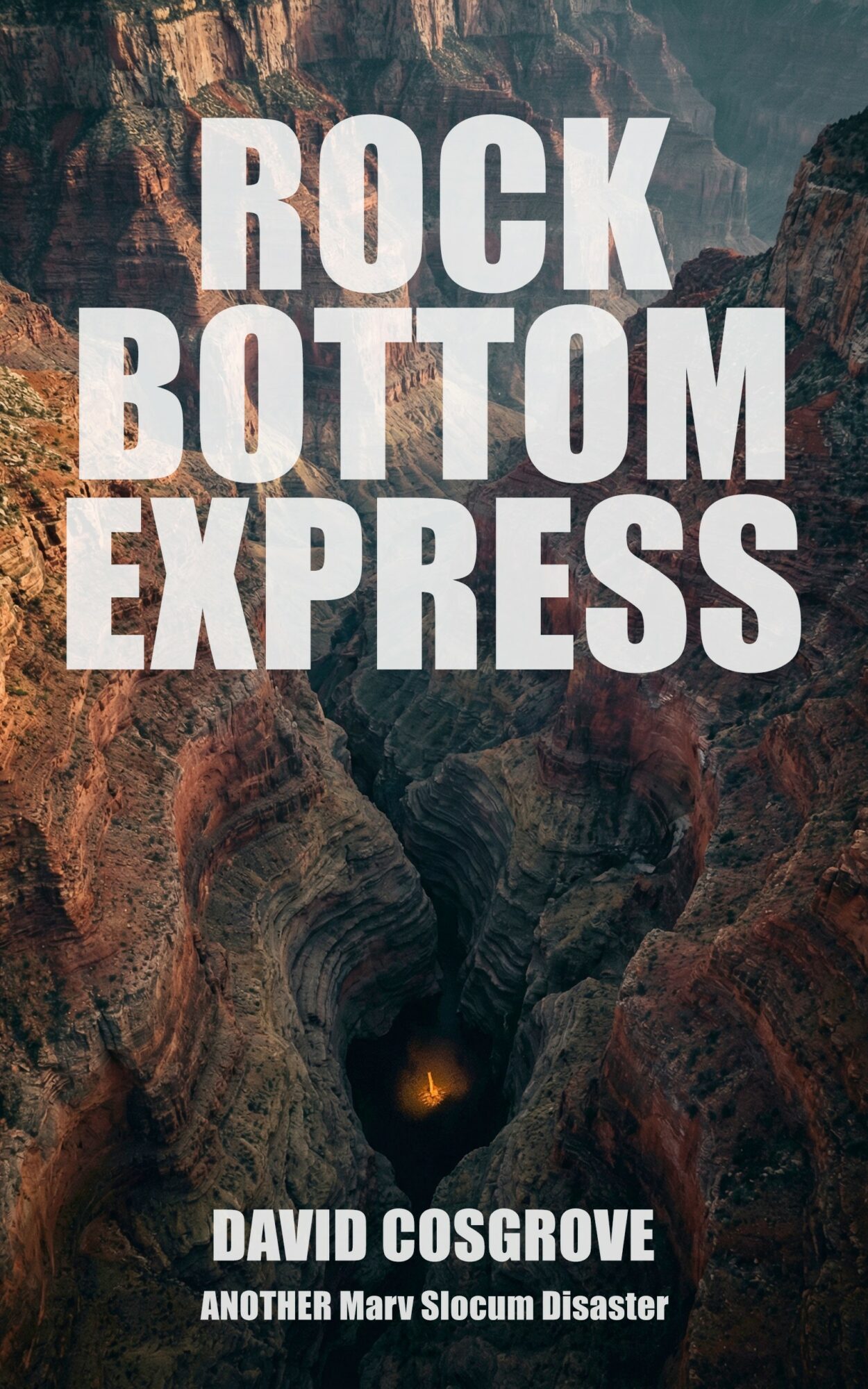
I’m also a crime novelist. I write the Marv Slocum series, darkly comic crime fiction about a rumpled, perpetually sweaty fixer from Van Nuys who can’t stop finding trouble. Kirkus Reviews called my book “No Clean Hands” “delightfully funny, playful, and bloody,” which might be the most accurate description of my work anyone has ever written. I design my own covers too, which is what happens when a novelist has spent thirty years as a designer. Nobody can stop you. Sharp-eyed readers will notice Del Piombo also shows up in my novels. Everything I make talks to everything else I make.
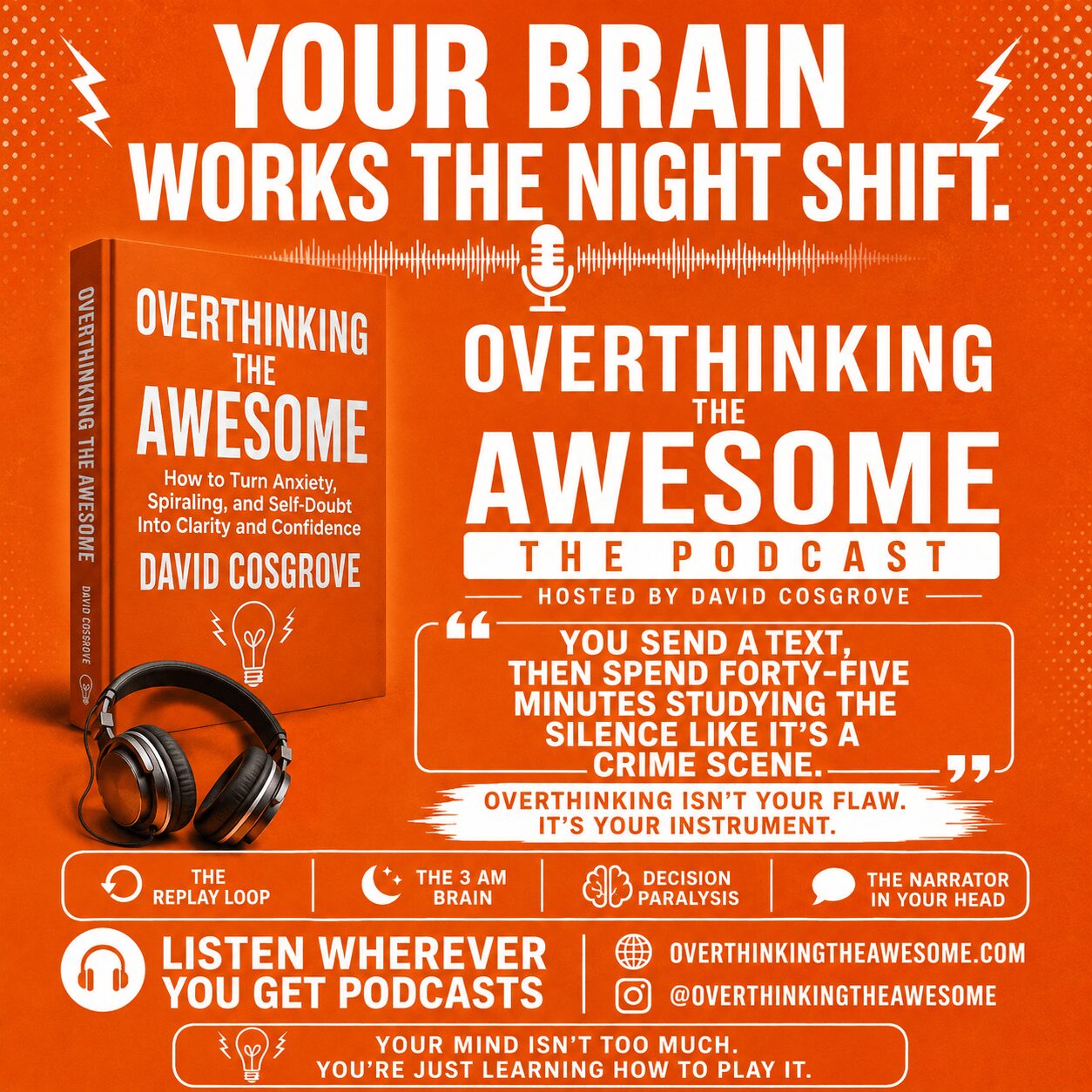
And I host a podcast called Overthinking the Awesome (based on the book I wrote by the same name), which is exactly what it sounds like: taking the things we love far too seriously, joyfully.
People ask how the pieces fit together, and the answer is that they’re all the same job. Take something complex, find the story in it, and deliver it in a way that connects. A Fortune 20 digital strategy, a synth composition, a crime novel, a podcast episode. It’s all structure, voice, and knowing your audience. The marketing taught me discipline. The music taught me that the space between the notes matters. The fiction taught me voice. Thirty plus years in, I’m a digital strategist, composer, and novelist. Occasionally all three before lunch.
We all face challenges, but looking back would you describe it as a relatively smooth road?
It definitely has not been a smooth road, although I’m not sure I would have wanted it to be. As the saying goes, “a smooth sea never made a skilled sailor.”
One of the strange things about spending more than thirty years in digital is that you get very comfortable with the ground moving underneath you. Entire technologies, business models, platforms, and skill sets that once seemed indispensable have disappeared. I started before Google existed. I’ve worked through the dot-com boom and bust, multiple recessions, the rise of search, social media, mobile, programmatic advertising, SaaS, and now AI. Every few years, something arrives that supposedly changes everything. Occasionally, it actually does.
The challenge is that experience can become a liability if you start believing it entitles you to certainty. I’ve had to keep becoming a beginner again. That means learning new tools, questioning things that worked perfectly well five years ago, and sometimes admitting that something I spent years becoming very good at is no longer particularly important. That can be uncomfortable, but it is also why I’m still doing this.
Running a consultancy brings its own education. There have been difficult clients, projects that went sideways, great ideas that went nowhere, businesses that disappeared, invoices that took considerably more creativity to collect than they did to earn, and plenty of moments when I wondered whether getting a normal job might be an interesting experiment. You learn very quickly that being good at the work and running a business are two completely different skills.
The creative side has its own version of that struggle. Nobody is waiting around for another novel, another album, or another podcast. You can spend months or years making something you believe in and release it into a world with absolutely no obligation to care. That teaches you humility very quickly. You have to love making the thing enough that the making itself matters.
I’ve also learned that failure rarely announces itself dramatically. More often, it looks like an idea that doesn’t catch on, a campaign that underperforms, a manuscript that needs another rewrite, a song that never quite becomes what you heard in your head, or a direction that simply turns out to be wrong. The useful part is figuring out what the failure is trying to tell you.
Probably my biggest challenge over the years has been resisting the temptation to narrow myself into one easily explained thing. There is a lot of pressure professionally to pick a lane. Digital strategist. Composer. Novelist. Podcaster. For a long time I wondered whether doing all of those things made the story harder to understand.
Eventually I realized the opposite was true. The different disciplines make each other better. The setbacks in one area often teach me something I use in another. So the road has absolutely had potholes, detours, and several exits I probably should not have taken. But after thirty-plus years, I think adaptability matters more than having followed a perfect route.
The goal was never really to avoid getting knocked around. It was to keep creating, keep learning, and keep moving. Always creating.
Thanks – so what else should our readers know about your work and what you’re currently focused on?
I tend to describe myself as a composer, novelist, and storyteller, although increasingly I think the more accurate description is that I build worlds in different mediums.
Music was there first. I record as Del Piombo, my musical alter ego, and the work lives somewhere between cinematic orchestral music, progressive rock, ambient music, and whatever else happens to serve the story. I’ve always thought visually when I compose. I describe the music as “soundtracks for films that don’t exist — but should.” I’m less interested in writing a piece of music that simply sounds good than creating something that makes you see something when you hear it.
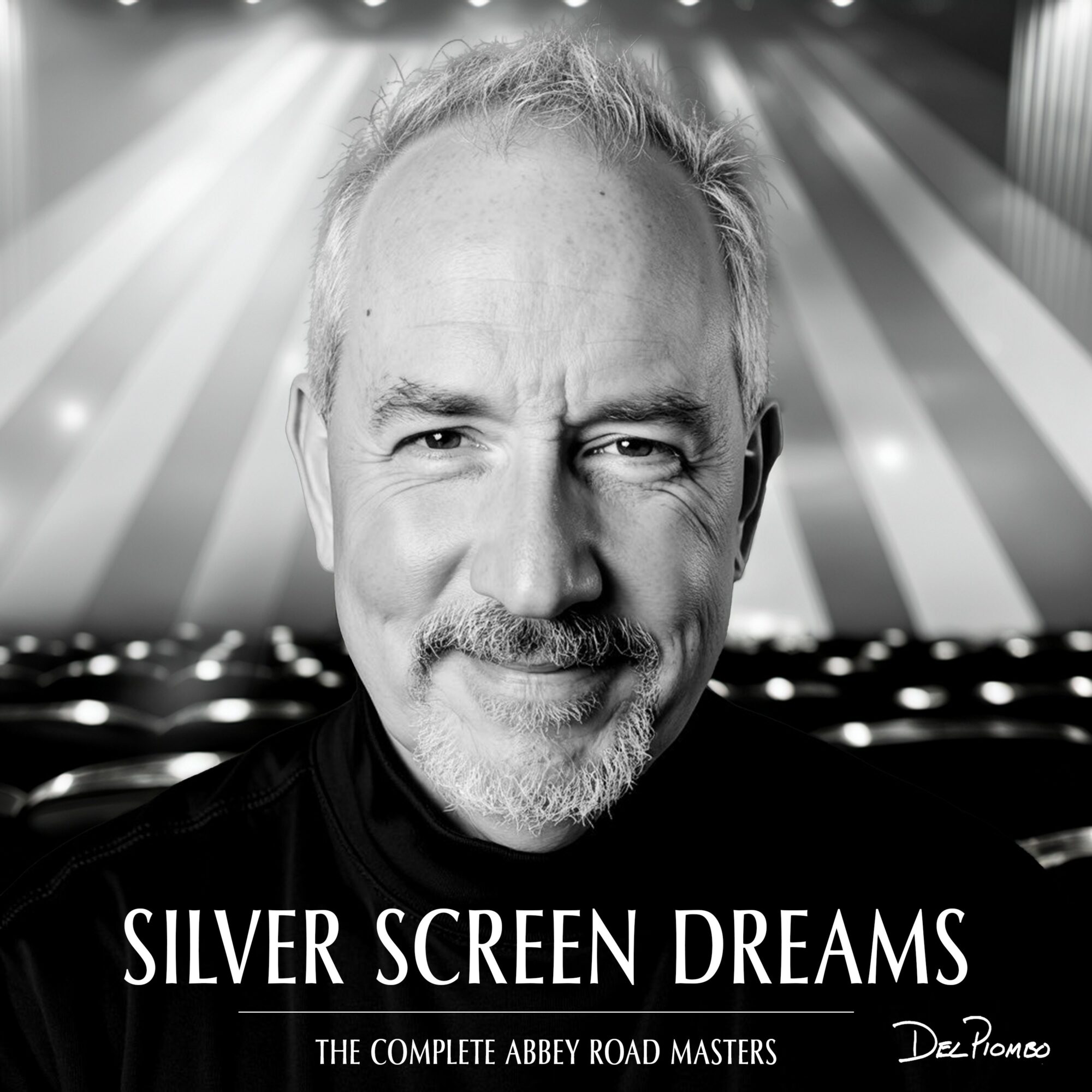
One of the things I’m proudest of is Silver Screen Dreams – The Complete Abbey Road Masters, a 50-track collection of my cinematic work mastered at Abbey Road Studios in London. I grew up as the kid who could disappear into a record store for hours, studying album covers and liner notes and wondering how all of this mysterious stuff got made. Having my own music go through Abbey Road is one of those things my younger self would have considered completely impossible.
Then there are the books.
I write darkly comic crime fiction centered around Marv Slocum, a rumpled, sweaty, catastrophically unlucky Los Angeles private investigator who has an almost supernatural ability to make a bad situation worse. The books combine noir, crime, absurdity, violence, music, and a lot of very dark humor. Kirkus Reviews described No Clean Hands as “delightfully funny, playful, and bloody,” and I remember reading that and thinking: Well, they found it. That’s exactly what I was trying to do.
I talked about that approach in an interview with Paul Burke for Aspects of Crime, where I summed it up this way: “The funniest moment and the bloodiest moment can be the same moment.” That tension is really the engine of the Marv Slocum books.
What interests me is the collision between genuine stakes and something almost absurdly funny. I love crime fiction, but I’m probably incapable of writing the solemn version of it. My characters make terrible decisions. Things explode. Criminal masterminds have extremely specific musical tastes. Helicopters tend to arrive when they absolutely should not. Underneath all of that, though, I take the characters and the storytelling very seriously.
And then there’s Overthinking the Awesome, which started as a book about taking all that mental horsepower we normally call overthinking and learning how to use it rather than fight it. That grew into an audiobook and a podcast, because some ideas naturally want to become conversations rather than stay on the page. The podcast lets me approach the same subjects with more humor, storytelling, personality, and immediacy.
What probably sets my creative work apart is that I don’t see any hard walls between these things.
Del Piombo appears inside my fiction. Music influences the rhythm of the novels. The discipline of writing books makes the podcast better. Decades of visual design mean I design my own covers and much of the creative world surrounding the work. One project is constantly feeding another.
I’m proud of the individual accomplishments, certainly. Having music mastered at Abbey Road means a tremendous amount to me. Having Kirkus understand exactly what I was trying to do with No Clean Hands meant a lot. Seeing people discover Overthinking the Awesome through a book, an audiobook, or a podcast is incredibly gratifying.
But I think what I’m most proud of is the body of work itself.
At some point I stopped waiting for permission to make things.
If I want to write a crime novel, I write it. If I hear an orchestra in my head, I build it. If an idea works better behind a microphone, I record it. I’ve spent enough years creating to understand that the important part isn’t fitting neatly into a category.
It’s making something that sounds unmistakably like you.
Are there any books, apps, podcasts or blogs that help you do your best?
I read pretty widely, but the people who have influenced me most tend to fall into two very different camps: thinkers who changed the way I look at life, and writers who changed the way I want sentences to sound.
Alan Watts has probably been one of the biggest influences on how I think. He had this remarkable ability to take enormous philosophical ideas — identity, consciousness, anxiety, our obsession with controlling everything — and make them feel completely accessible, often funny, and occasionally obvious in retrospect. That idea that maybe we don’t have to wrestle every moment of life into submission is something that has stayed with me and absolutely finds its way into Overthinking the Awesome.
Dr. Wayne Dyer is another major influence. What I always responded to in Dyer was the emphasis on changing the way you interpret your life rather than waiting for the outside world to arrange itself perfectly. There’s an optimism there that I appreciate, but also a very practical idea underneath it: your attention matters. What you repeatedly tell yourself matters.
Then there is the considerably less serene side of my bookshelf.
Hunter S. Thompson was hugely influential because he demonstrated that the writer’s personality doesn’t have to disappear behind the story. Sometimes the voice is part of the story. He could be outrageous, hilarious, furious, observant and completely unmistakable. Nobody ever accidentally wrote a Hunter S. Thompson paragraph.
Carl Hiaasen is probably one of the clearest influences on my fiction because he proves that crime, absurdity, violence and genuine satire can coexist. His best work can be completely ridiculous and still have real stakes underneath it.
And Don Winslow is simply a tremendous storyteller, perhaps the greatest living author. I admire the velocity of his writing. His ability to strip a scene down, keep it moving and make you want to read one more page at 1:00 in the morning when you absolutely should be asleep.
My favorite newer podcast is No Time But Now, with William Shatner and his daughter Melanie. I love the premise because it deals with something that becomes increasingly important the older you get: time is not theoretical. The interesting thing isn’t someday. It’s what you’re doing with the time you actually have. That resonates enormously with me, creatively and personally.
So my influences are a slightly strange dinner party: Alan Watts and Wayne Dyer discussing consciousness while Hunter Thompson causes a scene, Carl Hiaasen takes notes, and Don Winslow quietly figures out how the whole thing ends.
Contact Info:
- Website: https://www.davidcosgrove.com/
- Instagram: https://www.instagram.com/davidcosgroveauthor
- Facebook: https://www.facebook.com/delpiombomusica/
- LinkedIn: https://www.linkedin.com/in/davidcosgrove/
- Twitter: https://x.com/delpiombomusica
- Youtube: https://www.youtube.com/channel/UCE9bnDrczNa9edUKhqt058Q
- Soundcloud: https://soundcloud.com/circus-the-media
- Other: https://overthinkingtheawesome.com/
Popular
-

Hidden Gems: Local Businesses & Creatives You Should Know
-

ATL’s Most Inspiring Stories
-
From Showing Up to Seeing His Face on a Billboard: Anthony Green Is Just Getting Started
-

Portraits of Atlanta
-

Wayne Smith Jr on Survival, Psychological Thrillers, and the Cost of Staying Alive
-

Meet Laya Hoffman | Award-Winning Voice Actor, Live Announcer & Champion for Authentic Storytelling