
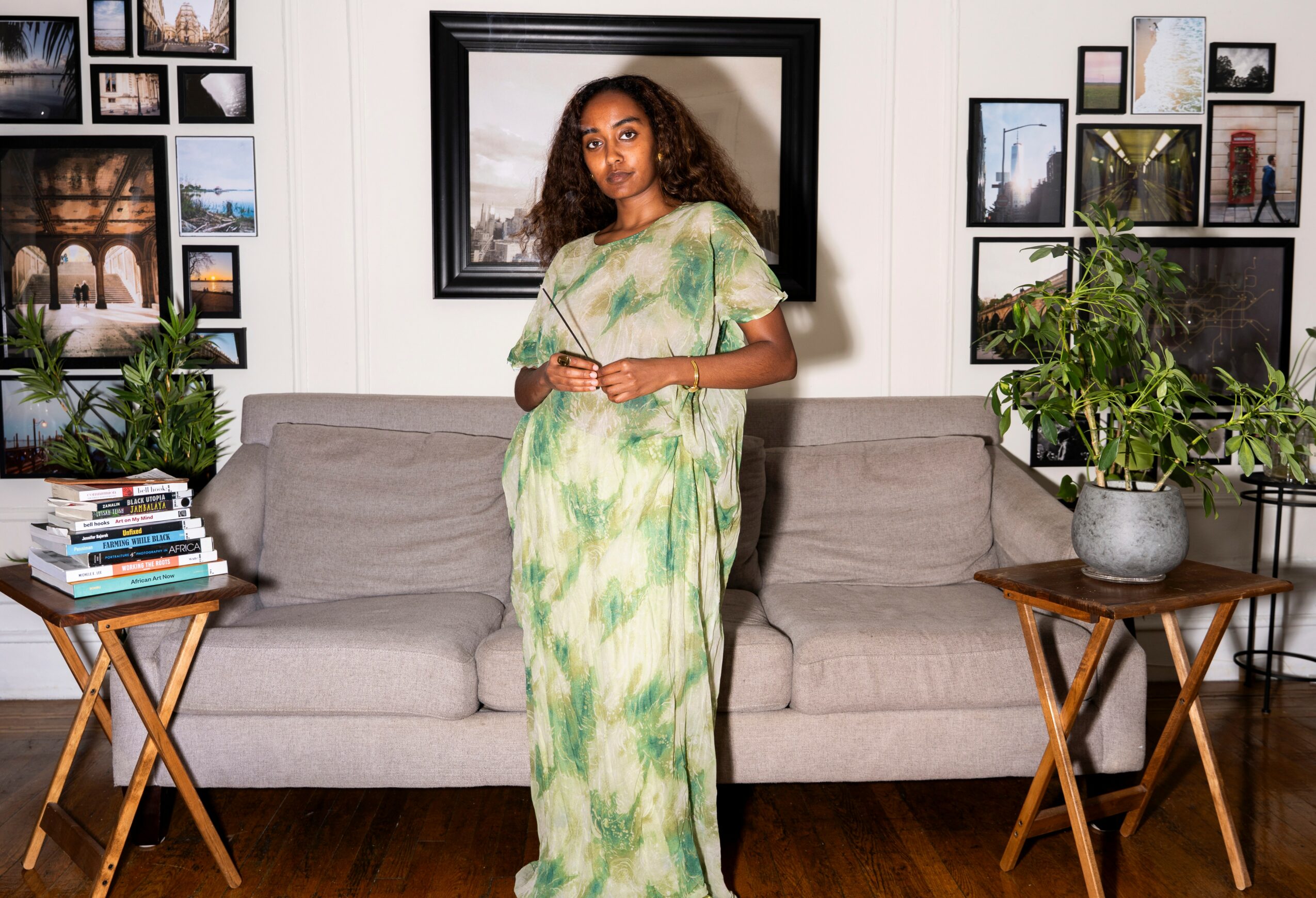
Today we’d like to introduce you to Hanna Wondmagegn.
Hi Hanna, so excited to have you on the platform. So before we get into questions about your work-life, maybe you can bring our readers up to speed on your story and how you got to where you are today?
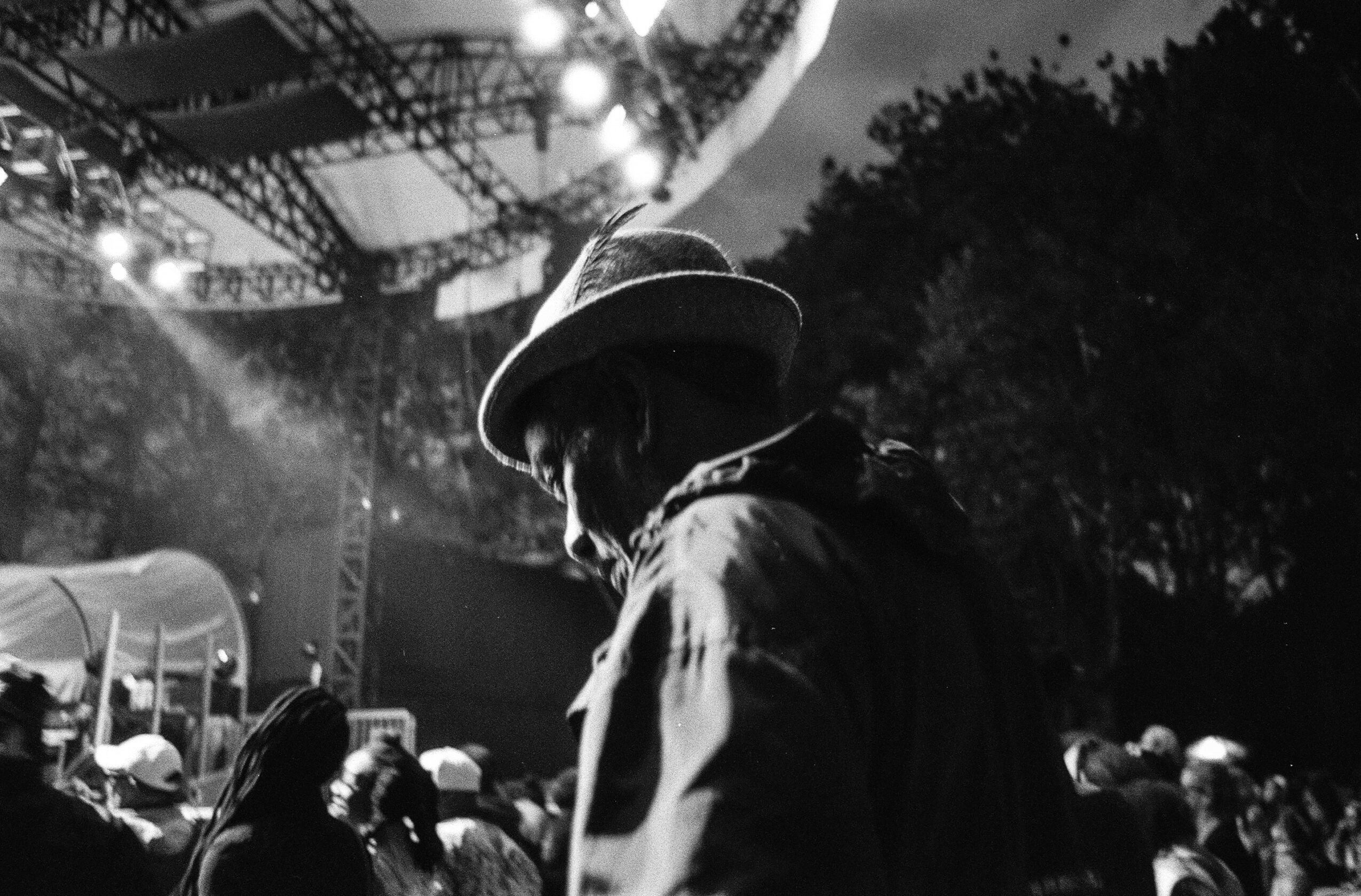
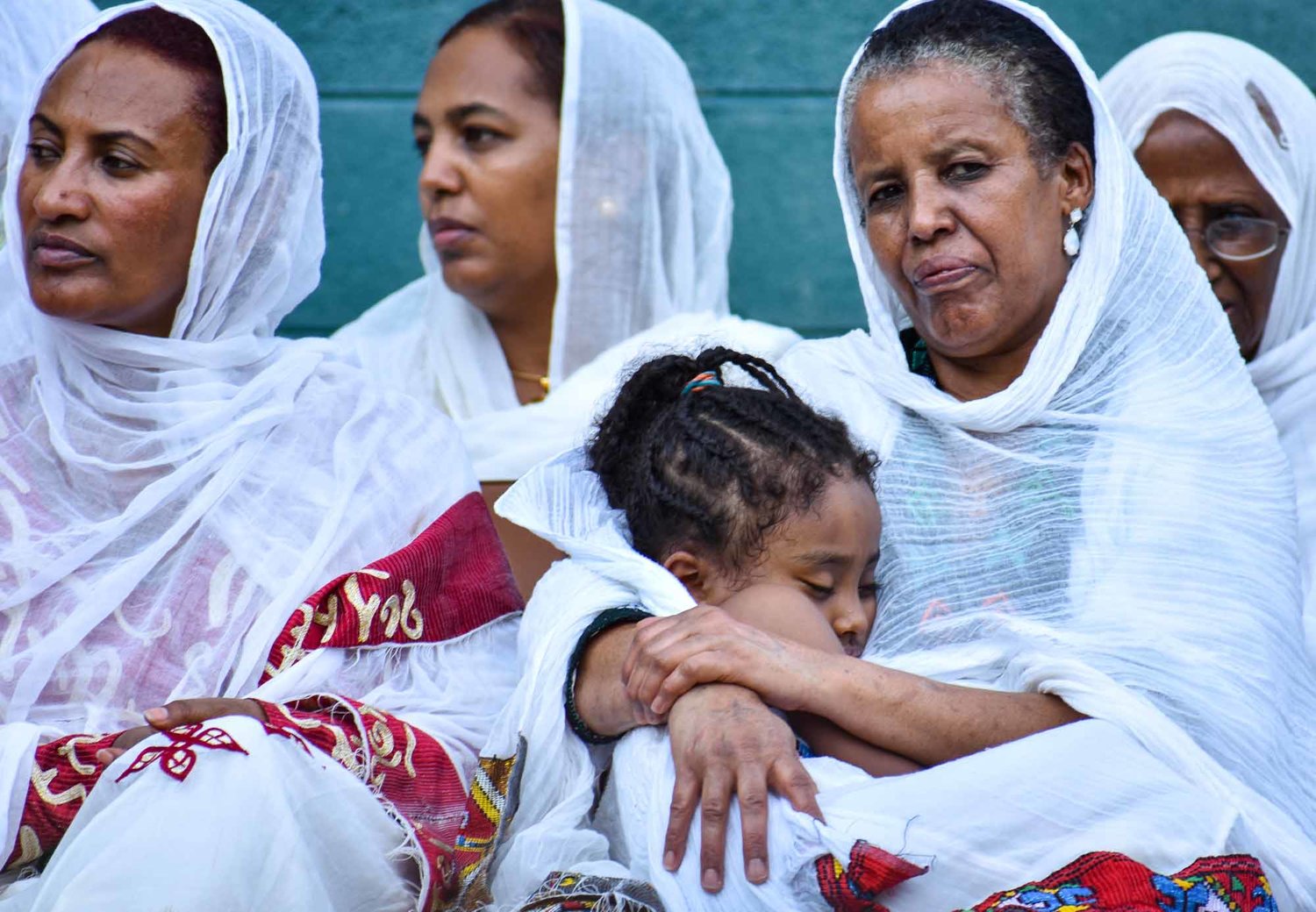
I am an Ethiopian-U.S. American photographer and visual storyteller from North Carolina, currently based in Harlem, NYC. My career and photo practice began in the immigrant neighborhood that I grew up in that inspired me to enter the field of storytelling in order to share more of our stories.
In high school, I joined the Newspaper where I learned how to write and the art of the interview. As a first generation college student, I had no clue where to apply to college and thanks to the encouragement of my Newspaper advisor, I applied to the Media and Journalism program at UNC-Chapel Hill where I attended on a full-ride scholarship.
During my time in university, I had a “journalistic identity crisis,” bouncing from broadcast and writing to radio and video. It wasn’t until I took an Introduction to Photojournalism class my sophomore year that I knew I found the medium that fit for me.
Since then, I have traveled to 20 countries and across the U.S, working with story partners to share their stories. My work has been featured in NPR, The Financial Times, The Intercept, Courier Media, The Assembly, The Huffington Post, Civil Eats, The News and Record, University of Charlotte, Semester at Sea, Brooklyn Org, The Daily Tar Heel, and The Charlotte Observer.
While these successes are significant and important to me, what I am most honored by is all the people I’ve come across who were so open and giving with their stories and their time.
Can you talk to us a bit about the challenges and lessons you’ve learned along the way. Looking back would you say it’s been easy or smooth in retrospect?
Every challenge and obstacle I’ve faced in my life has led me to where I am today. While I’d prefer some trials and tribulations to have never occurred (especially once that are man-made and due to systemic issues), I am grateful for what each experience taught me.
I was in my junior year of college when the COVID-19 pandemic began its deadly journey. Generally during the summer leading up to your senior year, journalism students are encouraged to have an internship at a newsroom. This internship would then count as former newsroom experiences that was part of the requirement for entry level newsroom jobs once you graduated. Most of the students were able to maintain that experience as they could conduct interviews and collect sound bites over phone call, zoom, or email. But not the photo and video students whose job requires you to be in person which was not safe for all parties involved. When I was younger, I was a heavy rule follower and took requirements at face value. I recognize now that I could have probably reached out to these jobs and explain why I didn’t have any prior newsroom experience. But thankfully, I didn’t.
Cue a challenging journey of living at home post-grad, scraping by trying to find any freelance gig, and feeling like I had failed. Through a series of fortunate events and luck, I ended up in NYC working at Hearst Magazine and then transferring to a consulting firm as a photographer and photo editor, even gaining a promotion to Senior Photo Editor there. Eventually, I quit that job in November of 2025 to pursue photography full-time which I have successfully been able to do so far.
What seemed like the worst thing in the world – not being able to apply to a newsroom position post grad – ended up being the best thing that ever happened to me.
As you know, we’re big fans of you and your work. For our readers who might not be as familiar what can you tell them about what you do?
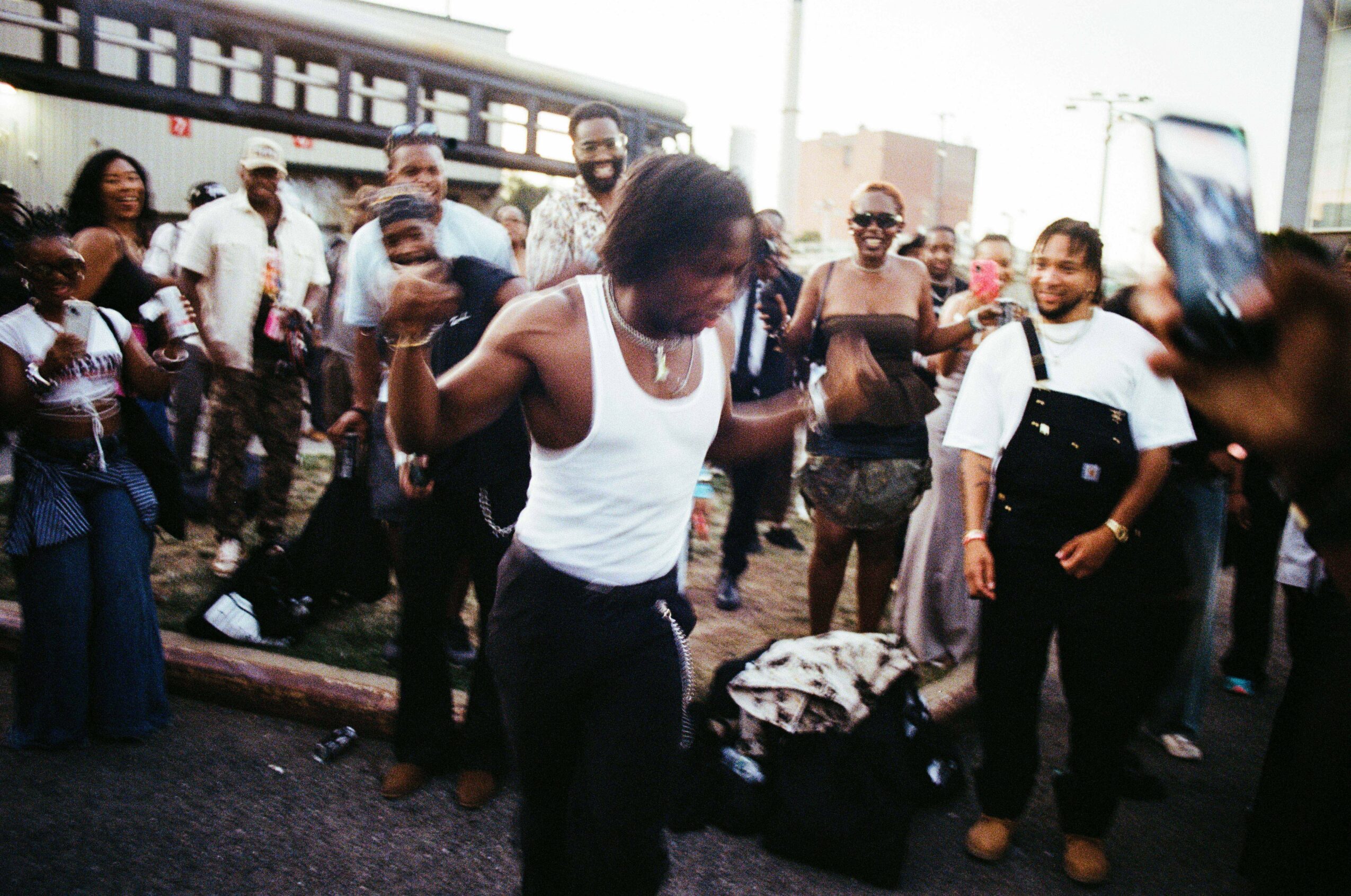
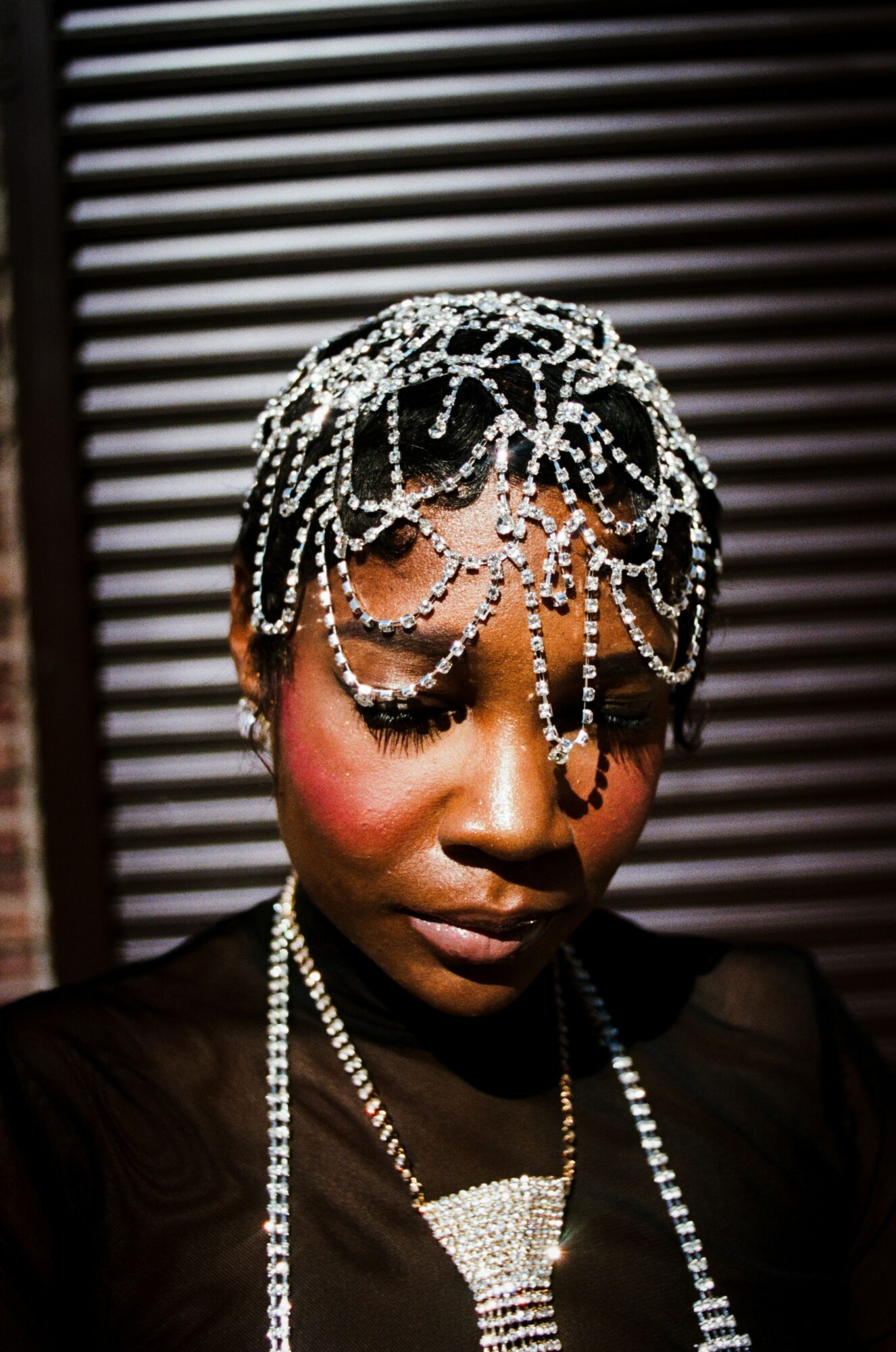
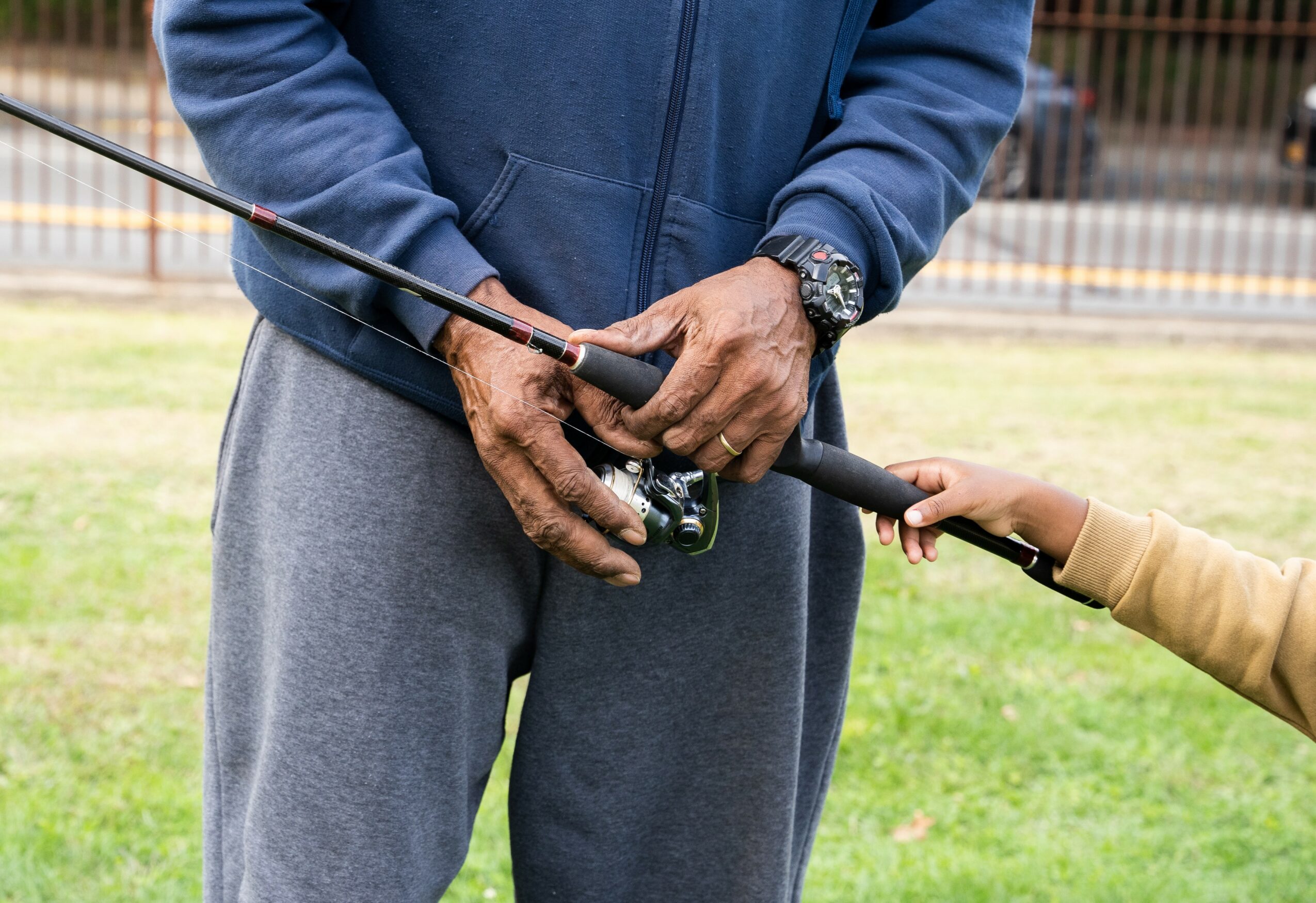
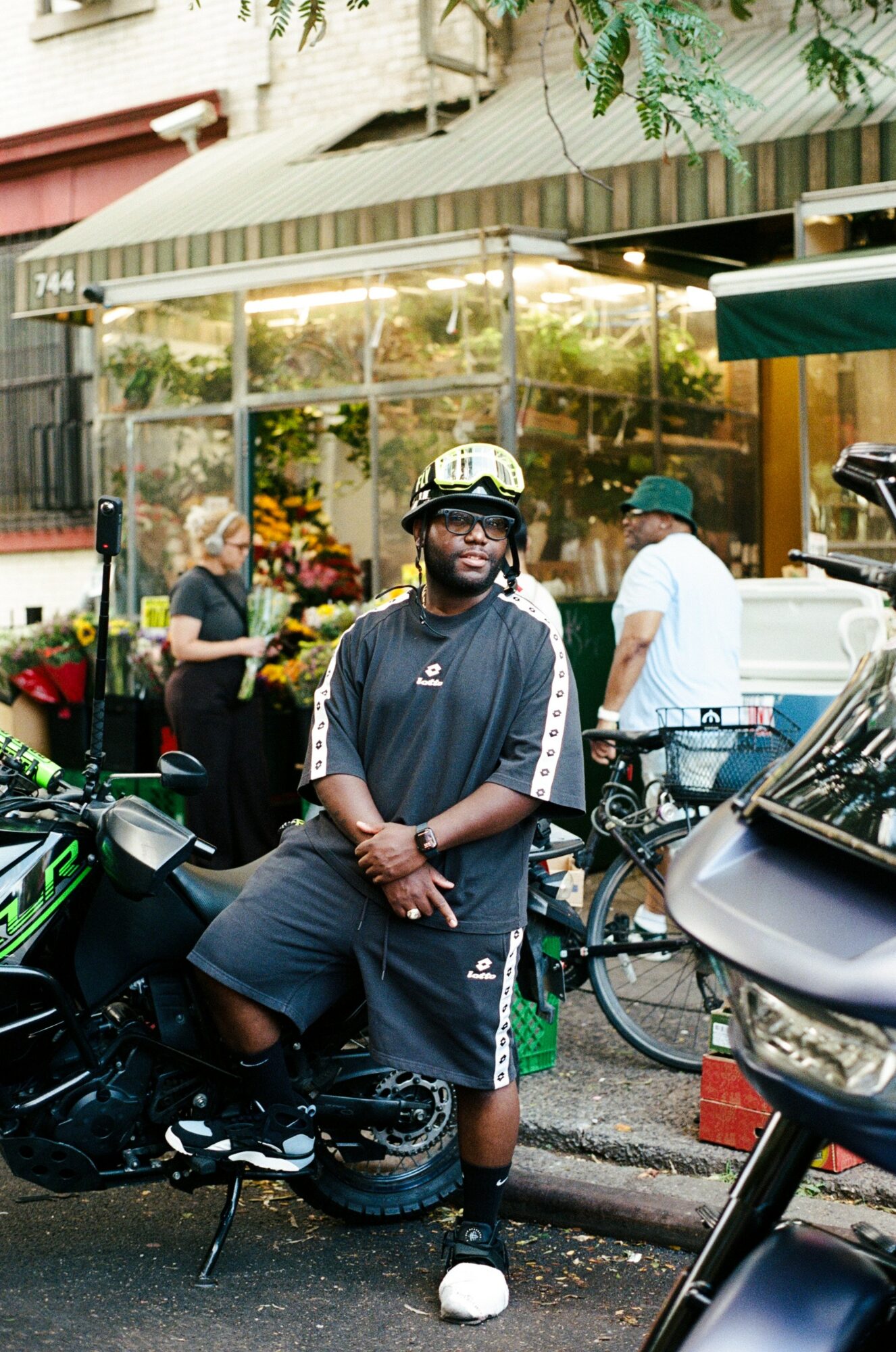
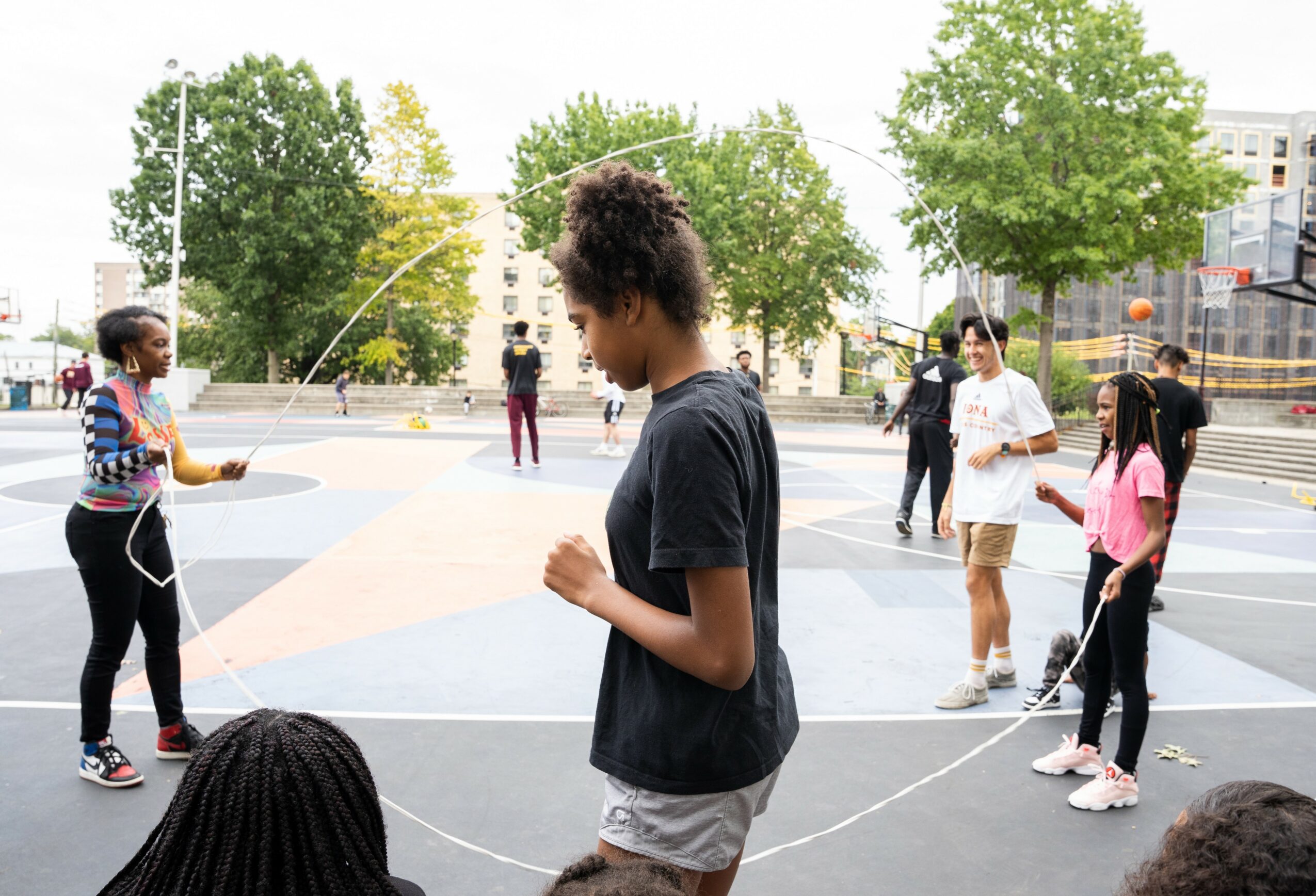
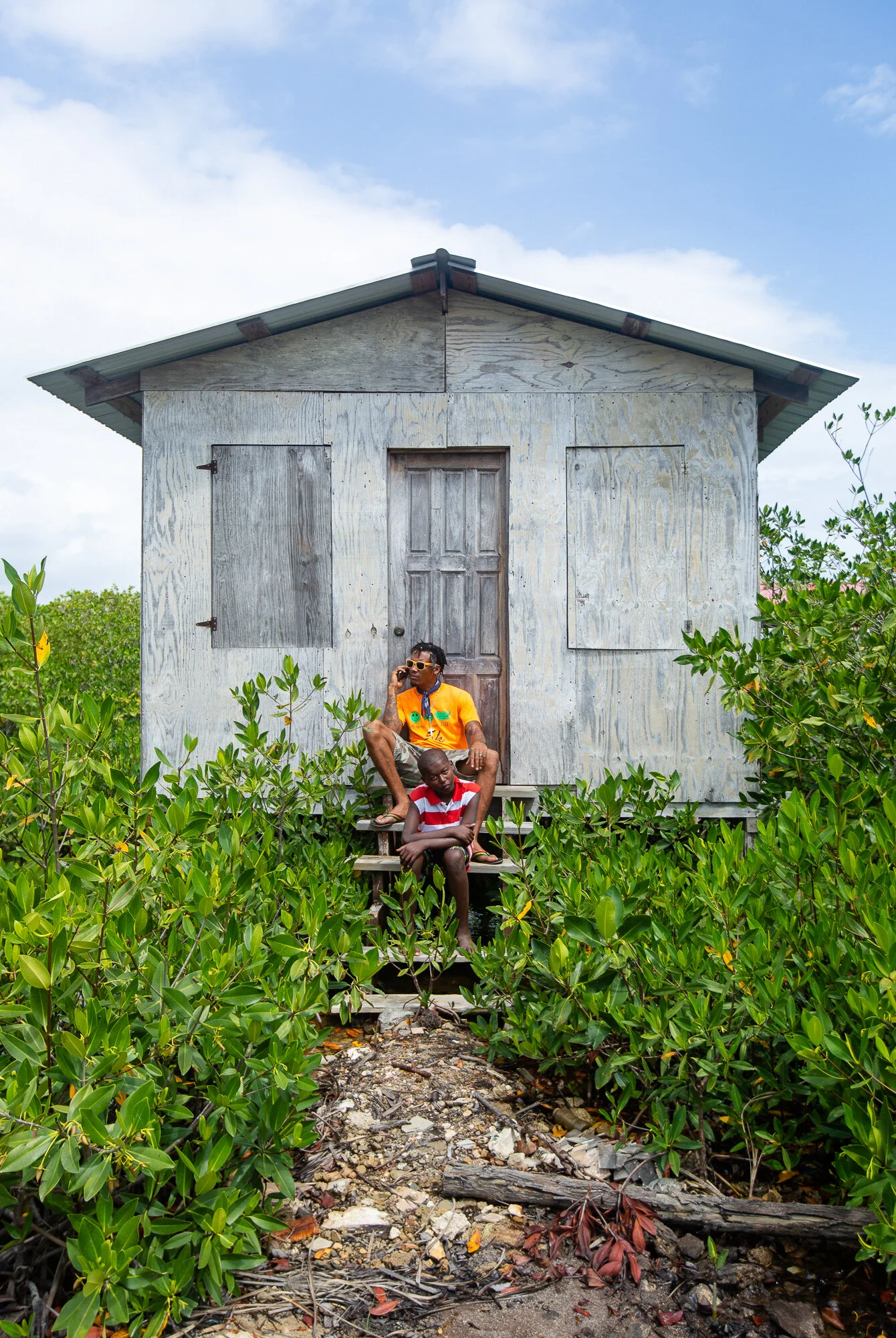
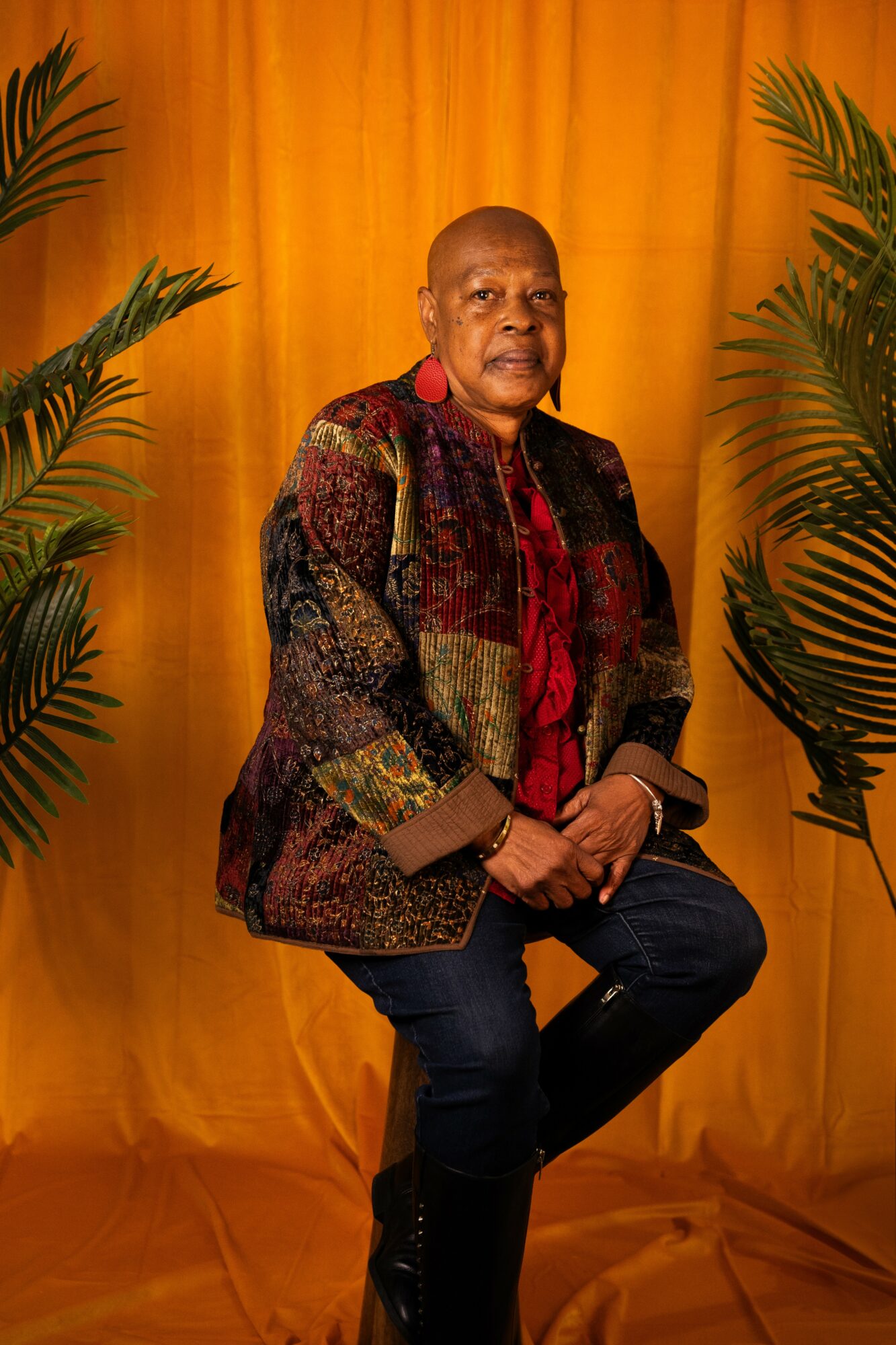
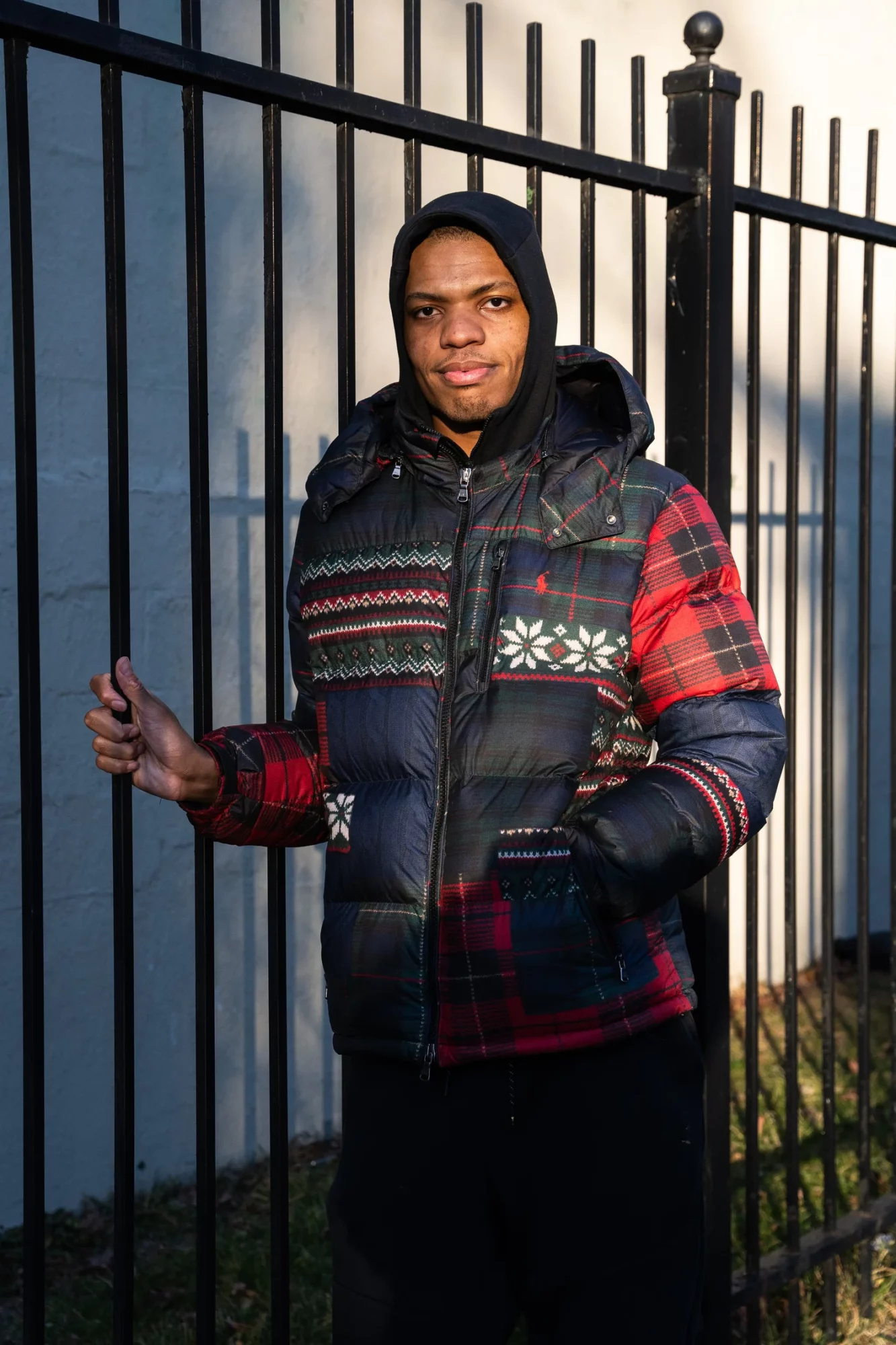
My visual practice centers the documentation and expansion of the every day people who often have single stories written about them. My work focuses on exploring the intersection of photojournalism, living archives, and community engagement, where I examine how images can serve as both historical record and acts of dignity and care. So often in my career, I’ve heard people tell me why should they tell their story? Who would care? That alone speaks to how many people feel neglected and mis-represented.
Through image-making, films, publishings, exhibitions, curated programs, and teaching workshops, my images and educational offerings creates pathways for communities to participate in the preservation of their own histories. What I seek is fostering deeper connection between people, place, and cultural memory.
Can you tell us more about what you were like growing up?
I grew up in a beautiful immigrant neighborhood in East Charlotte that significantly shaped how I see the world and informed my practice. My neighbors were from all over the world and we never felt the pressure to define or confine ourselves within labels. I learned the power of stories through food, music, and memory, pillars that define the work I am involved in and building today.
I recognize I often romanticize the past, a characteristic we all carry in our biology. As a child, it was all fun and games running around with my friends. As an adult, I now understand and appreciate how difficult it was for my mother to raise me as a single mother in a new country. If it wasn’t for her strength, tenacity and courage, the community she built, and the neighborhood I was raised in, we wouldn’t be where we are today. It is for them and other communities sidelined, mis-represented, and forgotten that I do the work I do today.
Contact Info:
- Website: https://www.hannawonphoto.com
- Instagram: https://www.instagram.com/hannawonphoto/?hl=en
- LinkedIn: http://www.linkedin.com/in/hanna-wondmagegn-936b73130
- Youtube: https://www.youtube.com/channel/UCBvaUXU-KonpcvFgSTM76YA
- Other: https://www.tiktok.com/@hannawonphoto
Popular
-
Hidden Gems: Local Businesses & Creatives You Should Know
-
ATL’s Most Inspiring Stories
-
From Showing Up to Seeing His Face on a Billboard: Anthony Green Is Just Getting Started
-
Portraits of Atlanta
-
Wayne Smith Jr on Survival, Psychological Thrillers, and the Cost of Staying Alive
-
Meet Laya Hoffman | Award-Winning Voice Actor, Live Announcer & Champion for Authentic Storytelling