



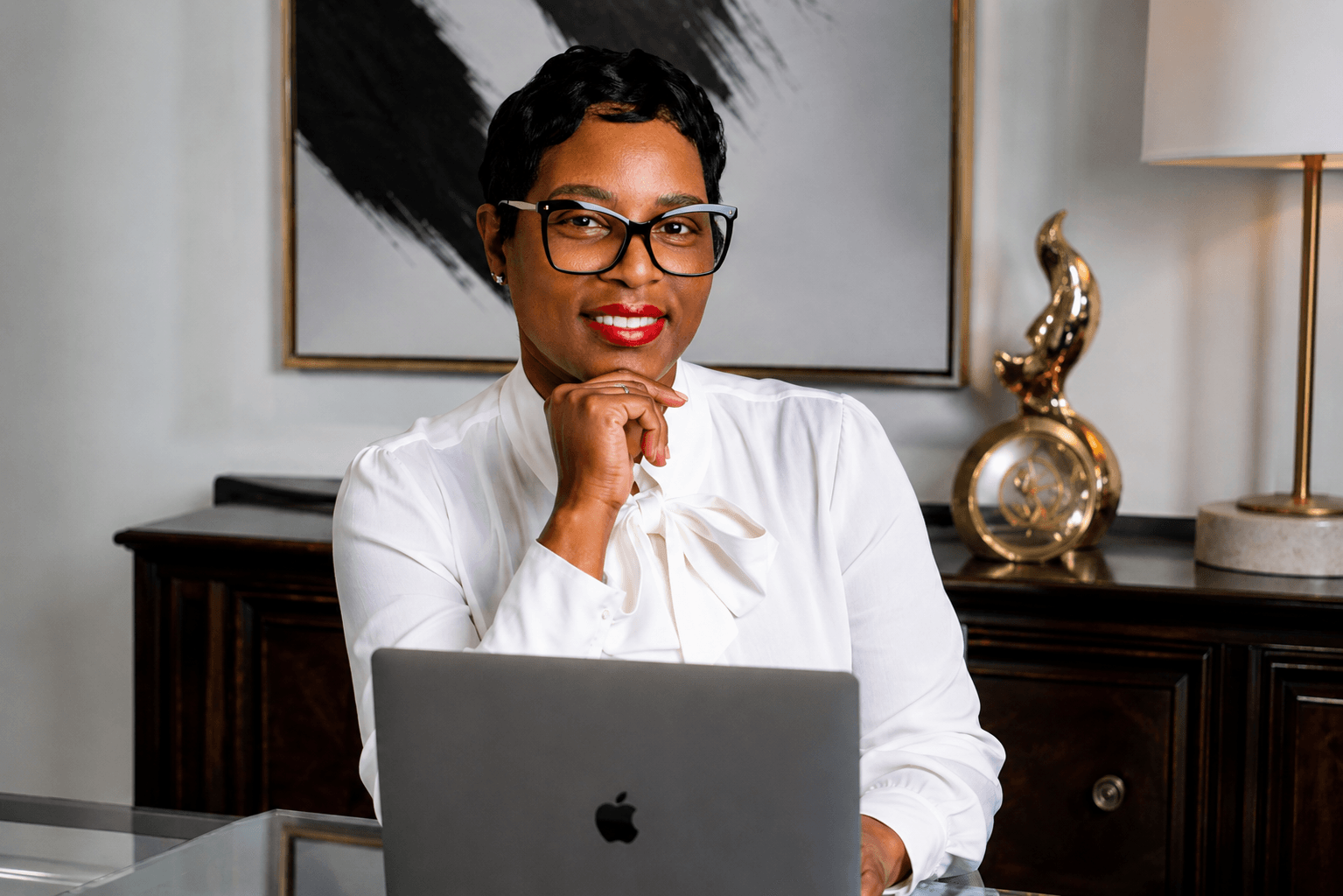
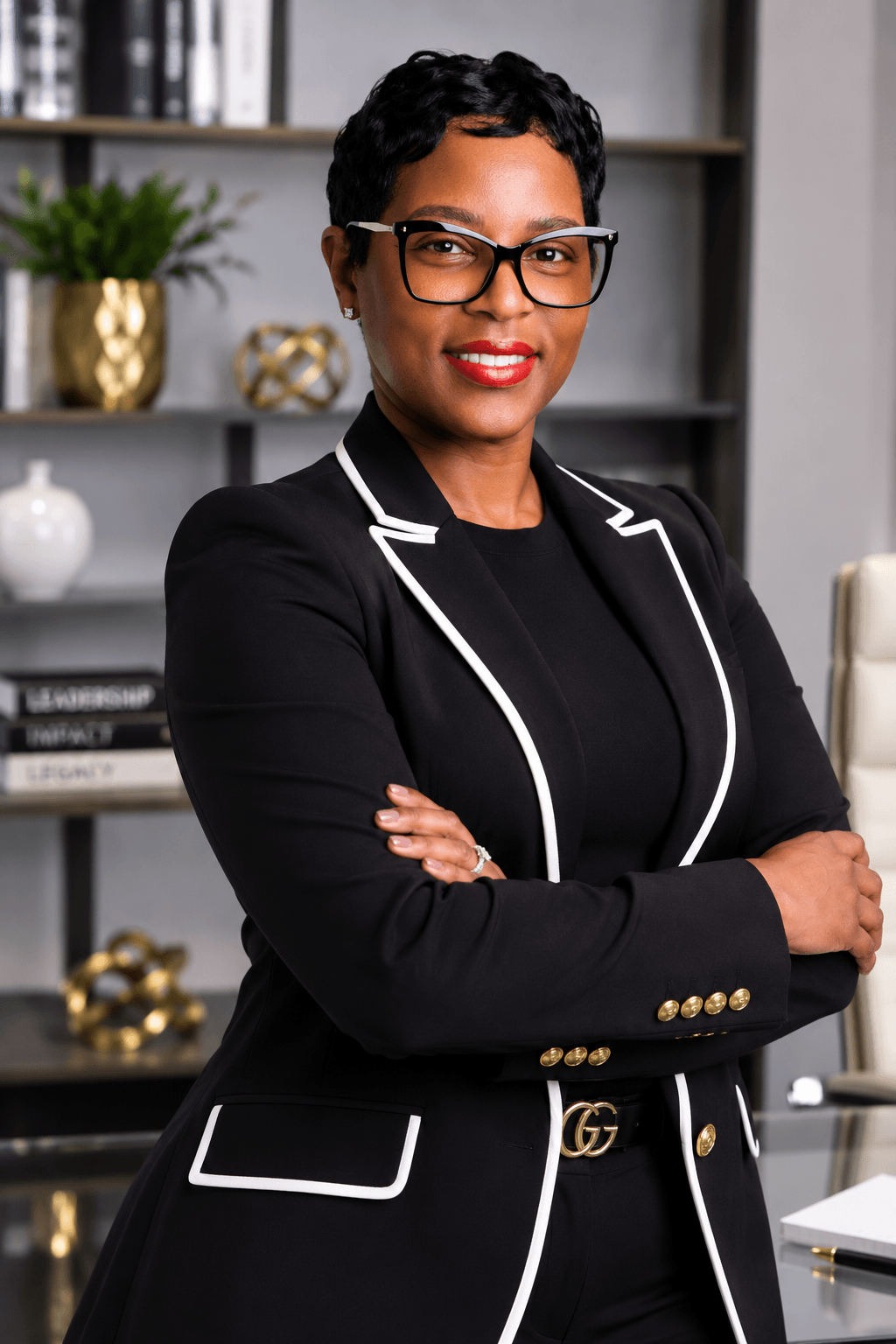
Today we’d like to introduce you to Chanda Moore.
Hi Chanda , it’s an honor to have you on the platform. Thanks for taking the time to share your story with us – to start maybe you can share some of your backstory with our readers?
My journey to Swing Chic Foundation really grew out of the intersection of several parts of my life—education, entrepreneurship, golf, and a desire to create opportunities for people who are too often overlooked.
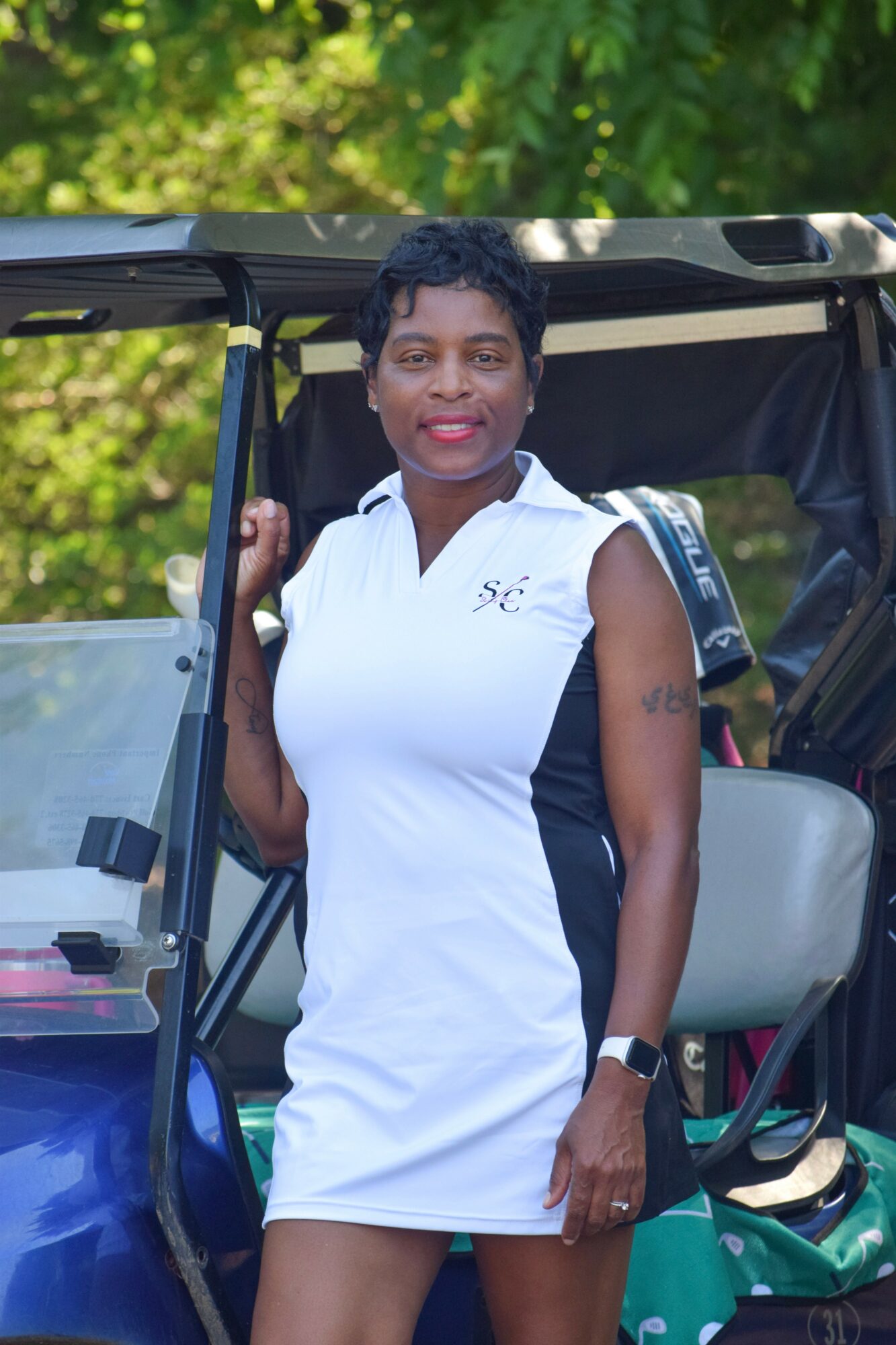
I spent nearly two decades in education, including working with students with different learning needs. At the same time, I was building Swing Chic Golf, my women’s golf apparel brand. Being involved in the golf industry gave me a firsthand look at both the opportunities the sport can provide and the barriers that still exist for many people.
Over time, I realized that I wanted my impact in golf to extend beyond apparel. I wanted to help more people actually experience the game—particularly girls, individuals with disabilities, and others who may not traditionally see themselves represented on a golf course. That vision led me to establish Swing Chic Foundation in 2024, with a very simple but powerful mission: Making Golf Inclusive.
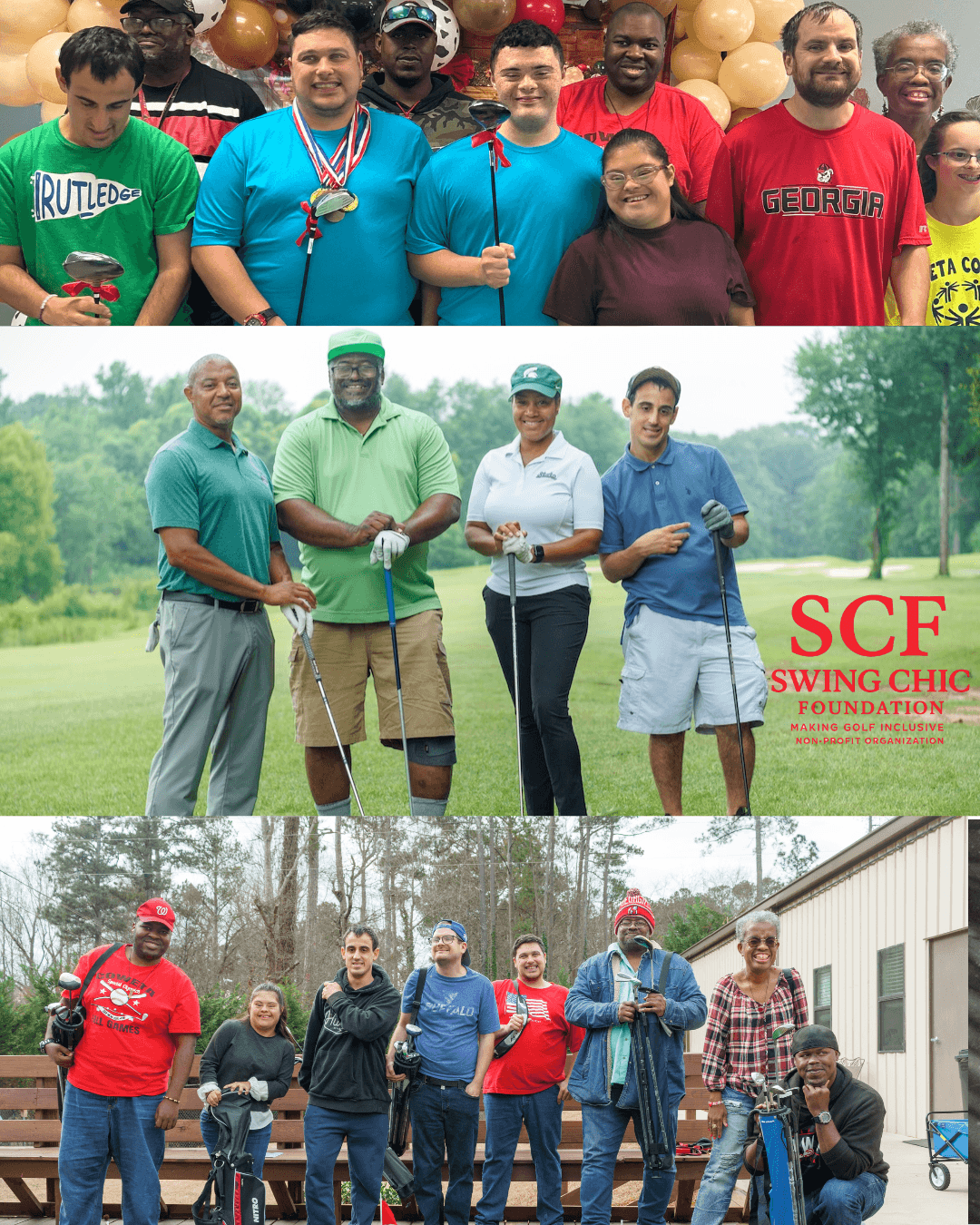
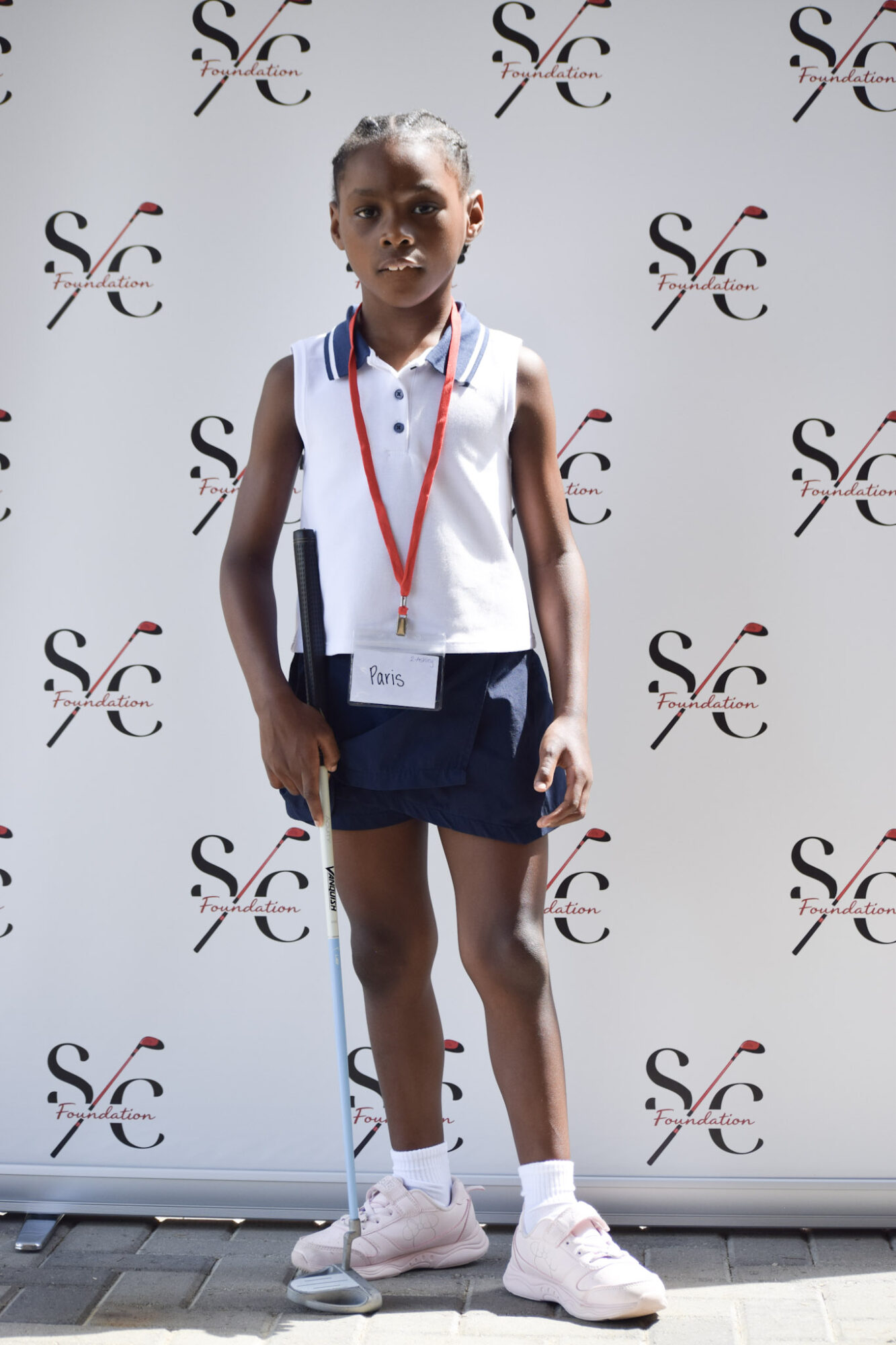
What started as a desire to create access has grown into something much larger. We provide youth golf programming, inclusive and adaptive golf experiences, support for female golfers, and opportunities for individuals with disabilities to learn and participate in the game. We’ve also become involved with Special Olympics golf and have developed partnerships with golf courses, community organizations, instructors, volunteers, and families who believe in what we’re building.
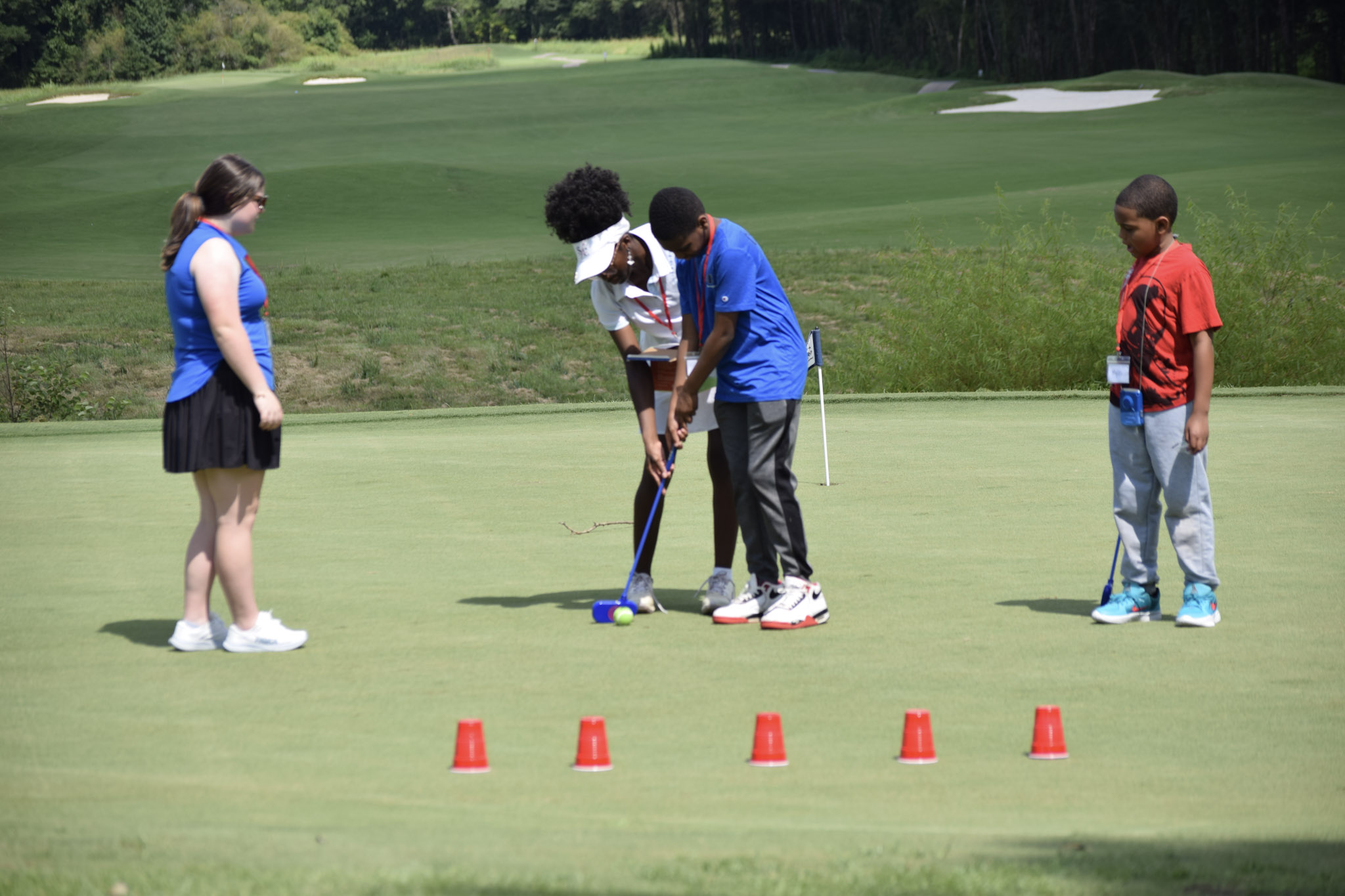
One of the areas I am especially passionate about now is our work with individuals with disabilities. We are expanding programming for both youth and adults, including our six-week golf program for children on the autism spectrum. These programs aren’t simply about teaching someone to putt or swing a golf club. We use golf to help develop confidence, independence, social connection, perseverance, and a sense of belonging.
I think that’s where my background as an educator has had such an influence on the Foundation. I don’t look at golf solely as a sport. I see it as a learning environment and a vehicle for personal development. Sometimes success is making a great golf shot, but sometimes success is a child trying something new, communicating with a peer, completing an activity independently, or simply feeling comfortable enough to come back the next week.
Today, Swing Chic Foundation is still growing, but our vision has become much clearer. We want to help change the perception of who golf is for. I want a young girl picking up a club for the first time, a child on the autism spectrum, or an adult with a disability to arrive at a golf course and not wonder whether they belong there.
I want them to know that they do.
That’s really what “Making Golf Inclusive” means to me. We aren’t just introducing people to golf—we’re creating pathways for them to belong, participate, grow, and hopefully develop a relationship with the game that can last a lifetime.
Can you talk to us a bit about the challenges and lessons you’ve learned along the way. Looking back would you say it’s been easy or smooth in retrospect?
t definitely has not been a completely smooth road. I think one of the biggest lessons I’ve learned is that having a meaningful mission doesn’t automatically mean people will understand the vision—or immediately open doors for you.
One of our greatest challenges has been building relationships and finding partners who genuinely understand inclusion. There is often tremendous enthusiasm around the idea of making sports more accessible, but turning that enthusiasm into actual resources, funding, facilities, instructors, volunteers, and long-term commitments can be much more difficult.
Golf presents some unique challenges because access to the sport depends heavily on facilities and relationships. You can have participants who are excited to learn and an organization ready to serve them, but you still need golf courses, qualified instructors, equipment, funding, and community partners willing to make space for the program. As a relatively young nonprofit, we’ve had to establish credibility while building all of those pieces at the same time.
Funding has certainly been another challenge. Inclusive programming requires more than simply putting people on a golf course. Smaller participant-to-instructor ratios, appropriate equipment, trained instructors and volunteers, accessible environments, and sometimes additional sensory or communication supports all require resources. I’ve had to become very intentional about helping funders understand that these aren’t extras—they’re part of what makes meaningful participation possible.
I’ve also learned not to allow someone else’s lack of response or lack of interest to determine whether our work moves forward. There have been partnerships I thought would happen that didn’t, emails that went unanswered, and doors that didn’t open the way I expected. Earlier in the journey, those moments could be discouraging. Now, I see them differently. Sometimes a closed door simply forces you to build your own.
That has probably been one of the most important parts of my growth as a founder. I’ve become much more comfortable trusting the vision, starting with what we have, demonstrating impact, and allowing the right partnerships to develop from the work.
And we’ve seen that happen. When you watch a child accomplish something they weren’t sure they could do, see a family discover a new recreational opportunity for their child, or have an organization recognize the value of inclusive golf because they’ve witnessed it firsthand, those moments remind me why the challenges are worth it.
The road hasn’t always been smooth, but every obstacle has helped us become clearer about who we are, who we serve, and the kind of organization we want Swing Chic Foundation to become.
We’ve been impressed with SWING CHIC FOUNDATION, but for folks who might not be as familiar, what can you share with them about what you do and what sets you apart from others?
Swing Chic Foundation is a nonprofit organization with one very clear mission: Making Golf Inclusive.
We believe golf should be accessible to people who historically have not always had an easy pathway into the game. Our work focuses on creating opportunities for girls, youth, individuals with disabilities, and other underserved populations to experience golf in environments where they feel welcomed, supported, and capable of succeeding.
Our programming includes youth golf development, inclusive and adaptive golf instruction, autism-focused golf programming, Special Olympics golf, scholarships and support for female golfers, community golf experiences, and partnerships that help reduce barriers such as the cost of instruction, equipment, and course access.
What I believe sets Swing Chic Foundation apart is that we don’t define success simply by how many people attend an event or how many golf balls someone hits. We are very intentional about using golf as a tool for confidence, independence, social connection, perseverance, physical activity, and belonging.
My background in education, particularly my experience working with students with different learning needs, has greatly influenced how we approach programming. We recognize that people learn differently. Someone may need a visual demonstration rather than verbal instruction. Another participant may need additional processing time, a quieter environment, a modified activity, or simply the opportunity to try something independently before someone steps in to help. Those differences don’t determine whether someone can participate in golf—they simply inform how we teach.
That philosophy is becoming an increasingly important part of who we are as an organization. We aren’t interested in creating occasional experiences where individuals with disabilities are invited to golf for a day. We want to create pathways for continued participation—from that first introduction to instruction, skill development, community recreation, and opportunities to remain involved in the game.
I’m especially proud that the Foundation has grown from an idea into an organization that families and community partners are beginning to recognize as a resource for inclusive golf. Seeing our work expand into Special Olympics programming and dedicated programs for children on the autism spectrum has been incredibly meaningful.
I’m also proud that we are beginning to think beyond simply delivering programs ourselves. We are exploring how we can help educate instructors, develop better inclusive teaching practices, and encourage more golf organizations and recreation providers to confidently welcome individuals of different abilities. If we can help increase the number of people who know how to create inclusive golf experiences, our impact can extend far beyond the participants we personally serve.
Ultimately, I want readers to understand that Swing Chic Foundation isn’t asking people to change the game of golf. We’re asking the golf community to expand the way we teach it, share it, and invite people into it.
When we say “Making Golf Inclusive,” that’s not simply our tagline. It’s the standard we’re working toward—one golfer, one family, one instructor, and one community at a time.
Can you talk to us a bit about the role of luck?
I’ve come to believe that luck is often where preparation and opportunity meet.
There have certainly been moments in my journey that felt like good luck—the right conversation at the right time, meeting someone who believed in the mission, receiving an unexpected introduction, or having an opportunity develop from a relationship I never imagined would lead anywhere. Some of the most meaningful things we’ve accomplished through Swing Chic Foundation started with a simple conversation.
But I’ve also learned that those moments only become opportunities if you’re prepared to act on them.
Building Swing Chic Foundation has required a tremendous amount of work behind the scenes—sending emails that may never receive a response, writing grant applications, developing programs, finding instructors and volunteers, building relationships with golf courses, asking for support, and sometimes moving forward even when all the pieces haven’t fallen perfectly into place.
There have also been things I might have considered “bad luck” at the time—partnerships that didn’t materialize, people who didn’t respond, funding we didn’t receive, or plans that had to change unexpectedly. Looking back, some of those disappointments actually pushed me to become more resourceful and more confident in the Foundation’s direction.
One lesson I keep learning is that you cannot build your vision around someone else’s willingness to believe in it. Sometimes you have to move forward, do the work, demonstrate that the idea works, and allow people to see the impact for themselves.
I also feel incredibly fortunate because the right people continue to find their way into this work—families who trust us with their children, volunteers who give their time, golf professionals who understand what we’re trying to accomplish, community organizations willing to collaborate, and supporters who believe golf should be accessible to everyone.
So, has luck played a role? Absolutely. But I think the bigger role has been faith, preparation, persistence, relationships, and being willing to keep going when the answer isn’t immediately yes.
I’ve learned to appreciate the open doors, learn from the closed ones, and keep building either way.
Contact Info:
- Website: https://www.swingchicfoundation.org/
- Instagram: Swing Chic Foundation
Popular
-

Hidden Gems: Local Businesses & Creatives You Should Know
-

ATL’s Most Inspiring Stories
-

Portraits of Atlanta
-

Dr. Hildiah Martin-Suggs Is Building Second Chances for Youth Who Were Almost Lost in the System
-
From Showing Up to Seeing His Face on a Billboard: Anthony Green Is Just Getting Started
-

Wayne Smith Jr on Survival, Psychological Thrillers, and the Cost of Staying Alive