






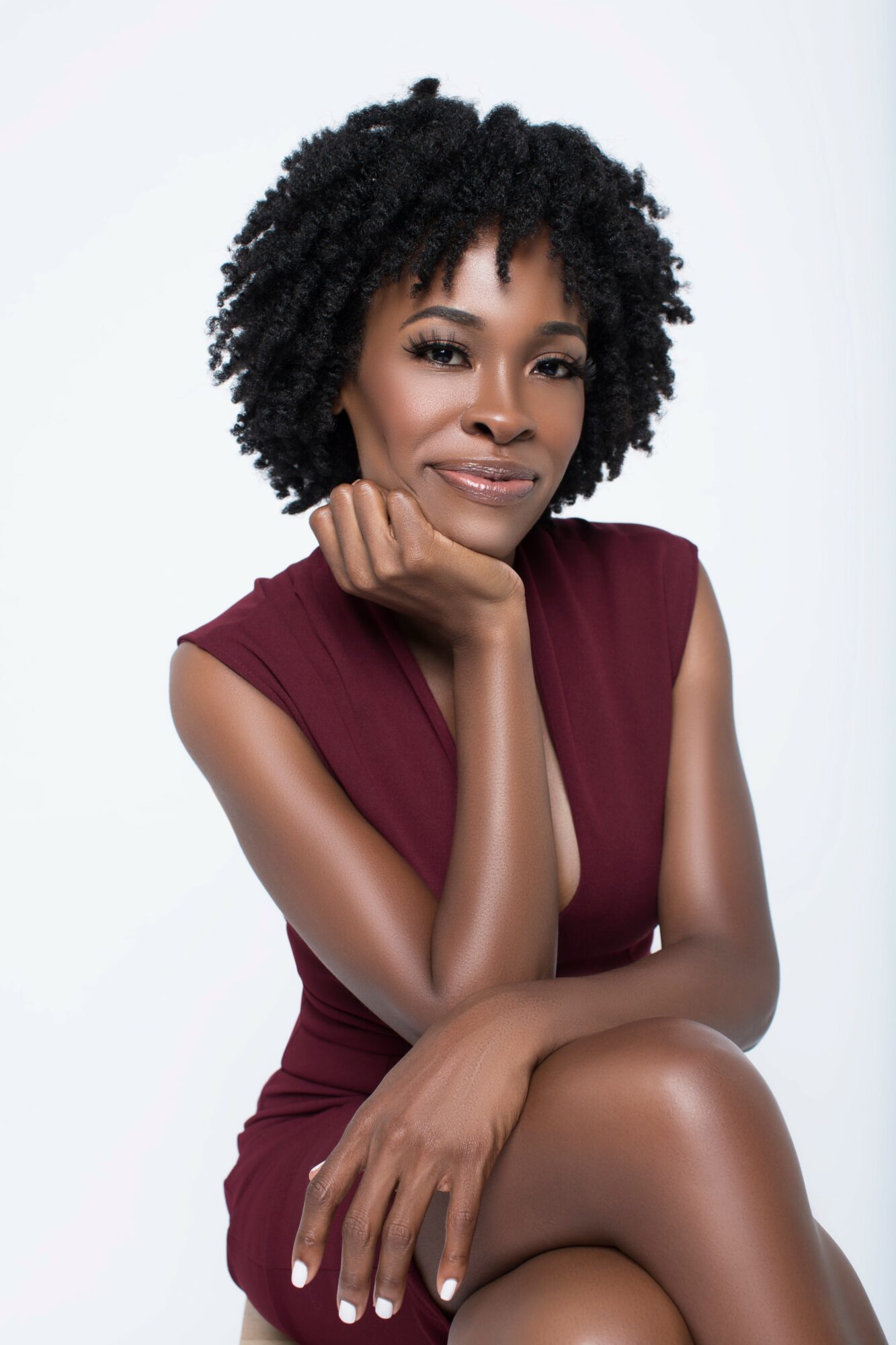
Today we’d like to introduce you to Lerae Funderburg.
Hi Lerae, we’d love for you to start by introducing yourself.
My journey began with a desire to help creators protect not only what they make, but what they are building through it. After graduating from Howard University School of Law, I earned an LL.M. in Entertainment and Media Law and began building a career at the intersection of creativity, culture, business, and intellectual property.
Over the past 15-plus years, I have represented artists, authors, entrepreneurs, entertainment professionals, and growing brands in matters involving trademarks, copyrights, contracts, licensing, and business strategy. That experience taught me that legal protection is most valuable when it is not treated as an afterthought. A trademark application or contract should be part of a larger strategy, one that considers where the brand is going, how it will generate revenue, and what the owner wants to preserve for the future.
That understanding ultimately led me to create Culture Kept Legal, a trademark and brand-protection firm for creators, founders, and personality-driven brands with something meaningful at stake. Culture Kept Legal reflects both the work I have done throughout my career and the kind of practice I wanted to build: one that combines sophisticated legal counsel with cultural understanding, practical business insight, and genuine care for the people behind the brands.
Today, I help clients move from simply creating something valuable to owning it, protecting it, and building upon it with intention. That is the heart of Culture Kept Legal: Create it. Own it. Keep it.
I’m sure it wasn’t obstacle-free, but would you say the journey has been fairly smooth so far?
It has absolutely not been a smooth road. Building a career and a business while raising two children as a single mother, navigating major life transitions, and refusing to abandon myself in the process has required me to become resilient, but it has also required me to question how much of my identity was built around being resilient.
For years, I knew how to survive. I knew how to work hard, carry responsibility, solve problems, and keep moving even when I was exhausted. Those qualities helped me become an attorney, build a practice, and serve my clients well. But they also made it easy to normalize overworking, overgiving, and being the person everyone could depend on while quietly placing my own needs last.
One of my greatest struggles has been learning that success does not have to require self-abandonment. I have had to navigate burnout, motherhood, financial uncertainty, professional disappointments, changing relationships, and the very real vulnerability of rebuilding parts of my life and business when something no longer fit. I have also had to release the belief that because I was capable of carrying everything, I was supposed to.
Relocating with my children and creating a life outside of the United States forced me to examine what freedom actually meant to me. It gave me enough distance to recognize that I did not want to build another business that looked successful from the outside but required me to live in survival mode behind the scenes.
Culture Kept Legal was born from that clarity. It represents a more intentional chapter of my career; one in which I am narrowing my focus, honoring the depth of my experience, and building a firm around the work I do exceptionally well. I am no longer interested in proving that I can do everything. I am interested in doing meaningful work, serving the right clients, and creating something sustainable enough to support the life I actually want to live.
The road has been winding, humbling, and at times painful. But it has also brought me closer to myself. I am proud not only of what I have built, but of the woman I had to become and the things I had to release to build it differently.
We’ve been impressed with Culture Kept Legal, but for folks who might not be as familiar, what can you share with them about what you do and what sets you apart from others?
Culture Kept Legal is a boutique trademark and brand-protection law firm serving creators, founders, and personality-driven brands with something meaningful at stake. Our guiding philosophy is simple: Create it. Own it. Keep it.
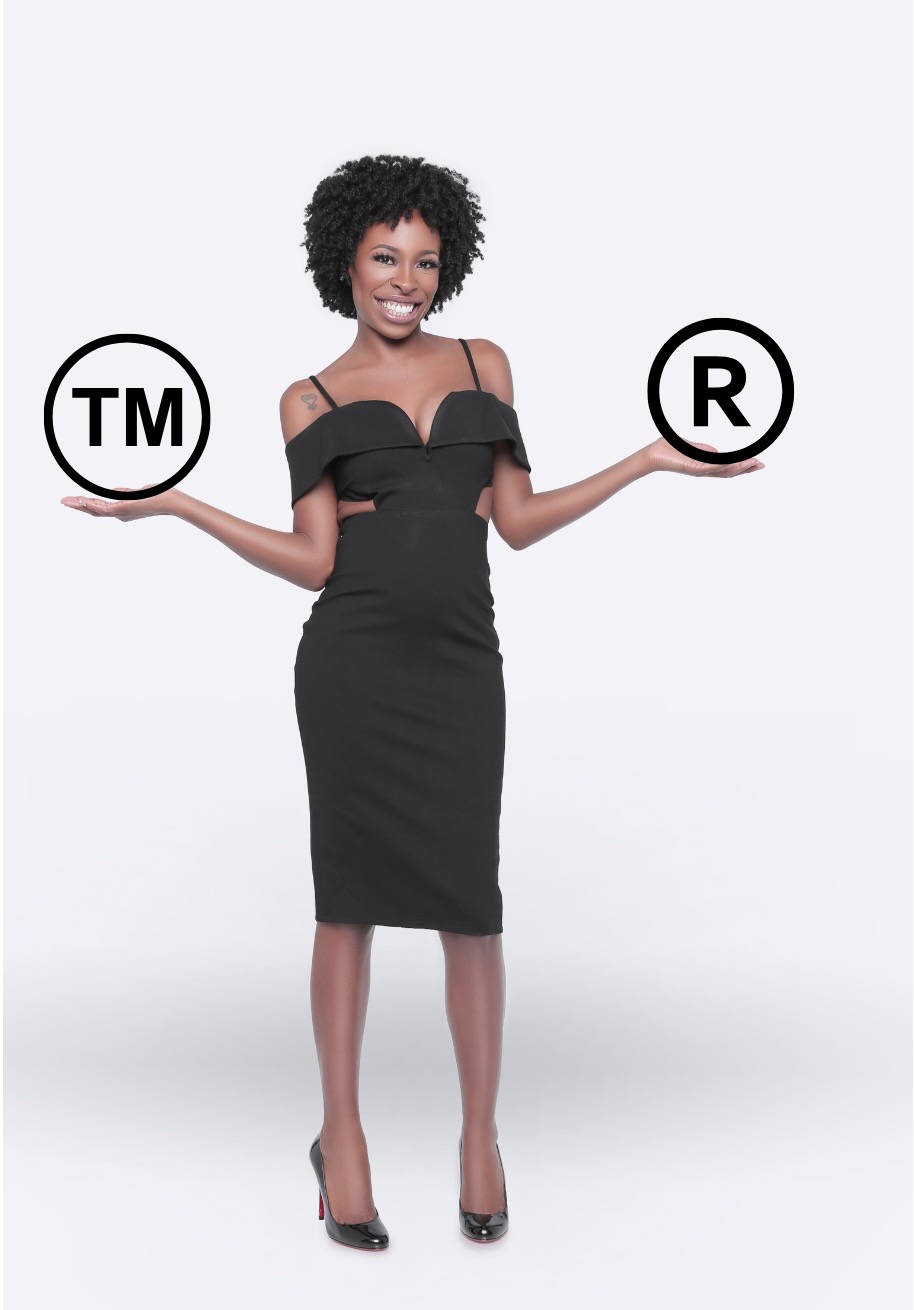
We help clients protect the names, ideas, content, and intellectual property at the center of their businesses. Our services span the full trademark lifecycle, including search and clearance, federal trademark registration, Office Action responses, renewals and maintenance, monitoring, enforcement, and disputes. We also advise clients on contracts, licensing, copyrights, and the broader legal strategy necessary to turn creative work into a protected and sustainable asset.
What sets Culture Kept Legal apart is that we do not treat a trademark as an isolated filing. We consider the business behind the brand…what the client is building, how the intellectual property will be used, where revenue may come from, and what needs to be protected as the brand expands. Clients are not simply paying for paperwork; they are receiving strategic counsel informed by more than 15 years of experience across entertainment, media, intellectual property, and business law.
Cultural understanding is equally central to our work. Many of the ideas that shape culture originate with creators and entrepreneurs who do not always receive the ownership, recognition, or long-term economic benefit their work deserves. Culture Kept Legal exists to help close that gap. I understand the creativity, language, relationships, and business realities involved, and I can translate the law without stripping the client or their work of its identity.
I am particularly known for identifying issues that clients may not know to ask about. A client may come to me wanting a trademark, but my role is also to determine whether the name is legally protectable, whether someone else’s rights create a meaningful risk, whether the application strategy aligns with the client’s actual plans, and whether contracts or ownership arrangements could undermine the protection they are seeking.
What I am most proud of, brand-wise, is the clarity of Culture Kept Legal. It brings together the work I have done throughout my career, the people I most want to serve, and my belief that culturally significant work should be legally protected and economically preserved. This is not protection rooted in fear; it is protection rooted in stewardship, strategy, and ownership.
I want readers to understand that intellectual property is not something to think about only after a business becomes successful. The name, content, framework, method, or creative concept may already be one of the business’s most valuable assets. Culture Kept Legal helps clients recognize that value early, protect it properly, and build upon it intentionally.
In terms of your work and the industry, what are some of the changes you are expecting to see over the next five to ten years?
Over the next five to ten years, I believe intellectual property will become even more central to how businesses create and preserve value. We are already seeing the line between creator, founder, influencer, educator, and media company disappear. People are building entire ecosystems around their names, voices, frameworks, communities, and content. As personality-driven brands continue to grow, protecting the intellectual property behind them will no longer feel optional, it will become foundational business infrastructure.
Artificial intelligence will be one of the industry’s greatest disruptors. It is making content faster and easier to produce, but it is also creating complicated questions around authorship, ownership, licensing, imitation, and unauthorized use. As more content floods the marketplace, distinct brand identity will become even more valuable. Businesses will need to be clearer about what they own, what they are permitted to use, and how their work can be protected when technology makes copying and replication nearly effortless.
I also expect the legal industry to move beyond one-time filings toward ongoing brand stewardship. Registering a trademark is only one part of protecting it. Brands need monitoring, maintenance, enforcement, licensing guidance, and legal strategies that evolve as their products, platforms, audiences, and revenue streams expand. The most effective intellectual property attorneys will function not simply as filing counsel, but as long-term strategic partners.
We will also see creators become more sophisticated about ownership. Historically, many creators helped build culture without retaining control of the names, content, or opportunities their influence generated. The next generation is asking better questions much earlier: Who owns this? How can it be monetized? What happens if a partnership ends? Can this grow beyond me? That shift from visibility alone to ownership, leverage, and legacy is significant.
Finally, I believe intellectual property practices will become increasingly global. Digital brands can reach international audiences almost immediately, while trademark rights remain territorial. Attorneys will need to help clients think beyond where they are currently located and consider where they sell, license, collaborate, and plan to expand.
That is the future Culture Kept Legal is being built for. The legal industry is moving toward more proactive, integrated, and culturally informed counsel and our work is designed to help clients protect not only what they have created today, but what their brands have the potential to become.
Contact Info:
- Website: https://www.culturekeptlegal.com

Popular
-

Hidden Gems: Local Businesses & Creatives You Should Know
-

ATL’s Most Inspiring Stories
-

Portraits of Atlanta
-

Dr. Hildiah Martin-Suggs Is Building Second Chances for Youth Who Were Almost Lost in the System
-

From Showing Up to Seeing His Face on a Billboard: Anthony Green Is Just Getting Started
-

Wayne Smith Jr on Survival, Psychological Thrillers, and the Cost of Staying Alive