


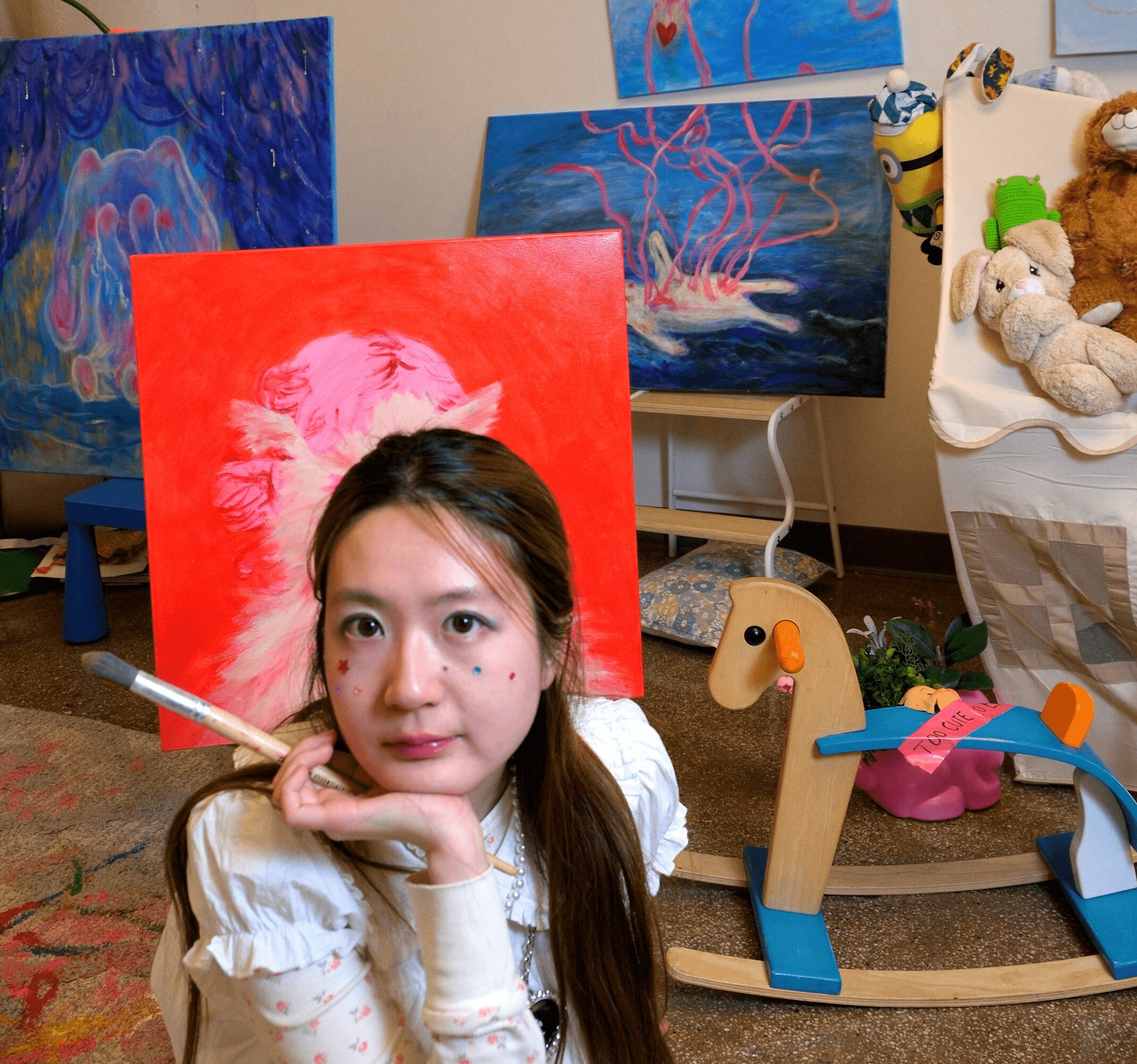
Today we’d like to introduce you to Sherly Fan.
Sherly, we appreciate you taking the time to share your story with us today. Where does your story begin?
I began my artistic journey in fashion. I studied fashion design in college and later worked in the industry, but I gradually realized that it wasn’t my true calling. Even while I was in fashion school, I was always more interested in exploring clothing in a sculptural and conceptual way. I cared more about the ideas and messages behind the work than its everyday functionality, which eventually led me toward fine art.
I had actually studied painting when I was very young, but I didn’t have the most positive experience with it growing up and often struggled to understand what my own style might be. When I pursued my MFA, I focused instead on experimental documentary, video, and installation. That experience helped me better understand the contemporary art world and taught me how to think, communicate, and work as an artist.
After graduating, I considered pursuing a more conventional career, but I ultimately knew that I wanted to commit to being an independent artist. I later returned more seriously to painting—not because I wanted it to become the only focus of my practice, but because I wanted to develop a distinctive visual language that could connect everything I create across painting, sculpture, performance, video, and installation. That return to painting also pushed me to think more deeply about the stories I wanted to tell and the emotional world I wanted my work to create. That is really how my current practice began to take shape.
Would you say it’s been a smooth road, and if not what are some of the biggest challenges you’ve faced along the way?
It has definitely not been a smooth road. Pursuing an artistic life is challenging in itself because there is no boss telling you exactly what to do, which direction to take, or what the next step should be. You have to take responsibility for building not only your career, but also the structure of your entire life.
My path was never clear from the beginning, which is partly why I moved between different mediums. There has been a great deal of trial and error, and I have gone back and forth both mentally and in the way I approach and create my work. I was also raised to believe that being an artist was not a particularly practical path, so it took time for me to fully trust that this was something I could—and needed to—pursue seriously.
Even now, I sometimes wonder how differently my career might have unfolded if I had understood earlier what I know today. Would I have reached certain goals sooner or allowed myself to aim higher from the beginning? At the same time, all of the uncertainty, experimentation, and changes in direction have shaped the artist I am now. The path may not have been straightforward, but each stage helped me understand my own voice more clearly.
Alright, so let’s switch gears a bit and talk business. What should we know about your work?
I am a multidisciplinary artist working across painting, sculpture, film, performance, and immersive installation. At the center of my current practice is an exploration of cuteness—particularly the idea of work that appears cute but is not actually “cute.” I often describe it simply as “cute, but not cute.”
Of course, words can be limiting. As artists, we often create because we are trying to communicate a way of seeing or feeling that cannot be fully explained through language. My work uses a visually soft and approachable vocabulary—pastel colors, ribbons, plush-like animals, and childlike forms—but underneath that sweetness, there is often anger, grief, vulnerability, resistance, or violence.
This exploration is deeply connected to my experience as an Asian woman who grew up being described as “cute.” For a long time, I resisted that word because it could feel diminishing, as though cuteness made someone less serious, less powerful, or easier to overlook. At the same time, I have come to recognize softness and approachability as strengths. They can make people feel safe enough to come closer. I am interested in the contradictions within cuteness: how it can be comforting and restrictive, playful and painful, protective and rebellious at the same time.
Many of my paintings feature soft, toy-like animals that are crying, angry, pierced, torn apart, or resisting the roles imposed upon them. They may look sweet at first, but they carry emotions that are rarely associated with sweetness or viewed positively. I want the initial cuteness to invite people in and then ask them to stay with something more emotionally complicated.
Working across different mediums is also very important to me because I am not interested in creating only a series of individual objects. Ultimately, I want to build an entire world through my practice—a world where people can feel safe enough to be playful, wild, vulnerable, and fully themselves. I want them to feel taken seriously without being required to act serious all the time, and to know that joy, softness, curiosity, and emotional complexity can coexist.
What I am most proud of is developing a visual language that feels recognizably mine while still allowing me to move between different forms. My practice is connected to my own process of learning to accept and love myself more unconditionally, but I also hope it can offer that permission to others. A viewer may first think, “This is cute,” but after looking more closely, they may recognize sadness, anger, tension, and emotional depth. Hopefully, the world I create allows them to feel that all of those parts of themselves are valid, welcome, and worthy of being seen.
We’d love to hear about any fond memories you have from when you were growing up?
I’m not sure I have one specific favorite childhood memory. Even though childhood, playfulness, and childlike imagery appear often in my work, I actually feel quite disconnected from my own childhood—as though the person I was then is very different from who I am now.
I wouldn’t say that I had a bad childhood, but I grew up in a relatively structured and conditioned environment. I don’t think I always had the space, energy, or support to feel completely relaxed, playful, or free to be myself. In many ways, that may be why I return to childhood so often in my practice.
Rather than trying to recreate a particular memory, I think I am creating the kind of world I may have needed: one that feels safe, warm, and accepting, where people can be playful, curious, and fully themselves without fear of being judged or dismissed. It is a world I want to offer both to others and to my present-day self.
Contact Info:
- Website: https://sherlyfan.com/
- Instagram: https://www.instagram.com/sherlyfanstudio/
- Youtube: https://www.youtube.com/@sherlyfan
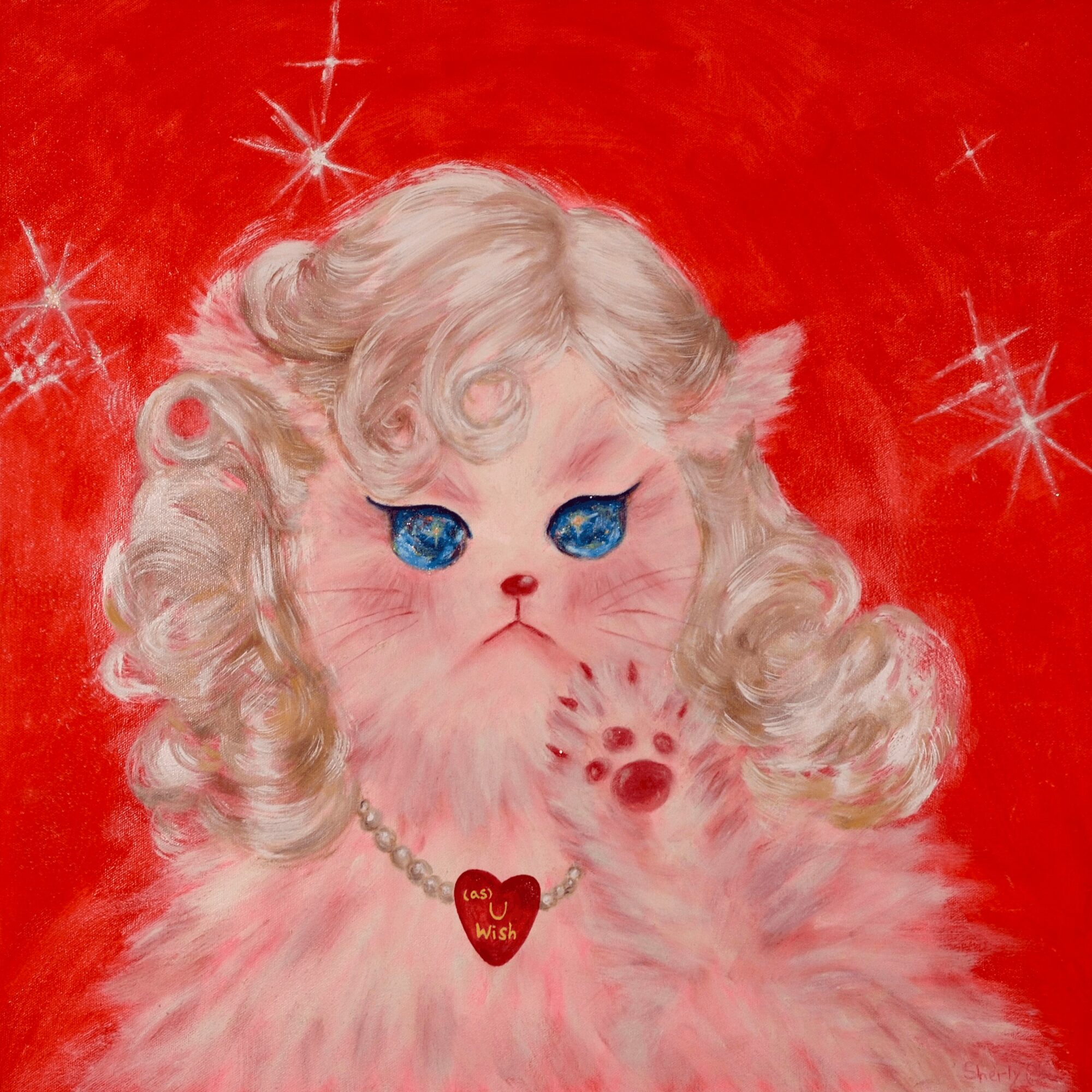
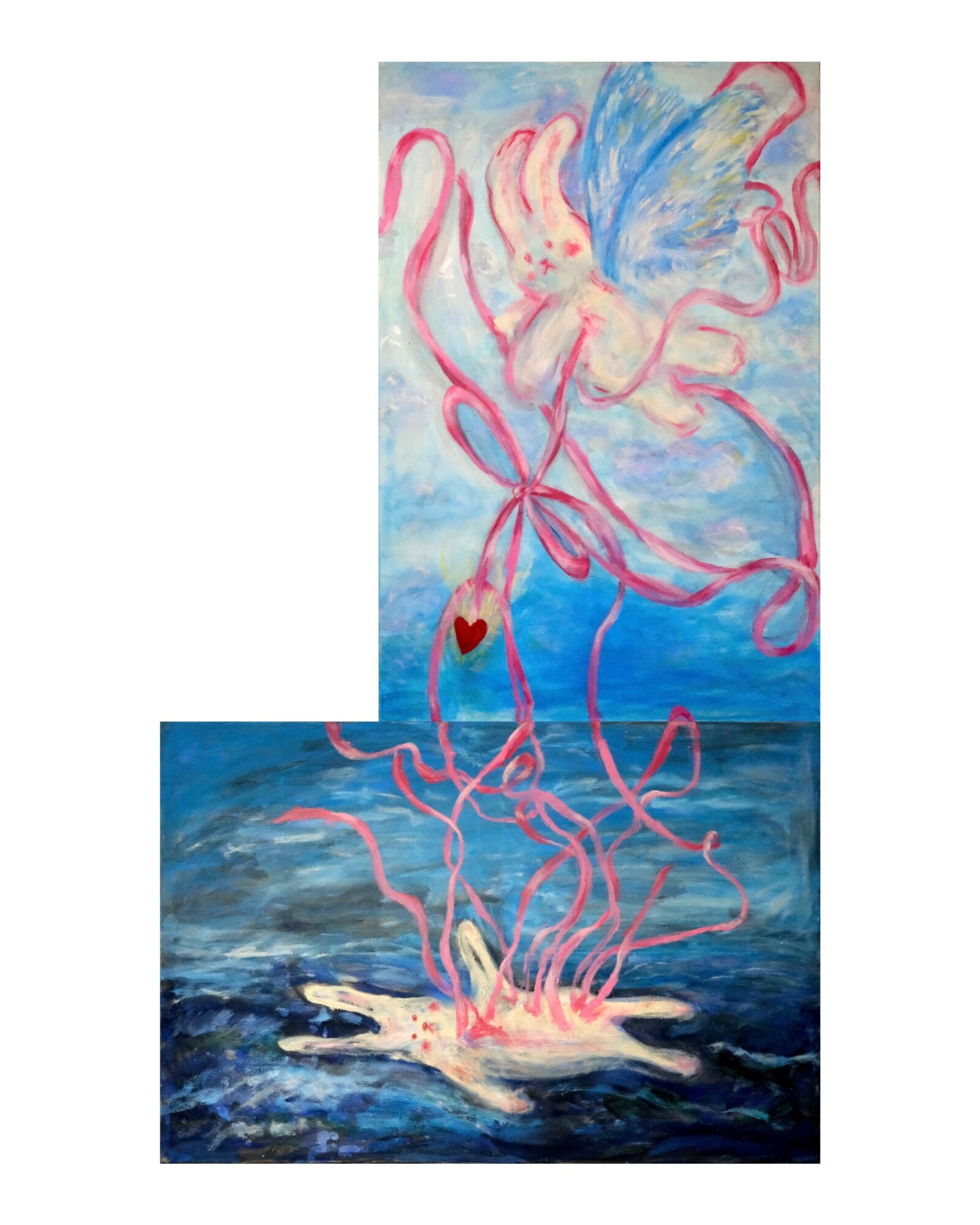
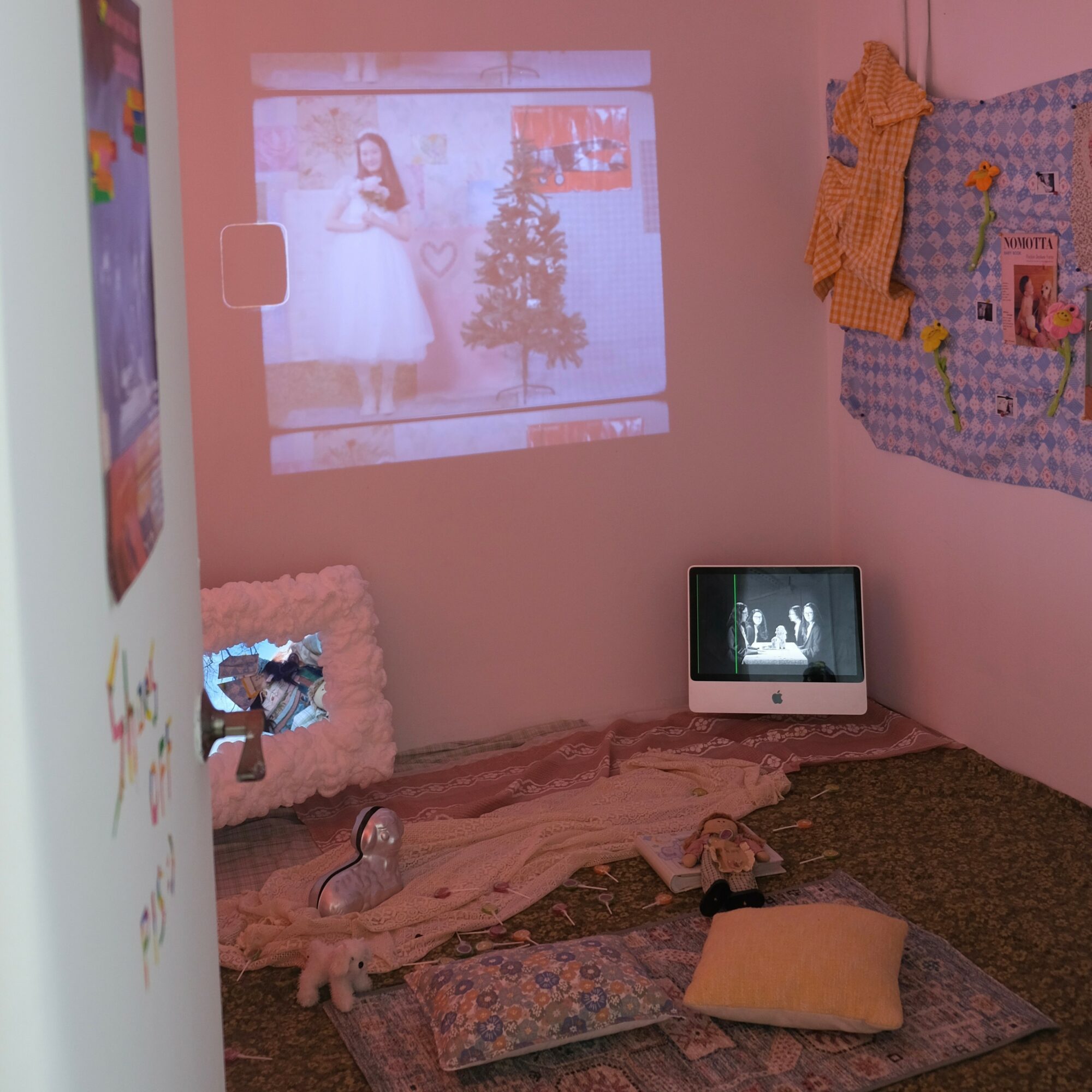
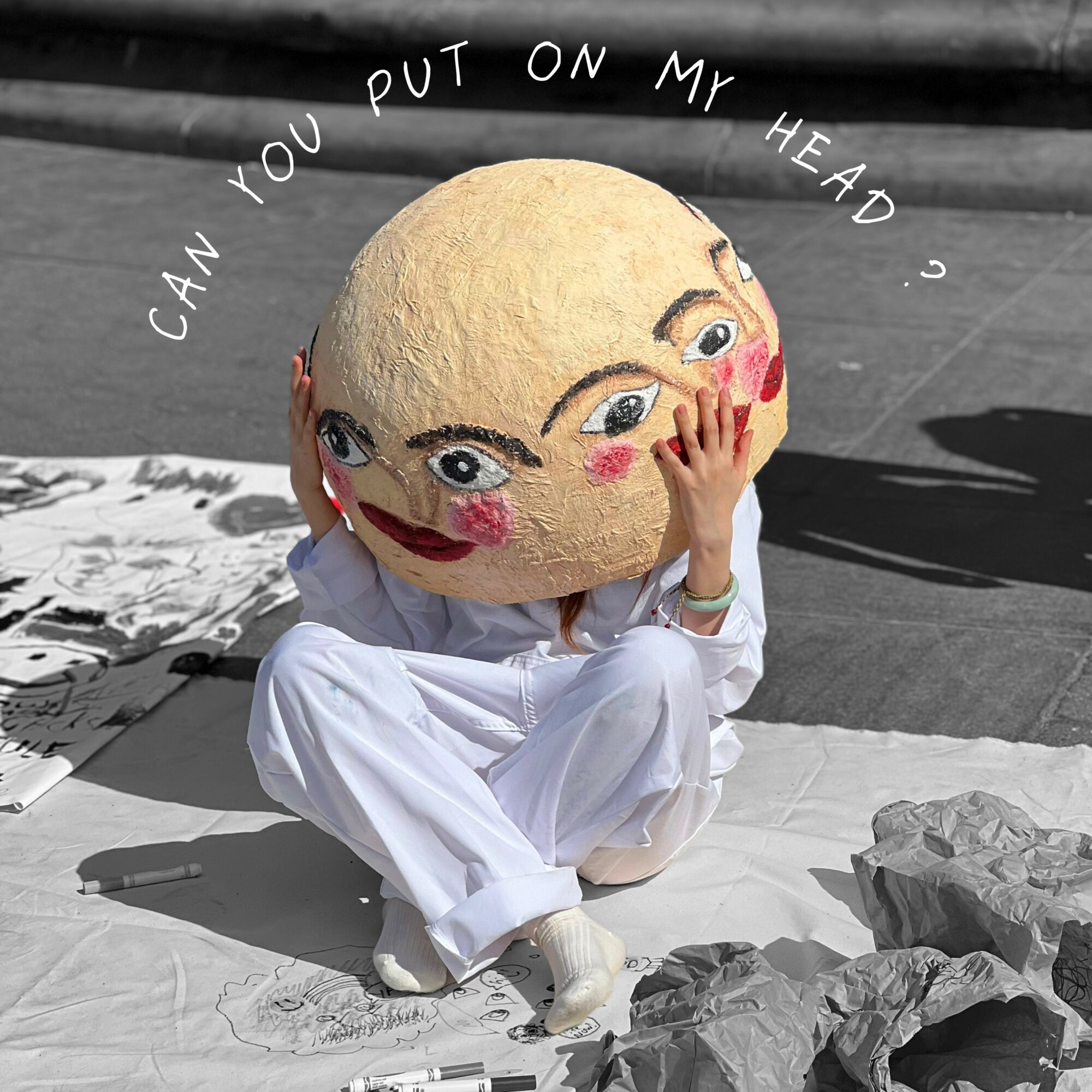
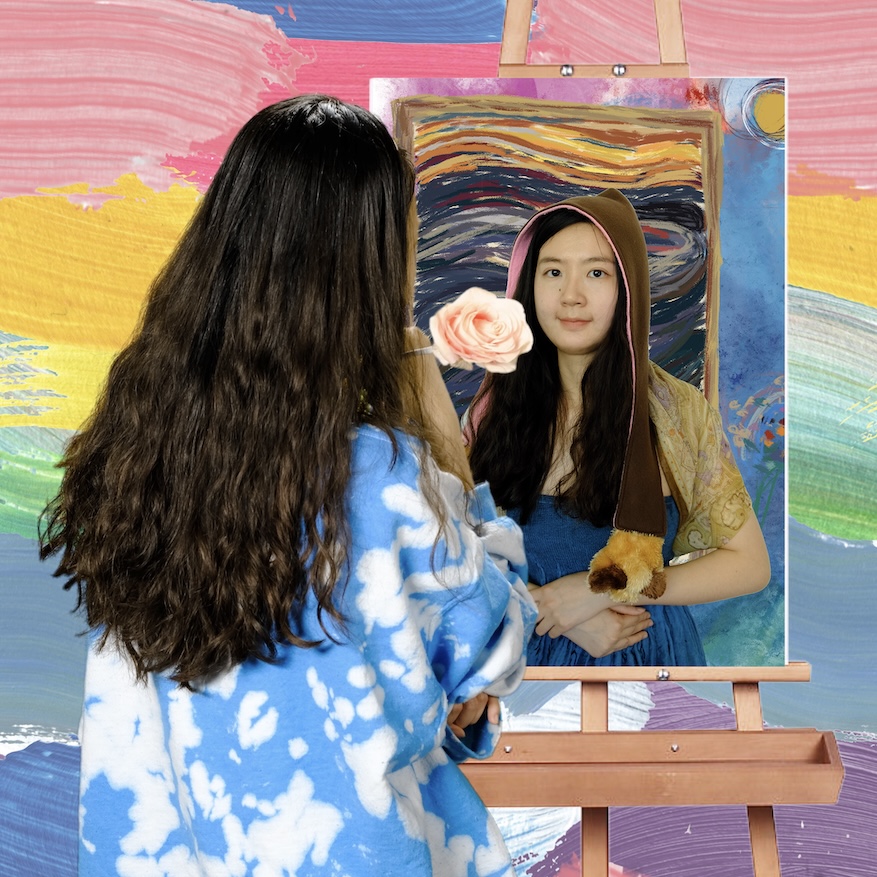
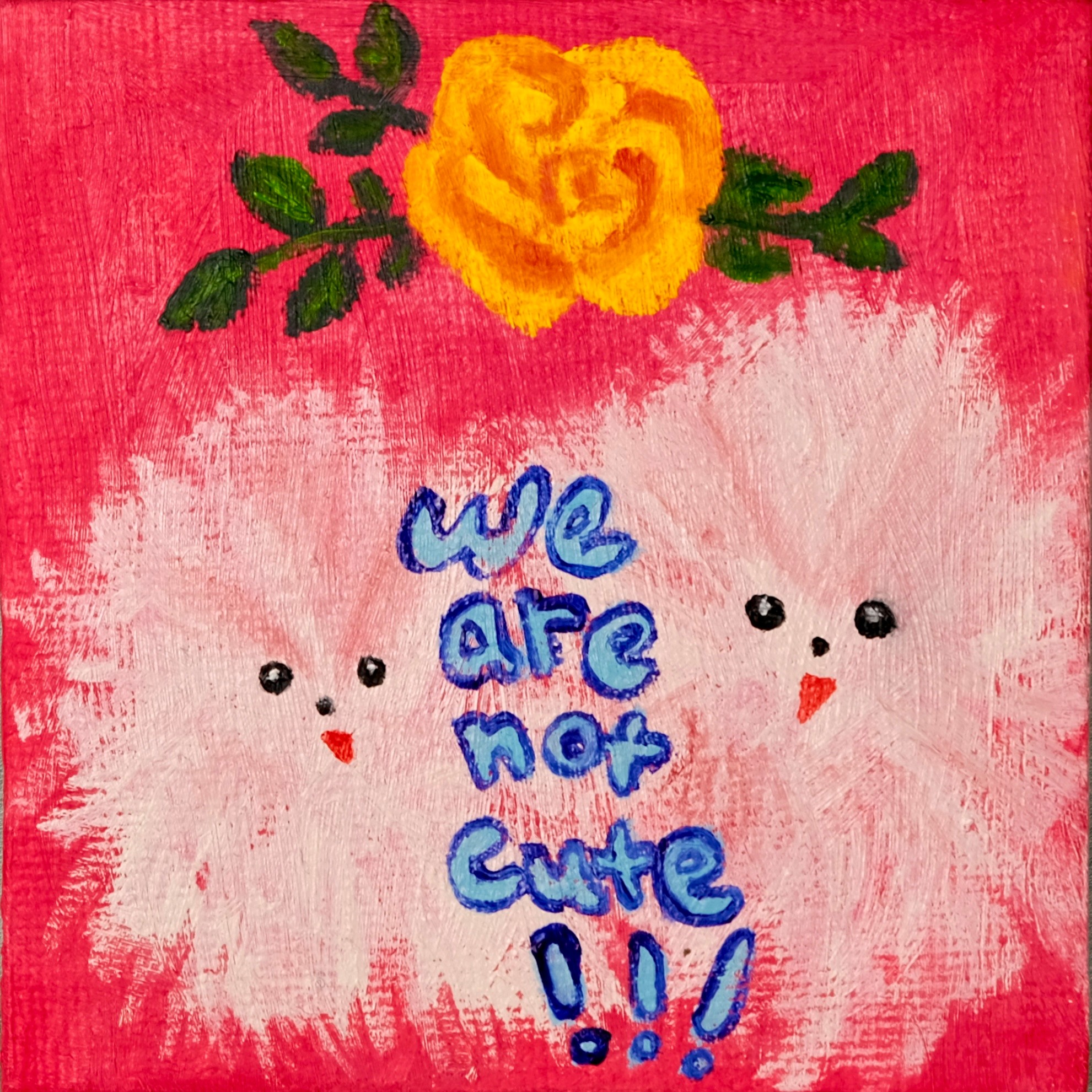
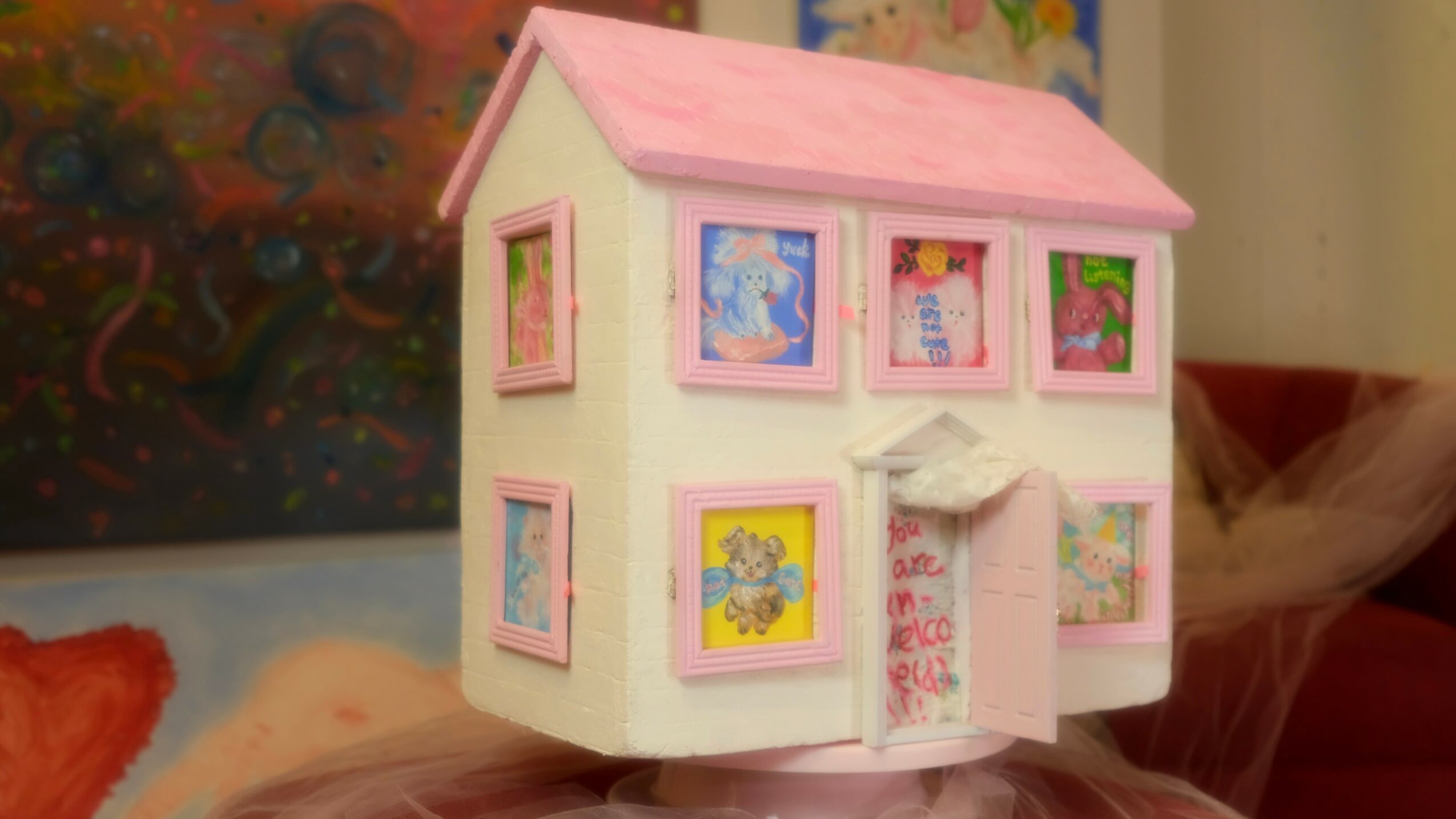
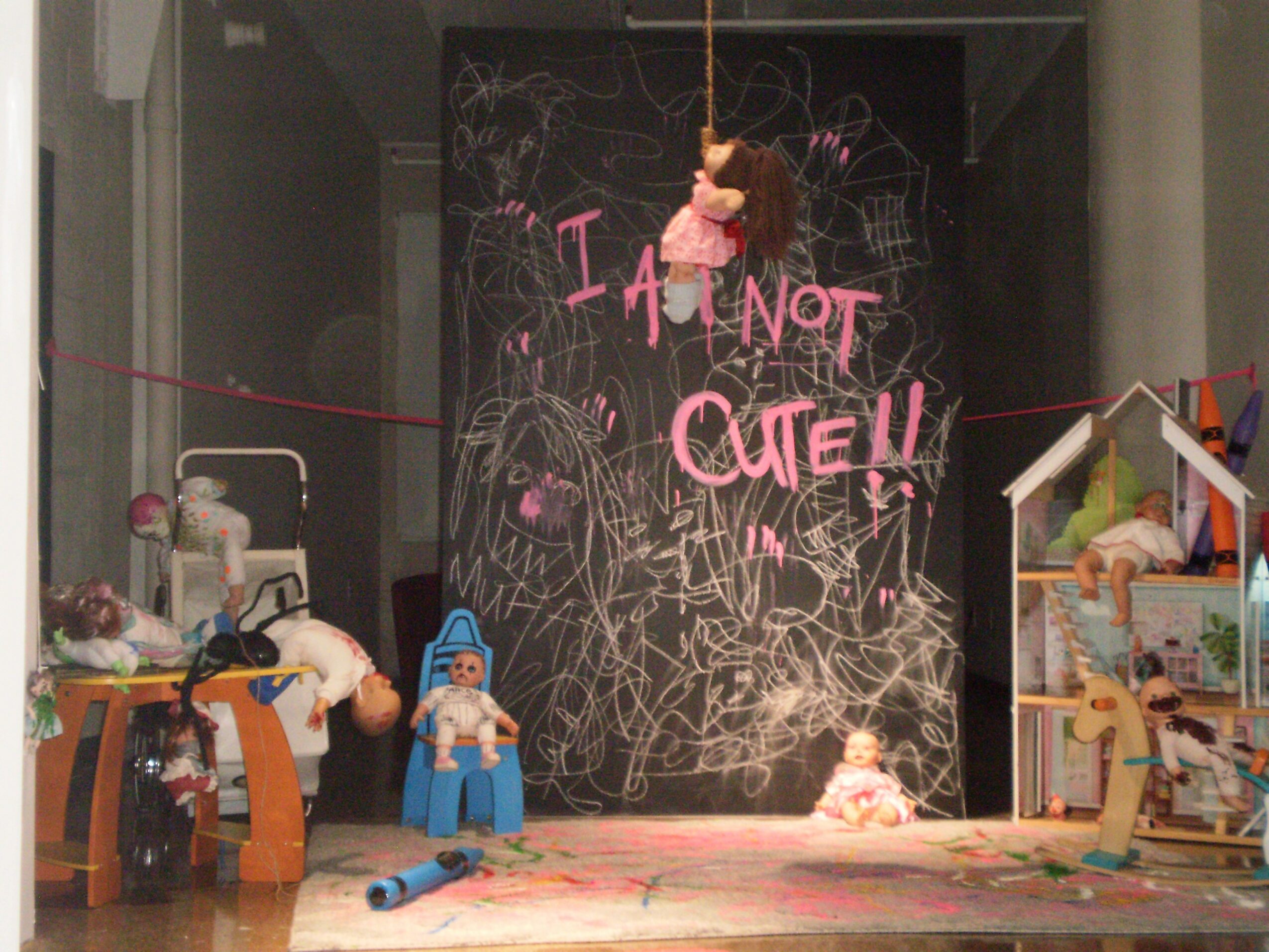
Image Credits
sherlyfanstudio
Popular
-

Hidden Gems: Local Businesses & Creatives You Should Know
-

ATL’s Most Inspiring Stories
-

Portraits of Atlanta
-

How Cameron Zabko Is Helping Families Build Financial Confidence Through Trust, Planning, and Meaningful Conversations
-
Nury Crawford is Helping Writers Discover That Their Voice Already Matters
-

Why Tiyonna Griffin Believes Confidence Is the Most Beautiful Thing You Can Create