






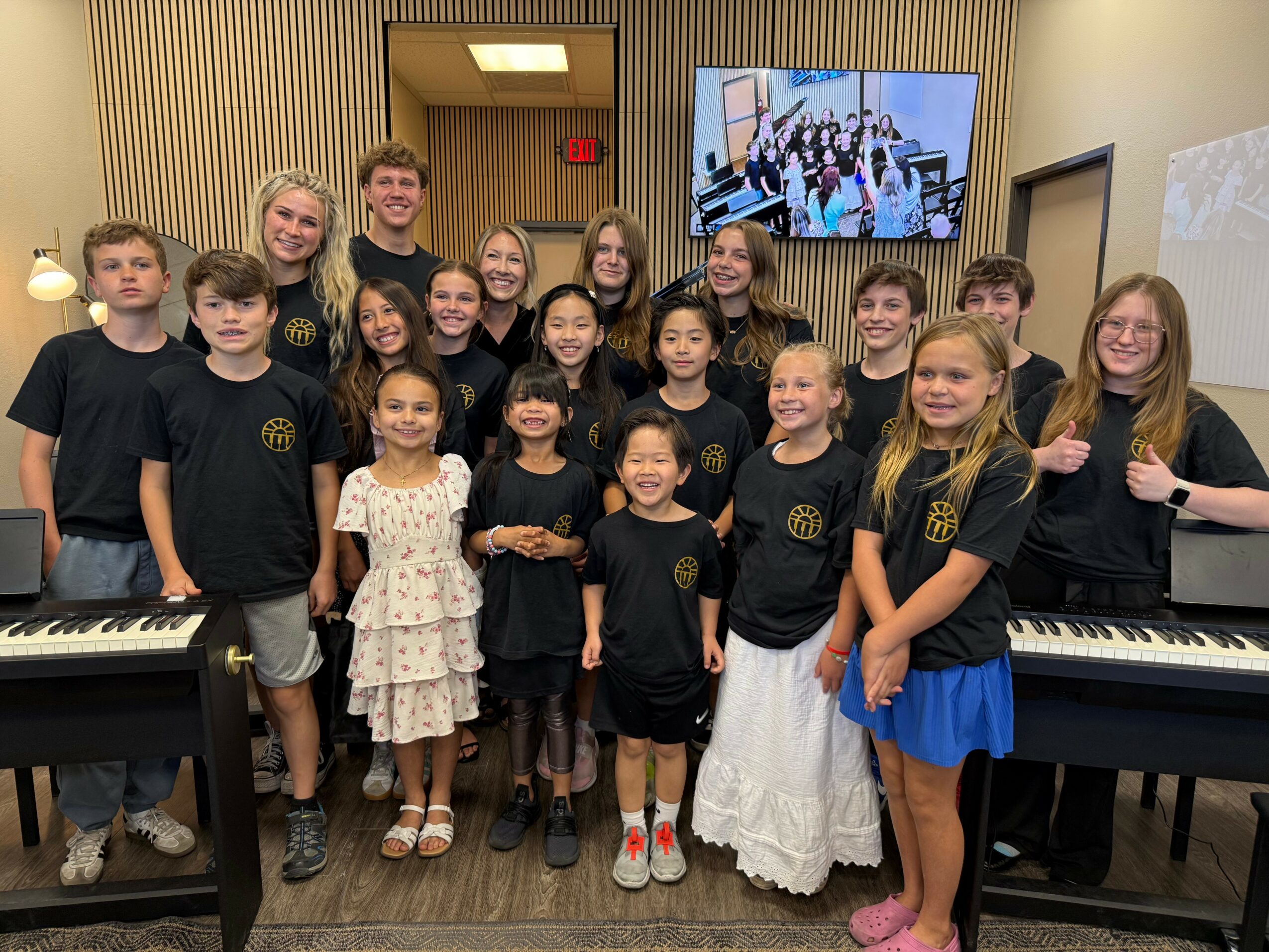
Today we’d like to introduce you to Jodie Carter.
Alright, so thank you so much for sharing your story and insight with our readers. To kick things off, can you tell us a bit about how you got started?
My story really began when I was a teenager. My mom encouraged me to start teaching piano, and when I did, she gave me a box filled with piano games she had created herself to use with my students. That box made such an impression on me. It showed me early on that learning music didn’t have to be limited to sitting at the piano or working through a method book—it could be creative, interactive, and fun.
Years later, after having my first child, I went through postpartum depression. I knew I needed something positive and creative to focus my mind on, and that season became the beginning of PianoBox. My mom became my business partner, which made it even more meaningful. I designed all of the games and teaching materials, and she would print, laminate, cut, and assemble everything. We were the perfect team. Eventually, we began traveling to music teacher conferences together, setting up our booth and sharing the resources we had created with other piano teachers.
At the same time, I continued teaching piano from my home and using PianoBox materials with my own students. Having the opportunity to actually use the games week after week with real students helped shape the way I thought about music education and the kind of learning environment I wanted to create.
After several years of teaching from home, I decided to take another big step and opened Journey Piano Studio in a commercial location. What began with me teaching piano as a teenager has now grown into a studio serving more than 100 students as of February 2026.
When I look back, I love that there is a thread connecting all of it. It started with my mom handing me a simple box full of homemade piano games. That box eventually inspired PianoBox, PianoBox helped shape the way I teach, and that philosophy became part of what I built at Journey Piano Studio.
It definitely wasn’t a straight path, and I couldn’t have predicted where it would lead when I taught my first student as a teenager. But each season built on the one before it, and today I get to combine so many things I love—music, teaching, creativity, entrepreneurship, and creating experiences that help students genuinely enjoy learning.
We all face challenges, but looking back would you describe it as a relatively smooth road?
It definitely hasn’t been a completely smooth road, but I think some of the hardest seasons have also been the ones that pushed me to grow the most.
PianoBox actually began during one of the more difficult times in my life. After having my first child, I struggled with postpartum depression, and I knew I needed something creative and positive to pour myself into. Building PianoBox with my mom gave me that outlet. At the time, I certainly wasn’t thinking that I was beginning some big entrepreneurial journey—I was simply creating, teaching, and doing something that brought me joy and purpose.
As the businesses have grown, the challenges have changed. One of the biggest has been learning how to transition from being a piano teacher to being a business owner. When you teach from your home, you can do almost everything yourself. But once you move into a commercial location, hire teachers, and have more than 100 students and families depending on you, you quickly realize that you can’t operate the same way anymore.
I’ve had to learn how to lead a team, create systems, delegate, make difficult decisions, manage the financial side of a growing business, and trust other people to carry out the vision that once existed only in my head. That has probably been one of my biggest areas of growth.
There have also been plenty of moments of trial and error. Some ideas work beautifully, and others don’t. I’ve learned that building something doesn’t mean having everything figured out before you begin. A lot of it is being willing to try something, pay attention to what works, make adjustments, and keep moving forward.
Looking back, I’m grateful the road hasn’t been perfectly smooth. Each challenge has forced me to become a better teacher, business owner, and leader—and I’m still learning as we continue to grow.
Alright, so let’s switch gears a bit and talk business. What should we know?
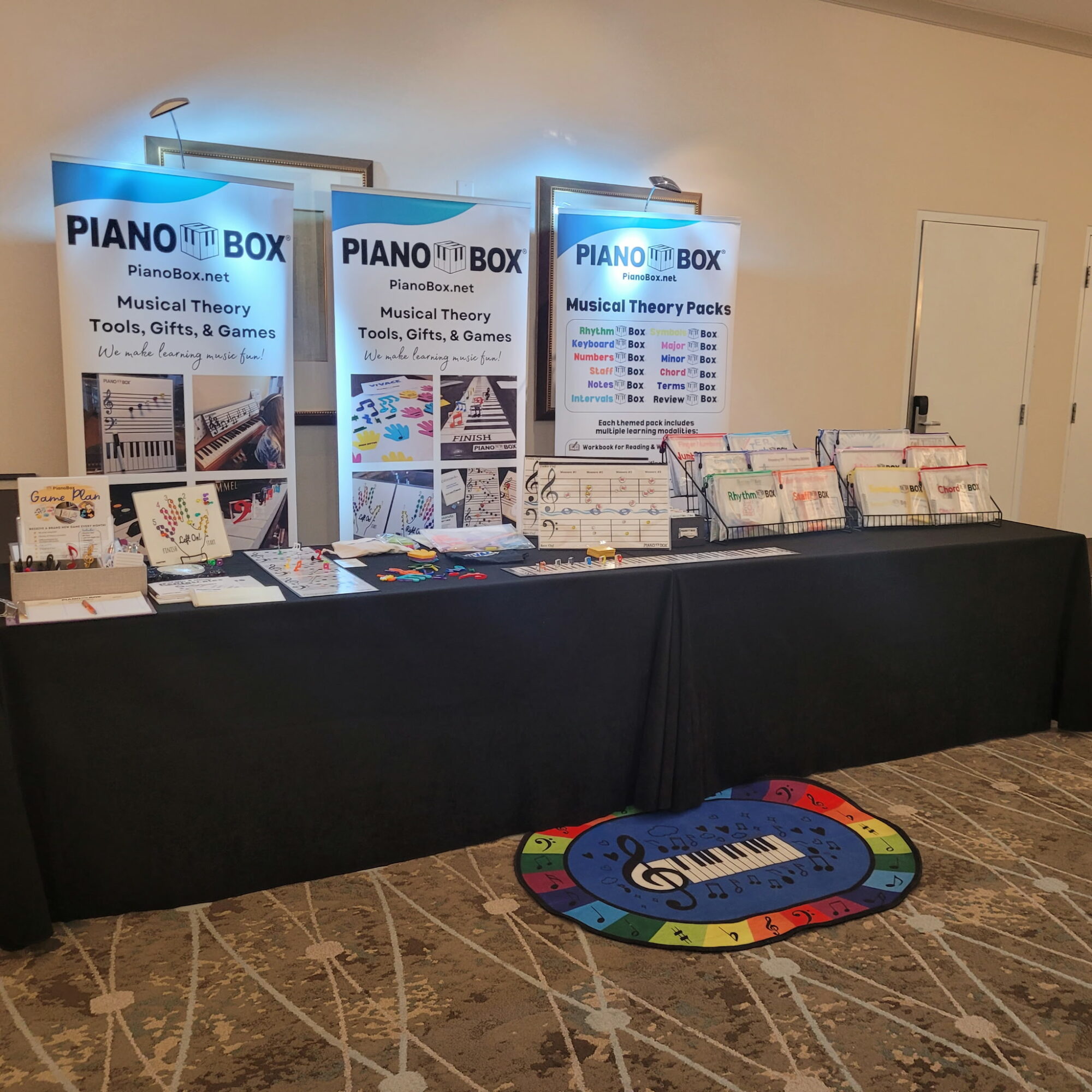
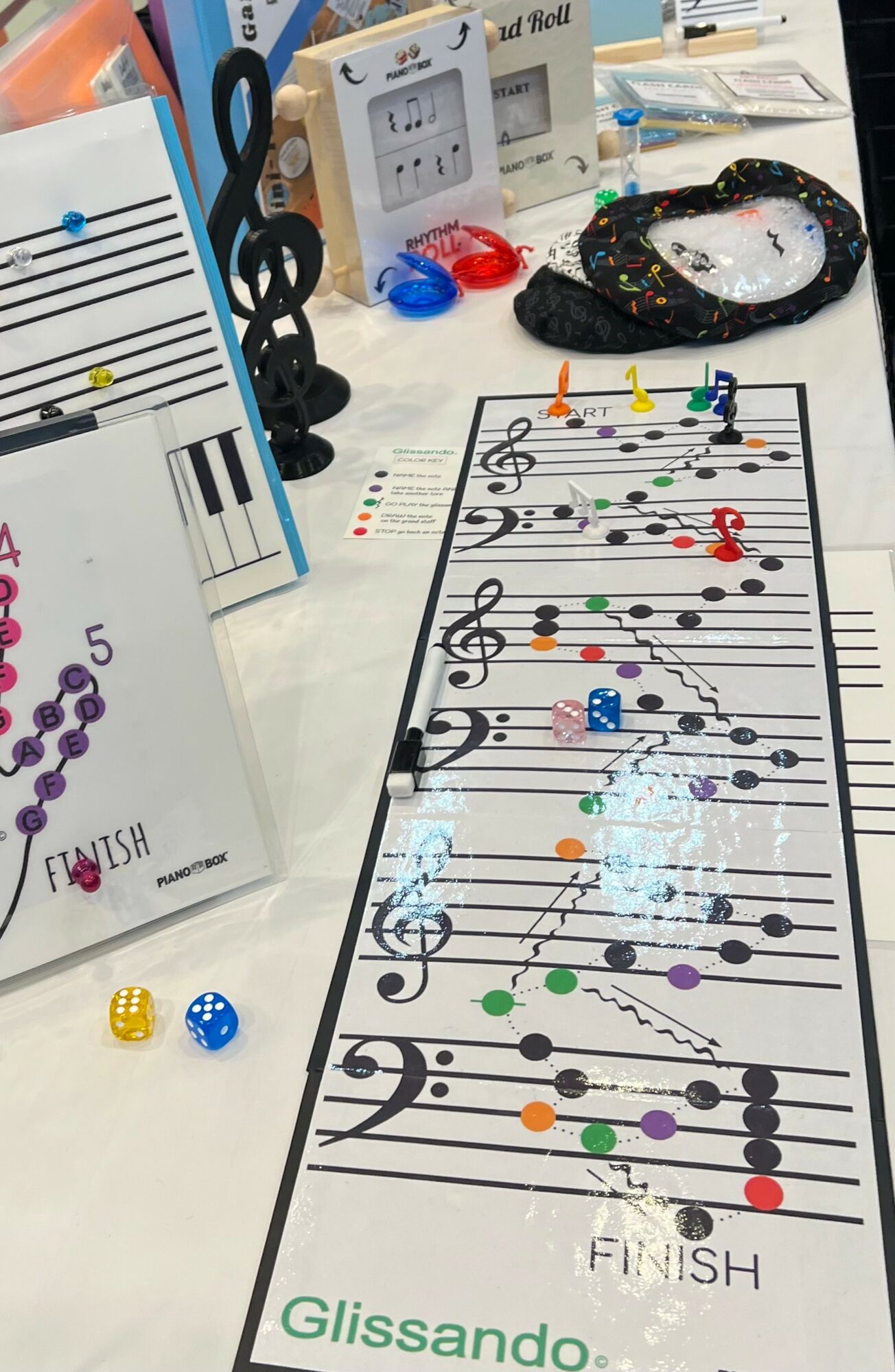
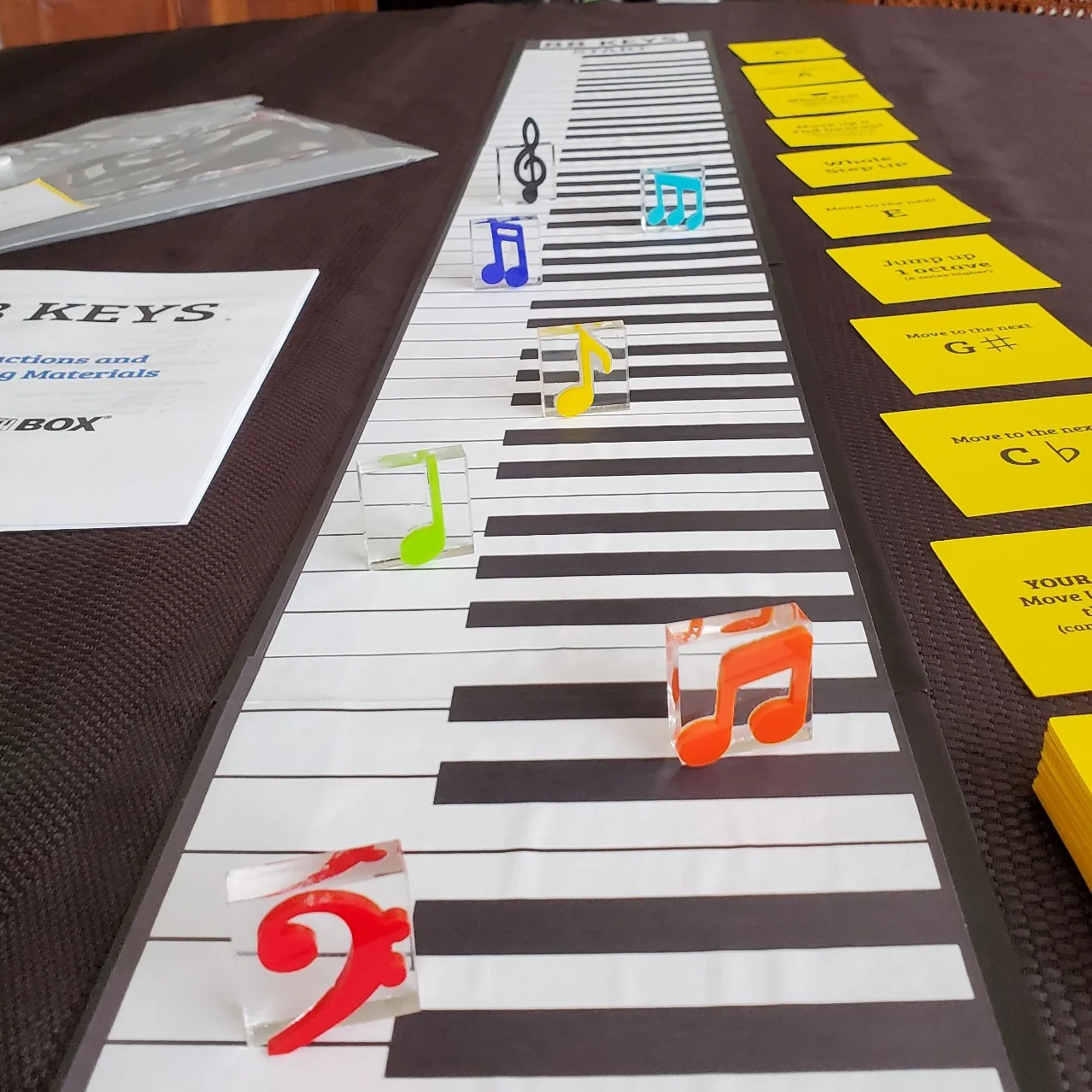
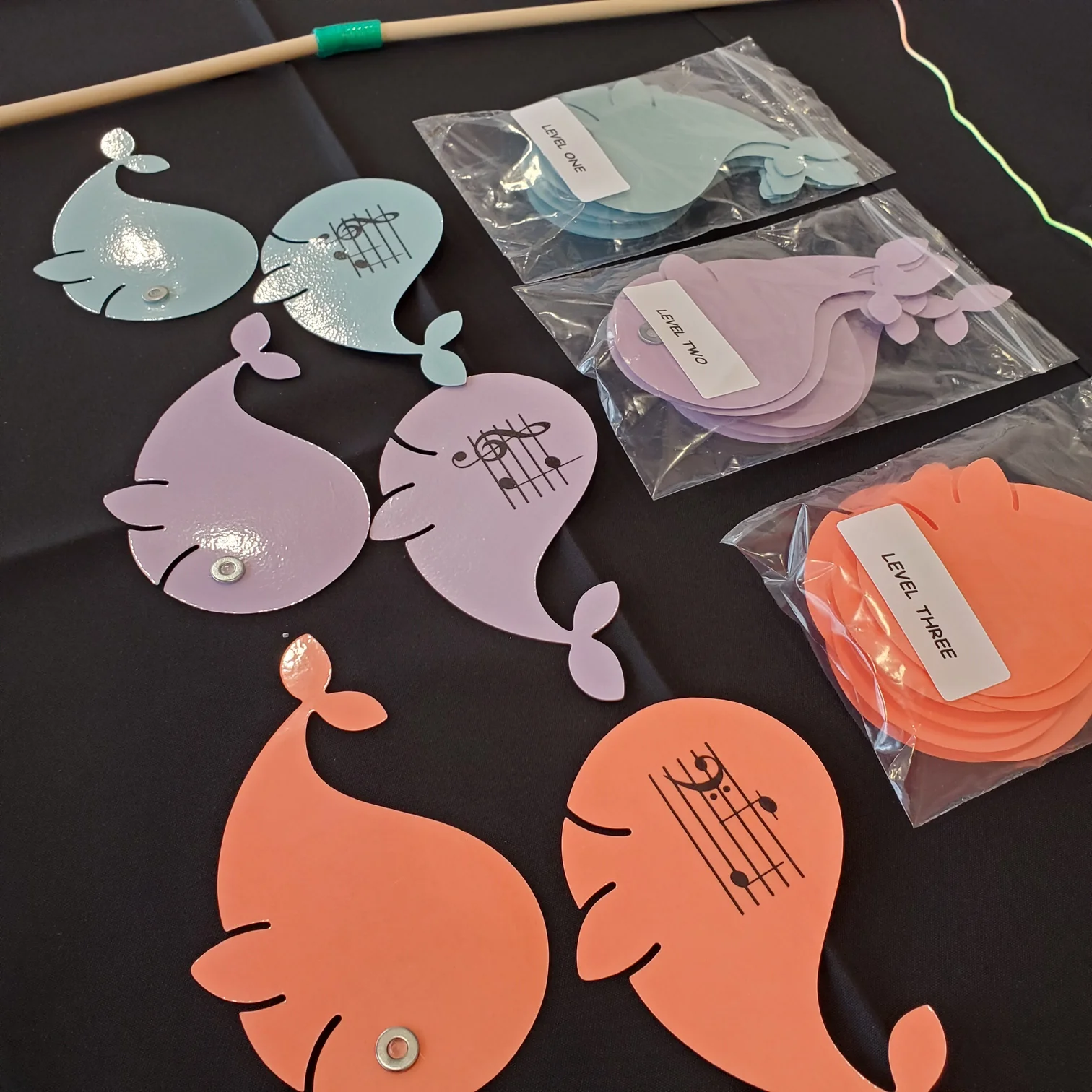
PianoBox is really where my philosophy as a teacher began to take shape. We create educational piano games and resources that help students learn and review music theory in a way that is hands-on, engaging, and fun.
The idea goes all the way back to when I first started teaching as a teenager and my mom gave me a box full of piano games she had made. Years later, that simple idea became PianoBox, and my mom and I built the business together. I design the games and educational materials, and from the beginning, our goal has been to take concepts that can sometimes feel repetitive or difficult for students and turn them into something they actually look forward to practicing.
One of the things that sets PianoBox apart is that the materials are created by a teacher and tested with real students. I’m constantly watching how students learn—where they struggle, what makes a concept finally click, and what keeps them engaged. Many PianoBox ideas have come directly from those experiences in my own teaching.
Eventually, that same philosophy grew into Journey Piano Studio. After teaching from my home for years, I opened Journey in a commercial location with the vision of creating a different kind of piano studio—one where excellent music education and an engaging student experience could exist together.
At Journey, we combine traditional piano instruction with games, technology, group activities, and creative learning experiences. We want students to become strong, well-rounded musicians, but we also want them to genuinely love coming to piano. Today, Journey serves more than 100 students, and seeing the community that has grown around the studio is something I’m incredibly proud of.
PianoBox and Journey now work hand in hand. Journey is where I get to see these ideas come to life every day with students, and PianoBox allows us to share those ideas and resources with other teachers and students beyond our own studio.
What I’m most proud of about both brands is that they have grown organically from the same purpose. I’m always asking, **“How can we teach this better? How can we make it more engaging? How can we help a student really understand it?”**
Whether it’s through a PianoBox game, curriculum, or a lesson at Journey Piano Studio, our goal is the same: to provide high-quality music education while helping students experience the joy and confidence that can come from learning music.
Networking and finding a mentor can have such a positive impact on one’s life and career. Any advice?
One of the best things I’ve done for myself professionally is simply put myself in rooms with other people who are passionate about the same things I am.
I actually met my mentor, Marie Lee, at a music conference. The funny part is that Marie and I are both from Las Vegas, but we didn’t even know each other! We had to travel to a music conference to meet someone who was right in our own city. That has always stuck with me because it’s such a good reminder of how important it is to get outside of your own little circle and put yourself in places where connections can happen.
That relationship has been incredibly valuable to me, and it probably never would have happened if I hadn’t made professional development and attending conferences a priority. There is so much value in continuing to learn—not only from the sessions and speakers, but from the conversations and relationships that happen along the way.
My biggest advice for finding a mentor or building a network is to show up and don’t be afraid to share what you’re doing. Talk about your ideas. Tell people what you’re building. Share what you’re excited about. Sometimes we hesitate to put ourselves or our work out into the world because it feels vulnerable, but that is often exactly how we find our people.
When my mom and I started taking PianoBox to music conferences, we weren’t just introducing people to our products. We were becoming part of a larger community of teachers, business owners, and music educators. Those experiences opened the door to relationships and opportunities I never could have planned.
I’ve learned that networking doesn’t have to feel like “networking.” For me, it has been about genuinely connecting with like-minded people, being curious about what they are doing, and being willing to share what I’m doing too.
You never know which conversation will lead to a friendship, a collaboration, a mentor, or an entirely new opportunity. Sometimes, as in my case with Marie, that person might have been living in your own city all along—you just have to be willing to get out there and find them.
Pricing:
- PianoBox games range from $45-$75 per game depending.
- PianoBox curriculum plan is $75 per pack, or you receive a large discount when purchasing it on a month to month plan.
- Journey Piano Studio offers lessons of different lengths and ranges from $125-$225 per month.
Contact Info:
- Website: https://PianoBox.net
- Other: https://JourneyPianoStudio.com
Popular
-

Hidden Gems: Local Businesses & Creatives You Should Know
-

ATL’s Most Inspiring Stories
-

Portraits of Atlanta
-

Peyten Williams Is Helping Parents Trade the Pressure of Perfect Parenting for Better Judgment
-

Dr. Hildiah Martin-Suggs Is Building Second Chances for Youth Who Were Almost Lost in the System
-

From Showing Up to Seeing His Face on a Billboard: Anthony Green Is Just Getting Started