


Today we’d like to introduce you to Evemita Brisenold.
Hi Evemita, can you start by introducing yourself? We’d love to learn more about how you got to where you are today?
I was born in Port-au-Prince, Haiti, and raised in Fort Pierce, Florida. I have always been an artistic kid. That part was never up for debate.
From the time I was young, I noticed things that other people walked past. The way someone’s outfit could tell you their entire personality before they said a word. The way light changes a moment. The way fashion, when it is done with intention, becomes something closer to language than clothing. In high school I got certified in Photoshop, and that was the first time I had proof that what lived in my imagination could be made real, made visible, made shareable. But the camera came a little later.
I moved to Gainesville in 2020 to attend the University of Florida. The world shut down almost immediately. COVID closed everything, including the photography studios in the city that I had been looking forward to accessing. But a closed door has never stopped a creative who needs to create. By 2021, I was in my student housing apartment, moving furniture out of the way, setting up lights in corners, and turning whatever space I had into something I could shoot in. I had a Sony a6400 and my friends, and that was enough to start.
It began with birthday photos. A group of us would take turns being in front of the camera for each other’s birthdays. It was personal, it was fun, and it was ours. But when we posted the images on Instagram, something unexpected happened. People outside of our circle started noticing. Strangers started reaching out asking if I did photography. Then those strangers became clients. And just like that, without a formal plan, a photography brand was born.
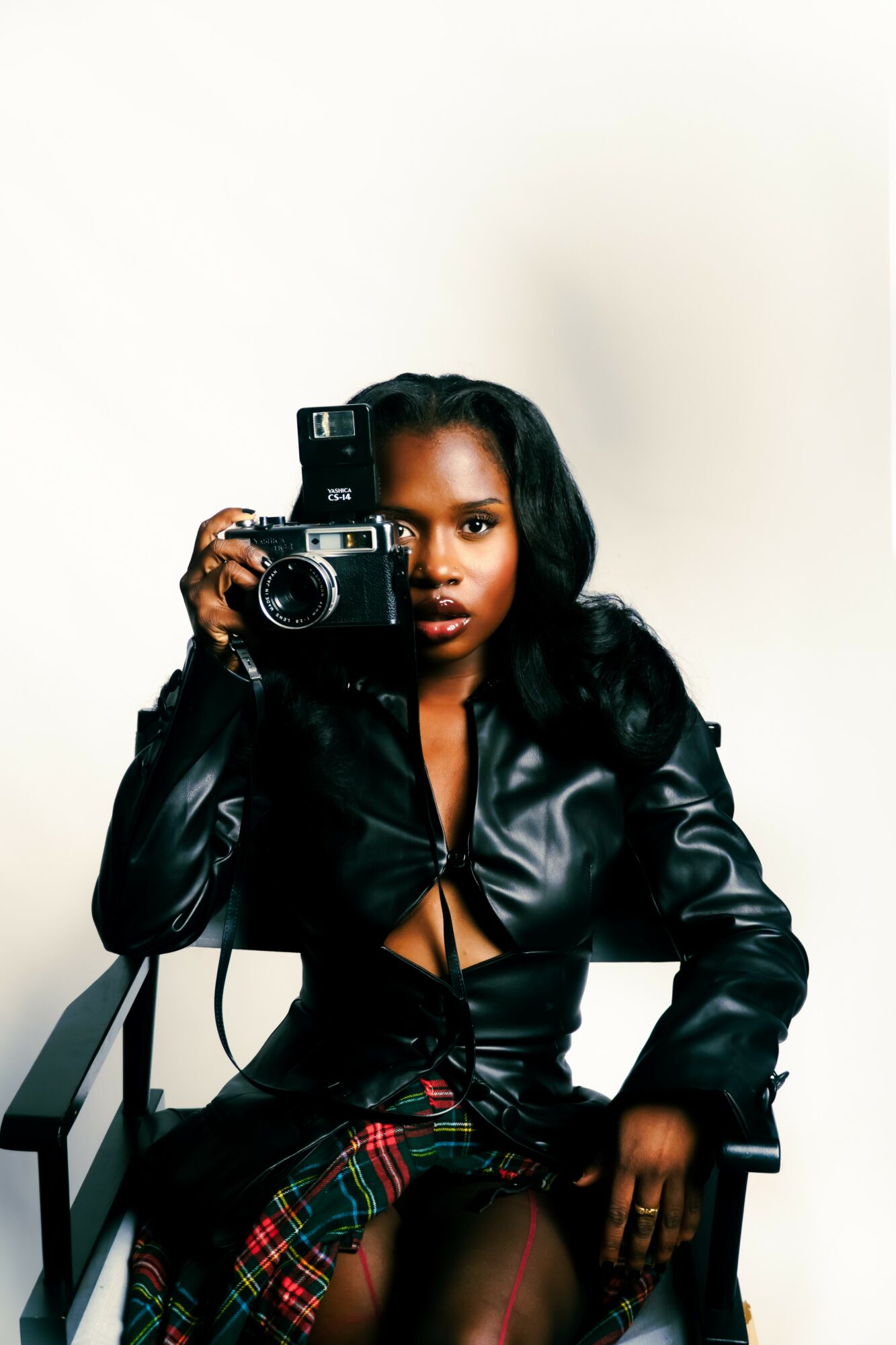
I named it 3.A6400. The three came from my Instagram handle, 3vemita. The A6400 came from the camera in my hands. I still shoot on that same Sony a6400 today, same kit lens, same body. People say it is not about the equipment, it is about how you use it. I say that with full conviction because my entire body of work has been built on that one camera.
For a while, I stayed busy. Birthday sessions, e-board portraits for campus organizations, studio-style photos in my apartment. The clients were consistent and I was making decent money, but something was quietly missing. I was close to the work but not connected to it. There is a difference between being a photographer and making photographs that mean something to you. I had not yet found the work that made me feel both.
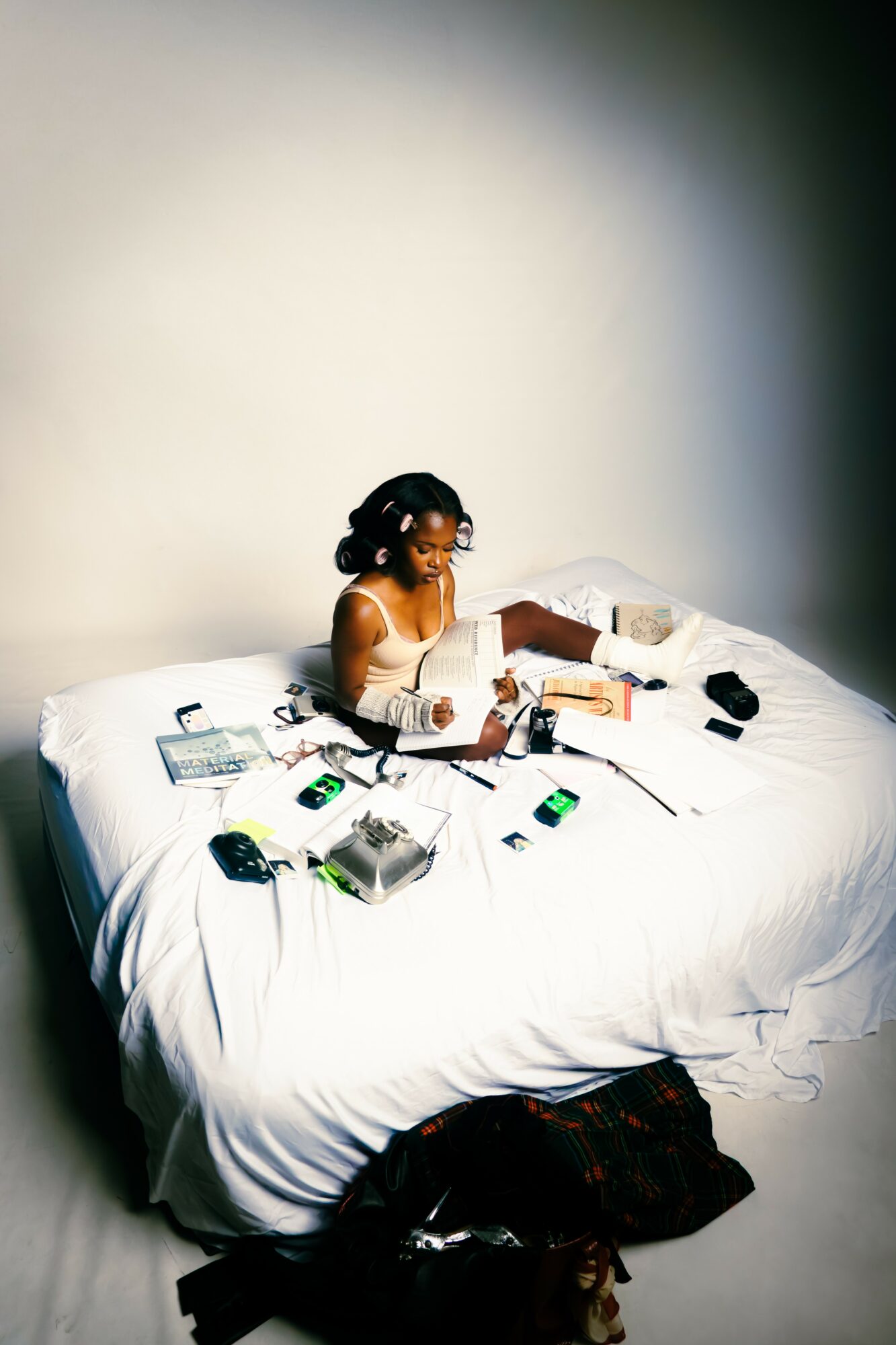
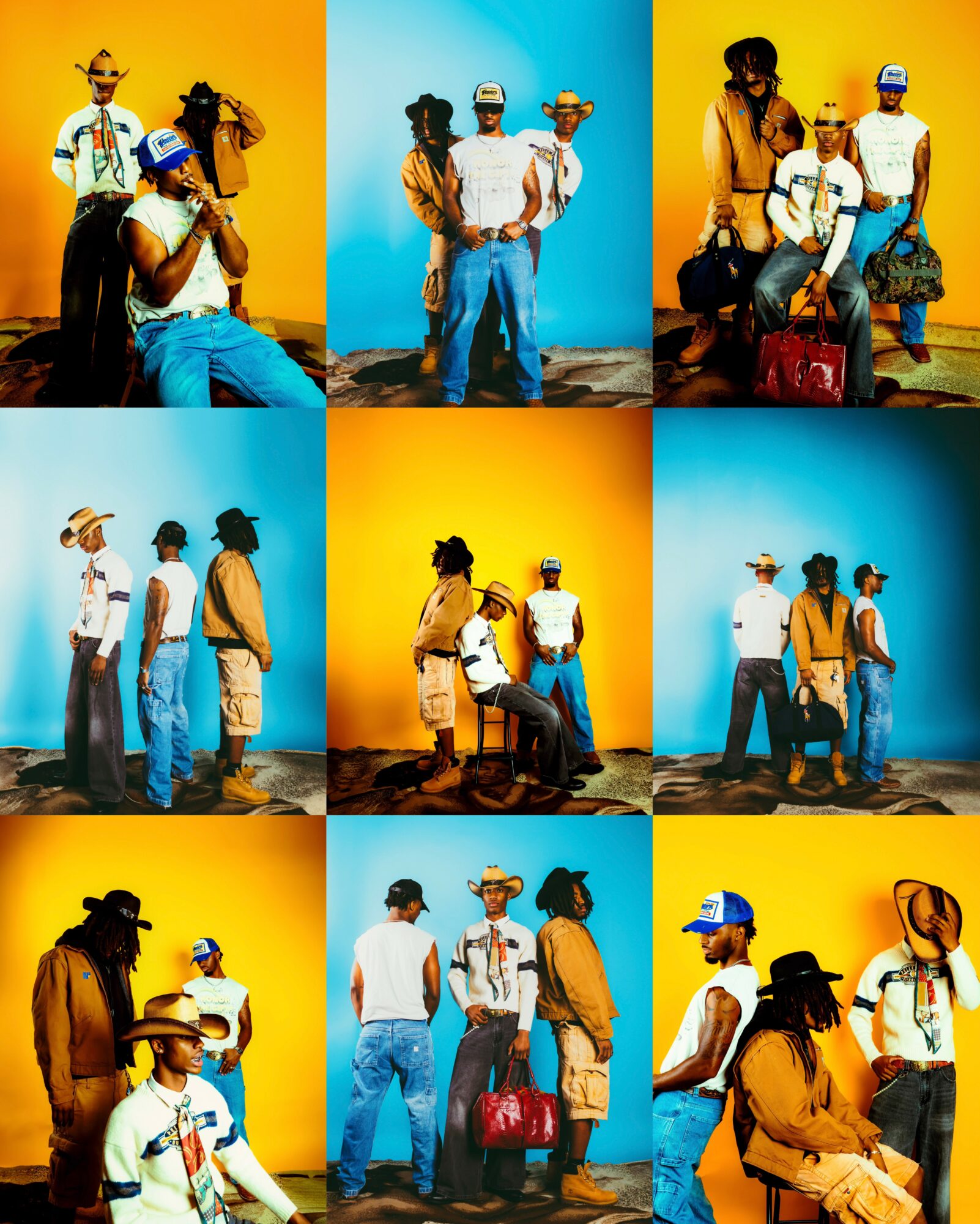
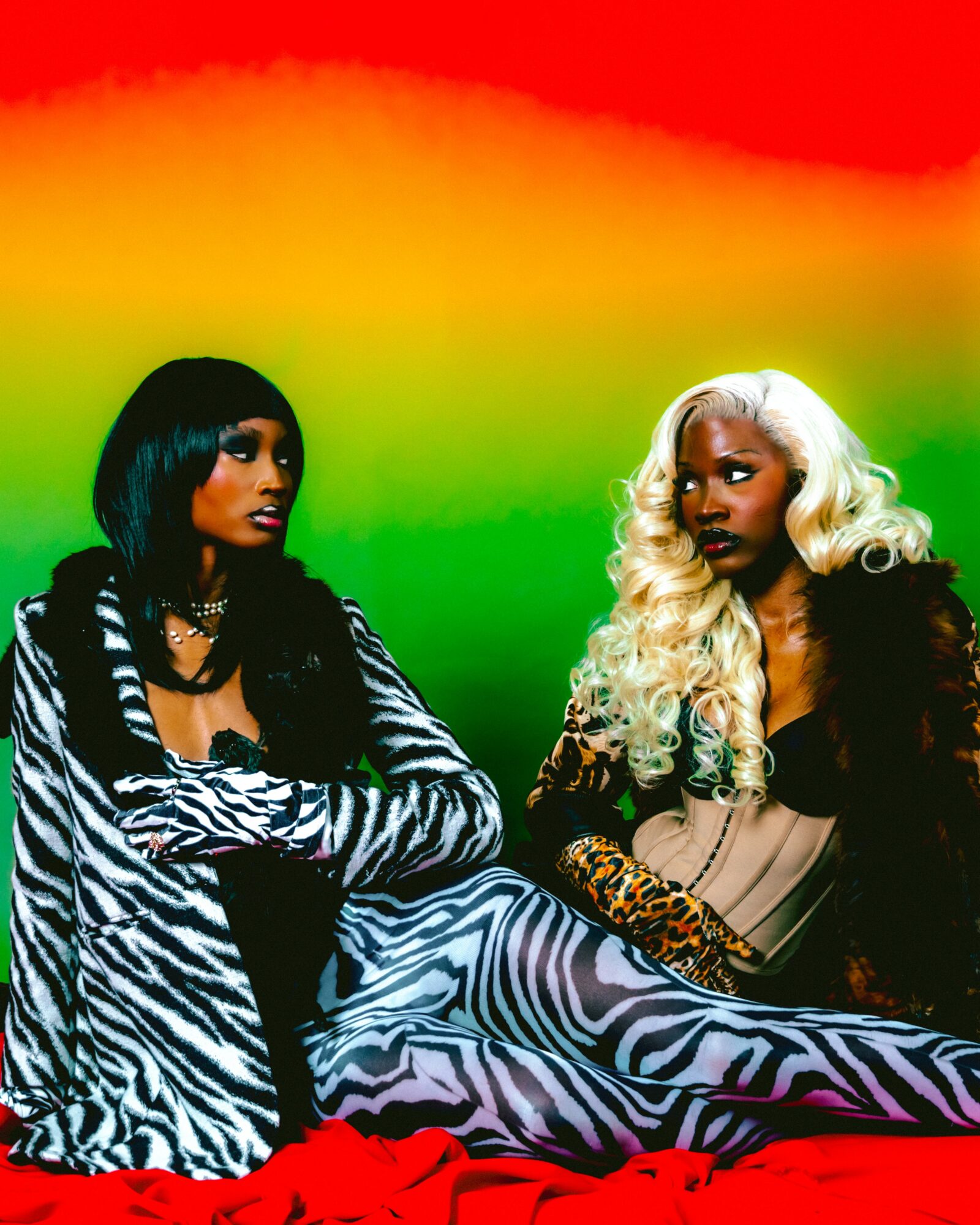
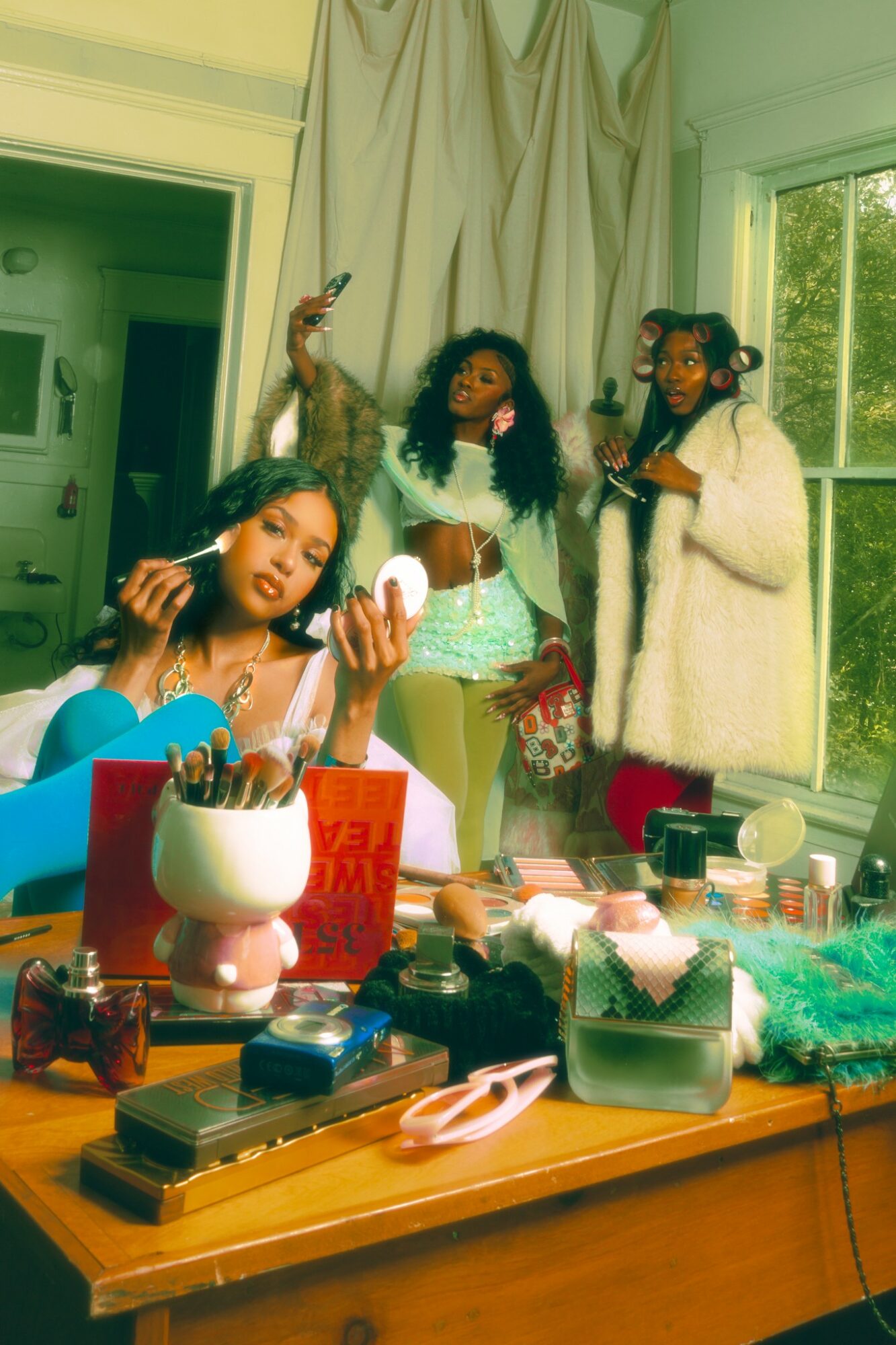
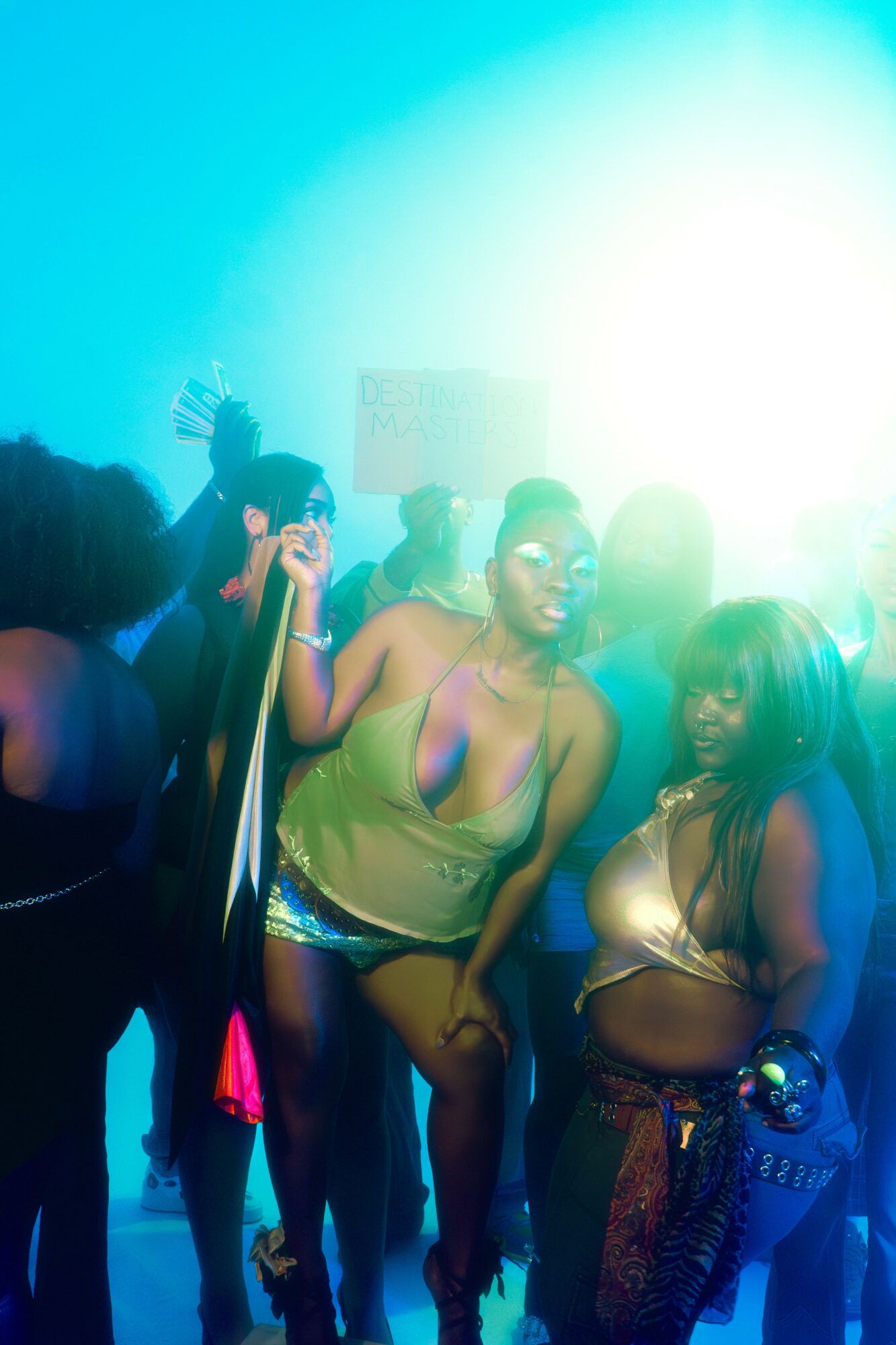
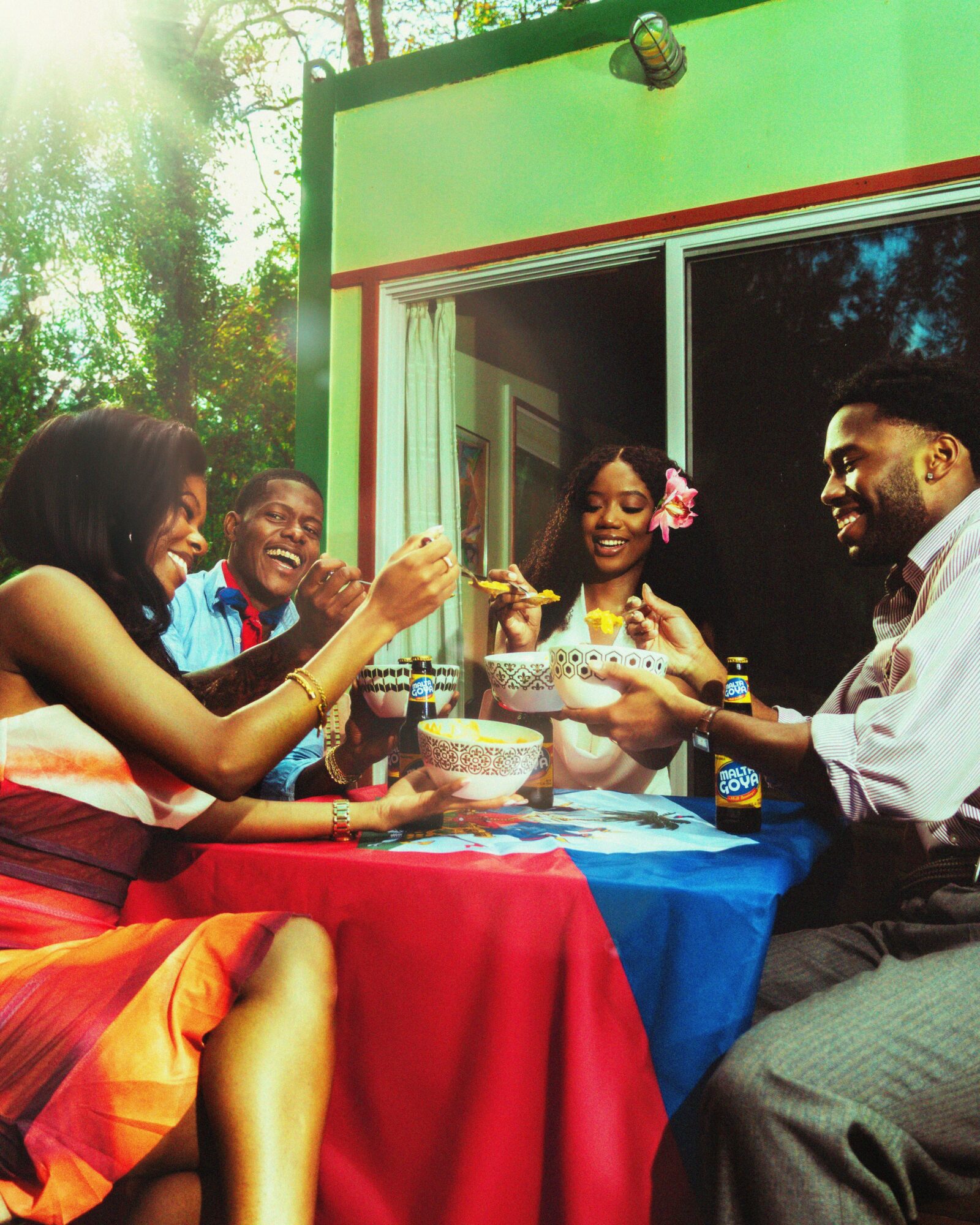
That changed with my senior capstone project at UF. I created iSpeakStreetwear, a collaborative editorial series exploring how Black people have always been at the forefront of streetwear culture. I partnered with designers and creatives across Gainesville, built out a full editorial photo shoot, and made work that actually said something. And in doing so, I remembered what had drawn me to imagery in the first place. It was never just photography. It was never just fashion. It was the place where those two things meet and become something with real weight. Storytelling through styling, through light, through a single frame that carries an entire world inside it. Fashion photography, when done with intention, is not decoration. It is documentation.
Cool Kid Frames grew out of that realization.
The name came from my favorite compliment. Being called cool. Not cool in the way that trendy is cool, but cool in the way that original is cool. Growing up, people often described me as different, and what I eventually understood is that different and cool have always been the same thing. They just do not always tell you that when you are young and still figuring out where you fit. My favorite compliment has always been being called cool because to me, cool meant effortless. It meant being fully yourself without explaining yourself. That is what Cool Kid Frames stands for. The tagline, where every kid is cool, is not a marketing line. It is a belief I built the brand on. I want every person who encounters my work to feel the thing I did not always feel when I was growing up. Like they were the blueprint all along. Like they were stylish this whole time and the world just needed to catch up.
I built this brand during a season where I was learning how to show up for my inner child. The version of me that did not always feel like she belonged, that did not always see herself reflected in the kind of imagery that felt aspirational. Every shoot became an act of reclaiming something. Not just for me, but for whoever was standing in front of my lens.
That expansion of vision led to Directed by a Cool Kid, my creative direction brand. As my work grew, I recognized that what I was actually doing extended far beyond photography. I was developing concepts, building brand identities, constructing entire visual worlds for campaigns. Directed by a Cool Kid is where that lives. Cool Kid Frames is the image. Directed by a Cool Kid is the intention behind it.
I recently relocated from Florida to Atlanta, and the city has received me in a way that feels right. I am collaborating with brands like Shoe Slutz, building relationships with creatives who are doing serious work, and slowly constructing the kind of community I always wished existed around this kind of storytelling. I finish my Master’s in Digital Media Management at USC Annenberg this August, and launching Directed by a Cool Kid fully into the world is exactly what I am walking toward.
Everything I have ever made has been in service of one thing. Representing the people who do not often get to see themselves represented. Centering Black culture. Centering Black identity. Creating the visual language for stories that the mainstream has consistently looked past.
It started with a Sony a6400 and an apartment in Gainesville with the furniture moved out of the way. And every single thing I have built since then has come from that same place. The belief that everyone deserves to be seen, and that a photograph, when made with care, can be the thing that makes that happen.
We all face challenges, but looking back would you describe it as a relatively smooth road?
Smooth? No. Not even close.
The road to Cool Kid Frames was not a straight line. It had a detour in the middle, a full stop, and a moment where I genuinely questioned whether I was even a photographer at all. The biggest obstacle I ever faced was not the industry, not the lack of resources, not the competition. It was myself. It has always been Eve versus Eve.
I fell out of love with photography. Not dramatically, not all at once, but slowly, the way you stop noticing something that used to move you. The clients were there. The bookings were consistent. By every external measure, things were going fine. But I was not satisfied, and I knew it. I knew I was capable of more intentional work than what I was producing, and that gap between what I was making and what I knew I could make became the most uncomfortable place I had ever sat in. That discomfort is what eventually forced the rebrand. It is also what made the rebrand necessary.
What I was producing at the time had no real direction. It was not bad work, but it was not mine either. Not fully. And when I look back now at the distance between where I started and where Cool Kid Frames is today, the storytelling is stronger, the intention is clearer, and the visual language actually means something. That did not happen by accident. It happened because I refused to keep making work that did not feel true.
But the internal battle was not the only one.
There was also the very real struggle of not having access. I built my photography brand during peak COVID, in a student apartment in Gainesville, with a Sony a6400 and no studio, no formal training, no industry connections, and no real blueprint for what I was trying to do. I used to look at other photographers, people who had better equipment, more resources, more opportunities, and compare myself to them. That comparison was heavy. It did not always make me work harder. Sometimes it just made me feel behind.
I think about this often. What if I had never taken that break? What if I had never rebranded? Where would I be right now? Those questions do not have clean answers, but they are honest ones. And I have made peace with the fact that the detour was part of it. The falling out of love was part of it. You cannot find your real direction without first losing the one that was never really yours.
There is also a deeper struggle that I do not think gets talked about enough, especially for Black creatives in a digital age. We are constantly being measured by numbers. Algorithms. Engagement. Reach. And somewhere in that noise, the question of why you are creating gets buried under the question of how it is performing. I remember watching a video from a photographer who asked something that stopped me completely. If Instagram disappeared tomorrow, how would your photography still live on?
That question changed how I think about every shoot I plan, every concept I develop, every image I release. I do not want to make work for a feed. I want to make work that creates dialogue. That starts conversations about the world we actually live in. That has enough weight to create real change, not just real engagement.
And then there is something I have not always said out loud. Being a first generation student pursuing a creative field carries a specific kind of weight that is hard to explain unless you have lived it. My parents did not have industry connections to pass down. I could not go to them for homework help, let alone career advice about navigating the creative world. Everything I have built, I built by figuring it out as I went, taking risks on a dream that nobody in my immediate world had a roadmap for. That is not a criticism of where I come from. It is just the truth of what it costs to be the first.
And that comes with guilt. A guilt I do not think I have ever really spoken about publicly until now. There is a constant, quiet battle that lives in the back of my mind about choosing this path. I could have gone into medicine. I could have gone into law. I know myself well enough to know I would have succeeded. I know it would have meant a certain kind of stability, a certain kind of security that the creative field does not promise you. But my heart was not in it. And choosing your heart over the guaranteed thing is terrifying in a way that does not go away just because you keep choosing it.
Even now, I do not always know where I will be a few months from now. That uncertainty is real. And I still go back and forth with the question of whether I am choosing myself or choosing what the world expects from me. I do not think that question ever fully disappears. Especially right now, with everything happening in the world, it is not an easy question to answer. But I keep showing up anyway. Not because I have it figured out, but because I cannot imagine doing anything else. And I think that is its own kind of answer.
A lot of my struggles have come from being in my own head. But a lot of them have also come from navigating an industry that has not historically made space for people who look like me, and that does not have clear pathways for Black creatives who are building something from the ground up. That reality is part of why I am so committed to the work I am doing now. The creatives who come after me deserve a clearer path than the one I had to find for myself. If my work can be any part of making that possible, then everything I went through to get here was worth it.
Alright, so let’s switch gears a bit and talk business. What should we know about your work?
I am a photographer and a creative director. That is where I start. But the honest answer to what I do is bigger than any single title, and I have had to make peace with that.
I am multifaceted in a way that used to confuse me and now feels like the whole point. I photograph. I direct. I paint, acrylic on canvas, because the need to make something does not always wait for a camera. I build concepts and campaigns and visual worlds from scratch. I hold a Bachelor’s in Digital Arts and Sciences from the University of Florida and I am finishing my Master’s in Digital Media Management at USC Annenberg this August, with a foundation that goes all the way back to graduating high school with my AA in Business Administration from Indian River State College. I have always been building toward something, even when I did not know exactly what it was.
What I specialize in is fashion photography with a storytelling backbone. Not lifestyle content. Not generic studio portraits. The kind of image that carries a point of view, that has something to say about culture and identity and the people standing in front of the lens. That specificity came from years of figuring out what I was not, until I found what I actually was.
But if you ask me what I am most proud of, I will not point to a single image or campaign. I will point to the community.
Something happens on every set I build. People show up, and somewhere between the lighting checks and the wardrobe adjustments and the in-between moments, they start talking. Sharing. I hear people’s stories, their expertise, what drives them, what they are trying to build. And every single time, I am reminded that we are all doing the same thing. We all just want to make something real and follow ourselves into it. That realization, over and over again across every project, is what I am most proud of. Not the final image. The room that made it.
When I moved to Atlanta, that was my greatest anxiety. Not the work itself, but whether I would find my people. Whether I would be able to build that feeling again in a new city. And slowly, shoot by shoot, collaboration by collaboration, I am. I am finding my community here.
That is also the entire foundation of my current capstone project. I think about Ryan Coogler and Michael B. Jordan a lot. The way they have worked together for years, kept it close, kept it within their community, and created work that went on to win awards and change culture. They did not go looking for the biggest names or the most established brands to validate what they were making. They made something true, with the people around them, and the world caught up. That is the model I am working from. I could reach out to Vogue. I could build spec campaigns for Adidas or Nike, for the brands that already have everything. But my capstone is built with the creatives in my community, with brands like Shoe Slutz that I actually work with and believe in, because authenticity is not a aesthetic choice. It is an ethical one.
What sets me apart is that. The intentional choice to keep it close, to make work that reflects the people who made it, to shed light on the parts of Black culture that the media consistently dims or scrutinizes, and to do it through fashion photography with a storytelling standard that does not apologize for taking up space.
As for what I am known for, I will be honest. I am not entirely sure yet. I hope people see a creative who wants it badly, who is working toward something real, who has not let the lack of access or the uncertainty of this path stop her from building anyway. I do not always know what people see when they look at my work.
I just hope it is felt. I hope it is impactful. That has always been enough to keep going.
What matters most to you? Why?
What matters most to me is the generation that comes after me. And the generation that comes after them.
That answer does not come from nowhere. It comes from knowing exactly what it felt like to be a kid who needed something that did not exist yet.
I was part of a program called TRIO growing up. For anyone who does not know, TRIO is a federally funded U.S. Department of Education initiative that provides academic tutoring, financial guidance, personal counseling, mentoring, and college access support for disadvantaged students. It sounds like a government program on paper. In real life, it was one of the most transformative things that ever happened to me.
TRIO brought us on college visits. They connected us with mentors who spoke life into us when we did not have people in our immediate world who knew how to navigate the spaces we were trying to enter. As a first generation student, I could not go to my parents for guidance on applications, scholarships, or what college was actually supposed to feel like. TRIO filled that gap. I genuinely do not think I would be where I am today without it. I do not think I would have gotten here without the scholarships they helped me find, the trips they funded, or the adults who sat across from me and said you belong in these rooms.
That experience is the root of everything I care about most.
One of my ultimate goals, one I do not talk about enough publicly, is to build a nonprofit specifically for young creatives from underrepresented communities. A space where kids have access to the resources and industry pathways that were not there for me when I was growing up. Because yes, there are STEM programs. There is funding for healthcare pipelines and technical education. But there is a profound lack of structured, funded support for the kid who is not going into medicine or engineering. The kid who paints. The kid who picks up a camera. The kid who has a creative mind that nobody around them knows how to nurture because nobody around them was ever given the tools to do it either.
That kid was me. And I see that kid everywhere.
When I was in Gainesville I worked at Kids Count, a nonprofit focused on literacy and learning for young children. I also volunteered with Her Natural Wreath, an organization my freshman college roommate created for girls in the foster care system who had white or non-Black parents who did not know how to care for their natural hair. We would show up, and we would braid their hair. Every few months, the girls would come back. And what I watched happen in those moments was not just hair being done. It was something much more fundamental. It was little girls being seen. Being tended to. Being told through action that they mattered and that their hair, their culture, their identity was worth caring for.
That is what I want my work and my life to do at scale. Not just through images, but through access. Through community. Through building the kind of infrastructure that says to a young creative from a place like Fort Pierce, Florida: you do not have to figure this out alone. There are people who went before you who are going to make sure the path is a little clearer than it was for them.
The job market is hard. The creative industry is even harder. And I am in the middle of navigating both of those things right now with full honesty about how uncertain it all feels. But if I can get through to the other side and turn around and build something that makes it easier for the next person, that is the thing that would make everything worth it.
The youth is what matters to me most. If my work impacts anyone, I hope it is them.
Contact Info:
- Instagram: https://www.instagram.com/coolkidframes/
- LinkedIn: https://www.linkedin.com/in/evemita/
Popular
-

Hidden Gems: Local Businesses & Creatives You Should Know
-

ATL’s Most Inspiring Stories
-

Portraits of Atlanta
-

How Cameron Zabko Is Helping Families Build Financial Confidence Through Trust, Planning, and Meaningful Conversations
-
Nury Crawford is Helping Writers Discover That Their Voice Already Matters
-

Why Tiyonna Griffin Believes Confidence Is the Most Beautiful Thing You Can Create