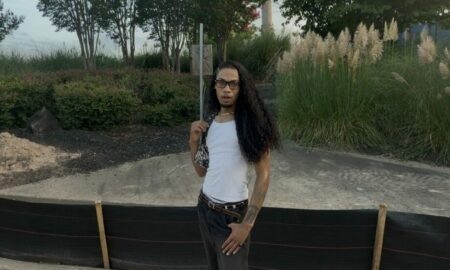






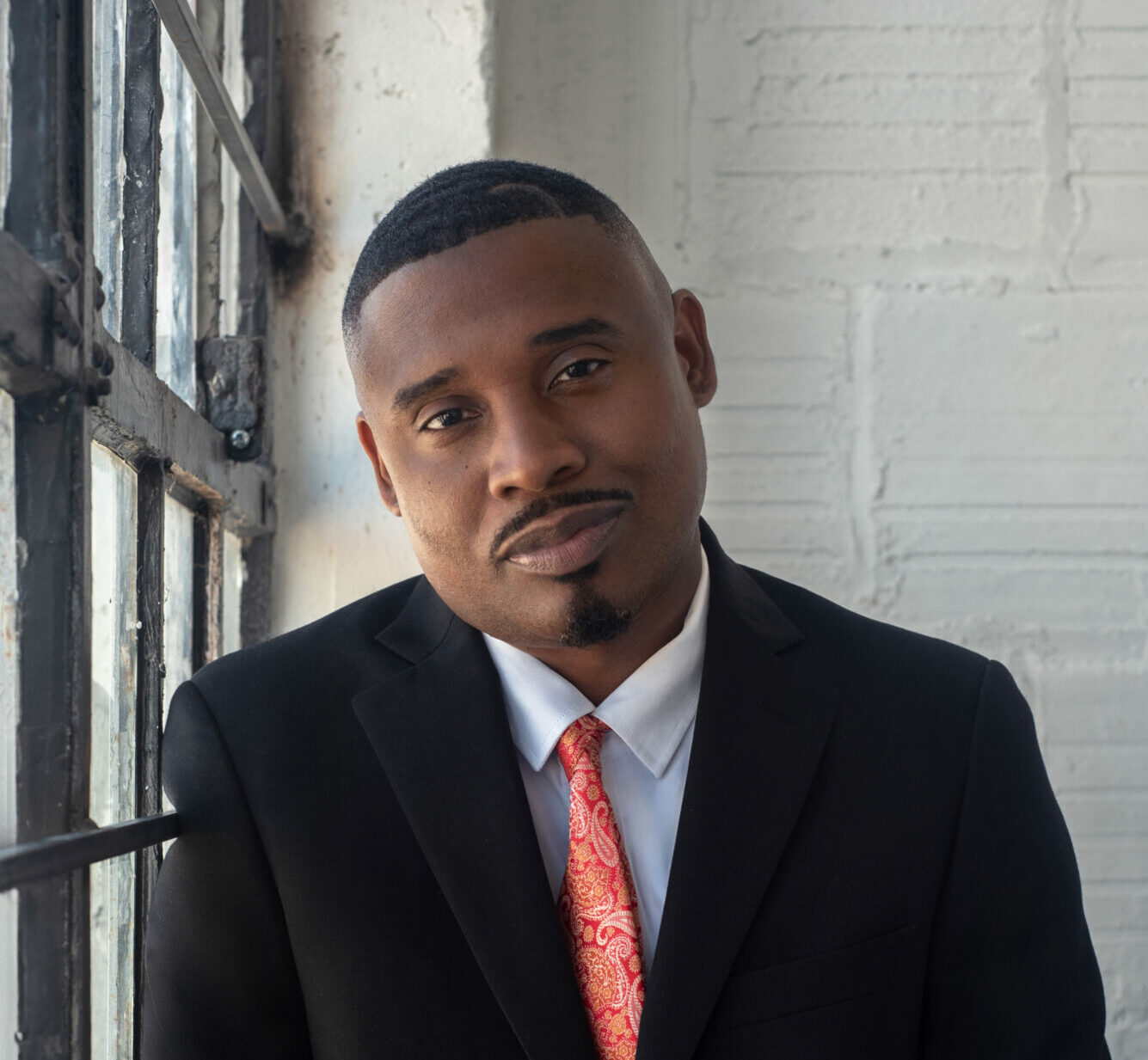
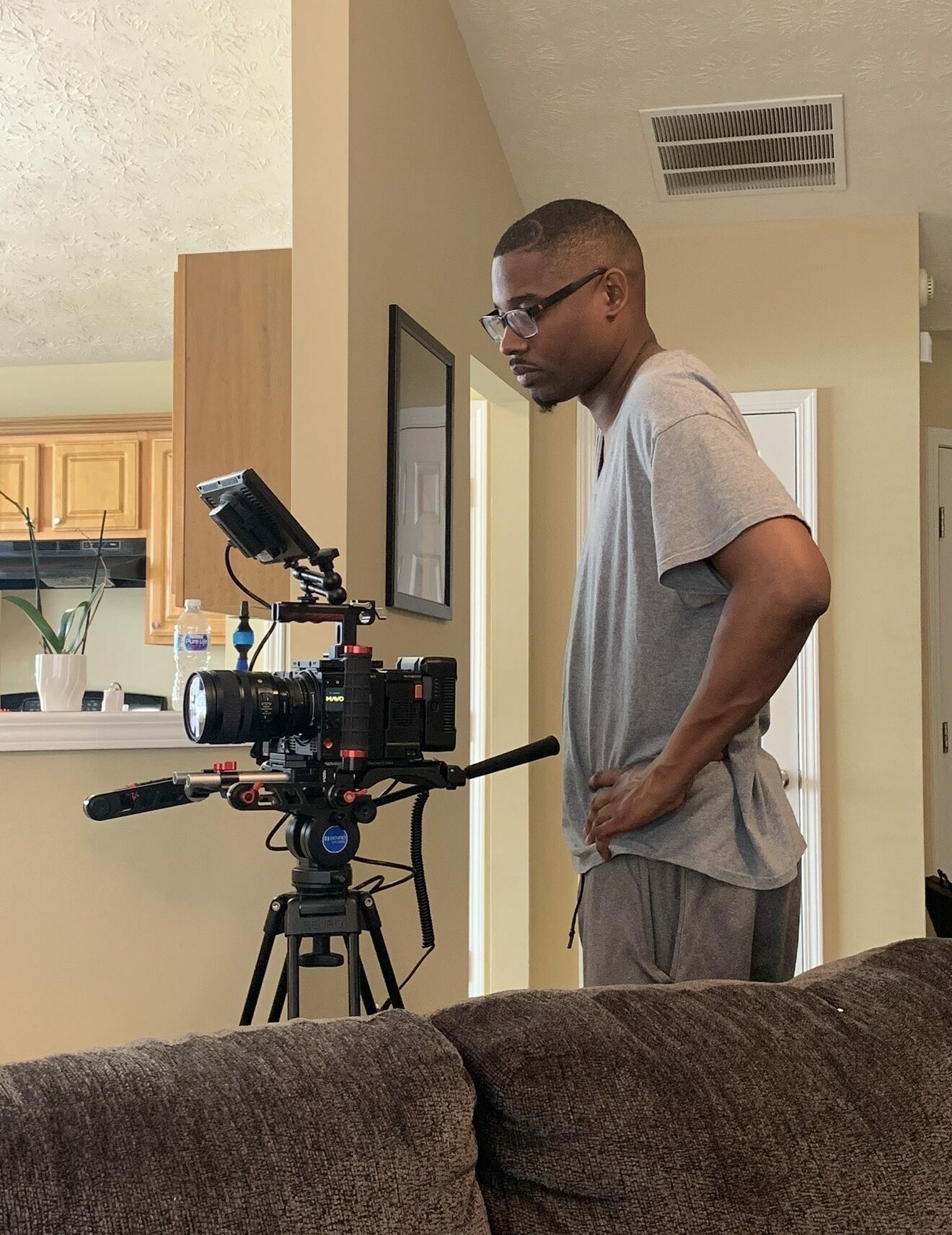
Filmmaker Alonge Hawes is building a body of work that challenges expectations by placing Black characters at the center of stories that span heists, science fiction, animation, family drama, and Afro-futurism. Through projects like Silver & Gold, The Uptown Chronicles, and Good Black Man, he explores themes of legacy, self-discovery, responsibility, and representation while experimenting across multiple creative formats. Whether collaborating on futuristic worlds, developing emotionally grounded family stories, or working alongside his daughter on screen, Alonge remains committed to expanding the range of stories audiences see and creating narratives that reflect the diversity and complexity of the Black experience.
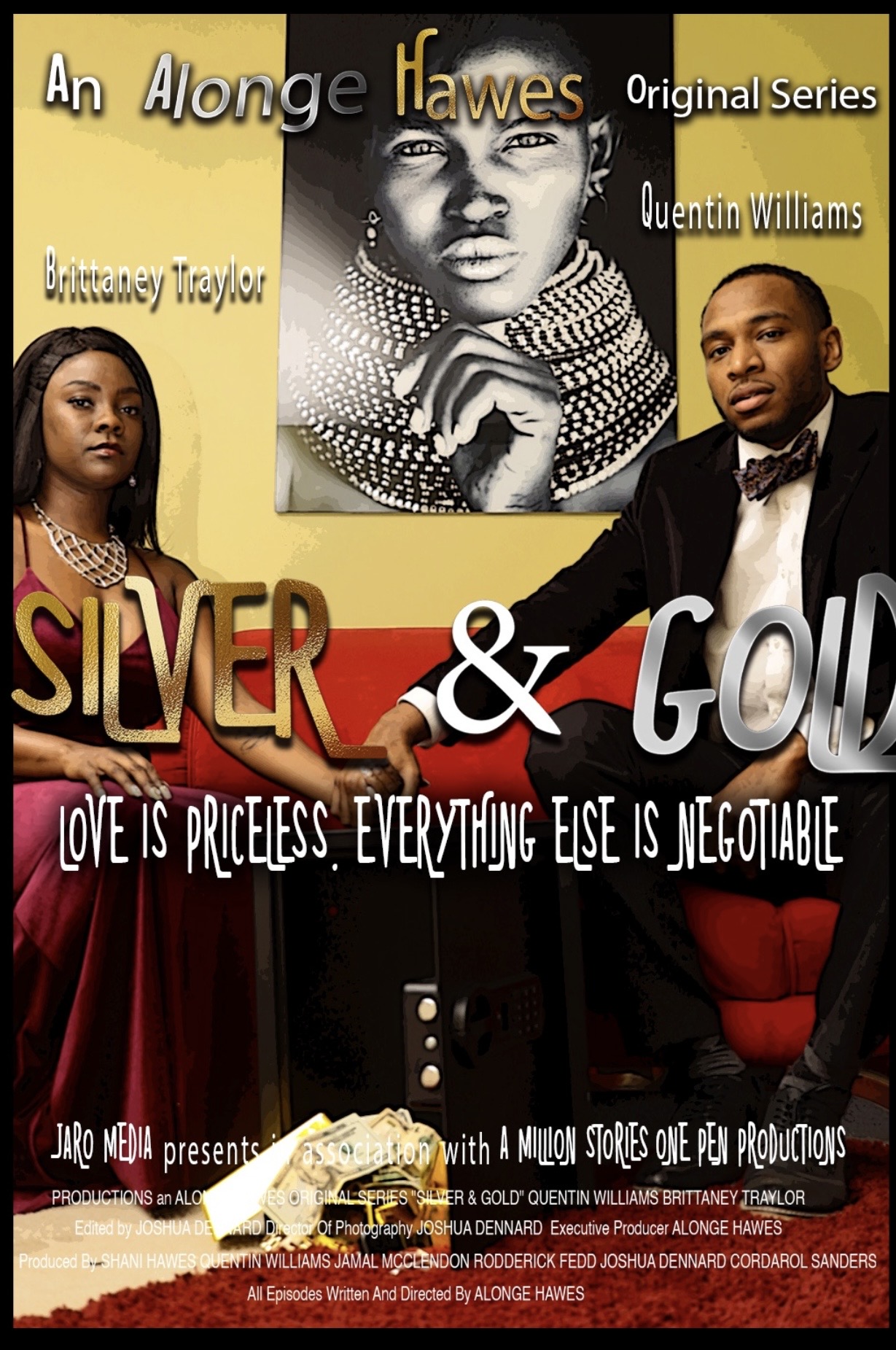
Alonge, your series Silver & Gold blends heist storytelling, romance, and Afro-futurism in a way audiences don’t often see. What inspired you to reimagine the genre through that lens, and what makes this project uniquely yours?
I’ve always been interested in utilizing my creative platform to do something fresh and unique. As a storyteller, one is sometimes painfully aware that no idea is original; but what you can do is take a plot that could be seen as cliche (Star-crossed lovers operating on the wrong side of the law) and remix it with different genres, in this case elements of fantasy and Afro-futurism. I’ve always loved films such as Oceans 11 and The Italian Job, also anime such as Lupin The 3rd and Cowboy Bebop. Equally, I love fantasy epics such as Lord of The Rings and Game of Thrones, so why not try to marry them all together? Why not attempt to incorporate the best of what these genres have to offer and come out with something newer in presentation? That was the challenge and as a filmmaker I LOVE to challenge myself. Silver & Gold is a product of me wanting to swing for the fences, the Afro-futuristic twist is the cherry on the sundae, and being able to intermix all of these qualities into a cohesive story is what makes this project uniquely mine.
You’re currently developing multiple projects across live-action and animation, including The Uptown Chronicles. How do you adapt your storytelling approach when moving between different formats, audiences, and creative mediums?
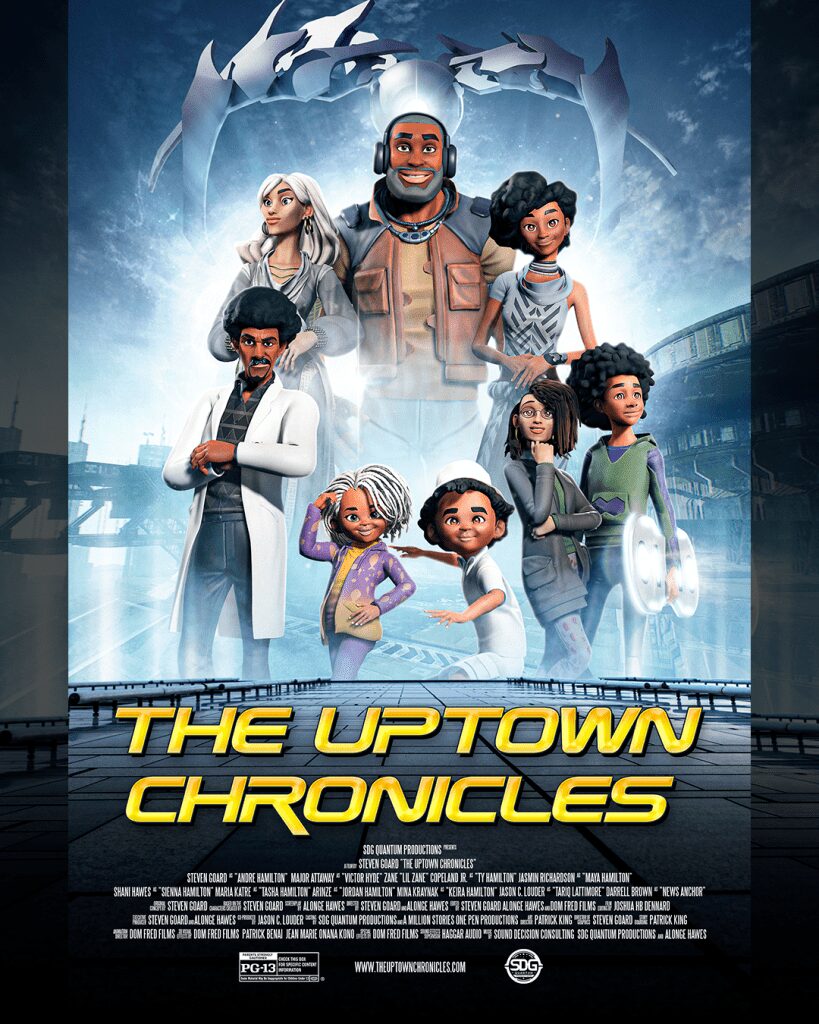
With regards to working on multiple titles, it is as simple as asking myself, “What fits the story we’re trying to tell?”. That’s how it starts with every project: brainstorming, forming an outline, and then writing. The Uptown Chronicles is actually a project created by Steven Goard, who is a renowned voice actor. He invited me to come onto the project in the early stages of development, so I had a hand in taking his initial concept and expanding and enriching it with lore and mythology. With animation, the writing has to be more descriptive so that when we animate the storyboards, there are clear and precise visual guidelines. Because The Uptown Chronicles is set in the year 2100, myself and Steven are constantly dreaming up inventions and technology that do not at this point in time exist, so it’s my job to make sure the scripts I write reflect our vision so that the artist and animators can build from scratch. With writing the Uptown Chronicles comic book, the goal is the opposite: to be less descriptive and allow our artist the freedom to interpret what we created into something that makes visual sense for the panel. For The Uptown Chronicles vertical series, the goal is to tell an engrossing story across bit-sized 90-second episodes, so you have to make sure the writing is sharp, and the character arcs are airtight. For live action, something like Silver & Gold, which is more traditional episodic storytelling, it’s about making sure that the plot is in service to the characters, not vice-versa.
The Uptown Chronicles explores themes of family, legacy, and self-discovery in a futuristic Chicago. Why are those themes so important to you as a writer, and how do they show up across your body of work?
As one matures, these themes naturally become more and more important. I just have the luck to be able to explore how I feel about these particular themes through art. When it comes to legacy, I’ve been exploring that concept since the beginning with my first series Blue Collar Hustle, which was about four black men from different backgrounds coming together to start their own business. Once you have children, especially as a man, you start thinking beyond yourself and begin striving to leave behind something tangible so that those children have some sort of blueprint or guideline for further success/advancement. Once you start going down that path, that’s where the self-discovery comes into play, because naturally if you’re going to start a business or endeavor, you want to start with what you are passionate about and/or good at. What does that look like? What do my passions say about me? How can I parlay my passions into a successful endeavor? So all three of these themes: family, legacy, and self-discovery, all go hand-in-hand because one begets the other. Now we have a series with a nuclear family set in the year 2100 and you ask yourself, what about the future helps us as human beings reconcile with those themes? What does providing look like? Protection? Teaching? Loving? I think with the writing of this series the interesting revelation that I came to me was that when it comes to accepting responsibility, no matter how much the world itself changes, the challenges of adulthood will remain the same.
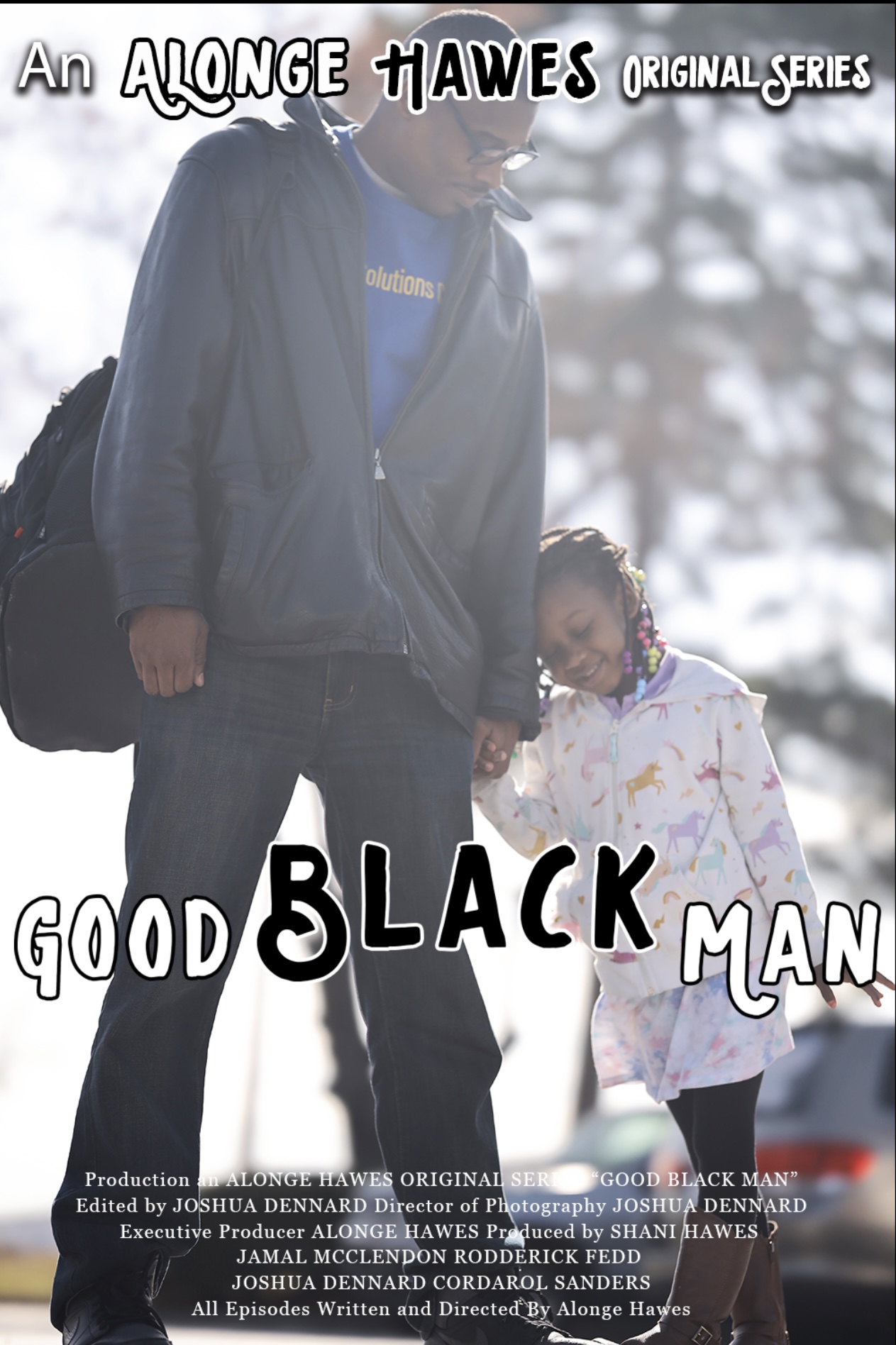
Your upcoming series Good Black Man is especially personal because you’re not only creating and starring in it, but also sharing the screen with your daughter, Amina, in her acting debut. What has that experience been like, both as a filmmaker and as a father?
Its been a true joy working alongside my daughter. She was only 5 years old when we started working on Good Black Man and she’s 9 now, so she went from “This is just a fun day hanging out with my dad” to truly comprehending that it’s not just fun & games; she was actually working, embodying a character, pulling off a performance. I was inspired by Will Smith and Jaden Smith’s performances in the film Pursuit of Happyness, and how effortless their chemistry was throughout the film. That’s not something that can be taught; it is deeply rooted in the bond between parent and child. I started this journey as a filmmaker ten years ago, so my daughter literally grew up on my film sets, watching the acting, directing, and overall production, so it was like second nature for her. I’m just happy that she enjoys the process and that she is picking up skills that she can pursue if she chooses to in the future.
Across all of your projects, you’re creating stories that center Black characters in genres ranging from heists and animation to family drama. What impact do you hope your work has on audiences, and what kinds of stories are you most excited to tell next?
My biggest hope is that the audience gets a true feel for the variety that is the African American experience. We are not a monolith, which is why different stories across different genres and mediums need to be told. I want characterizations of black people to reflect the entirety of our existence. And to that end, I hope that people who watch my work see themselves reflected in the characters, and represented in the storytelling. There are so many stories I’m excited to tell in the future; my production company is called A Million Stories One Pen Productions for a reason, so stay tuned!
Links:
- https://www.instagram.com/alonge_hawes/
- https://www.instagram.com/silver_gold_series/
- https://www.theuptownchronicles.com/
- https://www.tiktok.com/@the.uptown.chronicles
Popular
-

Hidden Gems: Local Businesses & Creatives You Should Know
-

ATL’s Most Inspiring Stories
-

Portraits of Atlanta
-
Dr. Hildiah Martin-Suggs Is Building Second Chances for Youth Who Were Almost Lost in the System
-

From Showing Up to Seeing His Face on a Billboard: Anthony Green Is Just Getting Started
-

Wayne Smith Jr on Survival, Psychological Thrillers, and the Cost of Staying Alive