

Today we’d like to introduce you to Ebba Zhang.
Hi Ebba, so excited to have you on the platform. So before we get into questions about your work-life, maybe you can bring our readers up to speed on your story and how you got to where you are today?
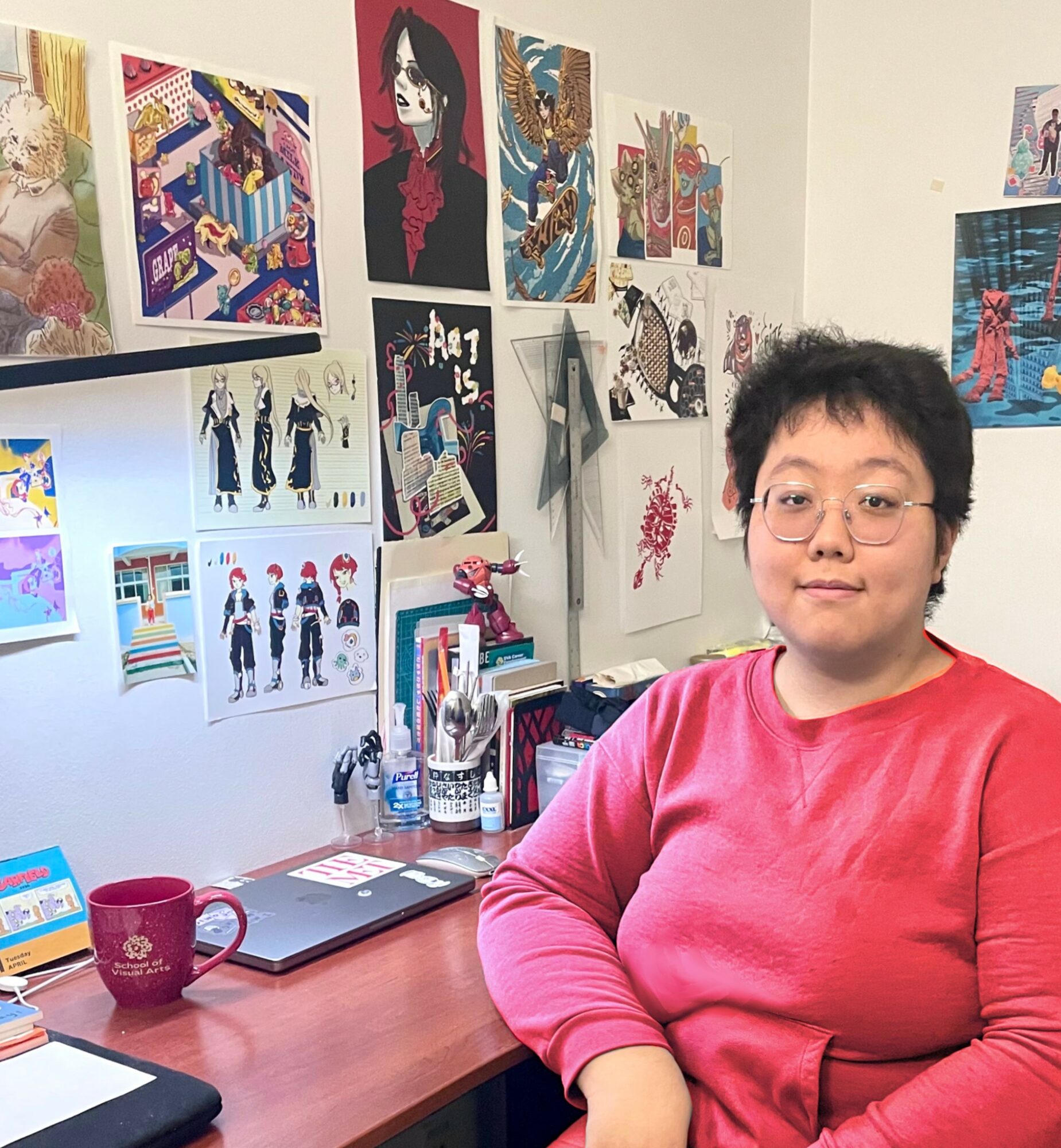
My name is Ebba Zhang, a Chinese illustrator, bookmaker, and print enthusiast currently based in New York. Ink drawing is my specialty, and bookmaking is my passion.
Like most artists, I developed the habit early. I started drawing before I learned to write my name, and gradually upgraded from half-chewed crayons to ballpoint pens and quality pencils. Since elementary school, I’ve been making self-produced short comics and zines to distribute among friends and family. Looking back, that habit played a direct role in my bookmaking journey: every time my mother bought a stack of paper for her students, I would sneak into the storage room with a stapler and needles, then leave triumphantly with a fresh stack of hand-bound booklets to draw on.
While my family was supportive of my “little hobby”, they were pessimistic about the possibility of making a career out of it. I was on a path of compromise, studying to become a translator, before a major incident happened in my life.
After that, many of my previous assumptions about myself and what I was capable of were shattered. I had to slow down for a few years to recover and recalibrate my goals. That’s when making art returned to my life: if there was nothing to lose, I might as well dedicate myself to what I truly dreamed of doing.
That being said, there was no cinematic moment when everything clicked and started to make sense. We live in an extremely fast-paced era where we can view someone else’s lifelong journey in 30 seconds, but a great portion of studying art requires me to constantly look inward while also staying conscious of the world around me. I still consider myself a translator, but now I’m translating between inner and outer worlds: finding inspiration in a fleeting emotion and interpreting it through my visual language in a way that others can understand.
I’m still walking that line today. My work explores narrative, metaphor, and the quiet tension between observation and imagination. I’m interested in figuring out how to turn raw emotions into something subtle and deliberate, while continuing to expand the kinds of projects I take on without losing the voice that feels genuinely mine.
Alright, so let’s dig a little deeper into the story – has it been an easy path overall and if not, what were the challenges you’ve had to overcome?
I wouldn’t say my path has been paved with hardship, but there have definitely been challenges and obstacles along the way.
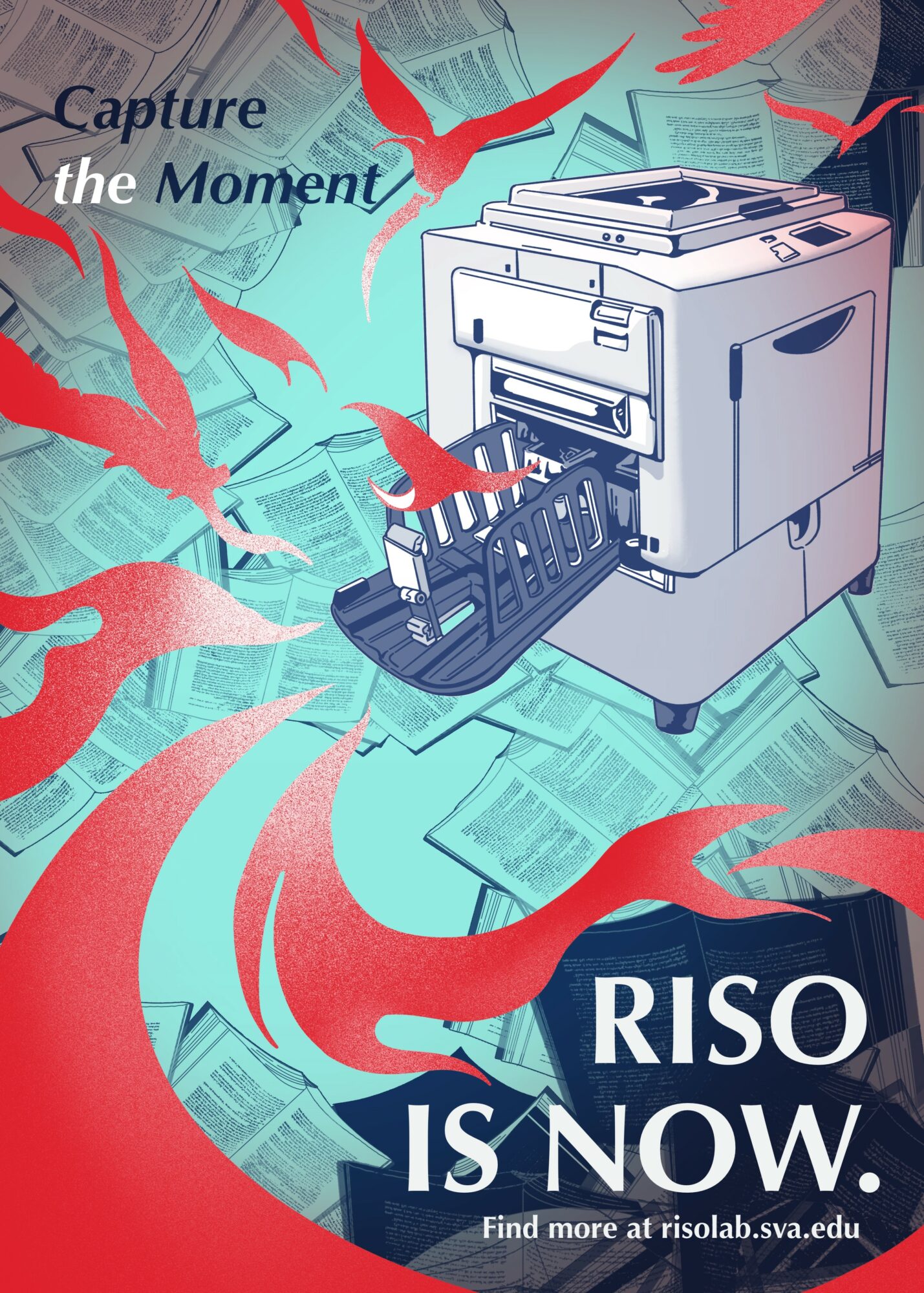
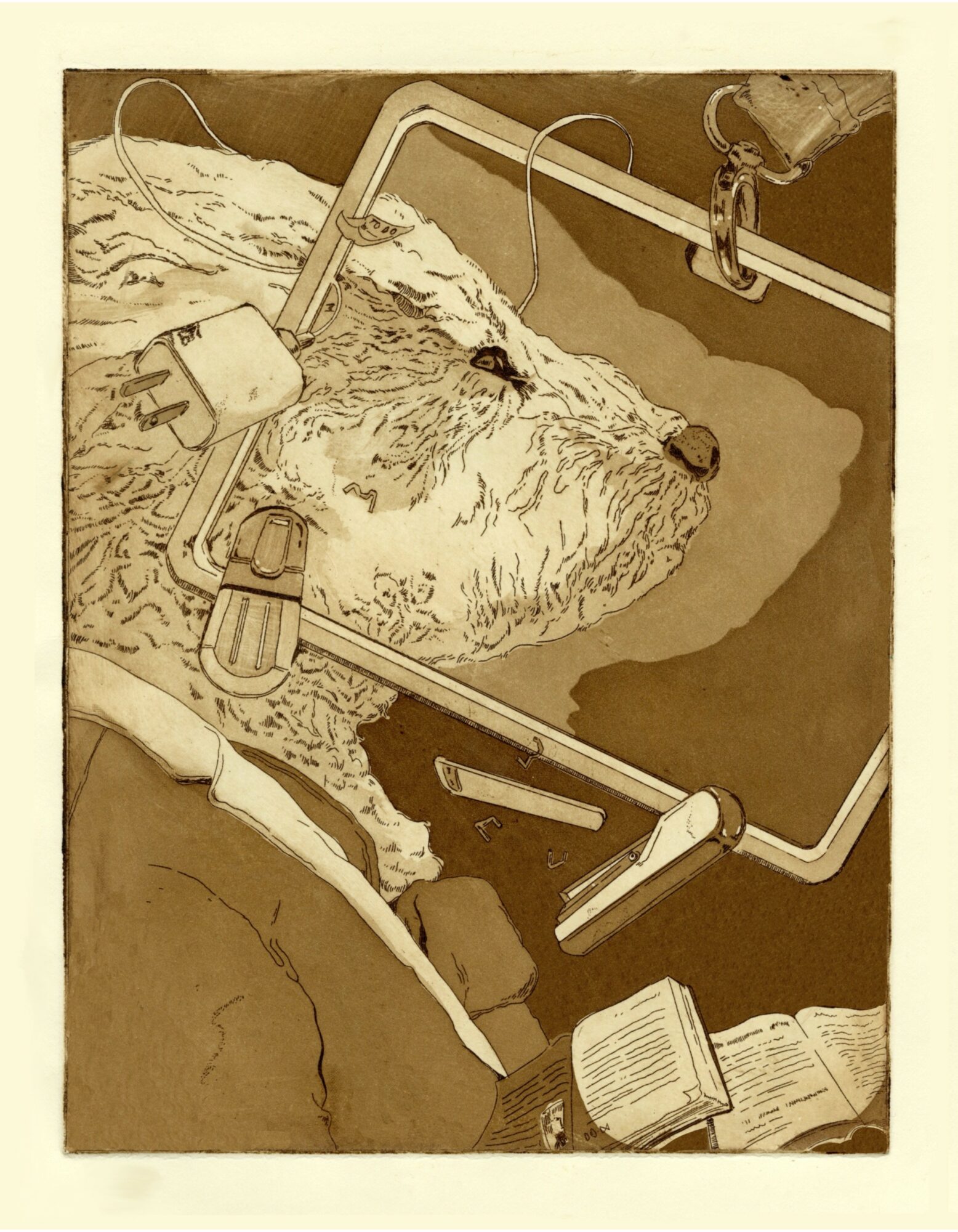
As someone who strives to be an all-rounder, finding consistency in my personal style can be challenging. I’ve spent a lot of time practicing different techniques, ranging from traditional methods such as ink drawing, bookmaking, etching and aquatint, to newer and more experimental ones like RISO printing and hybrid collage. Whenever I start a new project, I immediately connect my existing skill set to the possible visual interpretations of the subject, rather than starting from a fixed “personal style.” That way of thinking can sometimes lead me toward a wide range of seemingly unrelated work, while making it harder for an audience to immediately recognize a consistent creative language I carry.
Another challenge I’ve faced since day one is simply working within my limitations. Financially, I’m incredibly lucky to have a scholarship covering a generous amount of my tuition, but there hasn’t been a second when money hasn’t been a concern. Professionally, the gap between me and artists who already have a solid foundation can feel painfully obvious, but my current workload doesn’t always leave me enough time to address everything I want to improve.
At the same time, I’ve learned to appreciate having so many visible things to work on. Finding flaws through self-examination has been my go-to method since my “self-taught era,” and I’d rather know exactly where I’m struggling than convince myself that everything is already figured out. I’ve also learned that pressure can be useful up to a point, but too much of it simply makes everything harder.
I always remind myself that detours can come with their own perks. Going down a path that took me nearly a decade to steer is very different from drifting onto one without clear intentions. I may have taken longer to get here than I originally expected, but I know why I chose this path. To keep pursuing something I’ve always wanted to do, I’m willing to navigate, correct course, and introduce new things into my practice, while accepting that some temporary compromises with reality are part of the process.
Thanks – so what else should our readers know about your work and what you’re currently focused on?
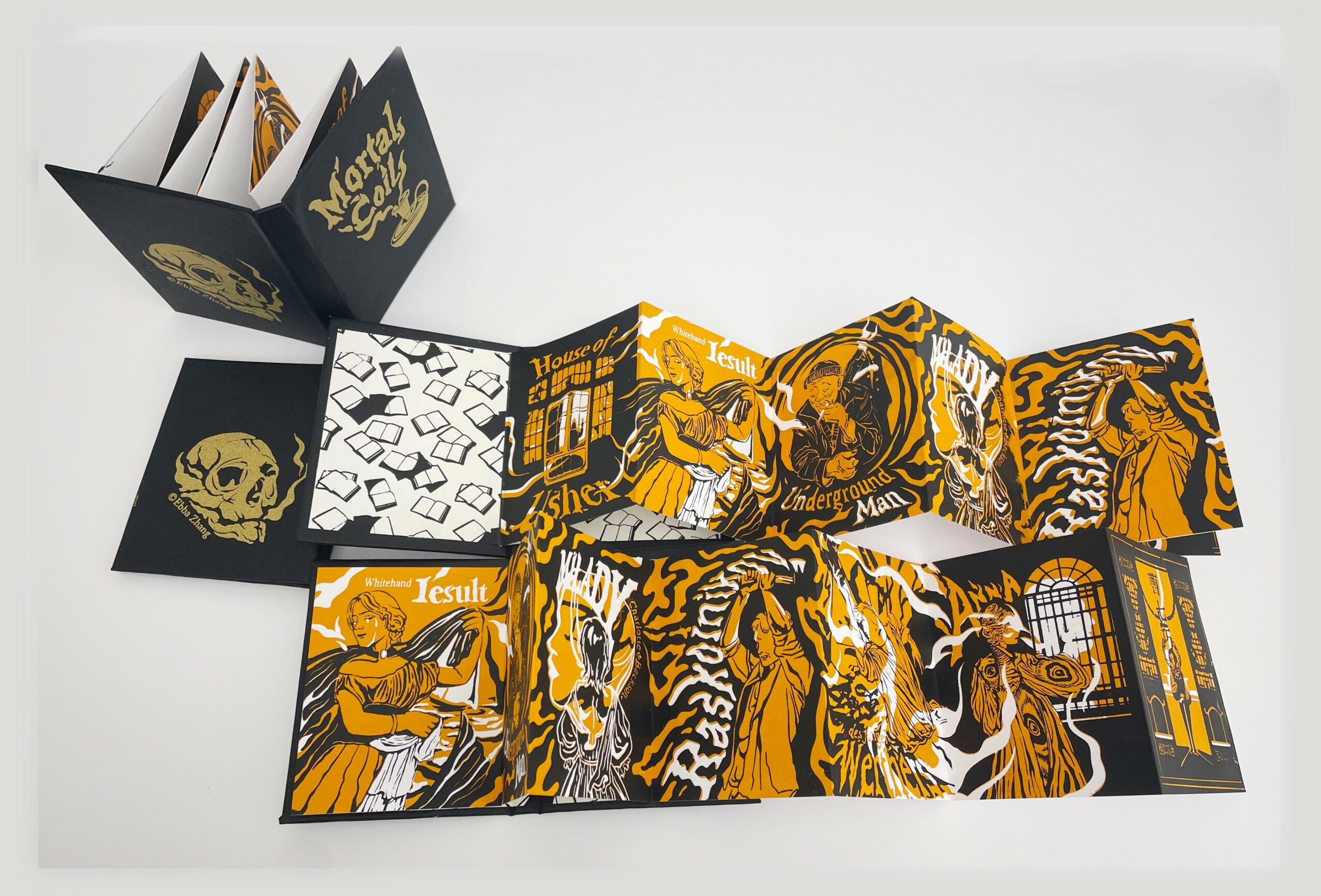
Before anything, I am a storyteller. I design and illustrate artist books because, to me, anything feels better in a book form. I’m drawn to the way an idea can develop across images, pages, and physical materials, so most of my projects end up becoming some kind of visual narrative or series.
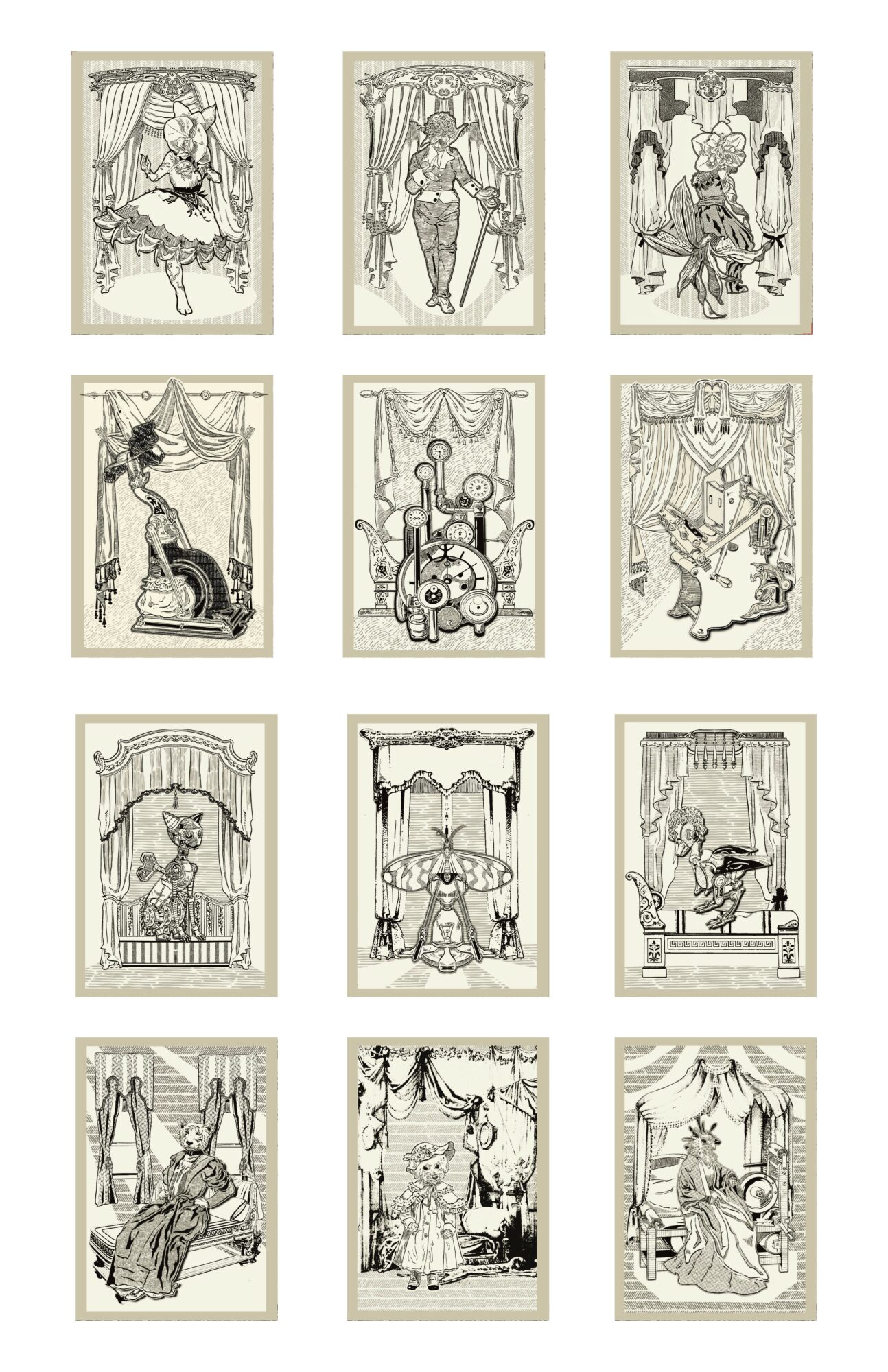
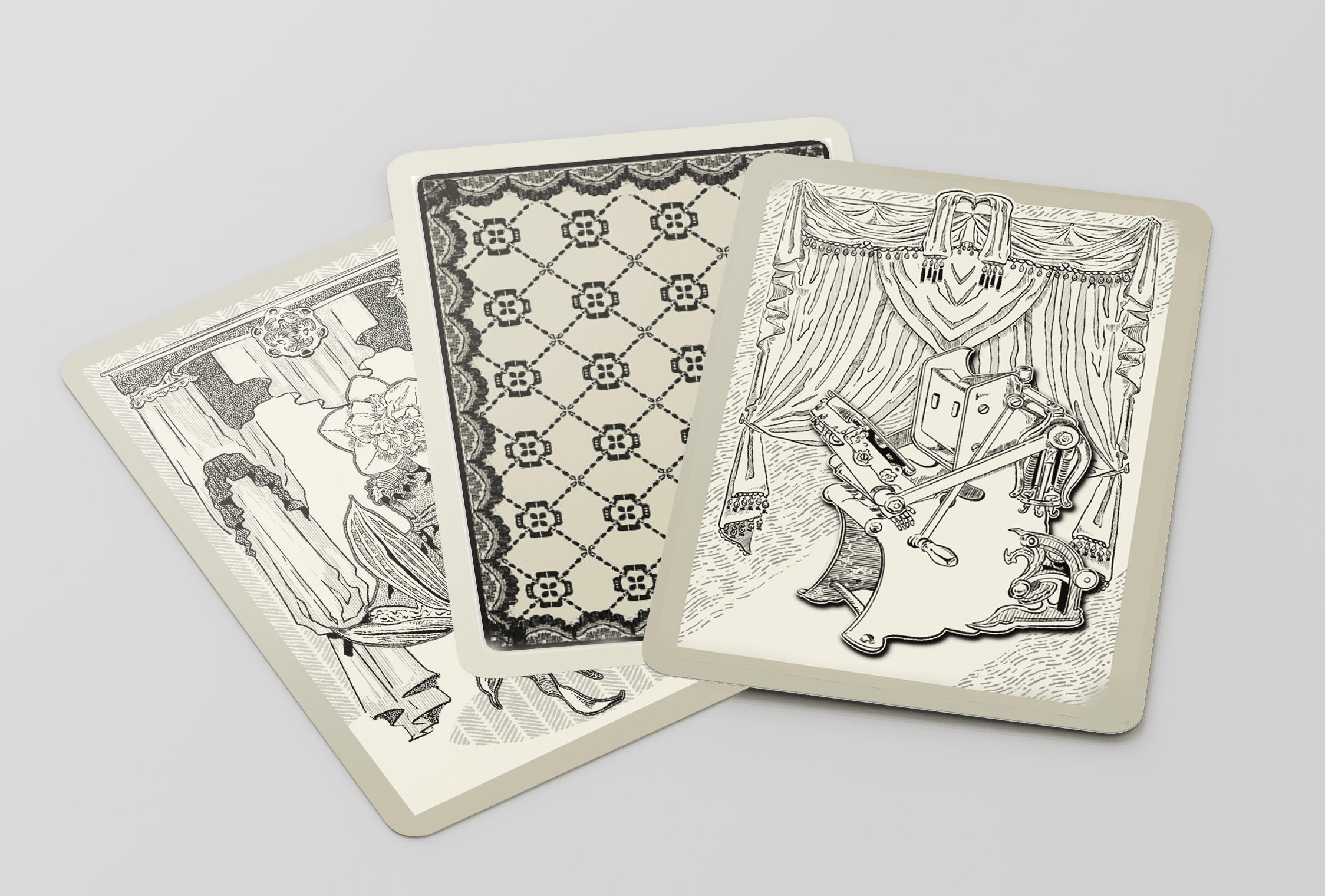
New audiences might know me from my deck of cards, Velum ex Machina, which recently won an award and will be featured in the 3×3 Illustration Annual in early 2027. It was my favorite project of 2025 because it brought together many of the things I enjoy most: linework, character design, decorative elements, and composition. More importantly, it was my first experience creating such a large series of images that needed to function both individually and as part of a larger narrative.
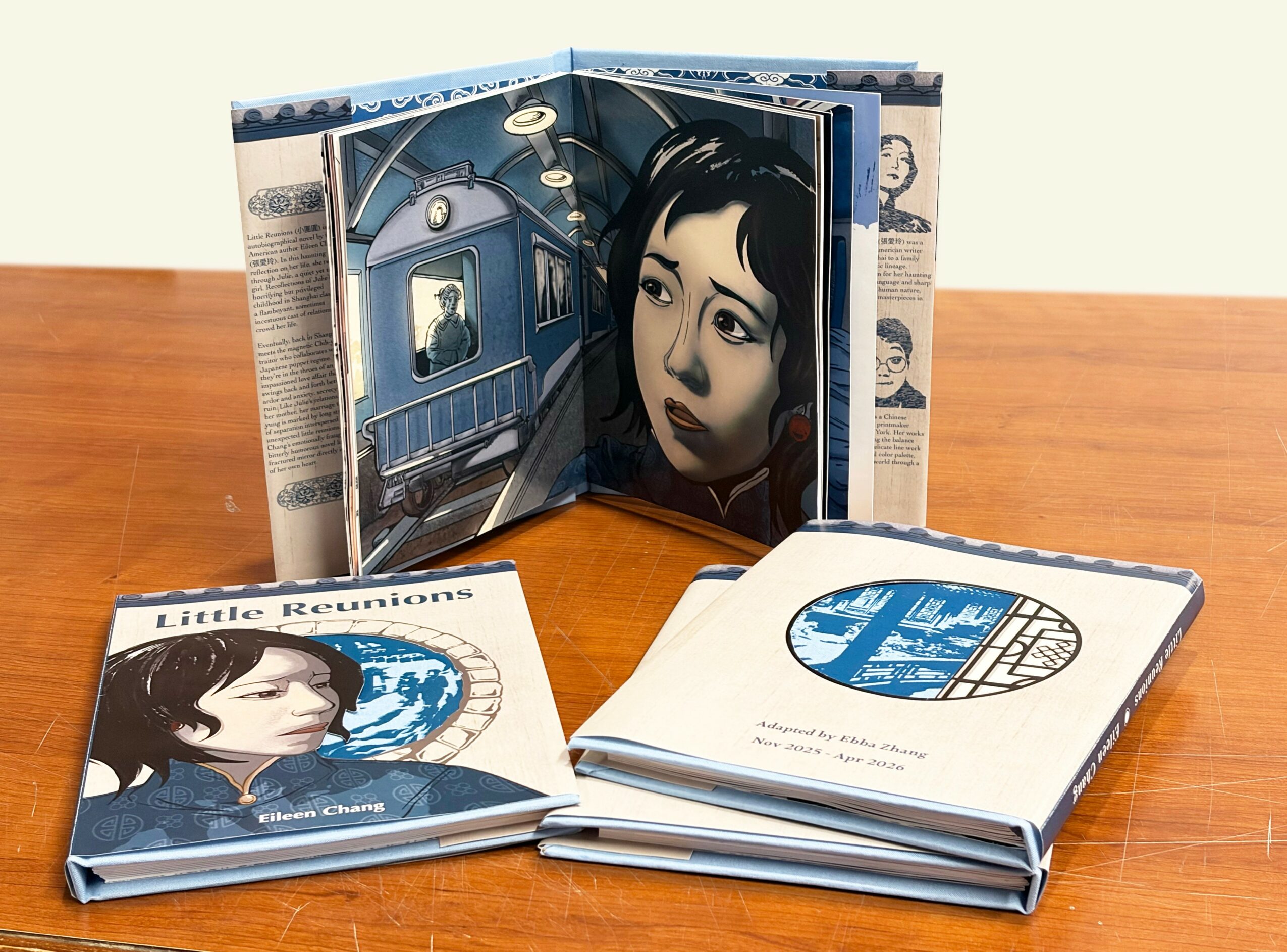
Over the last few months, I’ve also shifted from a flatter, reduced palette toward more detailed, subtle rendering. My biggest project so far is a picture book adaptation of Eileen Chang’s autobiographical novel Little Reunions: a fully handmade and illustrated book with a dust jacket, two separate covers, six full-color illustrations, and seven text spreads. Chang’s work has stayed with me for many reasons, from her hauntingly beautiful language to the tender yet tragic story drawn from her own life. I spent months trying to capture the particular feeling I got from the book—the daunting feeling of standing alone in the dusk, a lighthouse beacons afar, nobody listens.
Overall, I’m most proud of my ability to combine different mediums and techniques to visually translate ideas that might otherwise remain fragile or abstract. I’m especially drawn to the quieter moments in literature, the things that are suggested in a fleeting moment, rather than directly explained. In a way, I like working with what exists between the lines and giving it another form through images, books, and sequential storytelling.
Where do you see things going in the next 5-10 years?
Personally, I don’t think it’s becoming impossible to build a career in illustration, but I do think things are getting much more complicated as we speak.
Illustration is such a broad field with so many distinct genres and specialties that it’s difficult to predict where the entire industry is heading. We’re almost like a bunch of differently habited birds lumped under the same category: everyone has a very specific set of talents, but we’re still expected to fit under this one broad label. Because of that, I find it a little strange to define success by industry-wide standards when everyone’s goals, working methods, and ideas of a good career can be so different.
I also think difficult times can make art especially powerful. Something that starts as a personal outlet can resonate with a much larger audience and take on a meaning that the artist never expected. The future may be turbulent, but I still believe there will always be an audience for genuine creative expression, and people who are willing to support work that speaks to them.
So rather than trying to predict exactly what illustration will look like ten years from now, I’d try my best to stay adaptable. The field may change dramatically, but I think there will always be room for people who are willing to keep making, experimenting, and figuring out where their work belongs.
Pricing:
- I do not have any listed products at the moment. If anyone is interested in purchasing works or commissioning, I will post an upgrade on my website.
Contact Info:
- Website: https://www.ebbazhang.com/
- Instagram: https://www.instagram.com/ebba_illus/
- LinkedIn: https://www.linkedin.com/in/yuexiao-ebba-zhang-579357387/
Popular
-

Hidden Gems: Local Businesses & Creatives You Should Know
-

ATL’s Most Inspiring Stories
-

Portraits of Atlanta
-
Dr. Hildiah Martin-Suggs Is Building Second Chances for Youth Who Were Almost Lost in the System
-
From Showing Up to Seeing His Face on a Billboard: Anthony Green Is Just Getting Started
-
Wayne Smith Jr on Survival, Psychological Thrillers, and the Cost of Staying Alive