


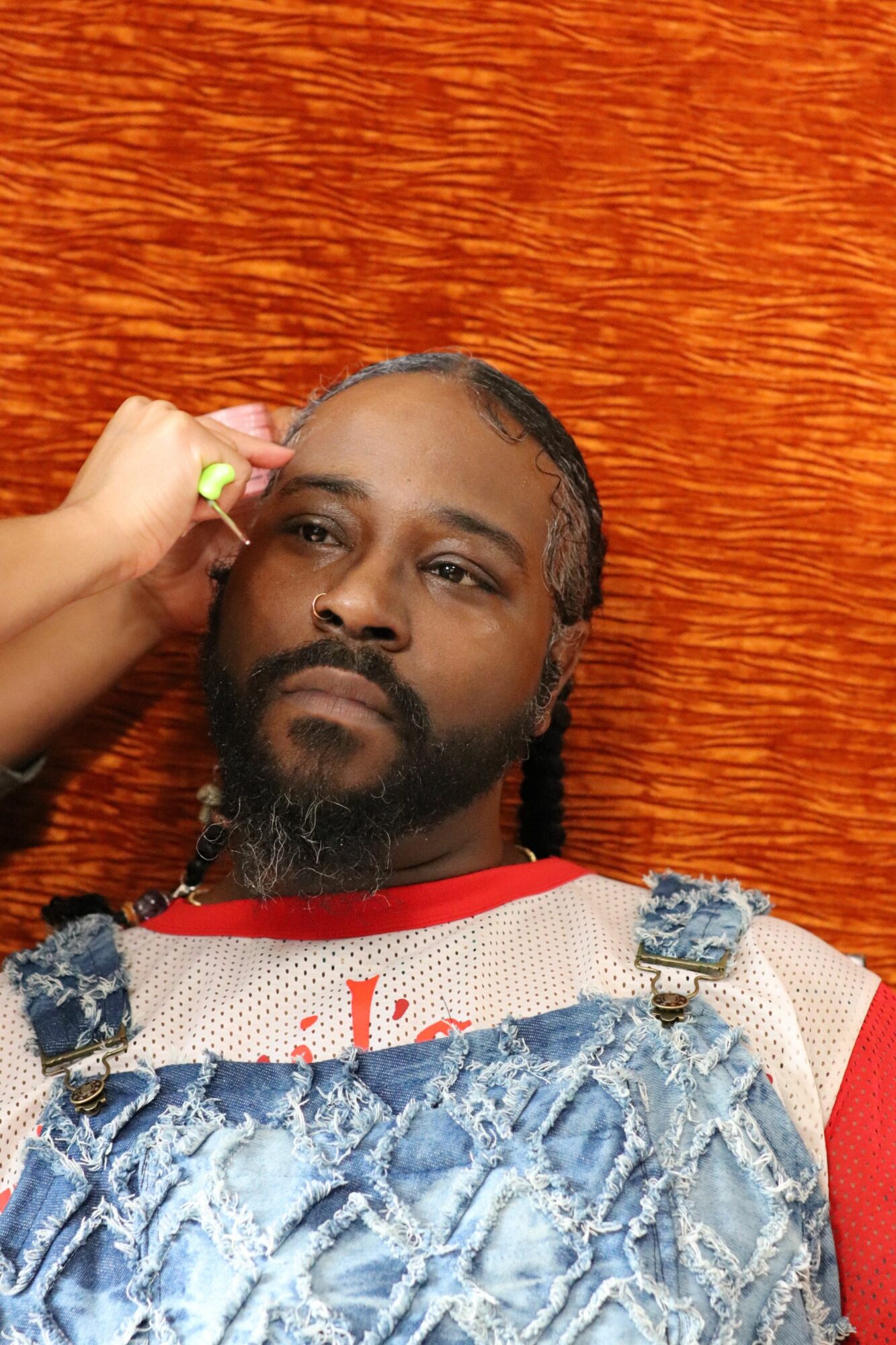
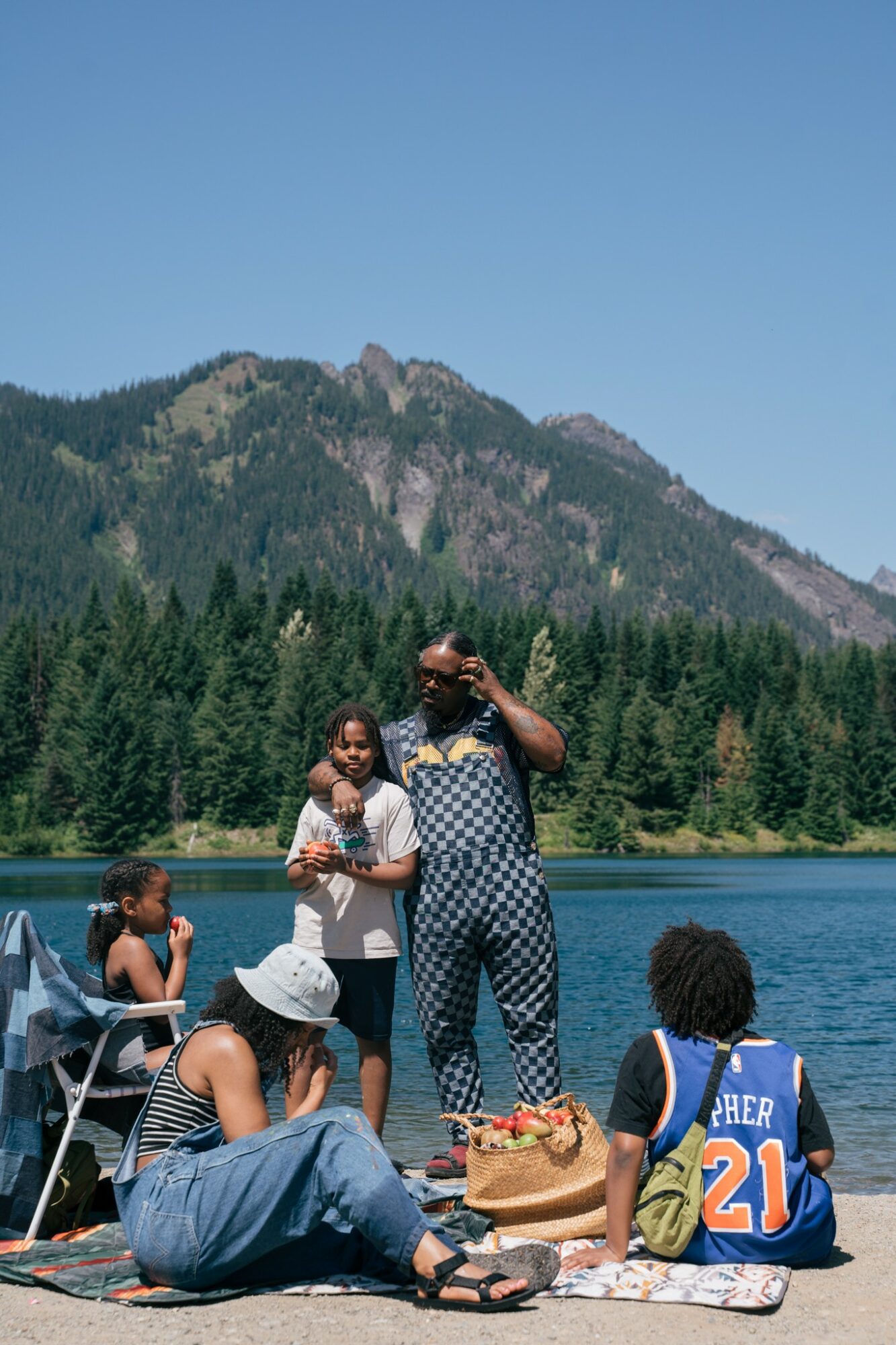
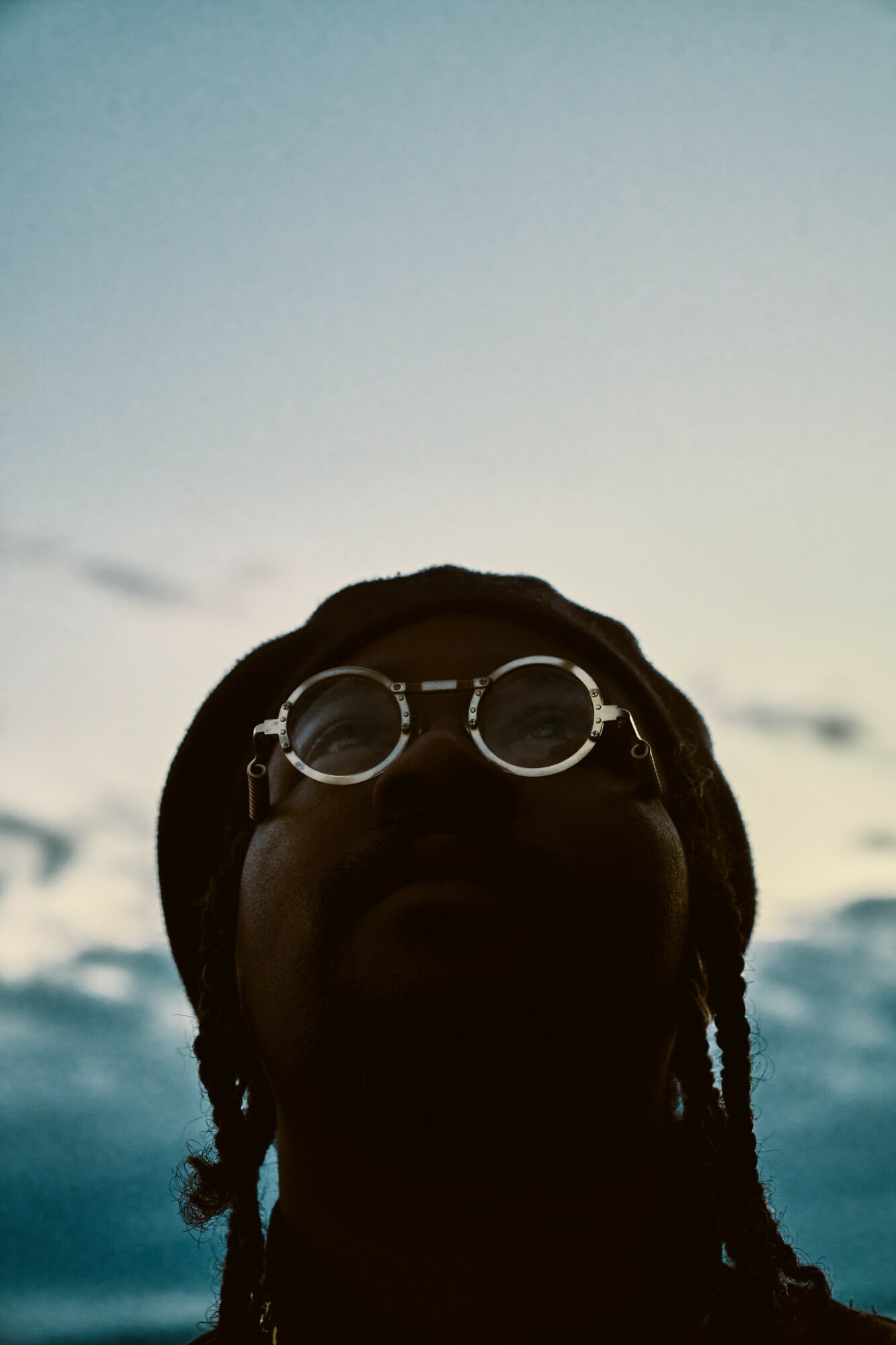
Today we’d like to introduce you to PHER.
Alright, so thank you so much for sharing your story and insight with our readers. To kick things off, can you tell us a bit about how you got started?
I’m an Oakland-based singer, songwriter, educator and creative who has spent most of my life finding different ways to make a life through music.
I grew up in the Bay Area and came up through the arts here before moving to New York to study jazz at The New School. New York became home for nearly 20 years, and that time really shaped me. I was able to tour, record, write and perform with artists I deeply respect, including Esperanza Spalding, Robert Glasper, Bilal, The Roots, Snarky Puppy, Usher, Prince and Stevie Wonder, among many others. I also spent more than a decade teaching voice at The New School, which became another important part of who I am.
Eventually, my journey brought me back to Oakland. Coming home shifted something in me. I had spent years contributing to other people’s music and helping build other artists’ visions, and I reached a point where I wanted to give that same level of care and commitment to my own.
That has meant releasing music independently, building LOVECHILD Records, teaching and mentoring younger artists, performing throughout the Bay Area and continuing to figure out what a sustainable creative life looks like on my own terms.
This year I released my album, Songs by PHER, and I’m now preparing PHER Sings the Blues, Vol. 1, the beginning of a larger series exploring jazz, legacy and what it means to carry tradition forward without being confined by it.
But I definitely don’t look at my story as something that has already happened. I’m in it right now. I’ve come a long way, and I still feel like there’s so much more ahead of me. One of my songs, “Murky,” has a line and an idea that I keep coming back to: keep swimming.
That’s probably the best description of where I am today. I’m still swimming, still building, still learning and still becoming.
We all face challenges, but looking back would you describe it as a relatively smooth road?
It definitely hasn’t been a smooth road. I’m a father of three, my wife is also an artist, and for many years we were raising our family in New York while both trying to build creative lives. Anybody who has tried to make a living as a full-time artist knows there are going to be seasons where you’re balancing the dream with the very real responsibility of keeping a roof over your family’s head.
Then there’s the music business itself. I’ve had experiences where I contributed to records and projects and wasn’t properly credited, paid or included in the publishing. I remember turning on HBO one day, watching Insecure and hearing my own voice. On one hand, that’s an incredible feeling. On the other hand, realizing your work has traveled that far while you still haven’t been properly compensated for it will teach you some things very quickly.
There have been disappointments, financial ups and downs, opportunities that didn’t become what I thought they would, and plenty of moments where I’ve had to ask myself what continuing this life as an artist actually looks like.
But I’ve learned that obstacles can make you stronger, and just as importantly, they can make you smarter and wiser—if you’re willing to learn from them. I understand ownership differently now. I understand publishing, contracts and the value of my contribution differently. I understand that talent is only one part of sustaining a career.
And I think becoming a father changed my relationship with all of it too. I’m not only trying to build something for myself anymore. I want my children to see that you can choose a creative life, weather the difficult seasons, learn from your mistakes and still keep moving forward.
So I don’t romanticize the struggle, but I respect what it has taught me. Every obstacle has given me something I can use for the next part of the journey.
Thanks – so what else should our readers know about your work and what you’re currently focused on?
I think what I specialize in is the art of soul.
And when I say soul, I don’t necessarily mean the genre. I mean making somebody feel something.
I want to make you cry. I want to make you laugh. I want to make you happy. I might even want to make you mad. I’m interested in emotion and in that thing music can do where somebody hears a song and suddenly it connects them to a memory, a person, a place or a feeling they didn’t even know they needed to access.
The voice is a huge part of that for me. I’ve spent my whole life studying it—my own voice, other people’s voices and especially the great vocalists who came before me. I’ve had the opportunity to sing alongside and support some incredible artists, and I’ve spent many years teaching and coaching singers as well. But even after all of that, I still consider myself a student. I’m always listening. I’m always learning.
A big part of my work is also something I call ancestral authenticity. I want to know where the music comes from. I want to honor the people who created the language I’m pulling from and understand what they had to go through for me to have the freedom to make the music I make today.
But honoring them also means pushing forward. Our ancestors innovated. They experimented. They broke rules. They made something new out of what they inherited. I think we honor them by having the courage to do the same.
That’s probably why I’ve never been comfortable choosing one lane. I released my R&B/soul album, Songs by PHER, on Juneteenth, and now I’m preparing to release my jazz project, PHER Sings the Blues, Vol. 1. I’ve had people tell me that releasing two different projects in the same year might confuse people, or that I should pick one thing and focus on that.
But both of those things are me. The thread connecting them isn’t necessarily genre. It’s soul. It’s feeling.
And honestly, what I’m most proud of right now is that I’m still here. I’m still making music. I’m still curious. I’m still getting better. The music industry hasn’t scared me away from loving music.
I think I’ve finally reached a place where I trust myself more. I still listen to people. I still learn from people. I still want to be challenged. But I no longer believe somebody else’s idea of who I should be has to be bigger than my own.
At the end of the day, I want to make you feel something. If I can do that—whether I’m singing, writing, producing, performing or teaching—then I’ve done my job.
What sort of changes are you expecting over the next 5-10 years?
I think the next five to ten years are actually going to make soul—and real human connection—even more valuable.
AI was the first thing that came to mind when I thought about this question because I’ve heard AI-generated soul records that sound almost exactly like the era they’re trying to emulate. The chords are there. The tones are there. The production is there. You might even catch yourself bopping to it.
But there’s something missing.
Connection.
Because music isn’t just about whether something sounds good. Music can make you fall in love. It can make you close your eyes and smile because suddenly you’re thinking about somebody you haven’t thought about in years. I can sing someone’s favorite song and, without knowing anything about their life, remind them of somebody they’ve lost. Now that song means something completely different in that room.
That’s soul to me.
And as AI gets better and better at creating technically perfect music, I think experiences like that are going to become even more valuable.
I think truly live music is going to become revered in a different way. I’m talking about improvisational artists and musicians playing together in real time. I’ve been part of major tours where playback was incorporated into the production, so I understand its purpose. But as an artist, I’ve built my own performances around being live and being present.
What you hear from me tonight, you will never hear exactly that way again in your life.
That’s the special part.
The tempo might change. I might phrase a lyric differently. The band might take a turn we didn’t plan. I might see somebody in the audience reacting to a lyric and sing the next verse differently because of what I’m getting back from them. Everybody in that room is participating in something that only exists for that moment.
To me, that’s the true art of live performance. It doesn’t always have a script. It doesn’t have to follow a rulebook. It requires listening, reacting, risk and vulnerability.
I think AI is going to give us a whole lot of perfection over the next decade. And I think that perfection is going to make us crave the opposite: the breath, the mistakes, the improvisation, the humanity, the connection.
Because you can make something that sounds like soul.
Making somebody feel it is different.
So five to ten years from now, I think we’re going to have a whole lot of perfect shit. And right beside it, there are going to be artists… like myself, making something raw, human and unrepeatable.
I know which one I’m betting on.
Pricing:
- Contact MGMT
Contact Info:
- Website: https://linktr.ee/pher510
- Instagram: https://www.instagram.com/pher510
- Facebook: https://www.facebook.com/pher510
- LinkedIn: https://www.linkedin.com/in/pher510
- Twitter: https://www.twitter.com/pher510
- Youtube: https://www.YouTube.com/pher510
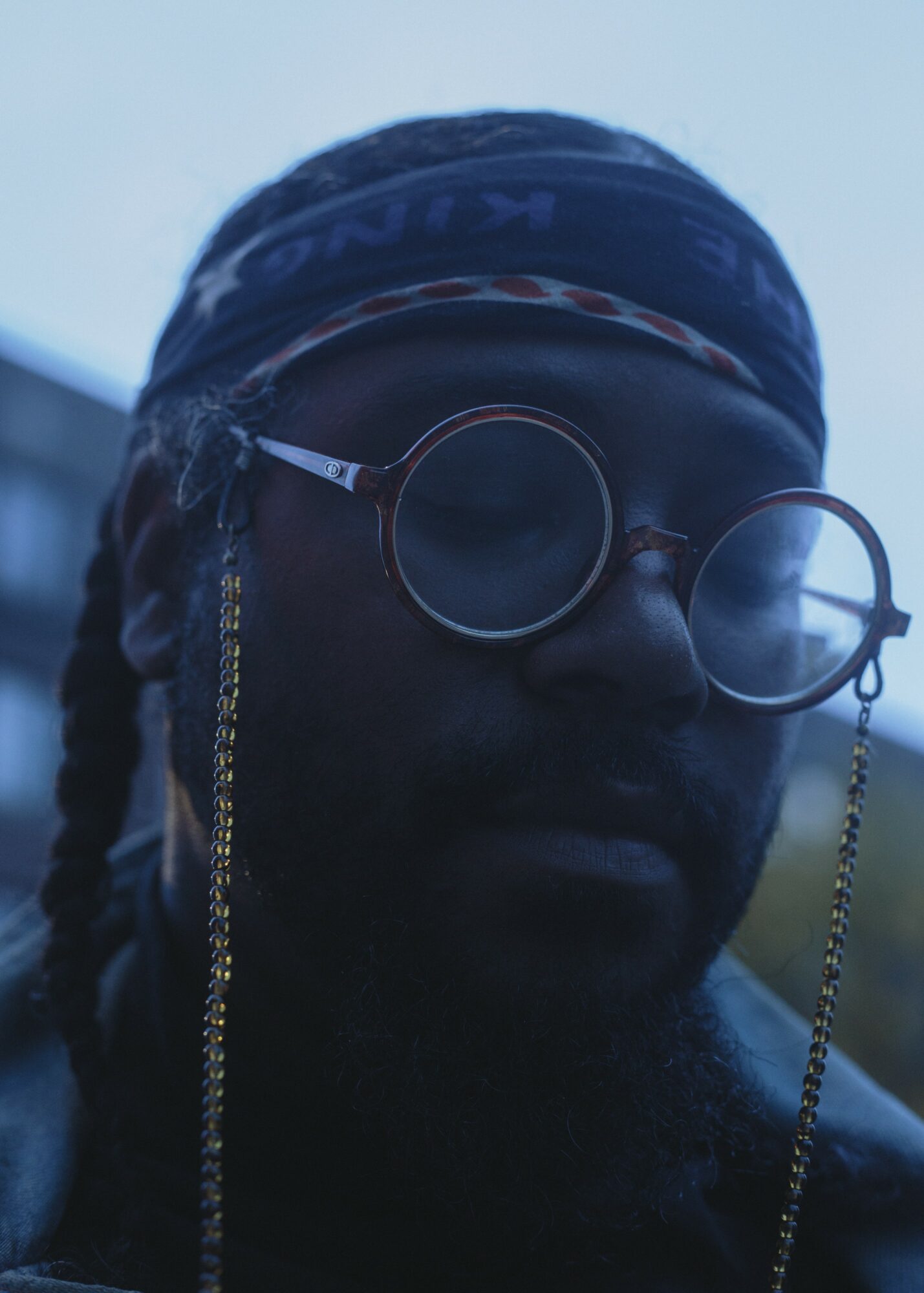
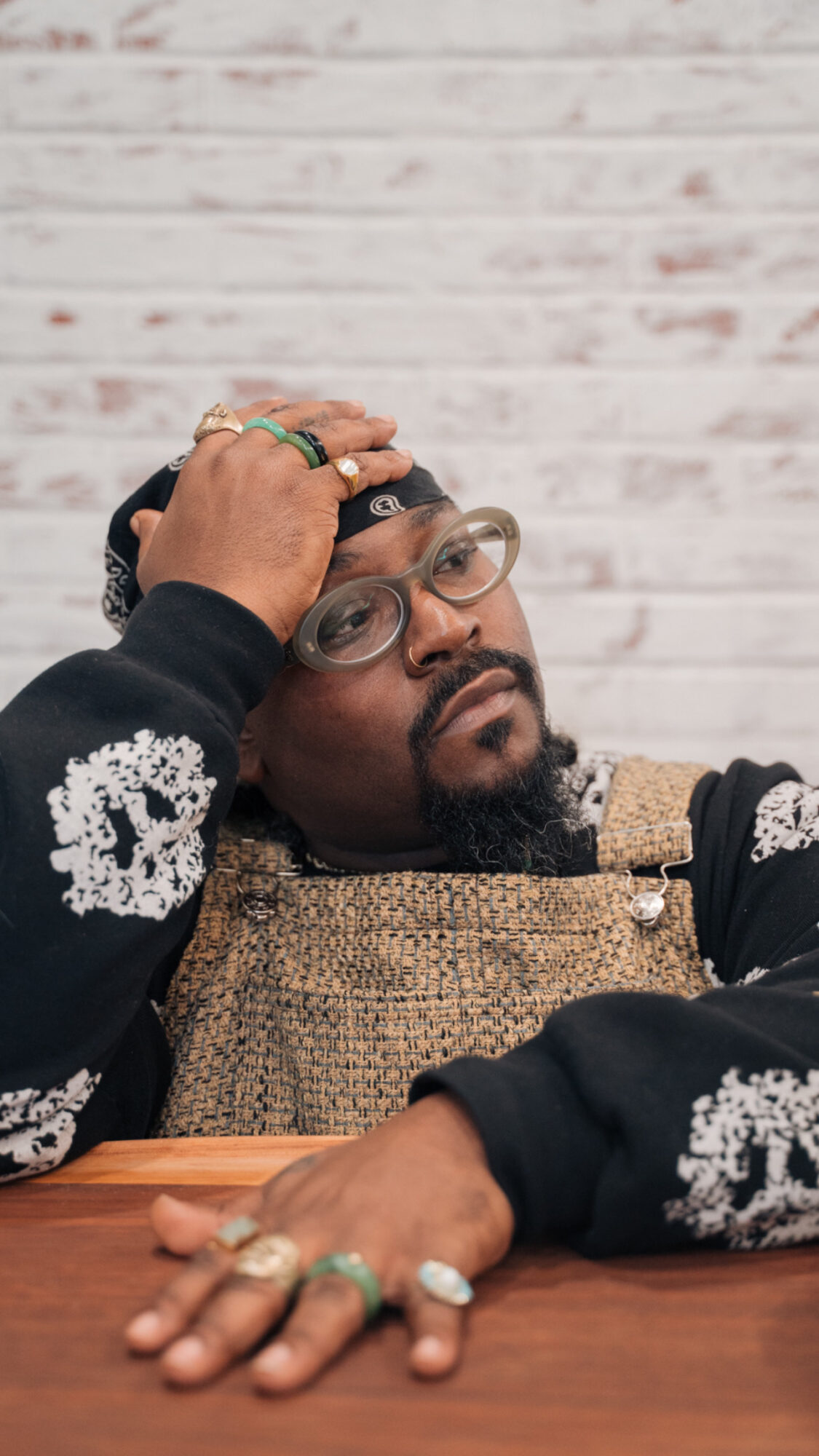
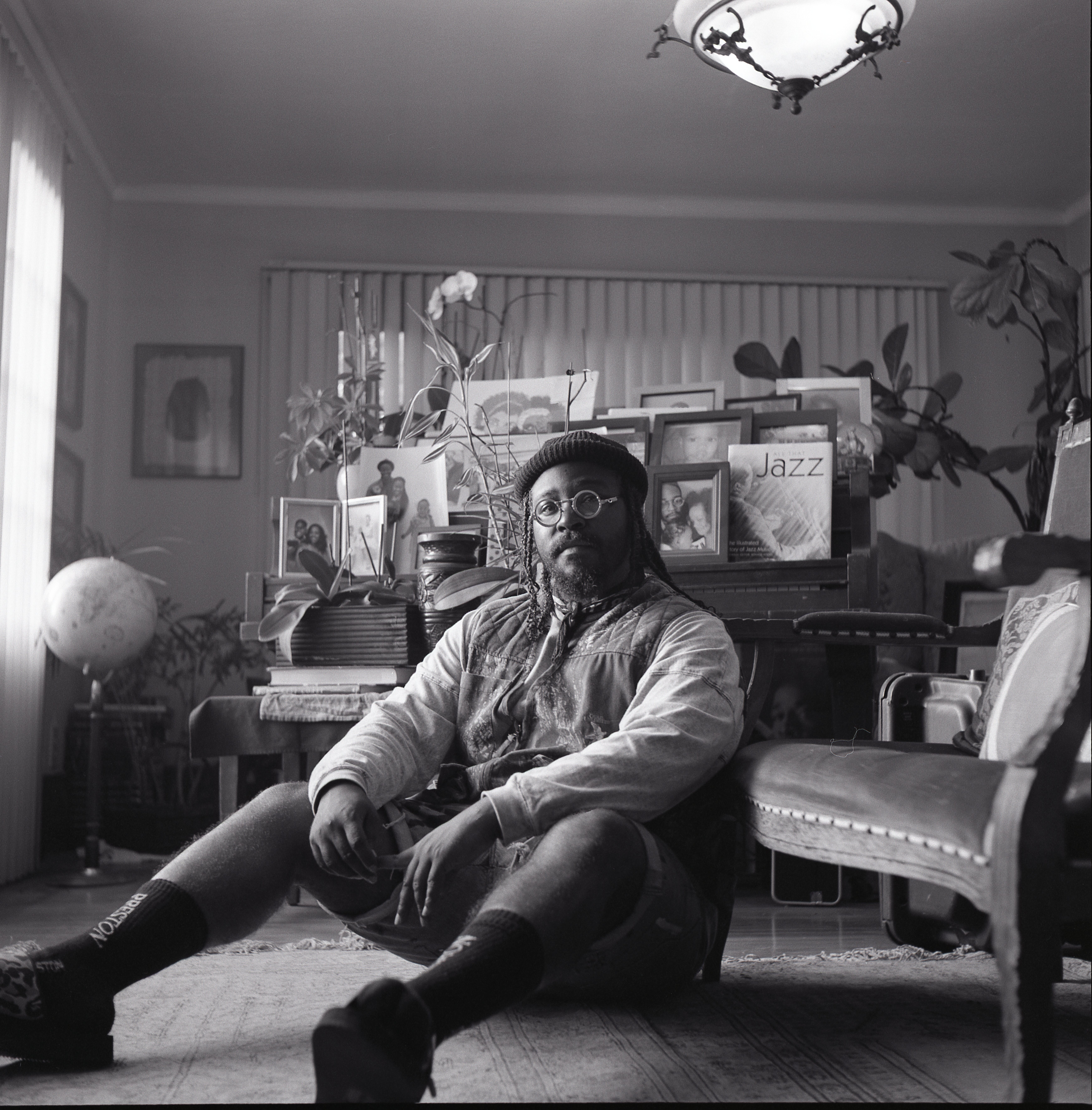
Popular
-

Hidden Gems: Local Businesses & Creatives You Should Know
-

ATL’s Most Inspiring Stories
-

Portraits of Atlanta
-

Dr. Hildiah Martin-Suggs Is Building Second Chances for Youth Who Were Almost Lost in the System
-
From Showing Up to Seeing His Face on a Billboard: Anthony Green Is Just Getting Started
-

Wayne Smith Jr on Survival, Psychological Thrillers, and the Cost of Staying Alive