





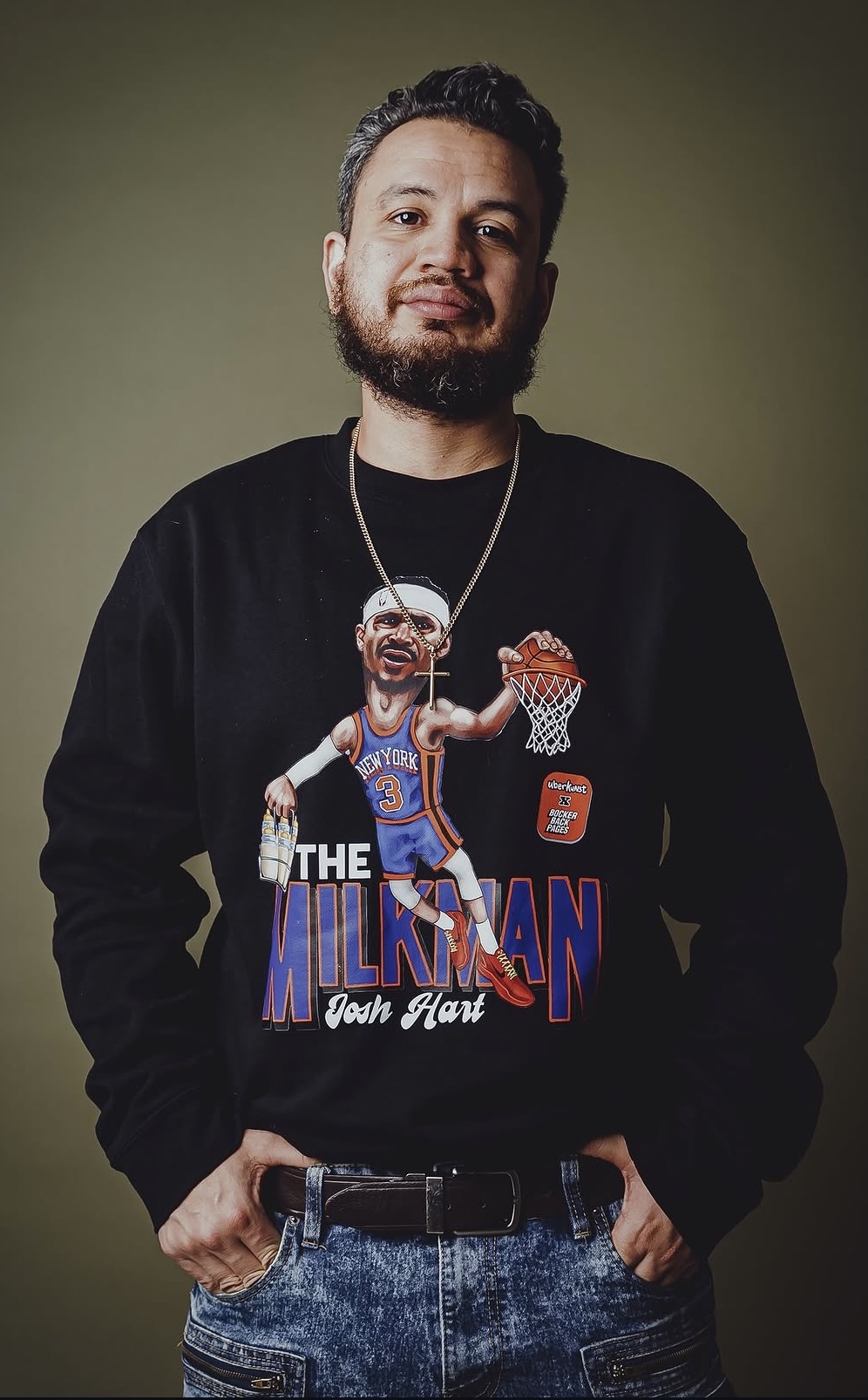
Today we’d like to introduce you to Michael Diaz.
Hi Michael, thanks for joining us today. We’d love for you to start by introducing yourself.
It all started one day in my early 20s. I would wake up daily without a plan or motivation. Yet somehow I would be up at night unable to fall asleep. I talked to my future mentor in video production about it. “Old Man Bigham” is what I would some times call him. Even though he was in my age bracket. Omari had a lot of wisdom but his delivery could be similar to a cranky old man at times. Which is where the nickname came from. Omari told me I lacked purpose and that’s why I felt unaccomplished as days went by. I thought about what I wanted to do and realized I had a passion for storytelling and movies. I went back to “Old Man Bigham” and told him I wanted to learn how to write movies. He told me to read “The Foundations of Screenwriting” by Syd Field and to use the workbook to write my first screenplay. He also invited me to join him on set of a music video he was shooting with director Spike Jordan. A lot of people at this point might say they don’t have a friend that could invite them to a set. I understand that because that”s how I used to feel reading other people’s story. If you continue on this journey you will find opportunities through the people you meet along the way. A big part of my success comes from being fully engaged in my identity. There is nobody in my life that doesn’t know I’m in the video production business. In time people spoke my name into rooms that I wasn’t in. From there dots were connected and bridges were built.
Would you say it’s been a smooth road, and if not what are some of the biggest challenges you’ve faced along the way?
There’s always going to be an unavoidable conflict or struggle in independent business. If steel truly sharpens steel you can’t be afraid of friction. Some of the struggles have been tech issues from cameras not working on set, to actors canceling at the last minute, or studios not opening on time. These things are unavoidable and have solutions that veterans learn in time. The two times I truly felt I took a loss were both involving contractors and money. As Dame Dash said and I learned in real time contracts don’t matter until you get to court. I got my money back one out of two times. No matter the industry you are in you will have to depend on people. Always do your best to protect the business with patents, contracts, and trademarks. Yet realize certain conflict is unavoidable no matter how you protect the business. A lot of the time you are wrestling your ego to not make an emotional decision. To do what is best for the company it’s important to always remember your desired outcome. The first situation was when I paid an editor to sequence our first and third short films. The editor did a good job with the first project but wasn’t giving us the turn around that he promised for the second project. My writing partner Robert Champion Jr and I had to chase the guy down. He gave us our money back but it made me not want to trust again. This is how I began editing for myself. I taught myself how to use computer programs Photoshop, iMovie, Premiere Pro, and Audacity. Then I began to edit all our projects moving forward. In time we needed a website and for some reason I was determined to get a custom website built. I found a web developer and we wrote a contract up to have the website built for us. Things were going smoothly until the final payment. The developer asked me for an advance on his payment before he finished the website. Rob and I refused, so he took the website from us. This was during Covid and small claims court was closed. I attempted to go to a tv court like Judge Judy but the developer stopped taking the producer’s calls. The developer disappeared. The cost of lawyers and court fees made a lawsuit pointless. You can’t do everything and will have to rely on people. Make sure you always come through for everything in your control, while accepting what is. Focus on the way you will feel at the end of the process. You will never feel bad if you know that you didn’t let yourself down.
We’ve been impressed with We Don’t See Color (WDSC), but for folks who might not be as familiar, what can you share with them about what you do and what sets you apart from others?
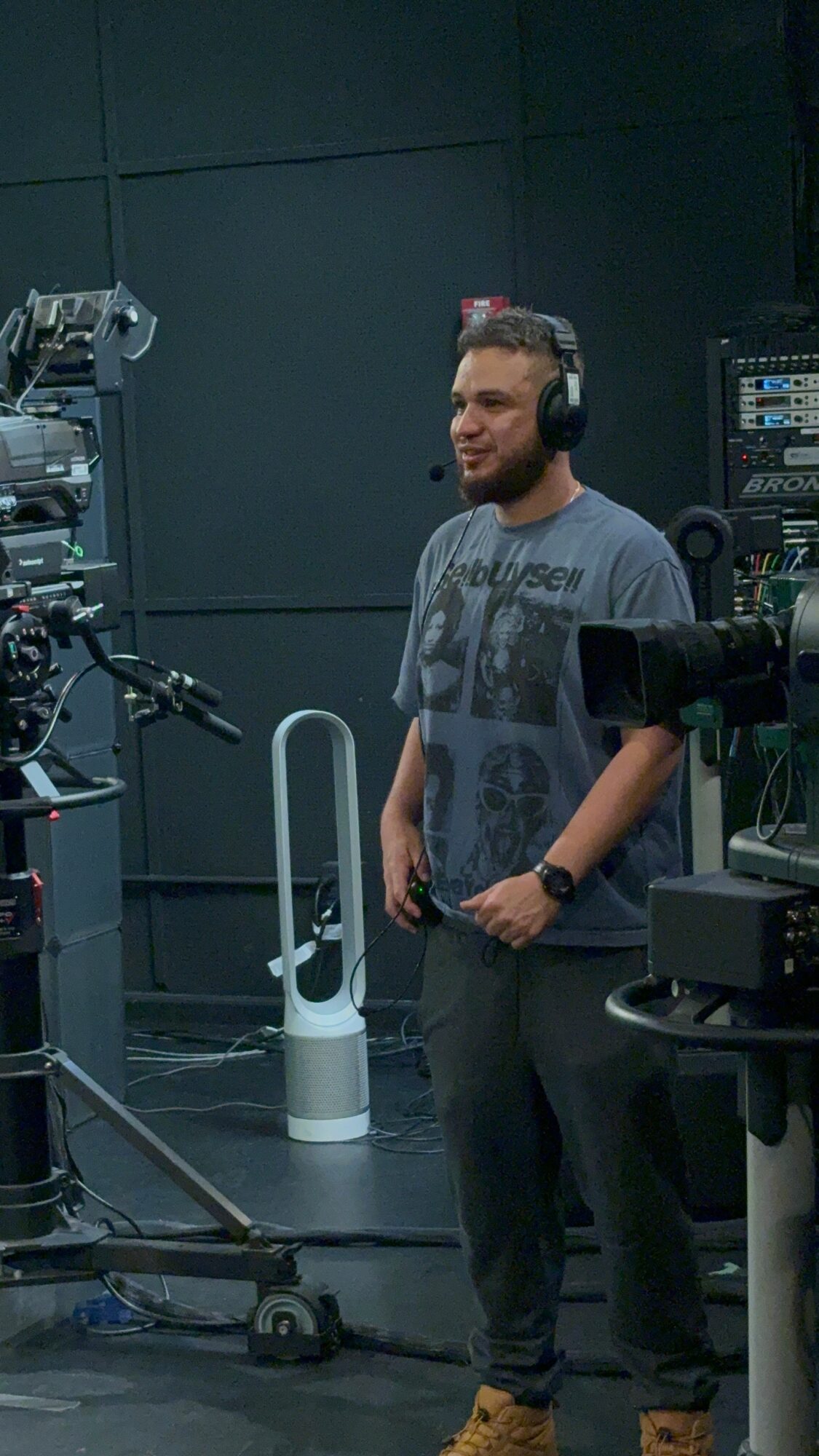
I wear a lot of hats but primarily I am a writer and executive producer. As a writer I conceptualize the concept, story and rewrites through production. Once on set I hold the role of “bad guy”, problem solver, decision maker, and bill payer. As the executive producer you are responsible for how the production turns out. There will be times when you will have to be the “bad guy” and push people as you race against the clock. There will be times when the plan needs to be altered, and everyone on set is waiting for you to make a decision. A producer needs contacts so when a decision is made and the costs are estimated, production can resume as quickly as possible. I specialize in seeing the entire production from pre production and all through post. Things rarely go as planned on productions just like in life. Just like the first concert I’ve ever attended. I went with a group of friends to a Bone Thugs N Harmony show. My friend Molly wasn’t feeling well and got sick before the show. I made sure she had water and we all took care of her. She felt better, so we all went inside and enjoyed the show. When I saw Molly again a few days later she thanked me and said I took care of her as if I was her grandfather. Whenever I saw Molly she would greet me as ‘grandad”. I embraced the nickname because it felt like a badge of dependability. Other people would call me the name when they saw me, it even inspired my instagram handle @granddaddydiaz. When people are on set they know they can come to me with any need or concerns, just like Molly.
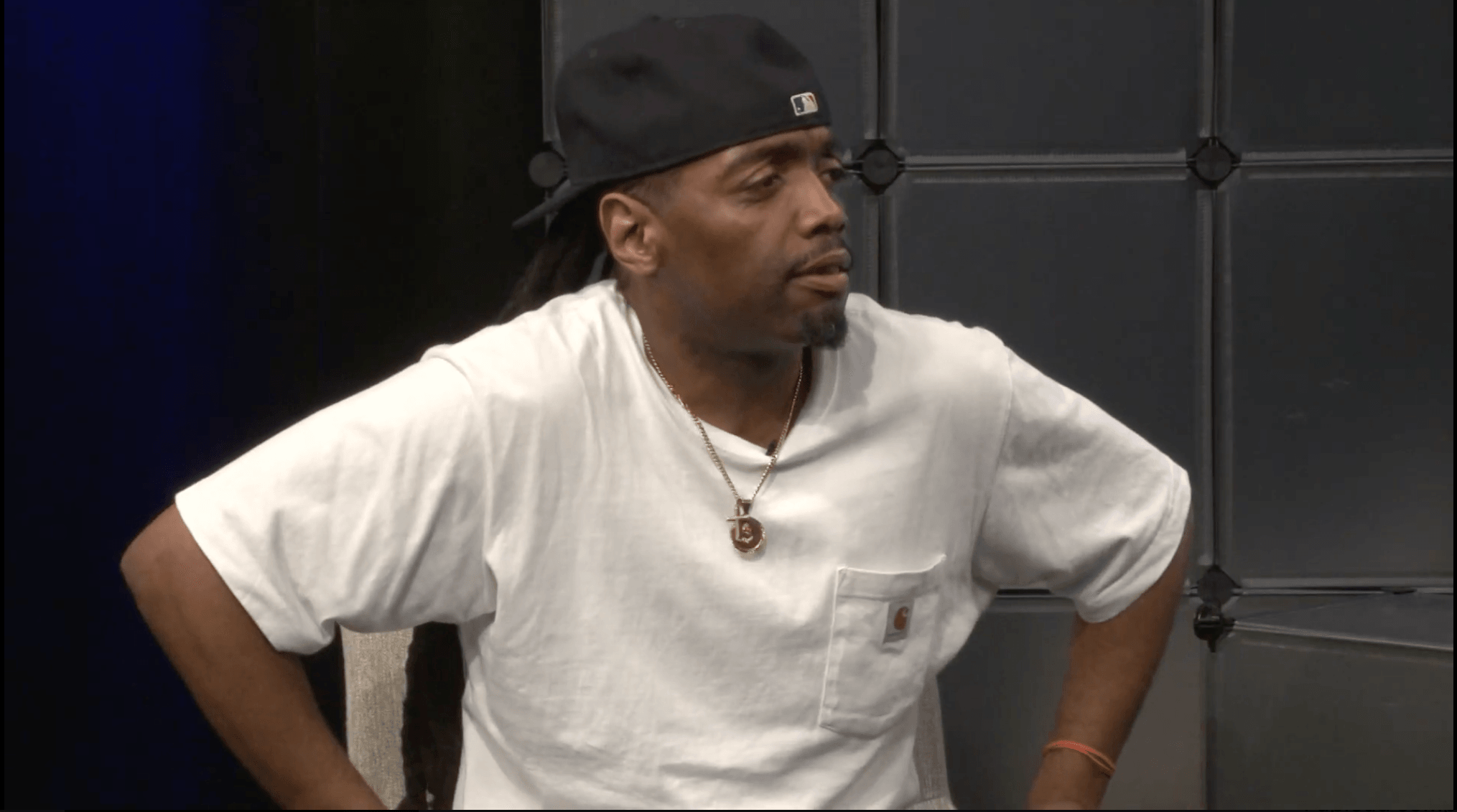
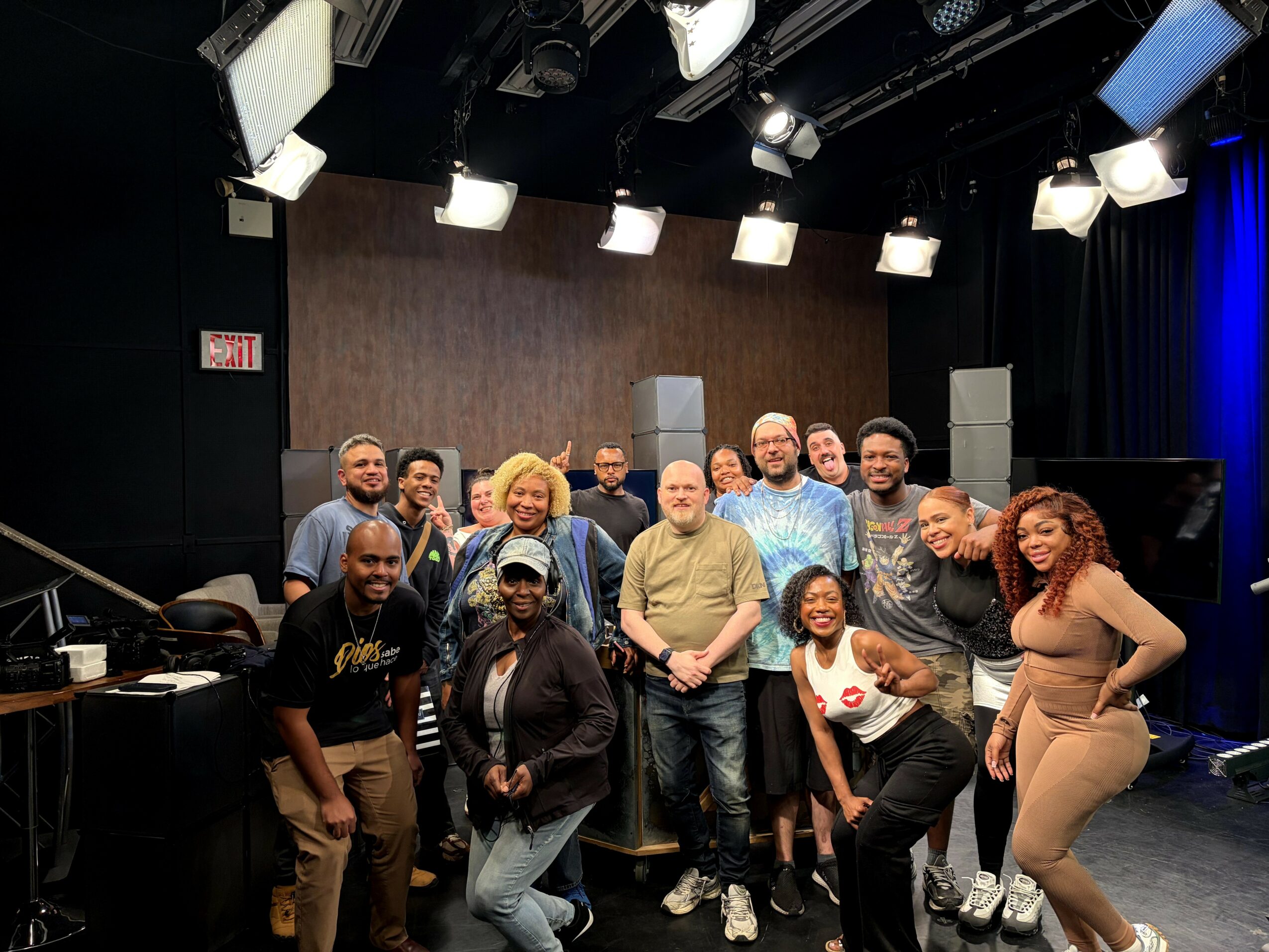
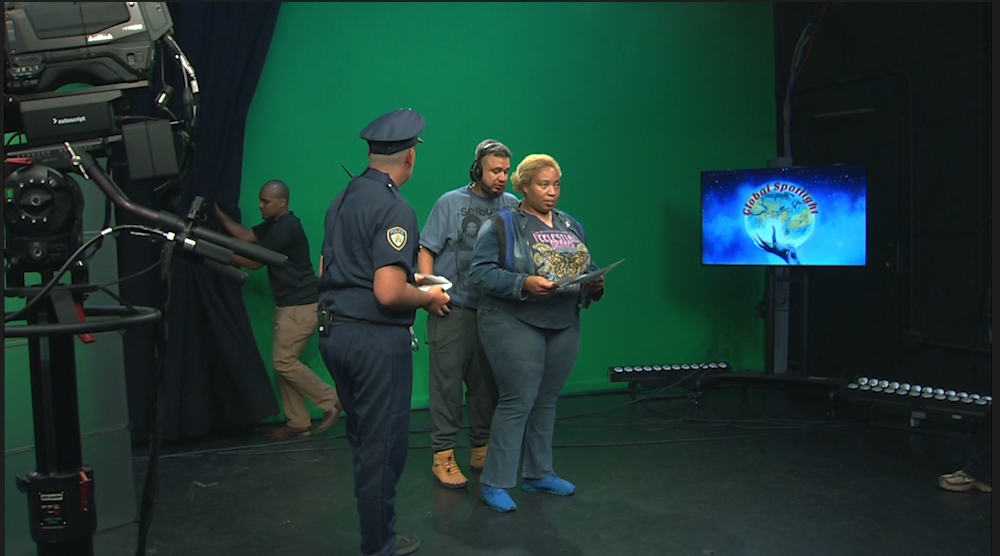
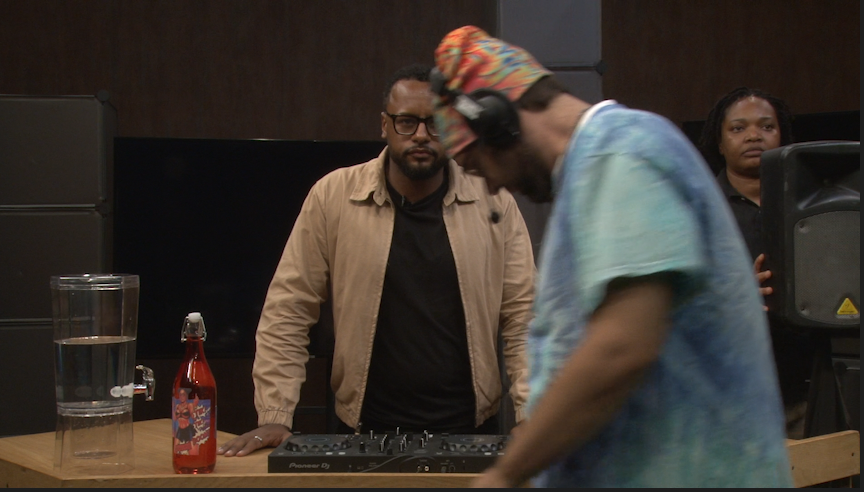
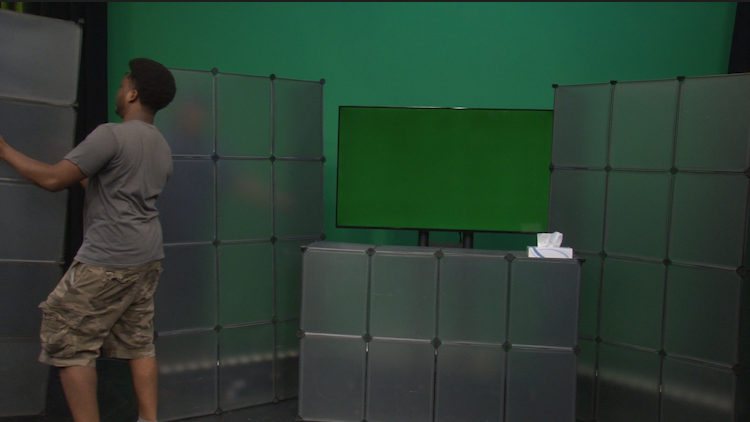
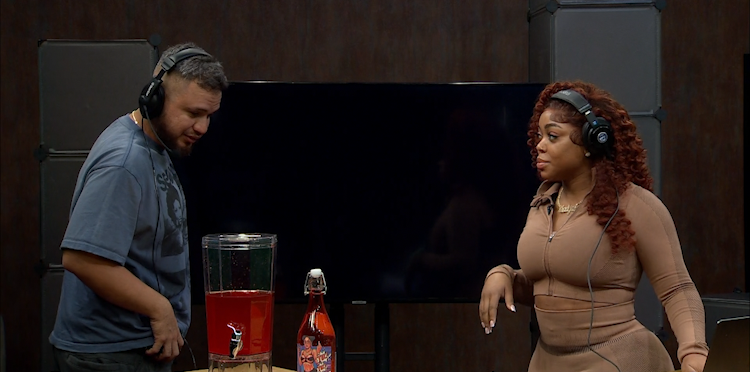
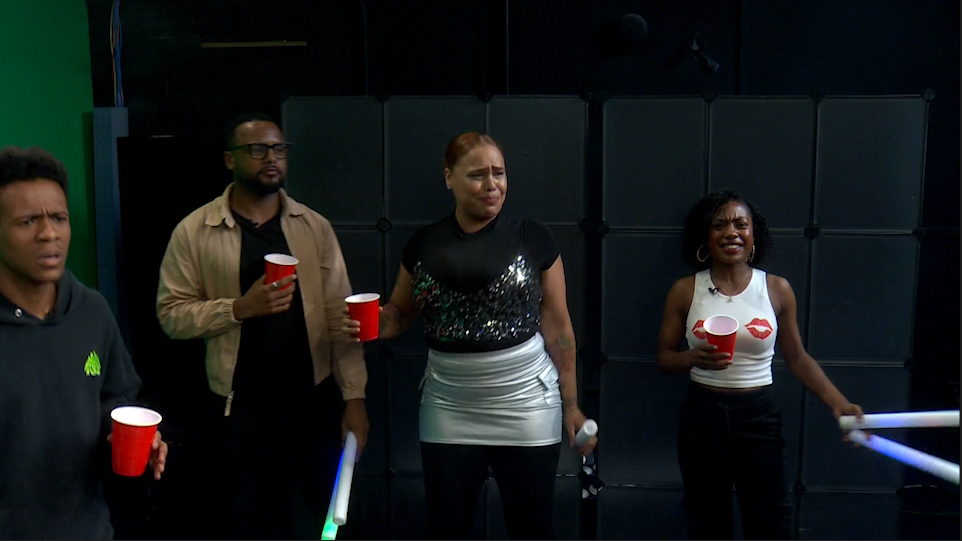
I’m proud of the new limits I’ve been reaching lately. I’ve been developing a sketch comedy show with a team of 23 actors and crew members. I’m grateful for the opportunity to reach newer heights with a team that I hand picked. The team I’ve assembled comes from being dependable enough that they would take a chance on me. I met this ensemble in a variety of ways through industry mixers, past job opportunities, social events, to a direct message on social media. With this cast and crew committing to 6 episodes I am empowered to keep working. “We Don’t See Color”, also known as “W.D.S.C.” for short, will consist of 18-21 minutes of sketch comedy with a live musical performance. The concept for this show was to emulate the Wayans’ sketch comedy show “In Living Color”. This will be my first series which is something I’ve always wanted to produce. We are looking to complete production of the first season of W.D.S.C. by early 2027.
What has been the most important lesson you’ve learned along your journey?
I think what keeps me grounded is knowing my life is always worth it whether things are going my way or not. If I decided to stop working in video production tomorrow it would not bring any shame to my journey. I used to think “if I stop now I would have wasted a lot of time”. No matter how it turns out it will always be a blessing to know you didn’t leave any doubt to what could have been. If you ever want to stop, I suggest you do. A lot of the time you will realize you just needed a break. It’s important to stay motivated but just as important to have a life outside of your work. You don’t owe anything to anybody, and nobody owes anything to you. You only owe it to yourself to live your best life.
Contact Info:
- Instagram: https://www.instagram.com/supfilmsnyc/
- Youtube: https://www.youtube.com/@supfilmsnyc/videos
Popular
-

Hidden Gems: Local Businesses & Creatives You Should Know
-

ATL’s Most Inspiring Stories
-

Portraits of Atlanta
-

Dr. Hildiah Martin-Suggs Is Building Second Chances for Youth Who Were Almost Lost in the System
-
From Showing Up to Seeing His Face on a Billboard: Anthony Green Is Just Getting Started
-

Wayne Smith Jr on Survival, Psychological Thrillers, and the Cost of Staying Alive