





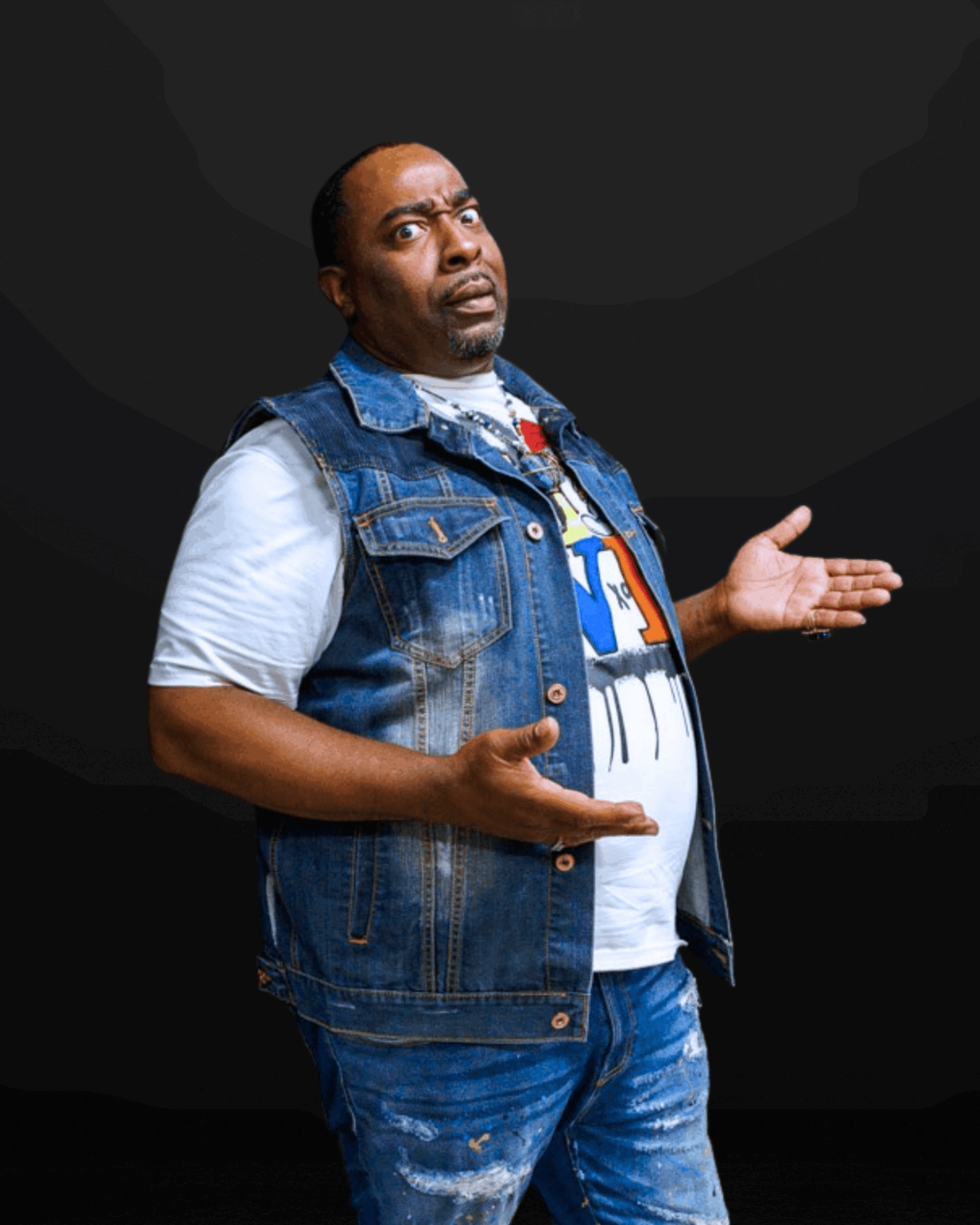
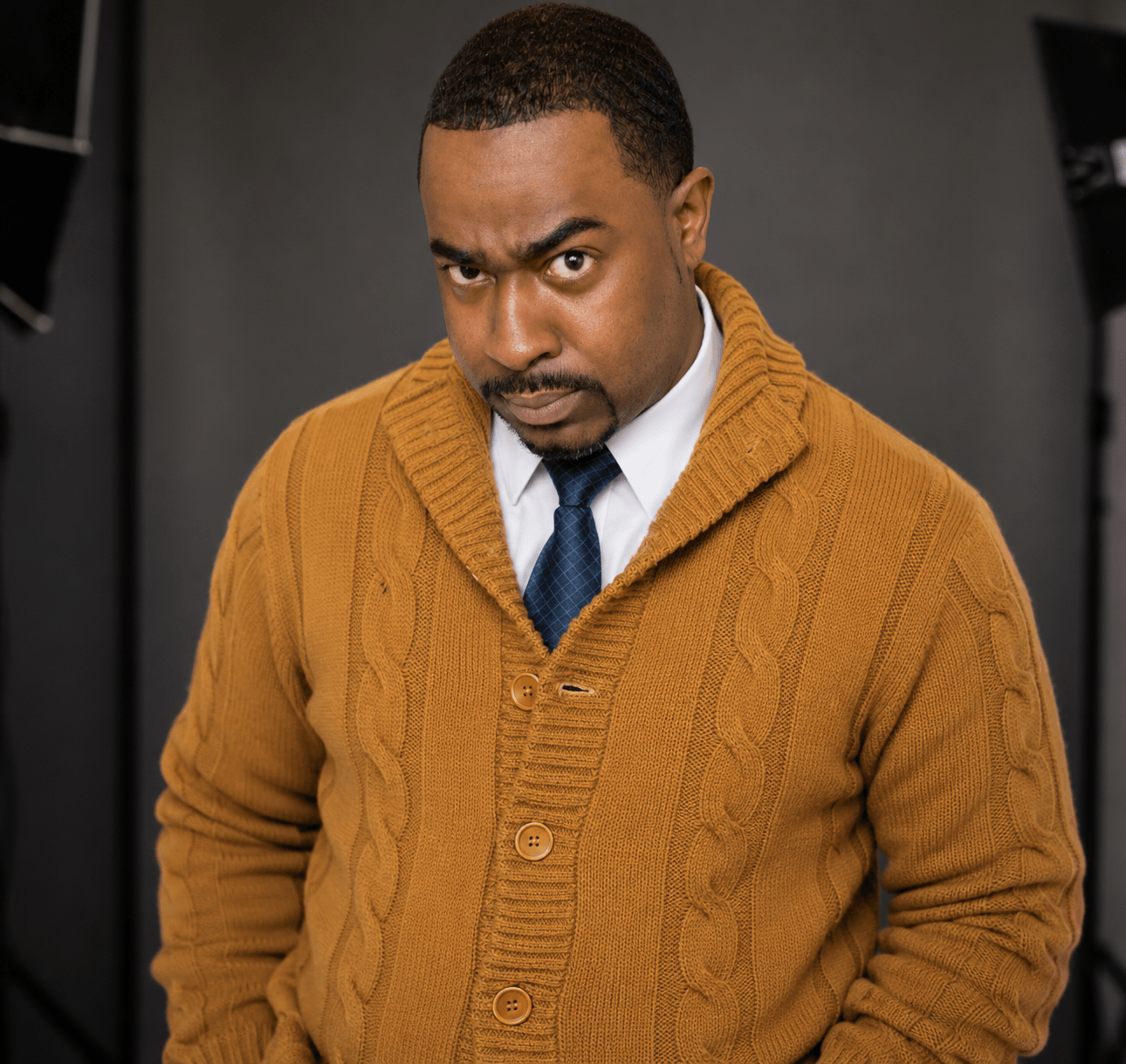
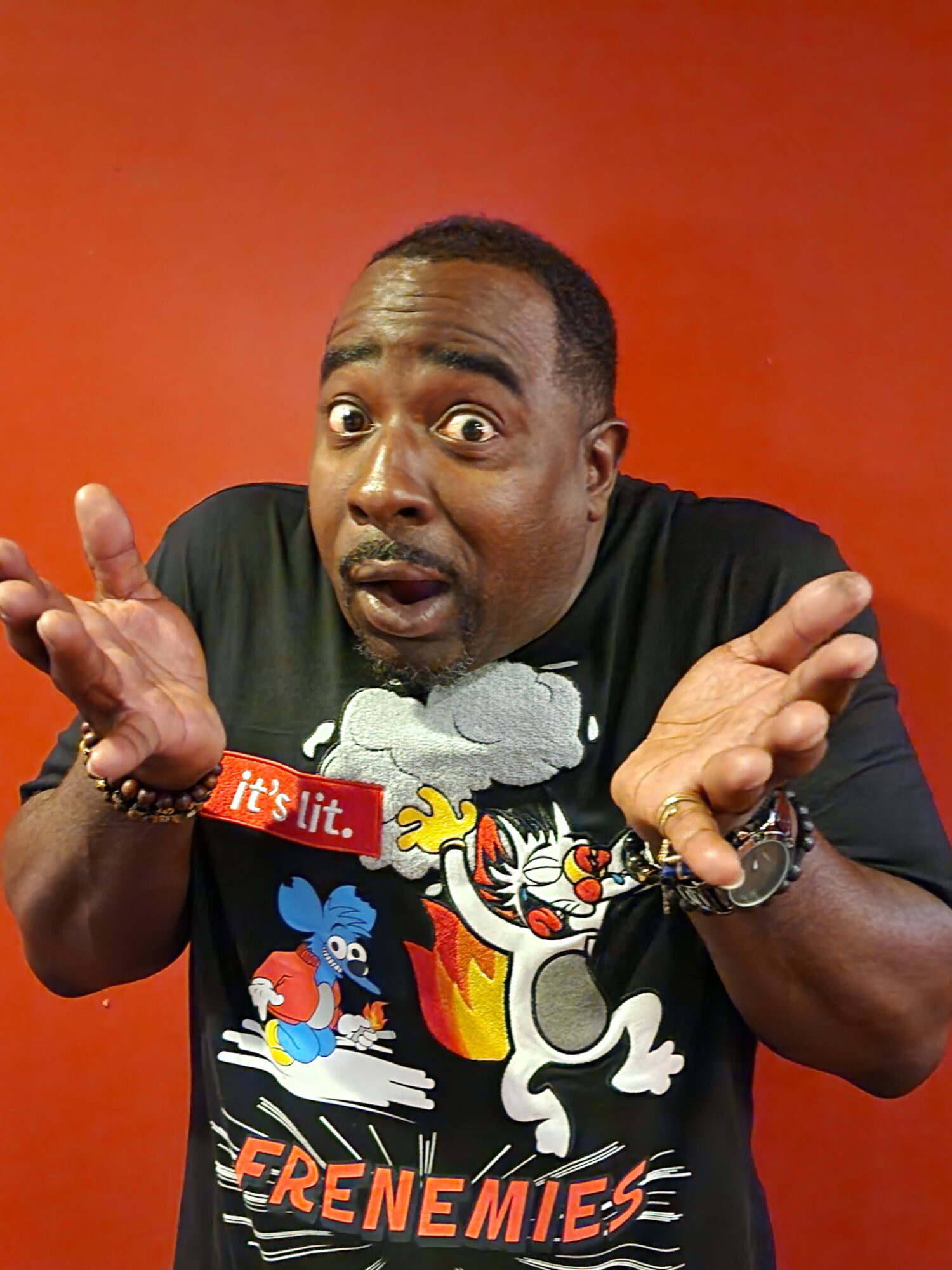
Today we’d like to introduce you to Keith Big Keef Jackson.
Hi Keith Big Keef, can you start by introducing yourself? We’d love to learn more about how you got to where you are today?
Growing up, I didn’t even know being a comedian was a real thing I could become. I was an only child, but I came from a big extended family. My grandmother and her sister were the matriarchs of the family, so there was always somebody around, always something going on, and definitely always somebody to laugh with and make laugh.
All through school, right up until I graduated high school, I was known for being the center of attention—and sometimes the class disruptor. I was the class clown. I was always joking, mimicking how people walked, their voices, mannerisms, everything. In high school, I embodied Martin Lawrence so much that people used to tell me I looked like him.
Even outside of school, I could always make complete strangers laugh. Church, parties, family gatherings—it didn’t matter. Wherever people were gathered, I was probably somewhere thinking something funny about what was happening. And if I didn’t say it, my face usually did.
Fast-forward to 2006. I’m doing what I normally did—standing in the backyard roasting the guys. One of my childhood friends told me he knew a “real comedian” and dared me to roast him. So, of course, I did. We went back and forth exchanging jokes until finally he stopped and said, “If you’re so funny, go up to Jokes and Notes Comedy Club and sign up for the open mic.”
That challenge changed my life.
Twenty years later, through all the ups and downs of life and the comedy business, I can stand confidently and say I’m one of the funniest comedians you can put on a stage, anywhere, on any given night.
Would you say it’s been a smooth road, and if not what are some of the biggest challenges you’ve faced along the way?
The struggles of life have always outweighed the struggles of being a comedian. That’s probably the shortest and most truthful answer.
Life brings personal growth, life and death, having children, getting married, relationships changing, and figuring out how to make money while still chasing a dream that doesn’t always pay you back immediately.
Then there are the comedy struggles—building a name, becoming funny enough that your name actually carries value, dealing with career timing versus life timing, building the right team around you, making connections, and learning how important it is to maintain good relationships and a good reputation.
Comedy is funny onstage, but the journey behind it isn’t always funny.
As you know, we’re big fans of you and your work. For our readers who might not be as familiar what can you tell them about what you do?
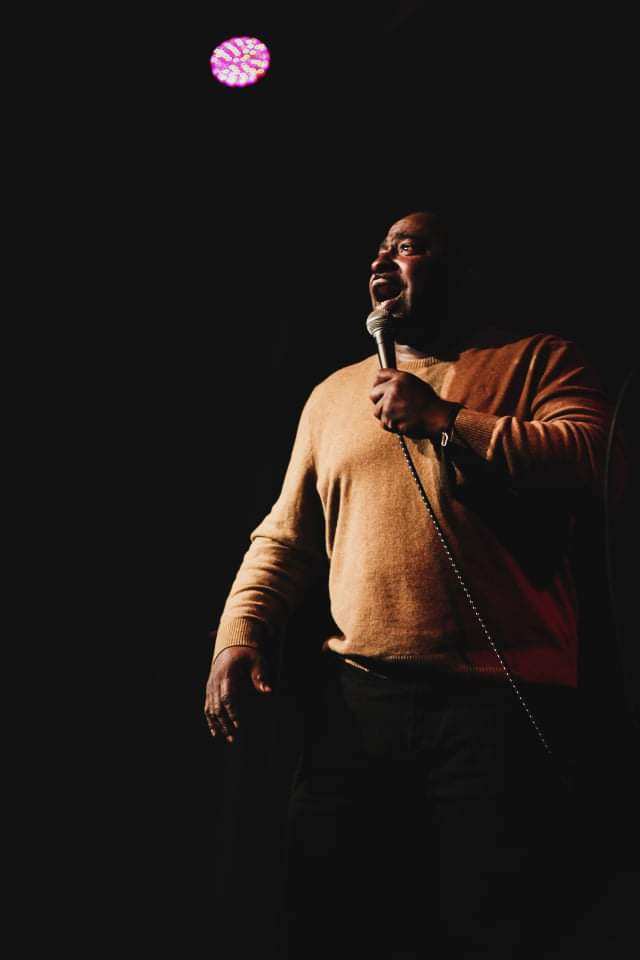
Big Keef’s work is rooted in observational comedy, storytelling, and real-life experiences. His style blends high-energy delivery, physical expression, sharp timing, and a strong sense of character, allowing him to turn everyday situations into moments audiences instantly recognize.
Beyond performing, Big Keef has spent more than a decade producing and hosting comedy shows throughout Chicago, helping create opportunities for other comedians while continuing to develop his own voice as a national headliner and host. His material often pulls from family, relationships, Chicago culture, food, and the realities of everyday life. Anybody who has seen me perform knows the energy is different. It’s in my delivery, my voice, my tones, my facial expressions, and the way I physically embody a story.
I have a spontaneous ability to see a situation, concept, mannerism, or everyday reality and express it in a way people may have never thought about before.
A lot of my comedy comes directly from my life and experiences. I try to tell those stories in a way that allows the audience to feel what I felt—or recognize something they’ve experienced in their own lives.
That’s where I think the connection happens.
I can take real life—the good, the bad, the embarrassing, the crazy—and somehow find the comedy structure inside of it.
My biggest jokes have become memorable because they come from real life. They’re relatable, impactful, and, most importantly, hilarious.
People still call me “Fried Hard” because of one of my jokes. Then there’s “Take Me to My Car,” which became another one of those jokes people remember and repeat back to me.
Within comedy communities from coast to coast, I’m also known as one of those Chicago comedians who is going to be funny, period. But I’m also known for creating opportunities.
For more than 10 years, I consistently produced and hosted comedy shows in Chicago—sometimes multiple shows on different nights of the week. So I wasn’t just trying to get booked myself. I was building rooms where other comedians could work, develop, network, and get booked too.
That has always been a big part of my comedy story.
First, I’m proud that I’ve lived long enough to right a lot of my mistakes. Life will humble you, teach you, and give you opportunities to become better if you’re willing to take them.
I’m also extremely proud of my three beautiful daughters.
When it comes to comedy, I’ve had some moments that really confirmed for me that I belonged in this business.
One of the biggest came in 2010 when I auditioned for Bill Bellamy’s Who’s Got Jokes? I got a standing ovation at the television audition, was selected, and ultimately appeared on the show. That was one of those moments where all the years of making people laugh in classrooms, family gatherings, clubs, and comedy rooms suddenly felt like they were leading somewhere.
I’ve also won just about every major Chicago comedy competition I’ve entered. One of the last was Funniest Comedian in Chicago at Riddles Comedy Club. I’ve had the honor of performing on three different Bernie Mac tribute events as well.
I started at the Jokes and Notes open mic and grew from an open-mic comedian into a feature, headliner, and host. I also won the last Power 92.3 comedy competition that Jokes and Notes hosted before the club closed its doors. That one will always mean something special to me because Jokes and Notes is where my journey really started.
But what I may be most proud of is that, no matter what happened in my personal life, I found a way to stay connected to comedy.
Divorce. Death. Depression. Even a period when I came close to being homeless.
I never carried it onto the stage.
When that microphone was in my hand, the audience came to laugh, and I made sure they did.
Today, I’m proud to say I’m a national headliner and host. And after all these years of grinding, I finally had a stand-up clip go viral. That moment helped me build a stronger team around me and led to my first comedy tour, the “Take Me to My Car” Comedy Tour 2026.
So in a lot of ways, twenty years later, it feels like another chapter is just getting started.
What do you like best about our city? What do you like least?
I love Chicago.
I love it so much that it’s hard to name just one thing.
The lakefront has always been one of my favorite places. I could go sit by the water, clear my head, and just be at peace.
But you can’t talk about loving Chicago without talking about the food. Chicago food is part of the culture. It’s part of the neighborhoods, the conversations, and definitely part of my comedy.
One of the jokes I’m probably most known for in Chicago, “Fried Hard,” was born from that culture—specifically Harold’s Chicken, one of those legendary Chicago spots everybody knows. That joke became so popular that people still call me “Fried Hard” to this day.
That’s Chicago comedy to me. You can take something as simple and familiar as ordering chicken, tell the truth about it in a funny way, and suddenly an entire city knows exactly what you’re talking about.
I also miss the Chicago I grew up in and the eras when I was a kid and teenager. For me, the ’80s and ’90s were special. The neighborhoods, the music, the food, the people, the culture—it was just a different feeling. Chicago helped shape my personality, my comedy, and the way I see the world. A lot of the things people laugh at when they watch me perform were born right here. It will always be home. What I do not care for about our City is the violence.
More specifically, the lack of regard for human life. The culture of shooting first and not caring about what happens afterward is heartbreaking, especially when you see the people involved getting younger and younger.
For some young people, guns, violence, and street takeovers are becoming normalized, and that’s dangerous.
But another thing that bothers me is that the negative side of Chicago gets so much of the attention.
There are kids doing amazing things. Teenagers succeeding. College students graduating. Young entrepreneurs building businesses. People serving their neighborhoods and changing their communities every day.
Those stories exist too. I wish we spent just as much time showing the world that Chicago as we do showing everything that’s wrong with it.
Contact Info:
- Instagram: https://www.instagram.com/whoisbigkeef?igsi=MTExc2tmZzlidmY4eQ==
- Facebook: https://www.facebook.com/share/17cKjdRY4a/?mibextid=wwXIfr
Popular
-

Hidden Gems: Local Businesses & Creatives You Should Know
-

ATL’s Most Inspiring Stories
-

Portraits of Atlanta
-

Dr. Hildiah Martin-Suggs Is Building Second Chances for Youth Who Were Almost Lost in the System
-

From Showing Up to Seeing His Face on a Billboard: Anthony Green Is Just Getting Started
-

Wayne Smith Jr on Survival, Psychological Thrillers, and the Cost of Staying Alive