




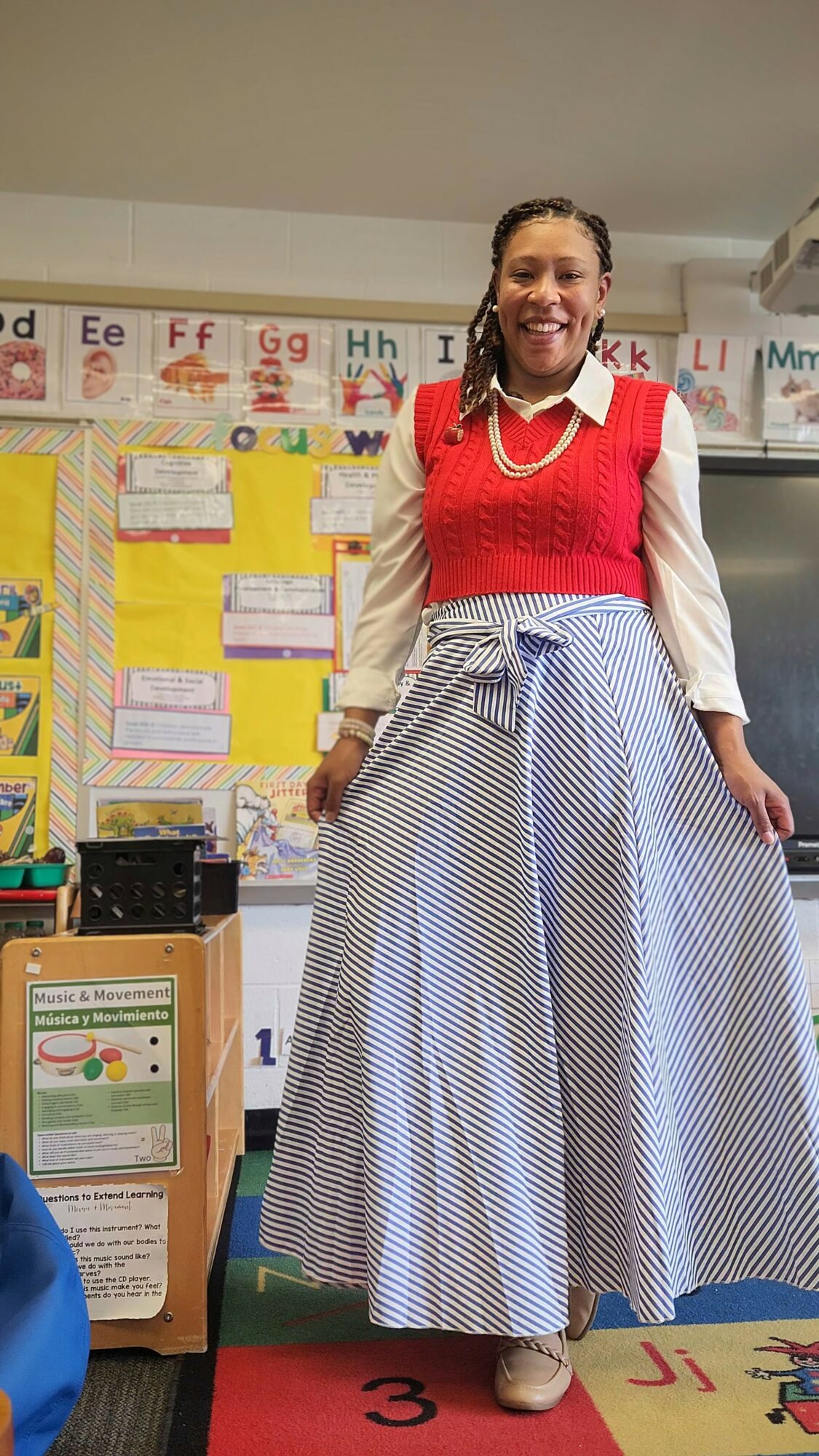
Today we’d like to introduce you to Alta Thomas.
Alright, so thank you so much for sharing your story and insight with our readers. To kick things off, can you tell us a bit about how you got started?
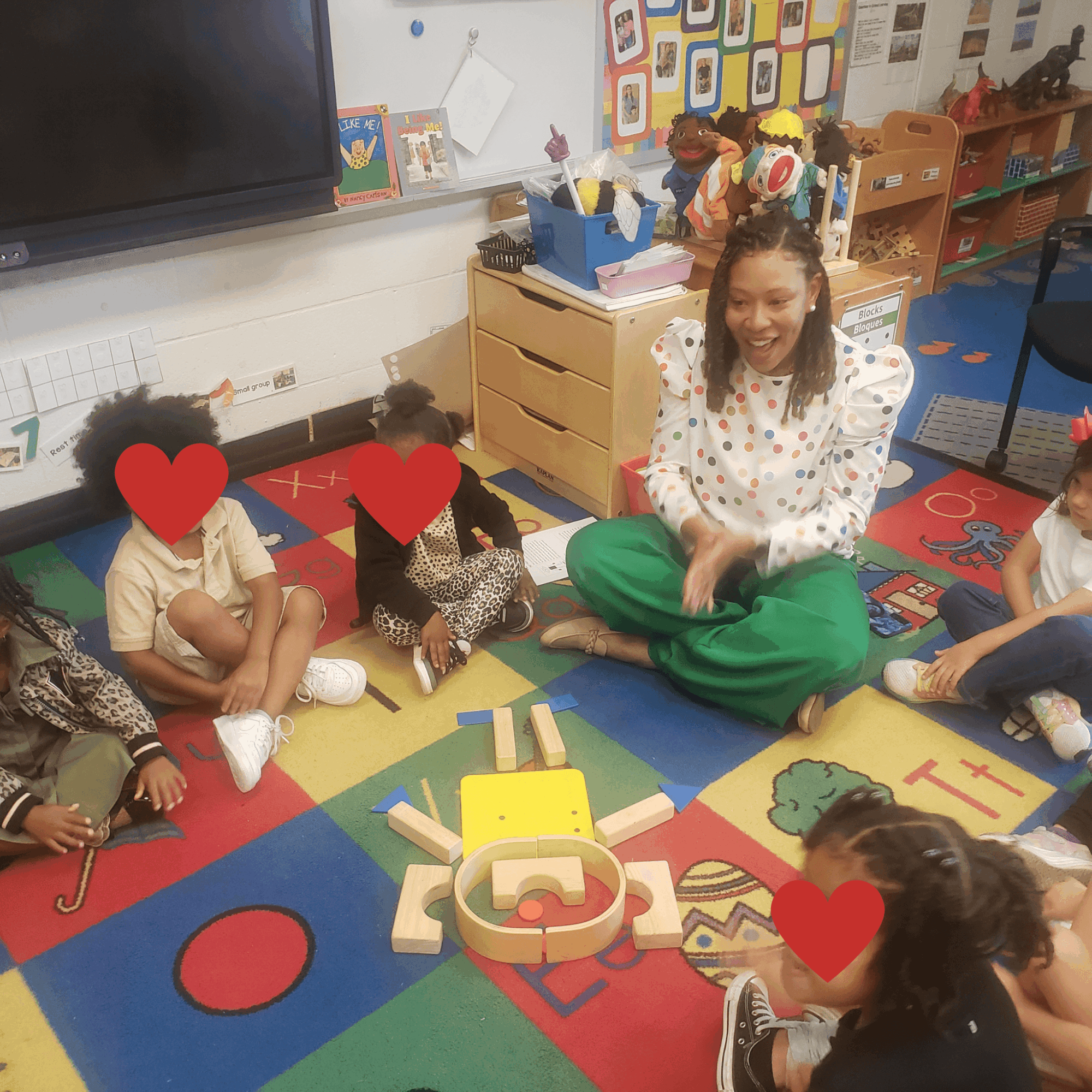
Hi my name is Alta Thomas. My journey in early childhood education/ teaching began helping my mother in her classroom at the age of 14. I witnessed her passion for teaching that went behind the classroom. That passion inspired me to open my own in-home daycare, to becoming a child care director, to becoming an assistant teacher in a pre-k classroom, to becoming a preschool teacher and now teaching kindergarten my first year. I believe as a facilitator of learning my role is guide and help my students discover knowledge for themselves instead of just giving them answers. My classroom framework provides a learning environment where my students are more than just sponges but they are active participants in their learning. My philosophy is that every student has the ability to learn and succeed towards graduating high school and or obtaining a trade.
I’m sure it wasn’t obstacle-free, but would you say the journey has been fairly smooth so far?
Absolutely not, For me teaching came with the struggle of accepting that this is God’s plan for my life. As teachers we are so much more than just watching a group of children for a certain amount of time. Teaching requires a lot of understanding that the effort put out might go unnoticed and but the seeds you plant in each child’s life in their educational journey means so much more.
Can you tell our readers more about what you do and what you think sets you apart from others?
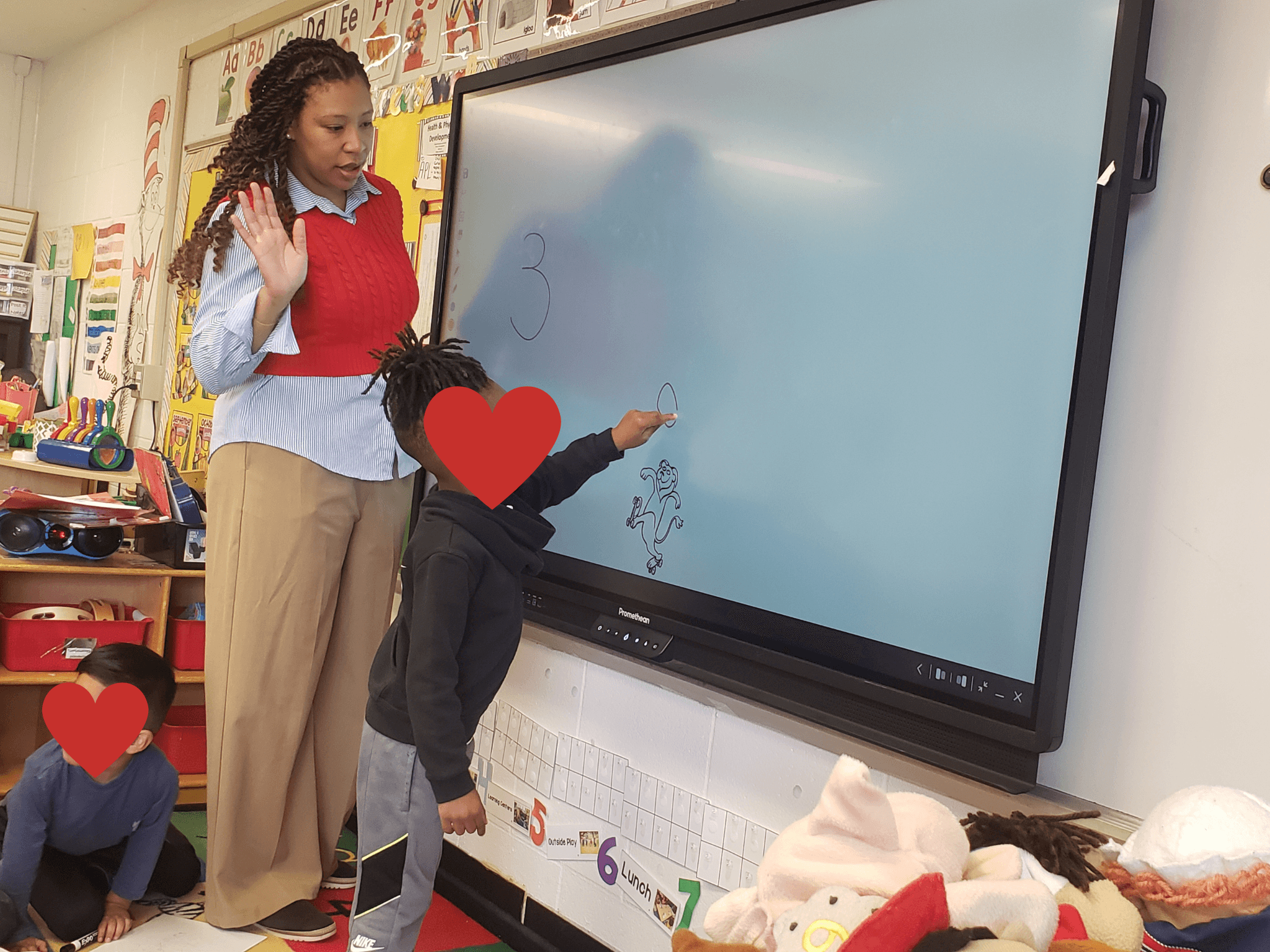
As an early childhood educator in my first year of teaching kindergarten, I believe what sets me apart is my understanding that the foundation of education goes far beyond a child’s ability to recite their ABCs or count to 123. While academic skills are important, children learn best when they feel safe, supported, connected, and emotionally secure.
I believe a child’s social and emotional well-being is the foundation upon which academic learning is built. When children are able to regulate their emotions, build positive relationships, communicate their needs, and develop confidence, they are better equipped to engage in learning and succeed in the classroom.
My approach to education focuses on seeing the whole child—not just what they know academically, but who they are, how they feel, and what they need in order to learn. I believe that when we nurture the child first, we create the conditions for meaningful and lasting academic growth.
What sort of changes are you expecting over the next 5-10 years?
Over the next 5–10 years, I believe early childhood education will continue moving toward a more holistic approach to learning—one that recognizes that academic achievement and social-emotional development are deeply connected.
We are learning more about how children’s emotional well-being, relationships, environment, and sense of belonging directly impact their ability to learn. I believe classrooms will continue shifting away from focusing solely on academic benchmarks and toward developing the whole child, including communication, self-regulation, problem-solving, independence, and relationship-building.
I also see technology and artificial intelligence becoming more integrated into education, particularly as tools to support teachers with planning, differentiation, and documentation. However, I don’t believe technology can replace the most important part of early childhood education: the human connection between a teacher and a child.
Ultimately, I hope the next 5–10 years bring greater recognition that strong early childhood education is about more than preparing children academically. It is about giving children the social, emotional, and foundational skills they need to become confident, capable, and lifelong learners.
Contact Info:
- Instagram: https://www.instagram.com/altamthomas/
Popular
-

Hidden Gems: Local Businesses & Creatives You Should Know
-

ATL’s Most Inspiring Stories
-

Portraits of Atlanta
-

Dr. Hildiah Martin-Suggs Is Building Second Chances for Youth Who Were Almost Lost in the System
-
From Showing Up to Seeing His Face on a Billboard: Anthony Green Is Just Getting Started
-

Wayne Smith Jr on Survival, Psychological Thrillers, and the Cost of Staying Alive