





Today we’d like to introduce you to Michael Moon.
Hi Michael, thanks for joining us today. We’d love for you to start by introducing yourself.
I’ve been an artist for most of my life. I graduated from Ringling College of Art and Design with a BFA in Fine Art in 1996, but my path from being an artist to building Michael Moon Studio was not something I had planned from the beginning.
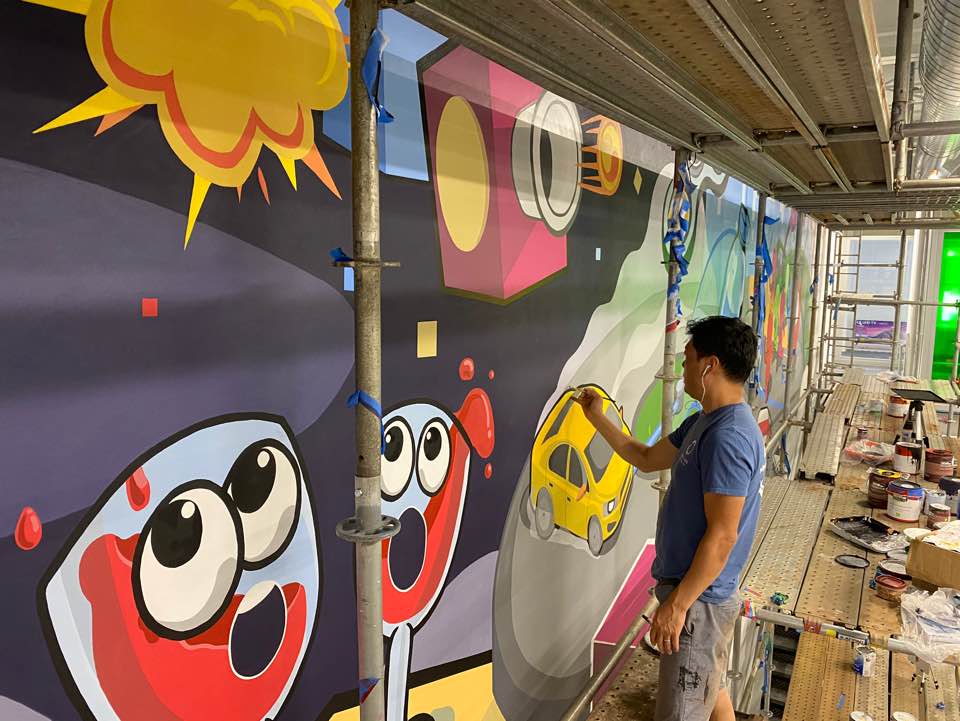
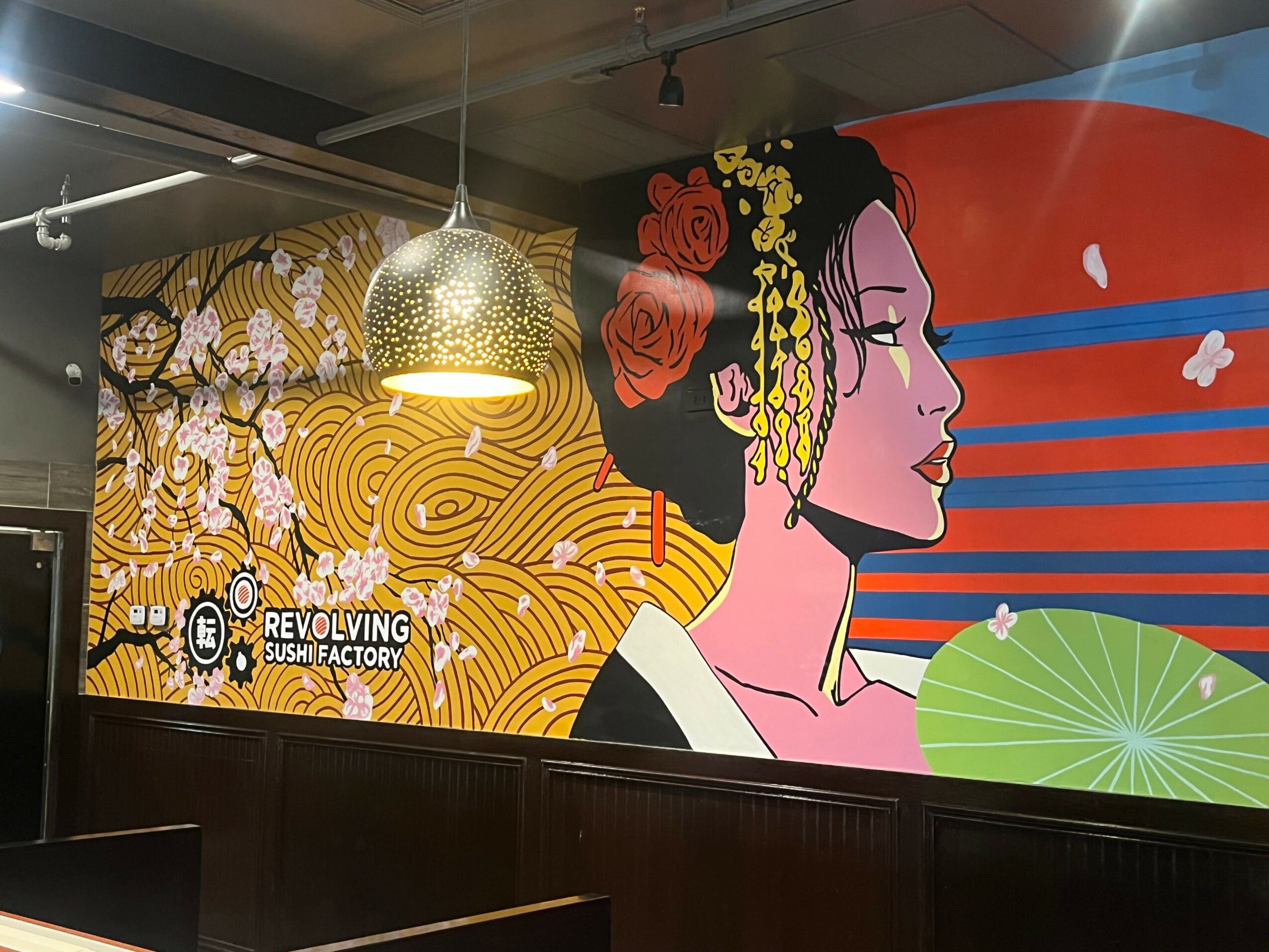
I started Michael Moon Studio in the Atlanta area around 2016. In the beginning, it was a very small operation. I took on whatever opportunities came my way—murals, decorative painting, signs, artwork for businesses, and other creative projects. Many of the early projects were relatively small, but each one introduced me to another client, contractor, designer, or business owner.
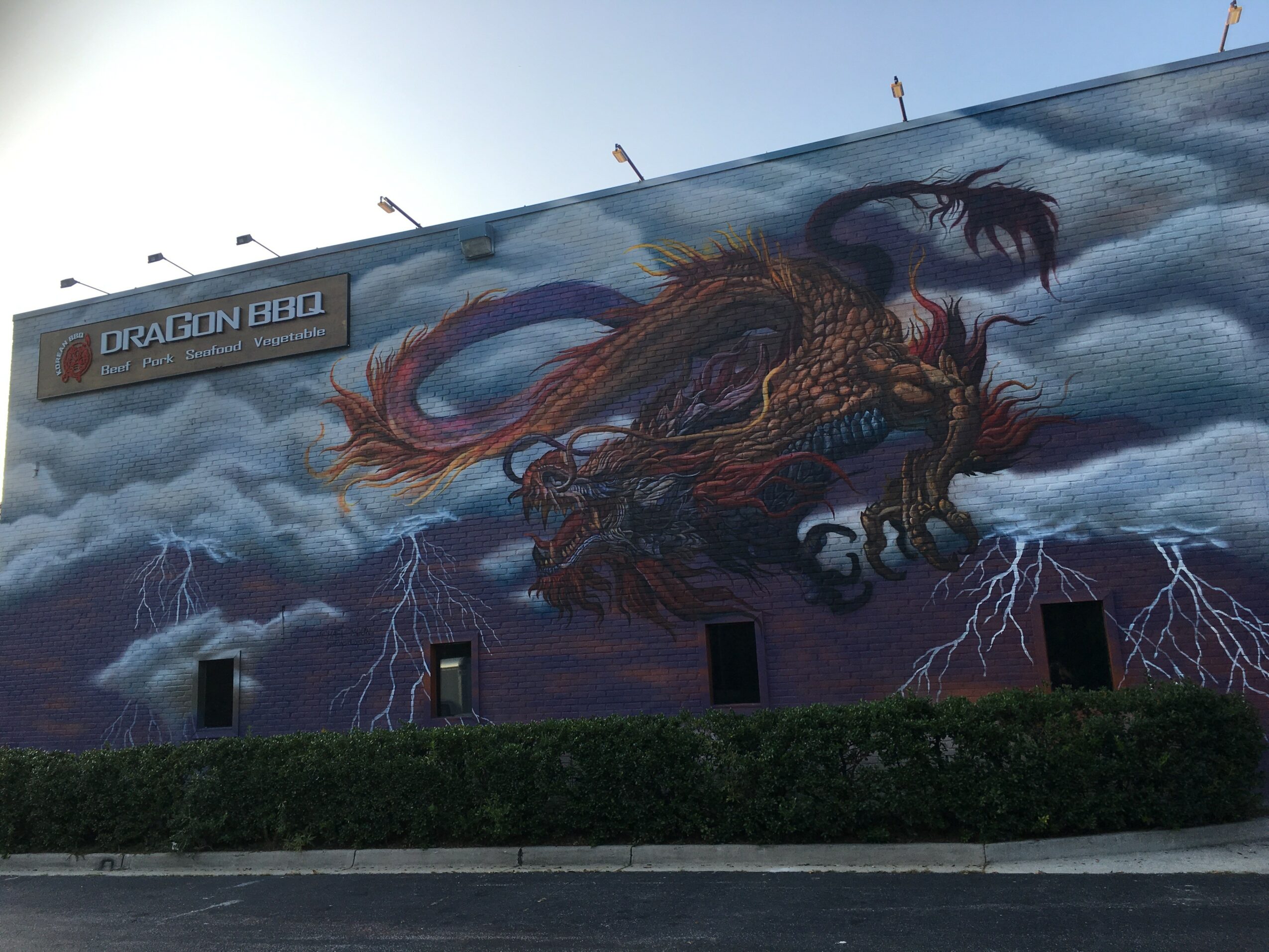
Over time, the projects became larger and more complex. What started primarily as mural and decorative artwork gradually developed into a studio capable of handling large-scale commercial and public art installations, hand-painted graphics and signage, wall coverings, large-format printing, and specialty painting.
One of the biggest changes for me was learning that being a professional artist and running a creative business are two very different things. I had to learn estimating, project management, scheduling, equipment, insurance, working with general contractors and designers, managing a crew, and meeting demanding construction deadlines—all while maintaining the quality and creativity of the artwork.
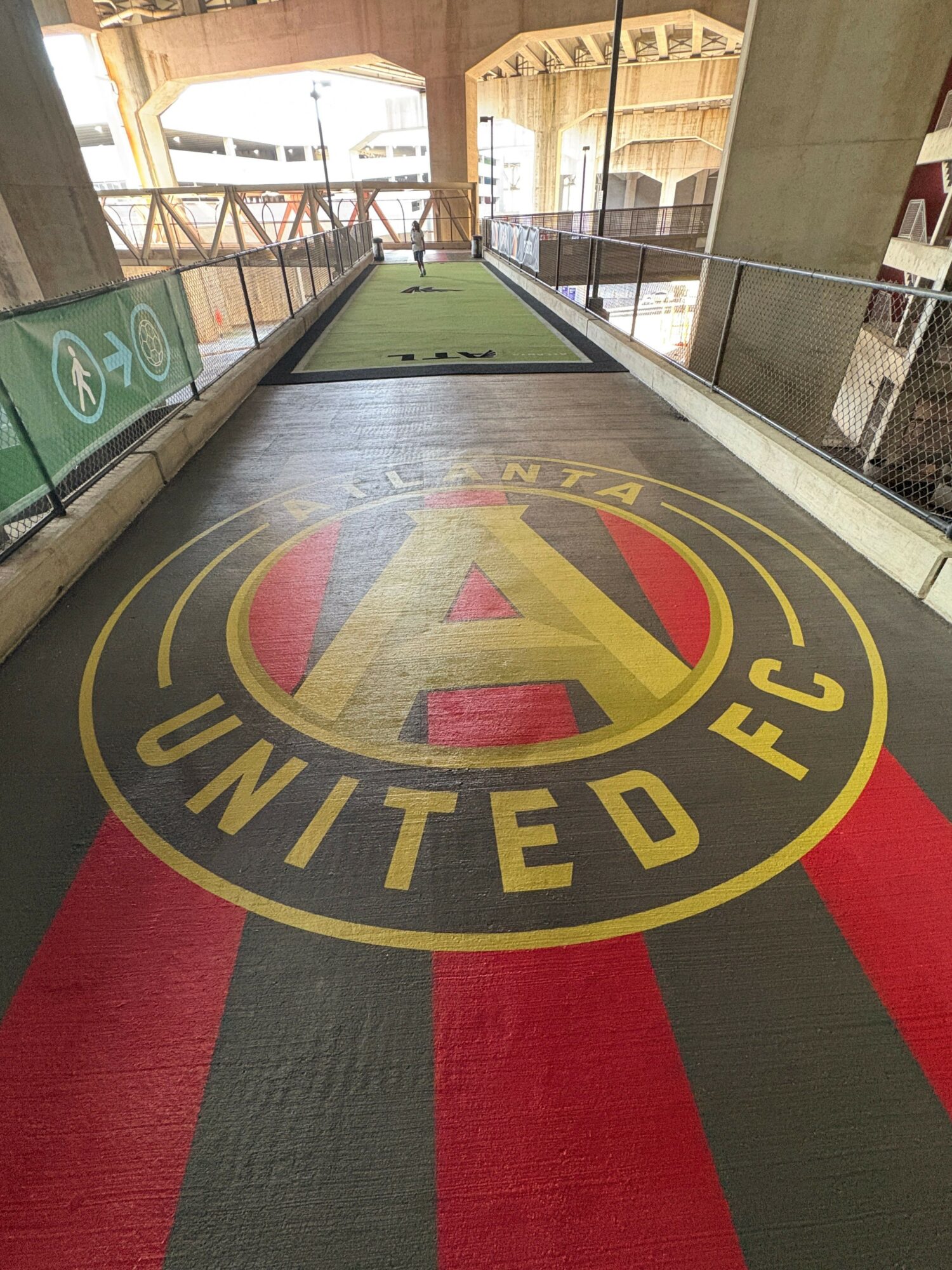
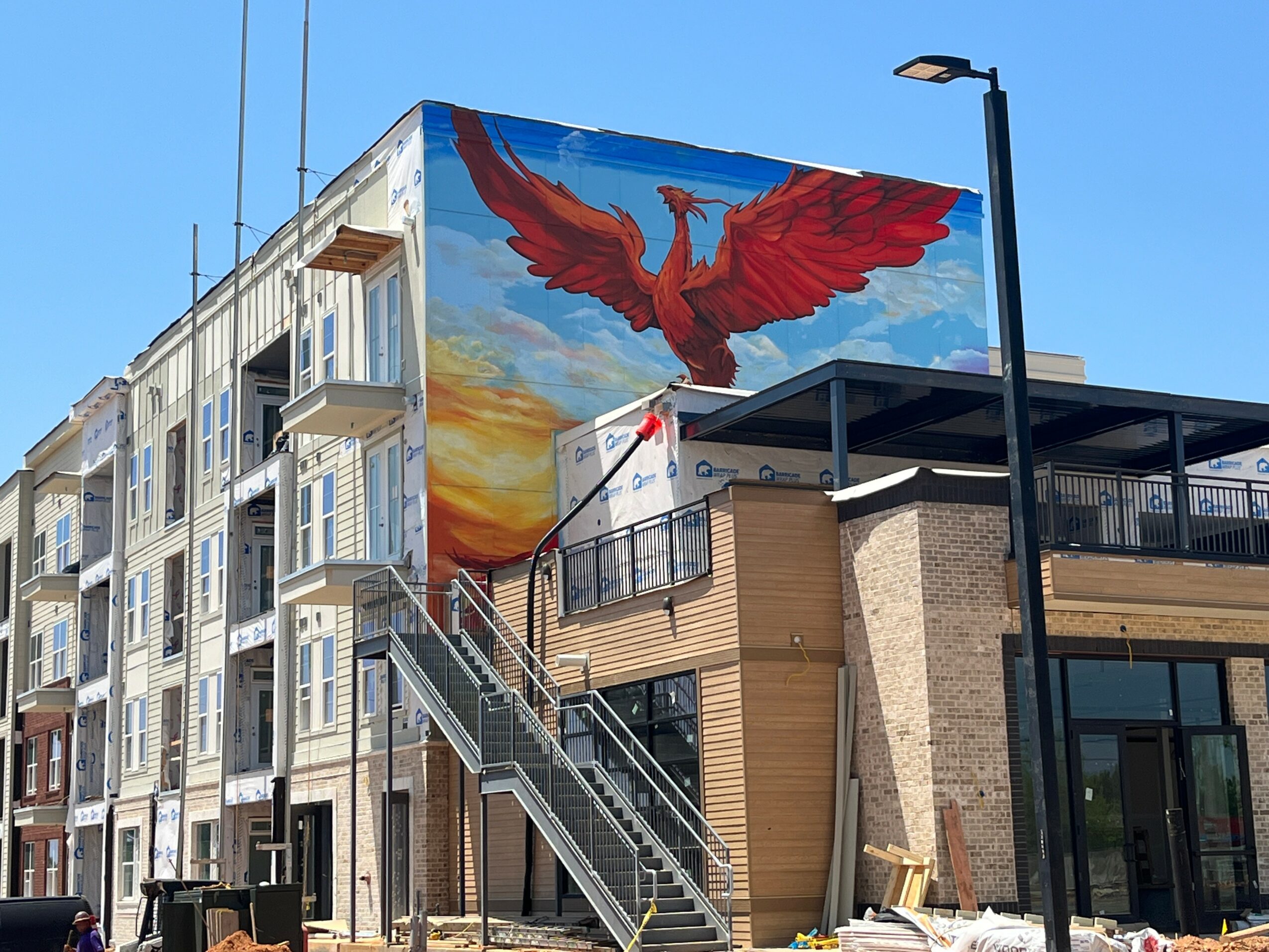
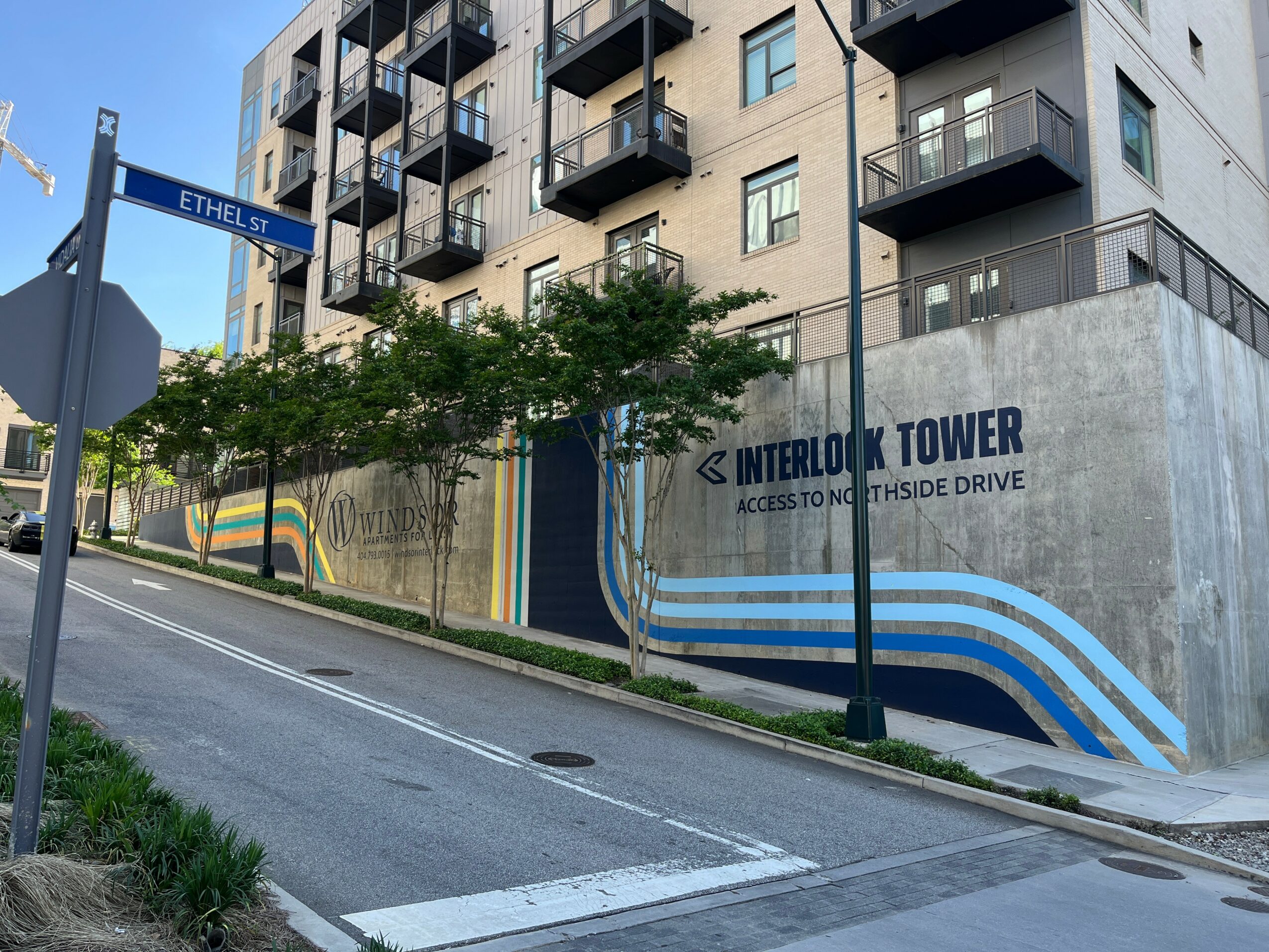
Today, Michael Moon Studio works throughout the Atlanta area and beyond. We have had opportunities to work on projects for cities, schools, hotels, offices, retail spaces, parking structures, and large commercial developments. Some projects require me to be an artist, while others require me to think more like a contractor, project manager, or problem solver. I actually enjoy that combination.
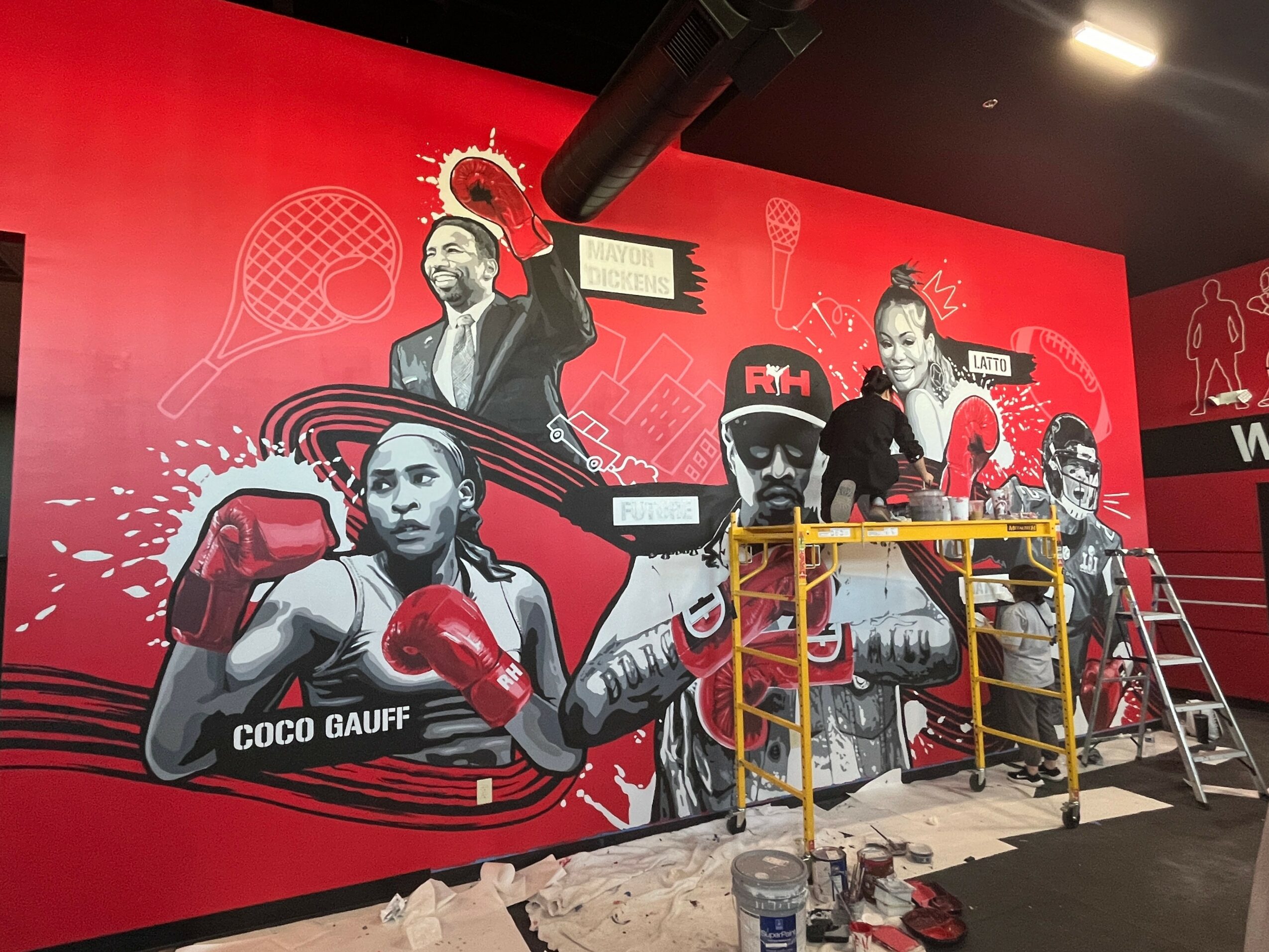
Even as the company has grown, I still stay very involved in the work. I’m often on site with my team, painting, installing, solving problems, and making sure the finished work represents our studio well. I think that hands-on approach has been an important part of how we have built relationships and earned repeat business.
There have definitely been difficult periods, mistakes, and projects that taught me lessons the hard way. Running a small creative business is never a straight path. But looking back, I think every project—large or small—helped us build the experience and confidence to take on the next one.
What I’m most proud of today is that something that started simply from my background and passion as an artist has grown into a business where I can work with other artists, collaborate with different companies and communities, and create artwork that becomes part of places people experience every day.
I’m sure it wasn’t obstacle-free, but would you say the journey has been fairly smooth so far?
It definitely hasn’t been a smooth road. In many ways, almost every day and every project has been a challenge.
I had never worked for a company like this before, so when I started Michael Moon Studio, I didn’t have a roadmap or someone else’s experience to follow. I had to figure things out for myself as I went—from estimating and managing projects to working with clients, employees, contractors, equipment, and all the unexpected situations that come with this kind of work.
Another big challenge was learning how to transition from being an artist into being both an artist and a business owner. Creating artwork was something I understood, but running a company required a completely different set of skills. I had to learn how to estimate projects accurately, manage budgets and cash flow, coordinate employees and subcontractors, deal with insurance and equipment, communicate with contractors and clients, and keep multiple projects moving at the same time.
As our projects became larger, the risks and responsibilities became larger as well. A large commercial mural or installation can involve weeks of labor, equipment rentals, materials, travel, and other expenses that we sometimes have to pay long before the final payment comes in. For a small company, managing that cash flow while continuing to pay your team and operate the business can be challenging.
There are also many things in this business that you simply cannot control. Weather can delay an exterior project, construction schedules can change overnight, lifts or equipment can have issues, artwork can be revised at the last minute, and sometimes what a client imagines is difficult to communicate until they actually see it on the wall. I’ve learned that problem-solving and communication are almost as important as artistic ability.
Even after years of experience, I’ve learned that no two projects are exactly the same. You can think you’ve done something similar many times before, and an unexpected problem will still come up.
One of the most valuable things I’ve learned is how to respond when those challenges happen. Instead of becoming discouraged, I’ve learned to stay positive, find a solution, and keep my team encouraged and moving forward. The same applies to relationships with clients and employees—patience, communication, and a positive attitude can make a huge difference.
I think that has been one of the biggest lessons this business has taught me, not only as a business owner, but also in my life.
Thanks – so what else should our readers know about your work and what you’re currently focused on?
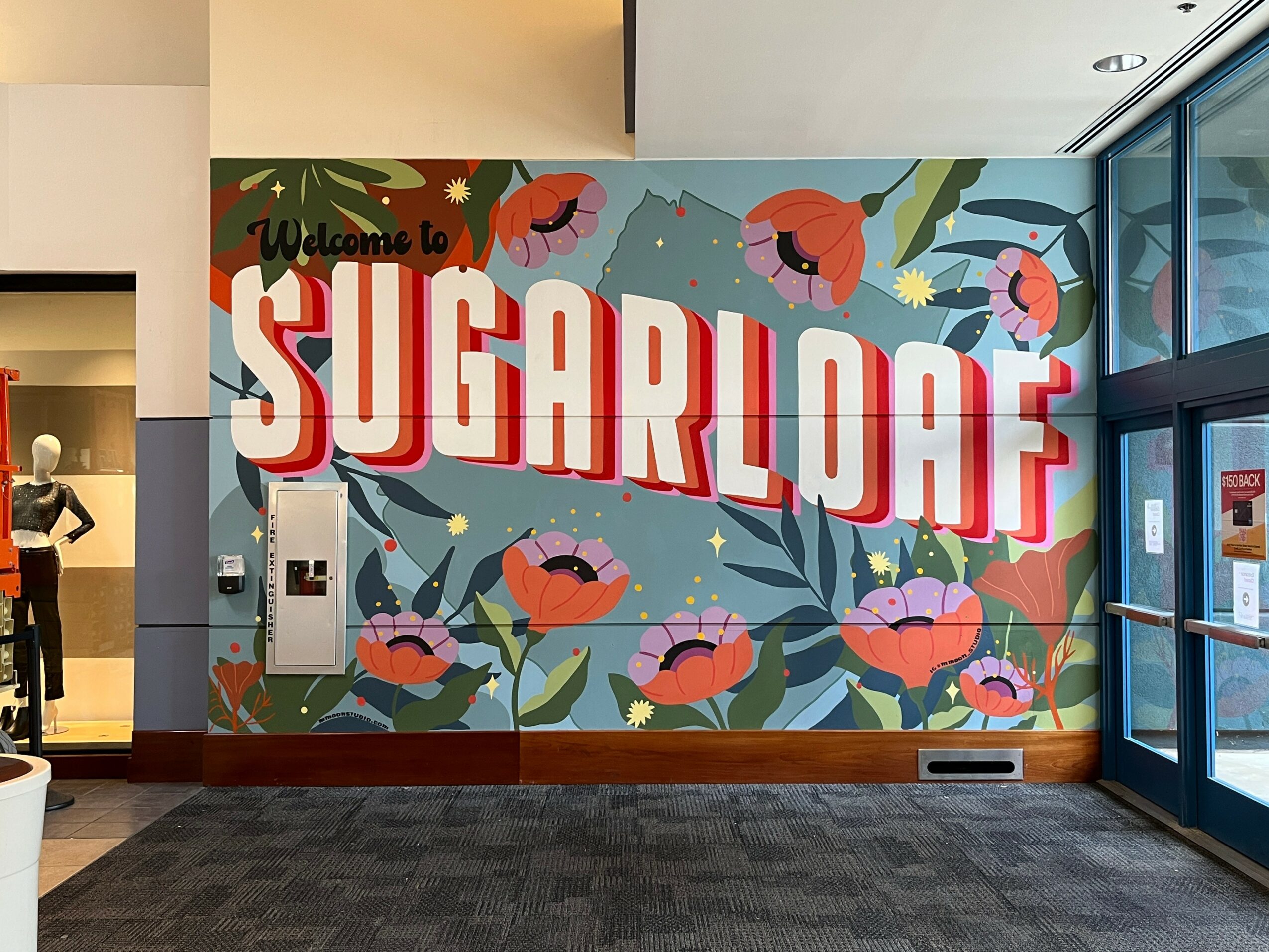
Michael Moon Studio specializes in murals, public art, hand-painted graphics and signage, large-format printing, and custom artwork for commercial and public spaces. We work with cities, businesses, developers, designers, schools, hotels, and other organizations to turn ideas and designs into finished artwork in real spaces.
My background is in Fine Art, so creativity and craftsmanship are still at the heart of what I do. At the same time, over the years I’ve learned the technical and practical side of large-scale projects—working on different surfaces, operating lifts and equipment, coordinating with contractors, managing installations, and finding solutions when conditions in the field don’t go exactly as planned.
I think that combination is what sets us apart. We are artists, but we also understand how to work in a commercial and construction environment. Whether we are creating an original mural or executing a design provided by an architect, designer, or client, we take pride in finding a way to bring the concept to life.
What I’m most proud of is seeing how far the studio has grown. We started with relatively small projects, and today we have the opportunity to work on large commercial and public art projects throughout Atlanta and beyond. But regardless of the size of the project, I still enjoy being hands-on and working alongside my team.
For me, the most rewarding part is seeing something that started as an idea or a drawing become part of a building, a neighborhood, or a community—and knowing that people may experience that work for years to come.
Do you have any advice for those just starting out?
My advice would be not to wait until you feel completely ready. You probably never will. Take opportunities, try things, and don’t be afraid of challenges that are a little outside your comfort zone. Some of the most important things I’ve learned came from projects I wasn’t completely sure how to handle when I first accepted them.
At the same time, take every project seriously, no matter how small it is. A small project can lead to a relationship, a referral, or an opportunity you never expected. A lot of our growth happened that way.
I also wish I had understood earlier that talent alone is not enough. Especially as a creative professional, being reliable, communicating well, keeping your word, and building good relationships with clients and the people you work with are just as important as the quality of your artwork.
And finally, don’t be too discouraged by mistakes. You will make them. Learn from them, take responsibility when necessary, find a solution, and move forward. Looking back, some of the most difficult experiences have probably taught me the most.
Pricing:
- Custom mural projects typically start around $2,000–$3,000 for smaller projects.
- Larger commercial and exterior murals are generally priced based on square footage, design complexity, surface conditions, accessibility, and equipment requirements.
Contact Info:
- Website: https://www.mmoonstudio.com
- Instagram: https://www.instagram.com/mmoon_studio/
- Facebook: https://www.facebook.com/mmoonartist
- Youtube: https://www.youtube.com/@michaelmoonstudio9648
Popular
-

Hidden Gems: Local Businesses & Creatives You Should Know
-

ATL’s Most Inspiring Stories
-

Portraits of Atlanta
-

Dr. Hildiah Martin-Suggs Is Building Second Chances for Youth Who Were Almost Lost in the System
-
From Showing Up to Seeing His Face on a Billboard: Anthony Green Is Just Getting Started
-

Wayne Smith Jr on Survival, Psychological Thrillers, and the Cost of Staying Alive