





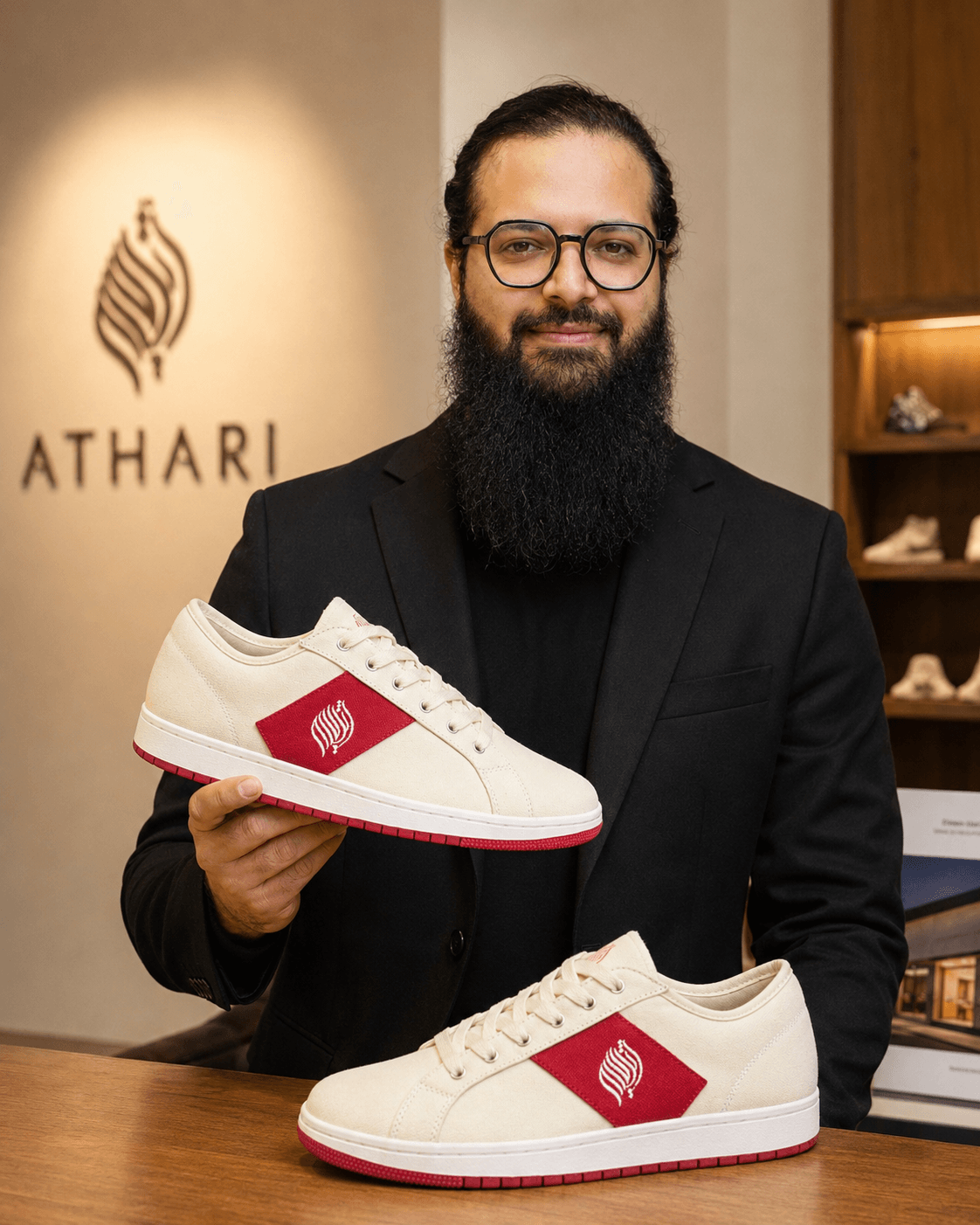
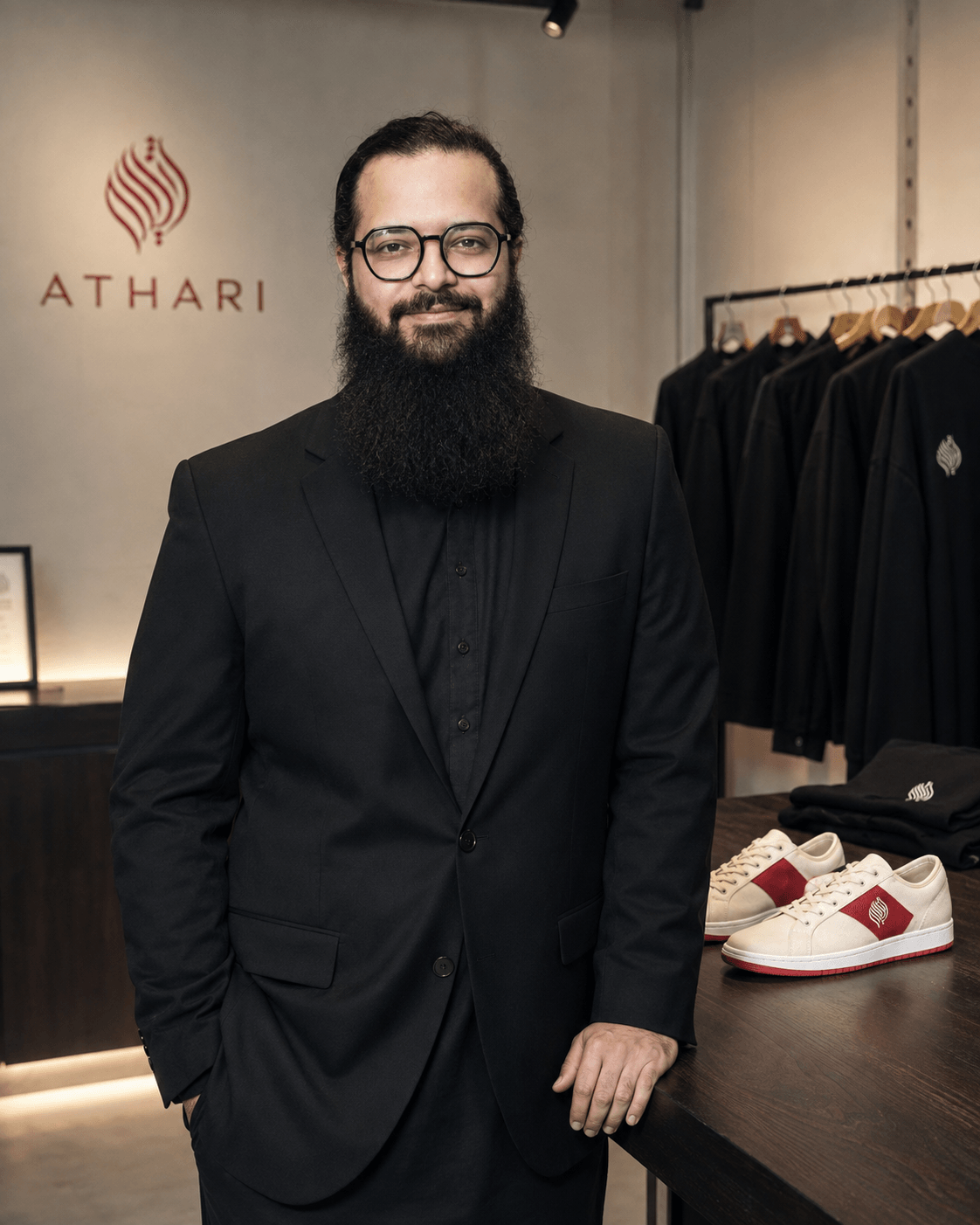
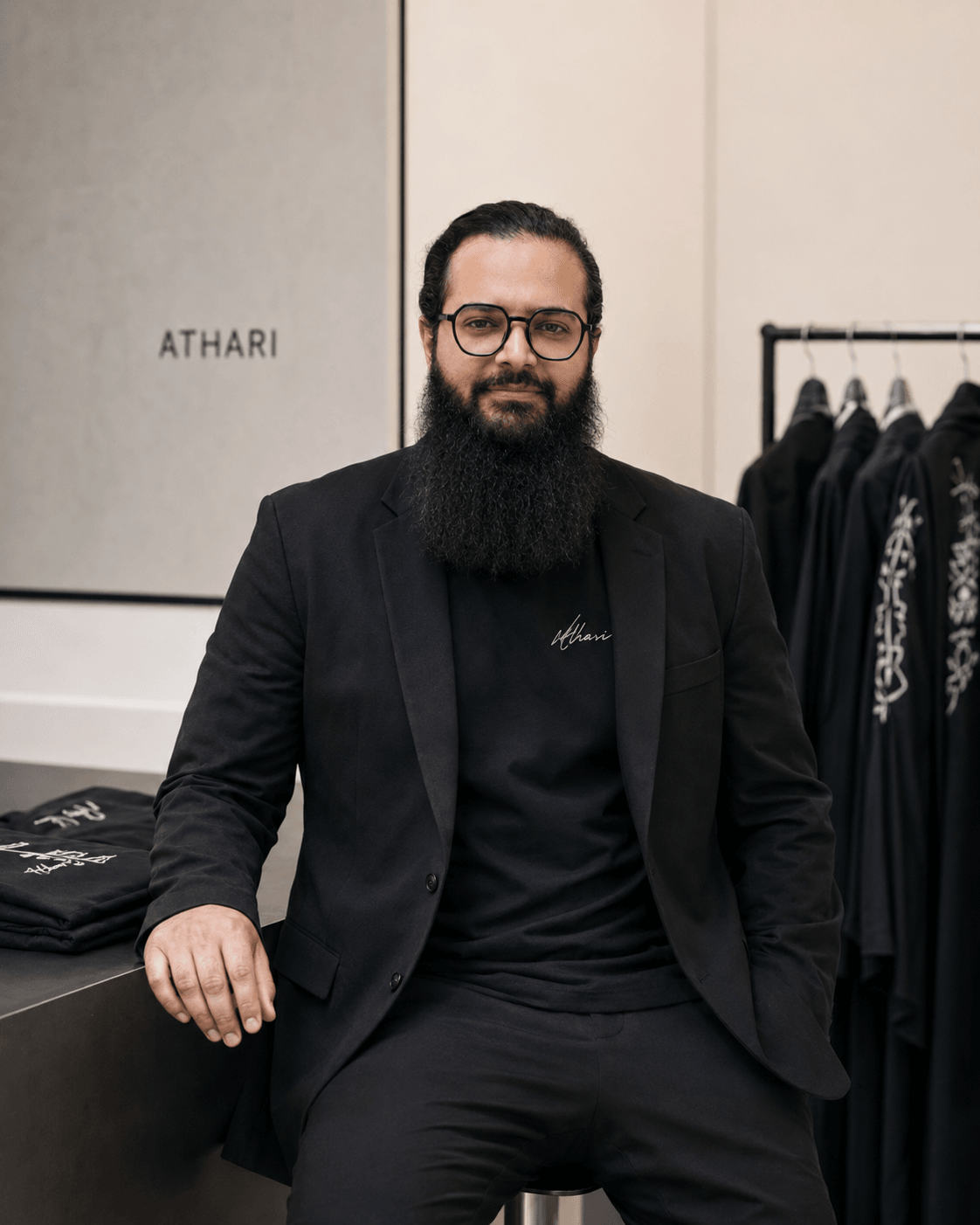
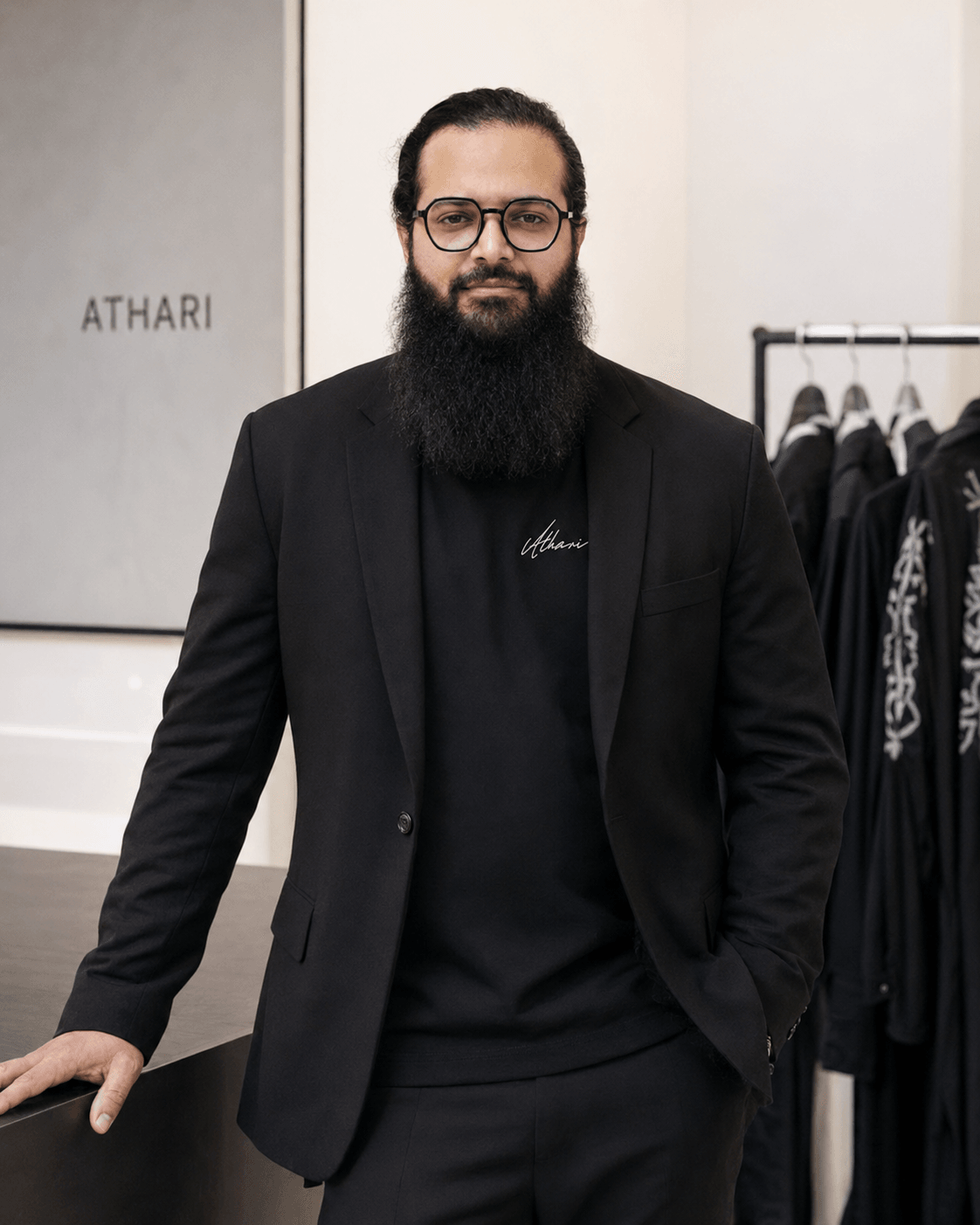
Today we’d like to introduce you to Islam El-Hoseiny.
Hi Islam, thanks for joining us today. We’d love for you to start by introducing yourself.
My story has never really followed a straight line.
I’m an Egyptian-American entrepreneur and designer, born in Newark, New Jersey and raised in Jersey City. From an early age, I was drawn to creativity, design, culture, and the idea of building something that could leave a real impact. I studied graphic design at the Art Institute of New York and later continued my education in fashion at Parsons, eventually building a career in the fashion industry.
For years, I worked behind the scenes in fashion, learning everything I could about design, branding, product development, production, and the business side of the industry. But one of the biggest turning points in my life came when I found myself in a position where advancing professionally would have required me to compromise some of my personal and religious principles. I chose not to.
That decision ultimately cost me my position, but it also pushed me toward entrepreneurship.
Instead of allowing that chapter to define the end of my career, I decided to build something of my own. That became Athari Wear.
Athari was created with the belief that fashion could be more than just clothing or sneakers. It could carry identity, history, conviction, and a message. I wanted to create a brand that reflected people who often felt overlooked by mainstream fashion while still designing products that could resonate universally.
I started small, doing much of the work myself: designing products, developing concepts, building the brand, attending events, speaking directly with customers, managing production, and figuring things out along the way. There was no perfect roadmap.
Over time, Athari began growing from an idea into a recognizable independent brand. We expanded into footwear, apparel, collaborations, cultural storytelling, and purpose-driven products. Some of our strongest growth came organically through our community, conventions, social media, word of mouth, and customers who connected deeply with what the brand represented.
The journey has included plenty of setbacks, financial pressure, manufacturing challenges, risks, personal sacrifices, and moments where walking away would have probably been easier. Entrepreneurship has taught me that progress rarely looks as glamorous behind the scenes as it does once people see the finished product.
But I kept building.
Today, my vision has grown beyond one brand. I’m developing PRIVÉE Global as a broader creative and business umbrella for Athari Wear and other brands and concepts I’ve been building or acquiring across fashion, footwear, beauty, fragrance, and lifestyle.
What keeps me motivated is not simply the idea of building successful companies. I want to build things that mean something: brands with identity, principles, stories, and products that people genuinely connect with.
I still consider myself very much in the middle of the journey. There is a lot more I want to accomplish, but when I look back at where everything started, some of the moments that initially felt like setbacks were actually the moments that redirected my entire life.
Sometimes the door closing behind you is what finally forces you to build your own.
Can you talk to us a bit about the challenges and lessons you’ve learned along the way. Looking back would you say it’s been easy or smooth in retrospect?
It has definitely not been a smooth road.
There have been periods where I lost significant amounts of money, made bad business decisions, trusted the wrong people, and learned some very expensive lessons. I have been ripped off, scammed, cheated in business, and put in situations where people took advantage of my trust, inexperience, or willingness to give them the benefit of the doubt.
There were also times when the financial pressure became extremely serious. I dealt with major debt, cash flow problems, business expenses piling up, and moments where I genuinely did not know how I was going to keep everything moving.
At one point, I even experienced temporary homelessness.
That was one of the most humbling periods of my life because, from the outside, people may see someone building brands, creating products, traveling, attending events, or working on ambitious projects, but they do not always see what is happening behind the scenes. There were moments where I was trying to build a company while personally carrying an enormous amount of financial and emotional pressure.
Entrepreneurship has also taught me how painful it can be when your vision grows faster than your resources. You can see exactly what something could become, but not necessarily have the capital, infrastructure, team, or opportunities to execute it at the level you know it deserves.
I have dealt with failed deals, delayed manufacturing, production issues, people making promises they did not keep, partnerships that did not work out, inventory problems, legal challenges, personal sacrifices, and the reality that sometimes you can work incredibly hard and still lose money.
There have been several moments where starting over would have been easier than continuing.
But every one of those experiences changed how I operate. I became more careful about who I trust, more disciplined with money, more protective of my ideas, more knowledgeable about contracts and business relationships, and much more comfortable making difficult decisions.
I also learned that resilience is not always this dramatic moment where you suddenly feel inspired again. Sometimes resilience is simply waking up the next morning when everything went wrong the day before and continuing to work.
I do not romanticize the struggles. Some of them were extremely difficult, and some came with consequences that took years to recover from. But they also forced me to grow in ways that success alone probably never could have.
The biggest lesson I have learned is that failure is not always the opposite of progress. Sometimes the losses, mistakes, betrayals, and setbacks are exactly what prepare you to handle the opportunities that come later.
I am still building, still learning, and still recovering from certain decisions and setbacks along the way. But I think that is also an important part of my story. I did not arrive here because everything worked out perfectly. I am here because, even when things fell apart, I kept finding a way to continue.
Thanks – so what else should our readers know about Athari Wear?
Athari Wear is a purpose-driven fashion and footwear brand built around identity, culture, conviction, and storytelling.
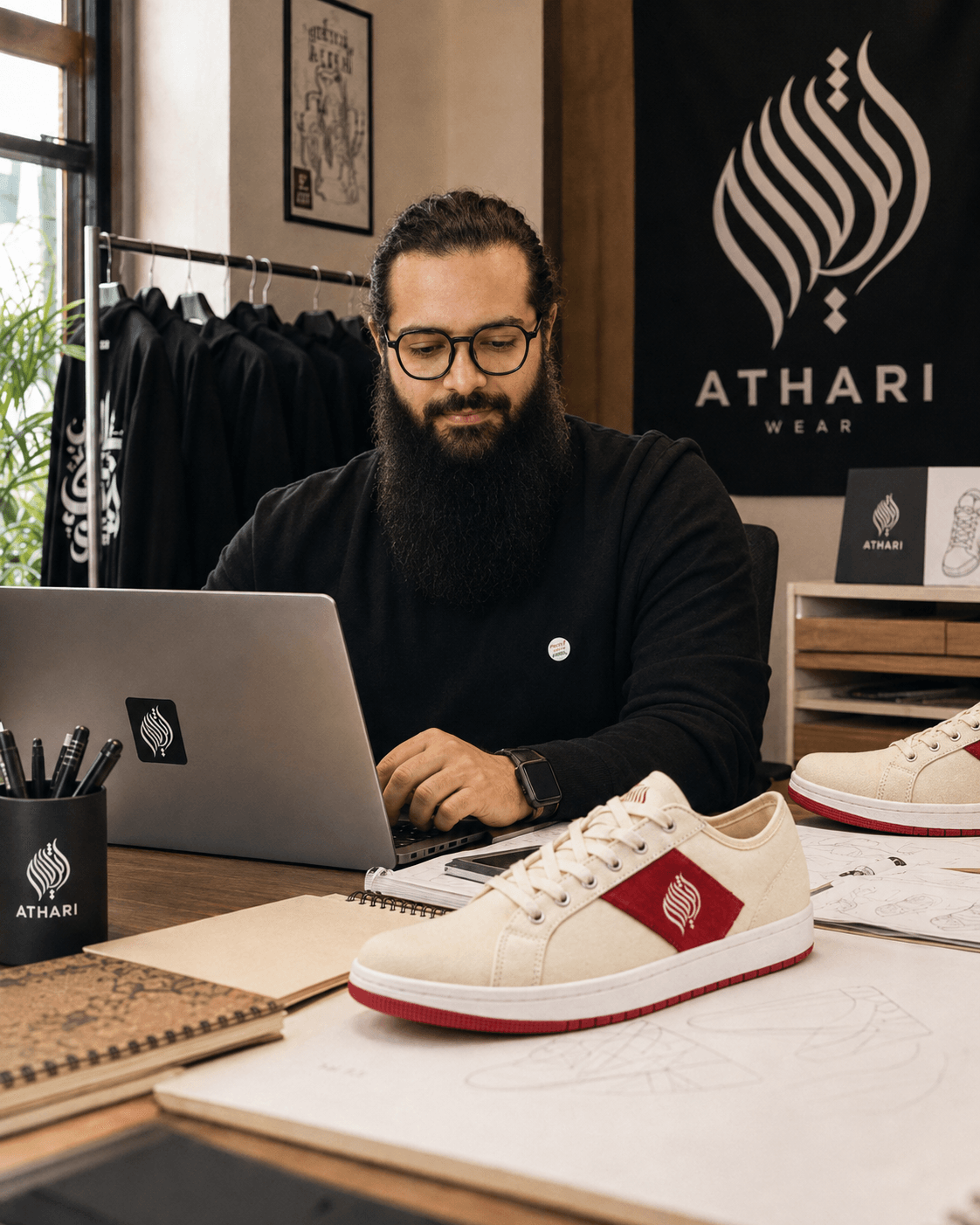
We specialize in creating sneakers, apparel, and lifestyle products that carry meaning beyond the product itself. A lot of what we do is rooted in history, faith, resilience, culture, and causes that matter to the communities we serve. At the same time, I have always wanted the designs to stand on their own creatively, so someone can connect with the product aesthetically even before they understand the deeper story behind it.
What sets Athari apart is that we are not simply putting graphics on clothing or releasing products based on trends. We try to build a full narrative around what we create. Whether it is a sneaker, a jacket, a shirt, or a collaboration, there is usually a reason behind the colors, materials, wording, symbols, and overall concept.
Footwear has become one of the strongest parts of our identity. Building an independent sneaker brand is extremely difficult because of the development costs, manufacturing, molds, minimum quantities, logistics, and competition from some of the largest companies in the world. Being able to create original footwear and see people genuinely connect with it has been one of the things I am most proud of.
I am also proud that Athari has been able to grow without abandoning its principles. We have created products connected to Palestinian identity and resilience, worked on culturally meaningful collaborations, supported charitable causes through certain releases, and tried to show that a brand can have strong values without sacrificing design or quality.
Another thing that separates us is how closely we listen to our community. A lot of the brand has grown organically through customers, conventions, social media, word of mouth, and people who feel personally connected to what Athari represents. That relationship is extremely important to me because I never wanted the brand to feel like a corporation talking at people. I wanted it to feel like something people could actually see themselves in.
Athari is also evolving beyond just one category. We continue to develop footwear and apparel, but the larger vision includes collaborations, fragrance, lifestyle products, and additional brands and concepts under PRIVÉE Global.
What I want readers to understand most is that Athari is still being built. We are not trying to imitate what already exists. The goal is to create something with its own identity and eventually build a globally recognized company that proves purpose, culture, creativity, and strong business can exist together.
Brand-wise, I am probably most proud of the fact that people do not just buy Athari because they need another shirt or pair of sneakers. Many of them connect with what the product represents.
For me, that is when a brand becomes more than a product.
Who else deserves credit in your story?
First and foremost, I give credit to God. My faith has been the foundation that kept me grounded through some of the hardest periods of my life and business. There were many moments when circumstances did not make sense, opportunities disappeared, money was lost, or things seemed completely stalled, but I continued believing that there was a larger purpose behind the process.
I have also been fortunate to have my lovely wife close to me who supported me during periods when the business was far from glamorous, as well as some family members and friends. Some supported me emotionally, some encouraged me when I was ready to walk away, and others simply believed in the vision before there was much evidence that it would work. That kind of support matters more than people realize.
I also have to give a great deal of credit to our customers and the Athari community. They have played one of the biggest roles in the growth of the brand. Many of our customers have become true advocates. They wear the products, share them, recommend us to others, attend our events, give feedback, and continue supporting the brand release after release. Athari has grown largely through genuine community support and word of mouth, and I never take that for granted.
Throughout the journey, I have also worked with talented designers, manufacturers, creatives, photographers, event organizers, athletes, public figures, collaborators, business partners, and others who have contributed in different ways. Some helped us reach new audiences, some provided knowledge I did not have at the time, and others helped bring ideas that existed only in my head into physical products.
Interestingly, I would also give some credit to the people who doubted me, rejected me, or even took advantage of me along the way. I obviously would not wish those experiences on anyone, but they taught me lessons about business, contracts, trust, money, leadership, and human nature that I probably would not have learned in a classroom.
I have never really had one traditional mentor who guided the entire journey from beginning to end. A lot of my education came from experience, mistakes, observation, conversations with people who were further along than me, and simply being willing to ask questions and learn.
Most importantly, I am grateful for everyone who believed in Athari when it was still just an idea. When someone spends their money on something you created, wears it proudly, tells someone else about it, or says that the message behind the brand means something to them, that is a form of support that goes far beyond a transaction.
So while I may be the founder, the story of Athari has always been bigger than one person.
Contact Info:
- Website: https://athariwear.com/
- Instagram: https://www.instagram.com/islamartsnyc/
- Facebook: https://www.facebook.com/athariwear/
- LinkedIn: https://www.linkedin.com/in/islam-el-hoseiny-a4153725/
Popular
-

Hidden Gems: Local Businesses & Creatives You Should Know
-

ATL’s Most Inspiring Stories
-

Portraits of Atlanta
-

Dr. Hildiah Martin-Suggs Is Building Second Chances for Youth Who Were Almost Lost in the System
-

From Showing Up to Seeing His Face on a Billboard: Anthony Green Is Just Getting Started
-

Wayne Smith Jr on Survival, Psychological Thrillers, and the Cost of Staying Alive