





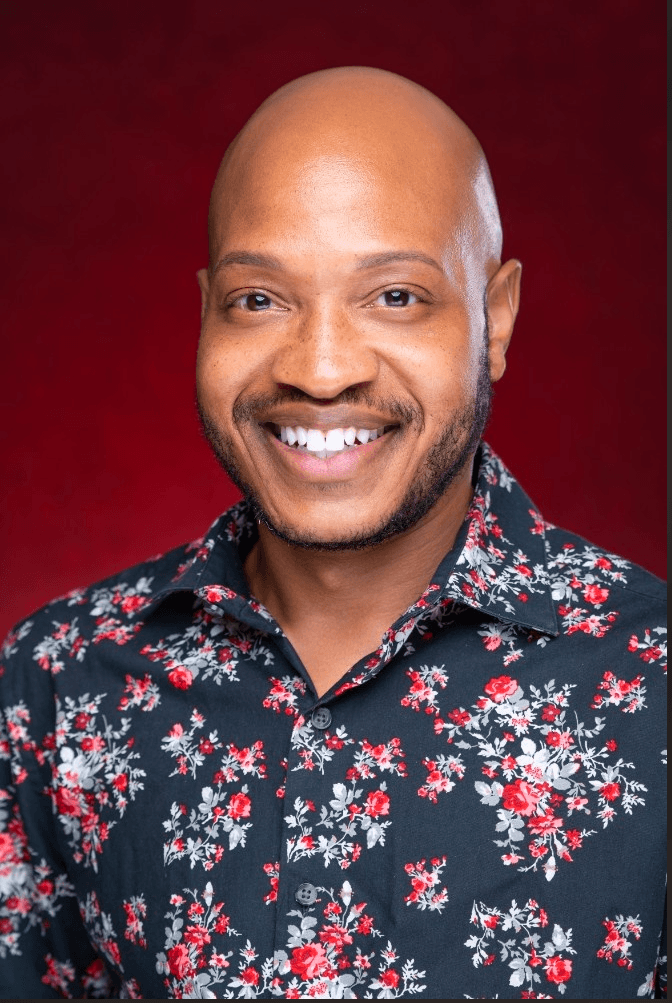
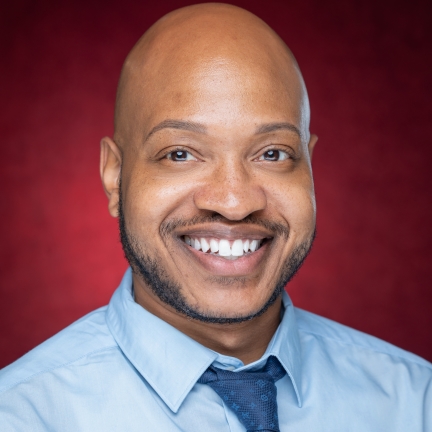
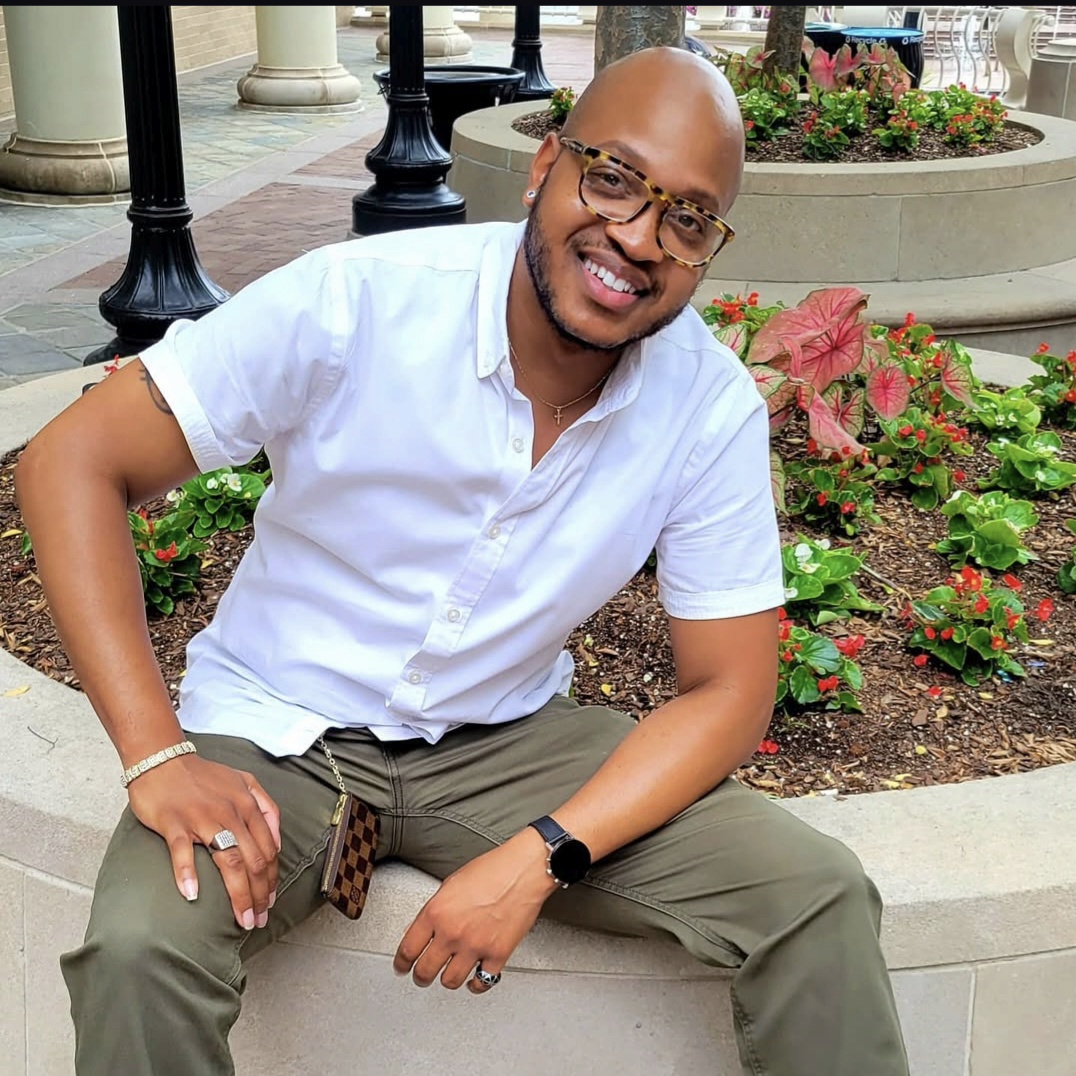
Today we’d like to introduce you to Michael Roberson.
Hi Michael, so excited to have you on the platform. So before we get into questions about your work-life, maybe you can bring our readers up to speed on your story and how you got to where you are today?
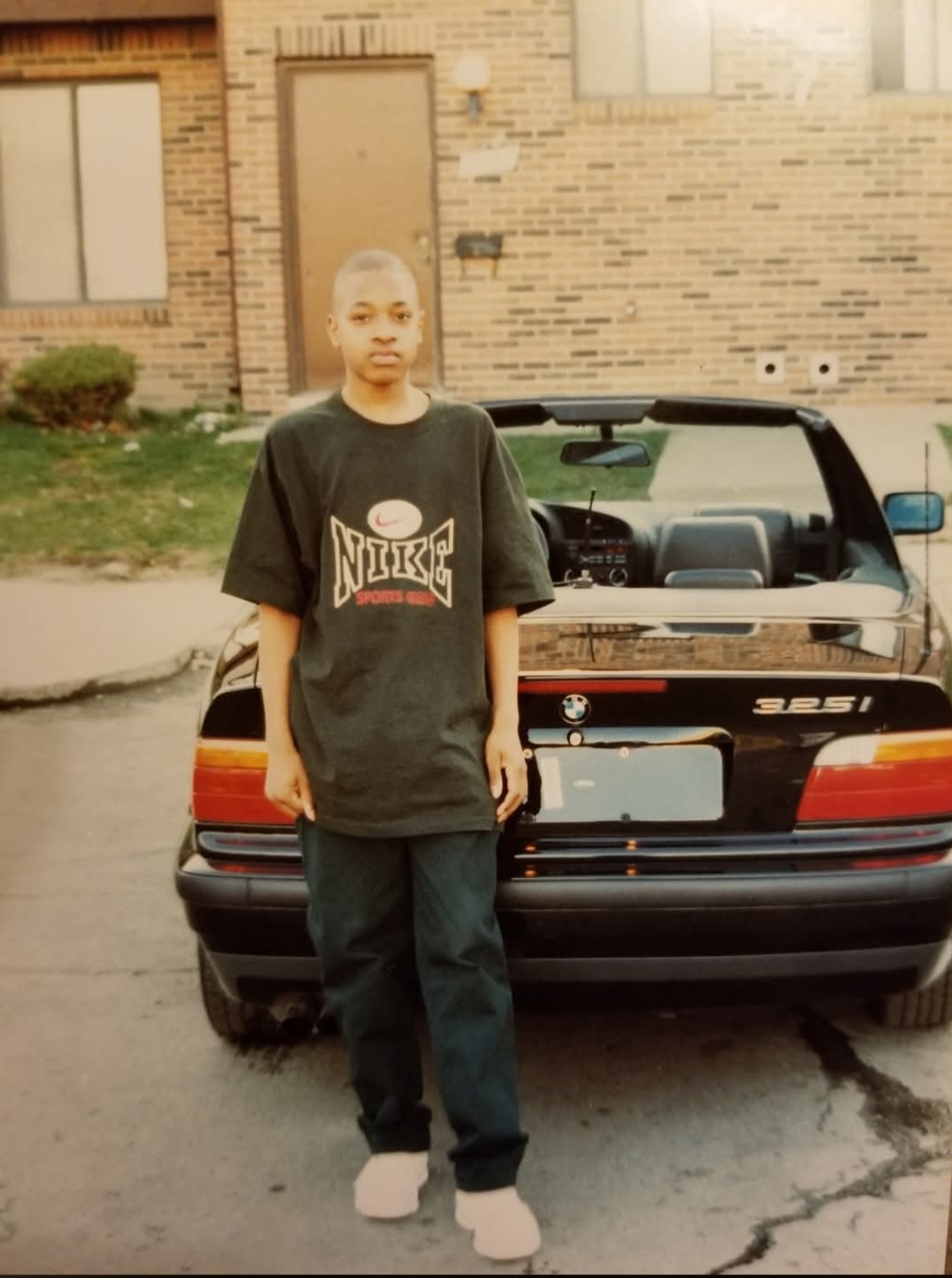
I grew up in Inkster, Michigan, just outside Detroit, in a world held together by the gravity of three powerful grandmothers and the rhythmic, high-gloss pews of a basement church. Early on, church was where I learned my first lessons in leadership—watching a choir director pull harmony from a hundred different voices. But it was also where I learned the unwritten rules of survival. In an environment where masculinity followed a rigid, narrow script, I learned to monitor my laugh, keep my hands still, and edit who I was before stepping off the porch. For a long time, the assignment felt clear: survive the room first, and ask who you are later.
For years, I lived in a suit that simply did not fit—trying to reconcile being Black, gay, and Christian while carrying the heavy expectations of community, faith, and family. My twenties were a masterclass in resilience. I navigated deep personal losses, bankruptcy, and starting over in the DMV area with little more than a bed and an unyielding will to rebuild.
The turning point was realizing that God never asked me to disappear in order to be loved. Rather than running from the rubble of my past, I used it to design a blueprint for my future. I advanced through retail leadership into corporate operations in Washington, D.C., eventually stepping into my authority as an operations leader and Certified Life Coach.
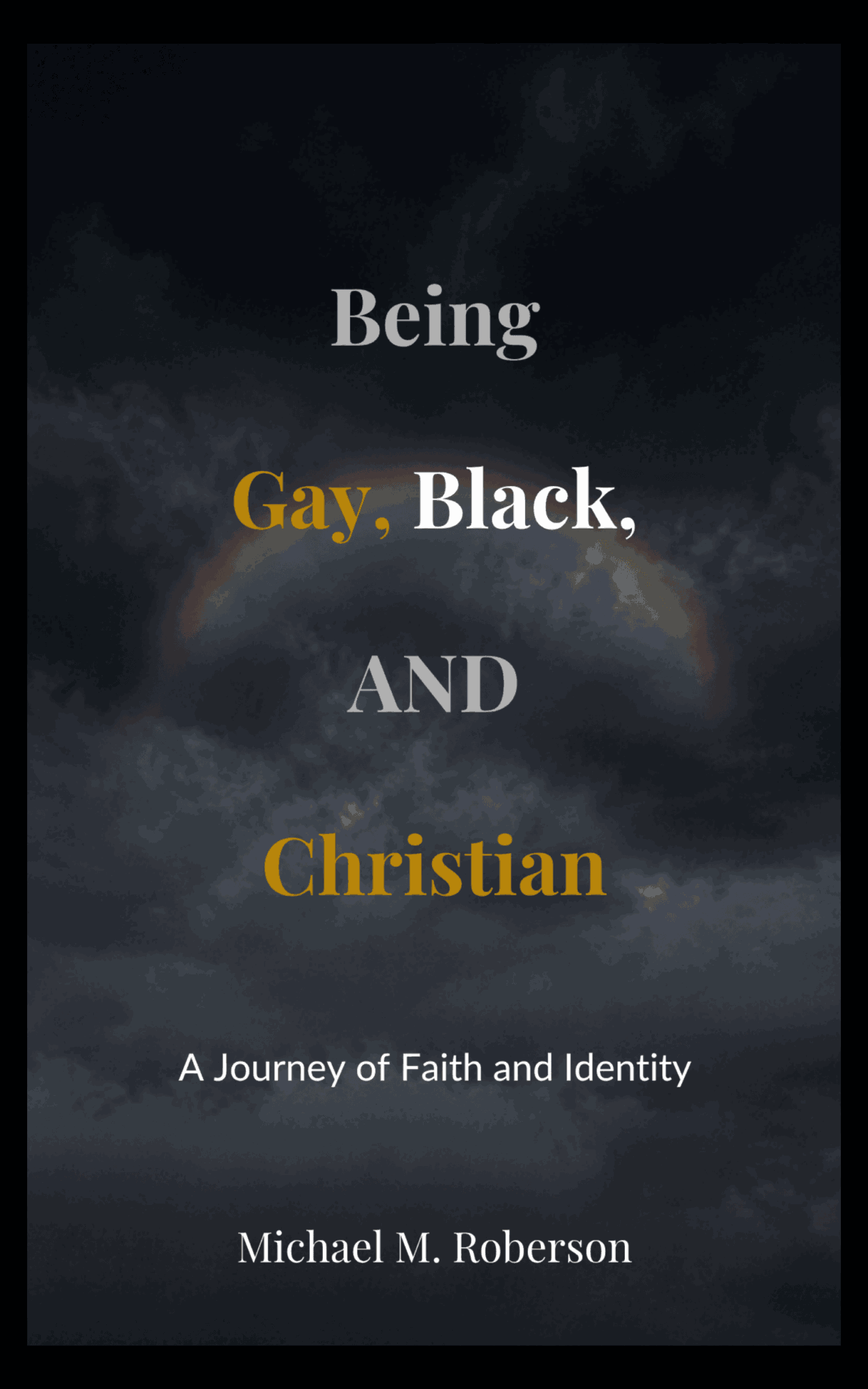
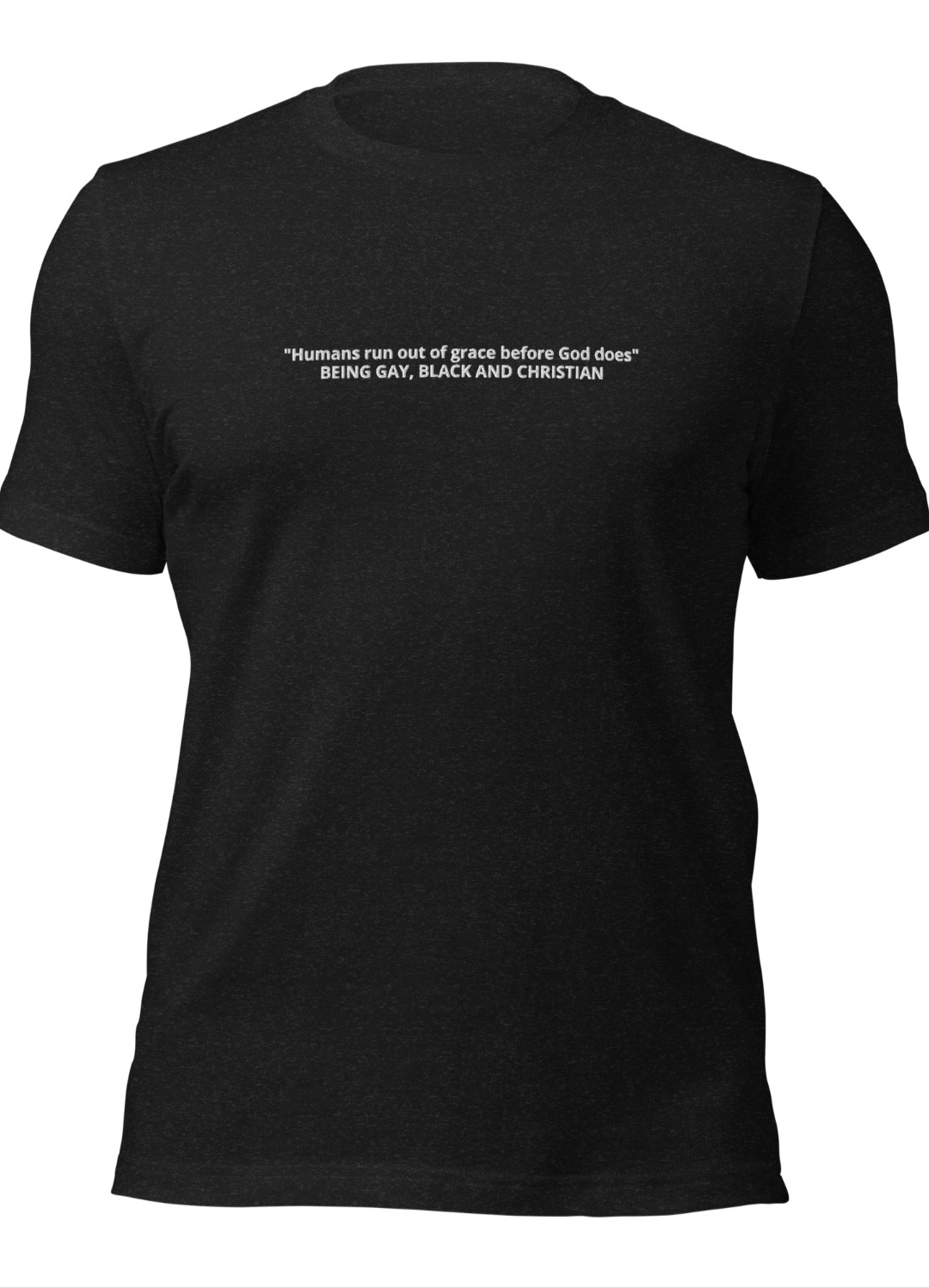
My debut memoir, Being Gay, Black, and Christian: A Journey of Faith and Identity, documents that exact evolution. Today, through my writing and my practice at Jus Us Life Coaching, my mission is simple: to help leaders and everyday people dismantle the restrictive codes they’ve inherited, stop living a split reality, and realize it is entirely possible to build a house that can hold all of who you are.
Would you say it’s been a smooth road, and if not what are some of the biggest challenges you’ve faced along the way?
The road was anything but smooth; the greatest initial challenge was dismantling the restrictive code I had carried for decades. Living at the intersection of being Black, gay, and Christian meant constantly negotiating between my spiritual home and my authentic reality.
When I finally broke free of that mold, life demanded a different kind of resilience. My twenties and early thirties brought significant personal and financial trials. I faced the deep grief of losing my mother, survived a devastating bankruptcy, and navigated legal and professional hurdles that threatened to define me. When I relocated to the Washington, D.C. area, I was essentially starting over—sleeping on an air mattress, commuting by train, and piecing my life back together one step at a time.
The obstacle was never just the lack of money or a safety net; it was refusing to let those hardships convince me I had to live a diminished life. I learned to treat bankruptcy not as a moral failing, but as paperwork—a clearing of the rubble so I could build on solid ground. Every setback became an education in operational discipline, radical self-accountability, and grace. The hurdles taught me that God never asked me to disappear to be loved, and that resilience isn’t about never falling—it’s about having the audacity to build a house that can hold all of who you are.
Thanks for sharing that. So, maybe next you can tell us a bit more about your business?
At the core of my work is helping people and organizations stop operating from a fragmented place and start building an architecture of unedited wholeness. My career operates at the intersection of executive leadership, transformational life coaching, and literary storytelling.
Professionally, I serve as a Corporate Operations Leader in Washington, D.C., bringing over fifteen years of experience managing complex campus systems, high-stakes environments, and operational frameworks. In operations, you learn how to look at broken structures, audit what isn’t functioning, and systematically rebuild with clarity and discipline.
That same operational rigor shapes Jus Us Life Coaching, my private practice dedicated to partnering with leaders, creatives, and individuals undergoing profound life pivots. I don’t believe in rigid formulas or superficial corporate slides. Instead, I provide a grounded space for clients to reconcile their intersecting identities, dismantle outmoded expectations they’ve inherited, and step confidently into their authority without compromising their core values.
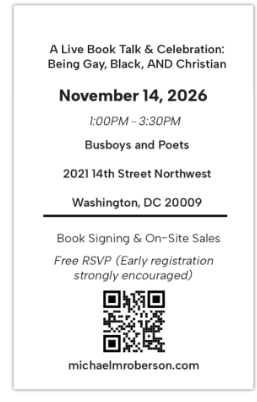
My upcoming debut memoir, Being Gay, Black, and Christian: A Journey of Faith and Identity, serves as the foundational blueprint for this work. Releasing on November 10, 2026, the book explores progressive spiritual reconciliation and identity integration. What sets my work apart is its proof of concept: I don’t teach theory. Every framework I offer comes from the lived experience of surviving bankruptcy, grief, and cultural pressure, proving that authenticity, spiritual peace, and corporate excellence can powerfully coexist.
Do you have any advice for those looking to network or find a mentor?
I’ve learned that mentorship rarely arrives wrapped in a formal corporate package; it often shows up through the people who challenge how you move through the world.
My earliest foundation came from my three grandmothers—The Aretha, The Patti, and The Bridge—who taught me emotional resilience and how to carry myself with dignity. My father served as an essential early mentor in poise, teaching me that composure is an asset and that if you don’t design the room, you will be trapped by its walls. In the leaner years of my childhood, his favorite cousin became my witness—teaching me forgiveness, stepping into the gaps, and giving me the sense that I was worth looking after.
Professionally, my turning point came in retail management when a senior store manager saw past the sales counter and noticed how I led people and solved problems. She didn’t just offer advice; she sponsored my growth, recruited me directly, and expanded my operational scope overnight. Later in life, mentors like Pastor Dr. Delman Coates helped me deconstruct religious dogma and build a spiritual framework rooted in grace.
Finding a mentor isn’t about chasing someone with a prestigious title. It’s about building genuine relationships with people whose character and operational standards you respect, proving your work ethic on the ground, and staying teachable enough to let their guidance expand your capacity.
Contact Info:
- Website: https://michaelmroberson.com
- Instagram: https://www.instagram.com/onlytakes1yes/
- Facebook: https://www.facebook.com/profile.php?id=61591486862778
- Other: https://www.tiktok.com/@blackgaychristianwrites

Popular
-

Hidden Gems: Local Businesses & Creatives You Should Know
-

ATL’s Most Inspiring Stories
-

Portraits of Atlanta
-
Dr. Hildiah Martin-Suggs Is Building Second Chances for Youth Who Were Almost Lost in the System
-

From Showing Up to Seeing His Face on a Billboard: Anthony Green Is Just Getting Started
-

Wayne Smith Jr on Survival, Psychological Thrillers, and the Cost of Staying Alive