




Today we’d like to introduce you to Alexis Kambria.
Hi Alexis, please kick things off for us with an introduction to yourself and your story.
My story starts in a place that, in many ways, could have easily defined the trajectory of my life—but I refused to let it.
I was born in Augusta, Georgia, under complicated and painful circumstances. My mother was still in high school when she had me, and I was conceived as a result of a sexual assault she experienced. Because of her circumstances, I was ultimately raised by another young woman from our neighborhood who was only a couple of years older than my mother. She became the person I called “Mom,” and that became my family structure.
I grew up in a poor neighborhood where crime, addiction, and alcoholism were part of the environment around me. Unfortunately, home wasn’t always a refuge from that environment. My upbringing was extremely tumultuous. I experienced physical, verbal, emotional, and psychological abuse, and there were many times when home simply didn’t feel like a safe place.
At school, I was an intelligent but very shy and timid girl. I didn’t have much confidence in myself, and I struggled with the way I saw myself. I was teased frequently about my complexion and was made to feel as though being dark-skinned was something negative. One experience that has stayed with me happened when I was in eighth grade. A male substitute teacher pointed at me in front of the class and said, “Your new nickname is Midnight.” The entire class laughed. I remember laughing along with them, even though I was hurt and embarrassed on the inside. By that point, I had become so accustomed to being the butt of jokes that pretending something didn’t hurt felt easier than letting anyone know that it did.
There were many times when I wished I looked different. I thought I was ugly. I wished I were lighter-skinned. I didn’t yet understand that so much of what I believed about myself had been shaped by other people’s cruelty and by an environment that didn’t teach me how to see my own worth.
College was a major turning point for me. Pursuing my bachelor’s degree gave me an opportunity to step outside of the environment I had known for so long. I began to come out of my shell, discover who I was, and develop confidence. I started realizing that I had a voice, that I was capable, and that I didn’t have to remain the timid girl I had been growing up.
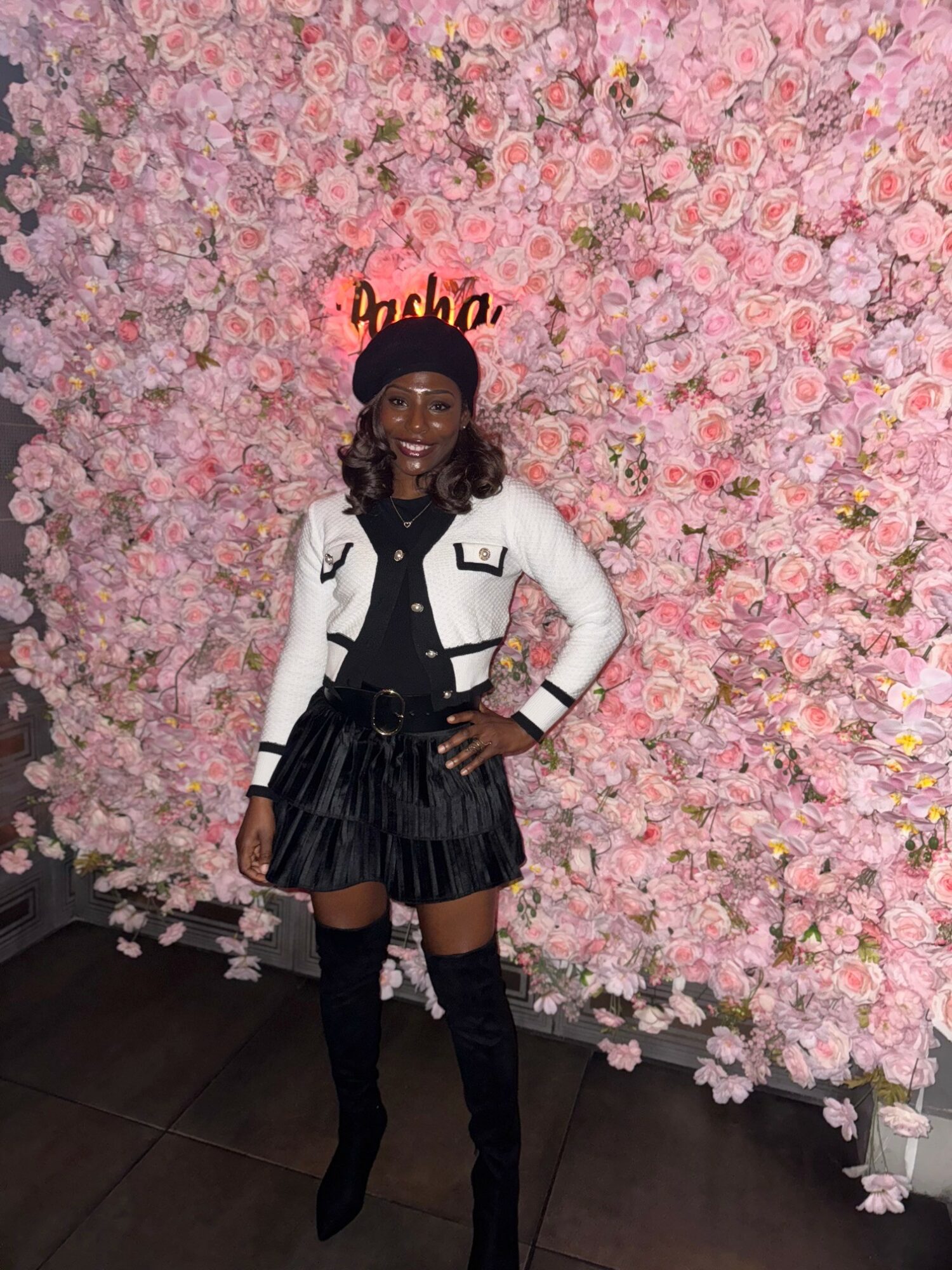
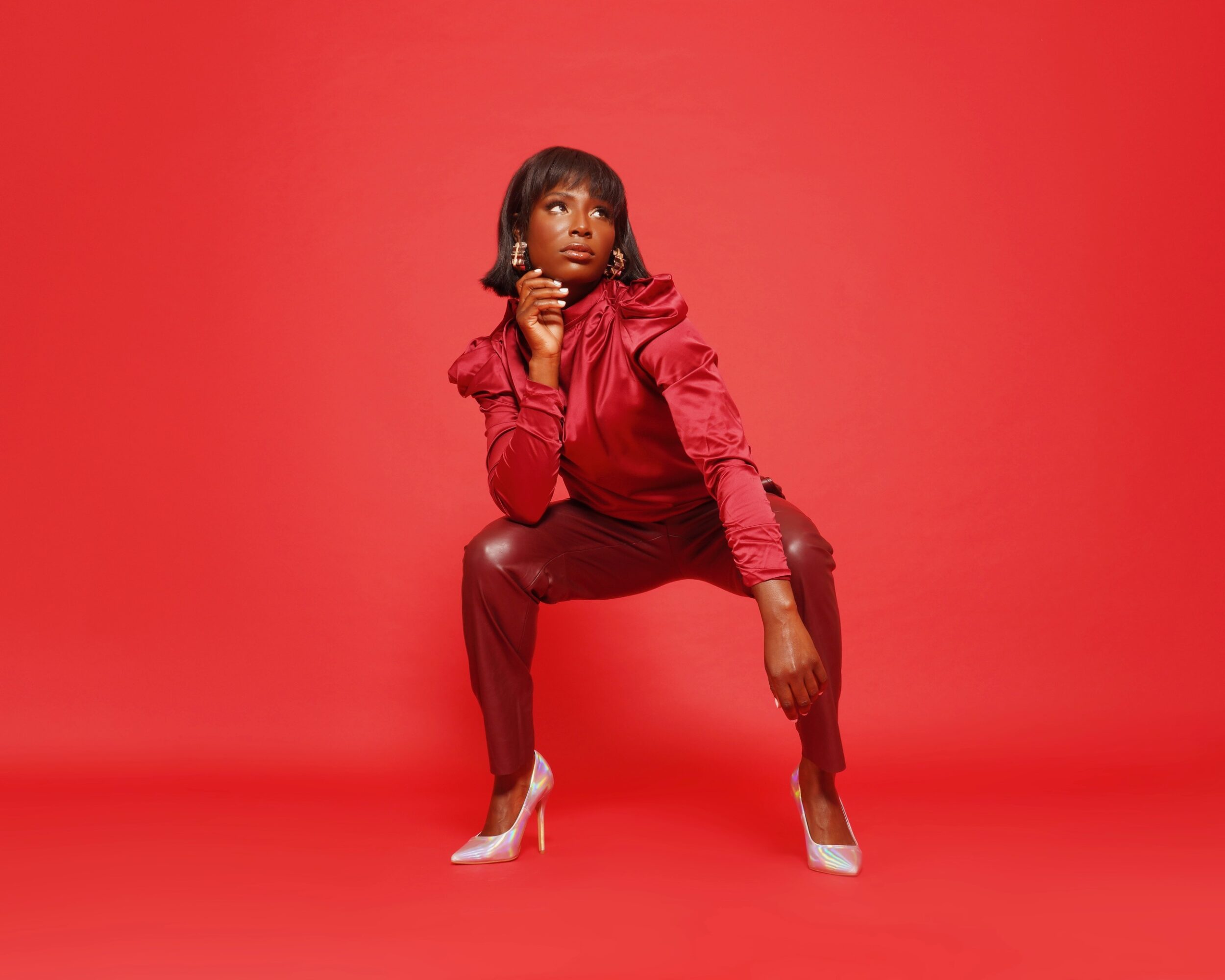
Interestingly, modeling had always been something I was drawn to. My friends would encourage me to try it, but I was far too shy and self-conscious to seriously consider it. Then, during my final semester of college, I went through a particularly difficult breakup. I needed something that would help me rebuild some of the confidence I had lost and give me something positive to pour my energy into. That’s when I finally decided to give modeling a try.
What started as a way to get out of my head and regain some confidence eventually became a creative outlet that has remained a part of my life for roughly a decade. I’ve had periods where I’ve stepped away from modeling to focus on other priorities, particularly advancing my civilian and military careers, but I’ve always found my way back to it.
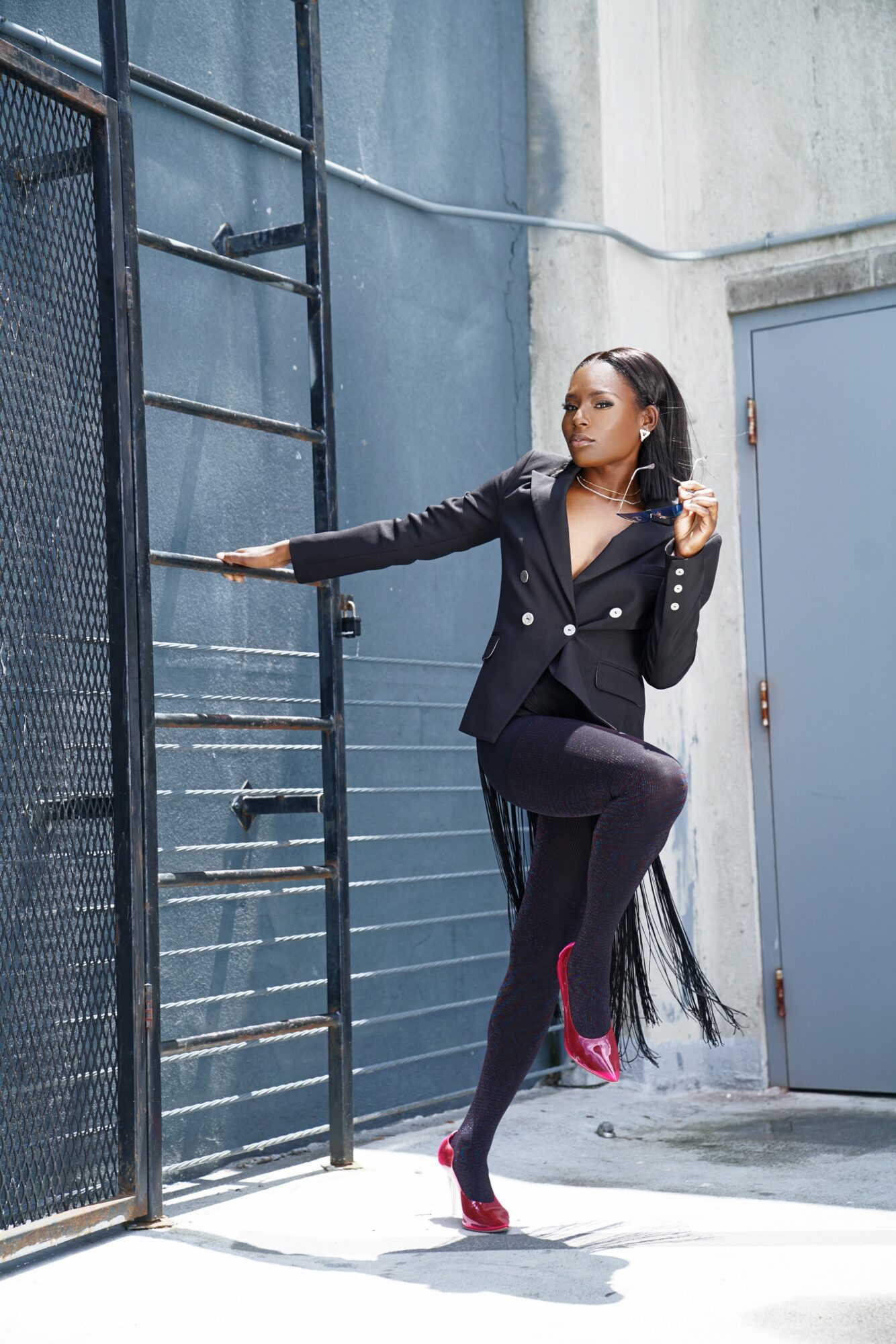
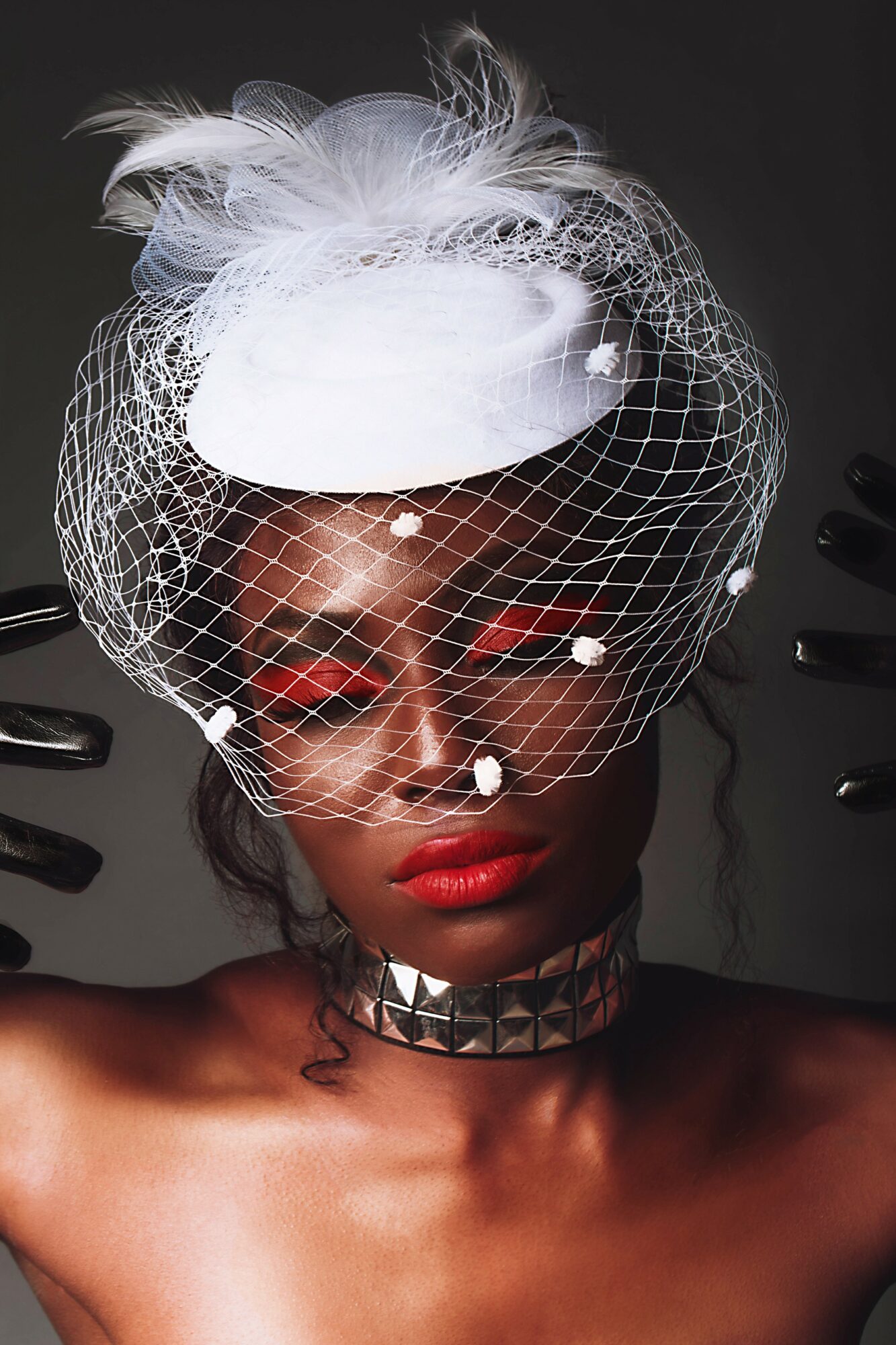
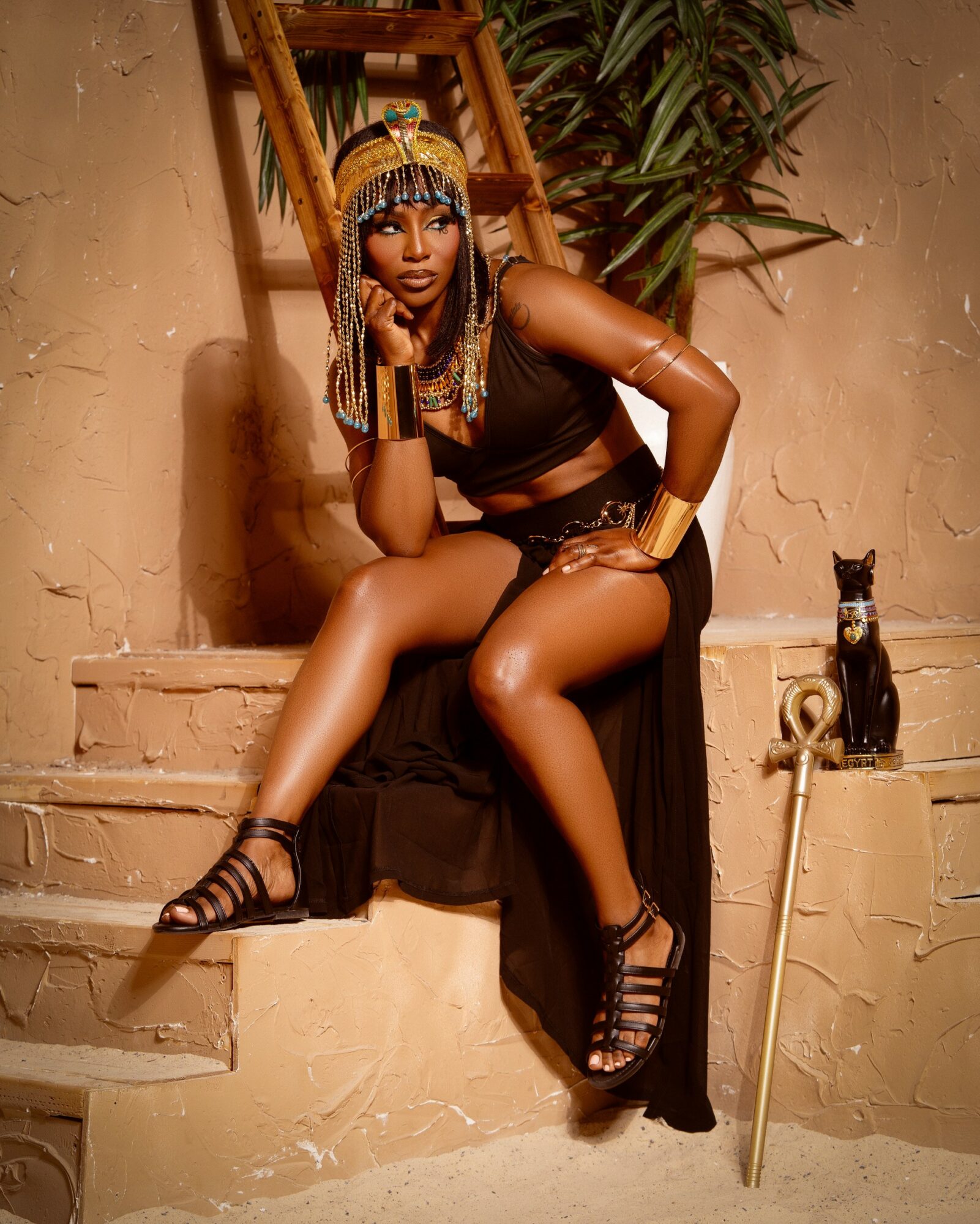
Today, I’m much more than the girl I once was. Outside of modeling, I’m a scientist and a soldier. Those parts of my life may seem very different from one another, but they each represent something important to me. Science represents my curiosity, intellect, and desire to understand and contribute. Military service represents discipline, resilience, responsibility, and service. Modeling allows me to express my creativity and, in many ways, celebrate the woman I’ve worked so hard to become.
Would you say it’s been a smooth road, and if not what are some of the biggest challenges you’ve faced along the way?
It definitely hasn’t been a smooth road. I’ve had to overcome circumstances that could have easily convinced me that I wasn’t worthy, capable, beautiful, or deserving of good things. I’ve had to unlearn a lot of the negative things I was taught—both directly and indirectly—about myself.
But one of the greatest lessons I’ve learned is that where you come from doesn’t have to determine where you end up.
The little girl who once felt ashamed of her complexion, who laughed along with people who were hurting her feelings, and who struggled to see her own beauty could never have imagined the woman she would become. Today, I get to define myself on my own terms. I’m a scientist. I’m a soldier. I’m a model. I’m a woman who has survived difficult beginnings and continued to evolve.
And perhaps most importantly, I’ve learned that confidence isn’t something you’re necessarily born with. Sometimes, you have to build it—piece by piece—until one day you look back and realize that the person you were trying so hard to become has been inside of you all along.
Thanks for sharing that. So, maybe next you can tell us a bit more about your work?
Professionally, I have the unique experience of being both a scientist and a soldier, and I think both roles have shaped the way I approach my work.
As a scientist, I have been working in the laboratory science field for more than seven years. I began my career as a Laboratory Testing Technician and have progressively advanced into my current role as a Sr. Laboratory Quality Coordinator in a donor screening laboratory. My work is centered around laboratory quality, regulatory compliance, problem-solving, and continuous improvement.
In my current role, I help ensure that laboratory testing is performed accurately, consistently, and in accordance with regulatory and quality requirements. A significant part of my job involves reviewing laboratory test results and quality control data before results are released, making sure they are accurate, complete, and compliant with standards such as cGMP and CLIA.
I also spend a lot of time investigating issues that can affect laboratory quality. That can include unusual test results, deviations, documentation errors, or nonconforming materials. When problems are identified, I help determine what happened, why it happened, and what needs to be done to prevent it from happening again. I also help ensure that corrective and preventive actions, or CAPAs, are properly implemented and completed.
Another important part of my work is maintaining and improving our quality systems. I review and help maintain Standard Operating Procedures, evaluate documentation, support validation activities, and help ensure that laboratory processes remain aligned with FDA and company Quality Assurance requirements. I also participate in internal assessments and support external regulatory audits, which means constantly staying informed about industry standards and making sure the laboratory remains inspection-ready.
What I enjoy most about this work is that it requires both technical knowledge and critical thinking. I’m not just looking at whether something is right or wrong; I’m often looking at the bigger picture—identifying trends, understanding the root cause of problems, determining potential impacts, and finding ways to make a process better.
My military career has complemented my scientific career in ways I didn’t necessarily anticipate when I started either journey. Being a soldier has reinforced the importance of discipline, accountability, attention to detail, adaptability, and performing under pressure. Those qualities translate directly into laboratory quality, where small details can have significant consequences and where following established procedures is critical.
What I’m most proud of is the progression I’ve made. I started my laboratory career as a testing technician and have continued to grow professionally, taking on roles with increasing responsibility and accountability. That progression represents much more to me than simply moving up a career ladder. It reflects my willingness to learn, challenge myself, accept responsibility, and continually improve.
I think what sets me apart is the combination of experiences I bring to the table. I’m a scientist, but I’m also a soldier and a creative. I can be extremely analytical and process-oriented in the laboratory, disciplined and mission-focused in the military, and expressive and creative through modeling. Those different sides of me have taught me how to approach problems from different perspectives and how to adapt to very different environments.
I also understand what it means to build something from the ground up. I’ve had to work through a lot personally and professionally to become the person I am today. Because of that, I don’t take growth for granted. Whether I’m troubleshooting a quality issue, preparing for an audit, working with colleagues to improve a process, or taking on a new challenge in the military, I try to approach it with the same mindset: learn, adapt, solve the problem, and keep moving forward.
Ultimately, I’m proud that my career allows me to contribute to something bigger than myself. In the laboratory, the work we do plays an important role in protecting the integrity of the testing process and, ultimately, the people who depend on accurate results. In the military, I have another avenue through which I can serve. And through modeling, I have a creative outlet that allows me to express a completely different side of who I am.
Those paths may seem unrelated on the surface, but to me they all connect through one common theme: purpose. I want the work I do to matter, and I want to continue growing into someone who can make a meaningful impact wherever I serve.
Let’s talk about our city – what do you love? What do you not love?
Having lived in the Atlanta area for the past decade, I’ve really come to appreciate what makes the city so unique. What I love most about Atlanta is the people and the opportunities. It’s such a diverse and dynamic city, and I love that you can experience so many different cultures, perspectives, foods, and lifestyles all in one place.
Atlanta has a way of bringing people from different backgrounds together. There’s always something happening, whether it’s a new restaurant to try, a cultural event, a networking opportunity, or simply meeting someone with a completely different story from your own. Professionally, I’ve also appreciated the opportunities the Atlanta area has provided for me to grow and build my career. There’s a lot of ambition here, and I think that creates an environment where people are constantly being exposed to new possibilities.
If there’s one thing I could do without, though, it would definitely be the traffic! Atlanta traffic can be a nightmare. What might normally be a relatively short trip can turn into a much longer commute, and getting from one side of the city to another can sometimes feel like an entire expedition. It can definitely make commuting to work or traveling around the metro area feel cumbersome.
But even with the traffic, Atlanta has become home for me. After a decade here, I’ve developed a real appreciation for the city, its people, and the experiences and opportunities it has given me. Like any city, it has its challenges, but I think Atlanta’s diversity, energy, and sense of possibility are what make it such a special place to live.
Contact Info:
Popular
-

Hidden Gems: Local Businesses & Creatives You Should Know
-

ATL’s Most Inspiring Stories
-

Portraits of Atlanta
-
Peyten Williams Is Helping Parents Trade the Pressure of Perfect Parenting for Better Judgment
-

Dr. Hildiah Martin-Suggs Is Building Second Chances for Youth Who Were Almost Lost in the System
-

From Showing Up to Seeing His Face on a Billboard: Anthony Green Is Just Getting Started