




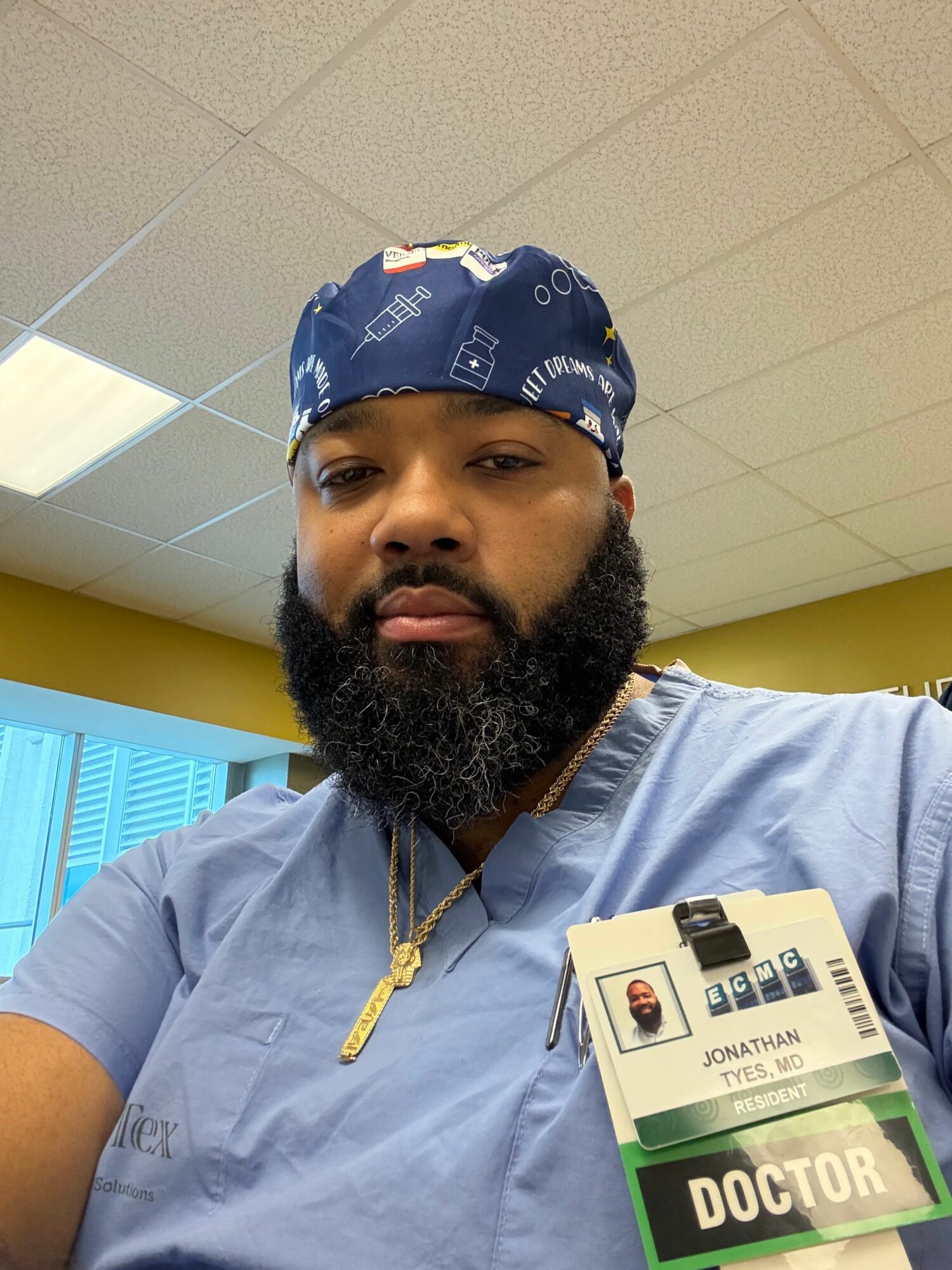
Today we’d like to introduce you to Jonathan Tyes, MD.
Hi Jonathan, so excited to have you on the platform. So before we get into questions about your work-life, maybe you can bring our readers up to speed on your story and how you got to where you are today?
My story has been anything but a straight line. I’m the oldest of ten siblings and a first-generation college graduate, so growing up, I didn’t have a roadmap for a lot of the things I wanted to accomplish. I just knew pretty early that I wanted more for myself, my family, and eventually my community. I was raised by my grandparents who gave me a wonderful foundation full of love and compassion and ultimately taught me to dream in color. They made me believe I could do anything through hard work and God’s help. They are the foundation of my faith, my work ethic and my success. Without them nothing I have accomplished would’ve been possible.
As a high school student I participated in a pre-college program called Granville Academy. I had no idea how impactful and lifechanging this program would be. The program was operated by several individuals, but two of whom would become mothers to me; the late Ms. Aisha Fraser and Mrs. Kathleen Collins. Aisha called me her first “man child” because at the time, she had no children but treated me like her own flesh and blood. When it was time for me to go off to Morehouse College, she purchased everything I needed, wrote a check to secure my housing, and rented truck to pack me up and take me to college. Quite simply, I would’ve never made it to Morehouse College if it were not for her. Mrs. Kathleen Collins who calls me “babycakes” is one of my other moms. She introduced me to her daughter and son-in-law who are Spelman and Morehouse College graduates, respectively. When I was a student at Morehouse, they basically took me in as their nephew and made sure that I had love, guidance and support for whatever I needed to make it through. Without them, I would not have completed my undergraduate journey which was anything but easy. From the time I started at Morehouse in 2005 until I officially graduated in 2015, 10 years had passed. I had to leave Morehouse after my grandmother passed away to go home and help raise my siblings. I spent several years working various jobs before finally completing my biology degree. Medical school was always my goal, but I had some work to do before I was truly ready.
Morehouse College really planted the seed for a lot of who I am today. Morehouse taught me that there’s a difference between being successful and being significant. It wasn’t enough to get an education, become a doctor, make money, and say, “I made it.” I felt like if I was fortunate enough to make it through certain doors, I had a responsibility to hold those doors open for somebody coming behind me. My entire existence is all about pouring into others. I created a Mini Medical School program to expose inner city youth to careers in medicine. This program took off rather quickly and ultimately opened doors and opportunities for me that I didn’t know existed.
Getting to medicine took some time. There were plenty of setbacks along the way, and there were definitely moments when becoming a physician felt much further away than I expected. But I kept going. I eventually completed the MEDPREP program at Southern Illinois University and went on to attend the University of Louisville School of Medicine.
Medical school challenged me in ways I never expected academically, mentally, and personally. I’ve failed at things more times than others have tried and I think that can be said for most people who are operating in their gift and their calling. The setbacks and failures shook me, but it also helped me figure out what kind of physician and person I wanted to be. I realized that I loved medicine, but I also really loved teaching, mentoring, and creating opportunities for other people. I graduated with my M.D. and a Distinction in Medical Education, was inducted into the Gold Humanism Honor Society, and today I’m an anesthesiology resident at the University at Buffalo.
But honestly, some of the work I’m most proud of has happened outside of the hospital.
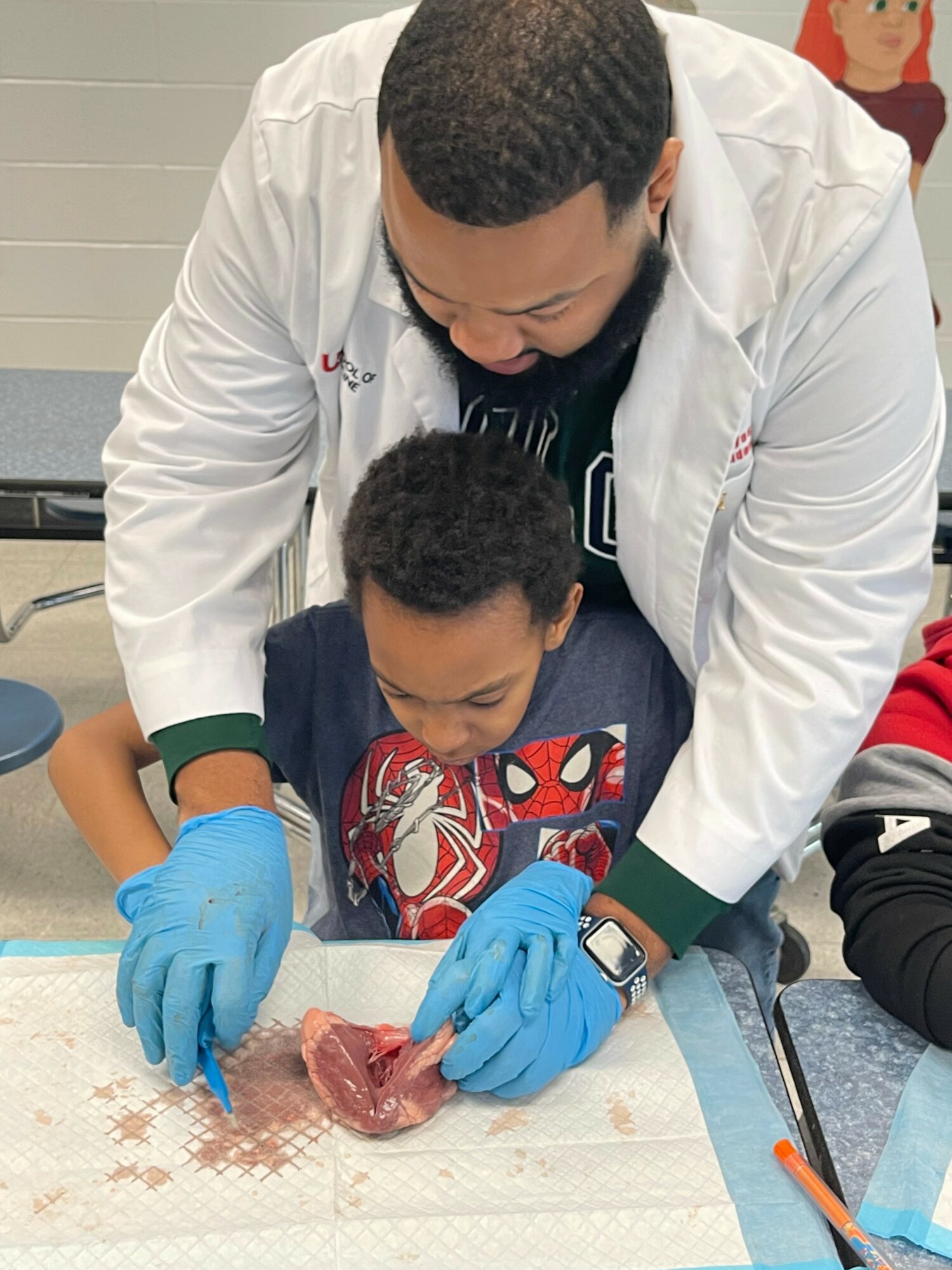
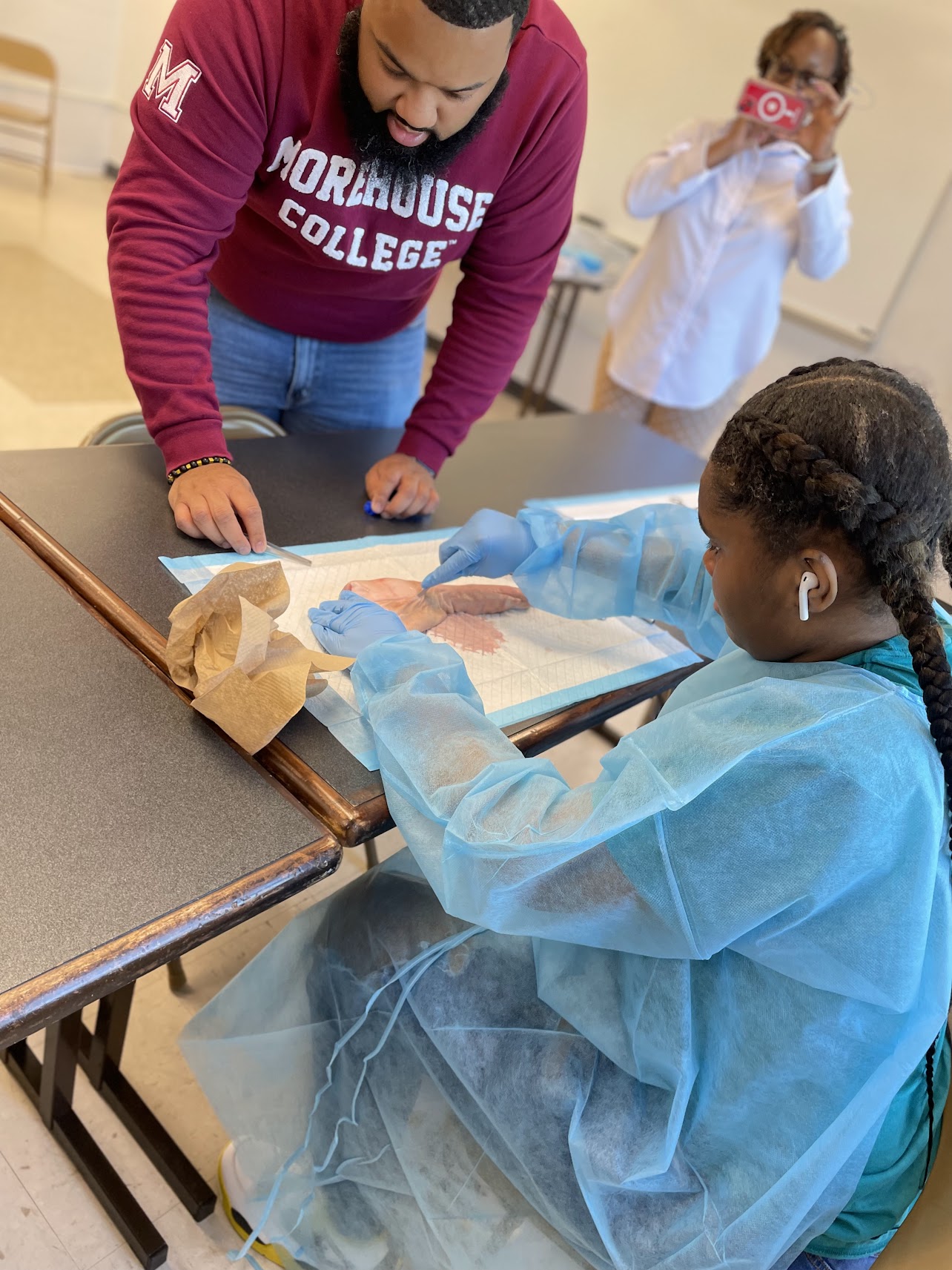
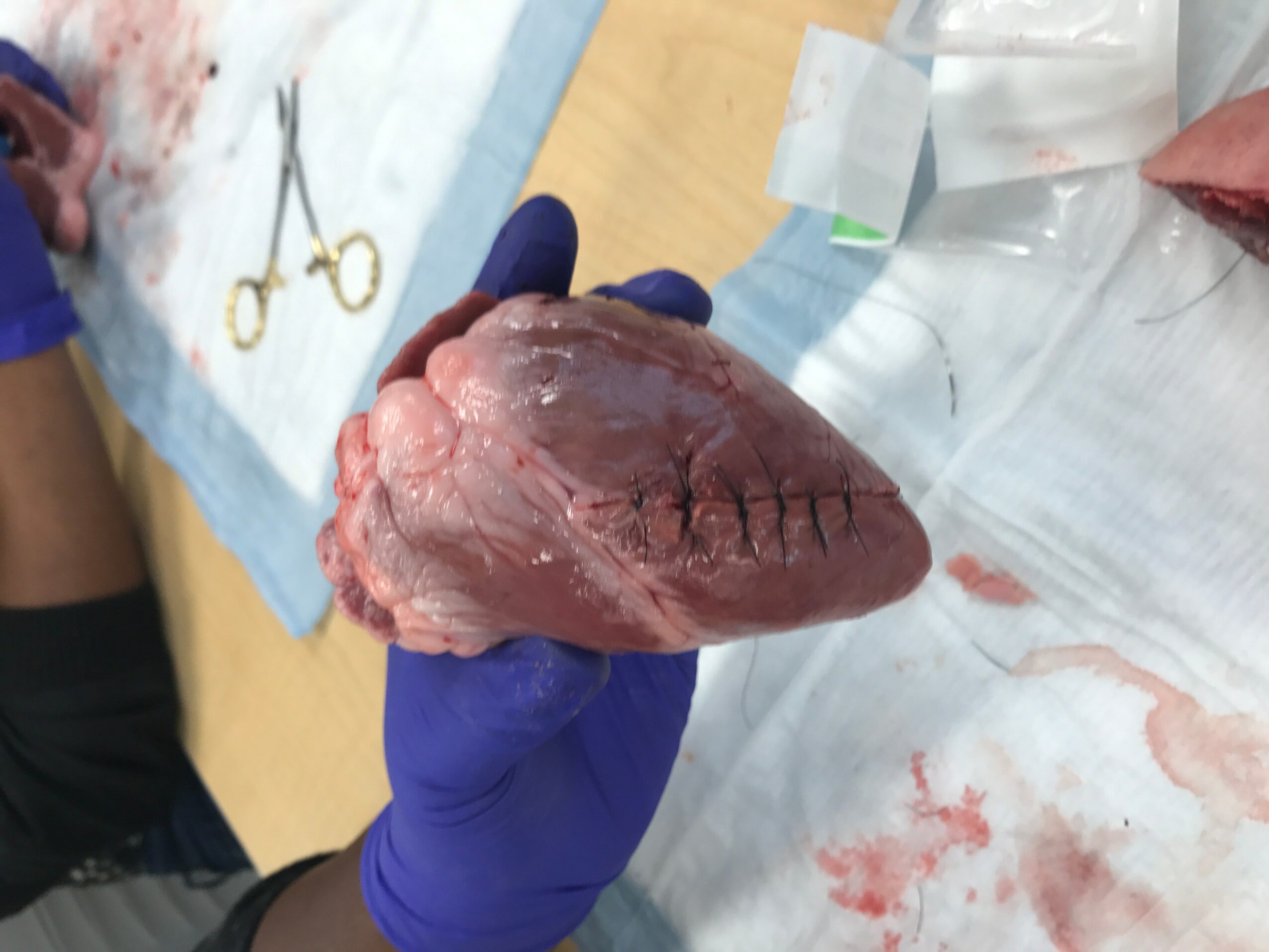
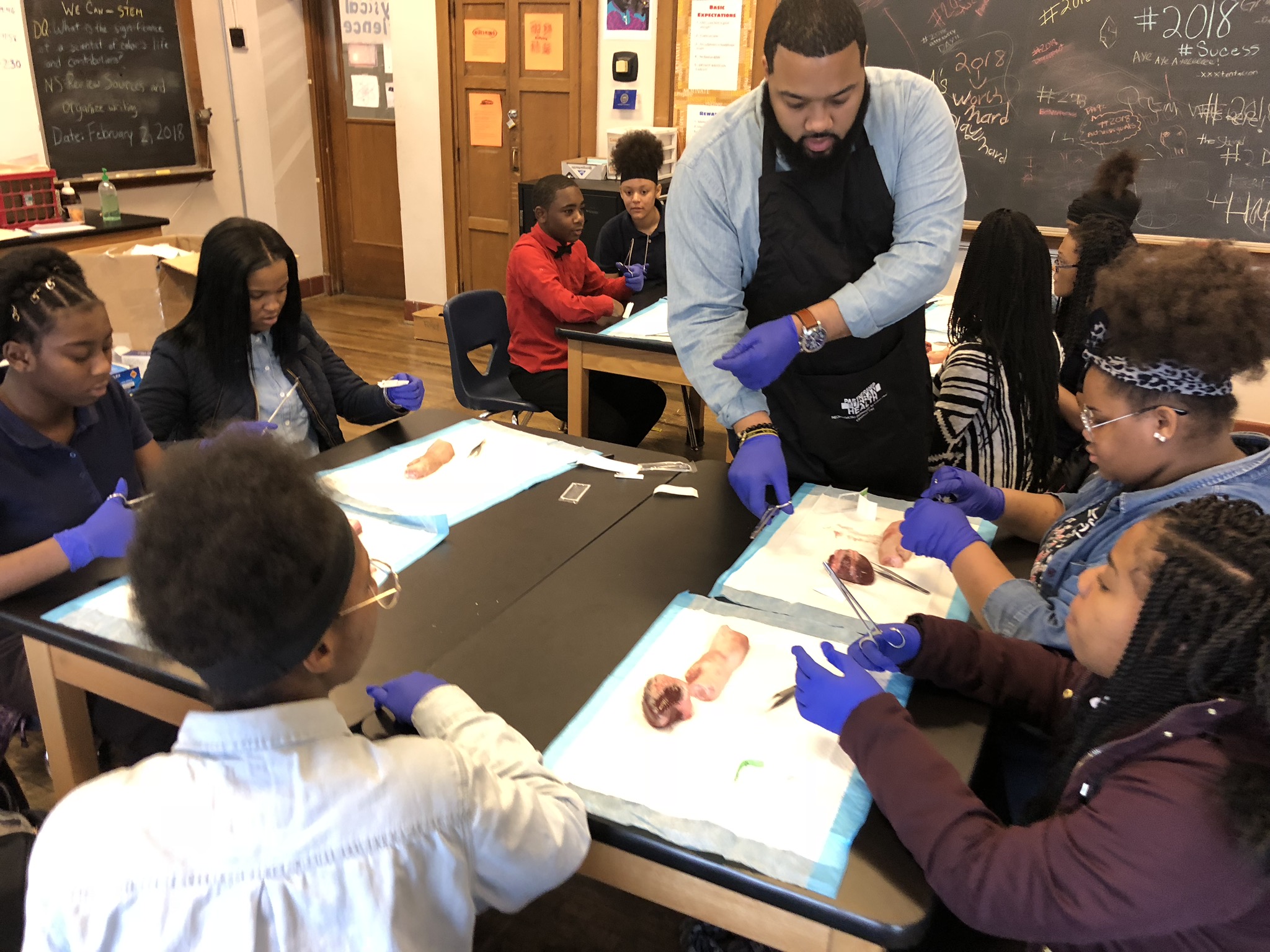
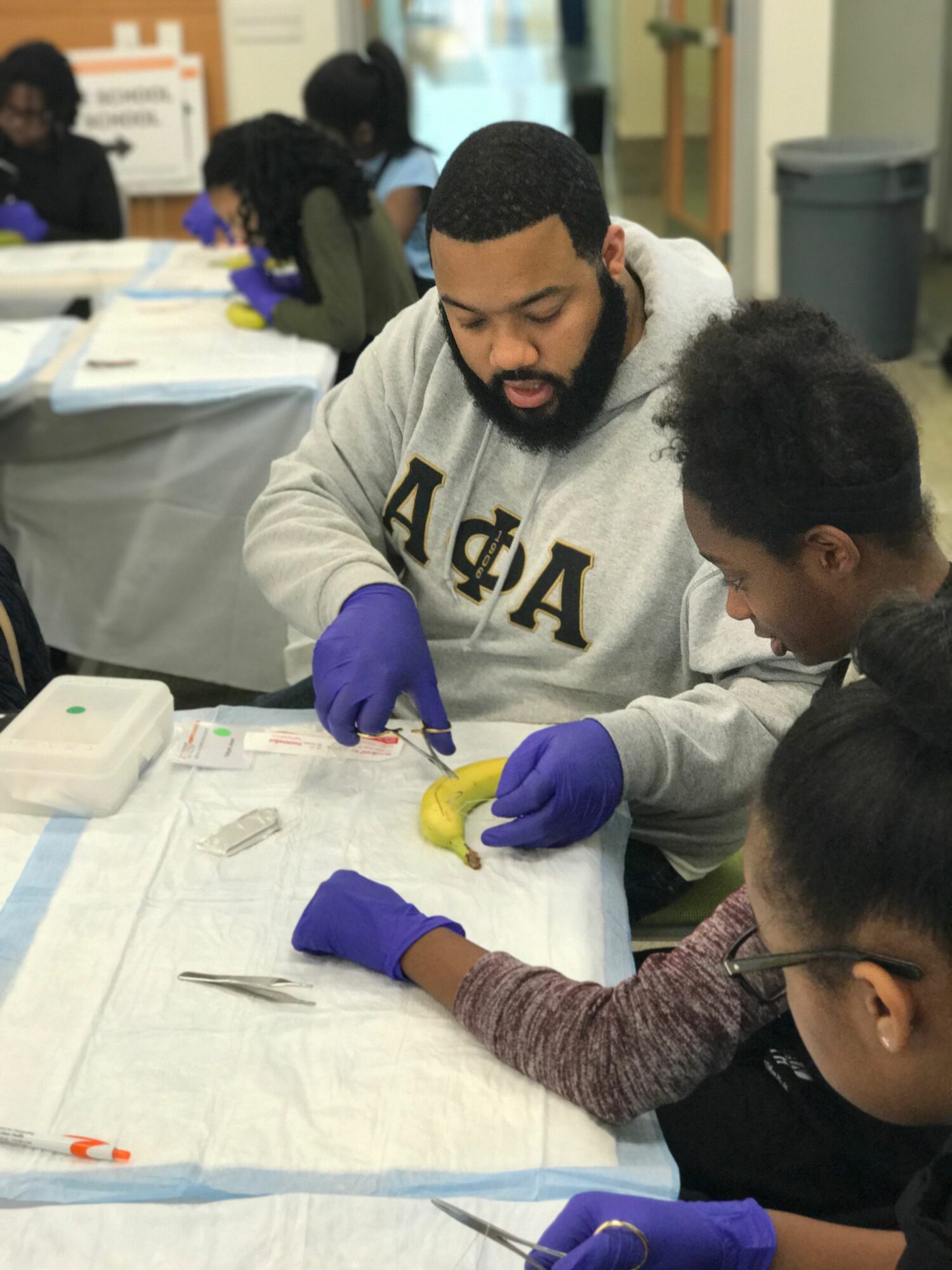
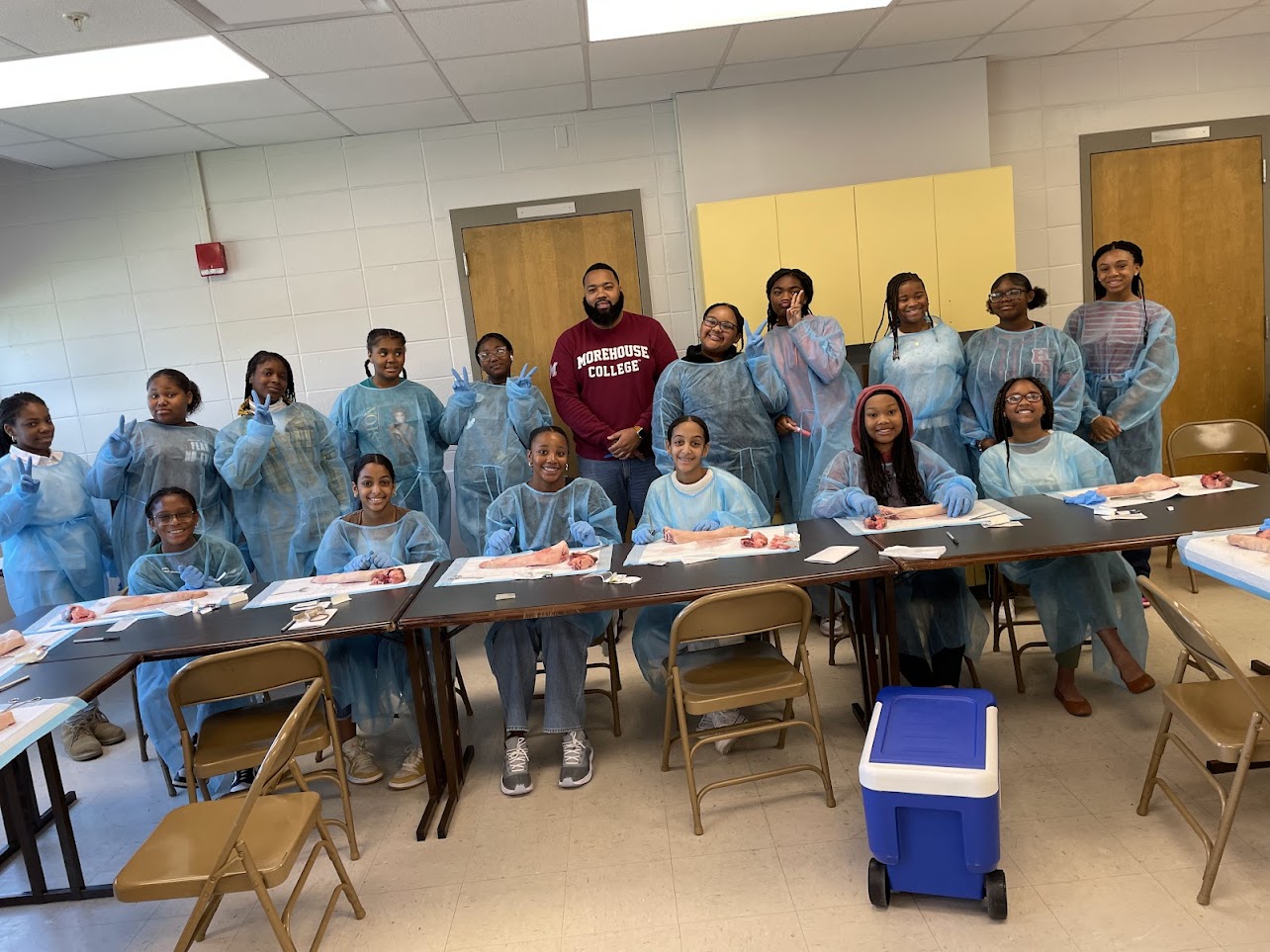
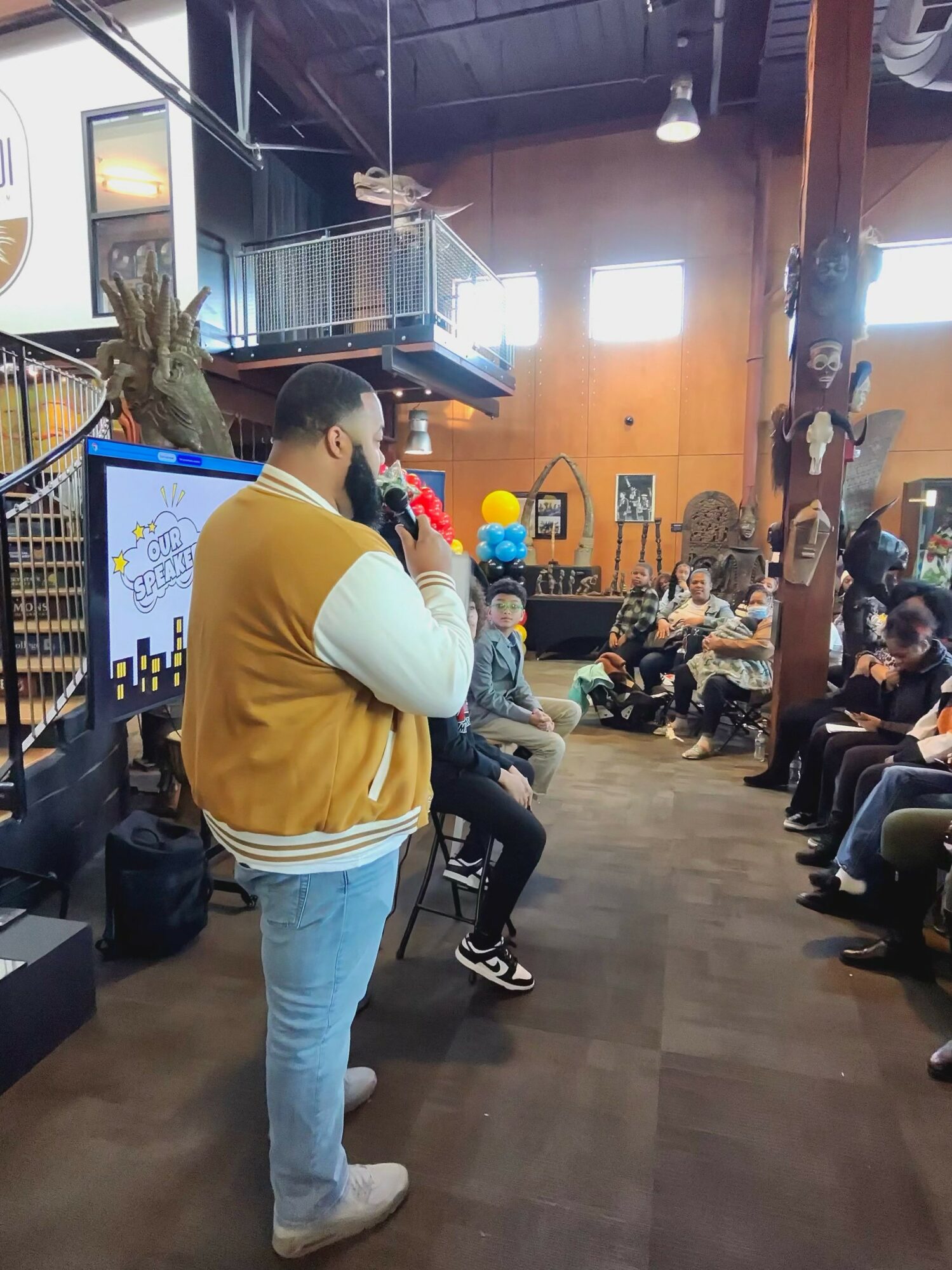
I created Mini Med School because I wanted kids to experience medicine in a way that felt real and exciting. I wanted them putting on gloves, learning anatomy, practicing clinical skills, meeting doctors and healthcare professionals, and being able to envision themselves doing this as a profession. That work eventually grew into even more youth programming, where we focus not just on careers, but on mentorship, education, confidence, financial literacy, emotional intelligence, professionalism, and helping young people see a bigger future for themselves.
This work means a lot to me because I know how powerful exposure can be. Sometimes kids don’t need someone to convince them that they’re capable. They need someone to show them what’s possible.
Would you say it’s been a smooth road, and if not what are some of the biggest challenges you’ve faced along the way?
Ive had a variety of challenges along my journey, many of which could’ve easily derailed my career. I was a first generation college and medical student which provided many challenges in terms of me figuring out how to navigate being a student and a budding professional. My family has also depended on me for financial support and for brain power to figure out solve issues. As a college student I had power of attorney for healthcare and finance for my grandmother and was solely responsible for her care. I had to juggle being a student and a caregiver and because I lacked the necessary support my grades suffered. When my grandmother passed away my senior year, I returned home heartbroken and despondent for a few years before I got back into the world of academics and finished my degree. When I applied to my postbacc program the first time, I was rejected because my gpa was too low. However, the dean of the program told me that they really liked me and that I needed to take four or five more upper level science courses to boost my gpa and reapply. I did so and was admitted to the program the following year. However, this caused me to leave my job and abandon my only source of steady income to follow my dreams. During my time in the postbacc, Ms. Aisha Fraser who was like my mother, was viciously murdered by her ex-husband who was a county judge in my hometown. I was absolutely devastated. Despite this tragedy, I performed very well in the program, but ended up scoring lower than desired on my MCAT which basically limited me to only two medical school interviews after applying to over 20 program. I was ultimately waitlisted at the University of Louisville and offered a masters level postbacc at Meharry Medical College. Eventually I came off the waitlist at the University of Louisville and was admitted. Even better, I was given a $140k scholarship from the university and also earned a full ride scholarship through the VA HPSP program which meant I was going to medical school for free. However, my first year of medical school was marred by the covid pandemic. We were forced to shift our training to an online platform that left me trying to create new ways to study and learn the material since we weren’t in the classroom. My first two years of medical school flew by without many academic challenges. However, my personal life was another story. I had just found out my mother had been using drugs, several of my nine younger siblings were homeless and at risk of being placed in foster care. I took a few days away from school and returned to Cleveland to try and sort out the madness but ultimately ended up taking in some of my siblings until we could find a better situation. My third year of medical school was an altogether different beast. Working 10-12hr days and then needing to come home and study was extremely difficult. I had to retake my step-1 board exam which meant by conventional standards that my dream of matching into a very competitive speciality like Anesthesiology was most likely over. However, I chose to believe that the same God that got me to this point would carry me through. I knew that I was responsible for the effort and God was responsible for the results. I applied to over 150 programs of which about 90 were Anesthesiology and the others were preliminary internal medicine programs. I had a total of four interviews, two anesthesiology and two pre-lims. By all conventions, my chances of matching were less than one percent especially with only two anesthesiology programs to rank. However, God prevailed and I matched at my first choice program in my desired specialty.
Alright, so let’s switch gears a bit and talk business. What should we know about your work?
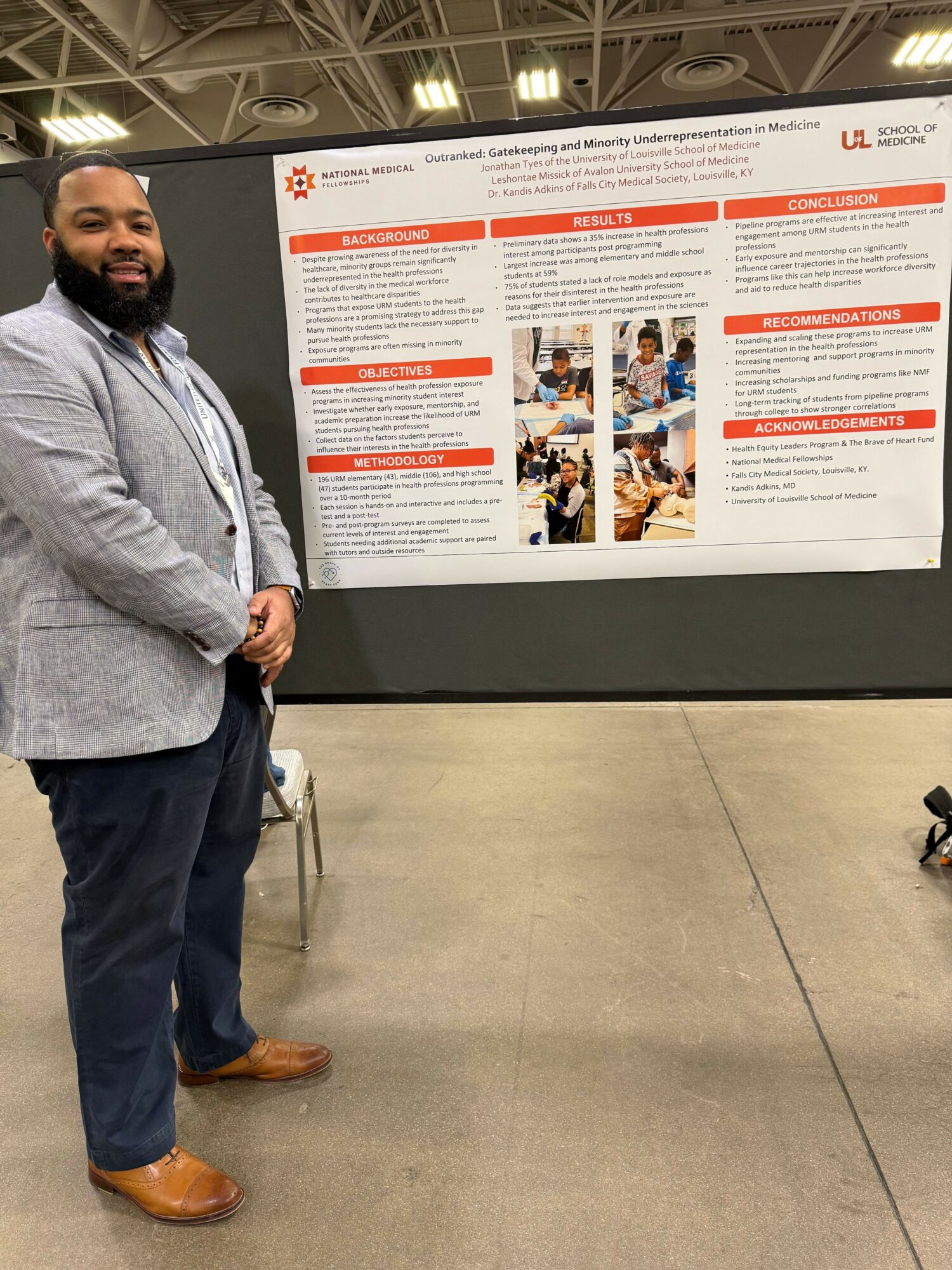
I am currently an Anesthesiology resident and I absolutely love it! However, some of my greatest passions and accomplishments are outside of the hospital. I am the founder of a pipeline exposure program called Mini Med School that allows inner city students to be exposed to careers in medicine through hands-on workshops, mentoring and professional development. This program has allowed me to help some of those students gain admission to medical school and free tuition as well.
Additionally, I collaborated with two other gentlemen in Louisville Kentucky and developed a now U.S,. copyrighted curriculum as a co-founder of the Black Male EDquity Network to work with youth and help them cultivate the necessary skills for their future success. The program has been written about in a variety of media platforms and I am grateful to have connected with them to do such impactful work. Our curriculum has been taught in over 22 public schools and community centers and we have impacted over 500 youth and raised more than $1.5 million dollars for programming.
What I’m most proud of is that I’ve never allowed my own success to just be about me. Becoming a physician is something I’m incredibly proud of, especially knowing what it took to get here, but I think I’m even more proud of the number of people I’ve been able to help along the way.
I’ve had the opportunity to mentor hundreds of students, build programs that have reached those who are often forgotten, speak at national conferences on the work I’m doing and help young people see possibilities for themselves that they may not have considered before. There’s something special about watching a student go from saying, I could never do that, to seeing themselves in that position and asking you to help them get there. Those moments mean as much to me as any degree or award I’ve received.
I think what sets me apart is that I am an optimist and I don’t really see limits, and I mean that in the best way possible. I’m a physician, but I’m also an educator, mentor, motivator, community leader, and entrepreneur. I’m comfortable in professional spaces, but I’m just as comfortable sitting in a middle school classroom talking to a kid about their future or helping care for the less fortunate in my community. I still drive around to feed and clothe the homeless and make time for anyone that finds need of my advice. I can have conversations in academic and professional spaces, but I can also go back into the communities I came from and genuinely connect with people and get them to see something bigger for themselves. My optimism has carried me through when I had nowhere else to turn. Always seeing the potential and the possibility even in the deepest of challenges has helped me immensely. I am always one to take a chance, make the leap, try it anyway because I know that success is largely a matter of holding on when everyone else has let go.
More than anything, I’m a visionary and gamechanger. If I see something missing, my first thought is usually, how can I solve this or what can I do about it. Mini Med School came from that thinking. BMEN came from that. A lot of the work I’m doing now came from recognizing gaps and deciding that instead of waiting for someone else to address them, maybe I could help create the solution.
I am well aware that I’ve had an unconventional journey and that my story is somewhat of a miracle, and for a long time I probably saw that as a weakness. Now I realize it’s one of my greatest strengths. I know what it feels like when the journey doesn’t go according to plan. I know what it means to have to keep going when things get difficult and you have nothing left to give. And I know the difference that one opportunity, one mentor, or one person believing in you can make.
So if there’s anything that sets me apart, I think it’s that combination of ambition and responsibility. I want to accomplish a lot in my lifetime, but I’ve never wanted to climb so high that I can’t reach back down and pull somebody else up with me. I often talk to God and tell him that I know he will make me a wealthy and successful, but to never allow me to forget what it’s like to be poor. To be forgotten. To feel hopeless. I pray incessantly that he uses me and my story to inspire others who are praying for their own miracles.
Before we go, is there anything else you can share with us?
I think my story, my journey is one of significant loss, sacrifice and success. But what I hope it is mainly, is proof that the impossible can be done. That its never too late to start over. That failure does not have to be final, and that with faith all things are possible. I continually remind myself when I am stressed or afraid that I won’t do well or I won’t succeed, that I am responsible for the effort and God is responsible for the results. As long as I give it my absolute best, I can trust that it will work out exactly how it was destined. I am looking forward to connecting, inspiring, and working together to help you achieve your dreams and change the game.
Contact Info:
- Website: https://jonathantyesmd.com
- Instagram: j_suave_md
- Facebook: Jonathan Christopher
- LinkedIn: https://www.linkedin.com/in/jonathan-c-tyes-md-03b9036/
- Other: jonathantyes@gmail.com
Popular
-

Hidden Gems: Local Businesses & Creatives You Should Know
-

ATL’s Most Inspiring Stories
-

Portraits of Atlanta
-
Dr. Hildiah Martin-Suggs Is Building Second Chances for Youth Who Were Almost Lost in the System
-
From Showing Up to Seeing His Face on a Billboard: Anthony Green Is Just Getting Started
-
Wayne Smith Jr on Survival, Psychological Thrillers, and the Cost of Staying Alive