





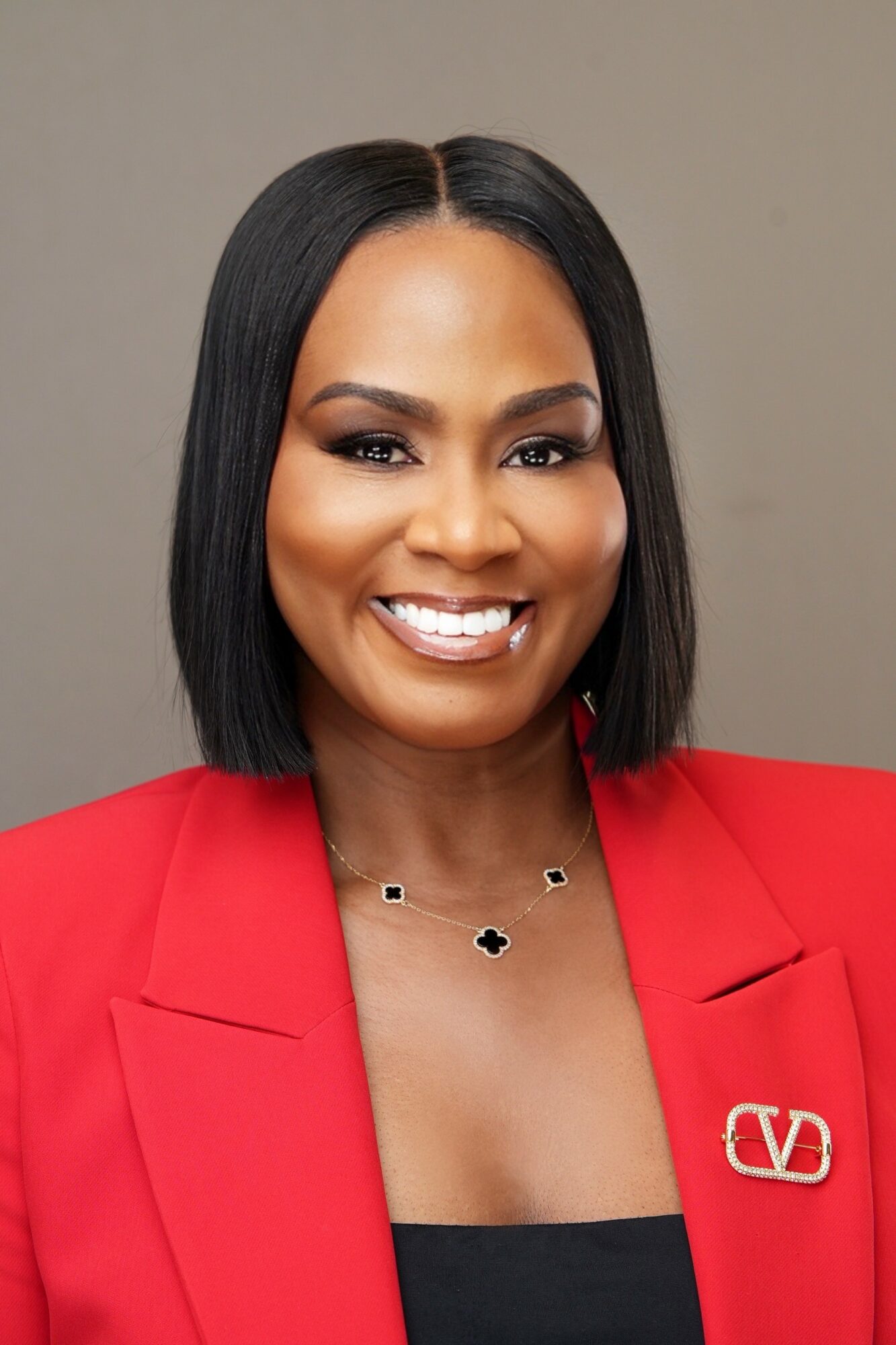
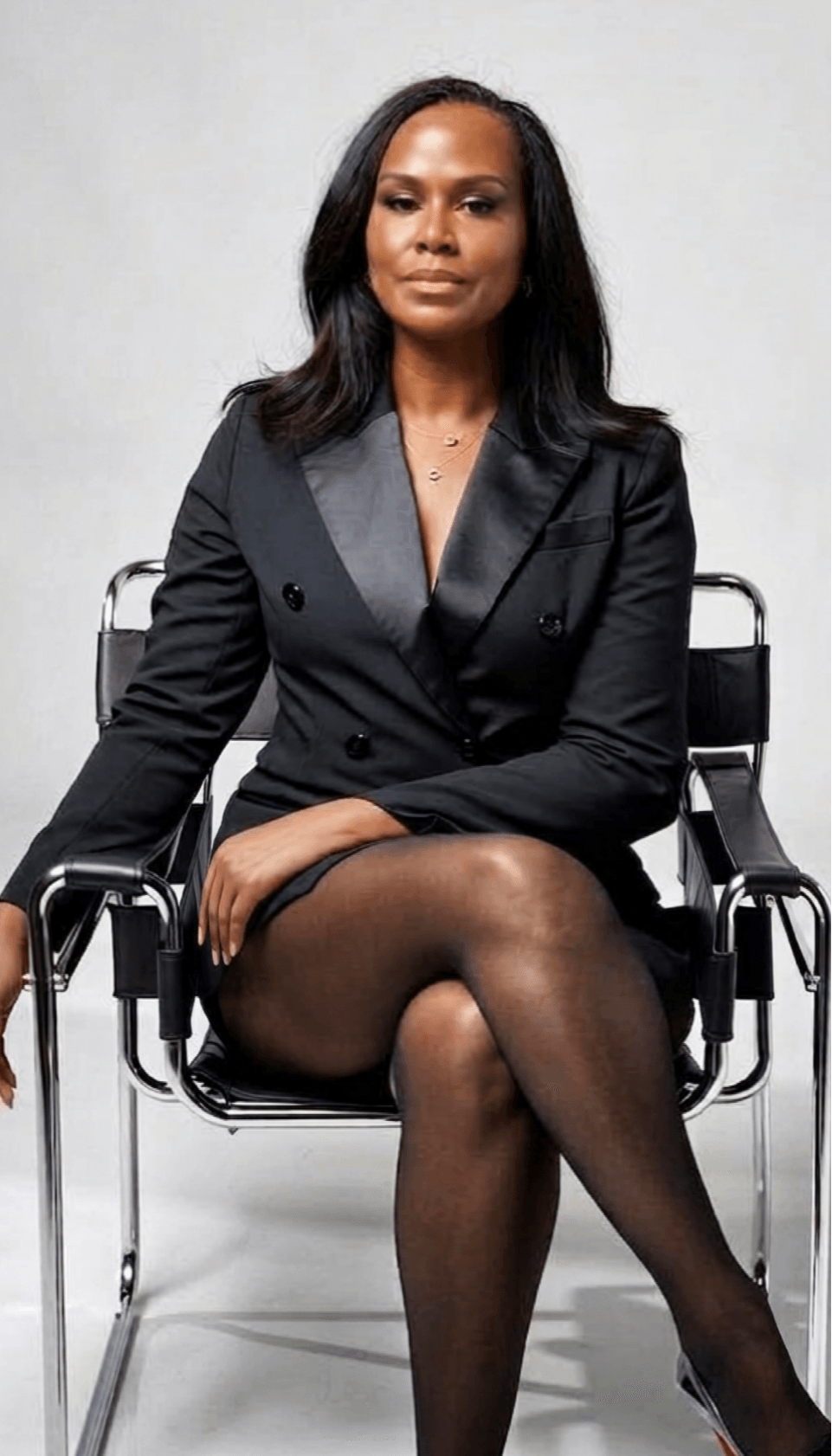
Today we’d like to introduce you to Trenika L. Fields.
Hi Trenika L., please kick things off for us with an introduction to yourself and your story.
My story didn’t begin with tragedy. It began with courage.
Long before I understood resilience, ambition or reinvention, the people who came before me were already demonstrating all three. My grandmother was from Harvey, Louisiana, on the Westbank just outside of New Orleans. During the second half of the Great Migration, she packed up her children and drove from Louisiana to Oakland, California, joining thousands of Black Americans who headed west in search of greater economic opportunity and the chance to build a different future for their families.
My mother was the exception. She stayed behind in Louisiana to help care for my great grandmother.
I think about what that drive must have represented for my grandmother. She wasn’t simply crossing state lines. She was leaving what she knew, taking her children with her and betting that something better might exist on the other side of the country. It was an act of courage, hope and possibility.
My mother eventually built a career in Louisiana as a paralegal working for a well known defense attorney.
My father’s journey was equally remarkable. He was born in Utica, Mississippi, and was a sharecropper. At just 16 years old, with no high school diploma, he left Mississippi and moved to Marrero, Louisiana, determined to make a way for himself. He later earned his GED, owned his own trucking company, served on the Jefferson Parish Board of Zoning Adjustments and became known for his incredible ability to build and fix almost anything. He even designed specialized machinery that was used during the Gulf War as part of the effort to liberate Kuwait.
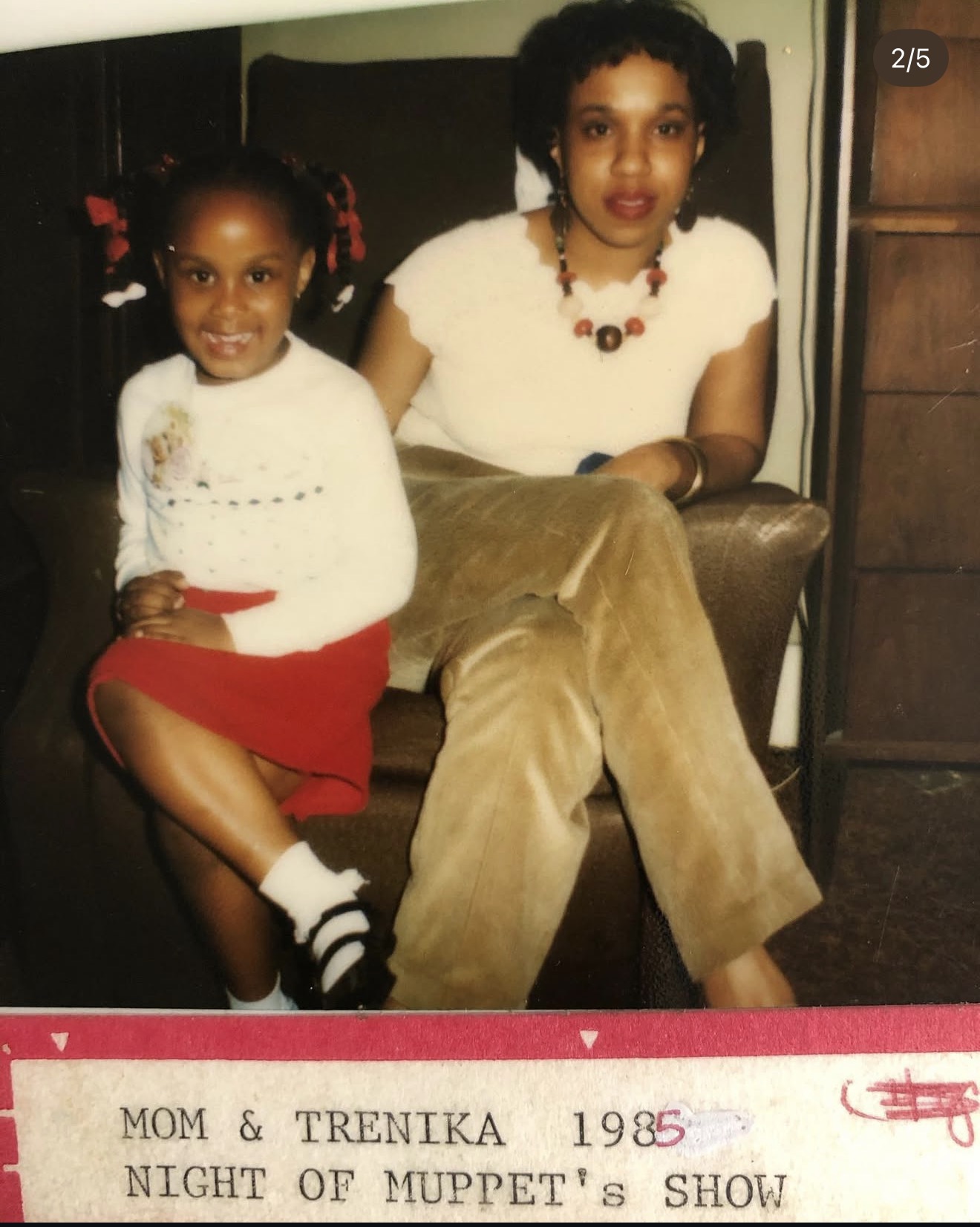
My parents met on a blind date. A year later, I popped up. Their relationship didn’t have a fairytale ending, but I know they shared a tremendous amount of love for one another.
My mother chose to have me in Oakland so she could be near family. We eventually returned to Louisiana, where I spent my earliest years.
When I was four, during the Reagan era, my mother decided she wanted greater opportunities for the two of us. Good paying jobs were difficult to come by, and much like her mother before her, she was willing to leave what was familiar in pursuit of something better.
She moved us back to California.
There, she worked as an executive secretary at the federal building in Oakland. Shortly before her death, she received an offer to become a court reporter. She never got the opportunity to take that next step. At five years old, my life changed forever.
I witnessed my mother being stabbed to death by an estranged boyfriend. He left me there with her.
Soon afterward, I found myself inside a courtroom doing something no five year old should ever have to do; testifying about my mother’s murder and pointing to the man who took her life.
That was my introduction to the law. I didn’t understand prosecution, advocacy, victims’ rights or justice. I only understood that my mother was gone and I was being asked to tell the truth.
Thankfully, I wasn’t left to navigate that trauma alone.
My aunt stepped in to raise me and made a decision for which I will forever be grateful. She put me in therapy almost immediately. Looking back, I understand just how important that decision was. At five years old, I was given a safe place to begin processing emotions I couldn’t possibly understand on my own. I often wonder where I would be without that foundation. Someone helped me survive before I knew how to help myself.
As I grew older, another woman would change the trajectory of my life. I’ve always believed there is a pivotal, defining moment in a person’s life, usually during adolescence, when we are faced with a choice. We may not recognize its significance at the time, but there is a decision to make.
You can go left, or you can go right. Growing up as an inner city kid on the south side of Berkeley, California, I reached that moment at about 13.
A college student at UC Berkeley became my mentor through a program working with underrepresented students who showed potential. I distinctly remember her taking me to her parents’ home in the Oakland Hills. I had no idea Black people lived in the hills. It makes me smile now, but to that 13 year old girl from South Berkeley, it was profound. My understanding of possibility had largely been defined by what I could see around me.
My mentor didn’t simply tell me there was more. She showed me. She taught me that there was an enormous world beyond my immediate surroundings and that the opportunities in that world weren’t reserved for somebody else. They were within my reach too. That was my pivotal moment. I went right.
I eventually earned my bachelor’s degree from California State University, Long Beach and began my professional career as a corporate paralegal.
Years later, a few years before my father’s passing due to Covid, he casually mentioned something I had never known. My mother had also been a paralegal. The irony still amazes me.
Without knowing it, I had followed in her footsteps.
My mother had been a paralegal. I became a paralegal. She had been offered the opportunity to become a court reporter. Her five year old daughter had been thrust into a courtroom because she could no longer be there herself. And eventually, that little girl became an attorney.
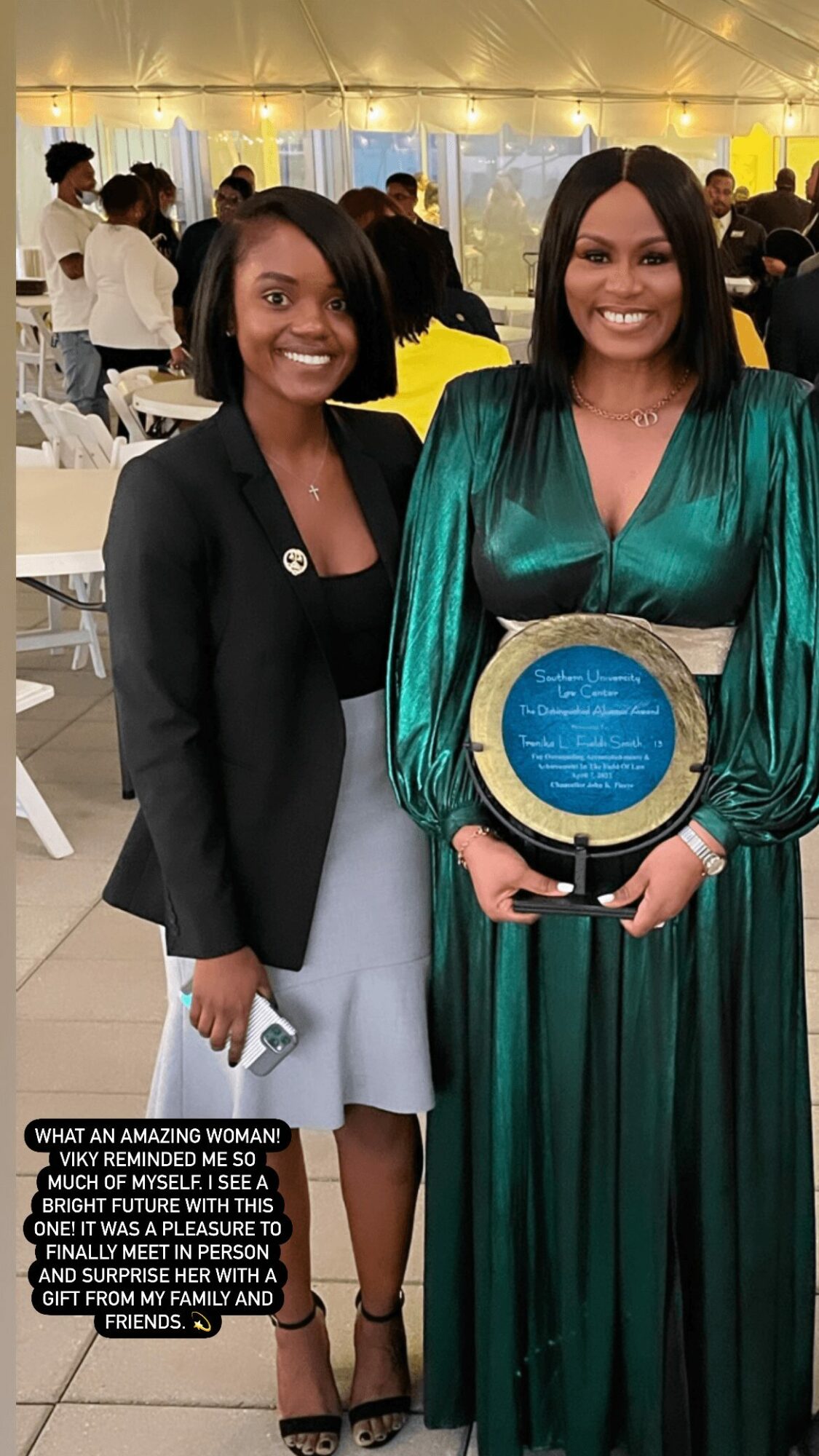
I earned my law degree from Southern University Law Center, an historically black law school where I would later be honored as a distinguished alumnae and at the time, had built a career that took me into corporate leadership and global technology companies, including Splunk and Cisco Systems, Inc.
I’ve entered rooms that the little girl from South Berkeley didn’t even know existed. Eventually, I started asking myself the same question my mentor had unknowingly taught me to ask decades earlier:
What else is possible? That question eventually took me to MIT Sloan. And once again, my world got bigger.
Would you say it’s been a smooth road, and if not what are some of the biggest challenges you’ve faced along the way?
Not even close. It has certainly been the road less traveled.
We have a tendency to look at successful people backward. We see degrees, titles, promotions, travel and accomplishments and draw a perfectly straight line between them. My line has never been straight.
Losing my mother didn’t end when her murder trial ended. From approximately age 20 until I was 41, I attended parole hearings, wrote letters and made sure my mother’s voice remained present in a system where she could no longer speak for herself. Every time the man who murdered her became eligible for parole, I flew back to California and showed up. He eventually died in prison a few years ago.
Throughout my legal career, I’ve worked on complex matters and multimillion dollar transactions, but my mother’s case will always be the most important case I ever worked on. I was her daughter before I was ever anyone’s lawyer. After more than three decades, justice had finally been served.
I believe there is a particular kind of resilience that can develop in people who have experienced profound trauma and still gone on to build successful lives. It isn’t invincibility.
We still hurt. We experience fear, disappointment, heartbreak and uncertainty. Life can still knock the wind out of us. But there is a certain grit that comes from having survived something you wouldn’t wish on your worst enemy.
For me, losing my mother the way I did established a reference point for adversity very early in life. Somewhere deep inside me, when I’m confronted with something difficult, there is a voice that asks, What is the worst thing that can happen to me? Not because I believe nothing bad can happen.
I know better than most that it can. It’s because I know I can survive. I’ve survived something that once seemed unsurvivable. Once you know that about yourself, you move through the world differently.
I’m often asked where does my drive come from. I believe there is a force inside some survivors that’s difficult to explain. It isn’t simply ambition or a need to prove something.
For me, it’s almost a refusal to waste the life I still have. I know what it means for a life to be taken away right before your eyes. Maybe that’s why I’ve always felt such urgency about mine. That doesn’t make me fearless. It means fear doesn’t get the final vote. And my challenges didn’t stop in childhood.
Some of my greatest personal challenges have occurred alongside some of my greatest accomplishments. While completing my Executive MBA at MIT Sloan, I was also going through a divorce. For 20 months, approximately every two to three weeks, I traveled to Cambridge while navigating a demanding global career and privately grieving the end of a marriage and the future I thought I was going to have. Life doesn’t politely wait for you to finish achieving before it becomes difficult. Sometimes you’re leading the meeting, catching the flights and completing the assignment while privately trying to make sense of something that has fundamentally changed your life.
I don’t consider my divorce a failure. It was a chapter that didn’t have the ending we both once envisioned. A story doesn’t have to have a fairytale ending to still be a beautiful story.
Then, two weeks before graduating from MIT Sloan, I learned that my position at Cisco was being eliminated as part of a global restructuring. Another unexpected turn. Was I disappointed? Absolutely.
But I’ve lived enough life to understand that every ending isn’t a failure and every disruption isn’t a setback. Sometimes God will redirect you because the path you’ve become comfortable walking is no longer in alignment with the purpose He has for your life.
Sometimes what feels like rejection is actually redirection. And sometimes God creates space in your life so you can finally move toward the things He has been preparing you for all along. That’s how I see this season. I’m not standing still, and I’m certainly not starting over. I’m moving in purpose.
And as much as I talk about grit and resilience, I never want my story to suggest that I’ve done any of this alone. I haven’t.
My aunt gave me stability, therapy and love after my mother’s death. Other family members have surrounded me throughout my life. I’m blessed with girlfriends who have become sisters and a few close male friends who are equally important members of my village. They’ve celebrated the wins, but more importantly, they’ve shown up during the chapters that weren’t worthy of an Instagram post.
They’ve listened. They’ve prayed with me. They’ve reminded me who I am and whose I am. They’ve made me laugh when I needed it, challenged me when I needed that too, and loved me through grief, heartbreak, transition and uncertainty. There is strength in being resilient, but there is also strength in allowing yourself to be supported. When people see me, they see one woman. But they’re also seeing the investment of an entire village.
Thanks – so what else should our readers know about your work and what you’re currently focused on?
For more than two decades, my career has evolved at the intersection of law, business, technology, negotiation and strategy. I’m an attorney by training, but I’ve never viewed my role as simply telling businesses what they can or cannot do. I’ve built my career as a trusted business partner, by understanding the business behind the legal question, navigating complexity and helping leaders figure out how to get from where they are to where they want to go.
My career has allowed me to experience technology companies at nearly every stage of growth.
I served as Head Legal Counsel for a hardware and software startup, where I learned what it means to help build and protect a growing business. I later became the first in house counsel for a startup cybersecurity company, regularly traveling between New York and Washington, D.C., while building its legal function in an industry where technology, risk and national security increasingly intersected.
From there, the scale grew.
At Splunk, I managed complex commercial matters, advised senior business leaders and negotiated multimillion dollar transactions, including negotiating and closing what was, at the time, the largest SaaS transaction in the company’s history. I also had the opportunity to play a role during one of the most consequential moments in Splunk’s history, its approximately $28 billion acquisition by Cisco, one of the largest technology acquisitions at the time, and then experience firsthand the organizational complexity of bringing two major technology companies together.
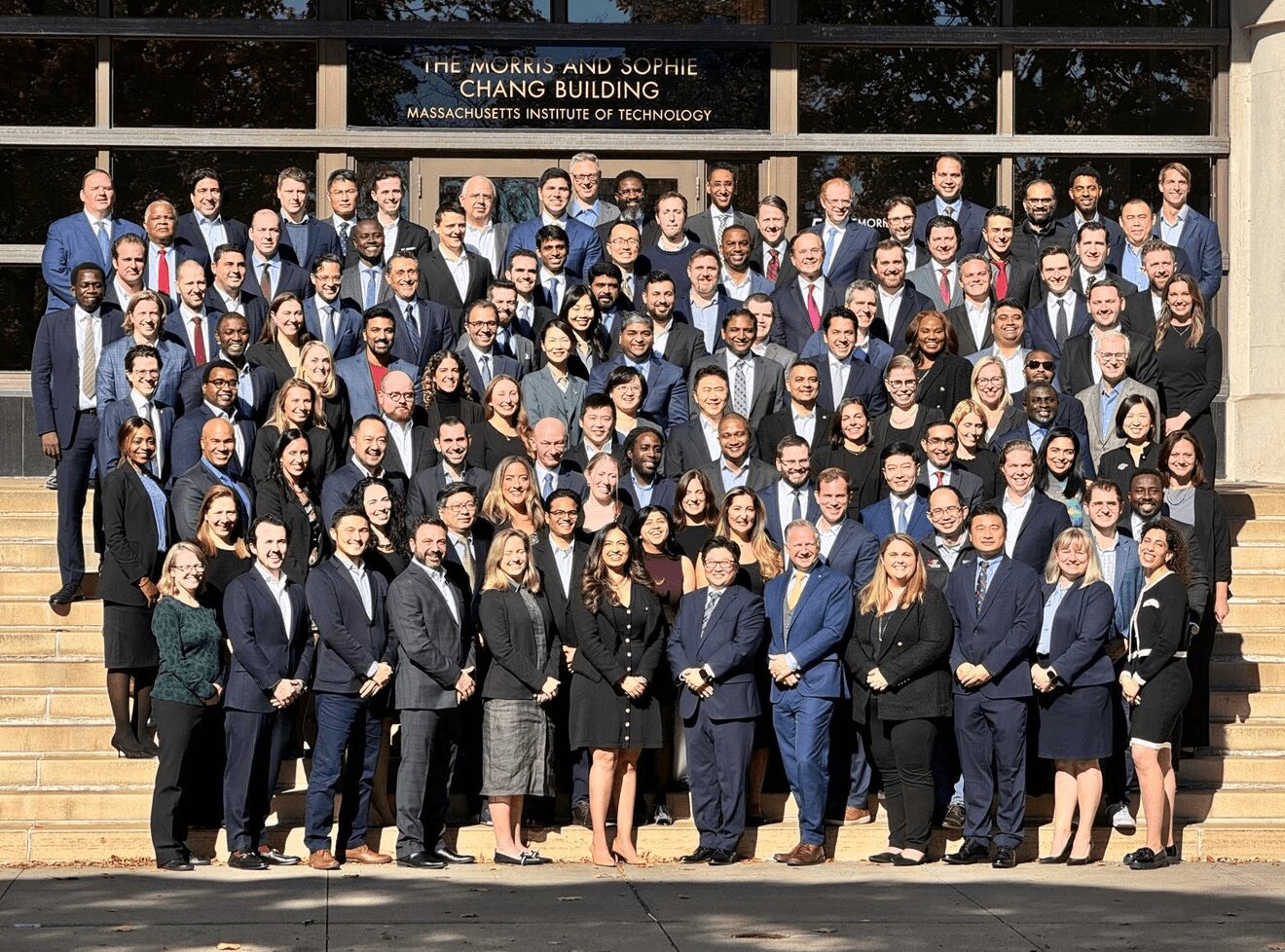
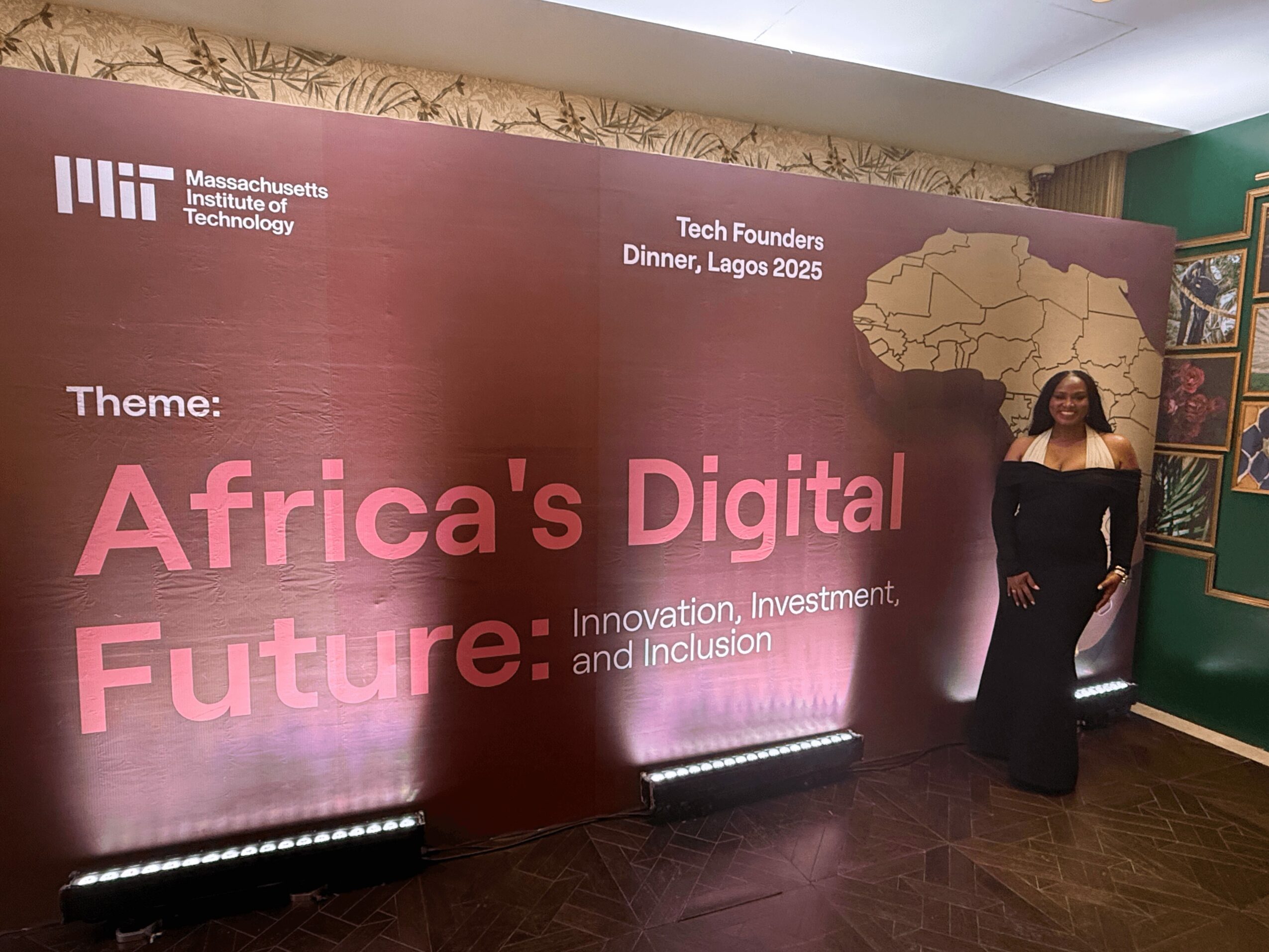
MIT Sloan fundamentally expanded how I thought about leadership and the value I could bring beyond the traditional boundaries of being a lawyer. For 20 months, approximately every two to three weeks, I traveled to Cambridge to learn alongside an initial cohort of 124 extraordinary leaders from around the world, including, but certainly not limited to, classmates from across Africa, Canada, China, Brazil, Chile, Finland and throughout the United States.
These were accomplished executives, entrepreneurs, lawyers, physicians, engineers, investors and leaders building companies, transforming industries and solving complex problems around the world.
And in my initial cohort, I was the only Black woman.I don’t say that because I want it to define my experience at MIT Sloan. It didn’t. My experience was defined by the extraordinary people I learned alongside, the friendships and relationships I developed, the professors who challenged the way I thought and an institution that expanded my understanding of what was possible.
I share that detail because there were moments when I would sit in that classroom and think about the journey that had brought me there.
The five year old girl who first encountered the law through her mother’s murder was sitting at MIT.
The 13 year old girl from South Berkeley who once stood in the Oakland Hills amazed by a world she didn’t know existed was now learning alongside leaders from around the globe. There is something incredibly powerful about realizing that you have become evidence of the very possibility someone once had to show you.
MIT also became one of two paths that deepened my professional connection to Africa.
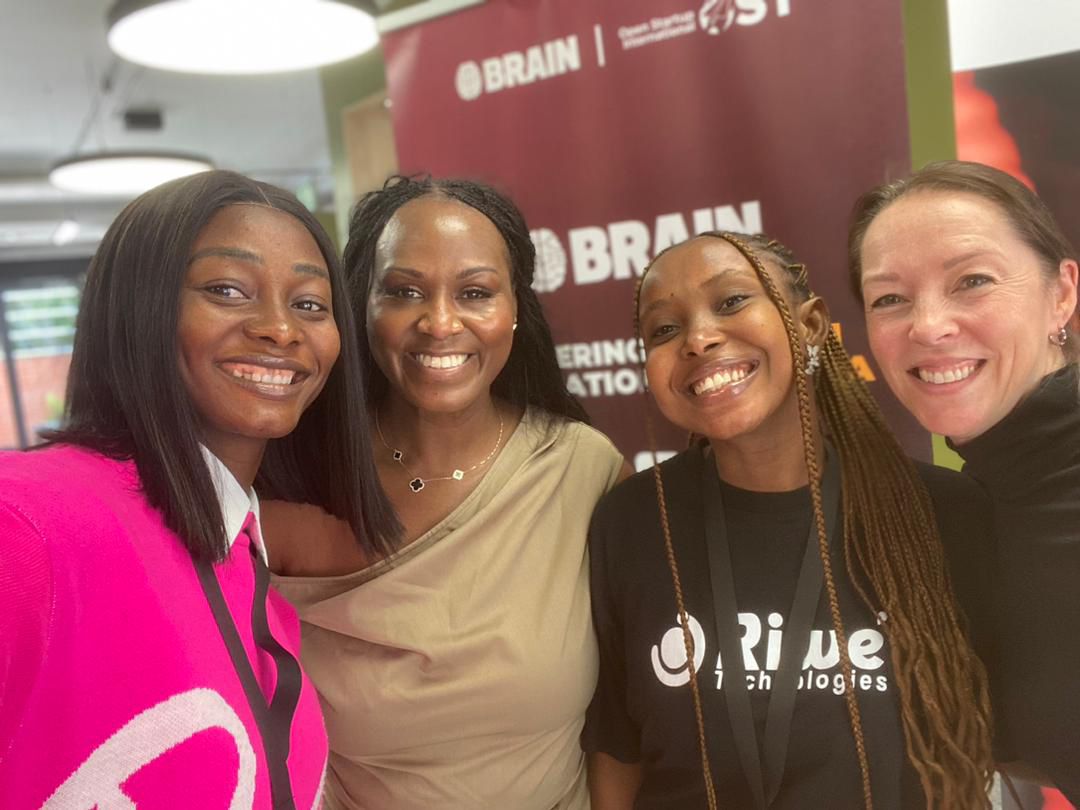
Through MIT, my visits to Nigeria, Ghana and South Africa allowed me to work alongside and learn from entrepreneurs, global executives and business leaders building and scaling businesses across the continent. At the same time, thanks to members of the senior executive leadership team at Cisco who saw something in me and created opportunities for me to broaden my exposure beyond the traditional boundaries of my legal role, I began engaging more deeply with Cisco’s business and leadership in Africa. That gave me another perspective on the opportunities and complexities of operating across African markets. MIT gave me one lens. Cisco gave me another. Together, they helped me recognize something that had actually been developing throughout my career.
I’ve always been a bridge builder. I can sit with lawyers and understand the risk. I can sit with executives and understand the business. I can sit with technologists and understand the innovation. I can sit with entrepreneurs and understand what they’re trying to build. And I can move across industries, cultures and geographies and understand that sometimes the relationship behind an opportunity is just as important as the transaction itself. I know how to translate between those worlds and, increasingly, how to connect them. That’s what sets me apart.
Service has also been an important extension of my leadership. My board experience includes Kate’s Club, an Atlanta organization supporting children and families navigating life after the death of a parent, sibling or caregiver. Its mission has particular meaning for me given my own experience with childhood loss. My board experience also includes Hammonds House Museum, an Atlanta institution dedicated to preserving, exhibiting and advancing art of the African diaspora. Both experiences reflect something I believe deeply: leadership isn’t limited to what happens inside a company. It is also about how we use our experiences, access and expertise in service to communities and institutions that matter to us.
Today, the common thread across my work is purpose driven leadership at the intersection of business, technology, strategy, culture and global growth. Some of that work is taking me deeper into Africa and emerging markets. Some involves advising leaders and organizations. Some is about connecting people, ideas and opportunities that might otherwise never find one another. And some of what is taking shape is still too early for me to share publicly. But this isn’t something I’m waiting to do. It’s already in motion. I’m advising. I’m connecting. I’m building. I’m helping solve complex problems and developing relationships across markets and industries. For years, success meant becoming an exceptional lawyer and earning a seat at important tables. I’m incredibly proud of that chapter.
Today, my definition of leadership is expanding.
I’m no longer interested only in having a seat at the table. I’m interested in what I can help build, who I can bring together, what problems I can help solve and what impact I can create once I’m there.
Years ago, a former CFO I worked for told me something I’ve never forgotten.
“You’re a sleeper.” I remember looking at him because I had no idea what he meant. The confusion must have been written all over my face because he smiled and immediately explained it.
He told me that a sleeper is someone whose full potential isn’t necessarily obvious at first. Someone who may be quietly observing, learning and building, but possesses far more range, capability and potential than people initially realize. At the time, I understood his explanation. I don’t think I fully understood why he saw it in me. Today, I do.
When I look across my career, I can see how seemingly separate experiences were actually building upon one another. The paralegal was learning the business. The lawyer was learning how to navigate risk and negotiate. The Head Legal Counsel was learning how to build. The technology executive was learning how to operate at scale. MIT expanded my thinking beyond functions and titles. Africa expanded my understanding of markets, relationships and possibility. And all of it has helped shape the purpose driven leader I am today. Perhaps I’ve been quietly assembling the pieces all along.
So when I think about what that CFO told me years ago, I smile. I finally understand why he called me “The Sleeper.”
So maybe we end on discussing what matters most to you and why?
Purpose.
For much of my life, I was focused on surviving, achieving and proving what was possible.
Today, I’m much more interested in what I can do with what I’ve been given. What matters to me is impact, access, relationships and opening doors. When I enter a room someone else may never have imagined themselves entering, I don’t simply want to celebrate being there. I want to make the room bigger.
I think particularly about young women whose circumstances have caused society to make assumptions about what they will or won’t become. The girl who has experienced trauma. The girl growing up without one or both parents. The inner city girl who has never seen someone who looks like her living the life she dreams about. The girl who is brilliant and capable, but whose circumstances or surroundings keep telling her what she probably won’t become. I want her to see my story and understand: Your circumstances are part of your story, but they do not get to write the ending.
Society may have statistics about what someone with your background is likely to become.
You don’t have to become the statistic. Your life doesn’t have to begin like a fairytale for it to become something extraordinary. Mine certainly didn’t.
There are chapters of my story I never would have chosen. I would give anything to rewrite the chapter where I lost my mother. I’ve learned that we don’t get to edit our lives backward. We get to decide what we do with the pages that remain. That’s why I believe there is tremendous power in owning all of your story. We often present the polished version of success. We celebrate the degree, title, promotion and beautiful photograph. We don’t always talk about grief, rejection, fear, heartbreak or moments when we had no idea how things were going to work out. Those chapters matter too.
Your story is your story for a reason. It shapes your perspective, your empathy, your resilience and how you move through the world. You don’t have to be ashamed of the chapters that weren’t beautiful to be proud of the woman they helped you become. I don’t want a young woman to look at me and simply think, She became an attorney. She became an executive. She went to MIT.
I want her to think: If her beginning didn’t disqualify her, maybe mine doesn’t disqualify me either.
That’s the impact I hope to have.
Circumstances can create obstacles. They can make the road longer and opportunities harder to access. Life can absolutely be unfair. But circumstances are not destiny. You can come from tragedy and still experience joy. You can be underestimated and still enter rooms no one imagined you would enter. You can experience heartbreak and still believe in love. You can lose something you thought was part of your future and discover that your future is still incredibly bright. You can have a story that looks nothing like a fairytale and still build an amazing life. That’s also why mentorship matters so deeply to me.
At 13, my mentor didn’t change my circumstances. She changed what I believed my circumstances allowed me to become. There is a difference. Someone showed me what was possible. Now I have become that possibility for someone else. And underneath all of this is my faith. I’ve learned that purpose doesn’t always arrive according to the plans we create for ourselves. Sometimes God opens a door. Sometimes He closes one. Sometimes He redirects the entire road. The challenge is having enough faith to keep walking when you can’t see exactly where it leads.
My five year old self couldn’t see the attorney. My 13 year old self couldn’t see MIT. The attorney couldn’t yet see Africa. And I can’t fully see everything ahead of me now. But I’ve seen enough of the journey to trust God with the next chapter. I don’t simply want to live an accomplished life.
I want to live a life of consequence. I want the rooms I’ve entered, the relationships I’ve built, the education I’ve received and even the things I’ve survived to mean something beyond me. Because someone once showed me there was a bigger world out there.
I plan to spend this chapter of my life showing others what’s possible. And perhaps that’s what being “The Sleeper” was always about. Not arriving with the loudest introduction, but continuing to grow, evolve and reveal what’s possible when preparation, resilience, opportunity and purpose finally converge. I’ve already lived a life that the five year old girl I once was could never have imagined.
And I’m still becoming…The Best is Yet to Come!
Contact Info:
- Instagram: https://www.instagram.com/thelegalt/
- LinkedIn: https://www.linkedin.com/in/trenika-l-fields-6b7b564/

Popular
-

Hidden Gems: Local Businesses & Creatives You Should Know
-

ATL’s Most Inspiring Stories
-

From Showing Up to Seeing His Face on a Billboard: Anthony Green Is Just Getting Started
-

Portraits of Atlanta
-

Wayne Smith Jr on Survival, Psychological Thrillers, and the Cost of Staying Alive
-

Meet Laya Hoffman | Award-Winning Voice Actor, Live Announcer & Champion for Authentic Storytelling