


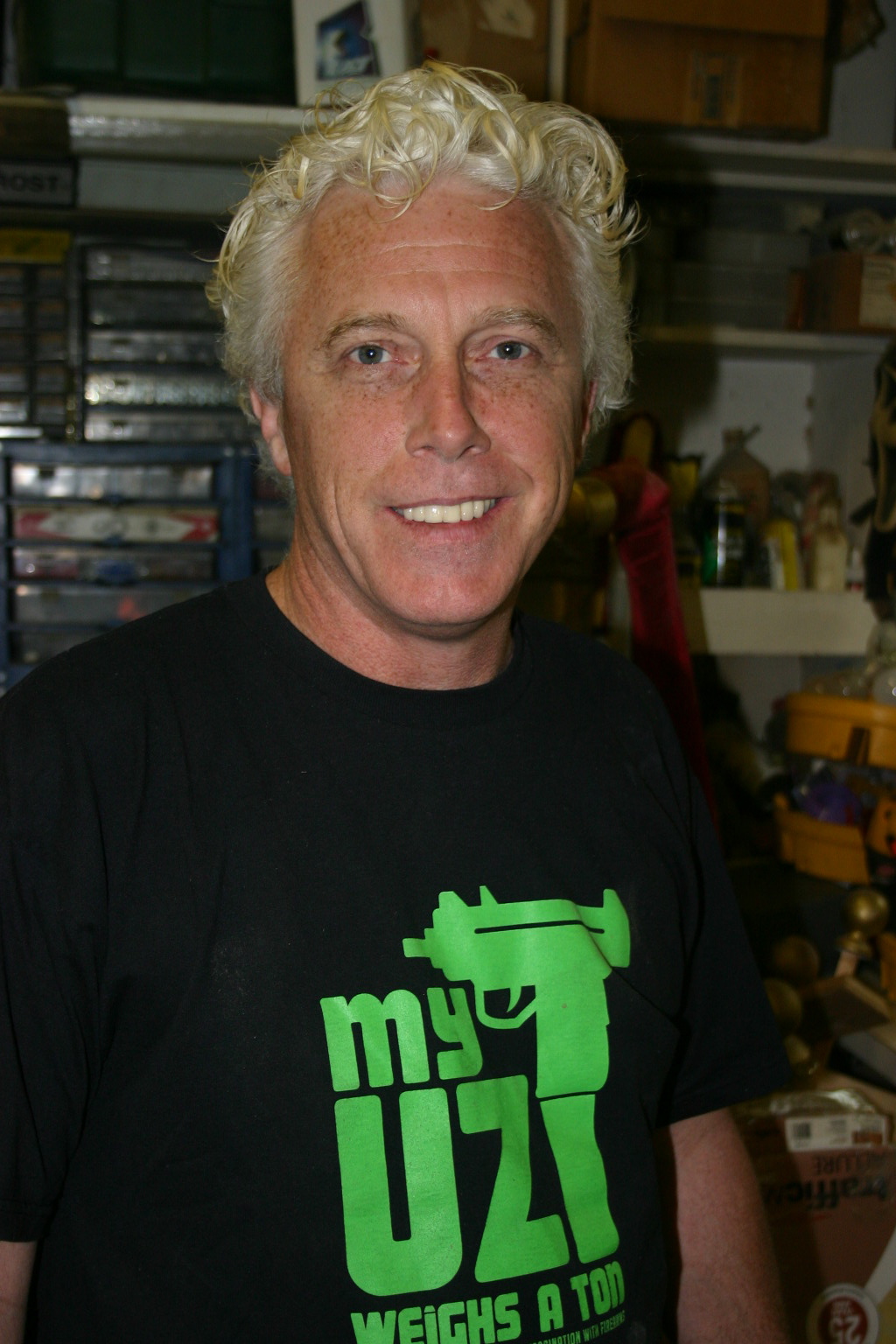
Today we’d like to introduce you to Tim Barrett.
Hi Tim, we’d love for you to start by introducing yourself.
My journey as an artist began long before Atlanta became home. I was born in Cleveland, Ohio, and eventually made my way to Florida, where I studied Art and Journalism at Broward Community College before earning my B.F.A. from Florida State University in 1978. From the beginning, I was interested not only in making art, but also in observing people, environments, and the stories that unfold within everyday life. That curiosity has stayed with me throughout my career.
I came to Atlanta in 1982, at a time when the city’s creative community was growing and artists were finding new ways to make space for themselves. I wanted to be part of that energy rather than simply observe it. One of the ways I did that was by founding the Blue Rat Gallery, an alternative exhibition space that operated through 1987. The gallery gave artists an opportunity to show work outside of more traditional settings and became part of an exciting period in Atlanta’s emerging independent art scene.
Later, I founded Host Gallery, which expanded on that same idea by coordinating exhibitions in selected artists’ studios. I have always believed that art does not have to exist only within conventional gallery walls. Sometimes the most interesting creative experiences happen when artists build their own opportunities, create their own spaces, and invite people into environments where the work can be experienced differently.
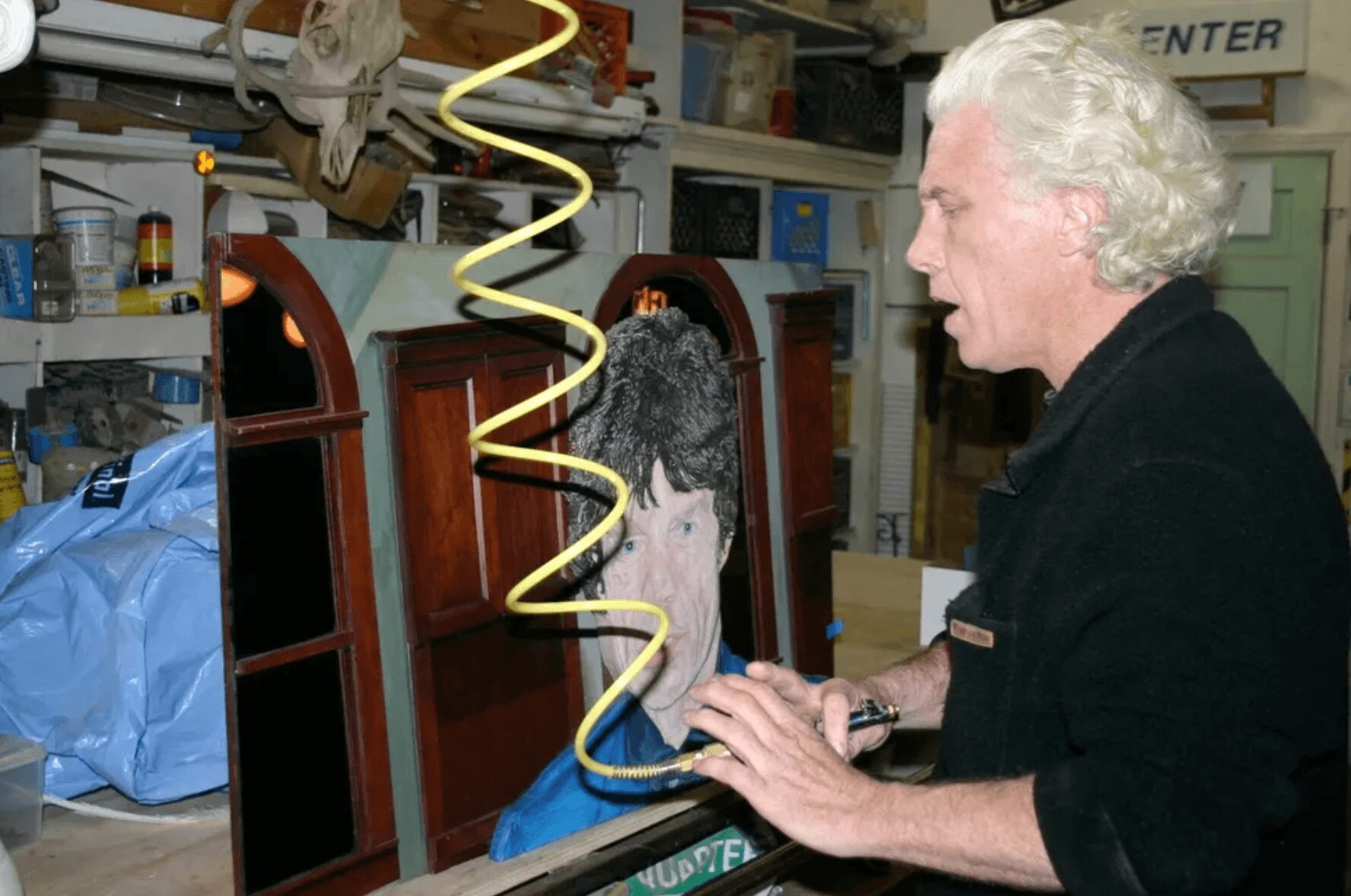
Alongside my fine-art practice, I also built a career in production design, designing and fabricating sets, props, drops, and environments for still photography, television, video productions, music videos, feature films, and news broadcasts. That work became another form of storytelling for me. Whether I was creating something for a camera or making a painting, I was still thinking about composition, people, space, and how an environment influences what the viewer feels.
More than four decades after arriving in Atlanta, I still find myself fascinated by people, places, and the moments that are easy to overlook. My work has evolved, and so has the city, but the underlying curiosity remains the same. I am interested in what shapes us, what connects us, and what becomes visible when we slow down long enough to really look at the people and environments that make up our everyday lives.
Obstacles / Challenges
One of the things I have learned throughout my career is that creative work rarely unfolds exactly as planned. Some of the most memorable challenges have come when the idea was already realized, but circumstances outside of my control threatened whether the work would ever reach the audience in the way I intended. Those experiences taught me that being an artist also means being adaptable, practical, and willing to solve problems in real time.
A good example happened in 1996, when I traveled to Barcelona as part of an exhibition exchange through the Cultural Legacy Project connected with the Atlanta and Barcelona Olympic cultural programs. My paintings had been shipped ahead of me, but during transit they ended up at a facility in Berlin where the crates were stacked on top of one another. The crates had not been designed to carry that kind of weight, and several of the paintings were damaged.
When I arrived in Barcelona to install the exhibition, I discovered that some of the canvases had holes in them. At that point, there was no option to send them back or postpone the show. I had to figure out how to repair the work on site. I found scrap canvas to patch the paintings from behind, located the nearest art supply store, bought brushes and paint, and began matching and touching up the damaged areas so the work could still be exhibited. It was certainly not how I imagined beginning an international exhibition, but the show went forward.
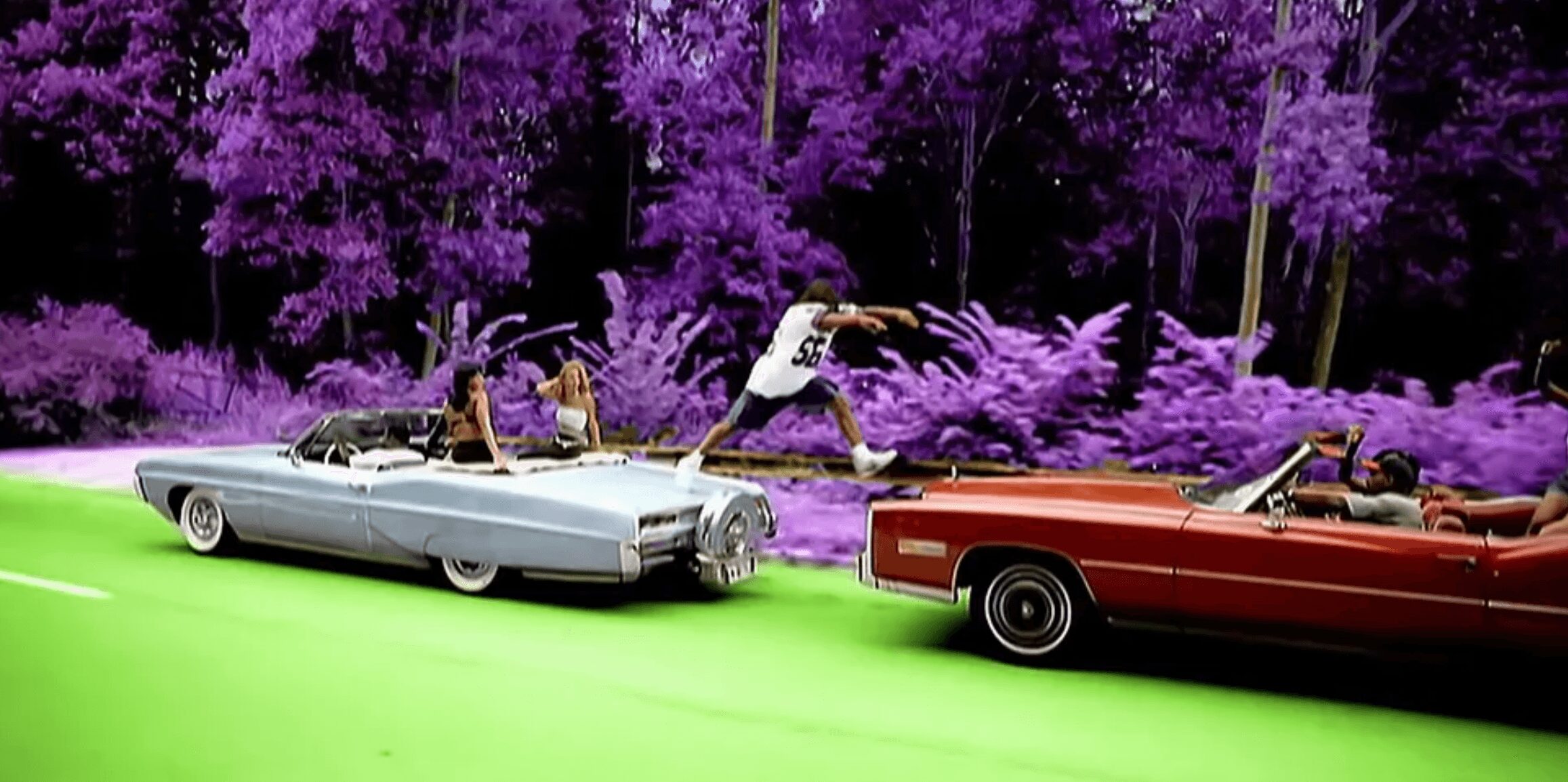
A very different kind of challenge came while working on OutKast’s “B.O.B. (Bombs Over Baghdad)” music video. Production design often begins with the exciting part—imagining an environment or figuring out how to create something visually unexpected. What people outside of production do not always understand is the amount of physical time it takes to actually build those ideas. During the final four or five days of production, the schedule became so demanding that I went approximately 75 hours without sleep while working to complete the project.
We completed the video, and it went on to receive major recognition, including an MTV Video Music Awards nomination in 2000. But what stayed with me was not simply the recognition. Both Barcelona and the OutKast project reinforced the same lesson in very different ways: an idea is only the beginning. Whether you are repairing damaged paintings in another country or building a music-video environment against an unforgiving schedule, the real challenge is finding a way to carry the idea through when circumstances are working against you.
Would you say it’s been a smooth road, and if not what are some of the biggest challenges you’ve faced along the way?
My journey as an artist began long before Atlanta became home. I was born in Cleveland, Ohio, and eventually made my way to Florida, where I studied Art and Journalism at Broward Community College before earning my B.F.A. from Florida State University in 1978. From the beginning, I was interested not only in making art, but also in observing people, environments, and the stories that unfold within everyday life. That curiosity has stayed with me throughout my career.
I came to Atlanta in 1982, at a time when the city’s creative community was growing and artists were finding new ways to make space for themselves. I wanted to be part of that energy rather than simply observe it. One of the ways I did that was by founding the Blue Rat Gallery, an alternative exhibition space that operated through 1987. The gallery gave artists an opportunity to show work outside of more traditional settings and became part of an exciting period in Atlanta’s emerging independent art scene.
Later, I founded Host Gallery, which expanded on that same idea by coordinating exhibitions in selected artists’ studios. I have always believed that art does not have to exist only within conventional gallery walls. Sometimes the most interesting creative experiences happen when artists build their own opportunities, create their own spaces, and invite people into environments where the work can be experienced differently.
Alongside my fine-art practice, I also built a career in production design, designing and fabricating sets, props, drops, and environments for still photography, television, video productions, music videos, feature films, and news broadcasts. That work became another form of storytelling for me. Whether I was creating something for a camera or making a painting, I was still thinking about composition, people, space, and how an environment influences what the viewer feels.
More than four decades after arriving in Atlanta, I still find myself fascinated by people, places, and the moments that are easy to overlook. My work has evolved, and so has the city, but the underlying curiosity remains the same. I am interested in what shapes us, what connects us, and what becomes visible when we slow down long enough to really look at the people and environments that make up our everyday lives.
As you know, we’re big fans of you and your work. For our readers who might not be as familiar what can you tell them about what you do?
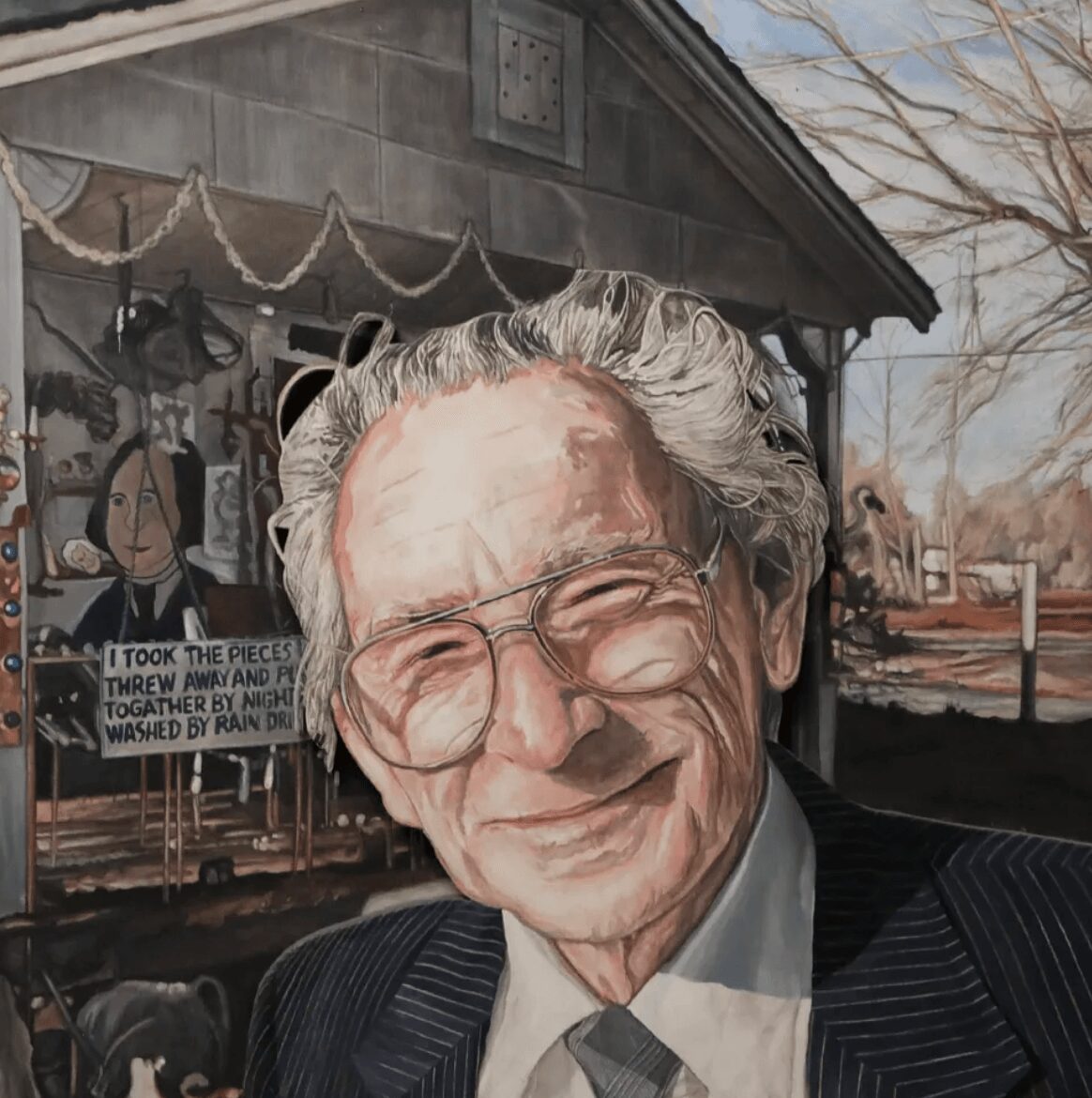
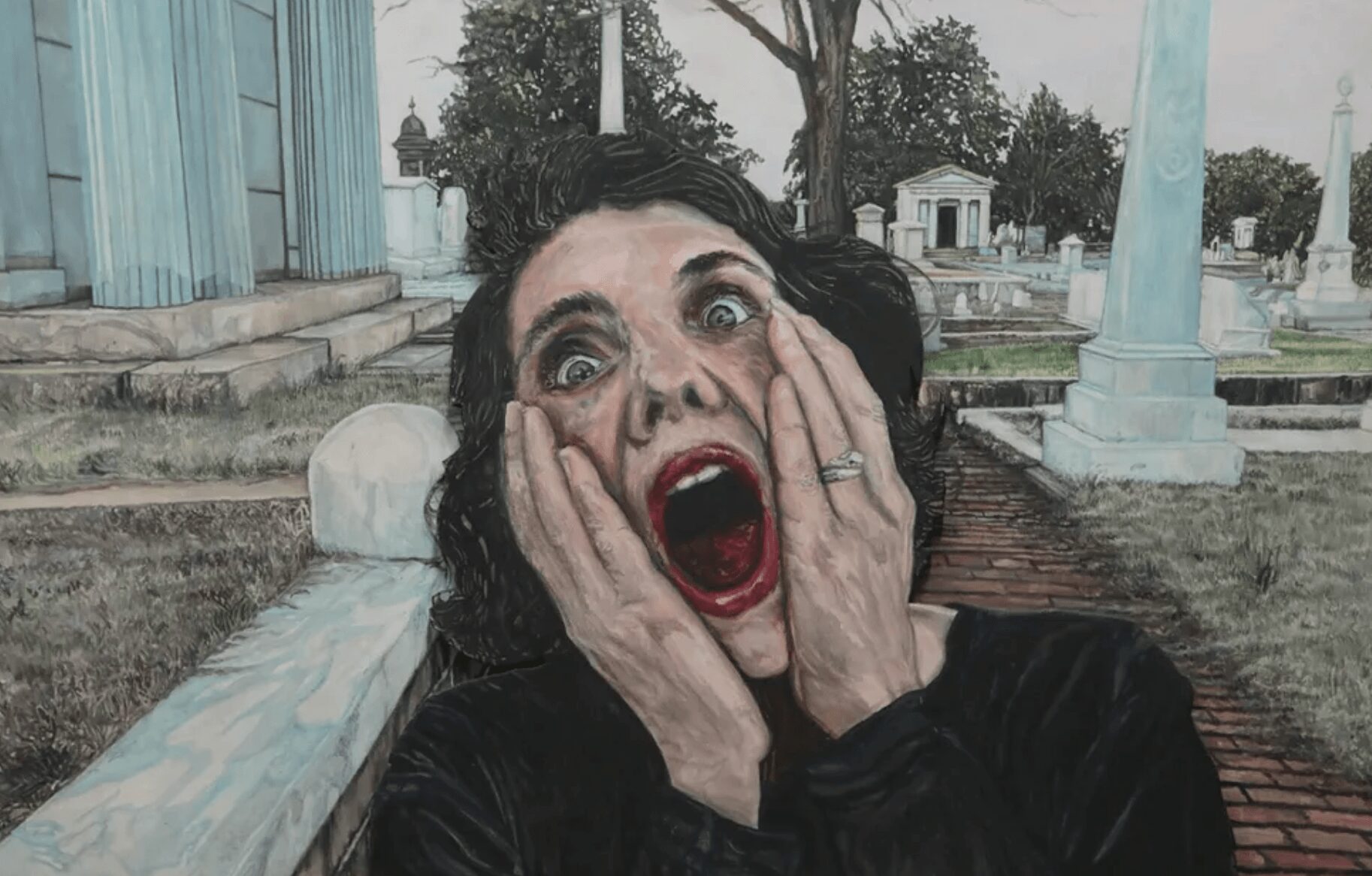
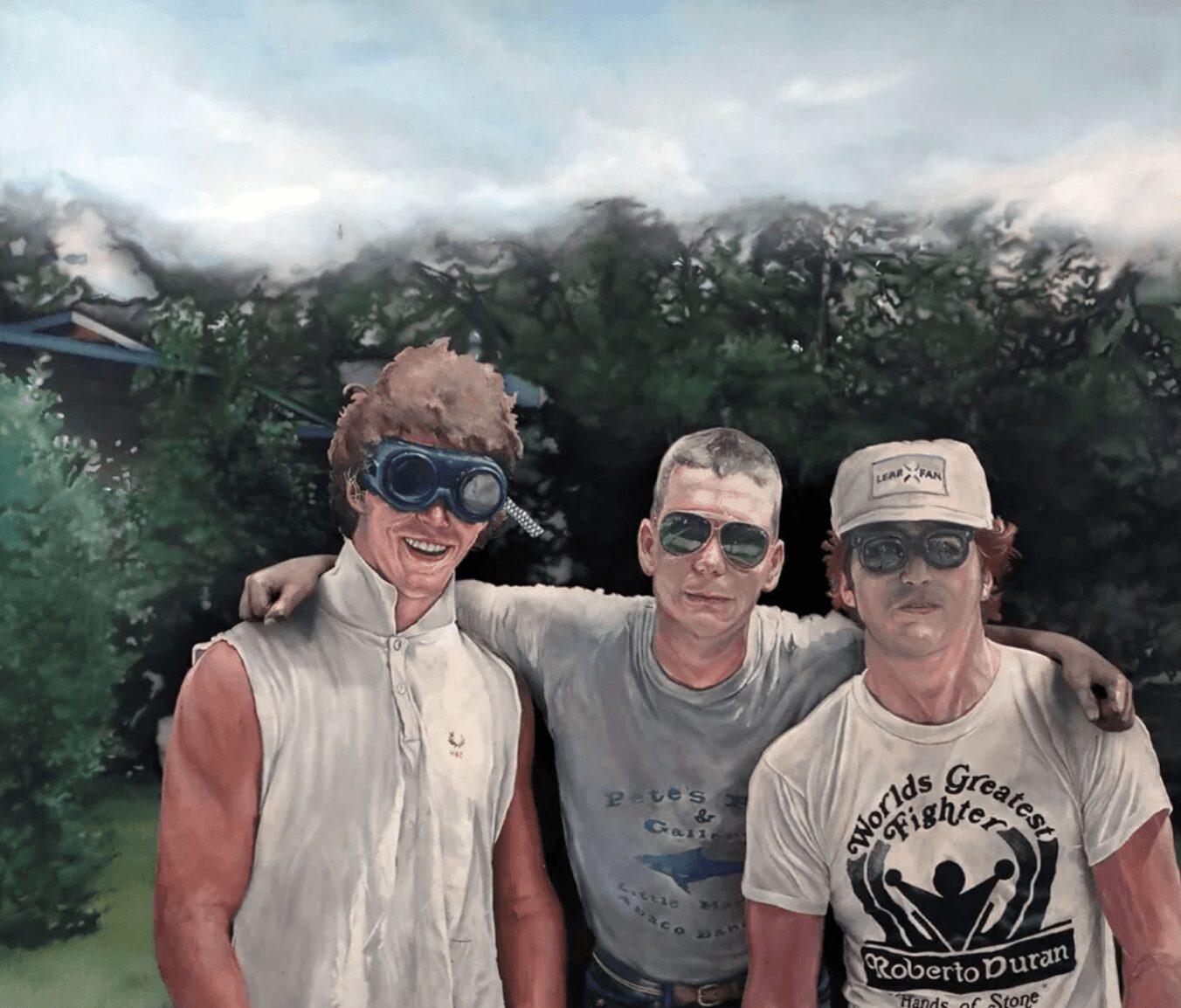
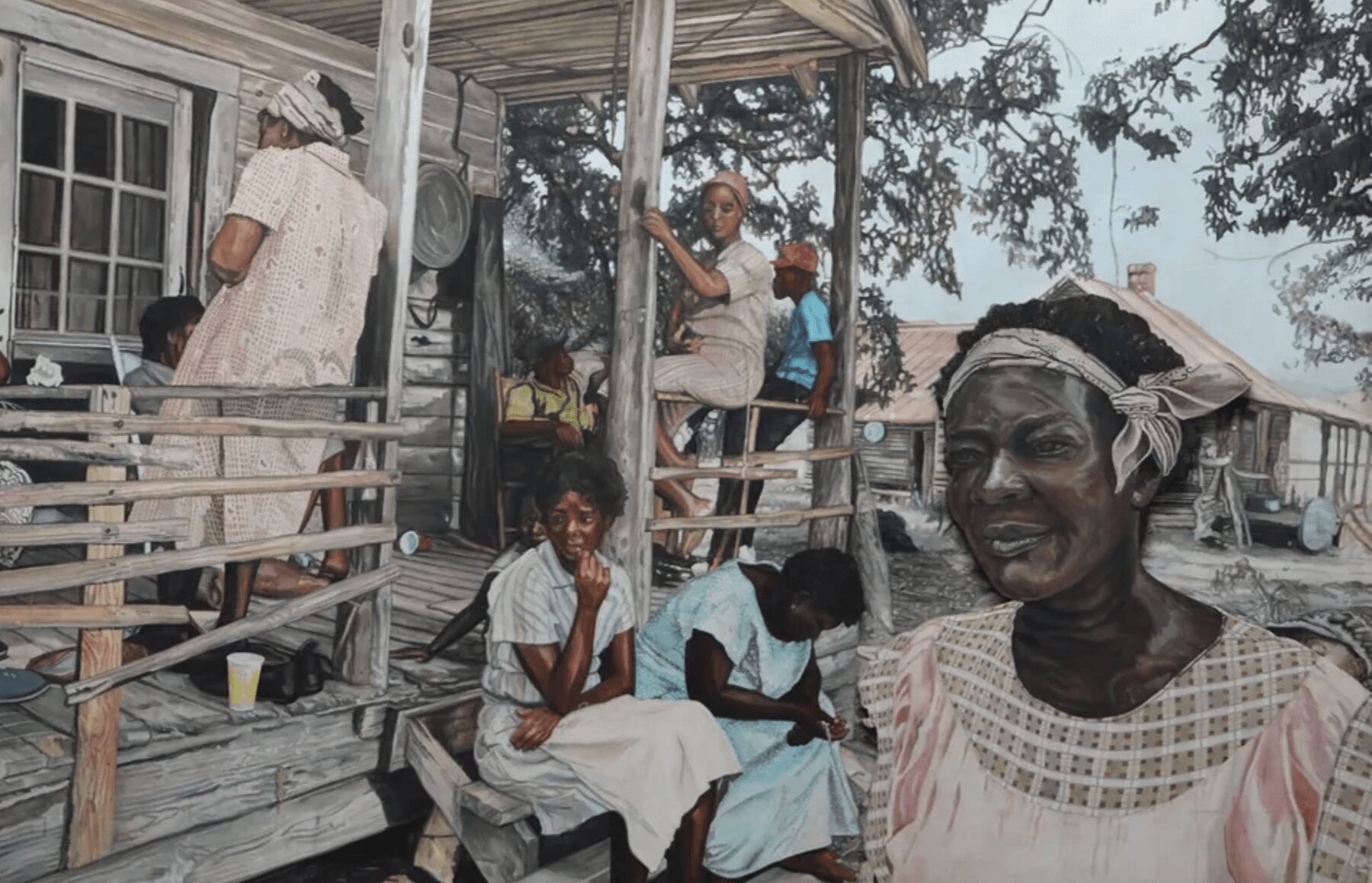
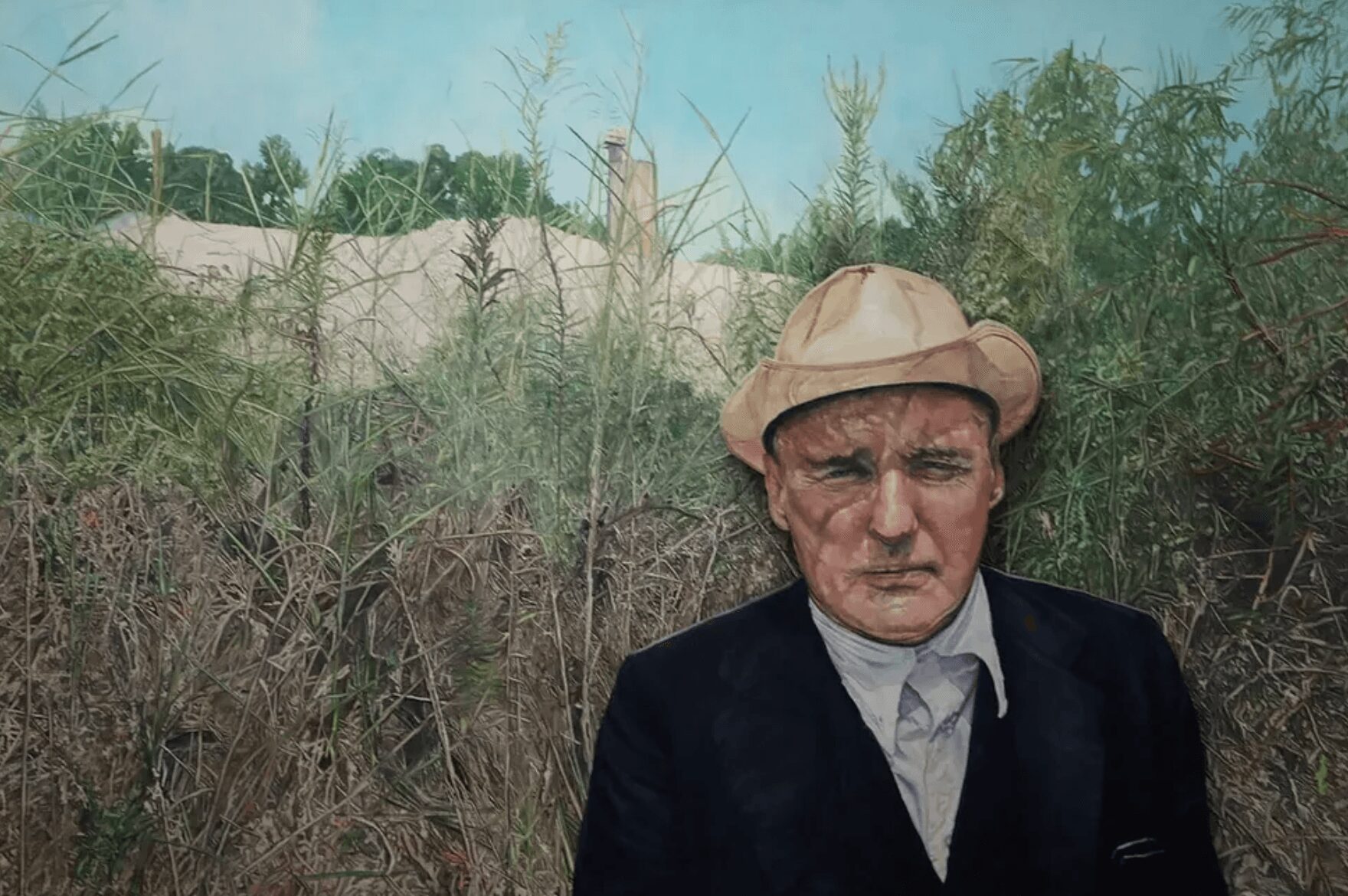
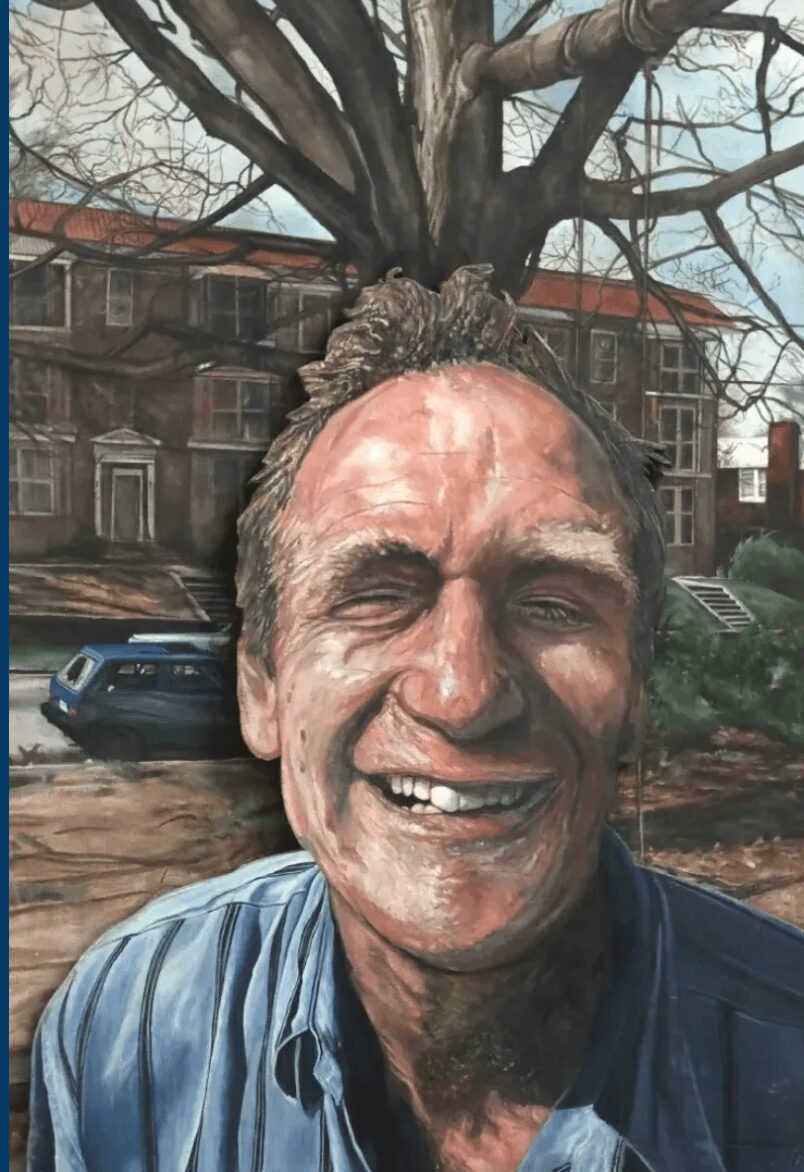
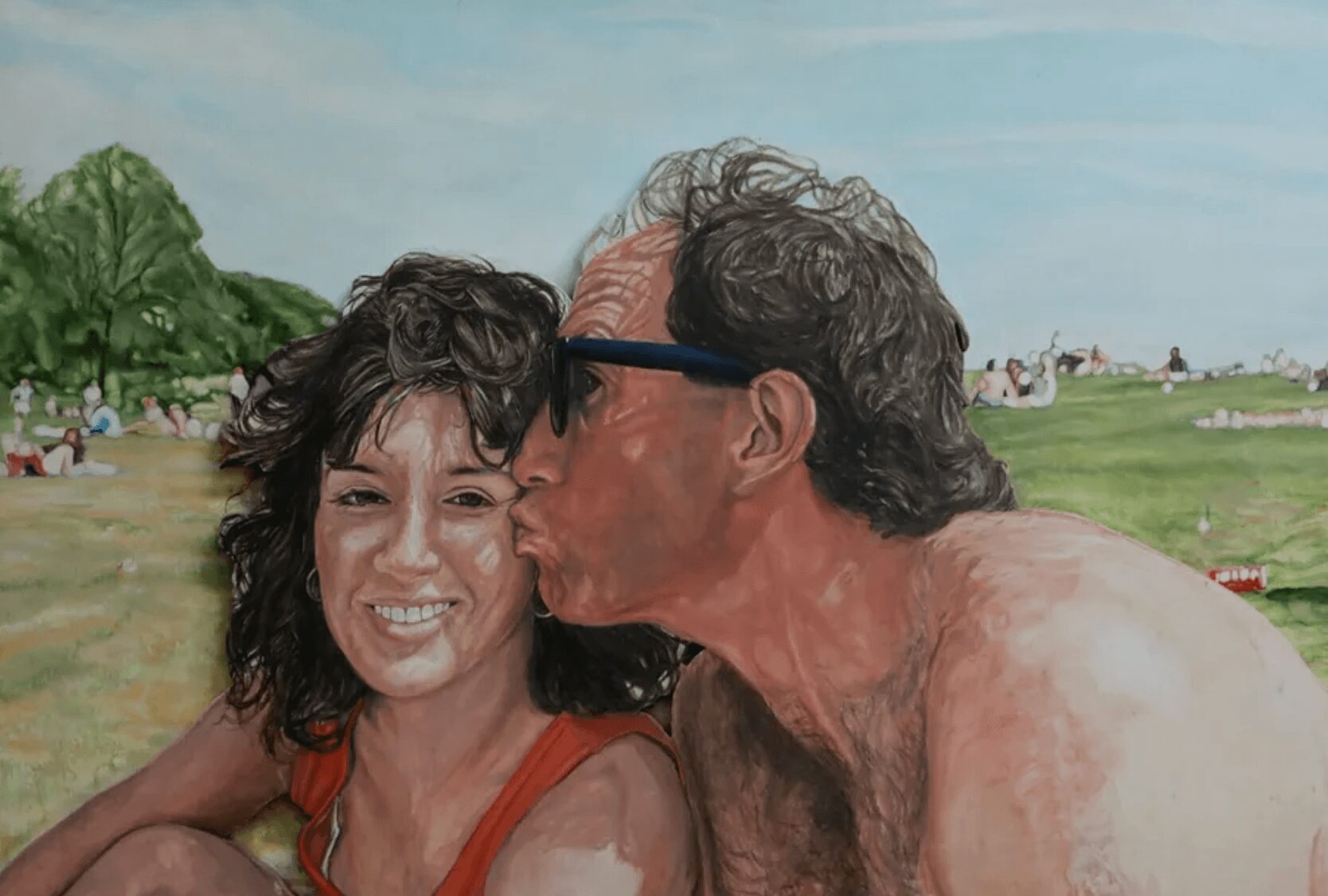
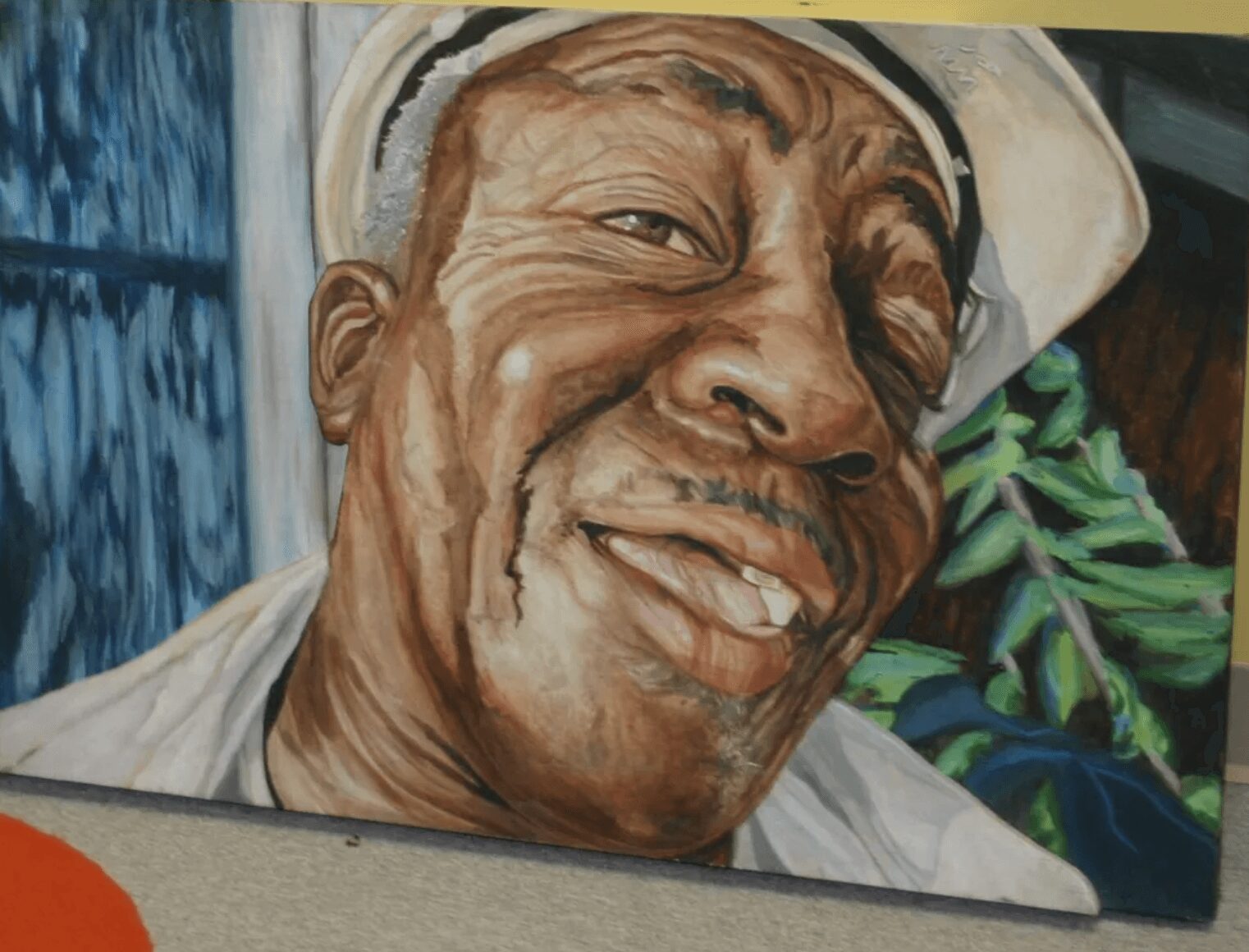
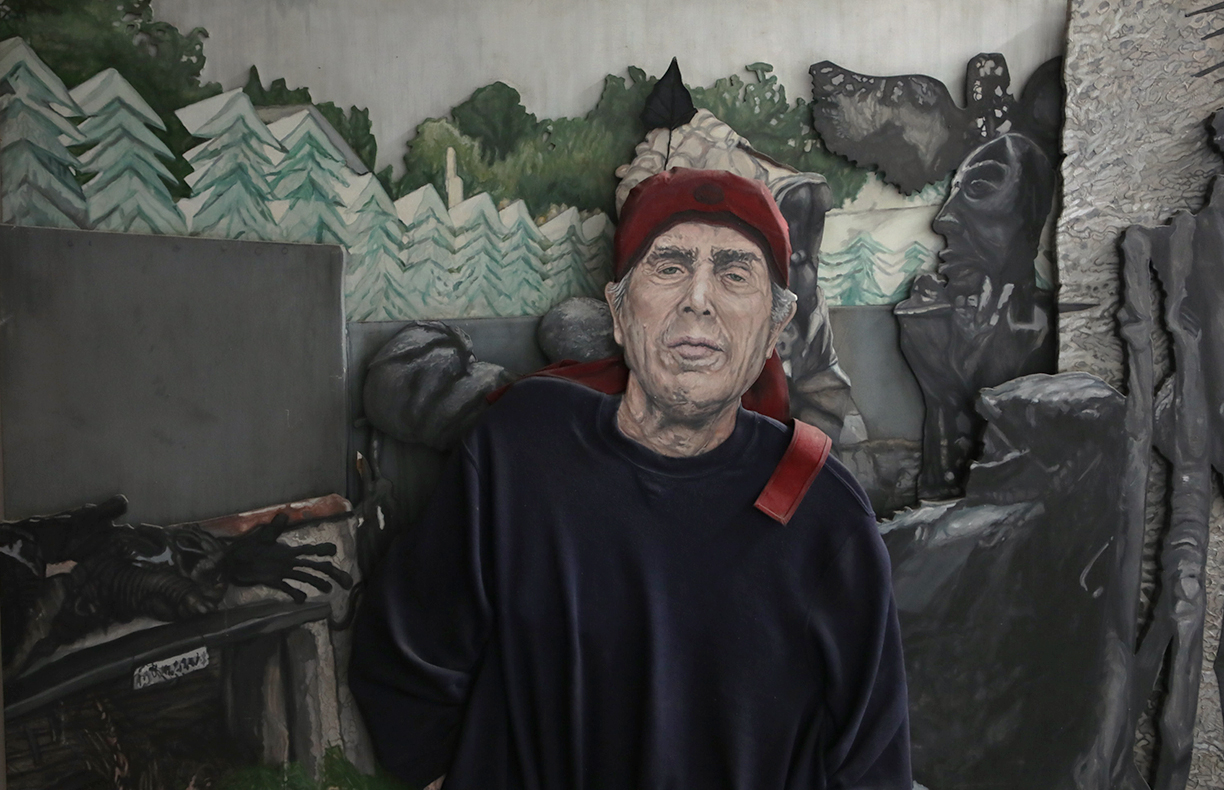
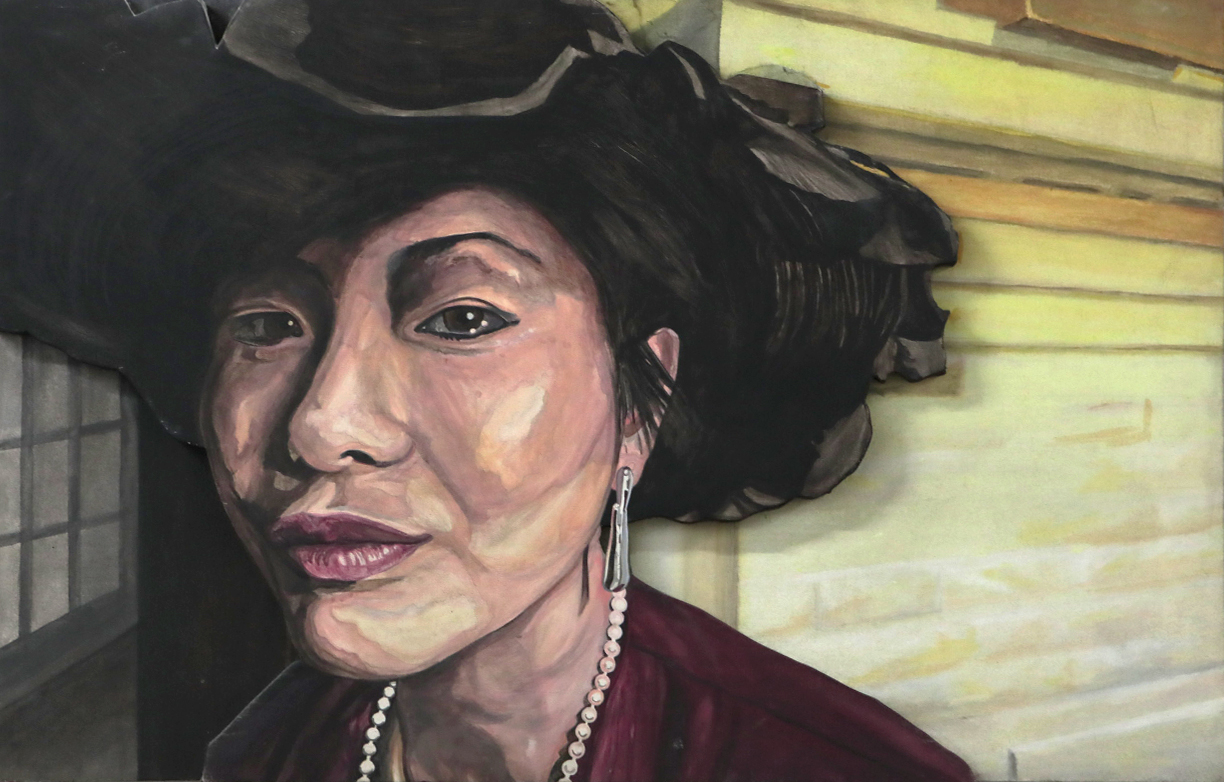
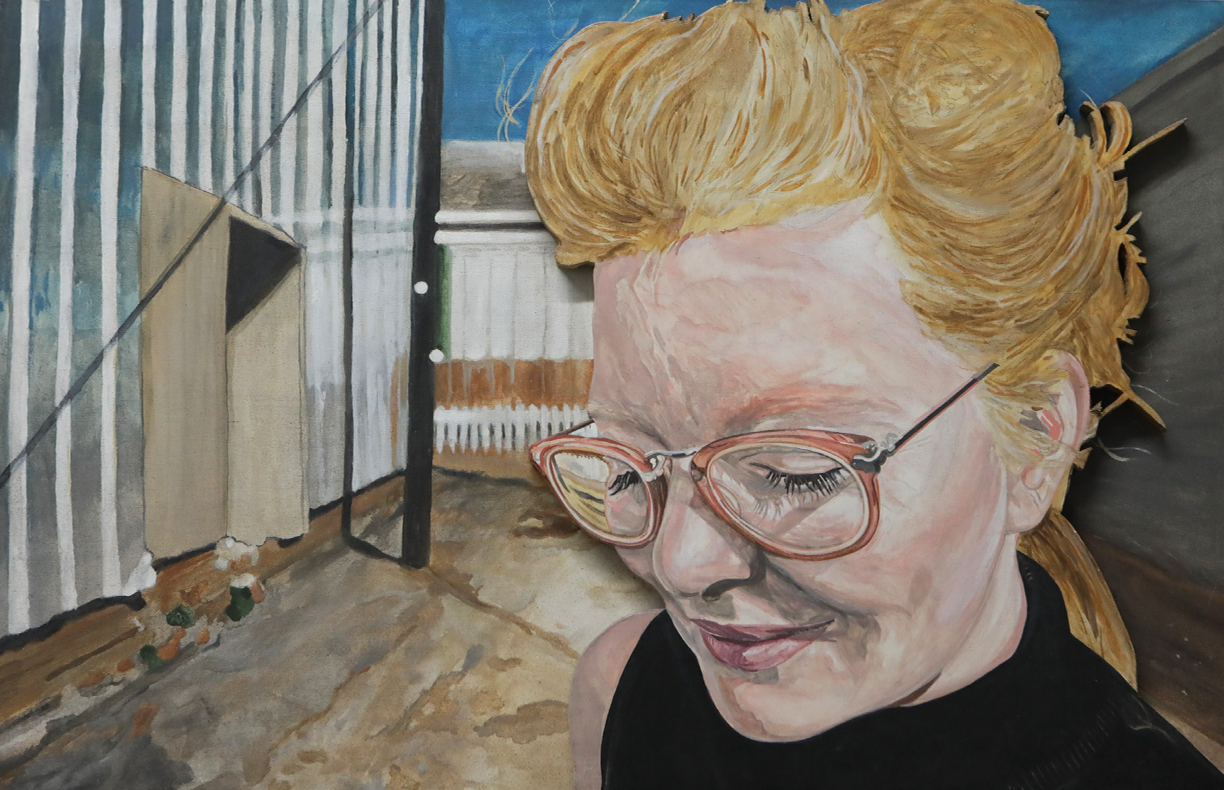
My work is fundamentally an exploration of the human condition. I am interested in the people who bring beauty and meaning to everyday life, especially those whose stories might otherwise go unnoticed. Through portraiture, I try to create more than a representation of someone’s appearance. I want each work to become a record of a person, a place, and a particular moment in time.
Environment is equally important to me. None of us develops independently from the places around us. Our neighborhoods, workplaces, homes, communities, and daily routines influence who we become. Because of that, I often think of my work as an evolving collection of “faces and places”—a visual archive exploring the connection between identity and environment.
One of the techniques I use to investigate that relationship is the shaped canvas. Instead of always working within a conventional rectangular picture plane, I fracture the composition and physically separate elements of the figure from the background. The painting begins to occupy space differently. It becomes part image, part object, and part environment itself.
That physical separation creates an interesting tension because, although the figure and background may exist on different planes, they are still connected to one another. That is very similar to the way I think about people and their environments. We see ourselves as individuals, but our experiences, surroundings, and relationships continually shape us. I want viewers to move around the work, look more closely, and consider those connections.
Ultimately, I want the work to remind people that the ordinary is worth preserving. A person working, sitting, talking, moving through a neighborhood, or simply existing within a familiar place can tell us something about ourselves. When those moments are collected over time, they become a mosaic of human experience. That evolving record—of faces, places, relationships, and environments—is what I hope my body of work continues to become.
How can people work with you, collaborate with you or support you?
No creative career develops entirely in isolation. Atlanta has provided me with a community of artists, designers, performers, filmmakers, photographers, fabricators, and other creative people who have influenced my work over the years. Some collaborations have been formal, while others have simply come from conversations, friendships, and being around people who are passionate about making things.
The alternative art community was especially important during my early years in Atlanta. Spaces such as Blue Rat Gallery, the Mattress Factory, Nexus, and other independent venues created environments where artists could experiment and support one another. Those communities demonstrated that artists did not always have to wait for established institutions to create opportunities. Sometimes you built the wall, opened the door, and invited people inside yourself.
My work in film, television, photography, music video, and production design has also made collaboration an essential part of my creative life. Those environments are inherently collaborative. A successful production requires designers, directors, photographers, fabricators, painters, technicians, performers, and many other people working toward a shared visual idea. That experience continually reminded me how much stronger creative work can become when people with different skills contribute to the same vision.
I have also been fortunate to receive support from Atlanta’s broader cultural community. Over the years, I have exhibited my work throughout the city, participated in festivals and public arts programs, received individual artist awards from the City of Atlanta’s Bureau of Cultural Affairs, and had opportunities to share my work both nationally and internationally. Those experiences gave me exposure, but more importantly, they created relationships and allowed the work to keep evolving.
I believe supporting artists ultimately means supporting the environments that allow creativity to happen. That can mean visiting an exhibition, buying work, hiring local creatives, mentoring someone younger, sharing resources, collaborating on a project, or simply showing up. Atlanta’s creative identity has always depended on people building things together. I have benefited from that community throughout my career, and I hope that through the exhibitions, productions, collaborations, and spaces I have helped create, I have contributed something meaningful to it as well.
Contact Info:
- Website: https://www.timbarrettdesigns.com
Popular
-

Hidden Gems: Local Businesses & Creatives You Should Know
-

ATL’s Most Inspiring Stories
-
From Showing Up to Seeing His Face on a Billboard: Anthony Green Is Just Getting Started
-

Portraits of Atlanta
-
Wayne Smith Jr on Survival, Psychological Thrillers, and the Cost of Staying Alive
-

Meet Laya Hoffman | Award-Winning Voice Actor, Live Announcer & Champion for Authentic Storytelling