






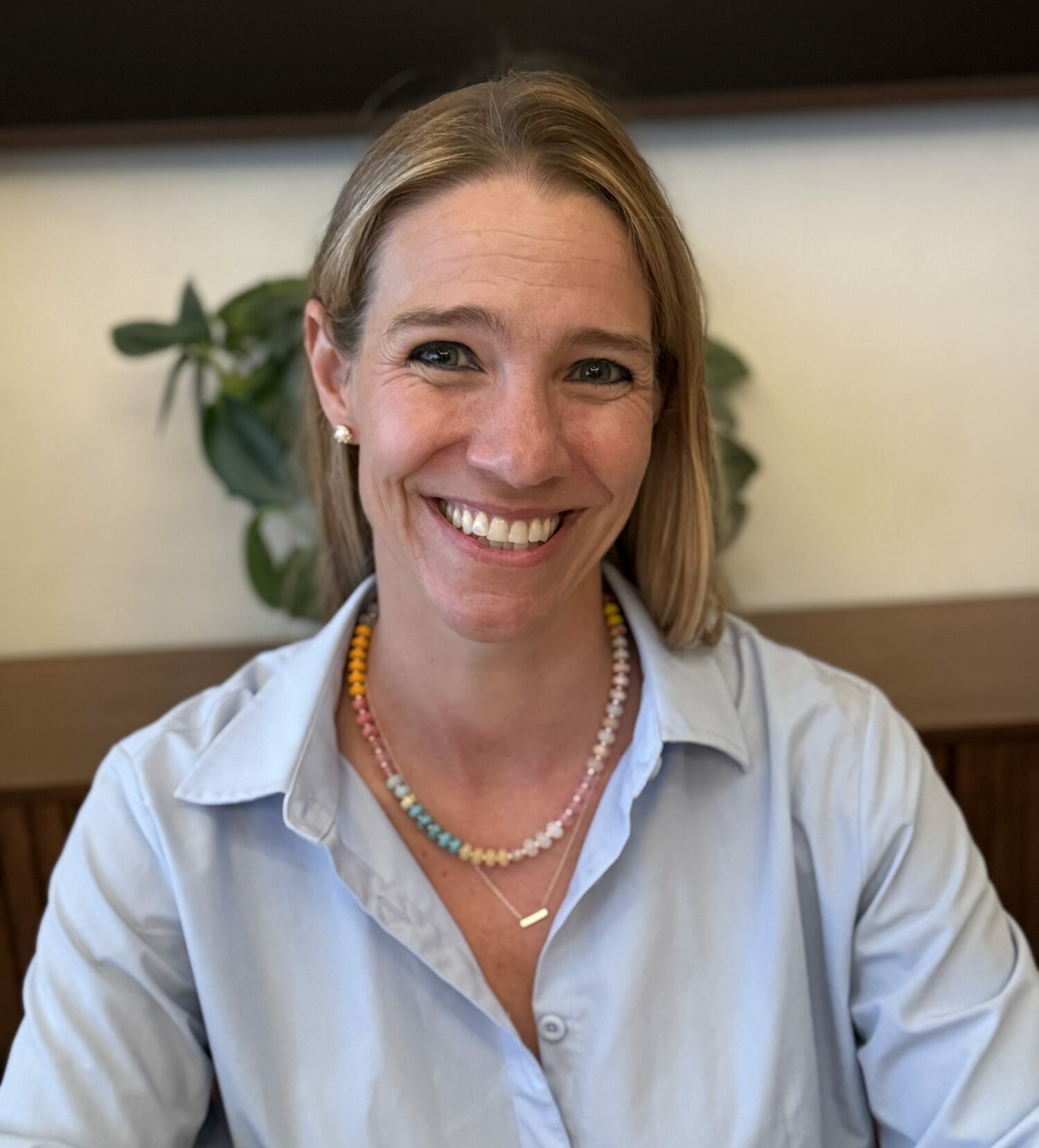
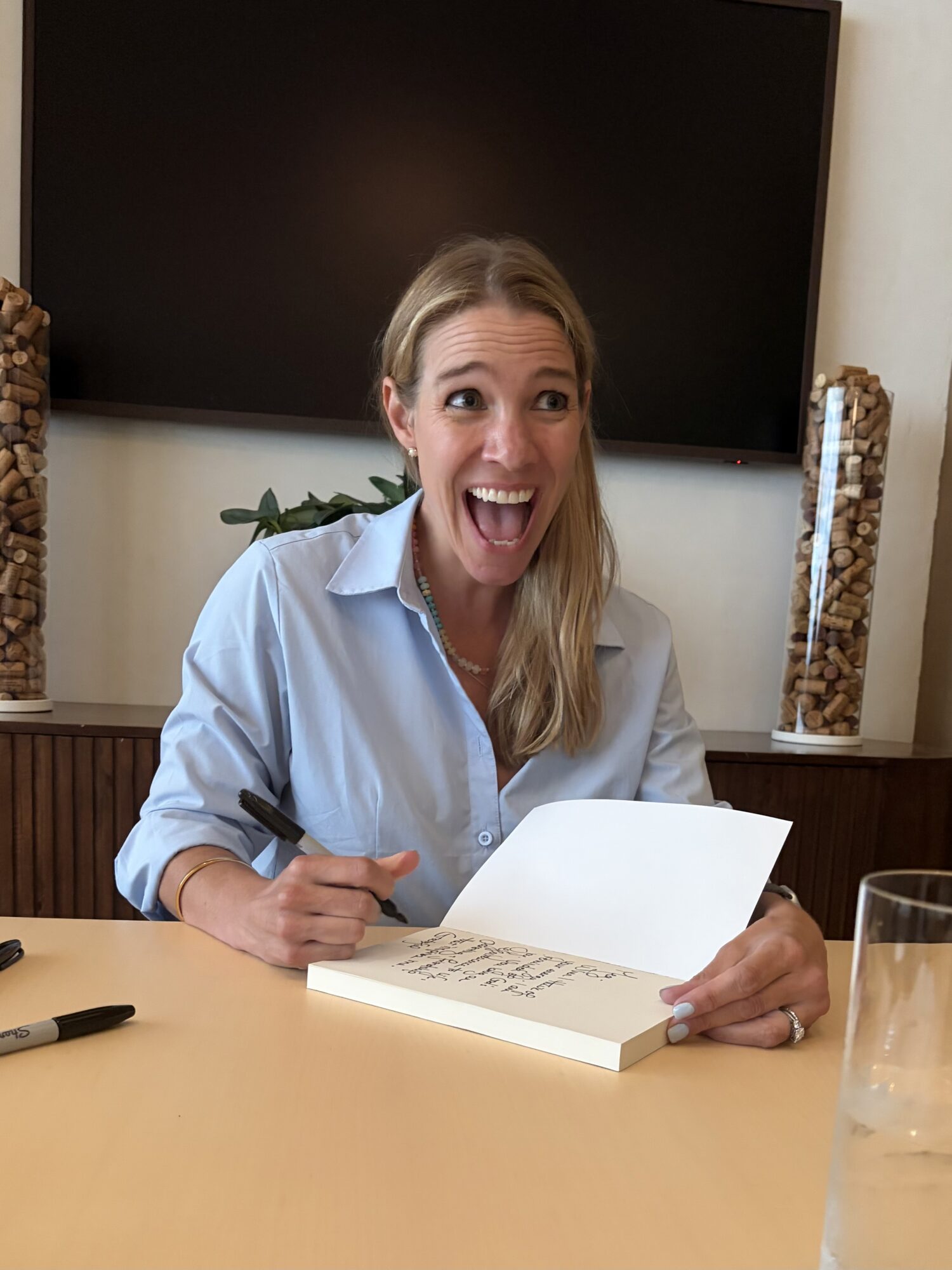
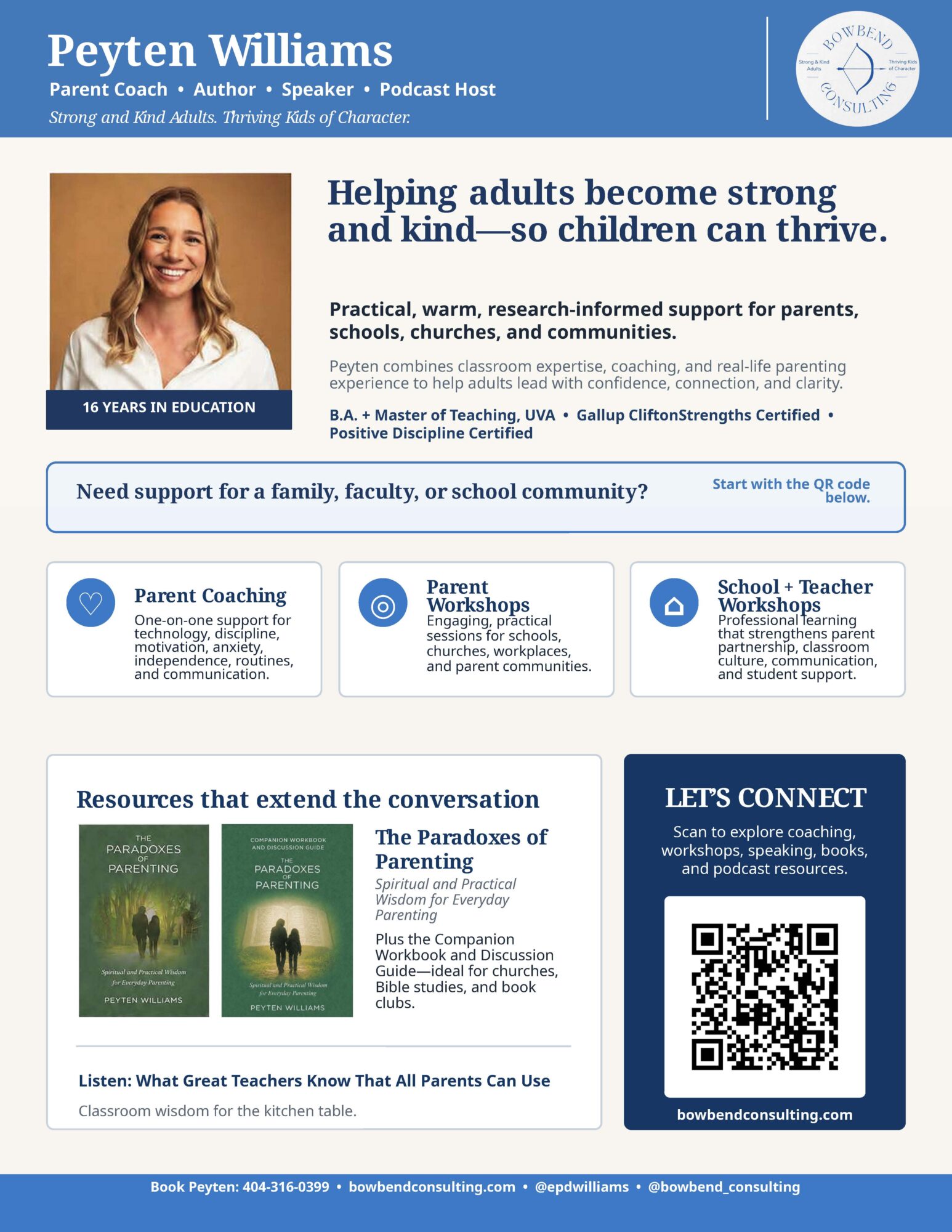
After years as an educator and instructional coach, Peyten Williams began noticing that many of the principles that helped teachers build strong classrooms could also transform the way parents approached life at home. Her new book, The Paradoxes of Parenting, and its companion guide explore the tensions at the heart of raising children — from protection and independence to compassion and accountability — while encouraging parents to develop judgment rather than chase perfect answers. Through Bowbend Consulting, coaching, speaking, and her Strong + Kind framework, Peyten is helping adults approach parenting with greater clarity, confidence, and grace.
Peyten, congratulations on the release of your book, The Paradoxes of Parenting and its companion guide. What inspired you to write these resources, and what do you hope parents gain from reading them?
Thank you! This book was really about ten years in the making. It began when I was still working full-time as an educator and noticing how often the lessons that helped teachers build strong classrooms were also incredibly useful for parents at home. Over time, though, the book became about something much bigger.
I began to see that so much of parenting happens in the tension between two good things. We want to protect our children, but we also need to prepare them. We want to be compassionate, but we also need to hold boundaries. We want them to be confident, but also humble; independent, but deeply connected; successful, but grounded in something bigger than achievement.
There usually isn’t one perfect parenting strategy that resolves those tensions. Parenting requires judgment—knowing what this child needs in this moment.
As a Christian, I also began to understand those tensions as places where God was shaping me, not just my children. Parenting has a way of revealing our fears, expectations, priorities, and desire for control. The book became both practical and spiritual because I don’t think we can entirely separate those things.
My hope is that parents finish The Paradoxes of Parenting feeling less anxious about doing everything perfectly and more confident in their ability to lead their families wisely. I want them to have practical tools, but even more than that, I want them to develop the judgment and confidence to know how to use those tools.
The companion guide was created to help parents go even deeper. It gives individuals, couples, small groups, and Bible studies an opportunity to reflect on the ideas in the book, connect them to Scripture, and actually practice them in everyday family life.

Your work emphasizes that parenting is filled with paradoxes and challenges. What are some of the most common struggles you see parents facing today, and how does your approach help them navigate those moments with greater confidence?
Parents today are raising children in a really complicated environment. Technology is changing childhood. Anxiety and achievement pressure are high. Parents have access to more parenting information than any generation before them, and ironically, I think that sometimes makes them feel less confident rather than more.
I see parents wrestling with questions like: How much should I help? When should I step back? Am I being too strict or too permissive? Should I intervene in this friendship problem? How much technology is too much? Do I push my child through something difficult or recognize that they genuinely need support?
Those questions rarely have one universal answer because each child, moment, and family is unique.
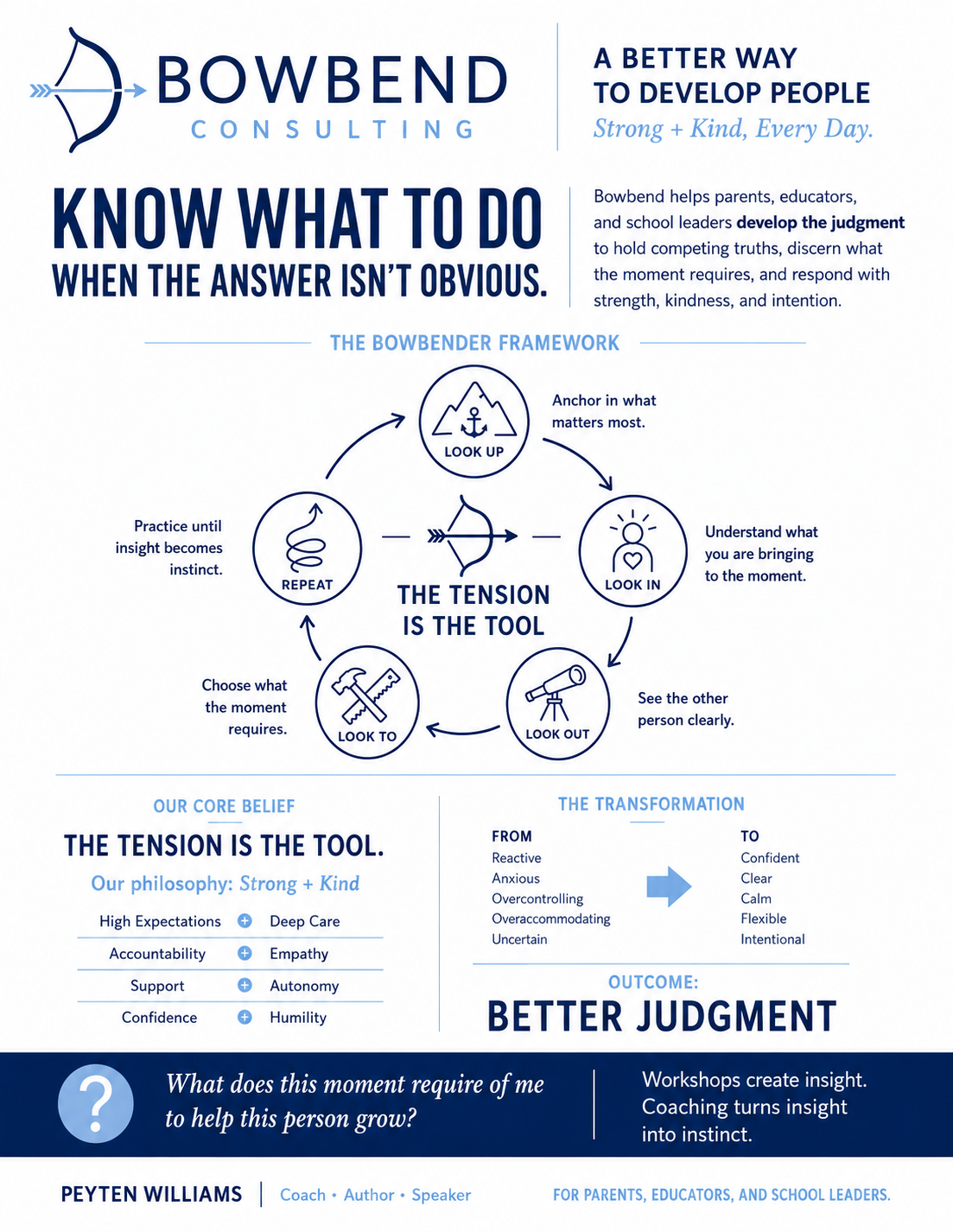
That is why one of the core ideas in my work is that the tension is the tool. Instead of assuming that tension means something has gone wrong, I encourage parents to become curious about it. The tension between support and independence, empathy and accountability, flexibility and consistency can actually help us make better decisions.
My Strong + Kind framework helps parents slow those moments down. We Look Up at the values and bigger purpose guiding us. We Look In at our own emotions, fears, and instincts. We Look Out at the child in front of us and what is actually happening. And then we Look To the people, research, wisdom, or support that can help us make a thoughtful decision.
Then we repeat, because parenting is not a problem we solve once. It is a relationship we keep learning how to navigate.
The goal isn’t perfect parenting. The goal is better judgment over time—and parents who feel more clear, calm, and intentional when the hard moments come.
Parent coaching can look very different depending on the coach. What does working with you typically involve, and how do you tailor your coaching to meet the unique needs of each family?
One of the things I love most about coaching is that every family is different. I don’t have a script that I apply to everyone.
Parents usually come to me because there is something that feels stuck. Maybe they are constantly battling over technology, homework, behavior, sibling conflict, motivation, anxiety, independence, or communication. Sometimes the presenting problem is very specific. Other times a parent simply says, “I don’t like the way things feel in our house right now, and I’m not sure what to do differently.”
We start by getting really clear about what is happening—not just the behavior, but the patterns underneath it. I ask a lot of questions. I want to understand the child, the parents, the family culture, the developmental stage, and what the parents ultimately want their relationship with their child to look like.
Then we work together to identify practical next steps.
Because of my background as an educator and instructional coach, I tend to approach parent coaching similarly to the way I coached excellent teachers. We don’t just ask, “What strategy should I use?” We also ask, “What am I noticing? What is this child communicating? What assumptions am I making? What am I trying to teach? What would strong and kind leadership look like here?”
Sometimes parents need a concrete plan. Sometimes they need language for a difficult conversation. Sometimes they need help setting a boundary. And sometimes they simply need someone outside the situation to help them see it more clearly.
Ultimately, I don’t want parents to become dependent on a coach. I want them to develop their own instincts and judgment so that they increasingly know how to respond when the next parenting challenge comes along.
Many parents feel pressure to “get it right” all the time. What mindset shifts do you encourage that can help parents build stronger, healthier relationships with their children while giving themselves more grace?
One of the biggest mindset shifts I encourage is moving from “What is the right parenting technique?” to “What am I trying to develop in my child, and in myself?”
There is so much pressure on parents to say the perfect thing, regulate perfectly, follow the right script, and handle every difficult moment calmly. Of course we want to grow in those areas, but no parent is going to do that perfectly.
Our children actually don’t need flawless parents. They need parents who are willing to reflect, repair, apologize, grow, and keep showing up.
I also encourage parents to stop viewing every difficult moment as evidence that something is going wrong. Conflict, frustration, disappointment, mistakes, and even failure are part of childhood—and part of family life. Sometimes our instinct is to eliminate those experiences for our children, when in reality those are often the very experiences through which resilience, responsibility, empathy, and wisdom develop.
That is where Strong + Kind becomes so important. Strength without kindness can become controlling. Kindness without strength can become permissive. Children need both. And frankly, parents need both for themselves too.
We can hold ourselves accountable for the kind of parent we want to become while also extending ourselves grace when we fall short.
I often tell parents that the goal isn’t to get every moment right. It is to become the kind of person who can recognize when something isn’t working, get curious, make an adjustment, and try again.
That is what we want our children to learn to do too.
Looking ahead, what’s next for your work? Are there any new coaching programs, speaking opportunities, or future resources you’re excited to share with parents and families?
I’m really excited about where this work is going because the ideas in the book have grown into something much larger than a parenting framework.
Through Bowbend Consulting, I’m working with parents, educators, schools, and organizations around a central question: How do we develop people who have the judgment, resilience, and character to navigate a complicated world well?
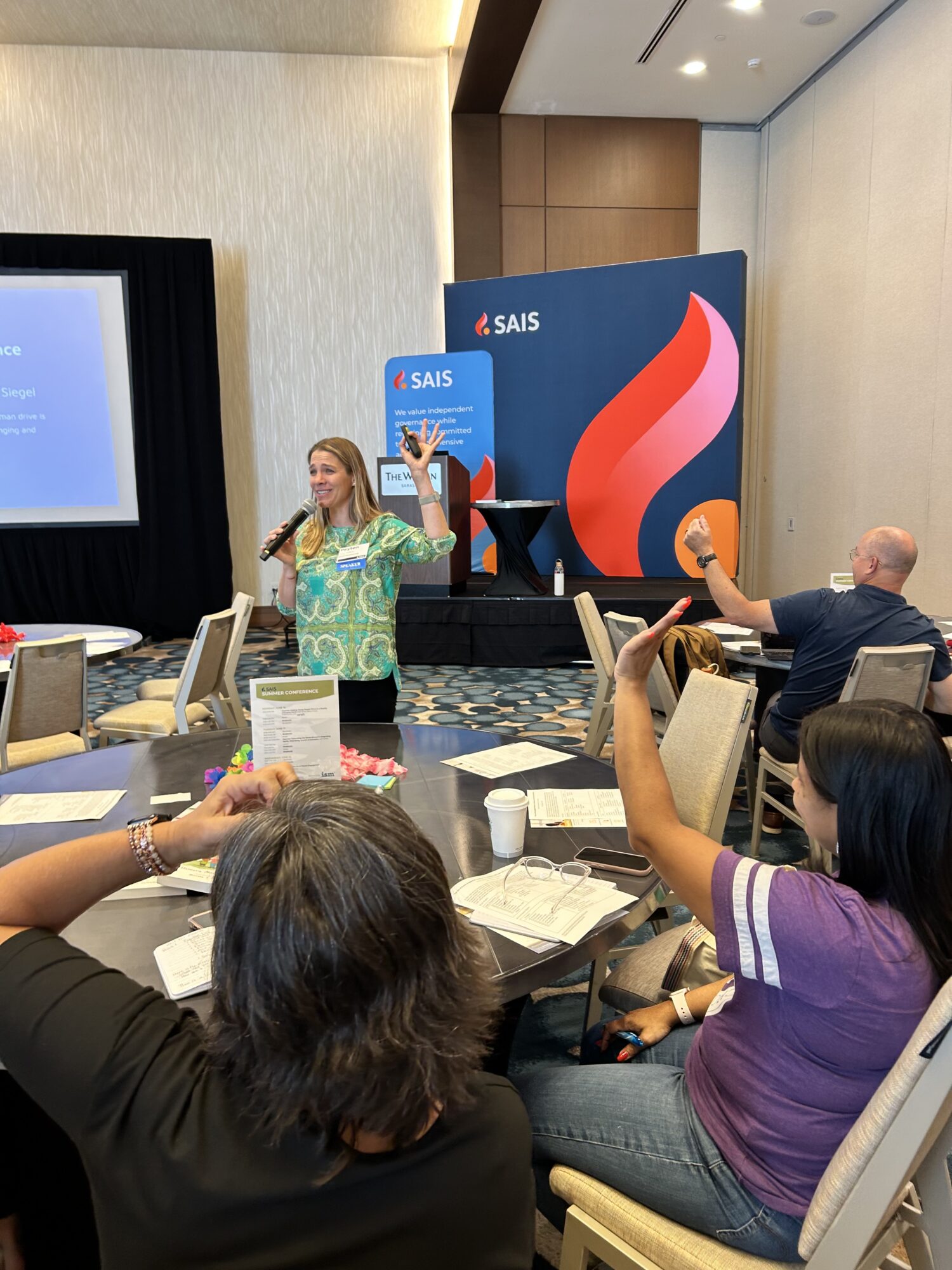
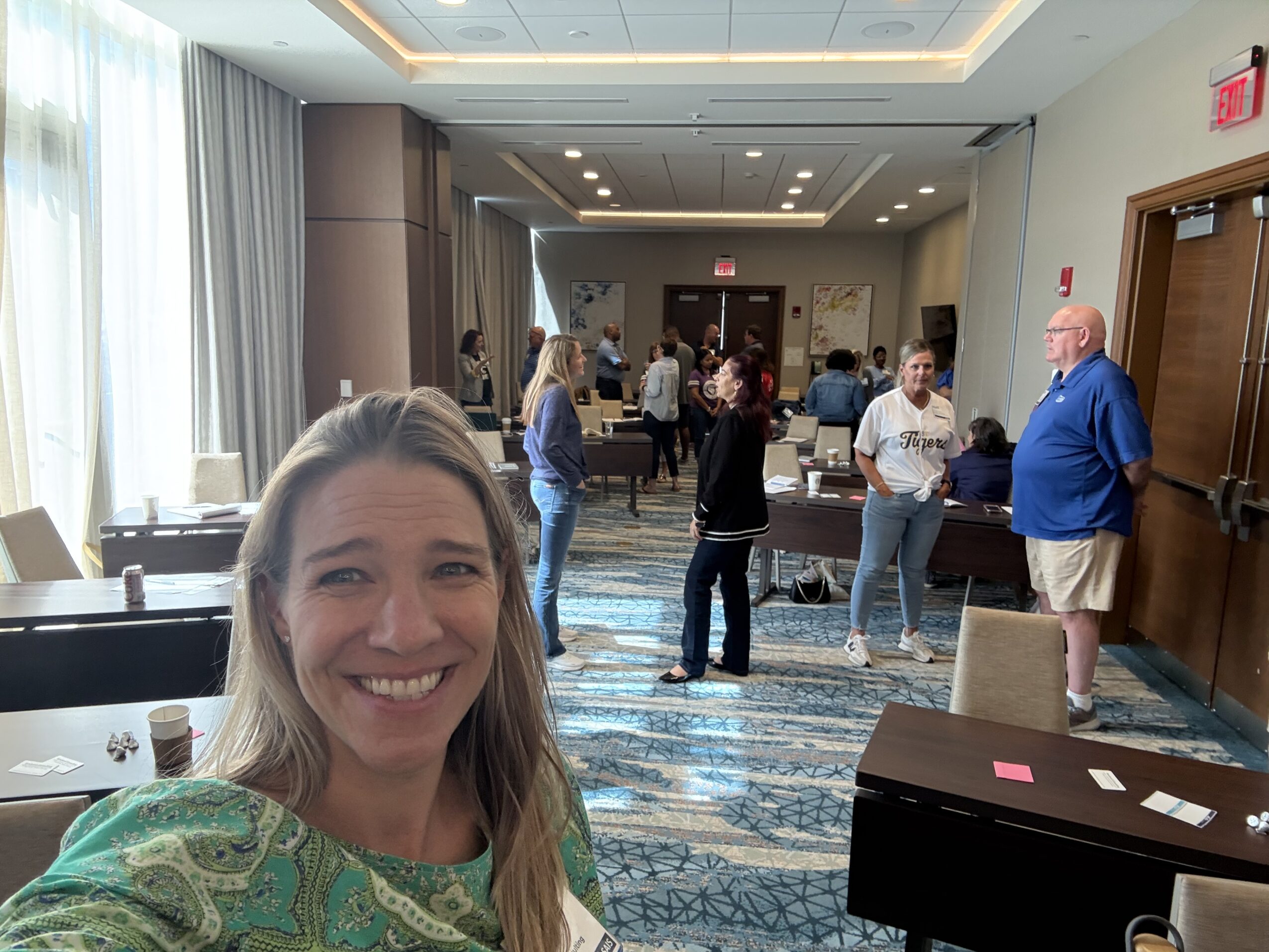
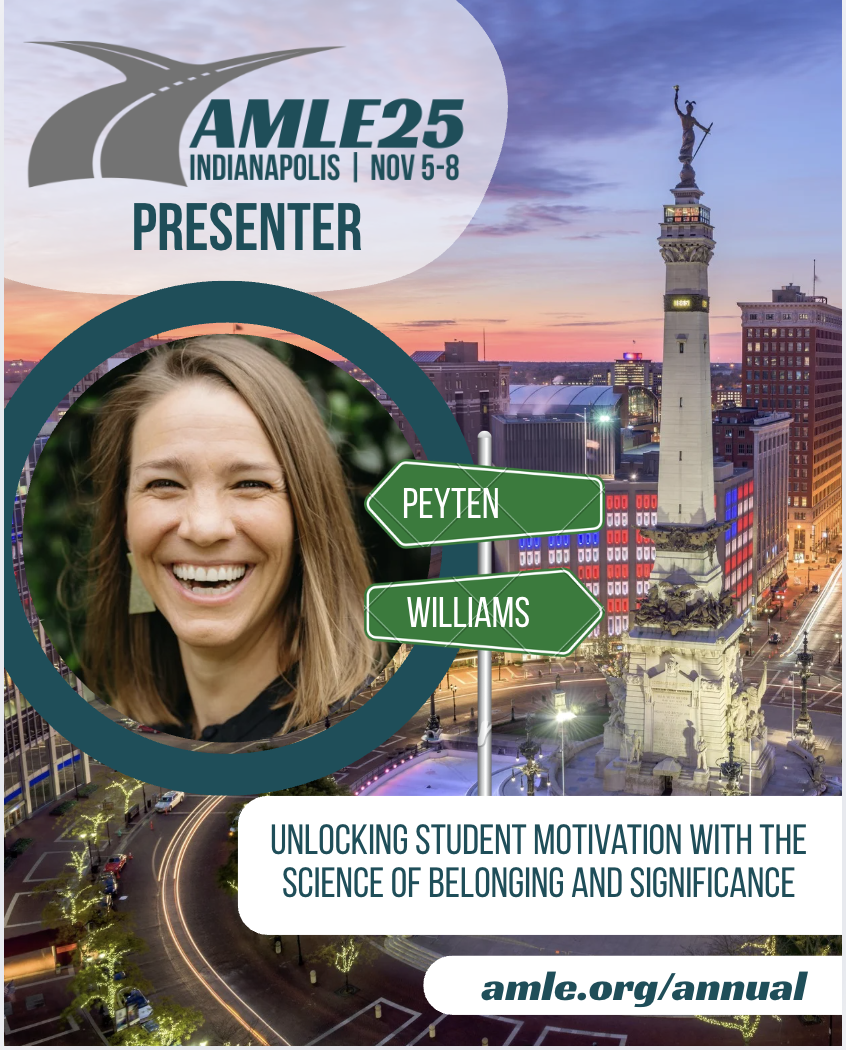
I’m continuing to expand my parent and educator coaching, along with workshops and speaking for schools, churches, and conferences. I’m especially interested in helping adults think about what it means to be Strong + Kind leaders—whether they are leading a family, a classroom, a school, or a team.
I’m also continuing my podcast, What Great Teachers Know That All Parents Can Use, because I believe some of the best wisdom about children already exists inside great classrooms. Teachers spend their careers learning how to motivate children, build relationships, create healthy boundaries, respond to behavior, encourage independence, and help young people grow. I love translating that wisdom into something parents can use at home.
I’m also developing more resources around what I call the Bowbender framework—the process of Looking Up, Looking In, Looking Out, and Looking To in order to develop better judgment.
Ultimately, all of the work points toward the same goal. I want parents and educators to feel less like they are constantly searching for the perfect answer and more confident in their ability to respond wisely to the person and situation in front of them.
Children are growing and changing all the time. The adults who care for them have to keep growing too.
That’s why my invitation is simple: Strong + Kind, Every Day

Popular
-

Peyten Williams Is Helping Parents Trade the Pressure of Perfect Parenting for Better Judgment
-

Hidden Gems: Local Businesses & Creatives You Should Know
-

ATL’s Most Inspiring Stories
-

Portraits of Atlanta
-

Dr. Hildiah Martin-Suggs Is Building Second Chances for Youth Who Were Almost Lost in the System
-

From Showing Up to Seeing His Face on a Billboard: Anthony Green Is Just Getting Started